Best Ice Fishing Lures for Maryland Lakes
There's nothing quite like the crisp air and serene silence of a frozen Maryland lake, but if you've ever tried ice fishing, you know the frustration of staring down a hole, convinced fish are there, but getting absolutely no bites. It’s tough to choose the right gear, especially when conditions are finicky and fish can be incredibly lethargic. This comprehensive guide will pull back the curtain on the best ice fishing lures for Maryland lakes, helping you understand what to use, when, and why, so you can turn those silent stares into exciting catches.
Understanding Maryland's Ice Fishing Scene
Ice fishing in Maryland, while a unique and rewarding experience, isn't quite like what you see in the expansive ice belts of the Midwest or New England. Our winters can be unpredictable, making the ice fishing season often short-lived and requiring anglers to be opportunistic. But for those dedicated enough to brave the cold, the rewards are often fantastic. It's about being prepared with the right tactics and, crucially, the right lures for the specific species lurking beneath the hard water.
The Challenges of Maryland Ice Fishing
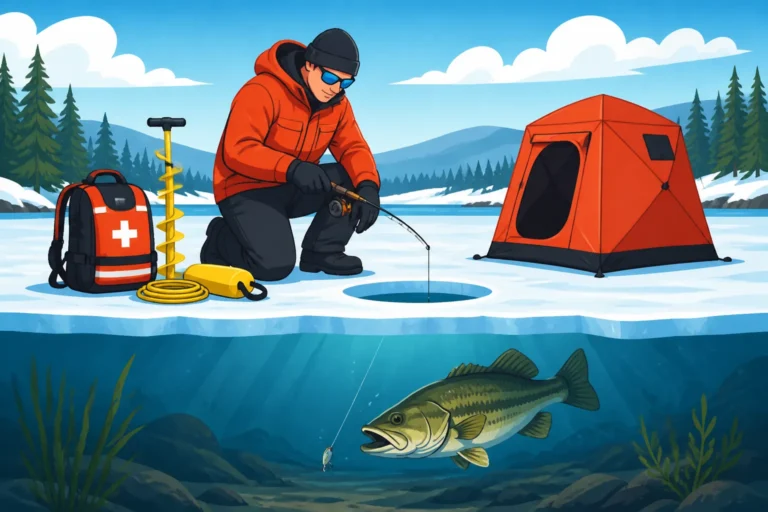
One of the biggest hurdles for ice anglers in Maryland is the variable nature of our winters. Unlike states further north with consistently thick ice, Maryland's ice cover can form and thaw rapidly, especially in our lower elevation areas. This means that safe ice windows might be fleeting, requiring quick action and careful attention to ice safety. You might get a week or two of good ice on smaller ponds and shallow coves, while larger, deeper lakes like Deep Creek Lake might offer a more extended season. Always check with local authorities, like the Maryland Department of Natural Resources (DNR), or reliable local bait shops for current ice conditions before heading out.
Furthermore, fish behavior under thinner, less stable ice can be different. They might be more wary of vibrations or more sensitive to sudden changes in light. This means your lure presentation needs to be dialed in, often leaning towards more subtle and natural approaches. The short season also means you need to make every outing count, and having a well-stocked tackle box with proven Maryland ice fishing lures is key to maximizing your success.
What Fish Are We Targeting Through the Ice?
When you drop a line through the ice in Maryland, you're primarily aiming for a few cold-hardy species that remain active even in frigid water. Yellow Perch are arguably the quintessential Maryland ice fishing target, often schooling in large numbers and providing fast action once you find them. Crappie, both black and white, are also highly sought after, especially in deeper reservoirs where they suspend in tight schools. Bluegill and other panfish offer reliable fun, particularly for beginners and kids.
For the more adventurous, some lakes and reservoirs, most notably Deep Creek Lake, offer opportunities for Walleye and Northern Pike. While less common, some stocked trout waters might also provide ice fishing possibilities for Rainbow Trout, Golden Rainbow Trout, and Brown Trout. Understanding your target species is paramount, as it directly dictates the type, size, and presentation of the lure you'll choose. For example, a tiny jig for bluegill won't cut it for a cruising walleye, and vice-versa.
Jigging Spoons: The Flash and Flutter Favorites
When it comes to ice fishing in Maryland, jigging spoons are often the first thing anglers reach for, and for good reason. These metallic wonders are incredibly versatile and effective, particularly for targeting species like yellow perch and walleye that are drawn to both flash and movement.
Why Jigging Spoons Dominate for Perch and Walleye
Jigging spoons excel at mimicking injured baitfish, which are a prime food source for many predatory fish under the ice. Their inherent design allows them to flutter, flash, and dart erratically with even minimal rod movement. This action sends out vibrations and light reflections that can attract fish from a distance, pulling them into your fishing zone. Once a fish investigates, the spoon's wounded appearance often triggers an aggressive strike. For yellow perch, which are often schooling, a spoon can quickly draw in multiple fish, leading to rapid-fire action. Walleye, known for their preference for low light conditions and their keen sight, are also highly susceptible to the flash and profile of a well-presented jigging spoon. The descent rate of a spoon can also be controlled by its weight, allowing you to quickly get down to deep-holding fish or slow down the fall to entice finicky eaters.
The erratic fall is key. Instead of a straight drop, a good jigging spoon will wobble, spin, or glide to the side, covering a larger water column and giving fish more time to see and react to it. This can be especially effective when fish are suspended off the bottom or when you're trying to locate a school. Often, the strike will come on the fall, so paying close attention to your line as the spoon descends is crucial.
Top Jigging Spoon Styles and Colors
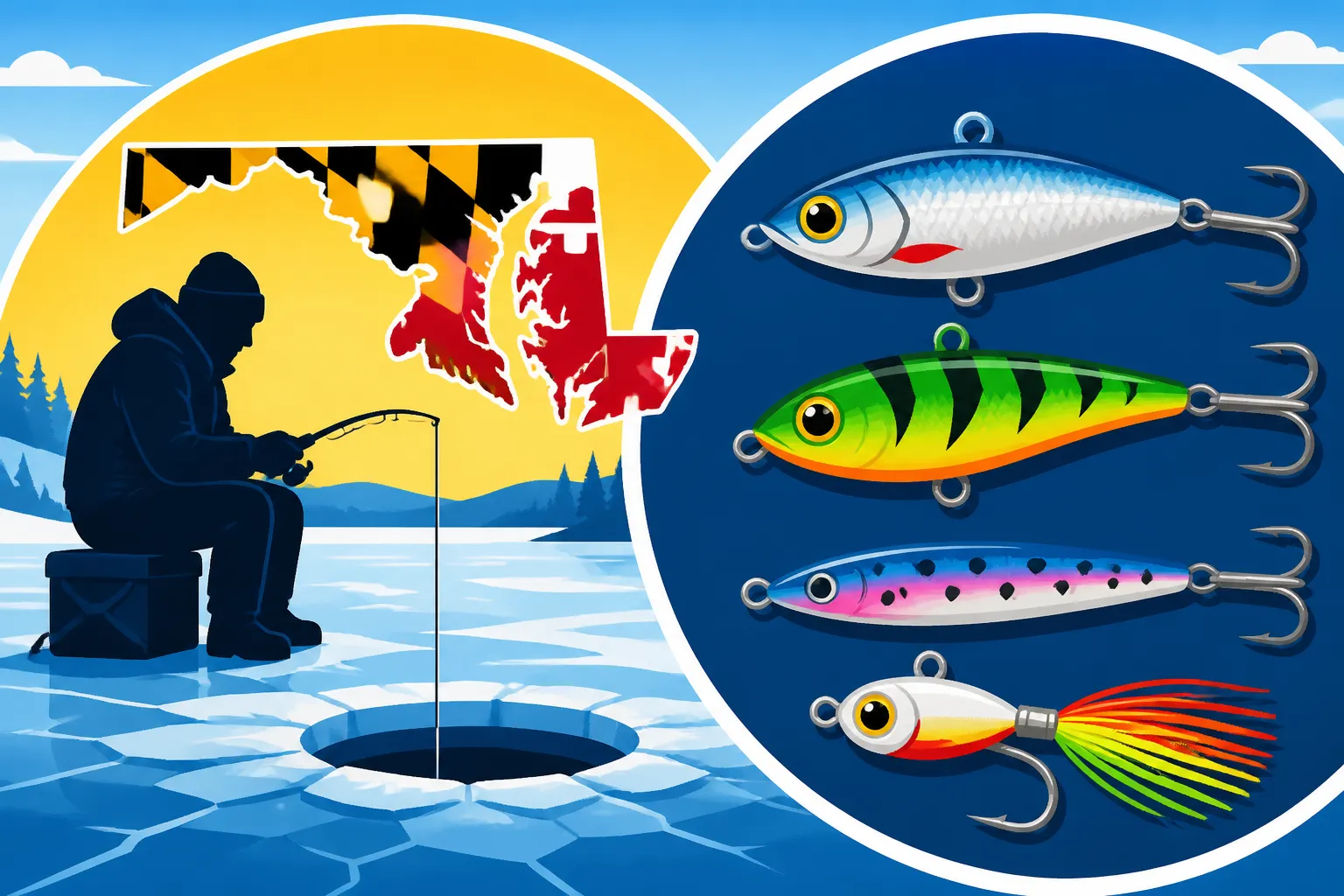
There’s a vast array of jigging spoons out there, each with its own unique action and appeal. Classic spoons like the Swedish Pimple or the Acme Kastmaster are perennial favorites, known for their durable construction and excellent flutter. These typically come in metallic finishes like silver, gold, and brass, which are fantastic on sunny days or in clear water. Another popular option for ice fishing yellow perch in Maryland are lures like the VMC Tingler Spoon or Northland Forage Minnow. These often have a more realistic baitfish profile and can feature highly detailed finishes.
For colors, metallic silver and gold are staples. However, don't underestimate the power of brighter colors like chartreuse, orange, or pink, especially in stained or murky water. Spoons with glow-in-the-dark or UV finishes are also invaluable, particularly during low-light conditions at dawn and dusk, or when fishing deeper waters where natural light doesn't penetrate well. Many anglers swear by a touch of red or orange on their hooks, believing it mimics blood or an injured gill plate, further enticing a strike. Experimentation is key; sometimes a subtle silver spoon will outperform a flashy gold one, and vice-versa, depending on the day and the fish's mood. You can find a fantastic selection of these spoons from trusted brands like Johnson, Acme, and VMC, often available for purchase online on platforms like Amazon, making it easy to stock up before your next trip.
Soft Plastics and Jigs: Subtle Seduction Under Ice
While jigging spoons bring the flash and commotion, sometimes a more subtle approach is exactly what's needed to coax bites from lethargic fish under the ice, especially for panfish. This is where soft plastics and micro jigs truly shine, offering natural presentations that can fool even the most finicky eaters.
The Art of Tiny Baits for Panfish
Panfish like crappie, bluegill, and even smaller yellow perch often require a delicate touch. These fish, particularly in cold water, might not be willing to chase down a fast-moving spoon. Instead, they respond incredibly well to small, lifelike baits that can be jigged almost imperceptibly. The key is to match the hatch, mimicking the tiny insect larvae, minnows, or zooplankton that make up a significant portion of their winter diet. A small jig head, often as light as 1/32 or 1/64 ounce, paired with a tiny soft plastic, allows for a slow, tantalizing fall and can be held nearly motionless in the strike zone. This subtle presentation can be incredibly effective when fish are suspended in crappie fishing in Maryland reservoirs, or hunkered down near the bottom.
The beauty of tiny baits lies in their ability to mimic natural forage without overpowering the fish's senses. The cold water slows down fish metabolism, making them less inclined to expend a lot of energy for a meal. A small, easy target presented right in front of their face is often irresistible. Anglers will often use sensitive rods with light lines, sometimes as thin as 2-4 lb test monofilament or fluorocarbon, to detect the slightest tap. The feeling of a fish gently inhaling a tiny jig can be incredibly subtle, so staying focused and watching your line for any twitch or stop is crucial.
Micro Jigs and Plastic Tail Combos
The variety of micro jigs and soft plastic tails available today is astounding, giving ice anglers a huge arsenal to choose from. When selecting jigs, consider tungsten over lead. Tungsten jigs, being denser, are smaller for their weight, which means they sink faster and offer a more compact profile—ideal for getting down to fish quickly without spooking them. Brands like Clam Outdoors (Drop-Kick, Leech Flutter Spoons), VMC (Tungsten Worm, Tungsten Teardrop), and Northland Fishing Tackle (Bro Bug, Gill-Getter) offer excellent tungsten options.
Pair these jigs with tiny soft plastic tails in various shapes and sizes. Larvae imitations (like a small maki, wax worm, or maggot), tiny minnow profiles, or simple straight-tail grubs are all highly effective. For crappie and bluegill, a 1-inch or 1.5-inch grub or minnow profile is often perfect. You might also want to explore scented options, such as Berkley Gulp! Alive or PowerBait minnow grubs, which release scent to further attract fish and encourage them to hold onto the bait longer. Adding a live maggot, wax worm, or a small piece of mealworm to the hook of your jig can also significantly increase your bites, especially on tough days.
Best Plastic Shapes and Colors for Different Species
Matching the soft plastic shape and color to your target species and water conditions is a game-changer.
- For Yellow Perch: Small minnow imitations, like a 1.5-inch Berkley Gulp! Minnow or a Clam Drop-Kick Minnow, are often irresistible. Colors such as pearl white, natural shiner, chartreuse, or even a subtle black can be effective. Perch are often aggressive, so a bit of flash or glow incorporated into the plastic can also draw them in.
- For Crappie: Tiny tubes, hair jigs, or straight-tail grubs in sizes from 1 to 2 inches are excellent. Crappie often prefer cooler, cleaner colors like white, silver, grey, or light blue. However, in murkier water or during low light, a glow-in-the-dark white or chartreuse can be deadly. The slower fall of a tube jig can also be very enticing for suspended crappie.
- For Bluegill and Sunfish: These smaller panfish love tiny insect or larvae imitations. Consider micro plastics shaped like a small grub, a tiny worm, or a single-tail spinner. Natural colors like brown, green pumpkin, and black work well, as do brighter options like orange and pink, especially for active fish. Some anglers even prefer a tiny jig with no plastic, tipped only with a live maggot, for bluegill.
Always remember that fish preferences can change throughout the day. What worked in the morning might not work in the afternoon. Keep a variety of shapes and colors on hand and don't be afraid to experiment to find what the fish are keying in on. Many dedicated ice anglers purchase bulk packs of soft plastics and jigs on Amazon to ensure they have a wide selection available for any situation.
Tip-Ups and Dead Sticks: Set It and Forget It Success
While actively jigging is exciting, sometimes the most effective strategy for ice fishing in Maryland, especially for larger, more elusive species, involves a more passive approach. This is where tip-ups and dead sticks come into play, allowing you to cover more water and present baits in a subtle, stationary manner.
The Power of Stationary Baits for Larger Fish
Tip-ups and dead sticks are fishing tools designed to present bait in a fixed location, often for extended periods, without requiring an angler to hold a rod. A tip-up consists of a spool submerged under the ice and a flag that "tips up" when a fish takes the bait and pulls line. A dead stick is simply an extra rod set up with bait, often in a rod holder, that you're not actively jigging. Both methods are incredibly effective for targeting larger, more cautious fish like walleye, northern pike, or even larger yellow perch that might shy away from a constantly moving jig.
The advantage of these stationary setups is their ability to present bait naturally, allowing fish to approach and inspect it without the perceived threat of an actively worked lure. This can be particularly crucial in clear, shallow waters or when fish are lethargic and easily spooked. By deploying multiple tip-ups (within legal limits, typically two per person in Maryland), you can spread your baits across different depths or areas of a lake, increasing your chances of intercepting a cruising fish. This strategy also frees you up to actively jig with one rod while monitoring your other lines for a flag pop. For those looking to maximize their odds on lakes like Deep Creek Lake, employing both active jigging and passive tip-up fishing can be a highly successful combination.
Live Bait vs. Scented Artificials
When using tip-ups or dead sticks, the choice of bait is paramount.
- Live Bait: This is often the gold standard. Small to medium-sized minnows (like shiners, fatheads, or small golden shiners) are incredibly effective for walleye, pike, and larger perch. They provide natural movement, scent, and visual appeal that fish find hard to resist. Hooking them lightly through the back or lip allows them to swim naturally, attracting attention. Wax worms, maggots, or mealworms are excellent choices for panfish on dead sticks, offering a small, high-protein snack. Always check local regulations on live bait usage, as some waters may have restrictions to prevent the spread of invasive species.
- Scented Artificials: In situations where live bait is prohibited or simply unavailable, high-quality scented artificials can be a fantastic alternative. Products like Berkley Gulp! Alive or PowerBait, which come in various baitfish or worm profiles, are infused with powerful attractants. These can be rigged on small jig heads or plain hooks under a dead stick. While they lack the natural movement of live bait, their strong scent trail can be enough to draw in curious fish. Some anglers even combine them with a small piece of real bait for a "super bait" presentation.
When setting up your tip-ups, consider using different depths to locate fish. One might be set just off the bottom, another mid-column, and a third closer to the surface, especially if you're targeting crappie that often suspend. For walleye, fishing near the bottom or along channel edges can be productive. The key is patience; these passive methods often require waiting for the fish to come to you, but the thrill of a flag springing up on a quiet winter day is unparalleled. You can often find great deals on tip-ups and a wide range of artificial baits on Amazon, making it easy to gear up for a successful outing.
Blade Baits: When Aggression Pays Off
While many ice fishing scenarios call for finesse, there are times when fish are active, aggressive, and respond best to a lure that vibrates violently and demands attention. This is precisely when blade baits become indispensable, especially for more actively feeding fish like yellow perch, walleye, and even occasionally bass.
The Vibrating Appeal for Active Fish
Blade baits are unique among ice fishing lures due to their construction and action. Typically made from metal (zinc, lead, or brass), they feature a flattened body with a line tie on the top, causing them to vibrate intensely and erratically when jigged. This rapid vibration sends out a strong sonic pulse through the water, which fish can detect from a considerable distance. The flash from their metallic sides, combined with this high-frequency vibration, creates a highly enticing and often irresistible presentation for active predators.
The beauty of blade baits lies in their versatility. They can be jigged aggressively, ripping them upwards a foot or two before letting them flutter back down, imitating a fleeing baitfish. Or, they can be worked with more subtle lifts and drops, creating a tight shimmer that appeals to slightly less active but still curious fish. The key is to experiment with different retrieve speeds and amplitudes until you find what the fish are responding to. When a school of yellow perch moves in, a blade bait can often trigger a feeding frenzy, resulting in multiple hookups. For walleye, especially during twilight hours or on more aggressive feeding runs, the powerful vibrations can call them in when other lures are ignored.
Best Blade Bait Brands and Presentations
Several brands produce excellent blade baits, each with slightly different characteristics. The Sebile Vibrato, Johnson ThinFisher, and Reef Runner Cicada are some of the most popular and proven options. These baits come in various sizes and weights, typically ranging from 1/8 ounce up to 1/2 ounce or more, allowing you to match the size of the baitfish in the area and adapt to different depths.
Color selection for blade baits often follows similar principles to jigging spoons:
- Natural Baitfish: Silver, chrome, and gold are excellent choices, especially with a blue or black back, mimicking common forage fish.
- Bright/Attractor: Chartreuse, orange, and firetiger patterns can be highly effective in stained water, low light, or when fish are exceptionally aggressive.
- Glow/UV: For deep water or low light, glow-in-the-dark or UV-enhanced blade baits can be game-changers, making them visible when natural light is scarce.
When presenting a blade bait, the typical technique involves a sharp lift of the rod tip, followed by a controlled slack-line fall. Many strikes occur as the bait falls, so feeling for any unnatural stops or weight in the line is crucial. You can also experiment with "dead sticking" a blade bait for a few seconds after a series of jigs, allowing it to hang motionless and tempting a hesitant fish. Another effective method is to bounce it gently off the bottom, kicking up a puff of silt, which can simulate a feeding baitfish and draw attention. Just like with other lure types, a good selection of blade baits from reliable manufacturers is readily available on Amazon, allowing you to diversify your ice fishing arsenal quickly and conveniently.
Essential Considerations for Maryland Ice Lures
Beyond choosing the right type of lure, a few critical details can make a significant difference in your ice fishing success on Maryland lakes. These considerations often mean the difference between a productive day and a frustrating one.
The Importance of Lure Size and Weight
When you're peering down an ice hole, the world beneath is often darker and colder, and fish behavior can be incredibly subtle. This is why lure size and weight are paramount. Generally, smaller and lighter lures are preferred for ice fishing, especially in clear water or when targeting finicky panfish. A 1/32 or 1/64 ounce jig might seem tiny, but it perfectly mimics the small larvae and minnows that make up a fish's winter diet. Larger lures, like 1/4 ounce or 3/8 ounce spoons and blade baits, are better suited for aggressive walleye or pike, or when you need to get down to deeper depths quickly.
However, it's not just about matching the size of the forage. The weight of the lure also affects its fall rate and how easily you can detect a bite. A lighter lure will have a slower, more tantalizing fall, often preferred by lethargic fish. But in deeper water, a heavier lure gets to the strike zone faster. The goal is to use the lightest possible lure that still allows you to reach your desired depth, maintain good contact with the bait, and present it naturally. Using too heavy a lure for panfish can easily spook them or make your presentation too unnatural. Too light a lure for deep-water walleye will take forever to reach them, wasting valuable fishing time. Consider how the specific lure you've chosen, from a Maryland Fishing License Guide for 2026 perspective, aligns with the regulations concerning bait size for different species if you plan to keep your catch.
Glow-in-the-Dark and UV Lures
In the dim, often low-light environment beneath the ice, visibility is a huge factor. This is where glow-in-the-dark and UV (ultraviolet) reactive lures become absolute game-changers. Glow lures absorb light energy and then emit it, making them highly visible even in complete darkness. UV lures, on the other hand, react to the UV light that penetrates even deep into the water, appearing brighter and more vibrant to fish.
Both types of lures can significantly increase your strike rates, particularly during early morning, late evening, or on cloudy days when light penetration is minimal. They are also incredibly effective in deeper waters, such as those found in Deep Creek Lake Fishing Guide or larger reservoirs, where natural light struggles to reach. Many popular ice fishing spoons, jigs, and soft plastics now come with glow or UV enhancements. It’s a good practice to "charge" your glow lures with a bright flashlight or a UV light every few minutes to maximize their effectiveness. Don't underestimate the power of these luminescent baits; they can be the secret weapon that turns a slow day into a memorable one.
Where to Buy Your Ice Fishing Lures
Now that you're armed with knowledge about the best ice fishing lures for Maryland, you might be wondering where to get your hands on them.
- Local Bait and Tackle Shops: These are often the best places to start. Shops like Angler's Sport Center in Annapolis or The Tackle Box in Lexington Park often have dedicated ice fishing sections during the winter months. The staff at these local spots are invaluable resources, offering hyper-local advice on current conditions, what fish are biting, and which lures are performing best on specific Maryland lakes, from Fishing Loch Raven Reservoir to smaller ponds.
- Big Box Retailers: Stores like Bass Pro Shops or Cabela's carry a wide array of ice fishing gear from national brands, often at competitive prices. They're a good option for stocking up on staple items.
- Online Retailers: For sheer variety and convenience, online stores are hard to beat. Amazon, for example, offers an enormous selection of ice fishing lures from virtually every brand mentioned in this guide, often with quick shipping directly to your door. This is particularly useful for finding specialized items or purchasing in bulk. Websites like Tackle Warehouse or other dedicated fishing retailers also provide extensive selections.
| Lure Type | Primary Target Species | Ideal Conditions | Presentation Tips |
|---|---|---|---|
| Jigging Spoons | Yellow Perch, Walleye, Pike | Active fish, moderate to deep water, clear/stained | Aggressive rips, subtle flutters, let it hit bottom and suspend. |
| Micro Jigs + Soft Plastics | Crappie, Bluegill, Small Perch | Finicky fish, clear/stained water, all depths | Slow, gentle lifts and drops, quiver, hold motionless, tipped with live bait. |
| Tip-Ups / Dead Sticks | Walleye, Pike, Larger Perch | Passive strategy, targeting wary fish, all depths | Live minnows (shiners, fatheads), scented plastics, set at varying depths. |
| Blade Baits | Aggressive Perch, Walleye, Bass | Active fish, good visibility, moderate depths | Sharp rips and drops, feel for strikes on the fall, bounce off bottom. |
| Glow/UV Lures | All species | Low light (dawn/dusk), deep water, murky water | Charge frequently with a light source, combine with any jig or spoon for visibility. |
Remember, having a diverse collection of these lures will equip you for almost any ice fishing scenario Maryland throws at you. Don't forget other crucial gear like a reliable ice auger, a flasher or fish finder, and proper winter clothing to stay comfortable and safe on the ice. Understanding the Maryland Walleye Size Limit and Maryland Yellow Perch Season and Limit is also key to a responsible and successful trip.
Disclaimer
Please be aware that fishing regulations in Maryland, including ice safety guidelines and fishing limits, can change frequently. Always consult the latest Maryland Department of Natural Resources (DNR) rules and regulations before heading out on the ice. Ice conditions can be extremely dangerous and vary rapidly; never assume ice is safe without proper checks. Your safety is paramount.