How Many Maryland Waterbodies Get Stocked With Trout?
It's a common frustration for Maryland anglers, isn't it? You hear whispers of trout being stocked, but sometimes it feels like finding those actual locations is a secret handshake club. You might wonder if it's just a handful of well-known spots, or if there's a vast network of waterbodies brimming with freshly stocked trout across our beautiful state. This guide is here to pull back the curtain, giving you a clear picture of just how extensive Maryland's trout stocking program is and how you can find your next prime trout fishing destination.
The Extensive Reach of Maryland's Trout Stocking Efforts
Maryland's Department of Natural Resources (DNR) works tirelessly to provide diverse and accessible trout fishing opportunities, and that means stocking a surprisingly large number of waterbodies. When you first start fishing for trout, you might only hear about a few popular streams, but the reality is far more expansive, covering a significant portion of the state's suitable waterways. It's not just a couple of big rivers; it's a network that includes everything from bustling community ponds to serene mountain streams.
Beyond the Obvious: Understanding the Variety of Stocked Waters
When we talk about "waterbodies" in Maryland that get stocked with trout, we're not just limited to one type. The DNR diversifies its stocking efforts to cater to different fishing preferences and provide opportunities in various regions. This means you'll find trout being introduced into a wide array of environments. For instance, there are numerous small community lakes and ponds, often found within state parks or even municipal areas, that are regularly stocked. These spots are fantastic for families or anglers looking for an easy, accessible fishing experience close to home, perhaps trying out a new ultralight spinning reel you just got from Amazon. Then, you have the larger, more prominent rivers and streams, particularly in the cooler, western parts of the state, but also some surprisingly close to the bustling I-95 corridor. These larger waterways offer different challenges and experiences, from wide-open casting areas to tight, technical riffles.
Beyond these, there are also designated "Delayed Harvest" and "Catch-and-Release" areas, which often encompass specific sections of rivers or streams. These specialized areas have their own unique rules, designed to extend the fishing season and provide a different kind of angling challenge. The sheer variety ensures that whether you're a seasoned fly fisherman stalking wild browns or a parent introducing a child to fishing with a simple worm and bobber, there's likely a stocked trout waterbody that fits your style and location. It's this thoughtful distribution that truly makes Maryland a fantastic place for trout enthusiasts.
The Numbers Game: How Many is "Many"?
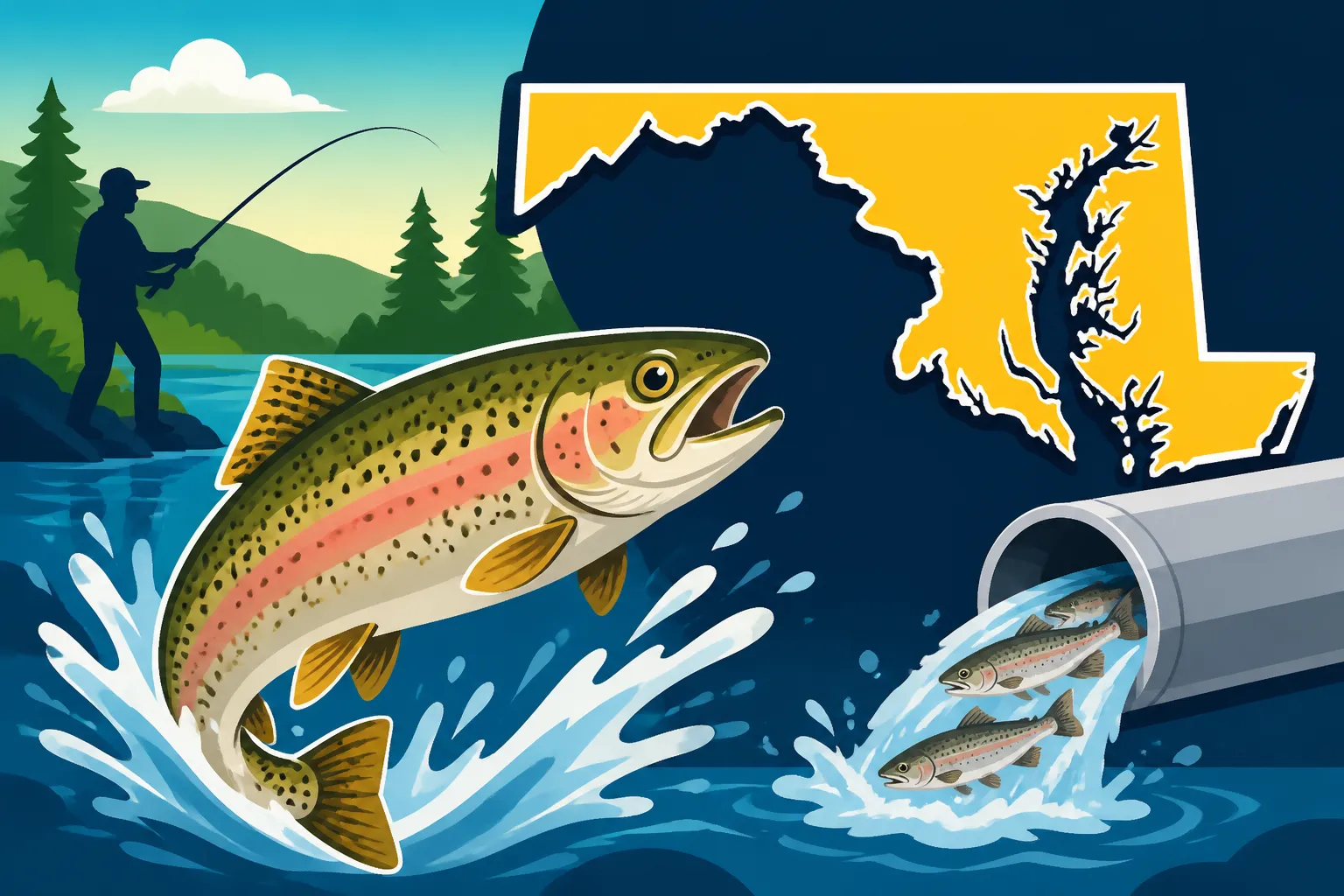
So, let's get down to the brass tacks: exactly how many waterbodies get stocked with trout in Maryland? While it's tricky to give one static, unchanging number because conditions and plans can shift slightly year to year, you can generally expect the Maryland DNR to stock well over 100 different waterbodies annually. Yes, you read that right – over a hundred! This isn't just a figure pulled out of thin air; it reflects the extensive network the DNR manages for trout stocking.
This count includes a mix of everything from small, easily overlooked ponds to major river systems. Imagine dozens of community ponds, scattered across various counties, receiving thousands of trout. Then add in the significant mileage of rivers and streams, especially those known for their cold water habitat like segments of the Gunpowder River, Antietam Creek, and the Savage River. These larger waterways often have multiple access points and sometimes different sections with varying regulations, further expanding the perceived number of distinct fishing opportunities. When you consider how often Maryland updates Its Fishing Regulations, it's clear the DNR is dedicated to adapting its stocking program to offer the best angling experience possible. It’s a remarkable undertaking that ensures a wide distribution of fish and keeps angling pressure from becoming too concentrated in just a few areas.
Deciphering Maryland's Trout Water Classifications
Understanding the "how many" isn't just about the sheer count of waterbodies, but also about the types of trout experiences those waters offer. Maryland's trout stocking program is cleverly designed with different classifications, each coming with its own set of rules and angling philosophies. This isn't just bureaucratic jargon; these classifications dictate when and how you can fish, and ultimately, your chances of success and enjoyment. It's crucial for any angler to know the difference before heading out, as fishing a "Put-and-Take" area versus a "Delayed Harvest" stream requires a completely different approach and mindset.
"Put-and-Take" Trout Fisheries: Instant Gratification
The vast majority of stocked trout waters in Maryland fall under the "Put-and-Take" classification. This is essentially what it sounds like: trout are "put" into the water, and anglers are encouraged to "take" them home. These areas are stocked frequently, often multiple times during the spring and fall seasons, with the primary goal of providing immediate angling recreation and a harvestable product. The fish stocked here are typically adult rainbow trout, robust enough to handle the stress of stocking and ready to bite.
These waters are perfect for those who want a high probability of catching fish, whether for sport or for dinner. They are incredibly popular with families, new anglers, and anyone looking for a relaxed day of fishing without the intense pressure of trophy hunting. Common baits like PowerBait, worms, or small spinners are highly effective in these areas. You'll find that these waters are often easily accessible, located in parks or near towns, making them convenient destinations. The trade-off is that these areas can see heavy angler pressure, especially right after a stocking event, so you might want to arrive early if you want a prime spot. To find out more about these specific locations, checking the official Maryland DNR Fishing and Boating Guide, Explained, is always a good idea. Many of these locations also offer excellent opportunities to try out various rod and reel setups, perhaps testing the sensitivity of a new fishing line you purchased from Amazon.
Delayed Harvest and Catch-and-Release: For the Patient Angler
On the other end of the spectrum, Maryland also manages a number of "Delayed Harvest" and "Catch-and-Release" trout waters. These are designed for a different kind of angling experience – one focused on sport, skill, and conservation rather than immediate harvest. Maryland Delayed Harvest Trout Waters Explained delves deeper into these specific rules, but generally, these areas are stocked with a mix of rainbow, brown, and sometimes even brook trout, and strict regulations are in place for part of the year.
For Delayed Harvest areas, there's typically a period, often from fall through early summer, where all trout must be immediately released unharmed. During this time, only artificial lures and flies with barbless hooks are permitted. This allows the stocked trout to grow larger, become more acclimated to their environment, and provide extended angling opportunities. Once this special regulation period ends, usually in early to mid-June, these waters often revert to standard Put-and-Take rules, allowing for harvest. Catch-and-Release areas, on the other hand, maintain these strict no-harvest, artificial-lures-only rules year-round, focusing purely on the sport of fishing and protecting the fish population. These waters demand a higher level of skill and patience, appealing to anglers who enjoy the challenge of outwitting wary trout. It’s also where you'll find fly fishing enthusiasts honing their craft, perhaps having picked up some specialized tying materials from an online retailer like Amazon. These dedicated sections, while fewer in number than the Put-and-Take sites, offer unparalleled opportunities for a quality angling experience throughout much of the year, and they are critical for maintaining healthy trout populations.
Why So Many Locations? The Strategy Behind Stocking
The decision to stock over a hundred waterbodies isn't random; it's a carefully considered strategy by the Maryland DNR to maximize public access, distribute angling pressure, and ensure environmental sustainability. They're not just throwing fish wherever they can; there's a science and a management philosophy guiding every stocking truck. Understanding this strategy can help you appreciate the effort involved and even give you clues on where to find your next favorite fishing spot. It's about more than just numbers; it's about providing a quality outdoor experience for as many Marylanders as possible.
Balancing Angler Pressure and Geographic Distribution
One of the primary reasons for stocking so many different waterbodies is to effectively manage angler pressure and ensure equitable geographic distribution of fishing opportunities. Imagine if only five or ten spots were stocked across the entire state. Those areas would be absolutely inundated with anglers, leading to overcrowding, rapid depletion of fish, and a less enjoyable experience for everyone. By spreading the love, so to speak, across over a hundred locations, the DNR can thin out the crowds, giving more people a chance to find a peaceful spot to fish.
This geographic distribution also means that trout fishing opportunities are available to residents in various parts of the state. While Western Maryland naturally has more cold-water streams suitable for trout, the DNR makes a concerted effort to stock ponds and lakes in central, southern, and even some Eastern Shore counties where water conditions allow. This ensures that someone living near Baltimore, Annapolis, or even Salisbury doesn't have to drive for hours to find a stocked trout stream or pond. It's about community engagement, providing recreational options close to population centers, and making trout fishing a realistic hobby for a wider segment of the population. This extensive network means that wherever you are in Maryland, you're likely not too far from a place where you can go trout fishing or try your luck for a trout.
Environmental Suitability: Why Not Everywhere?
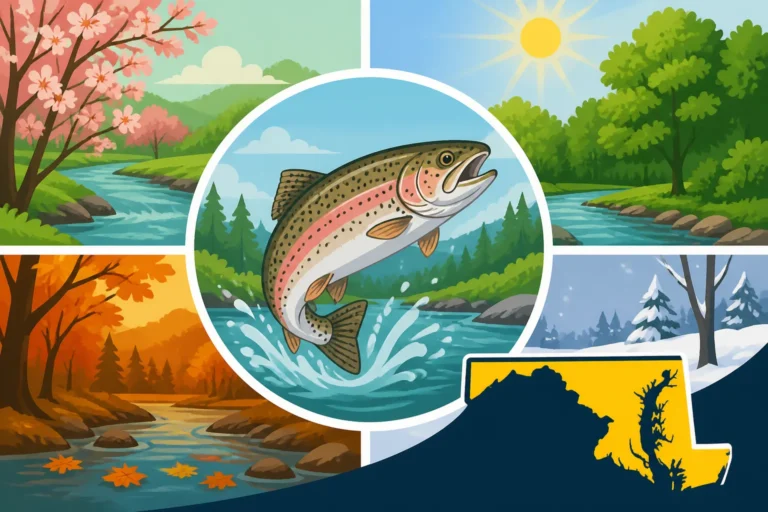
While the DNR aims for broad distribution, not every stream or pond in Maryland is suitable for stocking trout. Environmental factors play a critical role in determining which waterbodies can sustain stocked fish, even if only temporarily. The most crucial factor is water temperature. Trout, particularly rainbow and brown trout, are cold-water species. They thrive in water temperatures generally below 68 degrees Fahrenheit. As water temperatures rise above this threshold, trout become stressed, making them vulnerable to disease and mortality. This is why you'll often find that trout stocking is concentrated in the spring and fall when water temperatures are naturally cooler.
Beyond temperature, factors like dissolved oxygen levels, water flow, habitat availability (like structure for cover), and water quality (absence of pollutants) are all assessed. Many smaller streams and ponds simply don't have the sustained cold water or oxygen levels required to keep trout alive, especially through the warmer summer months. This is also why Do Stocked Trout Survive Summer in Maryland Streams? is a common question among anglers. The DNR strategically chooses locations that either have naturally cold spring-fed waters, shaded canopies, or sufficient depth to maintain cooler temperatures, even if only for the short "Put-and-Take" season. They also consider factors like sedimentation and stream bank erosion, which can degrade habitat and make it less hospitable for trout. So, while we'd love trout in every puddle, the environment dictates where these precious fish can realistically survive, even for a brief period, ensuring that the stocking efforts are both successful and humane.
Staying Up-to-Date with Stocking Information
Knowing how many waterbodies get stocked is one thing, but knowing which ones and when is key to actually catching fish. The Maryland DNR is quite transparent with its stocking schedule, but it requires anglers to actively seek out the information. It can feel like a moving target sometimes, with dates and locations subject to change due to weather or operational issues. However, with a few reliable resources, you can always be in the loop and ready to hit the water as soon as those trout are released.
Leveraging the Maryland DNR Resources
Your absolute best friend for staying informed about trout stocking in Maryland is the Maryland Department of Natural Resources (DNR) website. They maintain an updated trout stocking schedule that is usually quite comprehensive. This schedule typically lists the waterbody name, the county it's in, and often the specific dates (or range of dates) when stocking is planned. During the peak stocking seasons (usually spring and fall), these updates can be quite frequent, sometimes even daily, especially for the more popular "Put-and-Take" areas.
Beyond the online schedule, the DNR often uses social media channels to announce stocking events or provide real-time updates. Following their official accounts can be a great way to get immediate notifications. They also publish an annual fishing guide which provides general information about trout seasons, creel limits, and special regulations for different water types, including details on Maryland's Put-and-Take Trout Waters, What That Means and Maryland Delayed Harvest Trout Waters Explained. It's a good idea to bookmark the relevant DNR pages on your browser or, if you're out in the field, use your phone to quickly check for updates. While specific stocking numbers for each location aren't always given, you'll know where and roughly when to expect trout. Sometimes, the information might refer to a specific stretch of a river, like "Gunpowder Falls below Prettyboy Dam," which helps pinpoint exactly where the fish are going.
Community Wisdom and Local Resources
While the official DNR resources are paramount, don't underestimate the power of local knowledge and community networks. Anglers are often passionate about sharing information (sometimes after they've caught their limit, of course!). Local bait and tackle shops are invaluable sources of intelligence. The folks working there often have direct contacts with DNR personnel, hear rumors from truck drivers, or simply get immediate feedback from anglers who've just come off the water. They know the nuances of local waters, what bait is working best, and can give you tips beyond just where to go. They might even have a small whiteboard listing recent stockings.
Online fishing forums and social media groups dedicated to Maryland fishing are another fantastic resource. Anglers often post their catches, share observations, and discuss recent stocking events in real-time. Just be mindful that information on forums can sometimes be unverified, so always cross-reference with the official DNR schedule when possible. Local sporting goods stores, like those you might find while browsing for new gear on Amazon, can also sometimes have local knowledge. Finally, simply talking to fellow anglers on the stream bank can provide valuable insights. A friendly chat can not only yield information about the current bite but also build a sense of community around the shared love of trout fishing.
To give you a clearer picture of the different kinds of waters that get stocked and their typical regulations, here's a brief overview:
| Waterbody Type | Primary Purpose | Typical Stocking Frequency | General Rules | Best for |
|---|---|---|---|---|
| Put-and-Take Streams/Ponds | High catch rate, harvestable | Multiple times/season | Standard creel/size limits apply, all legal baits | Beginners, families, those wanting to keep fish |
| Delayed Harvest Streams | Extended sport fishing, release then harvest | Once or twice a season | Catch & Release (C&R) for part of year, then harvest; artificial lures only during C&R | Experienced anglers, fly fishers, those seeking a challenge |
| Catch-and-Release Streams | Year-round sport fishing | Often once a year | C&R year-round, artificial lures/flies only | Dedicated fly/lure anglers, conservation-minded |
| Trophy Trout Streams | Larger fish, fewer anglers | Less frequent, specific fish | Specific size/creel limits, often artificial lures only | Trophy hunters, advanced anglers |
Remember that specific regulations, like the Maryland Trout Daily Creel Limit or Maryland Trout Stamp Requirements, can vary by location and time of year, so always consult the latest DNR regulations before you head out!
Disclaimer
This article is for general informational purposes only and does not constitute professional advice. Laws, prices and regulations vary by location and change over time. Consult a qualified professional for guidance on your specific situation.