How to Tell a Male From a Female Striped Bass
It’s a common moment for many Maryland anglers: you’ve reeled in a beautiful striped bass, often called a rockfish here, and as you admire your catch (or carefully release it), a thought crosses your mind: "Is this a male or a female?" While it's not always easy, especially with younger fish, understanding how to tell the difference can offer a fascinating glimpse into the life cycle of these iconic fish. This guide dives deep into the subtle and not-so-subtle cues that can help you distinguish between male and female striped bass, enriching your appreciation for their role in our waters.
Understanding the Importance of Sex Identification in Striped Bass
For many of us who love casting a line into the Chesapeake Bay or its tributaries, fishing is more than just catching dinner; it's about connecting with nature and understanding the creatures we pursue. Knowing how to differentiate between male and female striped bass isn't just a party trick – it offers valuable insights into their biology and the health of the fishery.
Why Knowing Matters for Anglers and Conservation
Think about it: when you catch a fish, isn't there a natural curiosity about its life story? For striped bass, knowing whether you've caught a male or a female can tell you a lot about its stage in life and its potential contribution to future generations. During crucial periods, like the spring spawning runs, identifying a large, egg-laden female can be particularly impactful. Recognizing these vital breeders can strengthen your commitment to responsible angling, ensuring that these fish have the best chance to reproduce.
Conservation efforts for striped bass often focus on protecting spawning populations. Understanding the distribution and health of males versus females, especially in specific spawning grounds, helps researchers and wildlife managers make informed decisions. For instance, if you're fishing during the sensitive Maryland Striped Bass Season and Rockfish Rules or know you're in an area Where Striped Bass Spawn in Maryland, being able to identify a potential breeder helps you appreciate the bigger picture. Observing these differences in the wild, even casually, can foster a deeper connection to the species and highlight why it's so important to monitor factors like if Are Chesapeake Bay Striped Bass Populations Declining?. It’s about becoming a more informed steward of our natural resources.
The Reproductive Cycle and Its Impact on Appearance
The most significant factors influencing the visual differences between male and female striped bass are tied directly to their reproductive cycle. Like many species, striped bass undergo physiological changes as they mature and prepare to spawn. Females, for example, invest enormous energy into producing eggs, which can account for a substantial portion of their body weight during the spawning season. This biological imperative directly impacts their size, shape, and overall appearance.
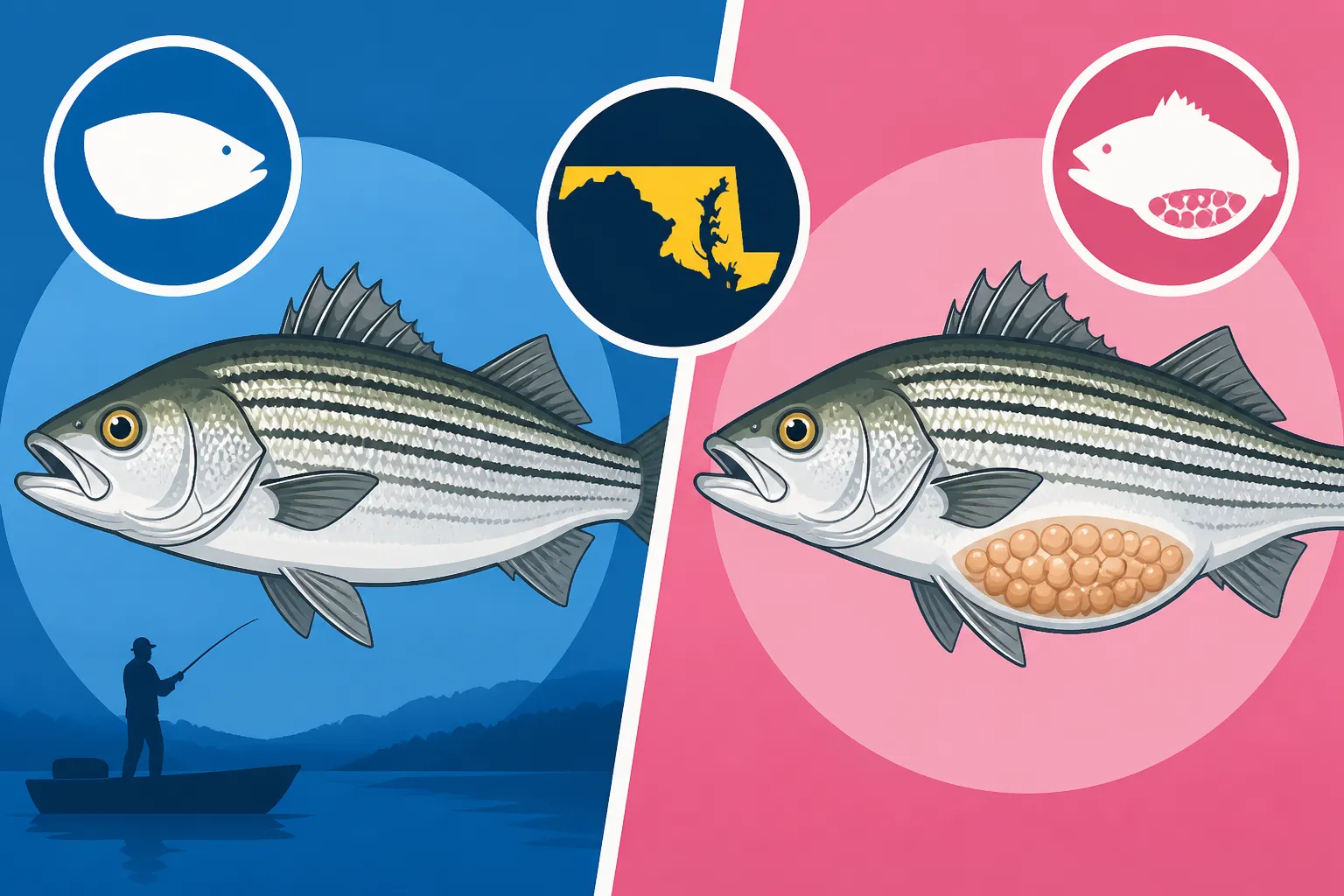
During the pre-spawn and spawning periods, a female's body will visibly swell as her ovaries develop and fill with millions of eggs. This isn't just a minor internal change; it alters her external profile, making her deeper-bodied and often much heavier for her length compared to a male. Males, on the other hand, produce milt (sperm) and, while they are active in the spawning process, they don't undergo the same drastic physical changes in terms of bulk. They remain more streamlined, focusing their energy on competing for access to females and fertilizing eggs. This distinction becomes incredibly pronounced in the spring, making it the easiest time to potentially tell the sexes apart, even with just a quick glance.
Physical Clues to Distinguish Male from Female Striped Bass
While striped bass don't wear name tags indicating their gender, there are several physical characteristics that, when observed together, can help you make an educated guess. It’s important to remember that these are general tendencies, not hard and fast rules for every single fish, especially juveniles.
Size and Overall Body Shape
This is perhaps the most reliable external indicator for mature striped bass: females generally grow much larger and heavier than males. While both sexes start small, once they reach sexual maturity, female striped bass tend to outgrow their male counterparts significantly.
Imagine two striped bass, both 30 inches long. The female will almost invariably have a noticeably deeper body and a greater girth, especially if she's a mature fish approaching or during the spawning season. Her belly might appear distended and softer to the touch due to the presence of roe. Males, even large ones, typically maintain a more streamlined, "torpedo-like" shape. They are often leaner and firmer-bodied for their length. So, if you catch a true trophy-sized rockfish, say pushing 40 inches or more, chances are extremely high it's a female. They are the ones that hold the big egg sacks, after all, essential for propagating the species. For more on their growth, check out How Big Do Striped Bass Get in the Chesapeake Bay?.
Ventral Region and Spawning Season Changes
While not something you should mess with if you're practicing catch and release, the ventral (underside) region of a striped bass can show differences, particularly during spawning. For scientists, gently "milking" a fish can reveal milt from a male or eggs from a female, but this is a technique reserved for research and not for recreational anglers.
However, even without intrusive handling, a careful visual observation of the vent area can sometimes offer clues. During the peak of the spawning season, a mature female's vent may appear slightly swollen or reddish, a sign of her readiness to release eggs. Her entire abdomen will feel soft and distended. Males, while also actively participating, won't show the same level of distension. Their vents typically remain less pronounced. These changes are most obvious when the fish are concentrated in their spawning grounds, such as during Maryland's Spring Spawning River Closures for Striped Bass. Outside of the spawning window, these visual cues become much less distinct.
Head Size and Proportions
This is a less definitive indicator, but it can sometimes offer a subtle hint. In some of the very largest, older striped bass, particularly males, their heads might appear slightly more robust or angular in proportion to their body. Conversely, a truly massive, roe-heavy female might seem to have a relatively smaller head compared to her immensely deep body.
However, this characteristic is highly variable and can be influenced by diet, age, and individual genetic factors. It's certainly not a primary method of identification and should only be considered as a very minor, secondary observation if other, more reliable cues are also present. Don't base your whole assessment on head size alone!
Here’s a quick overview of the typical differences:
| Characteristic | Male Striped Bass (General) | Female Striped Bass (General) |
|---|---|---|
| Size | Smaller, especially mature fish | Larger, often much heavier and longer |
| Body Shape | More streamlined, torpedo-like, firmer belly | Deeper body, often distended/softer belly (especially pre-spawn) |
| Growth Rate | Slower growth rate | Faster growth rate, particularly after maturity |
| Vent Area | Less pronounced, minimal swelling (except during milt release) | Can appear swollen/reddish during spawning |
| Weight for Length | Lighter for a given length | Heavier for a given length, especially when egg-laden |
| Head Proportion | Can appear slightly larger relative to body on older males | May appear smaller relative to deeply bodied older females |
Behavioral Observations and Common Misconceptions
Beyond physical appearance, observing striped bass behavior, especially during their reproductive period, can provide strong clues about their sex. However, it's also a time when misconceptions can arise.
Spawning Behavior and Aggregation
If you are fortunate enough to observe striped bass during their spawning rituals in their freshwater spawning rivers, the distinction between males and females becomes quite evident. During these events, numerous smaller, active males will often be seen aggressively chasing and nudging a single larger female. This behavior, sometimes referred to as "flogging," is part of the spawning process where the males encourage the female to release her eggs, which they then fertilize.
When you see large schools of active fish gathered in these spawning areas, especially the smaller-to-mid-sized individuals, it's a good bet that many of them are males waiting for the big, egg-laden females to arrive. These active aggregations are a clear sign of biological intent and one of the most direct ways to observe sex-specific behaviors. Understanding these patterns aligns with knowing the Best Time of Year to Fish in Maryland for different species, including when striped bass are most active in their reproductive cycle.
The "Running" or "Milting" vs. "Egg-Laden" Look
As mentioned earlier, during the height of the spawning season, male striped bass that are ready to reproduce will release milt – a milky, whitish fluid – if gently handled or sometimes even during their active spawning behavior. Females, conversely, are visibly "egg-laden," meaning their bellies are swollen with roe.
Anglers who practice careful catch and release, particularly during these sensitive periods, might observe these signs. However, it's crucial to minimize handling, especially for large females. Excessive stress or rough handling can hinder their ability to successfully spawn. If you accidentally catch an obviously egg-laden female, quickly and gently release her to ensure she has the best chance to contribute to the next generation. Remember, even if you’re fishing a catch and release only area, you still might need a license; if you're ever wondering, " Is a Maryland Fishing License Required for Catch and Release?", it's always best to check the current regulations.
Limitations and When It's Hard to Tell
While these clues are helpful, it's important to acknowledge their limitations. For juvenile striped bass, external sex identification is extremely difficult, if not impossible. Both males and females look very similar at younger ages and smaller sizes, as they haven't yet developed the pronounced differences that come with sexual maturity and reproductive cycles.
Outside of the spawning season, when females are not carrying roe, the differences in body shape and size can also become less pronounced, especially for smaller adult fish. A 20-inch male and a 20-inch female caught in the fall might be hard to distinguish without more invasive methods (which are not recommended for recreational anglers). Ultimately, genetic testing or dissection remains the only truly definitive method for sexing a striped bass, but these are tools for scientific research, not casual angling. For most anglers, the goal is simply to appreciate the species, whether you call it a striped bass or its common Maryland name, a What Is a Rockfish Called Outside of Maryland?.
Practical Tips for Anglers and Supporting Conservation
Being able to differentiate between male and female striped bass isn't just an interesting fact; it can also influence how you approach your fishing and your commitment to conservation.
Observational Angling and Handling Practices
For us anglers, the biggest takeaway is to observe and appreciate these differences without causing harm. If you're fishing during the spring spawning period, be extra vigilant with your handling techniques, especially if you suspect you've caught a large, egg-laden female. Minimizing out-of-water time, supporting the fish horizontally, and using proper de-hooking tools are crucial. Many anglers opt for circle hooks during these times because they significantly reduce gut hooking, making releases much safer for the fish. You can find excellent circle hooks on platforms like Amazon that are designed to aid in clean, quick releases.
Practicing careful catch and release is paramount, particularly for the large, mature females who are vital to the fishery's future. Observing these magnificent creatures in their prime, understanding their role, and then sending them back to continue that role is one of the most rewarding aspects of fishing.
Utilizing Gear and Resources for Better Observation
While you shouldn't be dissecting your catch on the boat, there are tools that can enhance your observational skills. Polarized sunglasses, for example, are invaluable for seeing into the water, allowing you to potentially observe fish behavior more clearly, especially in shallower spawning areas. You can find a wide variety of polarized sunglasses on Amazon, ranging from budget-friendly options to high-performance models.
If you’re keen on documenting your catches and contributing to your own understanding, carrying a good quality measuring tape and scale can help. Noting the length and girth of your catches, especially if you have a suspicion about their sex, can lead to interesting personal data over time. A reliable measuring tape is also readily available on Amazon and is a staple for any serious angler. This kind of detailed observation, when done responsibly, can deepen your engagement with the sport.
Contributing to Citizen Science
Believe it or not, recreational anglers can actually contribute valuable data to fisheries management! While you won't be performing dissections, your observations from the water can sometimes be useful. If you capture a clear photo of a particularly large, obviously egg-laden female or witness significant spawning behavior, some conservation organizations might be interested in your reports. Always ensure any photos are taken quickly and safely, without compromising the fish's health.
Citizen science initiatives often rely on the eyes and ears of passionate outdoors enthusiasts. By using tools like your camera, found easily on Amazon, or simply sharing detailed observations with local fisheries departments, you become part of a larger effort to monitor and protect species like the striped bass. If you ever witness activities that seem highly illegal or detrimental to fish populations, remember there are official channels to report such observations, like Reporting a Maryland Fishing Violation.
Disclaimer
This article is for general informational purposes only and does not constitute professional advice. Laws, prices and regulations vary by location and change over time. Consult a qualified professional for guidance on your specific situation.