Are Flounder Native to the Chesapeake Bay?
It’s a fair question many anglers ponder as they cast their lines into Maryland’s vast and varied waters: are flounder truly native to the Chesapeake Bay, or are they just seasonal visitors from the ocean? The answer, like many things in nature, isn't always a simple yes or no, and it delves into the fascinating lives of these unique flatfish. This guide will explore the specific flounder species found in the Bay, their relationship with this incredible ecosystem, and what it means for anglers.
The Flounder Family in the Chesapeake Bay: Natives and Seasonal Guests
When we talk about flounder in the Chesapeake Bay, most anglers are thinking about the Summer Flounder, often affectionately called "fluke." But the Bay is a dynamic environment, and other flatfish species also make an appearance. Understanding which ones are considered native and how they utilize the Bay is key to appreciating their role in this diverse ecosystem.
Summer Flounder: The Bay's Resident Flatfish
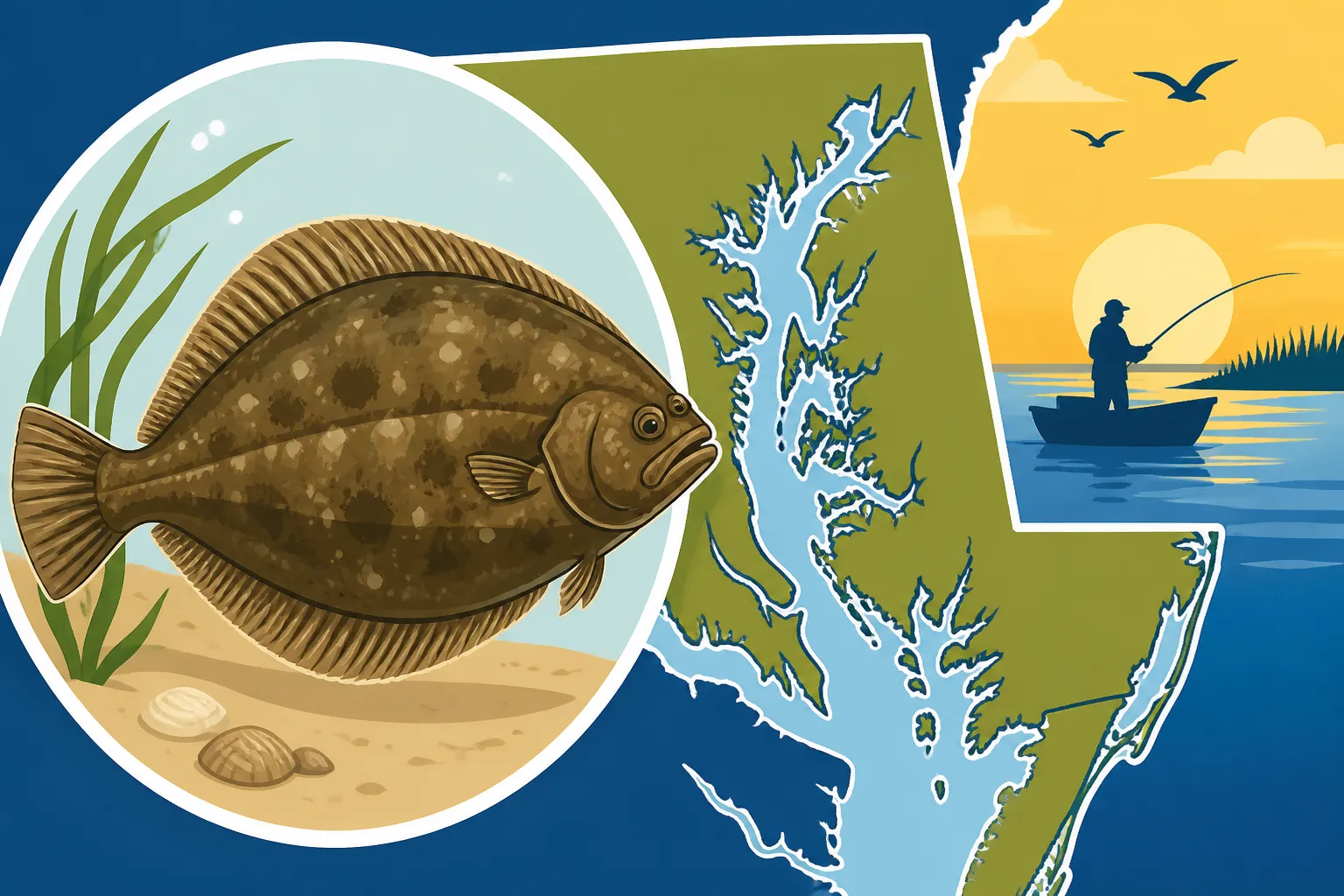
Yes, Summer Flounder (Paralichthys dentatus) are absolutely native to the Chesapeake Bay and a significant part of its marine life. They don't just visit; they actively use the Bay as a crucial nursery ground for their young and a feeding ground for adults during warmer months. These fish are true masters of camouflage, burying themselves in the sandy or muddy bottom, with only their eyes protruding, waiting to ambush unsuspecting prey. They are a highly sought-after game fish, known for their delicious white meat and their exciting fight on light tackle. Anglers often face the challenge of finding them because they blend in so well. If you've ever spent a day trying to jig for them without a bite, only to have a friend pull one up right beside you, you know the frustration – and the thrill – of flounder fishing.
Their presence is integral to the Bay's food web. Juvenile flounder feed on smaller crustaceans and worms, while adults are opportunistic predators, feasting on baitfish like minnows, mummichogs, and even smaller blue crabs. Their migration patterns bring them into the Bay as waters warm, and they move out to the deeper ocean as temperatures drop in the fall.
Other Flatfish Species: Less Common Bay Dwellers
While Summer Flounder dominate the angler's attention in the Bay, a couple of other flatfish species might occasionally be encountered, though they aren't typically targeted by recreational anglers within the Bay itself.
- Winter Flounder (Pseudopleuronectes americanus): Also known as "blackback" flounder, these are technically native to the broader Mid-Atlantic region, but their presence within the Chesapeake Bay is much less common than Summer Flounder, especially in recent decades. They prefer colder water, often found further north and in deeper ocean environments during the summer. If you were to encounter a Winter Flounder in Maryland, it would likely be in the cooler, saltier waters near the mouth of the Bay or in the lower reaches during the colder months. They have a different mouth structure and are typically darker than Summer Flounder.
- Windowpane Flounder (Scophthalmus aquosus): This smaller, rounder, and almost translucent flatfish is also native to the Atlantic coast and can be found in the Bay, particularly in its saltier sections. They are not a primary target for anglers due to their size and are more often caught incidentally. They get their name from their thin, "window-like" appearance.
The primary takeaway for anglers is that when you're fishing for "flounder" in the Chesapeake Bay, you are almost certainly targeting the native and abundant Summer Flounder.
The Journey of a Flounder: Life Cycle and Habitat in Maryland Waters
Understanding the life cycle and preferred habitats of flounder helps us appreciate their connection to the Chesapeake Bay and why they are such a dynamic species to pursue. These fish have a fascinating journey from tiny larvae to mature predators, adapting to both open ocean and estuarine environments.
Spawning and Early Life in the Ocean
Interestingly, Summer Flounder don't spawn within the Chesapeake Bay itself. Instead, adults migrate out to the continental shelf in the Atlantic Ocean during the late fall and early winter to spawn in deeper, offshore waters. This migration is triggered by cooling water temperatures in the Bay. After spawning, their eggs hatch into larval flounder, which are initially symmetrical, swimming upright like typical fish.
As they grow, a remarkable transformation occurs: one eye migrates over the top of the head to the other side, and the fish flatten out to become bottom dwellers. This incredible adaptation allows them to lie camouflaged on the seabed. The tiny, now-flattened flounder then begin their journey back towards the coast, often carried by currents, eventually entering estuaries like the Chesapeake Bay. This is where their native connection truly strengthens, as the Bay provides vital nursery habitat.
Preferred Bottom and Structure
Once in the Bay, juvenile and adult flounder seek out specific habitats. They are masters of ambush, so they prefer areas where they can blend in and wait. This usually means:
- Sandy or Muddy Bottoms: These are ideal for camouflage, allowing them to partially or fully bury themselves. Think of the vast shallow flats or the soft bottoms near creek mouths.
- Channel Edges and Drop-offs: These areas provide excellent ambush points where current can bring prey past them. The transition from shallow flats to deeper channels is often a hotspot.
- Structured Areas: While they prefer open bottoms, flounder will also congregate around submerged structures like oyster reefs, mussel beds, old pilings, bridge structures, and even artificial reefs. These structures attract baitfish, which in turn attract flounder. Finding a good fishing map, perhaps one you ordered from Amazon, can help you pinpoint these hidden gems.
- Grassy Flats: In some areas, particularly in the lower Bay, flounder will utilize submerged aquatic vegetation (SAV) beds, especially the edges, for cover and feeding.
During their time in the Bay, these flounder grow quickly, fattening up on the abundant forage before making their return migration to the ocean for the next spawning cycle. It's a testament to the Bay's productivity that it can support such a crucial part of the flounder's life.
Seasonal Movements within the Bay
Flounder movements within the Bay are heavily dictated by water temperature and the availability of food.
- Spring Arrival: As Bay waters warm up in late spring, usually around April and May, the first waves of Summer Flounder begin to push in from the ocean. They typically enter the lower Bay first, gradually moving northward into the main stem and its tributaries. This is a great time to target them, especially near points and channel edges where they stage.
- Summer Residence: Through the summer months, flounder spread throughout the Bay, utilizing the varied habitats mentioned above. They'll be found in shallower waters early and late in the day, often retreating to deeper, cooler channels during the midday heat. This is when anglers truly enjoy Flounder Fishing in Maryland.
- Fall Exodus: As water temperatures start to drop in the fall, usually from September through November, flounder begin their migration back out to the ocean. They will concentrate in the deeper channels of the main Bay and near the mouth, making for excellent fishing opportunities as they stage before their offshore journey.
Understanding these seasonal patterns is crucial for consistent success when targeting flounder. Knowing when and where to find them often means the difference between a frustrating day and a successful outing with a cooler full of fish.
Conservation and Management of Flounder Populations in Maryland
Because Summer Flounder are a highly migratory species that range from North Carolina to Massachusetts, their management is a complex dance between federal authorities and individual state agencies. Maryland plays a vital role in this larger conservation effort, ensuring sustainable fishing practices within its waters.
Maryland's Role in Regional Flounder Management
The Atlantic States Marine Fisheries Commission (ASMFC) is the primary inter-state body responsible for coordinating the management of migratory fish species like Summer Flounder along the East Coast. Maryland's Department of Natural Resources (DNR) works closely with the ASMFC to implement regulations that align with regional goals, while also addressing the specific needs and conditions of Maryland's portion of the Chesapeake Bay and its Atlantic coast.
The goal is always to balance recreational and commercial fishing interests with the biological needs of the fish population. This often involves adjusting Maryland Flounder Size Limit and Maryland Daily Bag Limits by Species to ensure the stock remains healthy. These regulations are not arbitrary; they are based on scientific assessments of the flounder population, considering factors like spawning success, juvenile survival, and overall biomass. Anglers are often frustrated by changing regulations, but these adjustments are critical for long-term sustainability. It's a constant balancing act between having enough fish for today and ensuring there are plenty for future generations.
Key Regulations Anglers Should Know
When you're out chasing flounder in Maryland, it's absolutely essential to be aware of the current regulations. These can change year to year, so always check the latest Maryland DNR fishing guide.
- Minimum Size Limits: Flounder have a minimum size limit to ensure that most fish have had at least one opportunity to spawn before being harvested. Catching a short fish is common, and knowing how to properly measure and release it quickly is vital.
- Creel (Bag) Limits: There's also a limit on the number of flounder an individual angler can keep per day. This helps distribute the harvest more equitably and prevents overfishing.
- Season Dates: While flounder are generally available for a good portion of the year, specific seasons might dictate when you can legally harvest them. Keep an eye on announcements from the DNR for Maryland Flounder Regulations for 2026 and other species.
These regulations apply to everyone, whether you're fishing from your own boat, a kayak, or a pier. Even on a charter, while the captain handles the overall licensing, knowing the rules is still a good idea for every angler on board. You can find comprehensive details in the official Maryland fishing guide, often available digitally or through a quick search online.
Mastering the Art of Flounder Fishing in the Bay
Flounder fishing in the Chesapeake Bay is a rewarding experience, offering both a challenge and the potential for a delicious dinner. Whether you're a seasoned pro or just starting out, there are always new techniques and tips to learn to increase your chances of success.
Essential Gear and Baits
You don't need a boatload of expensive gear to catch flounder, but having the right tools certainly helps.
- Rods and Reels: A medium-light to medium action spinning rod, around 6.5 to 7 feet long, paired with a 2500 or 3000 size spinning reel, is a versatile setup. This allows for sensitive feel while still having enough backbone to handle a decent-sized flounder. You can find excellent options on Amazon, often with reviews that guide you toward durable, cost-effective choices.
- Line: Braided line (10-20 lb test) is popular for its sensitivity and strength, allowing you to feel subtle bites. A fluorocarbon leader (15-25 lb test) is crucial for abrasion resistance and invisibility in the water.
- Terminal Tackle: The classic flounder rig is a two-hook bottom rig, often with a spreader or pre-tied, readily available at tackle shops or online. You'll need an assortment of sinkers (1/2 oz to 2 oz, depending on current and depth) and sharp hooks (usually Kahle or wide-gap hooks in sizes 1/0 to 3/0).
- Baits: Flounder are opportunistic feeders.
- Live Bait: Small minnows, peanut bunker, or even small spot and croaker are killer baits. Live bait is often presented on a single hook rig or a bucktail jig. You can learn more about Best Bait for Flounder in Ocean City, which often translates well to the Bay.
- Cut Bait: Strips of squid, fresh bunker, or even chicken breast (surprisingly effective!) can entice bites.
- Artificial Lures: Gulp! scented baits (shrimp, grub, or minnow imitations) are incredibly popular and effective, especially when tipped with a piece of cut bait. Bucktail jigs, fished with a slow hop-and-drift motion, are also highly productive. You can often find a wide array of these specialized baits on Amazon.
Techniques for Success: Drifting and Jigging
Flounder fishing often comes down to presenting your bait right on the bottom where these camouflaged predators lie in wait.
- Drifting: This is arguably the most popular and effective method. You allow your boat or kayak to slowly drift with the current or wind over likely flounder grounds (channel edges, flats, oyster beds). Your bottom rig or jig drags along the bottom, covering a lot of territory. The key is to use just enough weight to keep your bait on the bottom but still allow for a natural drift. Paying attention to your line and feeling for subtle bumps or changes in pressure is crucial. Check out Drifting vs Anchoring for Flounder in Maryland for more in-depth strategies.
- Jigging: When drifting isn't possible or you've found a specific hotspot, jigging can be deadly. Drop a bucktail jig or a baited bottom rig to the bottom, then lift and drop it rhythmically, creating a puff of sand or mud that mimics a fleeing baitfish. This can really trigger a flounder's predatory instinct.
- Shore and Pier Fishing: Don't have a boat? No problem! Many piers and shorelines in the lower and middle Bay offer excellent flounder opportunities. Look for piers that extend into deeper water or alongside channel edges. A simple Bottom Rig Setup for Maryland Flounder Fishing cast from shore or a pier can be very effective, especially during incoming tides when flounder move closer to the banks to feed.
Remember, patience is key. Flounder bites can be subtle – a light tap, a feeling of extra weight, or sometimes just a sudden slackening of the line. Learning to distinguish a bite from snagging debris is part of the learning curve, but once you get the hang of it, you'll be well on your way to enjoying some fantastic Maryland flounder fishing.
Disclaimer
This article is for general informational purposes only and does not constitute professional advice. Laws, prices and regulations vary by location and change over time. Consult a qualified professional for guidance on your specific situation.