What Are Speckled Trout Called in Maryland?
Many anglers, especially those new to Maryland's diverse waters or coming from other states, often wonder what the local lingo is for certain fish. When you hear the term "speckled trout," you might be picturing one thing, but in Maryland, we often have our own specific names and nuances. This guide will clear up that confusion, diving deep into what speckled trout are called in Maryland, where to find them, and how to successfully target these beautiful, feisty fish.
The Maryland Name Game: What's a Speckled Trout Here?
It’s completely understandable why anglers might get a little turned around by regional fish names. What one state calls a "sea trout," another might refer to as a "weakfish," and what's a "flounder" here might be a "plaice" elsewhere. When it comes to "speckled trout," Maryland has its own specific identity for this popular game fish, though it aligns with broader common names.
Why the Confusion Over Fish Names?
The fishing world is rife with common names that vary wildly from coast to coast, and even from county to county within a single state. This isn't just a quirk; it often stems from historical reasons, local dialects, and sometimes even the fish's appearance or behavior in a particular area. For instance, the beloved "rockfish" of Maryland is known as "striped bass" pretty much everywhere else in the country. It’s part of the charm, but it can certainly lead to a moment of head-scratching when you're talking to a new fishing buddy or reading an unfamiliar report.
The frustration is real when you're trying to figure out what species people are discussing, especially when regulations are tied to scientific names and specific common names. You want to make sure you're identifying your catch correctly, not just for bragging rights, but to ensure you're complying with size and creel limits. Nobody wants an unexpected fine because they misidentified a fish that looked similar to something else!
The Scientific View vs. Local Lingo
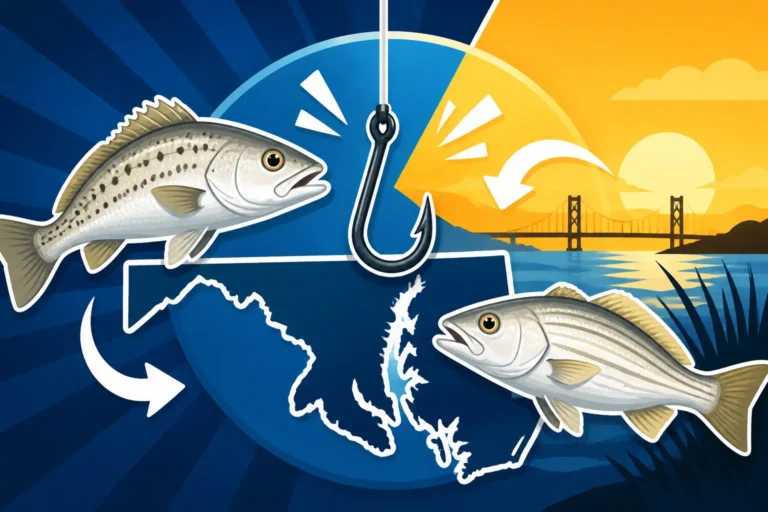
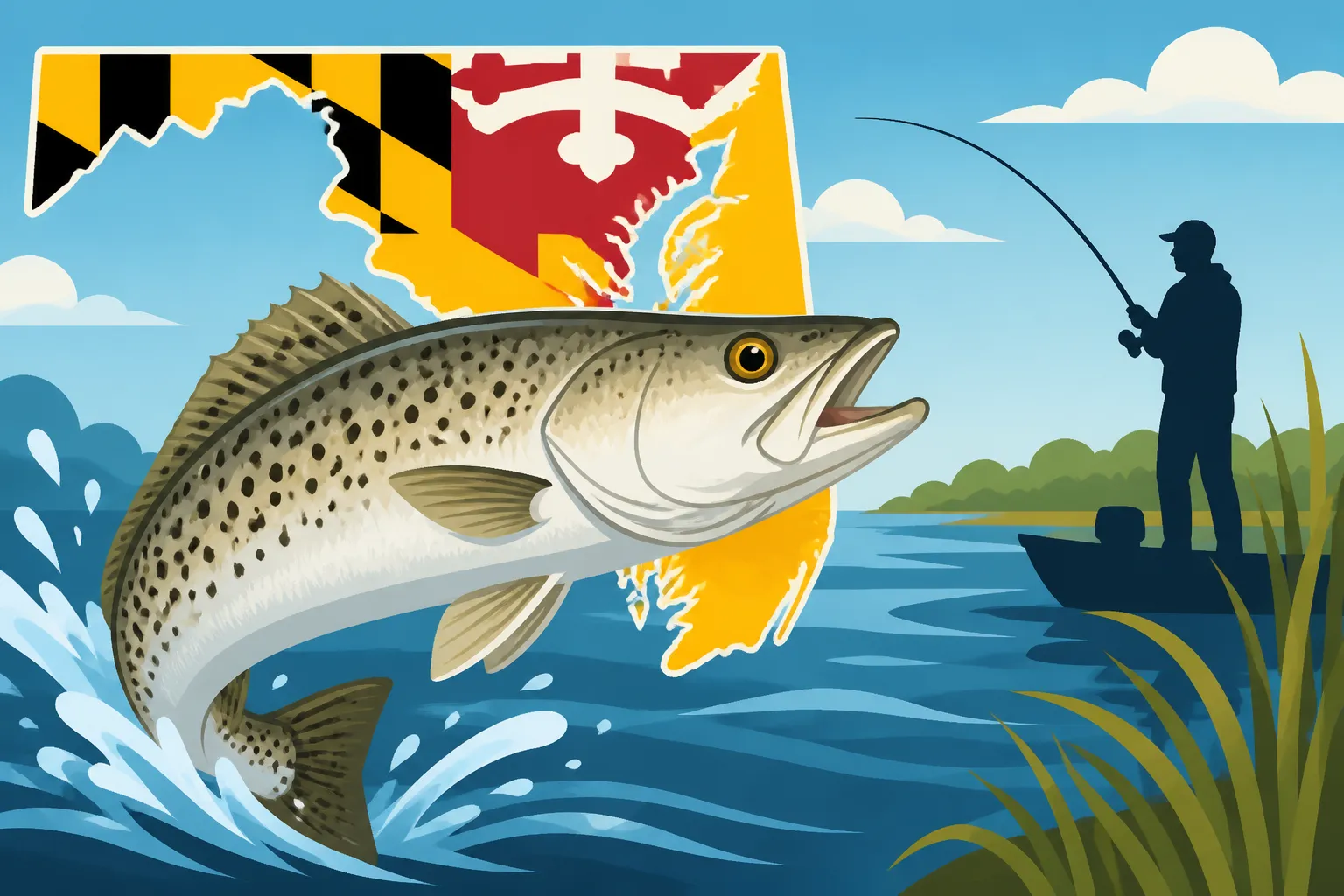
In Maryland, when people talk about "speckled trout," they are almost invariably referring to the spotted seatrout, scientifically known as Cynoscion nebulosus. The "speckled" part comes from the distinctive dark spots that are scattered across their silvery bodies, extending onto their dorsal and caudal fins. While "speckled trout" is a widely accepted common name for this species across the Atlantic and Gulf coasts, here in Maryland, you'll hear them called "specks" for short, or sometimes simply "spotted seatrout."
It’s important to note that these aren't true trout from the salmonid family (like rainbow or brown trout you'd find in Western Maryland streams). Instead, they belong to the drum family, making them cousins to red drum, black drum, and croaker. They share some characteristics with their drum relatives, like a propensity to "croak" when caught, a sound produced by vibrating muscles against their swim bladder. So, if you catch a beautiful fish with iridescent scales and those tell-tale spots, and it makes a grunting sound when you handle it, you've likely just landed a "speck." Always double-check the Maryland Fishing Size and Catch Limits by Species to ensure you're within the legal take.
Where to Find These "Specks" in Maryland Waters
Speckled trout thrive in specific types of habitats, and knowing these locations is key to finding them in Maryland. While they can be found throughout the lower and middle Chesapeake Bay, they truly shine in certain brackish and saltwater environments.
Prime Chesapeake Bay Tributaries
The vast network of tributaries feeding into the Chesapeake Bay provides ideal habitat for spotted seatrout. They especially love areas with healthy submerged aquatic vegetation (SAV), like seagrass beds, which offer both cover and a rich feeding ground for the baitfish and crustaceans they prey upon. Think shallow flats, oyster reefs, and marshy shorelines in the lower and mid-Bay region.
The Eastern Shore rivers, in particular, are renowned hotspots for targeting specks. Rivers like the Choptank, Nanticoke, and Pocomoke, with their extensive marsh systems and relatively warmer, brackish waters, create perfect nurseries and hunting grounds. As you move further south in the Bay, the salinity increases, which the specks generally prefer. Look for areas where creeks merge with larger rivers, creating current breaks and ambush points. Many anglers find success by exploring the quieter, less pressured back creeks and bays off these main river systems. For more detailed insights into these areas, check out our guide on Fishing Maryland's Eastern Shore Rivers.
Coastal Bays and Their Appeal
Beyond the Chesapeake Bay, Maryland’s coastal bays—such as the Isle of Wight Bay, Sinepuxent Bay, and Assawoman Bay near Ocean City—are also fantastic places to find spotted seatrout. These shallower, saltier environments, often riddled with channels, grass beds, and artificial structures like docks and bulkheads, provide a different but equally productive ecosystem for specks.
In these coastal waters, specks are often found alongside other popular inshore species like flounder and red drum. The consistent tidal flow and abundant baitfish populations, such as peanut bunker, mullet, and silversides, keep the specks actively feeding. Many anglers utilize kayaks or shallow-draft boats to access the skinny water flats and marsh edges where these fish tend to congregate, especially during early morning and late evening hours. Understanding the specific characteristics of these fishing grounds can significantly boost your success. Fishing Tangier and Smith Island Waters offers excellent perspectives on similar productive marsh and bay environments.
Gear Up for Speckled Trout: Essential Tackle and Lures
Successfully targeting spotted seatrout requires a combination of appropriate gear and effective lure selection. These fish can be surprisingly aggressive but also subtle biters, so having the right setup makes all the difference.
Rod, Reel, and Line Choices
For speckled trout, you'll generally want a light to medium-light action spinning rod, typically in the 6'6" to 7'6" range. This length provides good casting distance for covering flats and precise lure presentation. The lighter action allows you to feel those delicate "thumps" and "taps" that specks often deliver, while still having enough backbone to handle a spirited fight. A sensitive graphite rod is a huge asset here.
Pair your rod with a lightweight spinning reel, sized 2000 to 3000, spooled with 10 to 15-pound braided line. Braid offers superior sensitivity, minimal stretch, and impressive casting distance, all crucial when targeting wary fish in shallow water. I always recommend a fluorocarbon leader of 15 to 20 pounds, typically 2-3 feet long. This nearly invisible leader helps prevent line-shy fish from seeing your main line and is more abrasion-resistant around oyster shells and other structures. You can find excellent options for sensitive rods, lightweight reels, and fluorocarbon leaders on platforms like Amazon, delivered right to your door before your next trip.
Top Lures and Baits
Speckled trout are opportunistic feeders, and a variety of artificial lures and natural baits can entice them.
- Soft Plastics: These are arguably the most effective lures for specks. Paddle-tail swimbaits in the 3-5 inch range, jerk shads, and curly-tail grubs, rigged on a lightweight jighead (1/8 to 1/4 ounce), are deadly. Colors like chartreuse, white, pearl, and natural baitfish patterns are consistent producers. Work them with a slow retrieve, subtle twitches, or a hop-and-fall action to imitate a struggling baitfish.
- Topwater Plugs: When conditions are calm, especially during dawn and dusk, topwater lures can lead to explosive strikes. Walk-the-dog style baits or poppers in similar color patterns create a commotion on the surface that specks can't resist. The visual strike of a speck hitting a topwater lure is truly exhilarating!
- Popping Corks with Live or Artificial Bait: A popping cork rig is fantastic for covering ground and presenting bait just above the grass. You can rig it with a live shrimp, a small live minnow (like a mud minnow or spot), or artificial shrimp and Gulp! baits. The "pop" attracts attention, and the suspended bait makes an easy target.
- Spoons: Small silver or gold spoons, particularly weedless designs, can be very effective when cast over grass flats, mimicking flashing baitfish.
Many anglers find it convenient to stock up on a variety of soft plastics, jigheads, and popping corks through Amazon because of the wide selection and quick delivery, ensuring they have the right tools for any fishing condition. You might also consider some of the tried-and-true live baits like peelers or grass shrimp, especially when the bite is slow.
| Condition / Technique | Best Lure Type | Retrieval Style |
|---|---|---|
| Calm, Morning/Evening | Topwater Plugs (Walk-the-dog) | Erratic, stop-and-go, mimicking wounded bait |
| Grassy Flats, Clear Water | Soft Plastic Paddle-tails | Slow retrieve, bouncing off bottom |
| Oyster Beds, Current | Jigheads with Shrimp/Gulp! | Hopping/dragging along structure |
| Active Fish, Feeding Blitz | Popping Corks with Bait | Pop, pause, twitch, creating splash |
Beyond the Catch: Regulations and Conservation
As with any popular game fish, understanding and adhering to regulations is crucial for ensuring healthy speckled trout populations for future generations of Maryland anglers. Conservation is a collective effort, and every angler plays a part.
Understanding the Rules
Maryland's Department of Natural Resources (DNR) sets specific regulations for spotted seatrout, including minimum size limits and daily creel (bag) limits. These rules can change from year to year based on stock assessments and management goals, so it’s imperative to always check the most current Maryland fishing regulations before you head out. You can often find the latest information on the DNR website, or pick up a copy of the annual fishing guide at tackle shops. Our guide Maryland DNR Fishing and Boating Guide, Explained can help you navigate this resource.
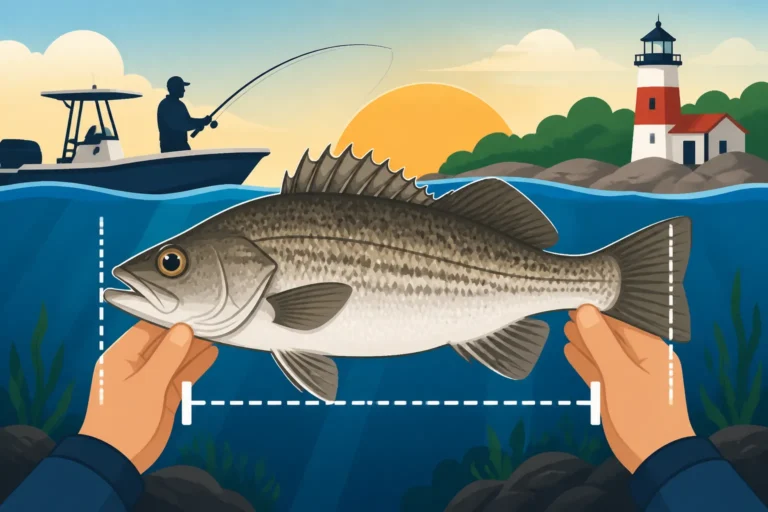
For example, sometimes there's a specific slot limit, meaning you can only keep fish within a certain size range, with larger or smaller fish being protected. Other times, it's a simple minimum size and a daily bag limit. The key is to be informed. Carrying a small measuring tape or having a ruler decal on your boat or kayak is a simple way to ensure your catch meets the legal requirements. When you’re fishing from a kayak, precision in measuring is especially important. You can find compact measuring devices and other essential gear on Amazon to keep you compliant and well-equipped.
Protecting the Fishery for Tomorrow
Spotted seatrout are a valuable recreational species, and their health is closely tied to the quality of their estuarine habitats. Practices like proper handling of fish you intend to release, especially larger females which are important for spawning, are vital. Minimize their time out of water, use de-hooking tools, and handle them gently. If you're targeting specks in sensitive areas with lots of grass, consider using electric trolling motors or poling to avoid disturbing the habitat.
Additionally, respecting spawning closures or specific catch-and-release zones, if they are implemented, helps safeguard the future of the fishery. Many anglers are now practicing selective harvesting, keeping only enough fish for a meal and releasing the rest, particularly the larger breeding fish. This mindful approach ensures that these beautiful "specks" continue to thrive in Maryland’s waters, providing exciting fishing opportunities for years to come. Don't forget, a valid Maryland Chesapeake Bay Sport Fishing License Explained is your entry ticket to responsibly enjoying these incredible fishing experiences.
Disclaimer
This article is for general informational purposes only and does not constitute professional advice. Laws, prices and regulations vary by location and change over time. Consult a qualified professional for guidance on your specific situation.