Best Time of Year to Fish the Chesapeake Bay
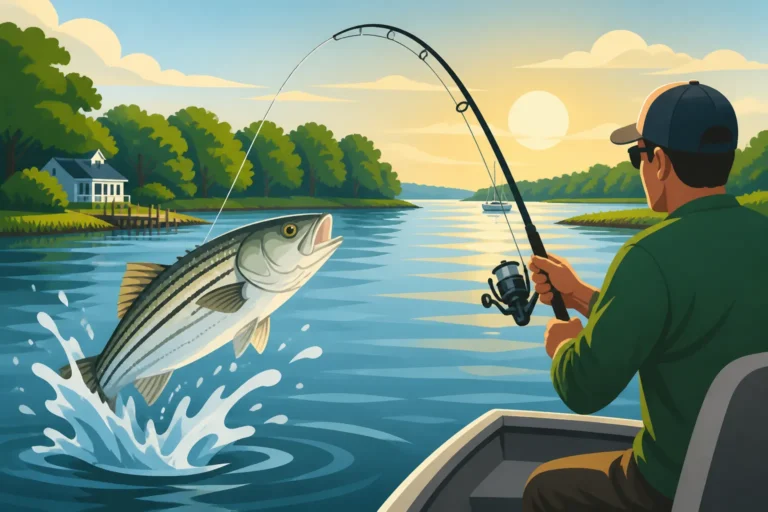
Oh, the age-old question that plagues every angler's mind when they think about the Chesapeake Bay: "When is the absolute best time to drop a line?" It’s a completely valid frustration, isn't it? The Bay is a vast, dynamic ecosystem, and what works one month might leave you scratching your head (and your tackle box) the next. There's nothing worse than planning a much-anticipated trip, only to find the fish have packed their bags and moved on! This comprehensive guide is going to walk you through the Bay's fishing calendar, season by season, so you can stop guessing and start reeling in those incredible Maryland catches, no matter the time of year.
Understanding the Chesapeake Bay's Seasonal Rhythms
Fishing the Chesapeake Bay isn't just about having the right gear; it's about understanding the pulse of the Bay itself. This immense estuary is constantly changing, driven by factors like water temperature, nutrient cycles, and the migratory patterns of its diverse fish populations. To truly master Bay fishing, you need to become a student of these rhythms.
Why Seasons Matter So Much on the Bay
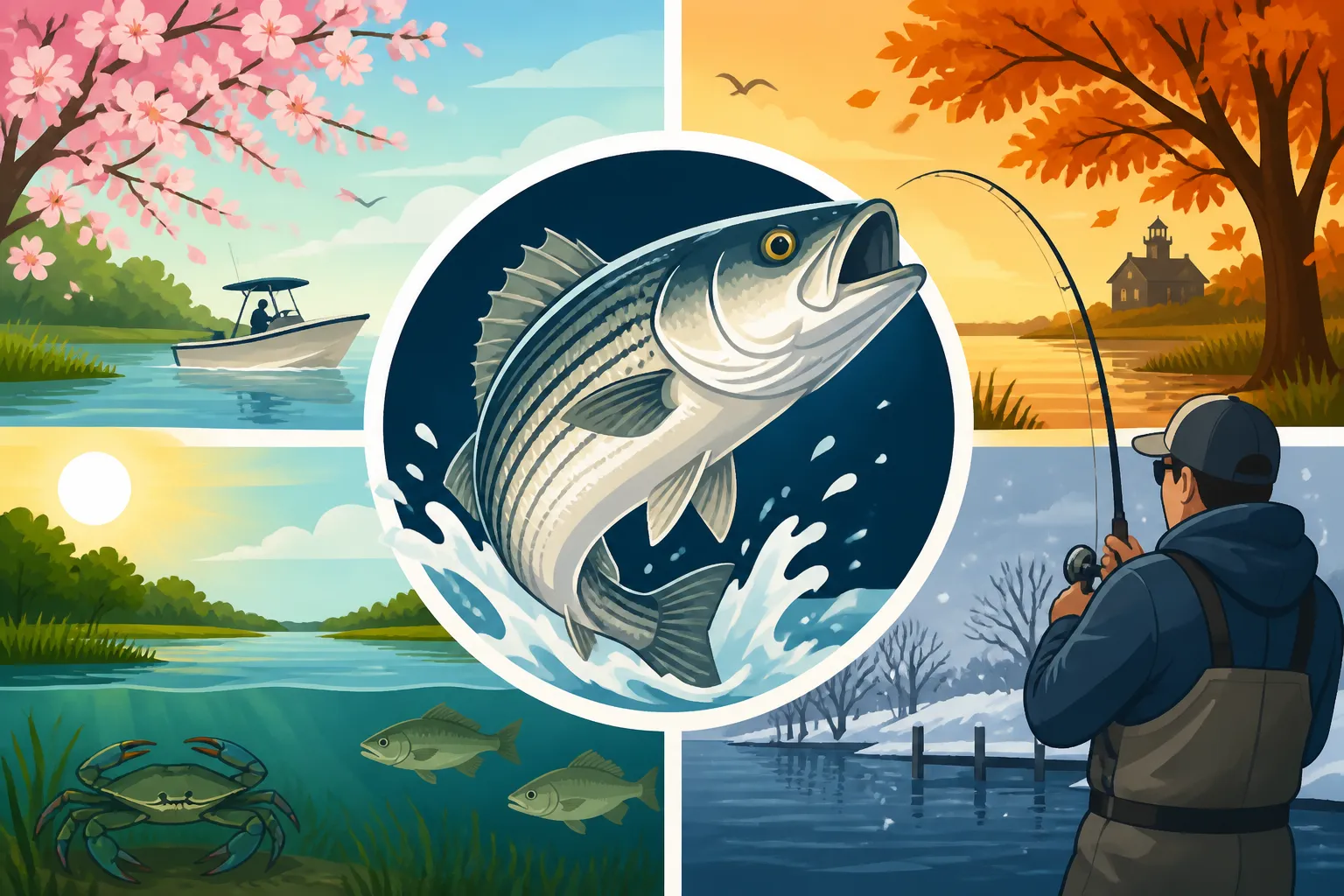
Think of the Chesapeake Bay as a living, breathing entity. As the seasons shift, so too do the conditions that dictate where fish feed, spawn, and seek refuge. Water temperature is arguably the biggest game-changer. Cold winter waters send many species into deep, lethargic states, while the warming waters of spring trigger massive migrations and spawning frenzies. Come summer, the heat can push fish to deeper, cooler oxygenated waters, and the cooling trends of fall signal a crucial feeding period before winter sets in.
This seasonal dance means that targeting the same spot with the same bait year-round is a recipe for disappointment. For instance, the shallow creeks teeming with white perch in the spring will be practically barren of them in mid-winter. Similarly, the open Bay where striped bass (our beloved rockfish!) school up in the fall will be a ghost town for them during their spring spawning runs up the rivers. It's this intricate relationship between the seasons and fish behavior that makes the Bay such a challenging, yet ultimately rewarding, fishery.
Key Factors Influencing Fish Activity
Beyond just the calendar month, several environmental factors play a huge role in the day-to-day and week-to-week success of your fishing endeavors.
- Water Temperature: As mentioned, this is paramount. Every species has an optimal temperature range for feeding, spawning, and general activity. Striped bass, for example, become more active as water temperatures rise in spring and fall, but can become stressed and sluggish in the warmest summer months. Knowing the preferred temperature range for your target species is like having an insider tip.
- Bait Migrations: Where the bait goes, the game fish follow. The arrival of baitfish like menhaden, spot, and mullet in spring and fall often coincides with explosive feeding frenzies for predatory species. Understanding these movements is crucial for positioning yourself where the action is.
- Spawning Cycles: Many popular species like white perch, yellow perch, and striped bass have distinct spawning periods, often occurring in spring. During these times, fish move into specific areas (often tidal rivers and creeks) to reproduce, creating unique fishing opportunities – but also requiring anglers to be extra mindful of regulations to protect these vulnerable populations.
- Tides and Currents: Especially in the tidal waters of the Bay, the ebb and flow of the tide can dramatically influence where fish hold and feed. Stronger currents often dislodge bait, making feeding easier for predatory fish. Learning to "read the tide" for your chosen fishing spot is an art form that greatly improves your chances.
- Weather Patterns: Fronts, storms, and prolonged periods of sun or clouds all have an impact. A sudden cold front can shut down a bite, while overcast skies might encourage certain species to feed more aggressively throughout the day.
By considering these factors in conjunction with the season, you'll start to develop a holistic understanding of how and when to fish the Chesapeake Bay.
Spring: Reawakening the Bay's Fisheries
Spring on the Chesapeake Bay is a time of incredible transformation. As the ice melts (if any!) and water temperatures slowly climb, the Bay stirs back to life. This is when the fishing truly kicks off, offering some of the most exciting opportunities of the year.
Early Spring Opportunities (March-April)
When the calendar flips to March, anglers across Maryland start getting that itch. The air might still have a bite, but beneath the surface, the Bay is waking up. This period is famous for a couple of incredible runs.
First up, the yellow perch runs. These delicious panfish make their way from the deeper waters of the Bay and its tributaries into shallower, often freshwater, creeks and rivers to spawn. Places like the upper reaches of the Chester, Magothy, Bush, and Choptank Rivers become hotspots. Anglers bundle up, often fishing from small boats or shore, using small jigs tipped with grass shrimp or minnows. It's a fantastic way to shake off the winter rust and enjoy some fast-paced action. If you want to know more about where to find them, you'll want to check out this guide on Yellow Perch Runs in Maryland's Upper Chesapeake Bay.
Hot on their heels, the white perch begin their own spawning migration. As the water warms a bit more, usually in April, these feisty fighters move into the same tidal creeks and rivers, sometimes even congregating in the same spots as the yellow perch. The bite can be phenomenal, with anglers catching dozens in a single outing. Small spinners, bloodworms, or grass shrimp on bottom rigs are incredibly effective. This is a perfect time for families and beginners, as the action is usually steady and the fish are plentiful. For more in-depth information on this exciting time, our guide on White Perch Spawning Runs in Maryland Rivers is a must-read.
Simultaneously, the first whispers of striped bass activity begin. While the main trophy season is still a little ways off, smaller resident striped bass start to become more active in the tributaries and main stem of the Bay as they prepare for their spawn. It's often a catch-and-release affair during this time, but it’s a thrilling sign of what's to come.
Late Spring into Early Summer (May-June)
This is arguably one of the most anticipated periods for Chesapeake Bay anglers, particularly those chasing the iconic striped bass.
May kicks off with the legendary Trophy Rockfish Season. This short, intense period allows anglers to target truly massive striped bass as they complete their spawn and begin moving out of the spawning rivers and back into the main Bay. It's a time for big boats, heavy tackle, and the hope of landing a fish of a lifetime. Trolling large lures or umbrella rigs is the most common technique, but live-lining baitfish like bunker or spot also becomes highly effective as the water warms.
As May transitions into June, the Bay continues to be a striped bass haven. The fish are more spread out, active, and feeding aggressively. You can find them around structure like the Chesapeake Bay Bridge pilings, channel edges, and various reefs. Jigging, live-lining, and trolling all remain popular and productive methods. This is when many anglers truly hit their stride, enjoying consistently good fishing for keepers. Keep an eye on the official Maryland DNR rules for the exact dates and slot limits for the upcoming season, but you can find a general overview and plan your trip with resources like our Maryland's 2026 Striped Bass Season Dates guide.
Beyond striped bass, other species start to make their presence known. Flounder begin moving into the shallower areas of the Bay and its coastal bays, offering a fun challenge for bottom fishermen using minnows or Gulp! baits. The early summer also sees bluefish starting to show up, particularly in the lower Bay, eager to smash any fast-moving lure. Our comprehensive guide on Maryland Striped Bass Fishing Techniques will help you hone your skills for this peak period.
| Species | Best Early Spring (March-April) | Best Late Spring (May-June) |
|---|---|---|
| Yellow Perch | Excellent | Good (early June in upper rivers) |
| White Perch | Excellent (late April) | Excellent |
| Striped Bass | Fair (catch & release) | Excellent (Trophy & general season) |
| Flounder | Poor | Good (coastal bays/lower Bay) |
| Bluefish | Poor | Fair (lower Bay, growing stronger) |
| Primary Lures/Bait | Small jigs, minnows, grass shrimp | Large plugs, umbrella rigs, live spot, jigs |
Summer: Warm Waters and Diverse Catches
Ah, summer. The Bay is bustling with boaters, swimmers, and anglers enjoying the long, hot days. While the fishing can be fantastic, the soaring water temperatures present unique challenges and also open up opportunities for a wider variety of species beyond just striped bass.
Mid-Summer Challenges and Rewards (July-August)
As July hits, the Bay's waters become significantly warmer. For species like striped bass, this means they often seek refuge in deeper, cooler, more oxygenated waters, making them harder to find and sometimes less aggressive. Many anglers shift their focus to early morning or late evening bites when the surface temperatures are cooler.
August, in particular, often brings a significant change for striped bass fishing. Historically, Maryland has implemented a summer closure for striped bass in the Chesapeake Bay during August to protect the fish during periods of high heat and low oxygen levels, which cause increased stress and mortality when caught. This can be a real bummer for many, but it's crucial for the health of the fishery. Understanding these rules is vital; you can learn more about Fishing Maryland During the August Rockfish Closure to ensure you're compliant.
But don't despair! The summer Bay is far from barren. This is prime time for bluefish, especially in the middle and lower Bay. These aggressive, toothy predators will readily hit trolled lures, metal jigs, or even topwater plugs, providing exhilarating action. Check out the Maryland Bluefish Daily Limit before you head out, as these regulations can change.
Beyond bluefish, spot and croaker become abundant, offering excellent bottom fishing fun, especially for families. They are fantastic eating fish and relatively easy to catch on small pieces of bloodworm or fish bites. This is also a fantastic time for targeting catfish, particularly the invasive blue catfish, which thrives in the warmer waters of the tidal rivers. They are plentiful and delicious, and there's no limit on them, making them a great target for a summer feast. You can find excellent catfish action on the Potomac and Choptank Rivers, among others.
Strategies for Hot Weather Success
Success in mid-summer on the Bay often comes down to adapting your approach.
- Go Deep: For striped bass and other species sensitive to warm surface waters, focus on deeper channel edges, underwater humps, and artificial reefs where cooler water congregates. Downriggers or Mojos are key for trolling effectively at these depths.
- Fish Early or Late: The "dawn patrol" or twilight hours often yield the best results for many species, as water temperatures are at their coolest and fish are more actively feeding.
- Target Different Species: Embrace the diversity of the Bay! Shift your focus to species that thrive in warmer water, such as bluefish, spot, croaker, and various catfish. The Patuxent River and the Potomac are excellent for catfishing during this time.
- Use Fresh Bait: In warmer water, fish tend to be more discerning. Fresh, lively bait can make a significant difference.
- Consider a Guide: If you're struggling to find the bite, a local charter captain or guide who spends every day on the water will know exactly where the fish are holding and what they're biting on. Services like FishingBooker can help you find experienced captains in ports like Annapolis, Deale, or Solomons Island who specialize in summer Bay fishing. They often have the specific knowledge to navigate the nuances of the Bay's summer patterns.
Fall: The Bay's Grand Finale
If spring is the reawakening, then fall is the Chesapeake Bay's grand, spectacular finale. As the days shorten and the water temperatures begin their gradual descent, the Bay explodes with feeding activity. This is arguably the most consistent and exciting time to be an angler on these waters.
The Autumn Run (September-October)
The fall run for striped bass is what many Bay anglers live for. As water temperatures drop, usually hitting the ideal 60-70 degree range, striped bass begin an aggressive feeding binge, bulking up for their winter migration. They can be found in massive schools throughout the main stem of the Bay and near major tributaries. This period often sees incredible topwater action, jigging over schools of bait, and intense trolling. The fish are often fat, healthy, and incredibly strong fighters.
This is a time when the entire Bay seems alive. You'll witness massive bait balls being pushed to the surface by predatory fish, gannets dive-bombing from the sky, and schools of striped bass boiling on the surface – a true feast for the senses. Light tackle jigging for these schooling fish can provide non-stop action, and larger fish can be targeted by live-lining spot or eels. If you're looking for strategies to maximize your success during this prime time, our guide on Fishing Techniques for Maryland's Fall Striped Bass Run is an invaluable resource.
Alongside the striped bass, bluefish remain a strong presence, often mingling with the rockfish schools and adding their aggressive strikes to the mix. In the lower Bay and the Tangier Sound area, anglers might also get lucky and encounter speckled trout – beautiful, hard-fighting fish that become more active as the water cools slightly. To learn more about targeting these elusive beauties, check out our guide on Speckled Trout in Maryland's Tangier Sound.
Late Fall Opportunities (November-December)
As autumn progresses into late fall, the fishing doesn't just stop. While the frenetic pace of the early fall run might slow a bit, there are still fantastic opportunities, especially for those willing to brave the colder weather.
Striped bass continue to be the primary target. As the Bay cools further, many of the fish begin to migrate south out of the Bay and into the ocean, but significant numbers will remain, often congregating in deeper channels and around major structure like the Bay Bridge. Trolling deep-diving plugs or large jigs near the bottom can still yield impressive catches. This is often the time to find the largest, fattest striped bass before they depart for the winter.
Yellow perch can also offer a surprising late-season bite in the upper Bay and its tidal rivers, as they gather in deeper holes before the onset of true winter. Similarly, white perch can still be caught in deeper channels and creeks, though the bite will be slower and more subtle than in spring.
For the dedicated angler, late fall fishing can be incredibly rewarding. The crowds thin out, and the Bay takes on a serene, almost peaceful quality, offering a chance to connect with nature and perhaps land that trophy fish before the year's end. A local guide, easily found through platforms like FishingBooker, can be instrumental in pinpointing those late-season hot spots and adapting to the colder water conditions.
Winter: A Niche, Yet Rewarding Time
When winter truly sets in on the Chesapeake Bay, the casual angler often hangs up their rods. The cold, wind, and often bleak conditions can be daunting. However, for those who embrace the chill, winter offers a unique and surprisingly rewarding fishing experience, focusing on hardy species and specific techniques.
Targeting Hardy Species (December-February)
While many migratory species have left the Bay for warmer waters, some fish endure, and others even thrive in the colder temperatures.
Yellow perch are a prime winter target. They retreat from the shallower spawning grounds of spring and early fall and congregate in deeper holes and channels within the tidal rivers and upper Bay. This can make them harder to find, but once you locate a school, the action can be steady. Small jigs, particularly those tipped with minnows or scented soft plastics, worked slowly along the bottom are the ticket.
White perch also remain in the Bay and its tributaries, often hunkering down in similar deep-water areas as the yellow perch. While not as active as in spring, they can still be caught by patient anglers using tiny jigs or bottom rigs with bloodworms. Our guide on Winter Fishing for White Perch in Maryland delves deeper into these chilly opportunities.
For striped bass, winter in the Chesapeake Bay is largely a catch-and-release affair, especially in the main Bay. They become much less active, conserving energy in the cold water. However, there are often winter catch-and-release seasons, particularly in the warmer discharge areas of power plants or deep channels, where anglers can still target them with vertical jigging or slow trolling. It's a true test of patience and skill, and careful handling to ensure the fish's survival is paramount.
In the extreme western parts of Maryland, if conditions allow and ice is thick enough (which is not typically common on the main Bay itself), ice fishing might be an option on some smaller, nontidal lakes or ponds. However, for the vast majority of the Chesapeake Bay and its tidal rivers, solid ice is a rarity.
Finding the Winter Bite
Winter fishing requires a different mindset. It's less about fast-paced action and more about strategic patience.
- Go Deep and Slow: Fish are sluggish in cold water. They won't chase bait far. Present your lure or bait slowly and directly in front of them, often right on the bottom in the deepest parts of channels and holes.
- Locate Structure: Deep water structure, such as channel edges, bridge pilings, and wrecks, acts as thermal refuge and ambush points for wintering fish. Fish finders become indispensable for identifying these holding areas.
- Focus on Tributaries: The upper reaches of tidal rivers often cool down slower or hold pockets of warmer water, making them good places to search for perch and even some striped bass.
- Safety First: Cold weather fishing demands extra caution. Dress in layers, wear appropriate foul-weather gear, and always let someone know where you're going and when you expect to return. Hypothermia is a serious risk.
Winter fishing might not be for everyone, but for the dedicated few, it offers solitude, a unique challenge, and the chance to catch some incredibly hard-earned fish. And remember, before any fishing trip, regardless of the season, always make sure your licenses are in order. Our comprehensive Maryland Fishing License Guide for 2026 is a great place to start. If you're new to the area or even an experienced angler looking for new spots, you might find our guide on the Best Places to Fish in Maryland helpful for year-round planning. Finally, a Maryland Chesapeake Bay Sport Fishing License Explained will give you specific details for angling in the main Bay.
Chesapeake Bay Seasonal Fishing Guide
To help you visualize the best times for different species, here's a quick reference table. Keep in mind that "Good" doesn't mean "Easy," and local conditions always play a role!
| Species | Jan | Feb | Mar | Apr | May | Jun | Jul | Aug | Sep | Oct | Nov | Dec |
|---|---|---|---|---|---|---|---|---|---|---|---|---|
| Striped Bass | C/R | C/R | C/R | G | E | E | G | C/R | E | E | G | C/R |
| White Perch | G | G | G | E | E | E | G | G | G | G | G | G |
| Yellow Perch | G | G | E | G | F | F | F | F | G | G | G | G |
| Bluefish | P | P | P | F | G | E | E | E | E | G | F | P |
| Flounder | P | P | P | F | G | E | E | G | F | P | P | P |
| Catfish (Blue) | G | G | G | G | E | E | E | E | E | G | G | G |
| Spot & Croaker | P | P | P | P | F | G | E | E | E | G | F | P |
| Speckled Trout | P | P | P | P | P | P | P | P | G | E | G | F |
Key: E = Excellent, G = Good, F = Fair, P = Poor, C/R = Catch & Release (often regulated)
Ultimately, the "best" time to fish the Chesapeake Bay truly depends on what you're hoping to catch and what kind of fishing experience you're after. Whether you're chasing trophy rockfish in May, filling a cooler with spot and croaker in August, or enjoying the solitary pursuit of winter perch, the Bay always has something to offer. By understanding its seasonal rhythms and adapting your approach, you'll find that every season holds its own unique charm and potential for an unforgettable day on the water. So get out there and explore!
Disclaimer
Please note that fishing regulations, including seasons, size limits, and creel limits, are subject to change by the Maryland Department of Natural Resources (DNR). Always consult the latest Maryland Fishing Guide or the official DNR website before heading out on the water to ensure compliance with current laws. This article is intended for informational purposes only and should not be considered a substitute for official regulations.