Fishing Kent Island’s Chesapeake Access
Finding excellent fishing spots on the Chesapeake Bay can feel like a real challenge, especially when you don't own a boat and are looking for accessible, productive waters. Many anglers get frustrated thinking that all the best action is offshore, but that's simply not true, especially around Maryland's Kent Island. This guide will walk you through the prime public access points on Kent Island, detailing what fish you can expect to catch, the best techniques to use, and how to make the most of your shore-based or small-craft fishing adventure.
The Allure of Kent Island for Shore-Based Anglers
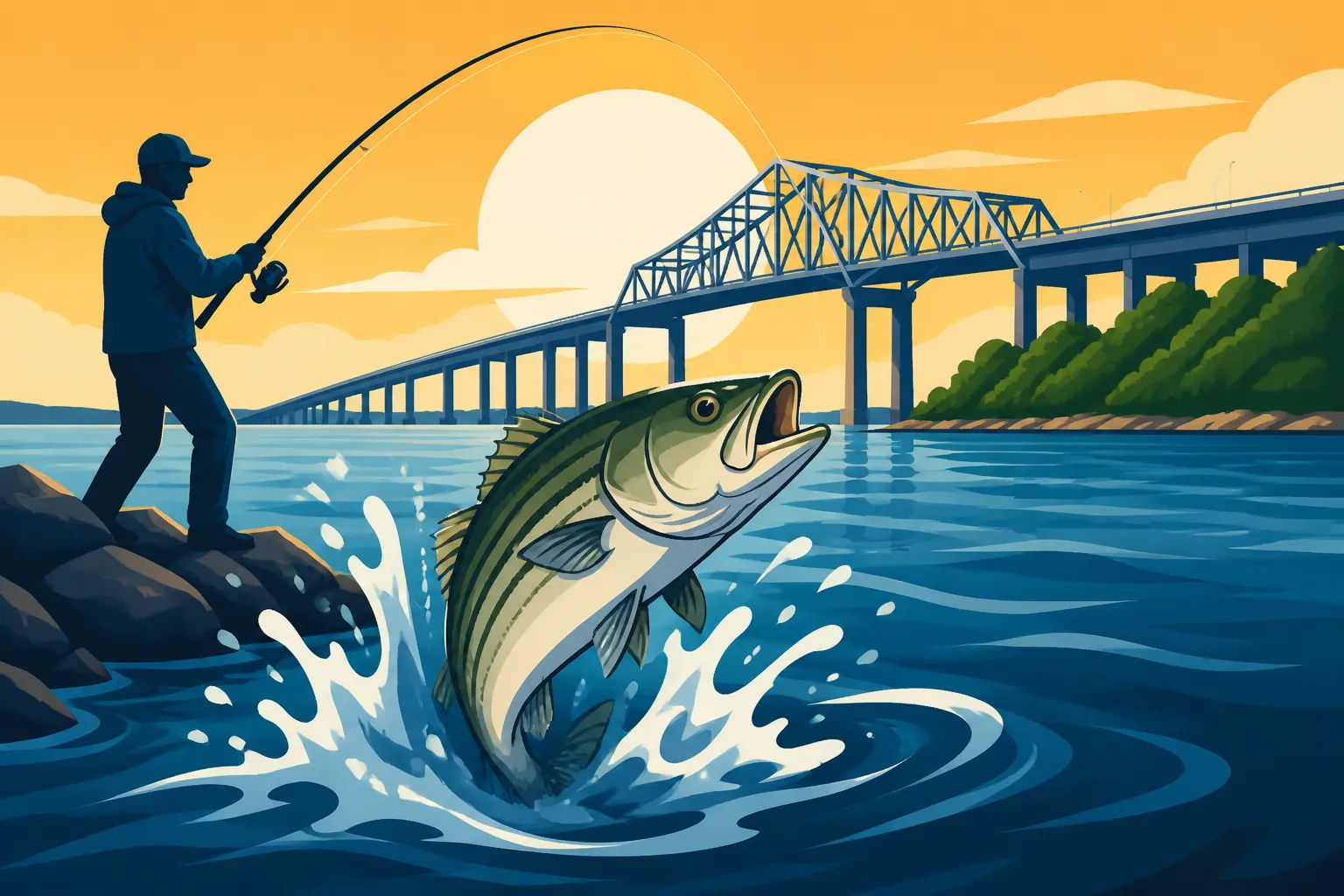
Kent Island, situated at the eastern end of the iconic Chesapeake Bay Bridge, holds a special place in the hearts of many Maryland anglers. Its unique geographical position offers an incredible diversity of fishing opportunities that are often overlooked by those focusing solely on open-water boat fishing. Don't let the "bridge traffic" discourage you; the island itself is a haven for those who prefer to keep their feet on solid ground or launch a kayak with ease.
Why Kent Island is a Prime Fishing Destination
Kent Island isn't just a gateway to the Eastern Shore; it's a fishing destination in its own right. Its strategic location means it's constantly influenced by the rich waters of the Chesapeake Bay, bringing a variety of species within reach. You've got everything from shallow flats perfect for wading, to deeper channels running under bridges, and calm tidal creeks that offer a different kind of angling experience. This blend of environments ensures that whether you're chasing migratory species or simply trying to catch some dinner, Kent Island likely has a spot for you.
The island's numerous public parks and landings provide direct access to these varied habitats. This accessibility is a huge plus, especially for families or anglers who don't have a big center console. You can often find spots with convenient parking, restrooms, and even picnic areas, making it a full-day outing rather than just a quick fishing trip. The tidal currents around the island, particularly near the Kent Narrows, also create natural feeding lanes for fish, concentrating them in predictable areas for shore-bound anglers.
Overcoming the "Boat Only" Mentality
It's easy to fall into the trap of thinking that the Chesapeake Bay is exclusively for boaters. I've heard countless stories from frustrated anglers who've driven past prime spots, only to lament not having a boat to reach them. Kent Island directly challenges this notion. While having a boat certainly expands your options, the island offers some fantastic public access points that allow you to tap into the Bay's bounty without ever stepping foot on a vessel.
From robust fishing piers stretching into deeper water to quiet shoreline paths and convenient kayak launches, Kent Island provides a legitimate answer to the "boat only" dilemma. You might not be able to troll for trophy Striped Bass in the middle of the main channel, but you can certainly jig for them from a pier, cast for White Perch from a jetty, or target invasive Blue Catfish from a shoreline park. It's about understanding the available access and adapting your techniques, rather than feeling limited by a lack of a boat. The key is knowing where these spots are and how to fish them effectively.
Top Public Fishing Access Points on Kent Island
When it comes to fishing Kent Island, knowing the specific access points is half the battle. Each location offers a slightly different experience, catering to various fishing styles and target species. From bustling piers to serene nature parks, Kent Island has a variety of spots worth exploring.
Matapeake State Park and Fishing Pier
Matapeake State Park, located on the western side of Kent Island, is a gem for shore anglers. It boasts a beautiful public beach and a fantastic fishing pier that extends into the Chesapeake Bay. The pier is a real highlight, offering anglers access to deeper water without needing a boat. It's an excellent spot for targeting migratory species as they move through the Bay.
From the pier, you can expect to catch a variety of fish depending on the season. During the spring and fall, many anglers successfully jig for Striped Bass (also known as Rockfish). You'll also find abundant White Perch throughout the warmer months, eager to bite on small pieces of bloodworm or shrimp fished on a bottom rig. Croaker and Spot are common catches, especially in summer. The pier environment is family-friendly, with amenities like restrooms, picnic tables, and even a dog beach nearby. Just remember to check the Maryland Fishing License Guide for 2026 to ensure you have the appropriate permits, although many piers offer a general license waiver while on the pier itself; it's always best to be sure. Also, confirm with the park specifically if a license is required to fish from this pier, as some public piers do not require an individual state license.
Kent Narrows Public Landing and Boardwalk
The Kent Narrows is a narrow, fast-moving waterway that separates Kent Island from the mainland of the Eastern Shore. It's an incredibly productive fishing area due to the strong tidal currents that funnel baitfish through, making it a prime feeding ground for predators. The public landing and boardwalk here offer excellent opportunities for shore-based and small-boat anglers.
Fishing from the boardwalk or along the shoreline near the various bridges in Kent Narrows can be incredibly rewarding. The currents here can be swift, so heavier tackle might be necessary to keep your bait on the bottom. Striped Bass are a primary target, especially during their spring and fall migrations. Anglers often cast various lures like bucktails or soft plastics, or use cut bait on the bottom. White Perch are also prolific, and the deeper channels here can hold impressive numbers of Blue Catfish and even Northern Snakehead, both invasive species that Maryland DNR encourages anglers to remove. You'll find access points for launching kayaks or small boats, allowing you to explore the Narrows more intimately. Remember to pay close attention to the tides; fishing can be drastically different on an incoming versus an outgoing tide.
Terrapin Nature Park
For those seeking a more tranquil fishing experience, Terrapin Nature Park on the northern end of Kent Island offers a peaceful retreat. While it doesn't boast a long pier like Matapeake, its extensive shoreline and walking trails provide opportunities for light tackle fishing and crabbing in shallower, marshy areas.
The focus here tends to be on smaller, resident species. You might find White Perch in the creeks and coves, especially during their spawning runs. Crabbing is also popular from the shoreline, often yielding a good harvest in the summer months. It's a fantastic spot for teaching kids how to fish or for enjoying a quiet afternoon with a bobber and some worms. While you're less likely to hook a trophy Striped Bass here, the serene environment and consistent action for smaller fish make it a worthwhile visit. Plus, it's a great place to observe wildlife, including various birds and aquatic creatures. Just be mindful of your footing, as some areas can be muddy, especially at low tide.
Other Access Points and Kayak Launches
While Matapeake and Kent Narrows are the most prominent, Kent Island has other smaller, less formal access points. Many local parks or road ends might offer limited shore access to tidal creeks and coves. These hidden gems often require a bit of exploration but can yield excellent results for patient anglers.
For those with kayaks or canoes, Kent Island truly shines. There are several small public ramps and even informal launch spots where you can put in and paddle to nearby structure, shallow flats, or the edges of deeper channels. Kayak fishing allows you to access areas unreachable by larger boats or traditional shore fishing, opening up opportunities for species like Red Drum, Speckled Trout (in specific conditions), and more adventurous Striped Bass pursuits. Always prioritize safety when kayaking on the Bay, especially considering the strong currents and boat traffic near the Chesapeake Bay Bridge.
| Access Point | Primary Species | Typical Techniques | Key Features / Notes |
|---|---|---|---|
| Matapeake State Park Fishing Pier | Striped Bass, White Perch, Croaker, Spot | Jigging, Bottom Fishing, Crabbing | Long pier, restrooms, beach access, family-friendly |
| Kent Narrows Public Landing/Boardwalk | Striped Bass, White Perch, Blue Catfish, Snakehead | Jigging, Casting Lures, Cut Bait, Bottom Fishing | Strong currents, bridge fishing, kayak launch |
| Terrapin Nature Park | White Perch, Crabs, smaller panfish | Light Tackle, Bobber Fishing, Crabbing | Serene, shallow water, walking trails |
| Kayak Launches (Various) | Striped Bass, White Perch, Flounder, Bluefish | Jigging, Trolling, Casting Lures, Live-lining | Access to varied habitats, small craft only, requires own gear |
Targeting Key Species and Effective Techniques
Once you know where to go, the next step is understanding what you're fishing for and how to catch it. Kent Island's diverse waters host a wide array of species, each requiring slightly different approaches.
Striped Bass (Rockfish) Strategies
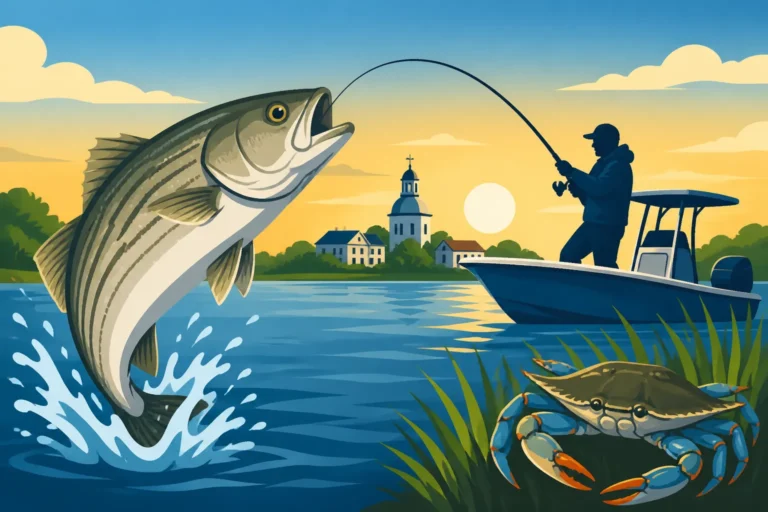
Striped Bass, or Rockfish as they're affectionately known in Maryland, are arguably the most sought-after gamefish in the Chesapeake Bay. Kent Island's access points put you in prime position to intercept these magnificent fish, especially during the spring and fall migrations.
From Matapeake Pier, jigging with soft plastic swimbaits or metal jigs can be very effective, especially during low light conditions or when baitfish are schooling near the pier lights. Look for schools of bait on your fish finder (if you have one, or just observe surface activity) and cast into them. For a more relaxed approach, bait fishing with cut menhaden or live Spot (if you can catch them) can also produce results. Just be aware of the Maryland Rockfish Slot Limit Explained and Maryland Striped Bass Season and Rockfish Rules, as these regulations change frequently to protect the population.
In the fast-moving currents of Kent Narrows, lure fishing is often the most productive. Heavy bucktails or large soft plastics rigged on jig heads work well to get down to where the fish are holding in the current breaks. Casting spoons or lipless crankbaits can also mimic the baitfish being swept through the Narrows. For those with kayaks, live-lining Spot or White Perch near bridge pilings or channel edges can be incredibly effective, but ensure your gear is up to the task of handling a powerful striper in strong current.
Perch and Bottom Fish
White Perch are incredibly abundant around Kent Island and make for excellent table fare and consistent action. They're often the most reliable target for shore anglers, providing fun for all skill levels. Yellow Perch also make seasonal appearances, particularly in the early spring in tidal creeks. Beyond perch, you'll find Croaker and Spot readily available, especially from late spring through early fall.
For White Perch, simple bottom rigs with two small hooks are hard to beat. Bloodworms, grass shrimp, or small pieces of squid are killer baits. Cast these rigs from any pier, shoreline, or even kayak in water ranging from 5 to 20 feet deep. Look for structure like oyster beds, docks, or submerged rocks, as perch love to congregate around these areas. The White Perch in Maryland's Chesapeake Bay are prolific spawners, moving into shallower creeks and rivers in early spring. During these runs, fishing with small spinners or shad darts can be incredibly productive. Remember to check the Maryland White Perch Daily Limit, though they are usually quite generous.
Croaker and Spot prefer similar baits and rigs to White Perch, though they tend to favor slightly warmer water. You'll find them in similar locations, and they often bite alongside perch. These smaller bottom fish are perfect for beginners or those simply looking for consistent catches.
Invasive Species: Blue Catfish and Snakehead
While not native, Blue Catfish and Northern Snakehead have established strong populations in many Maryland waters, including those around Kent Island, particularly in the Kent Narrows and the creeks feeding into it. Maryland DNR actively encourages anglers to harvest these species, with very liberal or no possession limits, to help protect native ecosystems. This makes them a fantastic target for anglers looking to contribute to conservation efforts while enjoying some hard-fighting action.
Blue Catfish are often caught on cut bait (like pieces of gizzard shad, menhaden, or even chicken liver) fished on the bottom with a sturdy rig. They can grow to impressive sizes, so be prepared with heavy tackle. The Kent Narrows' strong currents and deeper holes are prime territory for these giants. Learn more about Maryland Invasive Fish Rules: Blue Catfish and Snakehead and the Maryland Blue Catfish Limit, or Lack of One.
Northern Snakehead are ambush predators that thrive in vegetated, shallow waters. Target them with topwater frogs, weedless soft plastics, or even live minnows fished under a bobber in the numerous marshy areas and creek mouths around Kent Island. They are incredibly aggressive fighters and a blast to catch. For kayak anglers, paddling into the quieter creeks off the main Bay can provide excellent snakehead opportunities.
Navigating Regulations and Enhancing Your Trip
A successful fishing trip isn't just about knowing where the fish are; it's also about being prepared and understanding the local rules. Maryland has specific regulations to protect its fisheries, and being informed ensures a smooth and enjoyable experience.
Essential Maryland Fishing Licenses
Before you even think about wetting a line, you need to ensure you have the correct Maryland fishing license. This is a common point of confusion for many anglers, especially with the distinction between tidal and nontidal waters. Given Kent Island's location, you'll primarily be in tidal waters, which means you'll likely need a Chesapeake Bay Sport Fishing License.
However, if you're fishing from certain public piers like Matapeake, a specific pier license may cover you, or you might be exempt while on the pier itself. Always double-check. If you plan to fish any of the island's freshwater ponds or upper reaches of creeks that transition to nontidal, you'd need a Nontidal Fishing License. Maryland also offers various license options, from annual to 7-day or 3-day options, perfect for visitors. The best first stop is the official Maryland DNR website, or you can check out comprehensive guides like Maryland Chesapeake Bay Sport Fishing License Explained or the overarching Maryland Fishing License Guide for 2026 to understand your specific requirements. Don't forget, if you fish for trout, a special Trout Stamp is often required on top of your base license!
Gear and Preparedness
Having the right gear makes all the difference, even for casual shore fishing. For general purpose Kent Island fishing, a medium-action spinning rod and reel combo spooled with 10-20 lb braided line is a versatile choice. This setup will handle everything from White Perch to decent-sized Striped Bass and Blue Catfish.
Essential items to pack for a Kent Island fishing trip:
- Tackle Box Basics: Assorted hooks (sizes 1/0 to 4/0 for bait, smaller for perch), sinkers (pyramid, egg, bank weights), swivels, basic bottom rigs (like top-and-bottom rigs), and a selection of lures (jigs, soft plastic swimbaits, spoons).
- Bait: Live bloodworms and grass shrimp are universal baits for perch, spot, and croaker. For Striped Bass and Catfish, fresh cut bait (like Bunker or Alewife) or chicken liver can be very effective.
- Tools: Pliers (for hook removal), line cutters, a small net, and a measuring tape to ensure your catch meets size limits.
- Comfort & Safety: Sunscreen, a hat, polarized sunglasses (to spot fish and protect eyes), plenty of water, snacks, bug spray (especially near marshes), and a first-aid kit.
- Cooler: Crucial for keeping your bait fresh and your catch properly stored on ice.
For any specific needs or to grab bait locally, check out shops like Island Tackle in Chester, MD, right on Kent Island. They often have real-time information on what's biting.
Leveraging Local Knowledge and Resources
The Chesapeake Bay ecosystem is dynamic, and local conditions can change rapidly. Staying informed is key to successful fishing. Beyond this guide, consider these resources:
- Maryland Department of Natural Resources (DNR): Their website is an invaluable source for up-to-date regulations, fishing reports, and stocking schedules. It's truly the definitive source for all things Maryland fishing.
- Tide Charts: Since Kent Island is entirely tidal, understanding the tides is critical. Websites and apps dedicated to Chesapeake Bay tides can help you plan your fishing times for optimal success.
- Online Fishing Forums and Social Media Groups: Many local anglers share their experiences and tips in online communities. A quick search for "Kent Island fishing report" can connect you with current conditions and what people are catching.
- Local Bait and Tackle Shops: As mentioned, places like Island Tackle are goldmines of information. The folks working there are usually anglers themselves and can tell you exactly what's working.
- Consider a Charter: If you want to experience the Bay from a different perspective or target species that are harder to reach from shore, consider booking a local charter. Platforms like FishingBooker allow you to browse reputable captains in the area, offering trips that cater to all skill levels and target species. It's a great way to learn advanced techniques and explore deeper waters with an experienced guide, providing an unparalleled opportunity to learn the intricacies of fishing the Chesapeake.
By combining this knowledge with your own exploration, you'll find that fishing Kent Island, whether from shore or a small craft, offers an incredibly rewarding experience for anglers of all stripes. Don't forget to keep an eye on when your Maryland Fishing License Renewal is due to avoid any interruptions to your angling adventures.
Disclaimer
The information provided in this guide is for general informational purposes only and is subject to change. Fishing regulations in Maryland can vary by species, season, and location, and are updated periodically by the Maryland Department of Natural Resources (DNR). It is the responsibility of each angler to consult the most current Maryland fishing regulations and secure the appropriate licenses before engaging in any fishing activities. Always prioritize safety on the water and practice ethical angling.