Fishing the Tred Avon River
Trying to figure out where to cast your line on Maryland's Eastern Shore can feel like a bit of a maze, especially with so many beautiful rivers and creeks winding their way to the Chesapeake Bay. You want a spot that's not just productive but also offers that serene, classic Maryland feel without the overwhelming crowds. This guide is all about simplifying your angling adventure on the picturesque Tred Avon River, breaking down exactly what you can expect, what to catch, and how to make the most of your time on these charming waters.
Unveiling the Charm of the Tred Avon River for Anglers
The Tred Avon River, nestled peacefully in Talbot County on Maryland's Eastern Shore, isn't just another body of water; it’s a living postcard. Flowing gently into the mighty Choptank River, which then empties into the Chesapeake Bay, the Tred Avon offers a unique blend of tidewater charm and surprisingly good fishing opportunities. It’s a place where the pace slows down, where historic towns like Oxford line its banks, and where the rich ecosystem supports a variety of popular game fish. If you've ever felt overwhelmed by the sheer size of the main Bay, the Tred Avon provides a more intimate, manageable, and equally rewarding experience.
A Scenic and Productive Eastern Shore Gem
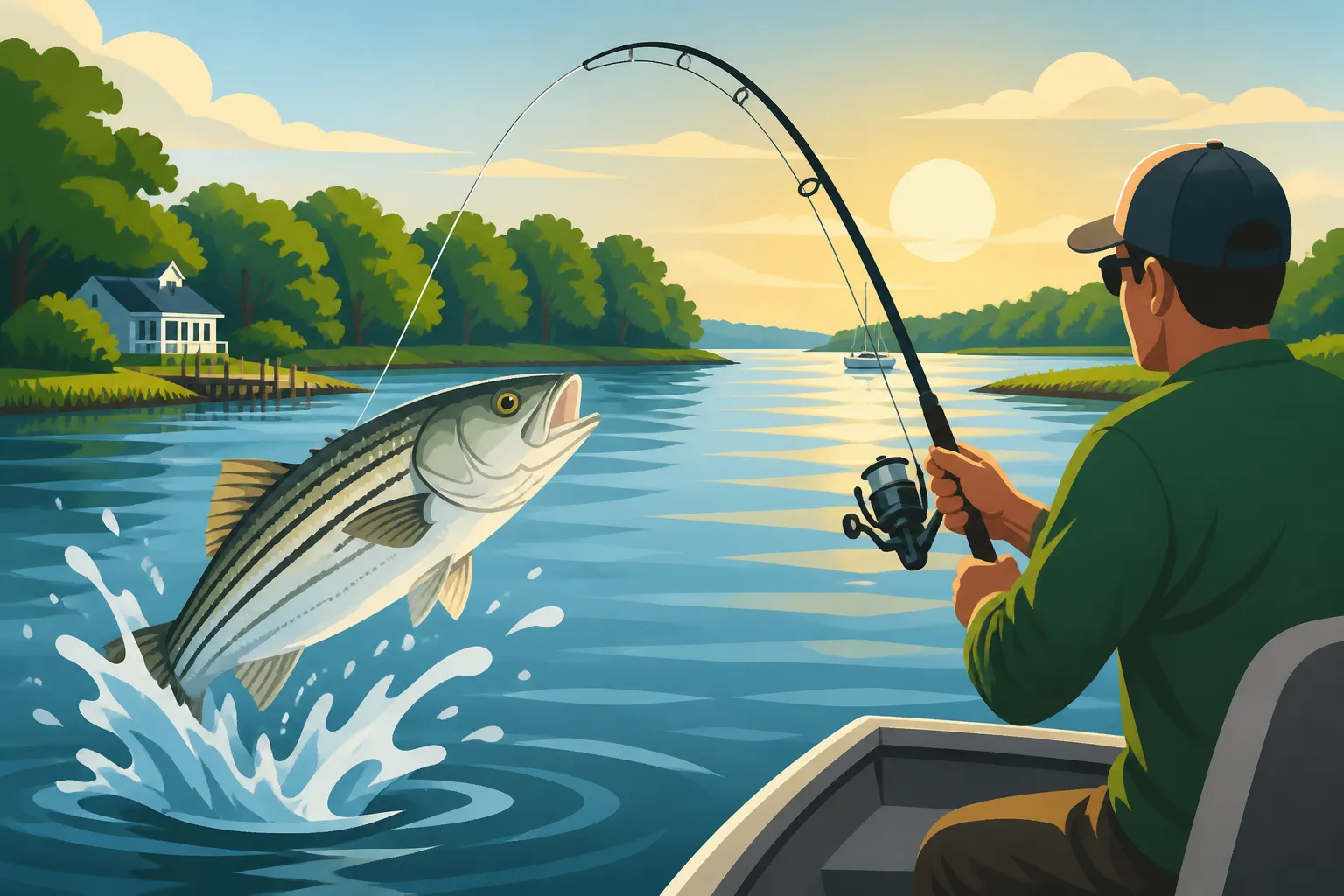
When you first approach the Tred Avon, you'll immediately notice its tranquil beauty. The shoreline is often dotted with stately homes, old-growth trees, and scenic marshes, giving it an undeniably classic Eastern Shore appeal. But beyond the aesthetics, this river is a highly productive estuary. Its brackish waters—a mix of fresh and saltwater—create an ideal habitat for numerous species that thrive in the rich, nutrient-filled environment. You won't find the same intense current or vast open water as in the mainstem Bay, which can make it a much more comfortable and less intimidating place to fish, especially for those in smaller boats or kayaks. Plus, being a tributary of the larger Choptank River means many of the same migratory species that frequent the Choptank will also venture up the Tred Avon.
For those who appreciate the entire experience of being on the water, not just the act of catching, the Tred Avon delivers. The calm waters are perfect for a leisurely paddle, and the river's winding nature means there are always new coves and points to explore. It’s a fantastic spot for a relaxing day, whether you're bringing the family or seeking a quiet solo outing.
Navigating Tides and Water Depth
Like all tidal rivers connected to the Chesapeake Bay, the Tred Avon's fishing success is heavily influenced by the tides. Understanding the tidal swings here is crucial, as they dictate not only where fish will be but also how accessible certain areas might be. Generally, fish in tidal rivers become more active during moving water—either an incoming or outgoing tide. This current helps to dislodge baitfish and other food sources from the bottom, making them easier targets for hungry predators.
The Tred Avon itself isn't incredibly deep for the most part, especially compared to some of the main Bay's shipping channels. You'll find deeper channels that run through the river, often 10-20 feet deep, but many of the coves and shorelines are much shallower, ranging from just a few feet to 8-10 feet. This varying depth is actually a benefit, providing diverse habitats for different species at different times of the year. During higher tides, fish might move into the shallower marshy areas to feed, while low tide can concentrate them in the deeper channels or around specific structures. Always keep an eye on your depth finder, if you have one, or consult a nautical chart to understand the bottom contours. The calmer waters also mean that boat traffic can stir up sediment, especially in shallower areas, which can sometimes affect visibility and fishing conditions for a short while.
Top Fish Species and Best Seasons to Target
The Tred Avon River is a surprisingly diverse fishery, offering something for every angler, no matter the season. From schooling panfish to hard-fighting striped bass, you'll find plenty to keep your line tight. Knowing what to target and when is key to a successful trip.
Spring and Fall: Prime Time for Perch and Striped Bass
Spring and fall are, without a doubt, the marquee seasons for fishing the Tred Avon. As water temperatures begin to rise in early spring, the river bursts with life, signaling the start of the famous white perch and yellow perch runs. These fish move from deeper main-Bay waters into the tributaries like the Tred Avon to spawn, offering incredible action for shore anglers and boaters alike. Many anglers eagerly await the chance to catch these delicious panfish. If you’re looking to get in on this action, our guide on the Best Month to Catch White Perch in Maryland can give you more specific timing insights.
- White Perch: These feisty little fish are a staple of the Chesapeake Bay tributaries. In spring, they'll congregate in impressive numbers in the upper reaches of the river and its smaller creeks. Small jigs tipped with bloodworms or grass shrimp, or even tiny spinnerbaits, are incredibly effective. During the fall, they often school up again, providing another excellent fishing window before winter sets in.
- Yellow Perch: Similar to white perch, yellow perch make their spawning runs in early spring. They tend to prefer slightly fresher water, so you might find them further upriver or in feeder creeks that flow into the Tred Avon. Small minnows, nightcrawlers, or tiny jig heads with grub tails are popular baits.
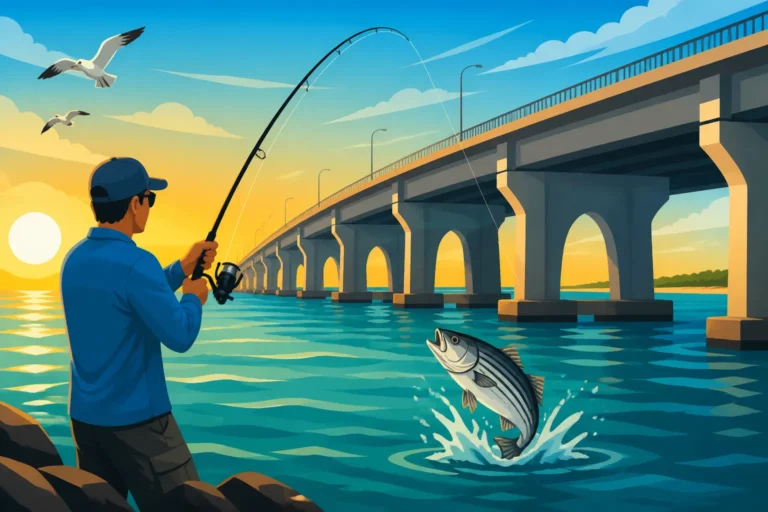
- Striped Bass (Rockfish): Ah, the venerable rockfish! The Tred Avon, being part of the Chesapeake Bay ecosystem, sees its share of striped bass, particularly during their migratory periods in spring and fall. Smaller "schoolie" striped bass will often move into the river to feed on baitfish. In the spring, before the main Bay's trophy season kicks off, these smaller fish offer fantastic light tackle action. They'll also follow baitfish into the river during the fall run. Check out the Maryland Striped Bass Season and Rockfish Rules to ensure you're compliant with current regulations, as they can change. Targeting them with soft plastic lures, small crankbaits, or even live spot or bloodworms can be highly effective.
| Season | Primary Target Species | Common Bait/Lures | Key Locations |
|---|---|---|---|
| Spring | White Perch, Yellow Perch, Striped Bass | Bloodworms, Grass Shrimp, Minnows, Small Jigs, Spinnerbaits, Soft Plastics | Upriver creeks, spawning grounds, channel edges |
| Summer | Blue Catfish, White Perch, Spot, Croaker, Largemouth Bass | Cut Bait, Bloodworms, Peeler Crab, Plastic Worms, Crankbaits | Deeper holes, shaded docks, main river channel |
| Fall | Striped Bass, White Perch, Blue Catfish | Soft Plastics, Crankbaits, Live Bait, Cut Bait | River mouth, channel edges, baitfish schools |
| Winter | Blue Catfish, Yellow Perch (deeper waters) | Cut Bait, Minnows | Deeper holes, protected bends |
Summer and Winter Opportunities: Catfish, Panfish, and Bass
While spring and fall are prime, don't write off the Tred Avon during the other seasons. Summer brings warmer water, which can change what species are active, but it opens up new avenues for angling. Winter, while quieter, still holds potential for a few hardy species.
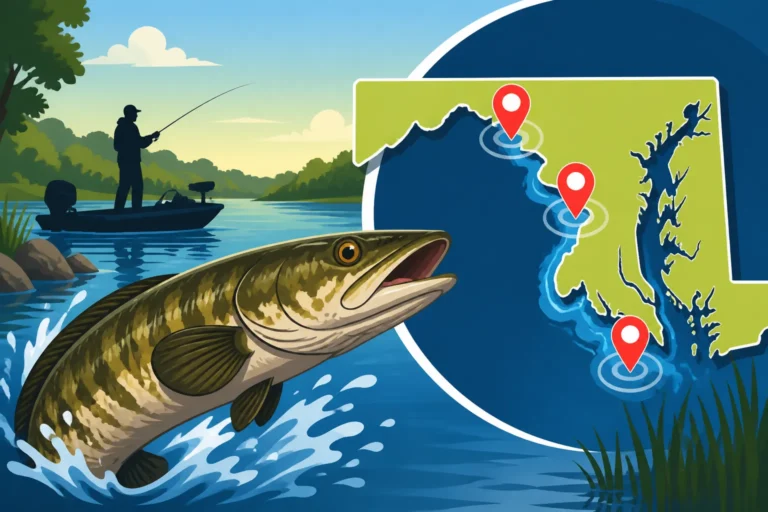
- Summer Blue Catfish: As the water warms, blue catfish become incredibly active. These invasive giants have made a significant presence in many Maryland rivers, including the Tred Avon, and can grow to impressive sizes. They are aggressive eaters and excellent table fare, and there's no limit on how many you can keep, making them a fun target. Cut bait like Gizzard Shad, clam snouts, or even chicken liver fished on the bottom in deeper holes is a proven method. Learning about Maryland Blue Catfish, an Invasive Giant can give you more insight into why targeting them is encouraged.
- Summer White Perch and Bottom Fish: White perch are still around in the summer, though they tend to move to deeper, cooler waters or shaded structures like docks and bridge pilings. Bottom fishing with bloodworms or peeler crab can also yield a good mix of species like spot and croaker, especially towards the lower end of the river.
- Largemouth Bass: While not as prevalent as in some freshwater lakes, the Tred Avon's shallower, less brackish upper reaches and marshy coves can hold some decent largemouth bass. Target them with traditional bass lures like plastic worms, spinnerbaits, or topwater frogs around lily pads and submerged cover.
- Winter Blue Catfish: Even in the colder months, blue catfish remain active, though their metabolism slows down. They'll often school up in the deepest parts of the river, making them a viable target for patient anglers willing to brave the cold. Fresh cut bait remains the top choice.
Remember, always consult the Maryland Fishing Size and Catch Limits by Species before heading out to ensure you're up-to-date on all regulations for the species you plan to target.
Essential Techniques and Prime Fishing Locations
Fishing the Tred Avon River successfully isn't just about knowing what's biting; it's also about understanding the best techniques for different species and where to apply them. This river offers a variety of environments, from shallow marsh edges to deeper channels, each requiring a slightly different approach.
Effective Fishing Techniques for the Tred Avon
You don't need highly specialized gear to have a great day on the Tred Avon, which is part of its charm. A medium-light spinning rod and reel combo with 6-10 lb test line will cover most scenarios.
- Bottom Fishing: This is your bread and butter for white perch, yellow perch, catfish, spot, and croaker. A simple bottom rig with a 1/2 to 1 oz sinker (depending on current) and two snelled hooks (sizes 4-8) is all you need. Bait with bloodworms, grass shrimp, cut bait, or small pieces of peeler crab. Cast out and let it sit on the bottom, waiting for those tell-tale taps. This is especially effective in the deeper channels or around structure.
- Jigging: For striped bass and even aggressive white perch, jigging is a fantastic technique. Use soft plastic paddle tails or grub tails on jig heads ranging from 1/4 to 3/4 oz. Cast towards structure like docks, submerged logs, or channel edges, let it sink, and retrieve with an erratic lift-and-drop motion. Vary your retrieve speed and depth until you find what the fish are reacting to. This is particularly good during moving tides when fish are actively feeding.
- Casting Lures: Beyond jigs, small crankbaits, spinnerbaits, and topwater lures can be very effective for striped bass and largemouth bass, especially during low light conditions or when baitfish are active on the surface. Mimicking the local baitfish (like peanut bunker or silversides) with your lure choice is always a good strategy.
- Live Lining: If you can catch small baitfish like spot or silversides, live lining them under a bobber or on a free line can be deadly for larger striped bass, particularly when they're feeding on schools of bait. Just be mindful of local regulations regarding baitfish collection.
Productive Fishing Spots and Access Points
While much of the Tred Avon's shoreline is privately owned, there are several key areas and access points that anglers can utilize to get on the water.
- Oxford Public Boat Ramp: Located in the charming town of Oxford, this ramp provides direct access to the lower and middle sections of the Tred Avon River. It's a well-maintained facility, perfect for launching everything from kayaks to larger center consoles. From here, you can easily explore the main river channel, head up towards the various creeks, or venture out into the Choptank River.
- Town of Oxford Waterfront: For shore anglers, the public docks and piers in Oxford can offer surprisingly good fishing, especially for white perch and smaller striped bass. These areas often have lights at night, which can attract baitfish and subsequently, game fish. Remember that Maryland Fishing License for Non-Boat Anglers covers you for these kinds of spots.
- Tributary Creeks: The Tred Avon has several smaller creeks feeding into it, such as Trippe Creek, Plaindealing Creek, and Island Creek. These often shallower, winding creeks are phenomenal for spring perch runs and can hold good numbers of largemouth bass and pickerel in their less brackish sections. They also offer more protection from wind and boat traffic. Exploring these with a kayak or a small jon boat can be incredibly rewarding.
- Channel Edges and Drop-offs: Throughout the main stem of the river, look for changes in depth. These "channel edges" or "drop-offs" are prime ambush points for striped bass and areas where baitfish congregate. Your boat's sonar is invaluable here for identifying these features.
- Docks and Pilings: Countless private docks line the Tred Avon. While you can't trespass on private property, you can fish around these structures from your boat. Docks provide excellent cover and shade for fish, attracting everything from white perch to striped bass. Cast jigs or soft plastics parallel to the dock lines or pilings.
When planning your trip, consider checking out resources like FishingBooker to find local guides or charter services that operate on the Tred Avon or nearby Choptank River. They can provide invaluable local knowledge, ensuring you're fishing the best spots with the right techniques, especially if you're new to the area. A local expert can often show you hidden gems you'd never find on your own. Remember to always have your Maryland Chesapeake Bay Sport Fishing License Explained and other relevant licenses in order before you cast out!
Licenses, Regulations, and Responsible Angling
Before you even think about putting a line in the water on the Tred Avon, it's absolutely crucial to understand the licensing requirements and regulations. Maryland is serious about protecting its aquatic resources, and ignorance of the law is no excuse. Plus, being a responsible angler ensures these beautiful waters remain productive for generations to come.
Navigating Maryland Fishing License Requirements
The Tred Avon River is a tidal tributary of the Chesapeake Bay, which means you'll generally need a valid Maryland tidal water fishing license. This isn't the same as a nontidal license, which covers freshwater lakes and rivers further inland. The distinction can be confusing, but our guide on the Maryland Nontidal vs Tidal Fishing License, Explained can help clear things up.
Here's a quick rundown of what you typically need:
- Resident vs. Nonresident: Maryland offers different licenses and prices depending on whether you're a state resident or visiting from out of state.
- Annual vs. Short-Term: If you're planning a single trip or just a weekend, a shorter-term license (like a 3-day or 7-day option) might be more economical than a full annual license.
- Youth Exemptions: Generally, children under a certain age (typically 16) are exempt from needing a license, but it's always best to verify the current age requirement.
- Consolidated Licenses: If you also hunt or crab, Maryland offers consolidated licenses that cover multiple activities, potentially saving you money and hassle.
The easiest way to purchase your license is often online through the Maryland Department of Natural Resources (DNR) website. You can also pick one up at various tackle shops or sporting goods stores throughout the state. Don't forget, if you're targeting trout, a separate Maryland Trout Stamp Requirements may also be necessary, though this is less likely to apply to the brackish Tred Avon.
Understanding Catch Limits and Conservation
Maryland DNR regularly updates its fishing regulations, especially for popular species like striped bass. These rules are put in place to manage fish populations sustainably and ensure there are plenty of fish for future generations. Failing to adhere to them can result in hefty fines and penalties, which nobody wants after a relaxing day on the water.
Key regulations to be aware of include:
- Size Limits: Most species have a minimum and sometimes a maximum size limit. You'll need a measuring device to ensure your catch falls within the legal slot.
- Creel Limits (Bag Limits): This refers to the maximum number of fish of a particular species you can keep per person per day.
- Seasons: Certain species, like striped bass, have specific open and closed seasons, as well as specific harvest dates. Always check the current Maryland Striped Bass Season and Rockfish Rules before you head out, as these can be complex and change frequently.
- Gear Restrictions: There might be rules about the type of hooks (e.g., circle hooks for certain fisheries), number of rods, or types of bait allowed.
Being caught fishing without the proper license or violating catch limits is a quick way to ruin your day and contribute to the decline of fish populations. If you're ever in doubt, the Maryland DNR Fishing and Boating Guide is your go-to resource, updated annually with all the critical information.
Practicing Responsible Angling
Beyond just following the rules, responsible angling is about respecting the environment and the fish you're targeting.
- Catch and Release: If you're not planning to eat your catch or if it's undersized/oversized, practice proper catch and release techniques to minimize stress and injury to the fish. Wet your hands before handling, support the fish horizontally, and use de-hooking tools if necessary.
- Leave No Trace: Pack out everything you pack in. This includes old fishing line, bait containers, and any other trash. Keep the Tred Avon clean and beautiful for everyone.
- Respect Private Property: While fishing from a boat, be mindful of private docks and shorelines. Do not trespass or tie up to private structures without permission.
- Boating Safety: If you're in a boat, wear your life jacket, know the rules of the road, and be aware of other boaters, especially in busier areas or narrow channels. Safety on the water is paramount.
For those considering a guided trip, many excellent captains who fish the Tred Avon and Choptank rivers are listed on platforms like FishingBooker. These professionals are well-versed in local regulations and conservation practices, providing a great way to learn the ropes while ensuring a legal and ethical fishing experience. They often go the extra mile to educate their clients on responsible angling, making it a valuable investment, especially if you're new to the area.
Disclaimer
The information provided in this guide is for general informational purposes only and is subject to change. Fishing regulations, license requirements, and fish populations can vary by season and year. Always consult the official Maryland Department of Natural Resources (DNR) website or their current printed regulations guide before planning your fishing trip to ensure compliance with all applicable laws. Fishing involves inherent risks, and anglers should prioritize safety on the water.