Speckled Trout in Maryland’s Tangier Sound
Ah, the speckled trout – a true jewel of Maryland's coastal waters! Many anglers dream of targeting these beautiful, hard-fighting fish, but pinpointing their hideouts and understanding their habits can feel like chasing a ghost. If you're looking to unlock the secrets to successfully finding and catching speckled trout, especially in the renowned Tangier Sound, you've come to the right place. This comprehensive guide will peel back the layers on everything from identification to techniques, ensuring your next trip is filled with that unmistakable speckled magic.
The Allure of Speckled Trout in Maryland's Tangier Sound
There's something uniquely special about catching a speckled trout. Their vibrant colors, the aggressive strike, and the way they fight, often jumping clear of the water, make them a truly prized game fish. While they might not get the same statewide buzz as their larger striped bass cousins, for those in the know, the "speck" holds a revered place, particularly in the secluded, rich waters of Tangier Sound. It's a fish that demands a bit more finesse and local knowledge, rewarding persistence with unforgettable experiences.
Identifying the Speckled Trout
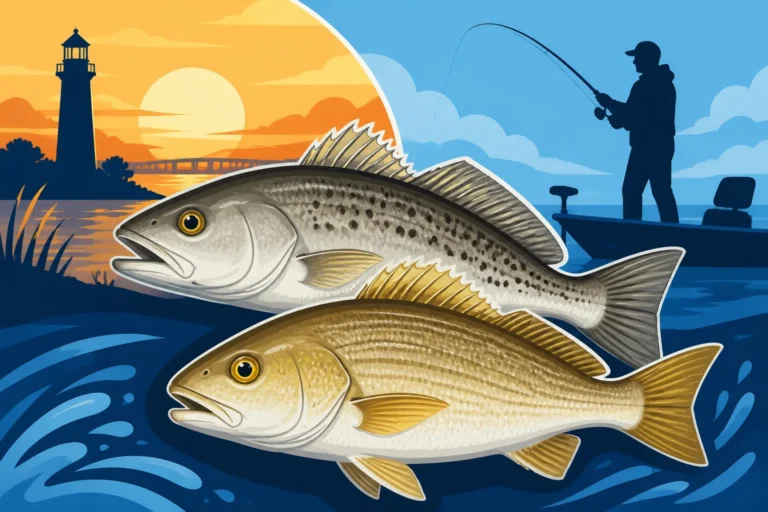
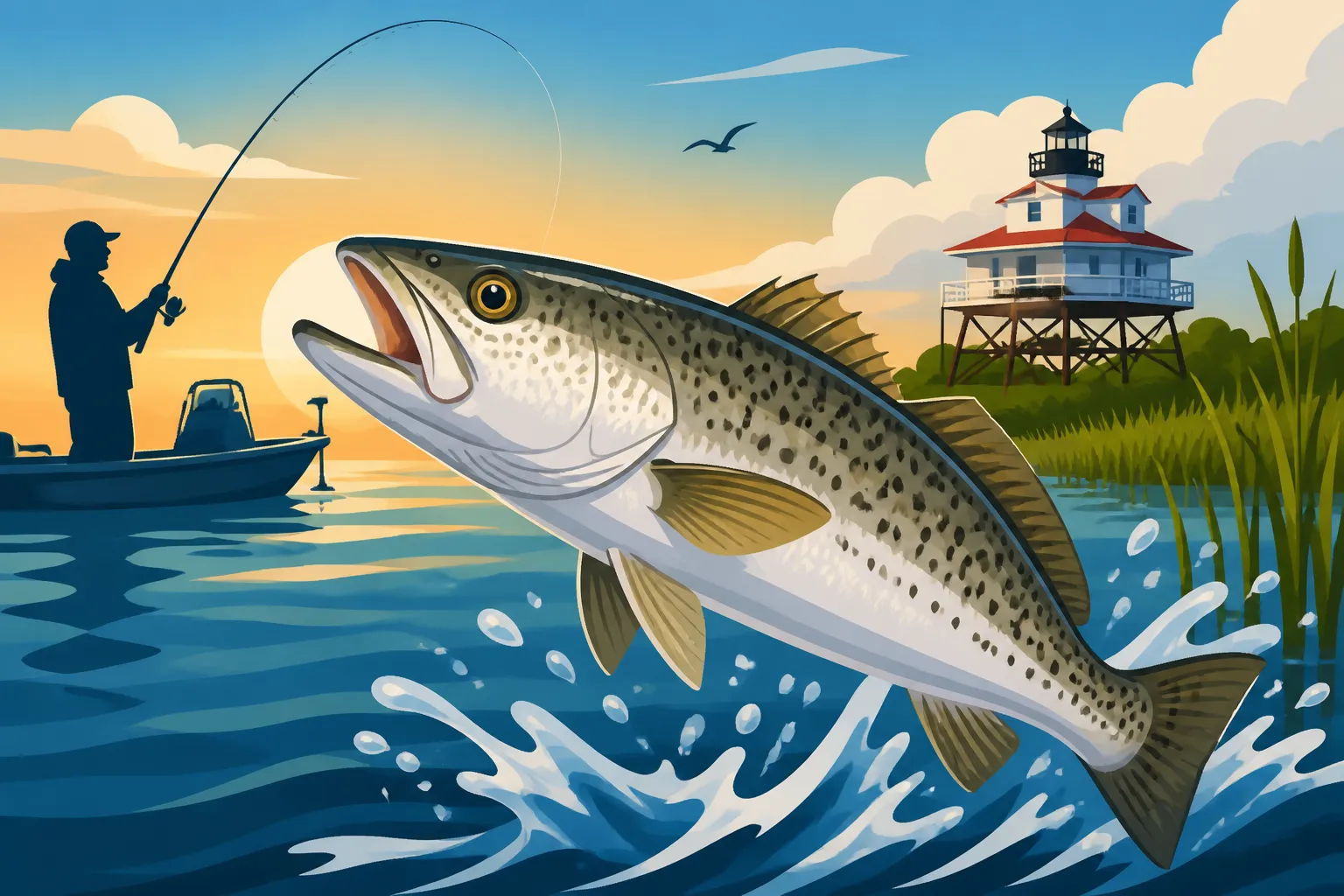
First things first, let's make sure we're all talking about the same fish! The speckled trout, or weakfish as it's often called in other regions, is scientifically known as Cynoscion nebulosus. In Maryland, especially on the Eastern Shore, we lovingly refer to them as specks or spotted seatrout. They are truly stunning fish, easily identifiable by their elongated, silver-gold bodies adorned with distinct, dark, iridescent spots scattered across their back and fins. Their dorsal fins are separated, and they possess a prominent pair of canine teeth in their upper jaw, perfect for snatching up baitfish.
They typically range from 15 to 25 inches in Maryland waters, though larger specimens, often called "gator trout," are certainly out there and can exceed 30 inches. Don't confuse them with their close relatives, the gray trout or true weakfish (Cynoscion regalis), which have fewer, less distinct spots and a more slender body. Speckled trout often have a golden hue along their flanks, especially when fresh from the water, truly making them a sight to behold. Understanding these visual cues is crucial, not just for identification but also for appreciating the specific behaviors of this particular species.
Why Tangier Sound is Prime Speckled Trout Territory
Now, why all the fuss about Tangier Sound? This expansive, relatively shallow body of water nestled between the Eastern Shore of Maryland and Virginia is an absolute paradise for speckled trout. Its unique geography, with countless creeks, marsh grass islands, oyster reefs, and shallow flats, creates the perfect mosaic of habitats that specks absolutely adore. The water here is brackish, meaning it's a mix of fresh and saltwater, providing a rich, nutrient-dense environment where various baitfish, shrimp, and crabs thrive – all prime food sources for speckled trout.
The sheer volume of healthy seagrass beds in Tangier Sound is a major draw. These grass beds act as nurseries for juvenile fish and invertebrates, and they offer perfect ambush points for predatory specks. Imagine a vast underwater meadow, teeming with life, where speckled trout can hide, hunt, and flourish. The warmer, shallower waters of the sound also provide the ideal temperatures they prefer, especially during the spring and fall migrations. It's a complex, interconnected ecosystem that, when healthy, supports robust populations of these incredible fish. Anglers often find that navigating these intricate waterways requires patience and a good eye for structure, but the rewards are well worth the effort.
Understanding Speckled Trout Behavior and Habitat in Tangier Sound
To consistently catch speckled trout, you really need to get inside their heads – or, more accurately, understand their seasonal patterns and feeding preferences. These fish are creatures of habit to a degree, heavily influenced by water temperature, salinity, and the availability of their favorite meals. Tangier Sound offers a dynamic environment, and recognizing these shifts is key to successful fishing.
Seasonal Movements and Spawning
Speckled trout in Tangier Sound exhibit clear seasonal movements. As the water temperatures begin to rise in late spring, usually around May, the specks start migrating into the shallower, warmer waters of the sound from deeper, more saline areas. This influx continues into early summer, making these months prime for targeting them. They are particularly active as they feed heavily to build energy for spawning, which typically occurs in the grassy shallows throughout the summer months when water temperatures are consistently warm.
As fall approaches, usually from September through November, the speckled trout undergo another significant shift. With cooling water temperatures, they become incredibly active, feeding aggressively in preparation for their winter migration. This "fall bite" is legendary among speck anglers, offering some of the best fishing opportunities of the year. Eventually, as winter truly sets in and water temperatures drop, they'll retreat to deeper channels and more stable, warmer waters, often moving out of the shallow reaches of the sound into the main Chesapeake Bay or even coastal inlets. Understanding these temperature triggers and migratory patterns is fundamental to planning your trips.
Preferred Forage and Feeding Habits
Speckled trout are opportunistic predators, and their diet in Tangier Sound reflects the abundant bounty of the brackish environment. Their primary food sources include a variety of baitfish such as silversides, bay anchovies, juvenile menhaden, and spot. They also have a strong affinity for shrimp and small crabs, especially when these crustaceans are molting and softer. This varied diet means you can experiment with a range of baits and lures, mimicking their natural prey.
They are classic ambush predators, often positioning themselves along the edges of grass beds, oyster reefs, or channel drop-offs, waiting for an unsuspecting meal to swim by. They strike quickly and aggressively, using those sharp canine teeth to secure their prey. Low light conditions, such as dawn, dusk, or overcast days, are often the best times to find them actively feeding in the shallows. During brighter periods, they might retreat slightly deeper or closer to dense cover. Pay attention to signs of baitfish schools or feeding activity, like diving birds or surface disturbances, as these are often indicators that specks are nearby and on the hunt.
Top Techniques for Targeting Speckled Trout
Catching speckled trout in Tangier Sound can be incredibly rewarding, but it often requires a blend of finesse, presentation, and knowing which tools to use. Unlike some fish that will eat just about anything, specks can be particular, and having the right approach makes all the difference.
Lure Selection and Presentation
When it comes to lures, soft plastics are arguably king for speckled trout. Paddle tail swimbaits, jerk shads, and curly-tail grubs ranging from 3 to 5 inches are incredibly effective. Colors like chartreuse, white, pearl, and anything with glitter or a silver flake often produce excellent results. You'll typically rig these on a light jig head, usually 1/8 to 1/4 ounce, depending on depth and current. A slow, steady retrieve with occasional twitches, mimicking a wounded baitfish or shrimp, is often irresistible. Many anglers swear by brands like Z-Man or Gulp! for their lifelike action and scent, and you can find a huge variety of these specific lures on Amazon to stock your tackle box.
Topwater lures are also incredibly exciting, especially at dawn or dusk, or on calm, overcast days. Walk-the-dog style lures or poppers can elicit explosive strikes from aggressive specks. Imagine the thrill of seeing a speck blow up on your surface lure! Suspending twitchbaits that dive a few feet and then hang in the water column can also be deadly, particularly when fish are a bit finicky. The key with any lure is to present it naturally, making it appear as easy prey rather than an obvious piece of plastic. Experimentation with retrieve speed and cadence is crucial; what works one day might not the next.
Bait Fishing Strategies
While artificial lures are highly popular, live bait can be absolutely deadly for speckled trout, especially when the bite is tough. Live shrimp, if you can get them, are perhaps the number one choice. Fished under a popping cork, they mimic a struggling shrimp, and the "pop" noise helps attract attention. Live minnows, such as mud minnows or finger mullet, are also excellent options. You can rig them on a simple jig head or a light Carolina rig.
For a more relaxed approach, cut bait can also work, though perhaps less effectively than live. Pieces of fresh shrimp or small strips of mullet can be presented on a small circle hook with a minimal weight to keep it near the bottom or suspended with a float. The smell can attract fish from a distance, but the action of live bait often triggers more strikes. Regardless of your bait choice, always use fresh bait and keep it lively. Remember, specks are sight and scent hunters, so giving them the best possible presentation, whether artificial or natural, is paramount.
Kayak and Shallow Water Tactics
Tangier Sound's shallow, grassy expanses make it a prime location for kayak fishing or wading. These methods allow you to access areas that larger boats simply can't reach, often where the biggest specks are hiding. When kayak fishing, stealth is your biggest ally. Paddle quietly, cast accurately towards grass lines, potholes, and oyster beds. A good pair of polarized sunglasses, easily found on Amazon, is essential for spotting subtle changes in depth, grass beds, or even individual fish.
For wading, focus on incoming or outgoing tides, which often push baitfish along the edges of grass flats or through shallow creeks. Use lightweight spinning gear and make long, accurate casts. Fan casting, where you cast in a wide arc around your position, helps cover a lot of water efficiently. Always shuffle your feet when wading to avoid startling fish or stepping on any hidden critters. Fishing from a kayak or by wading provides an intimate connection with the environment, and it's often in these quiet, out-of-the-way spots that you'll encounter the most productive speckled trout fishing the Sound has to offer. Consider exploring Kayak Fishing Techniques for Maryland Waters for more specific guidance.
Essential Gear and Tackle for Speckled Trout
Having the right equipment won't guarantee a catch, but it will certainly improve your chances and make the experience much more enjoyable. Speckled trout, though not massive, can put up a surprisingly strong fight, especially in shallow water, so balanced tackle is key.
Rod, Reel, and Line Setup
For speckled trout, a light to medium-light spinning rod is generally preferred. A rod in the 6'6" to 7'6" range with a fast action provides excellent casting distance and sensitivity, allowing you to feel those subtle bites and effectively work your lures. Pair this with a 2000 or 2500 series spinning reel that has a smooth drag system. These reels offer a good balance of line capacity and retrieve speed without being overly heavy.
For line, many anglers opt for braided line, typically 8 to 15-pound test, due to its incredible sensitivity and strength-to-diameter ratio. This allows you to feel even the lightest tap on your lure. Since braid is highly visible to fish, you'll want to tie on a fluorocarbon leader, usually 15 to 20-pound test, using a reliable knot like an FG knot or a double uni knot. Fluorocarbon is nearly invisible underwater and is more abrasion-resistant, which is helpful when fishing around oyster shells or grass. This setup provides the perfect blend of sensitivity, casting ability, and stealth for tempting wary specks.
Wading and Boating Considerations
Accessing the best speckled trout spots in Tangier Sound often means navigating shallow waters. For those who prefer to wade, investing in a good pair of sturdy wading boots or neoprene flats boots is paramount. These protect your feet from oyster shells, sharp objects, and stingrays. Additionally, a wading staff can provide stability and help you navigate uneven bottom terrain. Remember to always shuffle your feet when moving to avoid startling fish and to gently push any bottom-dwelling creatures away.
If you're using a boat, a shallow-draft vessel like a skiff, johnboat, or even a paddleboard or kayak is ideal. These allow you to get into the skinny water where the specks lurk without getting stuck. A reliable trolling motor can be a huge advantage for quietly maneuvering along grass lines and covering ground without disturbing the fish. Always carry essential safety gear, and make sure you have up-to-date navigation charts of Tangier Sound, which you can often find in print or digital format on Amazon, to help you identify channels, reefs, and productive grass flats. Proper planning and equipment for shallow water access will dramatically increase your success rate. For more on navigating these unique waters, consider our guide on Fishing Tangier and Smith Island Waters.
Navigating Maryland's Speckled Trout Regulations
As with any fishing endeavor, understanding and adhering to the local regulations is not just important for avoiding penalties, but it's crucial for the long-term health of the fish populations we love to pursue. Maryland has specific rules for speckled trout, and these are subject to change, so staying informed is vital.
Size and Creel Limits
Maryland's Department of Natural Resources (DNR) sets specific size and creel (possession) limits for speckled trout to manage the stock responsibly. While these can vary based on the latest scientific assessments and conservation needs, generally, you'll find a minimum size limit and a daily creel limit per angler. For instance, you might be allowed to keep a certain number of speckled trout per day, provided they fall within a specific size range. It’s absolutely essential to check the most current Maryland DNR fishing regulations before you head out, as these rules are updated periodically. You can often find the full, up-to-date guide on the DNR website.
Violating these regulations, even accidentally, can lead to fines and other penalties. It’s not uncommon for DNR enforcement officers to patrol the waters of Tangier Sound, especially during peak fishing seasons. Always carry a measuring device and be prepared to release any fish that don’t meet the legal requirements. Responsible angling means understanding and respecting these rules, which are in place to ensure that speckled trout populations remain healthy for future generations of anglers. For general information, you can also look at Maryland Fishing Size and Catch Limits by Species.
Licensing Requirements for Tangier Sound
To legally fish for speckled trout in Tangier Sound, you will need the appropriate Maryland fishing license. Since Tangier Sound is considered part of the Chesapeake Bay and its tidal tributaries, you'll typically need a Maryland Chesapeake Bay Sport Fishing License. This license covers saltwater tidal fishing. If you're a Maryland resident, there are various options available, including annual licenses. Non-residents also have options, including annual or shorter-term licenses if you're just visiting for a fishing trip.
In addition to the license, anglers fishing in Maryland's tidal waters, including Tangier Sound, are generally required to register with the Maryland Saltwater Angler Registry. This registration is often free but mandatory. It helps the state track recreational fishing effort and gather important data for fisheries management. Even if you have a license, failing to register could lead to issues. It's always best to have your physical or digital license and registration readily accessible while fishing. You can find detailed information on how to obtain these licenses and register by reviewing our guides on Maryland Chesapeake Bay Sport Fishing License Explained and Maryland Saltwater Angler Registration Requirements, as well as Resident vs Nonresident Fishing Licenses in Maryland.
Conservation and the Future of Speckled Trout in Maryland
The speckled trout fishery in Maryland, particularly in Tangier Sound, is a precious resource. Ensuring its health and vitality for years to come is a shared responsibility among anglers, researchers, and resource managers. While the immediate thrill of a catch is undeniable, understanding the broader ecological picture is crucial for every responsible angler.
Importance of Catch and Release
While keeping a legal limit of speckled trout for a delicious dinner is certainly a part of the angling experience, practicing catch and release, especially for larger breeding-size fish, is incredibly important for conservation. Larger female specks, often referred to as "sow trout" or "gator trout," are vital for maintaining healthy spawning populations. Releasing these bigger fish allows them to continue contributing to the gene pool.
When practicing catch and release, handle the fish as little as possible. Use wet hands if you must touch them, and avoid dragging them over abrasive surfaces. Employ circle hooks when bait fishing, as they are less likely to gut-hook a fish, increasing its survival chances. Investing in a good de-hooker or long-nose pliers, and a rubberized landing net (available on Amazon) can significantly reduce stress and injury to the fish, allowing them to swim away strong and healthy. Taking a quick photo and releasing them promptly ensures these magnificent fish can continue to grace the waters of Tangier Sound.
Environmental Factors Affecting Speckled Trout
Speckled trout populations are highly sensitive to environmental conditions, making them excellent indicators of the overall health of the Chesapeake Bay and its tributaries. Water quality is a critical factor; excessive nutrient runoff can lead to algal blooms, which deplete oxygen when they decompose, creating "dead zones" that force fish to relocate or perish. Similarly, pollution from various sources can directly impact their health and reproductive success.
Habitat loss is another significant threat. The extensive seagrass beds that speckled trout rely on for forage and ambush points are vulnerable to propeller scarring from boats, dredging, and poor water clarity that prevents sunlight from reaching the grasses. Climate change also plays a role, with changes in water temperature and salinity potentially impacting their migratory patterns, spawning success, and the distribution of their prey. As anglers, we can contribute to conservation efforts by advocating for cleaner water, reporting observed pollution or habitat destruction, and supporting initiatives aimed at restoring the health of the Chesapeake Bay ecosystem. Our actions, both on and off the water, directly influence the future of speckled trout in Maryland.
Disclaimer
This article is for general informational purposes only and does not constitute professional advice. Laws, prices and regulations vary by location and change over time. Consult a qualified professional for guidance on your specific situation.