Fishing the Wye River
For many anglers, the thought of fishing Maryland conjures images of the mighty Chesapeake Bay, battling huge striped bass or navigating crowded popular spots. But often, the real gems are tucked away in the serene, less-trafficked tributaries that feed the Bay. If you’ve ever felt overwhelmed by the vastness of the Bay or simply yearned for a quieter, more intimate fishing experience, then the Wye River on Maryland's Eastern Shore is an absolute treasure waiting to be discovered, offering fantastic opportunities for a diverse range of species in a tranquil setting. This guide will walk you through everything you need to know to make your Wye River fishing trip a memorable success.
The Wye River's Unique Character and Why Anglers Love It
The Wye River isn't just another body of water; it's a distinctive tidal tributary of the Chesapeake Bay that retains much of a freshwater feel, making it a truly special place to wet a line. Its unique blend of characteristics supports a rich ecosystem, drawing anglers back year after year.
A Tidal Tributary with Freshwater Charm
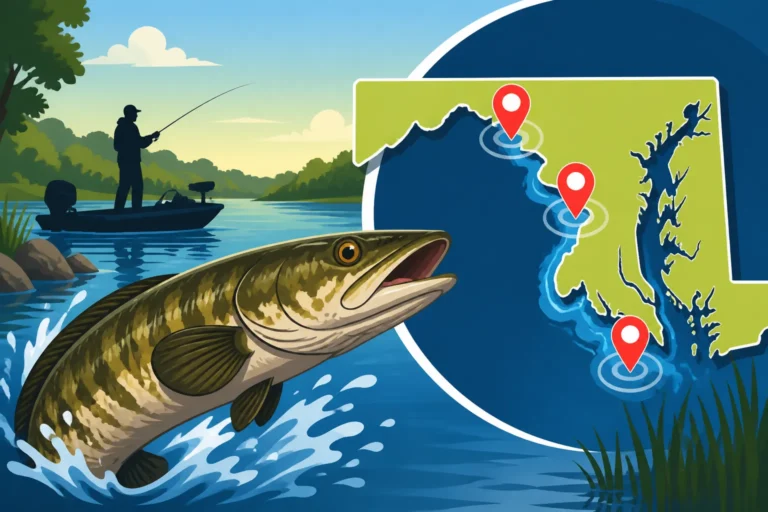
Imagine a river where you can feel the subtle push and pull of the Bay's tides, yet the water often has a tannin-stained, almost lake-like appearance, shaded by cypress trees and lush vegetation. That's the Wye River. Located primarily in Queen Anne's and Talbot counties, it’s not a river in the traditional sense, but rather a complex system of broad, shallow estuaries, deep channels, and winding creeks, including the iconic Wye East and Wye Narrows sections. This intricate geography means that while it's technically tidal, the influence of the immediate Chesapeake Bay is somewhat muted compared to other rivers. This gives it a slightly more stable environment, often less affected by the Bay's rougher conditions. It’s a fantastic place to launch a smaller boat, kayak, or even fish from shore without feeling dwarfed by immense open water, providing a sense of calm often missing in busier fishing locales. The Wye's unique blend offers something for every angler, whether you prefer the quiet solitude of a freshwater pond or the thrill of tidal currents.
Prime Habitat for Diverse Fish Species
The ecological diversity of the Wye River is astounding, thanks to its specific characteristics. The brackish water, which varies in salinity depending on rainfall and tidal flow, creates a sweet spot for both freshwater and moderately salt-tolerant species. Its extensive submerged aquatic vegetation (SAV) beds provide critical ambush points for predators and shelter for baitfish. The numerous fallen trees, docks, and creek mouths offer endless structures for fish to congregate. This makes the Wye River a veritable smorgasbord for anglers who enjoy targeting multiple species in one outing. You might start your day pitching spinnerbaits for largemouth bass around lily pads, then switch to jigging for white perch in deeper channels as the tide changes, or even cast for striped bass near points. This variety ensures that every trip to the Wye offers a new challenge and a new opportunity to hook into something exciting. The river's healthy population of baitfish, including silversides, menhaden, and juvenile herring, keeps the predatory fish well-fed and actively hunting.
Top Fish Species to Target in the Wye River
The Wye River is renowned for its diverse fishery, but a few species truly stand out as prime targets for local and visiting anglers. Knowing what to expect and where to focus your efforts can greatly increase your success rate.
Largemouth Bass: The Undisputed King
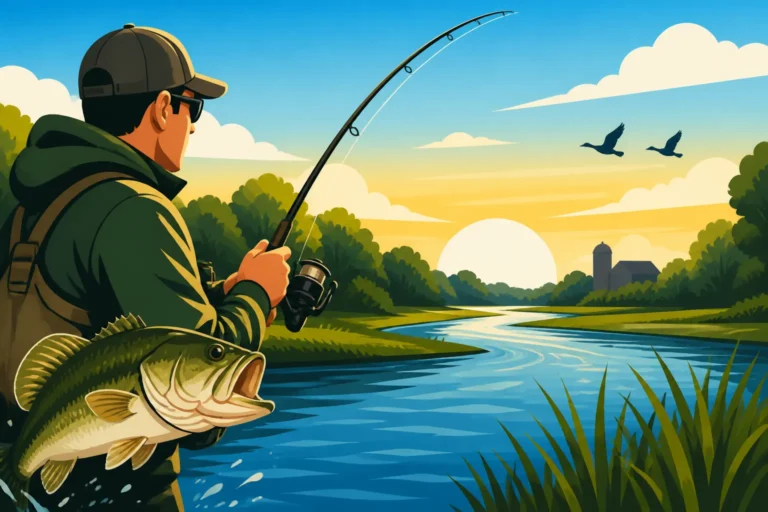
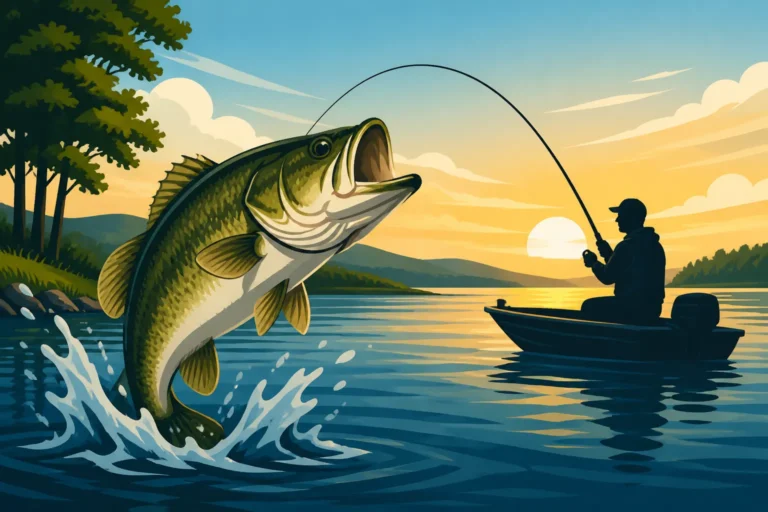
If you ask any serious Wye River angler what their favorite target is, chances are "largemouth bass" will be the enthusiastic reply. The Wye is consistently ranked among the best largemouth bass fisheries on the Eastern Shore, and for good reason. The abundant cover—thick lily pad fields, submerged grass beds, fallen timber, and docks—provides ideal habitat for these aggressive predators. Bass here grow to impressive sizes, with 5-pounders being relatively common and larger "bucketmouths" always a possibility. The unique tidal influence means bass patterns can shift with the water movement, offering an extra layer of challenge and excitement.
Anglers often find success flipping jigs or pitching Texas-rigged plastics into the thickest cover, especially during warmer months. Topwater frogs and poppers can be absolutely explosive in the early morning or late evening over the grass beds. During cooler periods or when the bass move off the shallow cover, cranking deep-diving plugs along channel edges or slowly working a jig can yield impressive results. Understanding what largemouth bass eat in Maryland lakes and rivers can give you a significant advantage when selecting your lures and baits. The Wye's healthy bass population means that even on slower days, you're likely to get some action.
Crappie and Panfish: Abundant and Fun
Beyond the glamour of largemouth bass, the Wye River offers fantastic fishing for a variety of panfish, making it an excellent choice for families or anglers looking for steady action. Black crappie are particularly abundant, especially in the calmer, deeper pockets of the river and its numerous creeks. These slab-sided beauties are not only fun to catch on light tackle but are also excellent table fare. You'll often find them schooled up around submerged brush piles, bridge pilings, and dock structures, particularly during the cooler months.
In addition to crappie, you'll find healthy populations of bluegill, pumpkinseed sunfish, and yellow perch. These smaller, feisty fish are perfect for teaching kids how to fish or for when you simply want to relax and catch a lot of fish. A simple bobber rig with a small hook and a piece of worm, a tiny jig, or a beetle spin will often produce steady bites. These species thrive in the Wye's diverse habitat, utilizing the grass beds, shaded areas, and shallow flats. Targeting these fish is a great way to ensure a productive and enjoyable day on the water, regardless of the weather or tide. If you're looking for more specific tactics, many of the techniques used for crappie fishing in Maryland reservoirs can be successfully adapted to the Wye River's deeper creeks and coves.
White Perch and Striped Bass: Tidal Treats
While the Wye River has a distinct freshwater feel, its connection to the Chesapeake Bay means that classic tidal species also make regular appearances. White perch are incredibly plentiful here, especially during their spring spawning runs and throughout the summer and fall. These eager biters are a joy to catch and are another excellent eating fish. You'll find them in deeper channels, around oyster beds, and near hard structure like docks and bridge pilings. Small pieces of bloodworm, grass shrimp, or a tiny jig tipped with Gulp! are irresistible to them. Many anglers focus on catching white perch in Maryland's Chesapeake Bay during certain seasons, and the Wye River offers some prime opportunities.
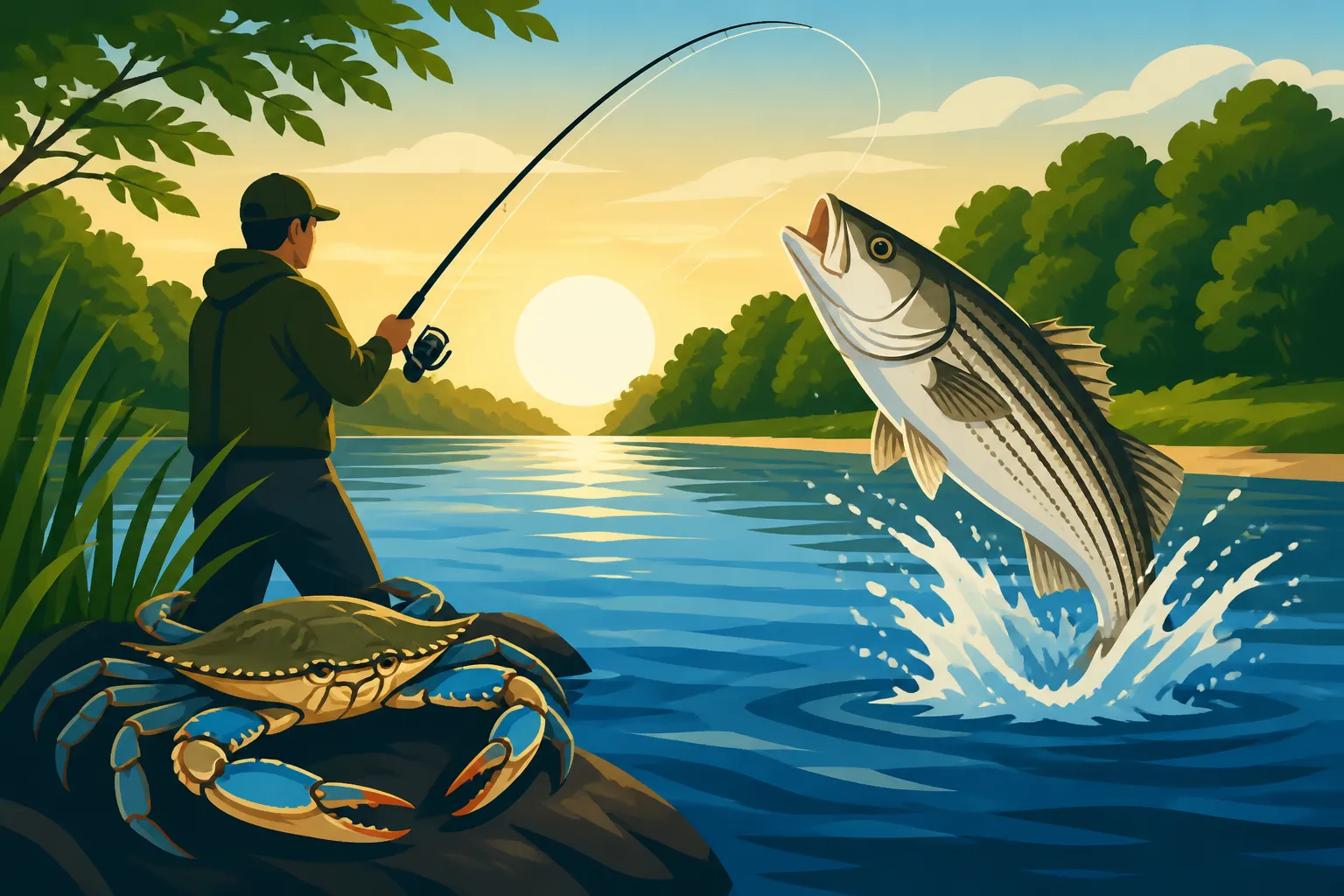
Of course, no discussion of Maryland fishing would be complete without mentioning striped bass, or "rockfish" as they're known locally. While the Wye River might not be the primary destination for trophy striped bass compared to the mainstem Bay, smaller to medium-sized rockfish are frequent visitors, especially during their migratory periods in spring and fall. They'll often push into the Wye chasing baitfish, offering exciting topwater action or solid bites on jigs and crankbaits near points and channel edges. Knowing the Maryland striped bass season and rockfish rules is crucial, as regulations can change frequently to protect this iconic species. It's not uncommon to be catching largemouth bass only to have a school of rockfish move in, providing an unexpected but welcome bonus to your day.
Best Fishing Spots and Access Points on the Wye River
Getting onto and around the Wye River is relatively straightforward, but knowing the best places to launch and where the fish tend to hold can make all the difference.
Public Ramps and Shoreline Access
Accessing the Wye River is made easy by several public boat ramps. One of the most popular is the Wye Landing boat ramp, located near Queenstown. This facility offers ample parking, multiple ramps, and easy access to both the main Wye River and its various creeks. It's a fantastic starting point for any type of boat, from kayaks to larger bass boats. From Wye Landing, you can quickly explore the vast network of coves and channels that characterize the river. Another key access point is the ramp at Wye Mills State Park, which provides access to the freshwater portion of the Wye East River and Wye Lake, an excellent spot for purely freshwater species.
For shore anglers, opportunities are a bit more limited, but not non-existent. Wye Mills State Park offers some shoreline fishing access around Wye Lake. Additionally, some small county parks or road-end accesses can provide informal spots to cast a line. While not specifically designed for fishing, these spots can sometimes offer hidden gems, especially for panfish. It’s always a good idea to check local regulations and respect private property boundaries. For those interested in the broader context of Fishing Maryland's Eastern Shore Rivers, the Wye River stands out as a more sheltered and diverse option compared to some of the larger, more open rivers.
Exploring the Creeks and Coves
The true magic of Wye River fishing often lies in its myriad creeks and coves. These sheltered areas offer protection from wind, warmer water temperatures, and an abundance of structure, making them prime fish factories.
Here’s a breakdown of some key areas:
- Wye Narrows: This narrow stretch connecting the two main lobes of the Wye River is a natural choke point for baitfish and a fantastic ambush spot for predatory fish. The current can be stronger here, making it a prime location for jigging or trolling. The deeper channel here also holds fish during colder months.
- Wye East River (and Wye Lake): As you head upstream into the Wye East River, the water gradually becomes less brackish and more purely freshwater, especially as you approach Wye Lake. This transition zone is excellent for a mix of species. Wye Lake itself is a prime largemouth bass and crappie spot, with extensive submerged vegetation and timber.
- The Many Creeks: Numerous unnamed and named creeks branch off the main Wye River. Examples include Back Creek, Mill Creek, and Granary Creek. These are often shallower, laden with lily pads, cypress trees, and fallen logs – perfect largemouth bass and crappie habitat. Exploring these smaller arteries with a trolling motor or kayak can lead to incredible finds. Pay particular attention to creek mouths, where baitfish are often flushed out on outgoing tides, attracting hungry predators.
When planning your trip, consider using resources like FishingBooker to find local guides who specialize in the Wye River. They can provide invaluable insight into current conditions, hot spots, and specific techniques tailored to the time of year.
Essential Techniques and Tackle for Wye River Success
To truly maximize your Wye River fishing experience, it pays to be prepared with the right gear and to understand the techniques that work best for the species you’re targeting.
Lures and Baits for Each Species
Given the diversity of the Wye River, a versatile tackle box is your best friend.
- For Largemouth Bass:
- Soft Plastics: Texas-rigged worms, creature baits, and senkos are workhorses for pitching into thick cover. Colors like green pumpkin, junebug, and black-and-blue are always good choices.
- Topwater Lures: Frogs, poppers, and walking baits (e.g., Heddon Super Spook) are exhilarating over lily pads and grass. Buzzbaits also excel in low light.
- Jigs: Flipping jigs with plastic trailers are excellent for heavy cover. Bladed jigs (ChatterBaits) are fantastic for covering water and triggering reaction strikes.
- Crankbaits: Medium-diving crankbaits can be effective along channel edges and drops.
- For Crappie and Panfish:
- Small Jigs: Tiny 1/32 to 1/16 oz jigs tipped with small plastic bodies (tube jigs, curly tails) are incredibly effective.
- Live Bait: Small minnows suspended under a bobber are deadly for crappie. Worms are irresistible to bluegill and sunfish.
- Beetle Spins: A classic for a reason, these small spinnerbaits catch just about everything.
- For White Perch and Striped Bass:
- Bottom Rigs: Simple two-hook bottom rigs with small pieces of bloodworm, fish bites, or grass shrimp are lethal for white perch.
- Jigs: Small metal jigs or soft plastic swimbaits on a jig head can entice both perch and smaller striped bass.
- Crankbaits: For striped bass, lipless crankbaits or medium-diving crankbaits can work well when they're actively feeding.
Remember to match your tackle to the fish. Light spinning gear with 6-10 lb test line is perfect for panfish and crappie, while a medium-heavy baitcasting or spinning setup with 12-20 lb fluorocarbon or braided line is ideal for wrestling largemouth bass out of heavy cover.
| Species | Best Baits/Lures | Preferred Tackle | Key Technique |
|---|---|---|---|
| Largemouth Bass | Soft plastics (worms, creatures), topwater frogs, jigs, crankbaits | Medium-Heavy Baitcaster/Spinning (12-20lb line) | Flipping, Pitching, Topwater retrieves |
| Crappie | Small jigs (1/32-1/16oz), live minnows, tube baits | Light Spinning (4-8lb line) | Jigging, Suspending under bobber, Drifting |
| White Perch | Bloodworms, grass shrimp, small jigs, Fish Bites | Light Spinning (4-8lb line) | Bottom fishing, Small jigging |
| Yellow Perch | Minnows, grass shrimp, small jigs, Beetle Spins | Light Spinning (4-8lb line) | Bottom fishing, Slow retrieve of jigs |
| Striped Bass | Soft plastic swimbaits, jigs, bucktails, live spot | Medium Spinning/Baitcaster (15-25lb line) | Casting, Jigging, Live-lining |
Seasonal Strategies for Optimal Fishing
The Wye River's fishing action changes significantly with the seasons, making it a year-round destination if you know how to adapt. Understanding the best time of year to fish in Maryland will give you a general overview, but the Wye has its own nuances.
- Spring (March-May): This is prime time as water temperatures rise. Largemouth bass move into shallower areas for their pre-spawn and spawn. Topwater action picks up, and jigs are highly effective. Crappie also become very active, moving into shallower coves and around structure. White perch make their strong spawning runs up the river. Early spring is also excellent for yellow perch.
- Summer (June-August): Fishing can be excellent, especially early mornings and late evenings. Bass will relate to the abundant grass beds and deeper shade. Topwater frogs are fantastic. White perch and smaller striped bass can be found in deeper channels, especially around structure during moving tides. Catfish become very active in the deeper holes.
- Fall (September-November): The fall migration brings incredible action. Largemouth bass go on a feeding frenzy, aggressively hitting jigs, crankbaits, and even topwater lures. Striped bass become more prevalent as they move through the Bay system, often chasing bait into the Wye. White perch fishing remains strong. This is often considered one of the best times for consistent action across multiple species.
- Winter (December-February): While slower, winter fishing can be very rewarding for dedicated anglers. Largemouth bass will hold in deeper pockets and channels, often near fallen timber. Slow-rolling spinnerbaits or subtle jig presentations can tempt them. Crappie also school up in deep holes, making them catchable with vertical jigging. Remember that Maryland's 2026 Striped Bass Season Dates and other regulations apply, even in the colder months.
Navigating Regulations and Licensing for the Wye River
Fishing in Maryland, like any state, comes with its share of rules and regulations designed to protect fisheries for future generations. The Wye River presents a unique situation due to its tidal nature and proximity to freshwater systems.
Understanding Tidal vs Nontidal Rules
One of the most common points of confusion for anglers in Maryland, especially in transition zones like the Wye River, is the difference between tidal and nontidal fishing licenses and regulations. The Wye River is predominantly a tidal waterbody, meaning that for most of its length, you will need a Maryland Bay & Coastal Sport Fishing License. This license covers fishing in the Chesapeake Bay and its tidal tributaries, including the Wye River, as well as the Atlantic Ocean and coastal bays.
However, as you move further upstream into the Wye East River and specifically Wye Lake (part of Wye Mills State Park), the waters become nontidal. If you plan to fish exclusively in these strictly freshwater portions, a Maryland Nontidal Fishing License might be required or preferred if you don't also fish tidal waters. The good news is that Maryland offers a Consolidated Sport Fishing License that covers both tidal and nontidal waters, which is often the most convenient option for anglers planning to explore diverse areas like the Wye. It's always best to check the latest Maryland Department of Natural Resources (DNR) Fishing and Boating Guide. A deeper dive into Maryland Nontidal vs Tidal Fishing License, Explained can help clarify which license is right for your specific needs. It’s a small price to pay for ensuring you’re legal and supporting conservation efforts.
Catch Limits and Conservation
Maryland DNR implements specific size and catch limits for various species to ensure sustainable fishing. These limits can vary not only by species but sometimes by location or season. For instance, striped bass have very specific slot limits and seasons that can change year to year. Largemouth bass often have a minimum size limit and a daily creel limit. Panfish like white perch, yellow perch, and crappie typically have generous limits, but it’s still important to be aware of them.
It’s your responsibility as an angler to know and adhere to these regulations. Before heading out, always consult the current Maryland Fishing Size and Catch Limits by Species guide, available on the DNR website. Many anglers choose to practice catch and release, especially for larger fish or species under conservation pressure, to help maintain healthy populations. This is particularly important for species like striped bass. Conservation isn't just about following the rules; it's about being a responsible steward of the environment. If you're ever in doubt about the rules or how to acquire your license, learning How to Buy a Maryland Fishing License online is a quick and easy process. Remember, getting caught What Happens If You Fish in Maryland Without a License? can lead to hefty fines and loss of privileges, so it's always worth being prepared.
Disclaimer
The information provided in this guide is for general informational purposes only and is subject to change. Fishing regulations, license requirements, and fish populations can vary by season and year. Always consult the latest Maryland Department of Natural Resources (DNR) official publications and regulations before engaging in any fishing activities. Adherence to all local, state, and federal laws is the responsibility of the angler.