Are White Perch Good to Eat?
Many anglers, especially those new to Maryland's abundant waterways, often catch white perch and wonder if these feisty little fish are truly worth bringing home for the dinner table. You've heard the whispers, seen them in the cooler, but is the effort of cleaning them worth the culinary reward? This guide will dive deep into the delicious truth about white perch, covering everything from their flavor profile to the best ways to prepare them, ensuring you can confidently answer the question: "Are white perch good to eat?"
The Culinary Appeal of Maryland White Perch
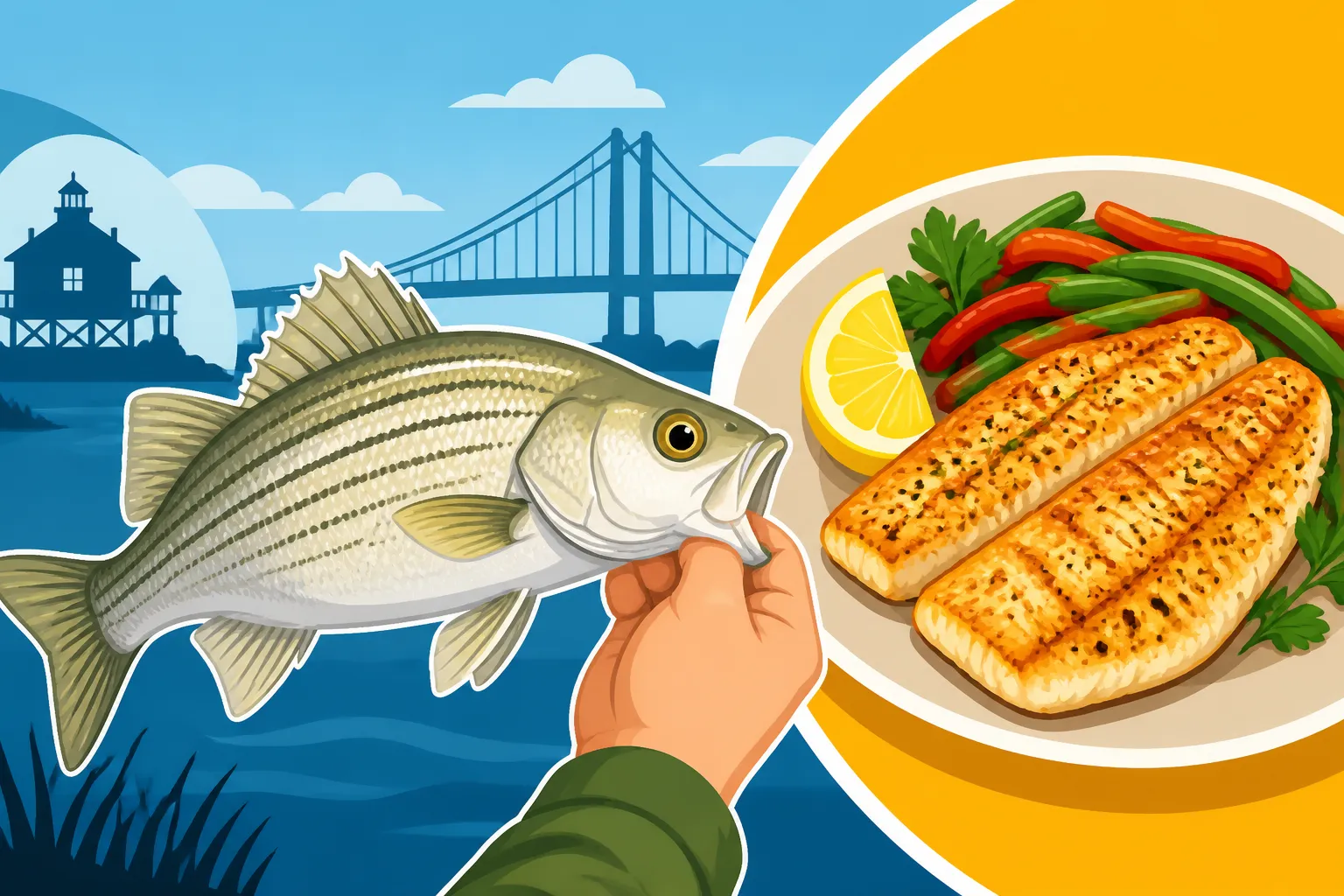
Let's get right to it: absolutely, white perch are good to eat! In fact, for many Marylanders, they are considered one of the finest-tasting panfish available, offering a delicate flavor and flaky texture that makes them a true culinary delight. They might not be the giants of the bay like a Striped Bass: Maryland's State Fish, but what they lack in size, they more than make up for in flavor.
The reputation of white perch as a table fish is well-deserved. They are a staple for many families who enjoy a fresh fish fry, and their availability throughout much of the year, particularly during the White Perch Spawning Runs in Maryland Rivers, means they're a consistent option for anglers seeking a tasty meal. It’s a common sight to see coolers full of these silver-sided beauties at boat ramps and fishing piers across the state, a testament to their popularity.
Many anglers specifically target white perch not just for sport, but with the dinner plate firmly in mind. There's something incredibly satisfying about catching your own meal, and with white perch, you're almost guaranteed a delicious outcome. If you're wondering How Big Do White Perch Get in the Chesapeake Bay?, you'll find even the smaller ones pack a punch of flavor.
Flavor Profile and Texture
The flavor of white perch is often described as mild, sweet, and non-fishy, making them incredibly versatile in the kitchen. Their flesh is white, firm, and flakes beautifully when cooked, retaining moisture without becoming mushy. This delicate balance of flavor and texture is what sets them apart from some other freshwater or brackish species, which can sometimes have a stronger, more assertive taste.
Compared to, say, a catfish, white perch have a much finer, sweeter flavor. They don't carry the "muddy" taste that some bottom-dwellers can sometimes exhibit, particularly those caught from stagnant ponds. This clean taste is one of the primary reasons they are so highly sought after by those who appreciate fresh fish. Their mildness also means they readily absorb the flavors of whatever seasonings or sauces you choose to use, making them a blank canvas for culinary creativity.
For families, their mild taste is a huge advantage. Even picky eaters who might shy away from stronger-flavored fish often enjoy white perch, especially when lightly breaded and fried. It’s a great way to introduce younger generations to the joys of eating fresh, locally caught seafood, building good habits and appreciation for our aquatic resources.
Freshwater vs. Brackish Water Influence
While white perch are generally excellent eating, their taste can be subtly influenced by the specific environment they inhabit. Maryland offers a diverse range of fishing grounds, from purely freshwater lakes and rivers to the brackish estuaries of the Chesapeake Bay. This environmental variation can sometimes lead to slight differences in flavor and texture.
White perch caught from clean, cool freshwater lakes and rivers, like many of Maryland's nontidal tributaries, often exhibit an exceptionally clean and pure flavor. The water quality and diet in these environments tend to be consistent, contributing to a very mild-tasting fish. If you're fishing in pristine areas, you're likely to experience white perch at their peak flavor. You can find them throughout the year, but the Best Month to Catch White Perch in Maryland often yields plenty of delicious fish.
Conversely, white perch from highly brackish or saltier parts of the Chesapeake Bay might have a slightly firmer texture and, occasionally, a hint more "saltwater" flavor, though still very mild. This isn't a negative; it's simply a reflection of their diet and the salinity of their habitat. Think of it like oysters – a subtle nuance of the water they came from. Regardless of where they're caught within Maryland's waters, the consensus remains that white perch are a top-tier panfish for the dinner table.
Preparing White Perch for the Table
Catching white perch is only half the fun; preparing them properly ensures you get the most out of your harvest. Because they are smaller fish, efficient cleaning and appropriate cooking methods are key to enjoying their delicate flavor and texture. Don't let their size intimidate you; with a few tips, you'll be filleting like a pro in no time.
Many anglers might be hesitant to keep white perch due to their relatively small size, thinking the effort isn't worth it. However, a good fillet knife and a little practice can turn a decent haul into a fantastic meal. If you plan on doing a lot of fishing, consider investing in a quality electric fillet knife, often available on platforms like Amazon, which can significantly speed up the process, especially for a pile of smaller fish.
Remember, responsible angling also means knowing your limits and seasons. Familiarize yourself with the regulations on species like the White Perch vs Yellow Perch in Maryland, What's the Difference to ensure you're compliant while bringing home your dinner.
Cleaning and Filleting Tips
Cleaning white perch efficiently is crucial. While some folks will scale and gut them to cook whole, most prefer to fillet them to avoid bones and maximize the meat. Given their average size, which might be in the 8-10 inch range, you're looking at smaller fillets, but they add up quickly!
Here’s a basic approach for filleting:
- Start with Sharp Tools: A sharp, flexible fillet knife is your best friend. For larger batches, an electric fillet knife can save your hands and time. You can find excellent options on Amazon.
- Make the First Cut: Lay the fish on its side. Cut behind the pectoral fin, down to the backbone, but don't cut through it.
- Run Along the Backbone: Turn your knife flat and carefully slide it along the backbone towards the tail, separating the fillet from the rib cage. You might need to make a second pass over the ribs.
- Remove the Skin: Lay the fillet skin-side down. Starting from the tail end, hold the skin firmly and angle your knife slightly downward, slicing the meat away from the skin.
This process, while it takes a bit of practice, yields boneless, skinless fillets perfect for cooking. Don't forget to rinse your fillets in cold water and pat them dry before cooking for the best results. A clean fillet is a happy fillet!
Popular Cooking Methods
White perch's mild flavor and flaky texture make them suitable for a variety of cooking methods. The key is not to overpower their delicate taste. Light and simple preparations often yield the best results.
| Cooking Method | Description | Best For | Pro Tip |
|---|---|---|---|
| Pan-Frying | Lightly breaded or floured, then fried in hot oil or butter until golden brown and crispy. This is arguably the most popular and classic method. | Quick, crispy fillets, family meals. | Don't overcrowd the pan; cook in batches to maintain oil temperature and ensure even crisping. Use a cast-iron skillet for the best crust. |
| Baking/Broiling | Seasoned fillets baked in the oven or quickly broiled. Can be done with a pat of butter, lemon, and herbs. | Healthier option, easy cleanup, retains moisture. | Bake at a higher temperature (400-425°F) for a shorter time (8-12 minutes) to prevent drying out. Broil quickly until just opaque. |
| Grilling | Best for larger fillets or if using a fish basket to prevent smaller pieces from falling through the grates. Lightly oiled and seasoned. | Smoky flavor, firm texture. | Keep the grill grates clean and well-oiled to prevent sticking. Cook over medium-high heat, flipping once. |
| Deep-Frying | Submerged in hot oil after being coated in a batter or heavy breading. Creates a very crispy exterior. | Party food, maximum crunch. | Ensure your oil is at the correct temperature (around 350-375°F) for crispy results without excessive greasiness. |
| Fish Tacos | Flaky, seasoned fillets (often pan-fried or baked) served in warm tortillas with fresh toppings like cabbage slaw, salsa, and a creamy sauce. | Flavorful, versatile meal, great for using up smaller fillets. | Season the fillets with chili powder, cumin, and garlic before cooking for an authentic taco flavor. |
My personal favorite? A simple pan-fry. A light dredge in seasoned flour (salt, pepper, a touch of paprika) and a quick sizzle in hot butter or oil until golden brown. Serve with a squeeze of lemon and some hushpuppies, and you’ve got a taste of Maryland heaven. For a different twist, try them in fish tacos; the delicate meat pairs perfectly with fresh toppings.
Nutritional Value and Health Considerations
Beyond their delicious taste, white perch offer a healthy addition to your diet. Like most fish, they are packed with beneficial nutrients. However, it's also smart to be aware of any potential health considerations, as with any food source, especially those from wild environments. This section will help you understand what you're getting, both good and potentially concerning, when you enjoy Maryland white perch.
Many people are consciously trying to incorporate more fish into their weekly meals, and for good reason. Fish are often lean protein sources and contain essential vitamins and minerals. White perch are no exception to this, offering a guilt-free pleasure for seafood lovers. Even during Fishing Maryland During the August Rockfish Closure, white perch can be a fantastic target for a healthy meal.
Anglers often enjoy the peace of mind that comes with knowing exactly where their food comes from. Catching your own white perch offers that direct connection, allowing you to choose how they're handled from the water to your plate.
A Healthy Protein Source
White perch are an excellent source of lean protein, which is vital for building and repairing tissues, making enzymes and hormones, and generally supporting good health. A typical serving of white perch provides a substantial amount of protein without a high caloric load or excessive saturated fat, making them a great choice for those watching their diet.
In addition to protein, white perch contain important vitamins and minerals. While not as rich in Omega-3 fatty acids as some fattier cold-water fish like salmon, they still contribute to your overall intake of these beneficial fats, which are known for supporting heart and brain health. They also provide essential nutrients like Vitamin D, B vitamins, and selenium.
Eating fresh, wild-caught fish like white perch can be a fantastic way to diversify your nutrient intake. When you're fishing for White Perch in Maryland's Chesapeake Bay or its tributaries, you're not just getting a meal, you're getting a dose of wholesome goodness straight from nature.
Mercury and Contaminant Concerns
It's natural to have questions about potential contaminants in wild-caught fish, particularly from a large estuary like the Chesapeake Bay. Mercury, PCBs, and other environmental contaminants are common concerns for many anglers. The good news is that for smaller, shorter-lived fish like white perch, these concerns are generally less pronounced compared to larger, longer-lived predatory fish such as bluefin tuna or even very large Maryland Striped Bass.
Maryland's Department of the Environment (MDE) and Department of Natural Resources (DNR) regularly monitor fish populations and issue consumption advisories. For most panfish, including white perch, consumption guidelines are quite liberal, often recommending several servings per week for the general population. Pregnant women, young children, and those with specific health conditions might have more conservative recommendations, but these are typically very clearly outlined. Always check the latest local advisories from the Maryland DNR or MDE for the most up-to-date information specific to your fishing area.
The primary takeaway here is that moderate consumption of white perch from Maryland waters is considered safe and healthy. By diversifying the types of fish you eat and staying informed about current advisories, you can confidently enjoy your catch without undue worry. A good rule of thumb is to avoid eating too much of any one type of fish, regardless of its size or species.
Sustainable Harvesting and Maryland Regulations
Enjoying the delicious taste of white perch also comes with the responsibility of ensuring their populations remain healthy for future generations. Sustainable harvesting practices and adherence to Maryland's fishing regulations are paramount. It’s about more than just catching fish; it’s about being a steward of our natural resources.
Maryland's Department of Natural Resources works tirelessly to manage fish stocks, including white perch, to ensure their long-term viability. When you're out on the water, whether it's Fishing the Choptank River or Fishing Sandy Point State Park, you're part of that larger ecosystem, and your actions have an impact.
For those curious about the lifespan of these fish, white perch generally have a shorter lifespan compared to some other species, which also contributes to their sustainability as a food source when managed properly. Knowing What Water Temperature Triggers the White Perch Spawn? can help you understand their life cycle better and appreciate why regulations are in place.
Responsible Angling Practices
Responsible angling starts with understanding the fish you're targeting and how to minimize your impact. For white perch, this includes practices like using appropriate tackle, careful handling, and making smart decisions about what to keep and what to release.
If you're primarily fishing for food, focus on keeping fish within the legal size and catch limits. While white perch typically don't have strict size limits, they do have daily creel limits. Releasing smaller fish, even if legal, allows them to grow larger and contribute to the spawning population. Always refer to the latest Maryland fishing guide to confirm current regulations, as they can change. When you're Fishing for Spring-Run White Perch in Maryland or engaging in Fall White Perch Fishing in Maryland's Chesapeake Bay, adhering to these rules is crucial.
Handle any fish you intend to release gently and quickly. Use barbless hooks or crimp down the barbs on your hooks to make removal easier and reduce harm to the fish. A good practice, especially during warmer months or when fish are spawning, is to minimize the time a fish spends out of the water. For more information on white perch biology, check out resources like White Perch in Maryland's Chesapeake Bay.
Maryland's White Perch Limits
Maryland maintains specific regulations for white perch to ensure healthy populations. These regulations can vary slightly by tidal and nontidal waters, so it's always best to consult the official Maryland DNR fishing guide.
While white perch generally do not have minimum size limits, they do have daily creel limits. These limits dictate how many fish you can keep per person, per day. These limits are set based on scientific data and are designed to prevent overfishing while still allowing anglers to enjoy a bountiful harvest. For example, during Winter Fishing for White Perch in Maryland, regulations might specify a certain bag limit to protect overwintering fish.
Staying informed about these regulations is a simple step, but a vital one for maintaining the health of our fisheries. The Maryland DNR website is an excellent resource for current laws. Always make it a habit to check the latest rules before heading out, whether you're targeting white perch or trying to differentiate them from other species like How to Identify a Striped Bass vs a White Perch in Maryland. By doing so, you contribute to the sustainability of this fantastic resource and ensure that future generations can also enjoy the delicious taste of Maryland white perch.
Disclaimer
This article is for general informational purposes only and does not constitute professional advice. Laws, prices and regulations vary by location and change over time. Consult a qualified professional for guidance on your specific situation.