Why Blue Catfish Are Considered Invasive in Maryland
It’s a frustrating reality for many Maryland anglers and conservationists alike: some of our most beautiful and ecologically vital waterways are under siege by a silent, but incredibly destructive, invader – the blue catfish. This isn't just about a new fish in the pond; it's about a rapidly growing population of a non-native species that is fundamentally altering the delicate balance of Maryland's aquatic ecosystems, threatening everything from beloved native fish to the very health of our precious Chesapeake Bay. This guide will dive deep into why the blue catfish is considered such a significant invasive threat in Maryland and what it means for our future fishing endeavors and environmental health.
Understanding "Invasive Species" in a Maryland Context
Before we dive into the specific issues with blue catfish, it's really important to understand what "invasive" truly means in the ecological sense. It's more than just a species being in a place it wasn't originally from; it's about the negative impact that species has once it establishes itself. Maryland, with its diverse range of freshwater, brackish, and saltwater environments, is particularly susceptible to these kinds of ecological disruptions, and we've seen the consequences play out with other species before.
What Exactly Defines an Invasive Species?
An invasive species isn't just any non-native plant or animal. The term carries a specific scientific definition that helps us understand the severity of the threat. Generally, an invasive species meets two key criteria: it's non-native (or alien) to the ecosystem under consideration, and its introduction causes or is likely to cause economic or environmental harm, or harm to human health. Think of it like a really aggressive, uninvited guest at a dinner party who not only eats all the food but also breaks the furniture and intimidates the other guests.
The "non-native" part is easy enough to grasp – blue catfish weren't naturally found in Maryland's waters. They were introduced, predominantly in Virginia, decades ago, and have since spread rapidly throughout the Chesapeake Bay watershed. The "harm" aspect is where the true problem lies. This harm can manifest in many ways: outcompeting native species for food and habitat, preying on native fish, altering food webs, introducing diseases, or even impacting water quality. For the blue catfish, it's a combination of several of these factors, making them a top-tier invasive concern. It's a complex ecological puzzle, but understanding these basic definitions is the first step toward appreciating the scale of the challenge.
Why Maryland's Waters Are Particularly Vulnerable
Maryland’s geography and hydrology make it especially vulnerable to invasive species. We're blessed with a vast, intricate network of rivers, creeks, reservoirs, and of course, the monumental Chesapeake Bay. This diversity of habitats, from mountain trout streams to expansive tidal estuaries, offers a smorgasbord of potential homes for opportunistic invaders. The interconnectedness of these waterways, particularly the Bay's tributaries, acts like an open highway for species that can tolerate a range of salinities and water conditions.
Consider the Chesapeake Bay itself: it's an estuary, a mixing zone of fresh and saltwater. This dynamic environment can be surprisingly resilient, but also surprisingly delicate. Any disruption, especially from a highly adaptable and prolific predator like the blue catfish, can have cascading effects. Our native species, such as striped bass, white perch, and various sunfish, have evolved within a specific food web and set of competitive pressures. When a super-competitor is introduced, those native species simply aren't equipped to handle the new threat. Furthermore, human activity, including shipping, aquaculture, and the accidental or intentional release of non-native species, continuously creates pathways for new invaders to arrive and establish a foothold. It's a constant battle, and the blue catfish is arguably one of the biggest challenges we currently face in our aquatic environments.
The Blue Catfish: A Formidable Invader
Now that we understand the general concept of invasive species and Maryland's vulnerability, let's zoom in on the specific traits that make the blue catfish such a nightmare for our local ecosystems. They are truly an imposing fish, both in size and in their capacity to dominate.
Where Did Blue Catfish Come From and How Did They Get Here?
The blue catfish (Ictalurus furcatus) is native to the Mississippi River basin and its tributaries, found across much of the central United States. So, how did they end up thriving in the tidal rivers of Maryland and Virginia? Their journey eastward was intentional, though with unforeseen consequences. They were introduced to Virginia rivers, specifically the James, Rappahannock, and York rivers, in the 1970s and 80s as a new sportfishing opportunity. The idea was to create a large, palatable game fish for anglers, much like introducing trout into specific mountain streams.
However, no one fully anticipated their incredible adaptability and ability to spread. From these initial stocking points, blue catfish gradually moved downstream into the brackish waters of the Chesapeake Bay. Their tolerance for a wide range of salinities allowed them to navigate the Bay's mainstem and colonize virtually every major tributary in Maryland. Today, they are firmly established in rivers like the Potomac, Patuxent, Nanticoke, and Choptank, with populations continuing to expand further north and east. This wasn't a malicious act; it was a well-intentioned, but ultimately catastrophic, ecological experiment.
Unpacking the Blue Catfish's Competitive Advantages
Blue catfish possess a suite of characteristics that give them an unfair advantage over native Maryland fish. These aren't just big fish; they are biological powerhouses designed for survival and proliferation.
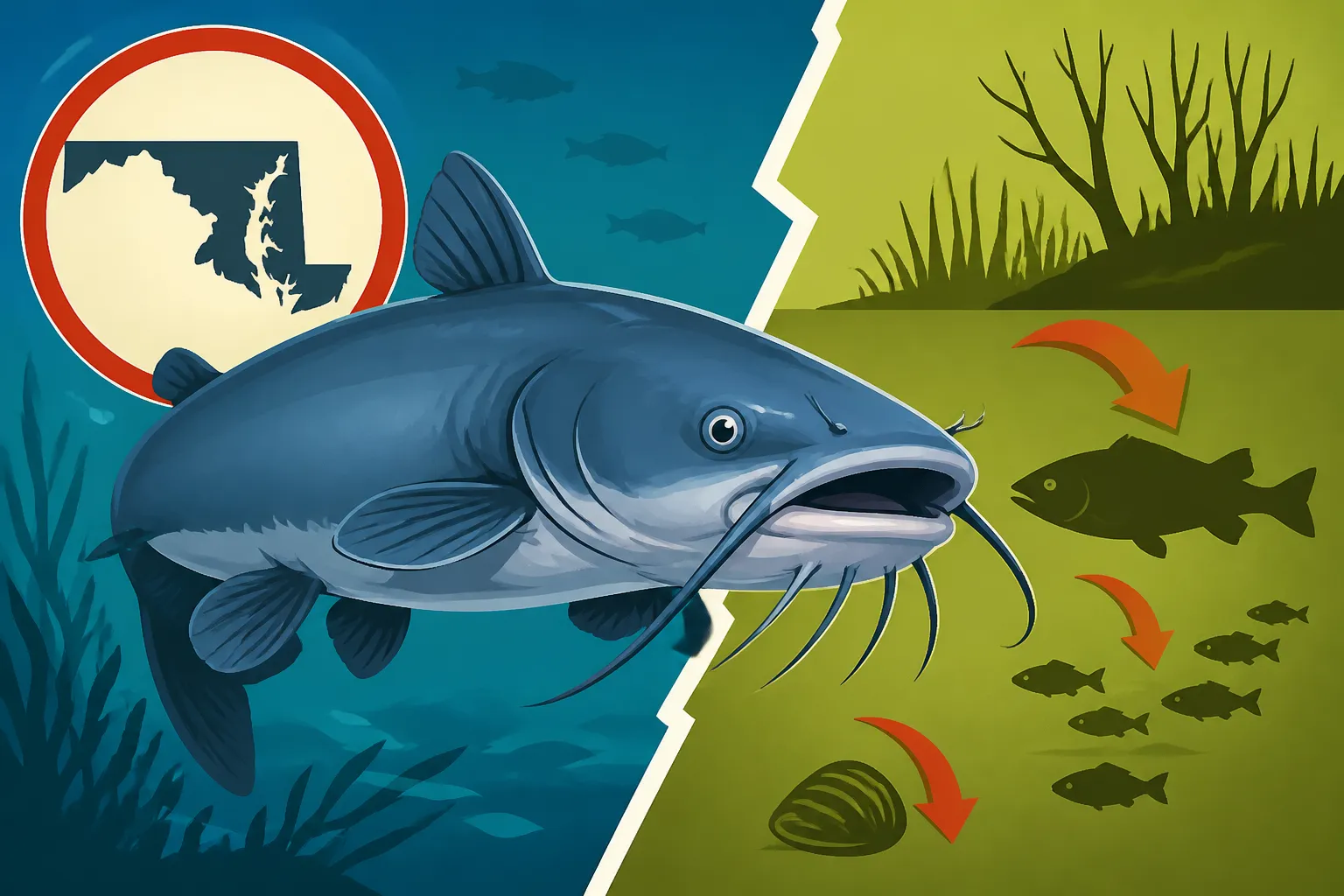
First and foremost, they are generalist predators. This means they aren't picky eaters. Their diet includes just about anything they can fit into their mouths: smaller fish (including juvenile striped bass, white perch, and river herring), crabs, clams, mussels, worms, and even detritus. This broad diet means they can thrive in various habitats and easily adapt to changing food availability, outcompeting native fish that might have more specialized diets. Imagine trying to run a restaurant when a competitor opens up next door offering everything on your menu, plus a hundred other dishes, all at a lower price. That's essentially what the blue catfish does to our native predators.
Secondly, they are incredibly adaptable to different environments. They can live in freshwater lakes and rivers, but critically, they can also tolerate brackish water, meaning they can move freely throughout the Chesapeake Bay and colonize new tidal tributaries. This allows them to spread rapidly and prevents them from being contained by natural barriers. They're also highly tolerant of poor water quality, including low oxygen levels and pollution, which gives them an edge in some of our more stressed urban waterways where native species might struggle. This resilience is a huge factor in their success.
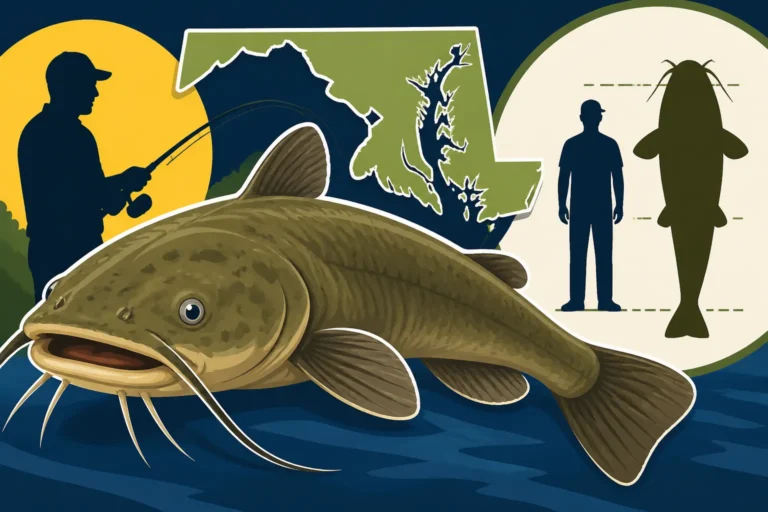
Finally, their sheer size and longevity play a massive role. Blue catfish can grow to immense sizes, easily exceeding 50 pounds, with the current Blue Catfish Size Records in Maryland Rivers showcasing just how large they can get. A massive adult blue catfish has few natural predators in the Chesapeake Bay system, effectively sitting at the top of the food chain once they reach a certain size. This lack of predation pressure, combined with their long lifespan, means established populations can grow unchecked, with individual fish consuming vast amounts of food over many years. It's a potent combination of traits that spells trouble for our native aquatic residents.
Rapid Reproduction and Longevity
One of the most concerning aspects of the blue catfish invasion is their remarkable reproductive capacity and impressive lifespan. These aren't just big fish; they are efficient baby-making machines that can live for decades, compounding their impact year after year.
Blue catfish reach sexual maturity relatively quickly, often by the age of 3-5 years. Once they do, they are prolific spawners. Females can lay tens of thousands, sometimes hundreds of thousands, of eggs in a single spawning season. They prefer to nest in secluded areas like hollow logs, undercut banks, or even submerged culverts, where the eggs are protected by the male until they hatch. This parental care contributes to higher survival rates for their offspring compared to many native species that simply broadcast their eggs. This means that a relatively small initial population can explode in numbers very quickly, establishing a dominant presence in a short amount of time.
Not only do they reproduce effectively, but blue catfish also boast an impressive longevity. They can live for 20 years or more in ideal conditions. This long lifespan means that individual fish contribute to the predatory pressure on native species for an extended period, year after year consuming enormous quantities of prey. A long-lived, prolific, and large predator is the perfect storm for an invasive species. The combination of early maturity, high fecundity, and extended lifespan means that once blue catfish get a foothold, reversing their spread becomes an incredibly difficult, if not impossible, task. This is precisely why Maryland Blue Catfish, an Invasive Giant is a phrase heard often in conservation circles.
| Characteristic | Blue Catfish (Invasive) | Native Chesapeake Bay Fish (e.g., White Perch) |
|---|---|---|
| Diet | Generalist (fish, crabs, clams, detritus) | More specialized (insects, small fish, crustaceans) |
| Growth Rate | Fast, can reach massive sizes (50+ lbs) | Moderate, typically much smaller (1-3 lbs) |
| Reproduction | High fecundity, parental care, early maturity | Moderate fecundity, less parental care, similar maturity |
| Longevity | Long (20+ years) | Moderate (5-10 years for many species) |
| Habitat | Highly adaptable (fresh to brackish, low oxygen) | More specific habitat and water quality needs |
| Predators | Few as adults | Numerous predators throughout life cycle |
Devastating Impacts on Maryland's Native Ecosystems
The consequences of the blue catfish invasion extend far beyond just having a new fish in the river. Their presence is actively dismantling the very fabric of Maryland's aquatic ecosystems, threatening species that have called these waters home for millennia and impacting the health of the Chesapeake Bay itself. It's a significant ecological crisis that requires urgent attention.
Competition for Food: A Threat to Native Fish and Shellfish
One of the most immediate and profound impacts of blue catfish is their direct competition for food with native species. As mentioned, blue catfish are voracious generalist predators. This means they eat a wide variety of prey, putting them in direct competition with a broad spectrum of native fish and shellfish that rely on those same food sources.
Consider the delicate balance of a typical Maryland tributary. Native predators like striped bass (especially juveniles), largemouth bass, and various sunfish all depend on smaller forage fish, crabs, and insects. When blue catfish move in, they effectively become a much larger, more efficient vacuum cleaner, hoovering up these essential food items. This leaves less for the native fish, leading to slower growth rates, reduced reproductive success, and ultimately, declining populations of our indigenous species. It's a zero-sum game, and the blue catfish are winning.
The impact isn't just on fish; it extends to the Bay's iconic shellfish. Blue catfish are known to consume blue crabs, especially smaller ones, as well as clams and mussels. These shellfish are not only vital components of the Bay's ecosystem, acting as natural filters, but they also support significant commercial and recreational fisheries. Every crab or clam eaten by a blue catfish is one less available for a native predator, a commercial waterman, or a family crabbing from a pier. This widespread depletion of food resources is one of the primary reasons How Blue Catfish Threaten Native Species in Maryland's Chesapeake Bay is such a critical concern for conservationists.
Predation on Iconic Maryland Species
Beyond simple competition, blue catfish actively prey on our most cherished native fish. This direct predation is a gut-wrenching reality for anyone who cares about the health of Maryland's fisheries.
Juvenile striped bass, our state fish, are a prime target. In the springtime, rivers like the Nanticoke, Choptank, and Potomac are crucial spawning and nursery grounds for rockfish. Unfortunately, these are also areas where blue catfish populations are booming. Young striped bass, still small and vulnerable, become easy prey for large blue catfish. This adds immense pressure to a species that is already carefully managed due to population concerns. Every juvenile rockfish eaten by a blue catfish is a potential future adult that won't contribute to the spawning stock or to an angler's catch.
Similarly, they prey on alewife and blueback herring, two species of river herring that undertake vital spring migrations from the ocean into our freshwater rivers to spawn. These herring are a crucial forage base for many other native predators, and their populations are already struggling. Blue catfish intercepts these migratory fish, further hindering their recovery efforts. Even our beloved white perch, known for their abundant spawning runs and delicious taste, fall victim to the blue catfish's insatiable appetite. Imagine a thriving ecosystem where every young life has a fighting chance; now imagine a super-predator picking off the next generation before they even have a chance to grow. It’s a stark picture.
Habitat Alteration and Water Quality Concerns
While blue catfish are primarily known for their predatory nature, their sheer numbers and feeding habits can also indirectly affect habitat and water quality. This is a less obvious impact, but one that is no less significant for the long-term health of our waterways.
In areas where blue catfish populations are particularly dense, their constant bottom-feeding can stir up sediments. This action, known as bioturbation, can increase turbidity (cloudiness) in the water. Increased turbidity reduces light penetration, which in turn can harm submerged aquatic vegetation (SAV) – grasses that are vital habitat for juvenile fish and shellfish, and critical for overall Bay health. SAV beds act as nurseries, protect shorelines from erosion, and help filter the water. Disrupting these crucial habitats has ripple effects throughout the food web.
Furthermore, the sheer biomass of a massive blue catfish population can put a strain on the ecosystem's nutrient cycle. While the specifics are still being studied, large numbers of any fish species can contribute to nutrient loading through their waste, potentially exacerbating issues like algal blooms, especially in slower-moving waters. It's a complex interplay, but the presence of an unnaturally high population of a large, long-lived species inevitably alters the ecosystem's natural processes. It highlights the intricate connections within an aquatic environment and how the introduction of one dominant species can unravel the whole system. This is why addressing the Maryland Invasive Fish Rules: Blue Catfish and Snakehead is so important.
Economic and Recreational Repercussions
The impact of the blue catfish isn't confined to the purely ecological realm; it has tangible economic and recreational consequences that hit Marylanders directly in their wallets and their cherished pastimes. Our fishing heritage is intertwined with healthy, balanced aquatic ecosystems, and the blue catfish poses a serious threat to both.
The Ripple Effect on Maryland's Fisheries
Maryland's commercial and recreational fisheries are cornerstones of our state's economy and culture. The decline of native species due to blue catfish predation and competition has a direct, measurable impact on these vital industries.
For commercial watermen, a reduction in the populations of commercially valuable species like striped bass, white perch, or blue crabs means less income. If blue catfish continue to decimate juvenile populations of these species, fewer adults will be available for harvest in the future, leading to tighter regulations, shorter seasons, and ultimately, a less sustainable livelihood for watermen. It's a long-term threat that casts a shadow over the future of a proud profession. They're already navigating complex regulations and environmental challenges; the blue catfish is an additional, unexpected burden.
Recreational fishing, a passion for countless Marylanders and a significant tourism draw, is also at risk. Imagine planning a trip to the Best Places to Fish in Maryland only to find that your target species are scarce, replaced by an abundance of blue catfish. While blue catfish can be fun to catch and good to eat, they are not the iconic species that historically draw anglers to our waters. If populations of prized fish like striped bass decline, fewer out-of-state anglers will visit, impacting local tackle shops, charter boats, hotels, and restaurants. It's a ripple effect that touches many aspects of our coastal and riverine economies.
Challenges for Anglers and Commercial Fishermen
The blue catfish presents unique challenges for both recreational and commercial fishermen in Maryland, requiring adaptation and new strategies, often at a cost.
For recreational anglers, the sheer prevalence of blue catfish can be frustrating. You might be targeting white perch or smallmouth bass, only to have your bait consistently stolen by blue catfish. While catching a big blue catfish can be exciting, it often means diverting effort and gear from desired native species. Many anglers have had to adjust their tackle, using heavier lines and stronger hooks, which can be purchased from retailers like Amazon, just to handle the powerful fight of a large blue catfish. This shift isn't always welcome, especially for those hoping to reconnect with traditional Maryland fishing experiences. Finding gear sturdy enough for monster blues might involve heavier rods, reels, and braided lines, all easily accessible on Amazon.
Commercial fishermen face even greater hurdles. Blue catfish have minimal commercial value in many markets, especially compared to native species like striped bass or blue crabs. This means that while watermen might catch them incidentally, there's little economic incentive to specifically target and harvest them on a large scale. Furthermore, processing and marketing a new, unfamiliar species adds to operational costs. Efforts are underway to create a market for blue catfish, but building demand takes time and investment. Some watermen have adapted their gear, sometimes even ordering specialized nets or traps from suppliers, often found through online marketplaces like Amazon, to handle larger catches of blue catfish, but it's a slow and difficult transition. The challenge isn't just catching them; it's what to do with them once they're caught. This economic bottleneck is a major reason why their populations continue to boom unchecked.
Maryland's Battle Against the Blue Catfish
Given the severe ecological and economic impacts, Maryland isn't sitting idly by. State agencies, conservation groups, and the fishing community are actively engaged in various strategies to combat the blue catfish invasion. It's a multi-pronged approach that combines science, policy, and direct action.
Encouraging Harvest and Consumption
One of the most direct and impactful strategies against the blue catfish is to encourage anglers and commercial fishermen to catch and keep as many as possible. This isn't just about sport; it's about actively removing these invasive predators from the ecosystem.
Maryland has implemented regulations that reflect this aggressive approach. For blue catfish, there are generally no size or creel limits. This means you can keep every blue catfish you catch, regardless of its size, and there's no daily bag limit. This stands in stark contrast to the strict regulations on native species like striped bass, where slot limits, minimum sizes, and daily limits are carefully managed. The message is clear: when it comes to blue catfish, the more you remove, the better. This is why Maryland Blue Catfish Limit, or Lack of One is a common topic among anglers.
Efforts are also being made to promote blue catfish as a delicious and sustainable food source. They are, in fact, an excellent table fish, with firm, white, flaky meat that's mild in flavor. Promoting their culinary value helps create a market for commercial harvest and provides an incentive for recreational anglers to keep their catch. Festivals, cooking demonstrations, and educational campaigns are all part of this effort to shift public perception and turn a pest into a plate. The idea is to transform the blue catfish from an ecological burden into an economic opportunity, providing a sustainable protein source while simultaneously reducing their numbers. This approach is central to Why Maryland Wants Anglers to Kill Invasive Fish.
Management Strategies and Research Efforts
Beyond encouraging harvest, Maryland's Department of Natural Resources (DNR) and other scientific institutions are engaged in comprehensive management strategies and ongoing research to understand and control blue catfish populations.
Monitoring programs are critical. Biologists are continuously tracking blue catfish populations, their spread, growth rates, and dietary habits across different Maryland rivers and the Bay. This data helps to identify hotspots, understand their impact on specific native species, and inform future management decisions. For instance, understanding What Do Blue Catfish Eat in the Potomac River? helps scientists understand which native species are most at risk. This science-driven approach is essential for effective long-term management.
Research also explores potential control methods, though large-scale eradication is often deemed impossible once an invasive species is firmly established. Studies might look into acoustic deterrence, targeted trapping methods, or biological controls, although these often come with their own risks and complexities. The focus is often on containment and reduction rather than outright elimination. Furthermore, educating the public, especially anglers, about the importance of not moving live fish between waterways is a vital preventative measure, ensuring that other non-native species don't follow the blue catfish's path.
Your Role as an Angler
As an angler in Maryland, you play a crucial role in the fight against the blue catfish invasion. Your actions on the water can directly contribute to managing their populations and protecting our native fisheries.
First and foremost, if you catch a blue catfish in Maryland's tidal waters, do not release it alive. This is one of the most important rules for invasive species. While catch-and-release is a fundamental principle for conservation of native species, it is the exact opposite of what's needed for blue catfish. The DNR explicitly asks anglers to harvest blue catfish to help reduce their numbers. Is It Legal to Release a Blue Catfish in Maryland? The answer is yes, in some non-tidal, historically non-native zones, but for the vast majority of Maryland's Chesapeake Bay watershed where they are invasive, harvest is strongly encouraged.
Secondly, consider targeting them! Blue catfish offer an exciting fishing challenge. They fight hard, grow huge, and are abundant, especially in rivers like the Potomac. You don't need highly specialized gear; a medium-heavy rod, a strong reel, and some fresh cut bait or chicken liver will often do the trick. If you need new gear, check out the fishing section on Amazon for suitable rods and reels. Getting out there and actively fishing for them is one of the best ways you can contribute. The more anglers that target these fish, the greater the impact on their populations. There are many great techniques for How to Catch Blue Catfish in the Potomac River, including using circle hooks to protect any incidental native catches.
Finally, spread the word! Educate your fellow anglers, friends, and family about the issue. Explain why blue catfish are problematic, encourage them to harvest what they catch, and share tips for cooking them. Collective action from the angling community is one of our strongest tools in mitigating the impact of this formidable invasive species.
Disclaimer
This article is for general informational purposes only and does not constitute professional advice. Laws, prices and regulations vary by location and change over time. Consult a qualified professional for guidance on your specific situation.