How Big Do Channel Catfish Get in the Potomac?
The mighty Potomac River is a legendary waterway for anglers, a place where you can hook into a real bruiser and feel that satisfying bend in your rod. But if you're like many folks, you might find yourself wondering about specific species, especially when it comes to the whiskered residents. We often hear tales of massive catfish, but pinning down just how big a Channel Catfish can get in the Potomac can be tricky and sometimes frustrating when you're trying to set your expectations or choose the right gear. This comprehensive guide will cut through the guesswork, diving deep into the true size potential of Channel Catfish in the Potomac River, the environmental elements that contribute to their growth, and practical tips to help you land the biggest ones.
Understanding Channel Catfish Growth in the Potomac River
Channel Catfish (scientific name: Ictalurus punctatus) are a native species to many North American river systems, and the Potomac is no exception. They're recognized by their forked tail, smooth, scaleless skin, and those distinctive barbels around their mouths that act like taste buds. While not always as heavily publicized as their invasive cousins, the Blue Catfish, Channel Cats are abundant and can offer incredible fishing opportunities, especially for those seeking a challenging fight.
Average Sizes and What Influences Them
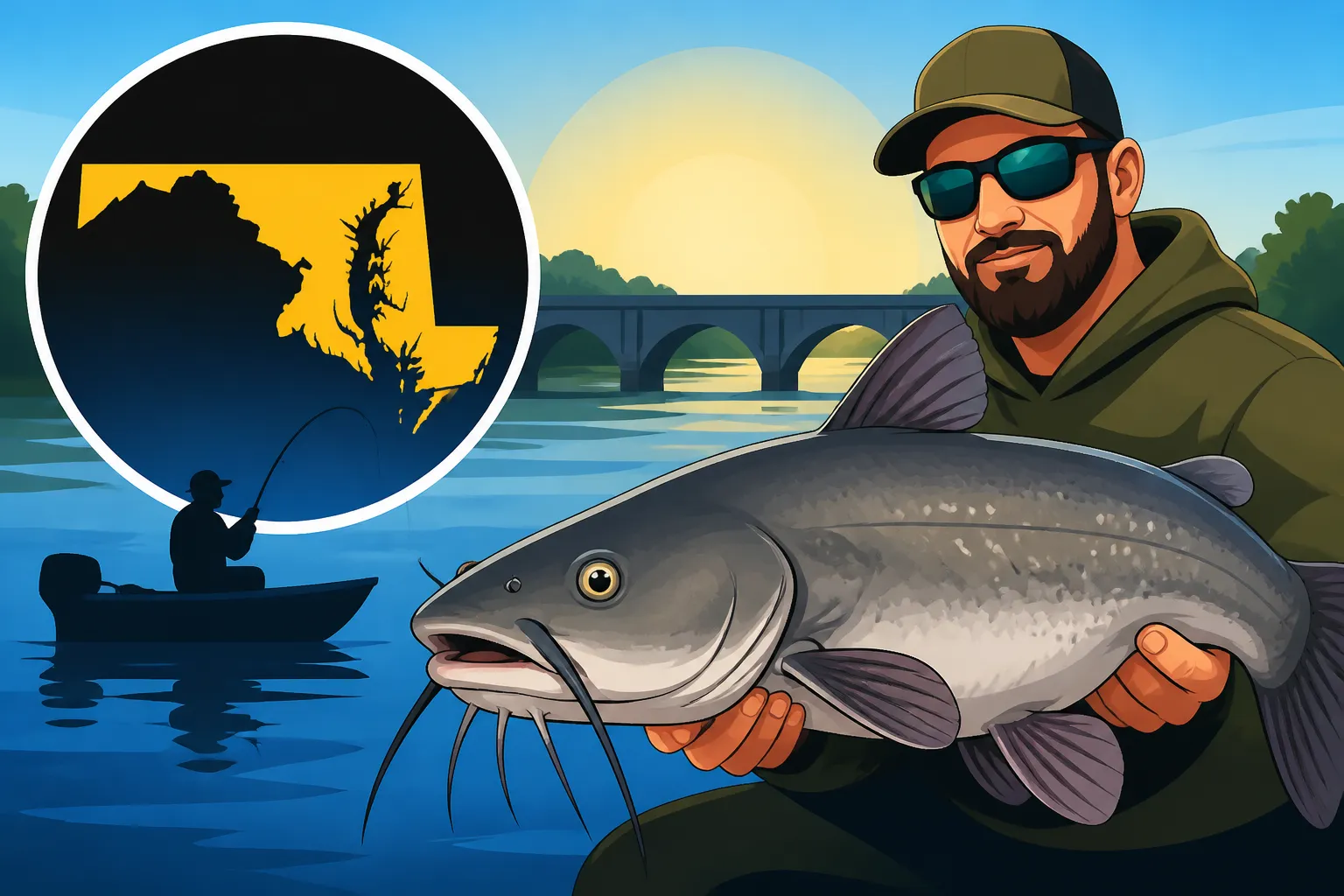
When we talk about "average" size for Channel Catfish in the Potomac, it's important to remember that this isn't a stagnant number. For most recreational anglers, a typical Channel Catfish pulled from the Potomac will probably fall into the 2 to 10-pound range. These are solid, feisty fish that provide excellent table fare and a good fight on medium tackle. However, the term "average" doesn't tell the whole story. The Potomac is a vast and fertile river, and its Channel Catfish can significantly exceed this range.
What truly influences their average size is a complex interplay of factors including the specific stretch of river, food availability, water quality, and even localized fishing pressure. In sections of the river with abundant prey and less angling pressure, you're more likely to encounter larger individuals consistently. Think about the rich ecosystem the Potomac provides—a diverse menu of smaller baitfish, aquatic insects, and even terrestrial critters that fall into the water. This consistent food source is crucial for sustained growth. Comparing them to Channel Cats in smaller, less nutrient-rich ponds, the Potomac offers a super-sized buffet, allowing them to pack on pounds.
The Allure of Trophy Channel Cats
While the average is respectable, the real excitement for many dedicated catfishermen lies in the pursuit of a trophy Channel Catfish. What constitutes a "trophy"? In the Potomac, we're talking about Channel Cats that push well beyond that 10-pound mark, often reaching into the 15 to 20-pound category, and sometimes even larger! These are the fish that demand heavier gear, patience, and a bit of luck.
Imagine the thrill of your rod doubling over, line screaming off the reel as a powerful 18-pound Channel Cat dives for cover. These aren't just big fish; they're seasoned survivors, wise to the ways of the river, and they fight with incredible determination. They might not get as monstrous as the biggest Blue Catfish in the same river, which can easily top 50 pounds (and sometimes even 100!), but a 20-pound Channel Cat is a truly remarkable catch for its species. Distinguishing them from other large catfish species in the Potomac, especially the similar-looking What's the Difference Between a Bullhead and a Channel Catfish?, becomes crucial when you're specifically targeting a trophy Channel Cat. Their distinct forked tail and relatively slender body, compared to the bulkier head of a Flathead or the deep body of a Blue Cat, are key identifiers.
Factors Affecting Channel Catfish Size and Distribution
The Potomac River isn't just a single, uniform body of water; it's a dynamic system with diverse environments, from rocky tidal stretches to slower, deeper pools. This variety directly impacts where Channel Catfish live and how large they grow.
Food Availability and Habitat
One of the primary drivers of fish growth is, quite simply, food. The Potomac River boasts an incredibly rich and diverse ecosystem, offering Channel Catfish a smorgasbord of dining options. They are opportunistic feeders, meaning they'll eat just about anything they can get their mouths around. Their diet can include smaller baitfish like shad, perch, and minnows, a variety of aquatic insects and larvae, crayfish, mussels, and even plant matter or decaying organic material. The sheer abundance of these food sources allows Channel Catfish to grow at a healthy rate.
Certain areas of the river act as prime feeding grounds. Deeper holes, often found along channel edges or at river bends, provide cooler water and ambush points. Structures like submerged timber, rock piles, bridge pilings, and even current breaks behind islands offer both shelter and concentrated feeding opportunities. Think of a big Channel Cat lurking near a logjam, waiting for an unsuspecting baitfish to swim by. The deeper, calmer waters, especially those with good cover, tend to hold the larger, more mature fish. It's also worth noting the impact of competition from invasive species like What Do Blue Catfish Eat in the Potomac River?, which can sometimes vie for the same food sources, though Channel Cats are remarkably adaptable.
Age, Genetics, and Fishing Pressure
Like all living creatures, Channel Catfish don't reach their maximum size overnight. They have a relatively long lifespan, often living for 15-20 years in healthy environments, with some individuals potentially living even longer. The older a fish gets, the more time it has to grow. Therefore, the presence of these older, larger individuals in the Potomac speaks to the river's health and its ability to sustain a mature population.
Genetics also play a subtle but important role. Just as in humans, some fish are simply predisposed to grow larger or faster than others within the same population. While anglers can't control genetics, it's another piece of the puzzle that contributes to the occasional "monster" catch.
Finally, fishing pressure has an undeniable impact. In areas that see heavy harvest, larger fish are removed from the population, potentially shifting the average size downwards over time. Conversely, in areas where catch-and-release is more common, or in less-frequented stretches of the river, fish have a greater chance to grow to their maximum potential. The Potomac, being such a popular fishing destination, experiences varying levels of pressure. Anglers seeking truly large Channel Cats often target less accessible areas or fish during off-peak times to avoid crowded waters. Understanding Night Fishing for Catfish on the Potomac River can also give you an edge, as bigger cats often become more active after dark.
Practical Tips for Targeting Larger Channel Cats in the Potomac
So, you're ready to put your skills to the test and go after one of those Potomac River giants? Fantastic! Here’s how you can tip the odds in your favor.
Best Baits and Techniques
When it comes to tempting big Channel Cats, choosing the right bait is paramount. While they'll eat a wide variety of things, certain offerings consistently outperform others for trophy fish. Fresh cut bait is often king. Small pieces of oily fish like shad, herring, or even bluegill, cut into chunks, release a strong scent that catfish find irresistible. Many anglers swear by a bloody piece of gizzard shad. You can often find pre-packaged cut bait or whole frozen baitfish at local tackle shops or order specialized attractants from retailers like Amazon.
Prepared baits, often called "stink baits" or "punch baits," can also be highly effective, especially for Channel Cats. These are typically dough-like concoctions that are extremely pungent and designed to adhere to a treble hook. However, for the truly massive Channel Cats, many experienced anglers lean towards natural cut bait.
As for techniques, bottom fishing is almost always the way to go. Channel Cats are bottom dwellers and scavengers. A classic Carolina rig or a slip-sinker rig works wonders. This involves a weight that slides freely on your main line, followed by a swivel, and then a leader (usually 12-24 inches) tied to your hook. This setup allows the fish to pick up the bait and move off without immediately feeling the resistance of the weight, giving them time to fully commit to the bite. For more details, check out Bottom Fishing Techniques for Maryland Catfish. Always aim to cast your bait near known structure—deep holes, submerged logs, rock piles, or channel drop-offs—where bigger fish tend to congregate.
| Bait Type | Target Species | Scent Level | Ease of Use | Notes |
|---|---|---|---|---|
| Fresh Cut Bait | Channel, Blue, Flathead | High | Moderate | Oily fish (shad, herring) is best. |
| Prepared Stink Bait | Channel Catfish | Very High | Easy | Messy, but highly effective for Channels. |
| Live Bait (minnows) | Channel Catfish | Moderate | Moderate | Good for active, predatory cats. |
| Worms | Channel Catfish | Low-Moderate | Easy | Good for smaller cats, but still effective. |
Equipment Considerations for Big Fish
You can't bring a knife to a gunfight, and you certainly can't expect to land a 15-pound Channel Cat on ultralight panfish gear! For targeting larger Channel Cats in the Potomac, you'll want to upgrade your tackle.
- Rod and Reel: A medium-heavy to heavy action rod, typically 7 to 9 feet long, paired with a sturdy baitcasting or spinning reel, is ideal. Look for a reel with a good drag system and strong cranking power. Brands like Ugly Stik offer durable, affordable options available on Amazon that can withstand the abuse of big catfish.
- Line: Don't skimp on line strength. Many anglers use 20 to 30-pound test monofilament or braided line. Braided line offers superior strength-to-diameter ratio and sensitivity, allowing you to feel even subtle bites. Monofilament, with its stretch, can be more forgiving during a strong run. I often use a 25-pound braid on my main line with a 30-pound fluorocarbon leader for abrasion resistance.
- Hooks: Circle hooks are a must for catfishing, especially if you plan to release fish. They are designed to hook fish in the corner of the mouth, greatly reducing gut-hooking and improving the chances of a healthy release. Sizes 5/0 to 8/0 are good starting points, depending on your bait size.
- Other Essentials: A sturdy rod holder is crucial, as you'll often be waiting for bites. A large, rubberized landing net is invaluable for safely securing big fish at the boat or shore. Avoid nets with knotty mesh, which can damage fins and slime coats. Don't forget a pair of heavy-duty pliers or forceps for hook removal.
Maryland Records and the Bigger Picture
While the focus here is on Channel Catfish, it's impossible to discuss the Potomac's catfish without acknowledging the broader ecosystem and the impressive records that stand as a testament to the river's productivity.
Channel Catfish State Records and Aspirations
Maryland certainly has its share of impressive Channel Catfish. While I can't give you current record weights, the Maryland Department of Natural Resources (DNR) maintains records for all species. These state records are a benchmark for anglers, inspiring many to spend countless hours on the water, hoping to break a long-standing record or at least catch a personal best that puts them in elite company. The challenge isn't just about the fish's size; it's about the consistent effort, the right conditions, and a bit of angler's intuition. It's truly a test of skill and dedication to land a fish that could rival the state record. Remember, understanding species identification, like the clear differences you'd find in Difference Between a Blue Catfish and a White Catfish, is key to ensuring your potential record fish is indeed a Channel Catfish.
Understanding Catfish Diversity in the Potomac
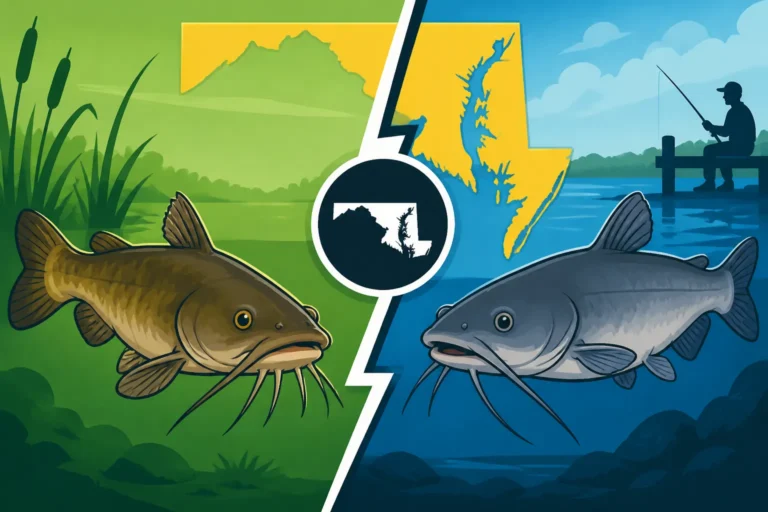
The Potomac River is a veritable catfish paradise, home to not only the Channel Catfish but also the increasingly prevalent Blue Catfish and the elusive Flathead Catfish. While this guide focuses on Channel Cats, it's important for anglers to understand the full spectrum of what's swimming in these waters, as their habits and sizes can differ significantly.
- Blue Catfish: These are the true giants of the Potomac. Originally stocked in Virginia rivers, they have spread rapidly throughout the Chesapeake Bay watershed, including the Potomac. They can grow to absolutely immense sizes, with many fish over 50 pounds regularly caught, and a real possibility of 100-pound plus fish. They have a more deeply forked tail than Channel Cats and a distinct humped back. For more on these behemoths, you might want to read How Big Do Blue Catfish Get in Maryland Rivers?.
- Flathead Catfish: These are another large, non-native species, though not as widespread as Blue Cats. Flatheads are easily identified by their flattened heads, elongated lower jaw, and more rounded tail (not forked). They are formidable predators that primarily eat live fish and can also grow to very large sizes, often exceeding 50 pounds. Learning Flathead Catfish vs Blue Catfish, How to Tell Them Apart can be incredibly useful, especially if you're targeting big cats generally.
The presence of these other large catfish species means that while you might be specifically targeting Channel Cats, there's always a chance of hooking into a monster Blue or Flathead. The good news is that much of the heavy tackle and bait used for large Channel Cats will also serve you well for these other species. The Potomac truly offers some of the best catfishing opportunities in the Mid-Atlantic, whether you're after a respectable Channel Cat or a gargantuan Blue.
Disclaimer
This article is for general informational purposes only and does not constitute professional advice. Laws, prices and regulations vary by location and change over time. Consult a qualified professional for guidance on your specific situation.