Maryland’s Most Popular Saltwater Gamefish
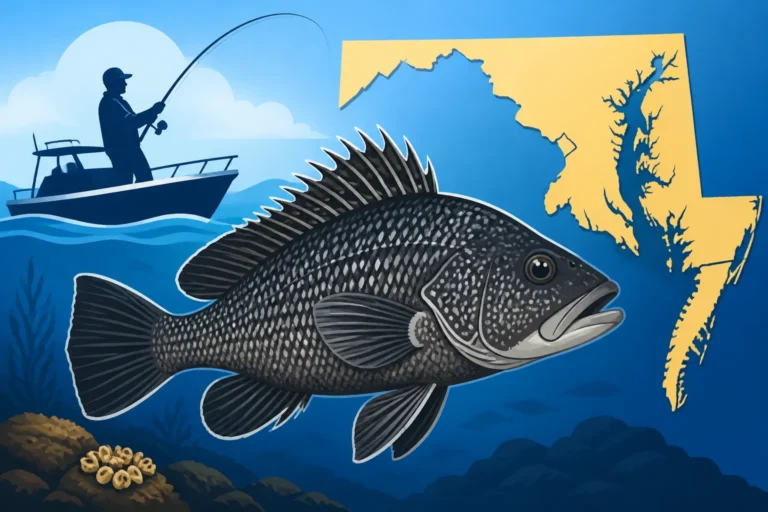
If you've ever cast a line into Maryland's sprawling Chesapeake Bay or ventured out into the Atlantic from Ocean City, you know there's a unique thrill that comes with saltwater fishing. It's not just about the catch; it's about the anticipation, the challenge, and the sheer diversity of species that call these waters home. But with so many options, how do you know which fish are the true stars, the ones that consistently bring anglers back for more? This comprehensive guide will dive deep into Maryland's most popular saltwater gamefish, helping you understand their habits, the best ways to target them, and what makes each one a truly special catch.
The Allure of Maryland's Saltwater Gamefish
There’s something inherently exciting about saltwater fishing in Maryland. Maybe it’s the vastness of the Chesapeake Bay, stretching for miles, or the boundless horizon of the Atlantic Ocean. For many, it's the sheer variety and potential for a truly memorable battle with a powerful fish. Unlike some tranquil freshwater pursuits, saltwater fishing often comes with a palpable energy, a sense of the wild that draws you in.
Why Saltwater Fishing Captivates Anglers
Anglers are drawn to Maryland's saltwater fisheries for a multitude of reasons. First off, there's the pure thrill of the fight. Many saltwater species are incredibly strong, offering heart-pounding runs and dogged resistance that can test even the most experienced angler. Imagine the sudden thud of a strike, the reel screaming as line peels off, and the physical exertion required to bring a large fish to the boat or shore. It's an adrenaline rush unlike any other. Then there's the bounty itself – the opportunity to catch delicious fish for the dinner table. Freshly caught rockfish or flounder, prepared simply, is a culinary delight that many anglers cherish.
Beyond the fight and the food, saltwater fishing offers a connection to nature. You're out on the water, whether it's the calm embrace of an Eastern Shore creek or the rolling swells of the ocean, observing wildlife, feeling the sun, and breathing in the salty air. It's a chance to decompress, to escape the daily grind, and to immerse yourself in an environment that is both beautiful and challenging. Many find solace in the rhythm of the waves and the quiet moments between bites. The chance to create lasting memories with friends and family, sharing stories of the "one that got away" or the trophy catch of a lifetime, further solidifies its appeal.
Understanding Maryland's Unique Saltwater Ecosystem
Maryland's saltwater fishing landscape is wonderfully diverse, offering two distinct environments: the brackish waters of the Chesapeake Bay and the full-on oceanic conditions off the coast of Ocean City and Assateague Island. This distinction is crucial because it dictates which species you'll encounter and what techniques you'll need.
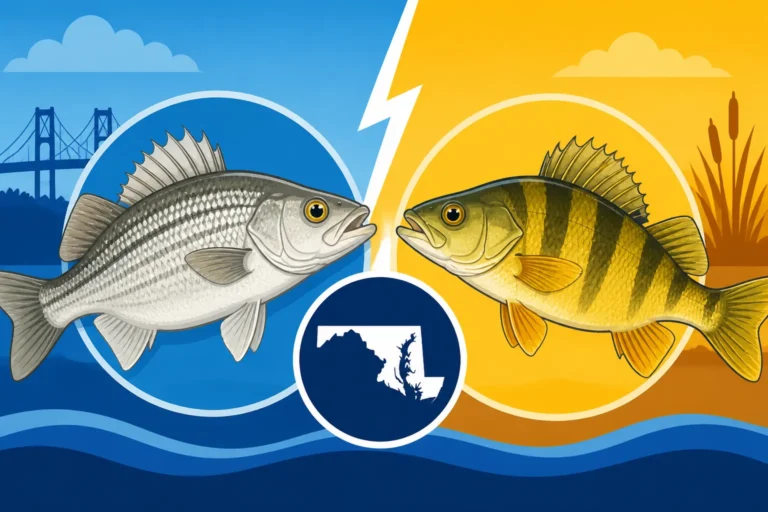
The Chesapeake Bay, an estuary where freshwater rivers meet the Atlantic Ocean, is a dynamic ecosystem. Its salinity varies, being fresher in the upper reaches near Havre de Grace and saltier towards the mouth near Point Lookout. This gradient supports a wide array of fish, from species that can tolerate lower salinity, like white perch, to those that prefer saltier conditions, such as spot and croaker. The Bay's bottom structure, with its numerous oyster reefs, channels, and drop-offs, provides excellent habitat. Understanding Maryland Chesapeake Bay Sport Fishing License Explained is your first step to legally enjoying this vast fishery. The Bay's complex currents and tides also play a huge role in fish behavior and feeding patterns, adding another layer of challenge and reward for anglers willing to learn its intricacies.
Conversely, the coastal waters off Maryland offer a completely different fishing experience. Here, you'll find true ocean species that thrive in full-strength saltwater. This includes species like tuna, marlin, and mahi-mahi offshore, as well as red drum, black sea bass, and tautog closer to shore and around artificial reefs and wrecks. Surf fishing on the beaches of Assateague Island or casting into the Ocean City Inlet provides access to these migratory species as they move along the coast. The deep-sea canyons off Ocean City are world-renowned for their big game opportunities, attracting anglers from far and wide. Each environment requires a different approach, specialized gear, and a keen understanding of the local conditions, making Maryland a truly versatile fishing destination.
Striped Bass: The Iconic Chesapeake Bay "Rockfish"
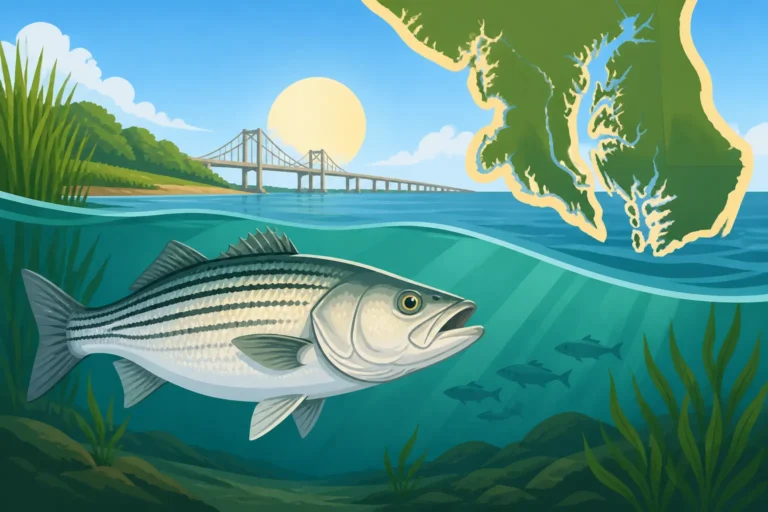
When you talk about saltwater fishing in Maryland, the conversation inevitably turns to one species: the striped bass, affectionately known as "rockfish" by locals. This magnificent fish holds a special place in the hearts of Marylanders and is, without a doubt, the state's most popular saltwater gamefish. Its popularity isn't just due to its abundance; it's the combination of its fighting spirit, impressive size potential, and delicious flaky meat that truly elevates it to royalty.
The King of the Bay: Why Striped Bass Reign Supreme
The striped bass is nothing short of legendary in Maryland. It's not just a fish; it's a cultural icon, and rightly so, as it is Striped Bass: Maryland's State Fish. From the moment the first spring trophy season opens, the Bay comes alive with boats eager to land these powerful predators. What makes them so beloved? For starters, they are incredibly strong. Hook into a 30-pound striper, and you're in for a serious tug-of-war. Their powerful runs and stubborn dives make for an exhilarating fight that leaves your arms aching and your heart pounding.
Beyond their fighting prowess, striped bass grow to impressive sizes, with trophy fish regularly exceeding 40 inches. Landing a fish of that caliber is a monumental achievement for any angler. And let's not forget their culinary appeal. The firm, white flesh of a freshly caught rockfish is highly prized, whether baked, grilled, or pan-fried. The combination of sport, size, and taste ensures that striped bass will always be the reigning king of the Chesapeake Bay fishery, attracting thousands of anglers each year who are eager to experience the thrill of landing one.
Key Seasons and Regulations for Rockfish
Fishing for striped bass in Maryland is a year-round affair, though specific regulations dictate when and where you can keep them. It's a complex system designed to protect the species, especially during critical spawning periods. The season generally kicks off with a "trophy" season in the spring, allowing anglers to target larger fish in specific areas. This is often followed by a summer season with different size and creel limits, and then a productive fall season where fish gather and feed heavily before migrating.
You absolutely need to stay up-to-date with current regulations, as they can change annually based on stock assessments. These rules often include specific slot limits, which define the minimum and maximum lengths of fish you can legally keep, as well as daily creel limits (how many fish per person per day). There are also critical spawning river closures in the spring to protect the breeding population. Ignorance is no excuse, so always check the Maryland Department of Natural Resources (DNR) guide before heading out. Understanding Maryland Striped Bass Season and Rockfish Rules is non-negotiable for responsible angling. Pay close attention to these details, as violations can lead to hefty fines and loss of fishing privileges.
Top Techniques for Chasing Stripers
Catching striped bass in Maryland is less about luck and more about employing the right techniques for the conditions. These fish are adaptable predators, and anglers have developed a variety of effective methods to entice them.
- Trolling: This is a hugely popular method, especially for covering large areas of the Bay. Boats drag an array of lures, often umbrella rigs, Mojos, or deep-diving crankbaits, behind them at varying depths and speeds. Trolling allows you to prospect different areas and find concentrations of fish, particularly during the spring and fall migrations. The larger the spread and the more diverse your offerings, the better your chances of intercepting a hungry striper.
- Jigging: When fish are located in specific depths or around structure like bridge pilings or oyster reefs, jigging becomes incredibly effective. Heavy metal jigs, soft plastic paddle tails on jig heads, or even vertically jigged spoons can provoke a strike. This active fishing style requires a good sonar to locate fish and a feel for the bait as it drops and rises through the water column. Many anglers keep a variety of jigs on hand, varying in weight and color, to match the conditions and the fish's mood.
- Live-Lining: This technique involves using live bait, typically spot or small menhaden, fished near concentrations of striped bass. The frantic swimming of the live bait is often irresistible to larger stripers. It's a more patient approach, often requiring anchoring near a likely feeding area or drifting over structure. A basic fish finder can help you locate baitfish schools and the larger predators lurking nearby.
- Chumming and Chunking: Particularly effective in warmer months, chumming involves dispersing baitfish pieces into the water to create a scent trail that draws stripers to your boat. Once fish are in the chum slick, anglers use fresh cut bait (chunks) on hooks to catch them. This can create a frenzy of activity and is a fantastic way to target fish that might otherwise be scattered.
- Casting Artificials: For shore anglers or those fishing shallower waters, casting soft plastic lures, topwater plugs, or bucktails can be incredibly productive, especially during low light conditions or when stripers are actively feeding on the surface. Having a good selection of lures in your tackle box is key, and if you're looking for quality options, Amazon offers a wide array of choices for all these techniques, from heavy jigging spoons to the latest soft plastics. Remember to match the hatch – use lures that imitate the prevalent baitfish in the area.
No matter the technique, paying attention to tides, water temperature, and baitfish presence will significantly increase your success when chasing Maryland's iconic rockfish.
Bluefish: The Bay's Aggressive Brawler
While striped bass might be the undisputed king, bluefish are the wild, unpredictable cousins of the Bay and coastal waters. Known for their voracious appetites, razor-sharp teeth, and incredible fighting spirit, bluefish provide an exhilarating experience that can quickly turn a quiet day on the water into an explosive frenzy. They might not always be targeted specifically, but when a school of "choppers" moves in, every angler knows they're in for some fast and furious action.
The Chopper's Charms and Challenges
Bluefish earn their nickname "choppers" for a reason – they have incredibly sharp teeth and an aggressive feeding style that can make short work of bait, lures, and even unwary fingers. But that's part of their charm! There's an undeniable thrill in hooking a bluefish. They hit lures with a vengeance, fight hard with powerful headshakes and strong runs, and often jump and thrash at the surface. They’re a true gamefish in every sense of the word, providing a fantastic challenge on light to medium tackle.
However, their aggression also presents challenges. Their sharp teeth mean that heavy monofilament or fluorocarbon leaders can be quickly shredded. Many anglers opt for wire leaders, especially when targeting larger blues, to prevent bite-offs. Handling them carefully is also paramount to avoid injury, as those choppers are not forgiving. Despite this, the sheer excitement they bring to the fishing experience, coupled with their abundance during peak seasons, makes them a highly sought-after species by many Maryland anglers.
Prime Times and Locations for Bluefish
Bluefish are migratory fish, generally appearing in Maryland waters as the water temperatures rise in late spring and staying through the fall. Their presence is strongly tied to the availability of baitfish like menhaden and mullet.
- Chesapeake Bay: In the Bay, bluefish are often found in the saltier, lower and middle Bay regions. They'll typically follow baitfish into shallower waters and can be encountered around points, shoals, and channel edges. During a strong Bluefish Runs in Maryland's Chesapeake Bay, they can even be found further north in the Bay. Look for diving birds, which often indicate baitfish being driven to the surface by feeding blues (and stripers). Areas near the Bay Bridge, the Choptank River mouth, and the waters around Point Lookout are prime spots during their seasonal migrations.
- Coastal Waters: Off Ocean City and Assateague, bluefish are a common catch for surf anglers, pier fishermen, and those trolling nearshore. They cruise the surf zone, inlets, and nearshore structure, always on the hunt for food. The Ocean City Inlet can be particularly productive as they ambush bait moving in and out with the tides.
The best time of day for bluefish can vary, but often coincides with strong tidal movements, which push baitfish around. Early morning and late evening can also be particularly active times, especially for topwater action.
Effective Lures and Baits for Bluefish
Bluefish aren't particularly picky eaters, which is one reason they're so much fun to catch. Their aggressive nature means they'll often strike at a wide variety of presentations.
- Metal Jigs and Spoons: Heavy metal jigs, like those used for stripers, are excellent for bluefish. They cast a long way, sink quickly, and their erratic action mimics fleeing baitfish. Spoons, especially those with a reflective flash, are also highly effective when retrieved rapidly. Colors like silver, chartreuse, and blue are often top producers.
- Topwater Plugs: When bluefish are feeding on the surface, driving baitfish into a frenzy, topwater plugs like poppers and walk-the-dog lures create explosive strikes that are incredibly exciting. The visual spectacle of a bluefish crashing a surface lure is unforgettable.
- Cut Bait: For a more relaxed approach, cut bait (pieces of mackerel, menhaden, or squid) fished on a bottom rig or under a float can be very productive. This is a favorite method for pier and surf anglers. Just be sure to use a stout hook and a tough leader, as bluefish will swallow bait quickly.
- Soft Plastics: Durable soft plastic swimbaits and grub tails on heavy jig heads can also draw strikes. However, be prepared to go through several, as their sharp teeth can quickly destroy softer plastics. Consider more durable options or have plenty of spares.
When gearing up for bluefish, remember to use a tough leader, preferably 30-50 lb fluorocarbon for smaller fish, or a short wire leader for larger ones to prevent those inevitable bite-offs. Having a pair of long-nosed pliers or a de-hooking tool is also essential for safe unhooking, keeping those snapping jaws away from your hands.
Flounder: Masters of Camouflage and Delicious Dinners
If you're looking for a challenging yet incredibly rewarding fishing experience in Maryland, targeting flounder should be high on your list. These flat, camouflaged predators are masters of their environment, blending seamlessly with the bottom until an unsuspecting baitfish or crustacean comes too close. While they might not offer the drag-screaming runs of a striped bass, their subtle bites and delicious white meat make them a persistent favorite among recreational anglers in both the Chesapeake Bay and coastal waters.
Spotting the Flatfish: Habitats and Behaviors
Flounder are fascinating fish known for their unique flat body shape and incredible ability to change their coloration to match the sandy or muddy bottom where they lie in wait. They are ambush predators, often burying themselves partially in the substrate, with only their eyes protruding, waiting for prey to swim by. This camouflage makes them incredibly difficult to spot, adding to the challenge and satisfaction of catching one.
You'll typically find flounder in waters with sandy or muddy bottoms, often near structure that provides cover or concentrates baitfish. In the Chesapeake Bay, this includes tidal creeks, river mouths, channel edges, and drop-offs, especially where current creates natural ambush points. Many anglers focus on areas where shallower flats transition into deeper channels. Along the coast, flounder are abundant in the back bays of Ocean City, around inlets, and occasionally in the surf zone, often near jetties or submerged structures. Their preferred habitats are generally calm, relatively shallow waters that warm up nicely in the spring and summer.
Best Seasons and Rigging for Flounder Success
The best time to target flounder in Maryland is generally from late spring through early fall, when water temperatures are conducive to their feeding activity and they are actively migrating into the Bay and coastal areas. As the water cools in the late fall, they begin to move offshore to deeper, warmer waters for the winter.
Successfully catching flounder often comes down to presenting your bait or lure right on the bottom, where they are lurking. Drifting is arguably the most popular and effective technique. By drifting with the current or wind, you cover a lot of ground, presenting your bait to numerous fish.
- Flounder Rigs: The most common setup is a traditional two-hook bottom rig, often called a "flounder rig." This typically consists of a sinker at the bottom, with two snelled hooks (often Gami or Kahle style) tied above it on dropper loops, separated by a foot or so. Some rigs incorporate spinner blades or beads for added flash and attraction. For more specialized information, check out Flounder Fishing in Maryland.
- Bait: The classic bait for flounder is strips of squid or small live minnows (like shiners or spot). Many anglers combine both, tipping a minnow with a strip of squid for a "sweet spot" presentation that offers both scent and flash. Artificial baits, particularly scented soft plastics like Berkley Gulp! Alive! shrimp or minnows, are also incredibly effective and convenient.
- Jigging: In areas with less current or when targeting specific structures, jigging a bucktail or a jig head tipped with a soft plastic can also be productive. Work the jig slowly along the bottom with short hops and pauses.
Maryland's Flounder Regulations and Conservation
Like all popular gamefish, flounder populations are carefully managed, and anglers must adhere to specific regulations designed to ensure sustainable fishing for future generations. These regulations primarily focus on:
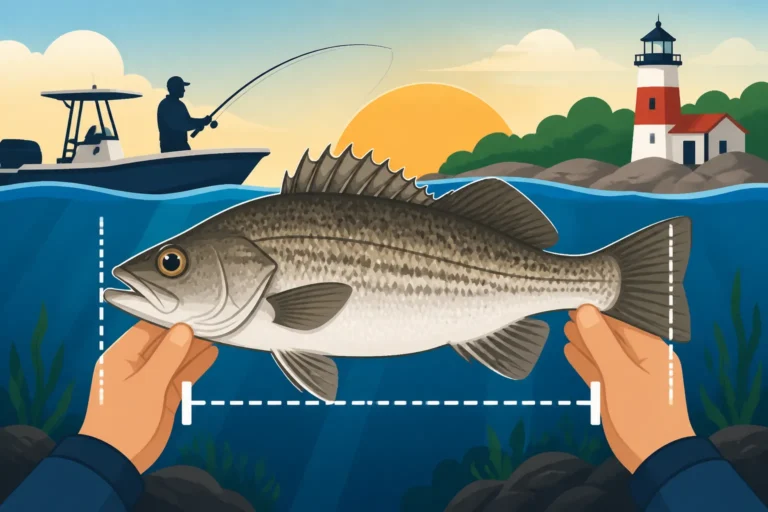
- Size Limits: There is a minimum size limit for flounder in Maryland. Any flounder caught that measures below this length must be immediately and carefully released. This allows younger fish to grow and reproduce before being harvested.
- Creel Limits: A daily creel limit dictates the maximum number of flounder an individual angler can keep in a 24-hour period.
- Open Seasons: While flounder are generally available during the warmer months, always double-check if there are any specific closed seasons or areas, though this is less common than for other species like striped bass.
It's crucial to consult the latest Maryland DNR fishing guide for the exact, current figures on Maryland Flounder Size Limit and creel limits. Regulations can change, and staying informed is your responsibility as a conscientious angler. Practicing catch-and-release with undersized fish and only keeping what you plan to eat helps preserve this valuable fishery for everyone. When releasing flounder, handle them gently to minimize stress and ensure their survival.
Speckled Trout: Eastern Shore's Hidden Gems
While not as widely known as the rockfish or bluefish among all Maryland anglers, speckled trout (also known as "specks" or spotted seatrout) hold a special, almost revered status among those who fish the shallower, grassier waters of Maryland's Eastern Shore. These beautiful fish, with their distinctive spots and iridescent hues, offer a thrilling light tackle experience and are prized for their delicate, delicious flesh. They embody the charm of marshy estuaries and quiet backwaters, drawing a dedicated following.
The Beauty and Elusiveness of Speckled Trout
Speckled trout are undeniably beautiful fish. Their sleek, torpedo-shaped bodies are adorned with numerous small, dark spots, giving them their name. Depending on the water clarity and their immediate environment, their coloration can range from silvery-white to golden-bronze, often with hints of purple and blue on their backs. Beyond their looks, they are excellent fighting fish on appropriate light tackle. While they don't have the brute strength of a striper, they are quick, aggressive, and often make exciting surface strikes.
What makes them elusive? Speckled trout are highly sensitive to water temperature and salinity, and their movements can be quite localized. They prefer specific habitats, often associating with submerged grass beds, oyster reefs, and shallow creek mouths in the brackish waters of the lower Chesapeake Bay tributaries, particularly on the Eastern Shore. Finding them often requires a keen eye for subtle signs, an understanding of their preferred environment, and a willingness to explore these productive but sometimes hidden areas.
Where and When to Target Speckled Trout
Targeting speckled trout in Maryland is primarily an Eastern Shore affair, though they can occasionally be found in other saltier Bay tributaries. Their stronghold lies in the extensive marsh systems and tidal rivers of the lower Eastern Shore.
- Prime Locations: Rivers like the Pocomoke, Manokin, Nanticoke, and Wicomico, as well as the vast waters of Tangier and Pocomoke Sounds, are renowned for their speckled trout populations. Look for areas with vast submerged aquatic vegetation (SAV) beds, oyster reefs, creek mouths, and shallow flats adjacent to deeper channels. The grass beds provide both cover and a rich feeding ground for the small fish and crustaceans that make up the speckled trout's diet. For anglers seeking these specific waters, further research into Speckled Trout in Maryland's Tangier Sound can be invaluable.
- Best Seasons: Speckled trout are most active and abundant in Maryland during the cooler parts of the year – primarily late spring, early summer, and especially the fall. They tend to move into shallower, brackish water to feed during these times. As water temperatures drop in winter, they either move to deeper, more stable waters or migrate south. The fall bite can be particularly productive as they aggressively feed in preparation for winter, offering some of the best fishing of the year.
Anglers often find success by slowly working these areas with a trolling motor or by drifting silently, casting into likely ambush points. Pay attention to any signs of baitfish activity, such as schools of small mullet jumping, as this often signals the presence of feeding specks.
Light Tackle and Lure Choices for Specks
Speckled trout are perfectly suited for light to medium-light spinning tackle. A rod in the 6'6" to 7' range with a fast action and a reel spooled with 8-15 lb braided line (with a fluorocarbon leader) is ideal. This setup allows for long casts, good sensitivity to detect subtle bites, and still provides enough power to handle a feisty speck.
When it comes to lures and baits, speckled trout have a few consistent favorites:
- Soft Plastics: This is arguably the most popular and effective category. Small soft plastic jerkbaits, paddle tails, and grubs rigged on light jig heads (1/8 to 1/4 ounce) are deadly. Colors like pearl, chartreuse, pink, and clear with glitter are often excellent choices. Work them slowly with a twitch-twitch-pause retrieve near the bottom or just above grass beds.
- Topwater Lures: On calm mornings or evenings, especially in the fall, speckled trout will aggressively strike topwater plugs like Heddon Super Spooks or MirrOlure MirrO-Lures. The explosive surface strikes are incredibly exciting and addictive.
- Scented Baits: Brands like Berkley Gulp! Alive! shrimp or minnows are fantastic, combining the appeal of a soft plastic with powerful scent attraction. These can be fished on a jig head or under a popping cork.
- Small Hard Baits: Suspending or shallow-diving twitchbaits, often referred to as "MirrOlures" after the popular brand, are also very effective, especially when fish are suspended or feeding just below the surface.
- Live Bait: Live shrimp (when available) or small minnows fished under a popping cork or on a simple jig head are always a reliable choice, particularly for anglers who prefer natural bait.
The key with speckled trout is often a subtle presentation and a slow retrieve, allowing the lure or bait to entice a strike rather than overpowering the fish. Be prepared for a light bite, as they can sometimes just "tick" the lure before fully committing.
Black Sea Bass: Reef Dwellers and Tasty Catches
For anglers who enjoy bottom fishing and venturing into the nearshore ocean environment, black sea bass are a consistently popular target in Maryland. These feisty, opportunistic feeders are found around structure like wrecks, reefs, and rocky bottom, and they provide steady action along with some of the most delicious white meat available. While not as heralded as the striped bass, their reliability and culinary appeal make them a staple of the coastal fishing scene.
Exploring Offshore Reefs for Sea Bass
Black sea bass are classic structure-oriented fish. They love to congregate around anything that offers shelter, ambush points, and a place to hide from larger predators. In Maryland's coastal waters, this means targeting wrecks, artificial reefs, natural rock formations, and even bridge pilings in deeper Bay sections.
Off Ocean City, the fishing grounds for sea bass are typically within a few miles of shore, extending out to the various artificial reef sites and natural hard bottoms. These areas provide a complex habitat for a wide variety of marine life, including the crustaceans and small fish that black sea bass feast upon. Charter boats and private vessels regularly make trips to these known hot spots. A good fish finder is essential for locating these hidden structures and the schools of sea bass that call them home. Once you find a promising spot, anchoring directly over or slightly up-current from the structure is key to presenting your bait effectively.
Seasons and Techniques for Productive Sea Bass Fishing
Black sea bass are typically available in Maryland's coastal waters from spring through late fall, with peak fishing often occurring during the warmer summer months and into the fall. However, regulations can vary, so checking the current season dates and limits from the Maryland DNR is always a must.
The primary technique for catching black sea bass is bottom fishing. Since they hug the structure, you need to get your bait or lure right down to them.
- Baits: Squid strips are a universal favorite for sea bass and are incredibly effective. Clams, cut pieces of fish (like mackerel or bluefish), and fiddler crabs are also excellent choices. The key is to use fresh bait and present it neatly on your hook.
- Rigs: A simple two-hook bottom rig or a high-low rig is usually sufficient. Use hooks in the #1 to 3/0 range, depending on the size of the sea bass you expect to encounter. Sinkers should be heavy enough to hold bottom in the current, typically 3-8 ounces. Some anglers prefer to use a single dropper loop with a larger hook when targeting bigger fish.
- Jigging: In addition to bait, metal jigs or bucktail jigs tipped with squid or a Gulp! strip can be very effective, especially for more active fish. Drop the jig to the bottom, then work it with sharp lifts and drops. The erratic motion often triggers an aggressive strike. This is a great way to target larger, more aggressive sea bass.
- Scented Lures: Artificial lures with scent, such as Berkley Gulp! swimming mullets or shrimp, can also be fished on jig heads or as part of a bottom rig, offering a convenient and effective alternative to natural bait.
Keep your rod tip close to the water to minimize line belly and maintain contact with your rig. When you feel a series of sharp taps, indicative of a sea bass bite, wait for a steady pull before setting the hook firmly. They have surprisingly hard mouths, so a good hook set is important.
Regulatory Considerations for Black Sea Bass
Like all federally managed species, black sea bass are subject to strict regulations that can vary each year. These rules are put in place to ensure the sustainability of the population and often include:
- Minimum Size Limits: There's a specific minimum length for black sea bass that you can legally keep. This ensures that fish have a chance to mature and reproduce before being harvested.
- Daily Creel Limits: Anglers are restricted to a certain number of black sea bass per person per day.
- Open Seasons: The season for black sea bass can sometimes be divided into specific windows, with closed periods to protect the stock.
It is absolutely vital to check the latest regulations from the Mid-Atlantic Fishery Management Council (MAFMC) or the Maryland DNR before you go fishing, as these rules are subject to change annually. Having a measuring device readily available and being able to identify your catch are essential. Compliance with these regulations helps ensure that black sea bass remain a viable and enjoyable fishery for future generations. Responsible anglers always prioritize conservation.
Red Drum: The Coastal Powerhouse
For many anglers, the red drum, also known as redfish or channel bass, represents the ultimate challenge in Maryland's coastal waters. While not a primary target in the Chesapeake Bay itself, these powerful, bronze-colored giants are a highly sought-after species along the barrier islands of Assateague and the deeper coastal inlets. Their impressive size, incredible strength, and often spectacular fights make them a true trophy for surf casters and boat anglers alike.
The Thrill of the Big Drum Fight
Hooking into a large red drum is an experience that few anglers forget. These fish are built for power, with broad shoulders and a strong tail that can make drag scream and rods bend into deep arcs. They are known for their long, blistering runs, often followed by stubborn headshakes and deep dives. The sheer physical exertion required to land a mature red drum, especially from the surf, is a test of strength and endurance. It's a battle of wills that can last for an extended period, leaving you breathless but exhilarated.
Red drum are easily identifiable by their coppery-bronze coloration and the characteristic black spot (or spots) near the base of their tail. While smaller "puppy drum" can be found, it's the large "bull reds" that truly capture the imagination of trophy anglers. Their migratory patterns bring them close to shore during specific times of the year, offering opportunities for land-based anglers to connect with these giants.
Coastal Hotspots and Prime Fishing Windows
In Maryland, the primary stronghold for red drum is along the Atlantic coast, particularly the barrier island of Assateague. This wild, undeveloped stretch of beach offers ideal conditions for surf casting for these powerful fish.
- Assateague Island: The extensive surf zone of Assateague Island National Seashore is a premier destination for red drum. Anglers with 4×4 vehicles often drive onto the beach (with the proper permit) to access more remote and productive areas. The depressions and sloughs just beyond the breaking waves are prime feeding grounds.
- Coastal Inlets and Back Bays: Larger red drum can also be found in and around the Ocean City Inlet and the deeper sections of the coastal back bays, especially during their migratory periods. They often patrol these areas, ambushing baitfish moving with the tides.
The prime fishing window for red drum in Maryland is typically late summer and into the fall. As the water temperatures begin to cool slightly and baitfish start their migrations, large schools of red drum move along the coast, feeding heavily. Early mornings, late evenings, and especially outgoing tides are often the most productive times. Understanding Red Drum Along Maryland's Coast is essential for timing your trip correctly. Anglers often watch for signs of baitfish schools or feeding activity, such as diving birds, as indicators of drum presence.
Recommended Gear and Baits for Red Drum
Successfully targeting big red drum, especially from the surf, requires specialized heavy-duty gear built to handle their power and the harsh saltwater environment.
- Rods and Reels: For surf fishing, you'll need a long, stout surf rod, typically 10 to 13 feet in length, capable of casting heavy weights (4-8 ounces) and large baits. Pair this with a robust spinning reel or conventional reel spooled with 25-50 lb monofilament or braided line. The extra length of the rod helps with casting distance and allows you to keep your line above the breaking waves. For smaller drum from a boat, medium-heavy conventional or spinning gear can suffice. You can find excellent options for specialized surf casting gear on Amazon.
- Rigs: A fish-finder rig is the most common setup for red drum from the surf. This rig allows the fish to take the bait without immediately feeling the resistance of the sinker. It consists of a large pyramid or Sputnik sinker (which holds bottom well in the surf) sliding on the main line, followed by a swivel, and then a heavy monofilament or fluorocarbon leader (50-80 lb test) anywhere from 18 inches to 3 feet long, terminating in a stout circle hook (5/0 to 9/0).
- Baits: Large pieces of fresh cut bait are the go-to for red drum. Whole or half blue crab, chunks of fresh mullet, spot, menhaden, or clam are all excellent choices. Live finger mullet can also be very effective if available. The key is to use fresh, smelly bait that will attract the drum from a distance.
- Lures: While cut bait dominates surf fishing for large drum, in inlets or deeper channels, robust jig heads (1-3 ounces) tipped with large soft plastic paddle tails (6-8 inches) or large spoons can also entice strikes, especially from actively feeding fish.
Patience is a virtue when fishing for red drum. Cast your bait out, secure your rod in a sand spike, and wait. When a drum hits, it's usually a solid, unmistakable pull. Let the fish take the bait for a moment before engaging the reel and setting the hook, especially with circle hooks, which are designed to hook fish in the corner of the mouth when steady pressure is applied.
Spot and Croaker: The Panfish of the Bay
For many, fishing isn't about landing a record-breaking trophy; it's about spending time outdoors, enjoying steady action, and bringing home a delicious meal that the whole family can enjoy. This is where spot and croaker truly shine in Maryland's Chesapeake Bay. These abundant, relatively easy-to-catch panfish are incredibly popular, especially with families and beginner anglers, offering consistent fun and fantastic table fare.
Family Fun and Reliable Catches
Spot and croaker are the quintessential family fishing species in Maryland. They are prolific, widely distributed throughout the Bay and its tributaries, and generally cooperative, making them an excellent choice for introducing kids to the joys of fishing. There’s nothing quite like the excitement of a child reeling in their first fish, and with spot and croaker, those opportunities are plentiful. Their smaller size means lighter tackle is appropriate, allowing even young anglers to feel the fight.
Beyond the family appeal, they are also incredibly tasty. Both spot and croaker have sweet, flaky white meat that is fantastic fried, baked, or grilled. They are often caught in good numbers, providing plenty for a delicious seafood dinner. For many Marylanders, a summer evening isn't complete without a stringer full of spot and croaker, fresh from the Bay.
Simple Techniques for Catching Spot and Croaker
One of the greatest appeals of spot and croaker is that you don't need highly specialized gear or complex techniques to catch them. Simple, effective methods work best.
- Bottom Rigs: The most popular setup is a simple two-hook bottom rig, also known as a "top-and-bottom rig" or "hi-lo rig." This rig typically features two small hooks (sizes #4 to #8) tied on dropper loops above a sinker (usually a pyramid or bank sinker, 1-3 ounces, depending on current). This allows you to fish two baits at once, increasing your chances. You can find pre-tied rigs at most tackle shops or easily tie your own.
- Bait: Spot and croaker are not picky. The absolute best baits are bloodworms (which have an irresistible scent to them) and pieces of squid. Small pieces of clam, shrimp, or even fish bites (artificial scented baits) can also work. When using bloodworms, a small piece threaded onto the hook is usually all you need. For squid, a small, thin strip will do the trick.
- Presentation: Cast your rig out, let it sink to the bottom, and wait for the bite. Spot typically have a very distinct, light tap-tap-tap, while croaker often deliver a more aggressive thump. Don't be too quick to set the hook; let them mouth the bait for a second before a gentle lift of the rod.
Light spinning tackle (a 6-7 foot rod with a small reel spooled with 8-12 lb monofilament) is perfect for spot and croaker, providing good sensitivity and plenty of power for these modest-sized fish.
Where to Find These Abundant Bay Fish
Spot and croaker are widely distributed throughout the Chesapeake Bay and its tidal tributaries, but they do have preferred hangouts. They are typically found over sandy or muddy bottoms, often in shallower waters, making them accessible to a wide range of anglers.
- Piers and Docks: Public fishing piers, private docks, and boardwalks are fantastic places to catch spot and croaker. Many of Best Piers and Shore Fishing Spots in Maryland will yield good numbers of these fish. These structures provide easy access, and the pilings often attract baitfish, which in turn attract the spot and croaker.
- Tidal Creeks and Rivers: The mouths and lower reaches of the Bay's many tidal creeks and rivers are prime spots. Look for areas with a gentle current and relatively shallow depths (5-15 feet).
- Shallow Flats and Channel Edges: From a boat, focus on shallow flats that transition into slightly deeper channels. These are natural feeding areas for schools of spot and croaker.
- Bridge Pilings and Shell Bottoms: While they don't always hug structure as tightly as sea bass, schools of spot and croaker will often congregate around bridge pilings or areas with oyster shell bottoms, especially if there's a good current flow.
These fish are highly migratory, moving into the Bay in the spring as water temperatures warm and departing for deeper oceanic waters in the fall. The summer months are generally the most productive for consistent action. Look for schools on your fish finder, or simply try any productive-looking bottom, and chances are you'll find some spot or croaker ready to bite. Remember, they are often caught together, so you might get a mixed bag of both delicious species!
Disclaimer
This article is for general informational purposes only and does not constitute professional advice. Laws, prices and regulations vary by location and change over time. Consult a qualified professional for guidance on your specific situation.