Bluefish Runs in Maryland’s Chesapeake Bay
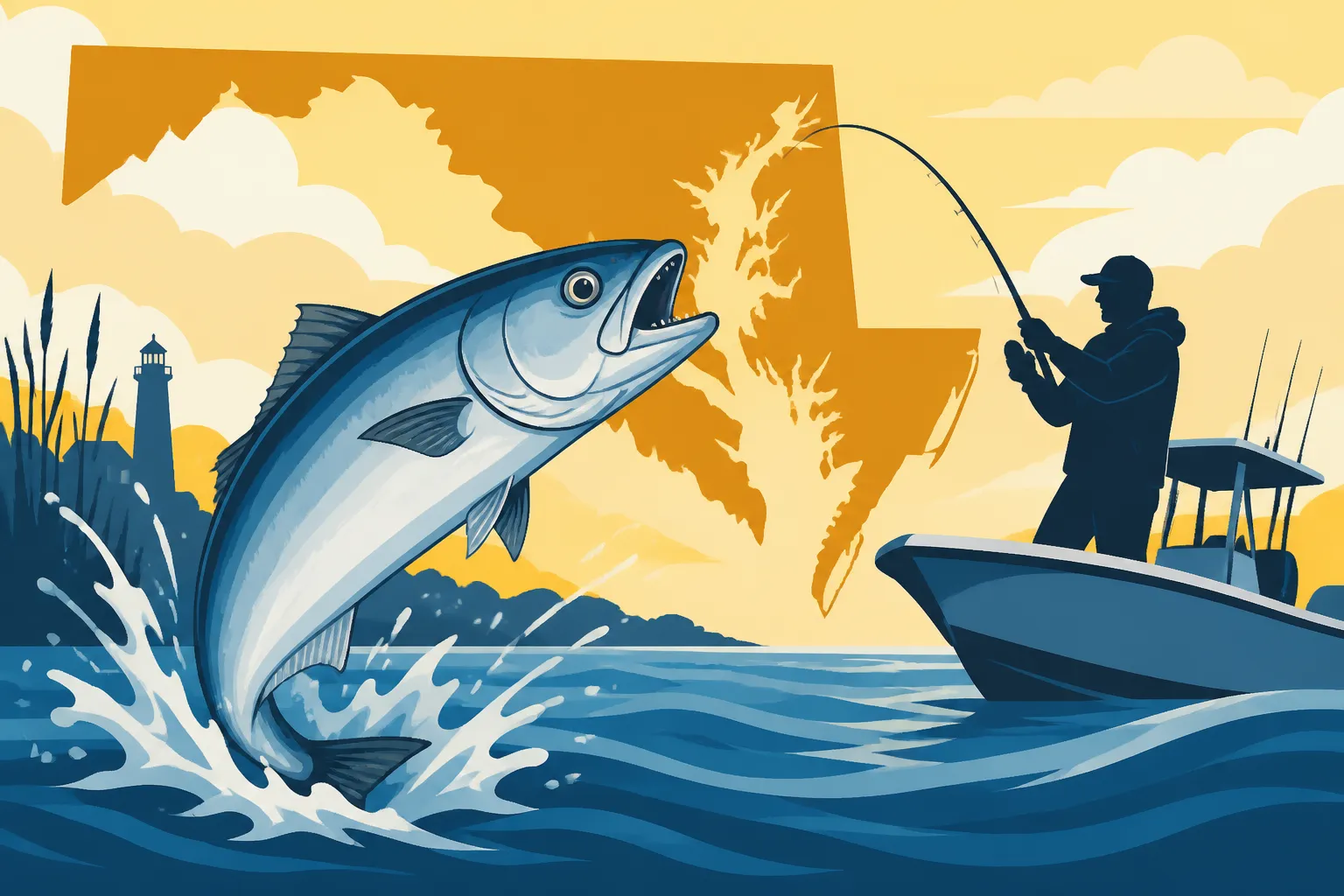
There’s nothing quite like the electrifying energy of a bluefish run in Maryland’s Chesapeake Bay. One moment, you’re enjoying a calm morning, and the next, the water erupts with frenzied splashes, diving birds, and powerful, toothy fighters tearing through bait schools. It's a spectacle that can leave you reeling, literally and figuratively, often with torn tackle and an adrenaline rush that few other fishing experiences can match. This guide is here to unravel the mystery and excitement of these runs, helping you understand where and when to find these aggressive predators, what gear you’ll need, and how to make the most of an unforgettable day on the water.
Understanding the Bluefish and Their Migratory Habits
Bluefish are truly one of Maryland's more dynamic and exciting gamefish. They show up with an aggressive appetite and leave an impression, whether you're targeting them specifically or just happen to stumble upon a feeding frenzy. Understanding their nature and movements is the first step to successfully catching them.
What are Bluefish? A Quick Profile
Known scientifically as Pomatomus saltatrix, bluefish are often characterized by their aggressive nature and sharp, prominent teeth. When they're in a feeding mood, they can be absolute whirlwinds, slashing through baitfish with an almost reckless abandon. Their bodies are streamlined, typically bluish-green on top fading to silver on their sides and belly, built for speed and power. In the Chesapeake Bay, you'll commonly encounter what we affectionately call "snappers" (smaller, pan-sized fish) up to substantial "choppers" that can weigh in the double digits.
Anglers often have a love-hate relationship with bluefish. On one hand, they are incredible fighters, pulling hard and making exciting runs. On the other, those sharp teeth are notorious for cutting through monofilament lines, destroying soft plastic lures, and leaving a trail of shredded baitfish. But for many of us, the thrill of the chase and the sheer power of these fish are enough to keep us coming back for more, even if it means sacrificing a few lures along the way. They are truly one of Maryland's Most Popular Saltwater Gamefish for a reason – their unpredictability and raw power make every encounter memorable.
The Annual Migration Cycle in the Chesapeake Bay
Bluefish are highly migratory, following baitfish and temperature shifts along the Atlantic coast. For us here in Maryland, their arrival in the Chesapeake Bay is a welcome sign of warmer weather and abundant fishing opportunities. Typically, the first waves of bluefish start pushing into the Bay in late spring, often by late May or early June, as the water temperatures climb and baitfish schools become more prevalent.
They’ll spend the summer months in the Bay, moving around in search of food and comfortable water temperatures. You'll find them scattered throughout the main stem of the Bay and sometimes venturing into the lower sections of tidal rivers. As fall approaches and water temperatures begin to drop, usually around September and October, the bluefish start their journey south, heading back to offshore waters for the winter. Their presence is a reliable indicator of the changing seasons and the bounty that the Chesapeake has to offer. Understanding this cycle is key to knowing Best Time of Year to Fish in Maryland for these energetic predators.
Why Bluefish Run: Food and Spawning
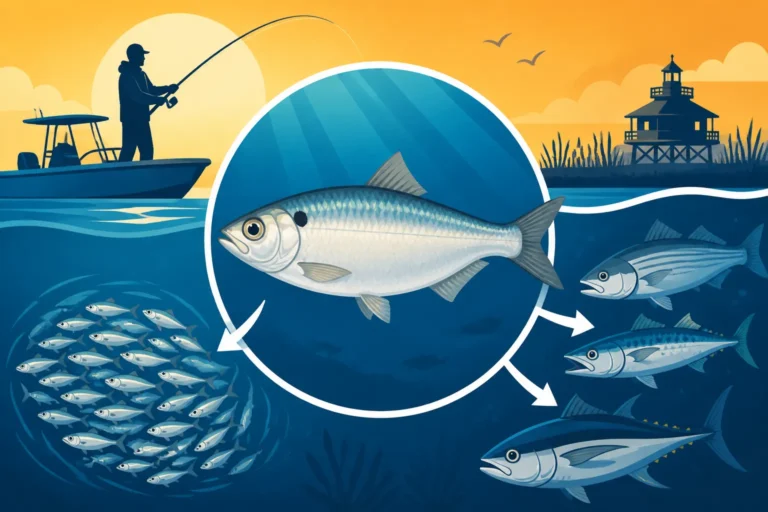
The term "bluefish run" isn't just a catchy phrase; it perfectly describes their intense, coordinated feeding behavior. Bluefish are apex predators, and their runs are primarily driven by an insatiable hunger for baitfish. When large schools of menhaden (bunker), silversides, spot, or croaker enter the Bay, the bluefish are right behind them, often driving them to the surface in spectacular "blitzes." These feeding frenzies are what anglers dream of, as the fish are so focused on feeding that they'll strike almost anything that moves.
While bluefish do spawn, the main spawning grounds for the Atlantic coast stock are generally offshore, from the Mid-Atlantic Bight southwards. The bluefish we encounter in the Chesapeake Bay are often juveniles or sub-adults, coming into the shallower, bait-rich waters to grow fat before heading back offshore. So, while reproduction is a part of their life cycle, the "runs" we experience in the Bay are almost entirely about the hunt for food, making them incredibly aggressive and fun to target. It’s pure, unadulterated predatory instinct on full display.
Prime Time and Locations for Bluefish Runs in Maryland
Knowing when and where to find bluefish can feel like finding a needle in a haystack if you don't understand their patterns. But with a bit of insight, you can significantly increase your chances of being in the right place at the right time.
Seasonal Hotspots in the Chesapeake Bay
Bluefish are mobile, but certain areas consistently hold them or see significant feeding activity during their time in the Bay.
- Upper Bay: While the upper Bay might not see the massive schools as frequently as the middle or lower sections, bluefish certainly venture here, especially into the mouths of larger rivers like the Patapsco, Magothy, and Severn. Look for them along channel edges, particularly where depth changes create ambush points for baitfish. Fishing around structures and drop-offs can be productive.
- Mid Bay: This is often considered the heart of bluefish country during their runs. The area around the Bay Bridge Pilings for Striped Bass and other nearby artificial reefs and natural lumps are classic hotspots. The mouths of Eastern Shore rivers, such as the Choptank and Chester, also attract large schools of bait and, consequently, bluefish. Anywhere there's good current and abundant bait, bluefish are likely to be present.
- Lower Bay: Down towards the mouth of the Potomac River, Point Lookout, and in the rich waters of Tangier Sound, bluefish can be found in substantial numbers, often mixing with other species like Spanish mackerel. The sheer volume of baitfish in these broader, deeper parts of the Bay makes them ideal hunting grounds.
- Ocean City: Don't forget the coastal waters! The Ocean City back bays, especially near the Inlet, can have phenomenal bluefish action. Surf fishing along Assateague Island can also yield impressive choppers, particularly in the fall.
Identifying a Bluefish Blitz
A bluefish blitz is one of the most exciting phenomena in fishing, and being able to spot one from a distance is a skill every angler develops.
- Visual Cues: The most obvious sign is often a flurry of activity on the surface. Look for diving birds—gulls and terns—plunging into the water, signaling that baitfish are being driven to the surface from below. You might also see baitfish showering out of the water, leaping frantically to escape the attacking bluefish. The water itself can appear "nervous" or disturbed in patches.
- Sonar Readings: If you have a fishfinder, keep an eye on your screen. You’ll typically see large, dense schools of baitfish, often shaped like a ball, with distinct, larger arches (the bluefish) streaking through or surrounding them. This visual on your electronics confirms what the birds are telling you – dinner is being served!
- Other Anglers: Sometimes, the easiest way to spot a blitz is by observing other boats. A sudden convergence of fishing boats, all heading towards a particular area and anglers actively casting, is a pretty strong hint that there's action happening. Local knowledge and word-of-mouth are invaluable in these situations; sometimes you're just lucky enough to be in the right spot when it ignites.
Best Tides and Weather for Bluefish Activity
Like many predatory fish, bluefish are highly influenced by tidal currents and, to a lesser extent, weather conditions. The key takeaway here is moving water.
- Tidal Influence: Bluefish feed most actively when the tide is moving, whether incoming or outgoing. Strong currents concentrate baitfish, making them easier targets for hungry bluefish. As the tide rushes through channels, over lumps, and around structure like the Bay Bridge pilings, it creates ambush points and disorients bait. Slack tide, when the water movement is minimal, often sees a significant slowdown in feeding activity. So, planning your trip around the peak of the incoming or outgoing tide will generally yield the best results. For a deeper dive, check out How Tides Affect Fishing in Maryland's Chesapeake Bay.
- Weather Conditions: Bluefish are generally less finicky about weather than some other species. They will actively feed on bright, sunny days just as readily as on overcast ones. However, exceptionally hot, still days might push them a bit deeper into cooler water. On the flip side, choppy conditions or post-storm murkiness might make them harder to locate, but once you find them, they're usually still willing to bite. Often, a slight chop on the water can actually be beneficial, as it breaks up the surface and can make it harder for baitfish to spot predators. Don't let a cloudy forecast deter you from chasing these aggressive fish!
Essential Gear and Techniques for Tackling Bluefish
Bluefish are notorious for their destructive power and sharp teeth. Coming prepared with the right tackle and techniques isn't just about catching more fish; it's about minimizing frustration and protecting your gear.
Rods, Reels, and Line for the Fight
When gearing up for bluefish, durability and strength are your watchwords. These fish hit hard and fight dirty, so your tackle needs to be up to the task.
- Rods: A medium-heavy to heavy action spinning or casting rod, typically in the 6'6" to 7'6" range, is ideal. You want something with enough backbone to cast heavy lures and handle a powerful fish, but enough tip sensitivity to feel the strike. A rod rated for 15-40 lb line and lures up to 2-3 ounces will cover most bluefish scenarios in the Bay.
- Reels: Pair your rod with a sturdy spinning or baitcasting reel that has a smooth, reliable drag system. Bluefish are strong runners, and a sticky drag can lead to broken lines or pulled hooks. A 4000-6000 series spinning reel or a similar sized conventional reel with good line capacity (200+ yards of 30lb braid) will serve you well. Many anglers find great value in reliable reels from brands available on Amazon, where you can compare features and reviews.
- Line: This is where things get critical. Bluefish teeth are sharp enough to cut through monofilament line like butter. Braided line (30-50 lb test) is an excellent choice for its strength, sensitivity, and casting distance. However, you absolutely must use a leader. A heavy monofilament or fluorocarbon leader (60-80 lb test, 18-24 inches long) will provide some bite resistance. For serious choppers, a short section of wire leader (e.g., 6-9 inches of 40-60 lb test single strand wire or braided wire) might be necessary, especially if you're consistently getting bitten off. You can easily find pre-made wire leaders or bulk leader material on Amazon to tie your own.
Lures and Baits That Get Their Attention
Bluefish aren't particularly picky when they're in a feeding frenzy, but some offerings are more effective—and more durable—than others.
- Metal Jigs and Casting Spoons: These are bluefish killers. Silver, gold, or chartreuse colored metal jigs like Stingers, Crippled Herring, or larger Kastmasters, are incredibly effective. Their weight allows for long casts into blitzing schools, and their flash mimics fleeing baitfish. These lures stand up relatively well to bluefish teeth.
- Topwater Poppers: For explosive, heart-stopping strikes, nothing beats a topwater popper. When bluefish smash a popper on the surface, it's an unforgettable experience. Durable plastic poppers are preferred, as soft plastics will be shredded. Work them with a "pop-pop-pause" retrieve to create maximum commotion.
- Plugs: Hard plastic swimming plugs (like lipped minnow plugs) or stickbaits that imitate baitfish can also be very effective. Again, choose durable plastic models over soft-bodied ones. Trolling these plugs can also be a great strategy, especially when Trolling vs Jigging for Maryland Striped Bass is a consideration, as the same gear can often target both.
- Soft Plastics: While susceptible to damage, large paddle-tail or curly-tail soft plastics on heavy jig heads can work, especially if you're getting short strikes or fish aren't hitting hard plugs. Just be prepared to replace them frequently.
- Live Bait/Cut Bait: When bluefish are around, live spot, menhaden, or mullet are irresistible. You can also use fresh cut bait, like chunks of menhaden or mackerel. This is particularly effective if the fish are a bit deeper or less active, or if you're fishing from an anchored position. Both live bait and cut bait are excellent choices for bluefish.
Techniques for Fishing a Bluefish Blitz
Once you've located a bluefish blitz, the next step is to effectively present your offering and capitalize on the feeding frenzy.
- Casting into Schools: The most common and often most exciting technique. Cast your lure (jigs, spoons, poppers) directly into the melee, or just beyond it, and retrieve it quickly. A fast, erratic retrieve mimics a wounded baitfish, which bluefish can't resist. Sometimes, a quick pause can trigger a strike as the lure flutters. Aim to land your lure gently to avoid spooking the school, though in a full-blown blitz, they're often too focused to care. This is truly the essence of How to Fish a Chesapeake Bay Bluefish Blitz.
- Trolling: If the bluefish are spread out or not actively busting on the surface, trolling can be incredibly effective, especially from a boat. Use spoons, plugs, or bucktails behind planers, inline weights, or on downriggers to get them to the desired depth. Vary your speed and lure depths until you find what triggers a strike. This method allows you to cover a lot of water and locate scattered schools.
- Chumming: While not always necessary during an active blitz, chumming can be a fantastic way to draw bluefish to your boat and keep them there, especially if they are a bit deeper or scattered. A steady stream of cut bait (often ground menhaden) creates a scent trail that bluefish will follow. Once they're in the chum slick, you can present chunks of cut bait on hooks, or even cast lures into the feeding frenzy you've created. This can be particularly effective when the bite slows down or during periods of less intense surface activity.
| Lure Type | Best Use | Durability Against Bluefish Teeth | Retrieval Style | Notes |
|---|---|---|---|---|
| Metal Jigs/Spoons | Blitzes, long casts, deeper fish | High | Fast, erratic, jigging | Mimics fleeing bait, good for covering water. |
| Topwater Poppers | Surface blitzes, exciting visual strikes | Medium-High (hard plastic) | Pop-pop-pause, erratic surface action | Best for active fish, less effective when fish are deep. |
| Hard Plastic Plugs | Trolling, mimicking large baitfish | Medium-High | Steady retrieve, trolling speed | Can be very effective, but some models are not as robust. |
| Soft Plastics | Finesse, slower retrieves, less active fish | Low (easily shredded) | Jigging, steady retrieve, bouncing off bottom | Great action, but bring plenty of spares. |
| Live Bait | All conditions, especially slower bite | N/A (bait gets eaten) | Drifted, free-lined, or under a bobber | Highly effective, but requires bait acquisition. |
| Cut Bait | Anchored fishing, chumming, bottom fishing | N/A | Bottom rig, drifted, or in a chum slick | Can attract larger fish; good secondary option. |
Handling and Care of Your Bluefish Catch
So you’ve battled a bluefish and brought it to the boat – congratulations! Now comes the crucial part: handling it safely and ensuring that if you plan to keep it, the meat is cared for properly. Bluefish are unique, and their handling requires a bit of specific knowledge.
Safely Handling a Tooth-Filled Fighter
Those sharp teeth aren't just for show; they're designed for tearing flesh, and they can do a number on an unsuspecting angler's fingers.
- Pliers and Dehookers are Your Friends: Never try to stick your fingers into a bluefish's mouth, even a small one. Always have a good pair of long-nosed pliers or a dehooking tool readily available. These allow you to safely remove hooks without putting your hands near those razor-sharp chompers.
- Fish Grippers: A dedicated fish gripper can be invaluable. These tools securely hold the fish by the lip, allowing you to control its head and keep those teeth away from you while you unhook it. It’s also much safer for the fish if you plan to release it. You can find many reliable options on Amazon, often bundled with pliers.
- Gloves: A pair of sturdy fishing gloves can offer an extra layer of protection, not just from teeth, but also from gill plates and fin spines. This is especially important if you’re fishing for a prolonged period and handling multiple fish.
- Control the Head: When you bring a bluefish aboard, try to control its head immediately. A thrashing bluefish can cause chaos in the boat and potentially injure you or others. Pin it down quickly or use your grippers to secure it before attempting to remove the hook or put it in a cooler.
Preparing Bluefish for the Table
Bluefish have a strong, distinct flavor that some love and others find a bit too "fishy." Their meat is darker and oilier than many other Bay species, but when handled correctly, it can be delicious.
- Bleeding is Key: If you intend to keep bluefish for eating, bleed them immediately after catching. A quick cut to the gills or tail will allow the blood to drain, which significantly improves the flavor and reduces the "fishy" taste. This is perhaps the most important step in preparing bluefish for consumption.
- Ice Down Quickly: Bluefish meat degrades rapidly, especially in warm temperatures. Get them on ice as quickly as possible after bleeding. A cooler packed with ice is essential to maintain the quality of the meat. Don't just toss them into an empty cooler!
- Cleaning and Filleting: Bluefish are relatively easy to fillet. Their scales are small, and their bones are fairly straightforward. Once filleted, many anglers remove the dark red lateral line meat, as this is where much of the strong flavor resides. The remaining white meat can be grilled, baked, or smoked. Remember, bluefish is best eaten fresh. Don’t let it sit in the fridge for days; cook it the day you catch it for the best experience. If you have extra, they also make excellent cut bait for species like Maryland Blue Catfish, an Invasive Giant.
Regulations and Conservation for Bluefish
Responsible angling means knowing and adhering to the rules. Bluefish populations fluctuate, and regulations are in place to help manage the stock.
- Check Current Regulations: Always, always, always check the current Maryland Department of Natural Resources (DNR) regulations before you head out. Maryland Fishing Size and Catch Limits by Species can change, sometimes even within a season, so what was legal last year might not be this year. This includes size limits (minimum length) and creel limits (how many fish you can keep per person per day). Penalties for violating regulations can be steep, so it’s not worth the risk.
- Conservation Matters: While bluefish populations are generally considered healthy, consistent overfishing or disregard for regulations can have an impact. Practicing catch and release, especially for larger breeding-size fish if you've already met your creel limit or don't intend to eat them, helps ensure future generations can enjoy these spirited fighters. Handle released fish gently, minimize their time out of the water, and ensure they swim away strong. Every angler plays a role in sustaining our valuable fisheries.
Maximizing Your Bluefish Experience and Beyond
Fishing for bluefish isn't just about the catch; it's about the entire experience on the water. A little planning and foresight can turn a good day into a fantastic one.
Tips for a Successful Day on the Water
Beyond the right gear and knowing where to go, a few practical tips can make your bluefish outing more enjoyable and productive.
- Bring Extra Lures (and Leaders!): This cannot be stressed enough. Bluefish are tackle destroyers. Those sharp teeth, combined with their aggressive strikes, mean you will lose lures and leaders. Pack more than you think you’ll need. It’s better to have too many than to run out when the bite is hot. Consider buying bulk packs of your favorite lures or leader material from Amazon before your trip.
- Sun Protection and Hydration: You'll likely be spending a good amount of time exposed to the elements. Sunscreen, a wide-brimmed hat, sunglasses, and protective clothing are essential. Bring plenty of water to stay hydrated, especially during the warmer months when bluefish are most active.
- A Good Cooler with Ice: As mentioned earlier, proper fish care begins immediately. A well-insulated cooler completely filled with ice is critical for keeping your catch fresh, whether it's bluefish or any other species.
- Safety First: Whether you're in a boat or fishing from shore, always prioritize safety. Let someone know where you're going and when you expect to return. If boating, ensure all safety gear is aboard and functioning. If you're Kayak Fishing Safety Tips for Maryland's Chesapeake Bay, be especially mindful of weather, tides, and boat traffic.
- Know Your License: Before anything else, ensure you have your proper Maryland fishing license. Whether it's a tidal or non-tidal license, depending on where you plan to fish, having it on hand is mandatory. Check out the Maryland Fishing License Guide for 2026 if you need a refresher.
What Else You Might Catch During a Bluefish Run
One of the exciting things about fishing for bluefish in the Chesapeake Bay is that you're often in areas where other desirable species congregate, especially when baitfish are abundant.
- Striped Bass (Rockfish): It's incredibly common for Striped Bass: Maryland's State Fish to be found feeding alongside or just below bluefish. The bluefish often drive bait to the surface, and the striped bass will take advantage of the chaos, picking off stunned or injured baitfish. You might even catch them on the same lures!
- Spanish Mackerel: During the warmer months of summer and early fall, particularly in the mid to lower Bay, Spanish mackerel often show up. These speedsters frequently mix with bluefish, chasing the same baitfish schools. They'll often hit similar lures retrieved quickly, so don't be surprised if a Spanish mackerel crashes your bluefish party.
- Remoras: Sometimes called "suckerfish," remoras often attach themselves to larger fish like sharks, rays, and sometimes even bluefish. They're harmless but can be a surprise catch.
- Other Bottom Fish: If you're using bait or fishing near the bottom, you might also pick up species like croaker, spot, or even a flounder. This makes for a diverse day of fishing and a varied cooler! Don't forget to check the Best Time of Year for Black Sea Bass in Maryland if you're also targeting coastal species.
Bluefish as a Sign of a Healthy Bay Ecosystem
Beyond their appeal as a gamefish, the presence of bluefish in the Chesapeake Bay is a strong indicator of a healthy and vibrant ecosystem.
- Abundant Baitfish: Bluefish runs signify a robust population of baitfish—like menhaden, silversides, and anchovies—which are the foundation of the Bay's food web. Without this critical food source, bluefish (and other predators) wouldn't be able to thrive.
- Role as a Predator: As a top predator, bluefish play a vital role in keeping baitfish populations in check and ensuring the balance of the ecosystem. Their aggressive feeding helps prevent any single species from becoming overpopulated, maintaining biodiversity and health throughout the Bay.
- Dynamic Ecosystem: The feeding frenzies created by bluefish runs are a dramatic testament to the dynamic nature of the Chesapeake Bay. They highlight the intricate relationships between predator and prey and the constant ebb and flow of life in this incredible estuary. So, when you witness a bluefish blitz, you're not just seeing a fishing opportunity; you're observing a critical moment in the Bay's natural cycle.
Disclaimer
This article is for general informational purposes only and does not constitute professional advice. Laws, prices and regulations vary by location and change over time. Consult a qualified professional for guidance on your specific situation.