Are Alewife and River Herring Found in Maryland Rivers?
For many anglers casting their lines into Maryland's diverse waters, the mention of "alewife" or "river herring" might conjure images of bygone days, or perhaps a flicker of confusion about what these fish actually are and if they even still exist in our local rivers. The reality is, these species, once incredibly abundant, have faced significant challenges, and understanding their presence, or lack thereof, is crucial for anyone interested in the health of our aquatic ecosystems, especially the Chesapeake Bay. This guide will clarify the status of alewife and river herring in Maryland, help you identify them, and explain why they remain so vital to our fishing heritage and future.
Understanding Alewife and River Herring in Maryland
River herring, a term that generally encompasses both alewife and blueback herring, are fascinating anadromous fish. This means they spend most of their adult lives in saltwater, like the vast Atlantic Ocean, but return to freshwater rivers and streams to spawn, much like their larger cousins, the shad. Their incredible journeys upstream each spring have historically been a hallmark of Maryland's waterways, signaling the awakening of the ecosystem after winter.
What Exactly Are Alewife and River Herring?
Let's break down these two key species.
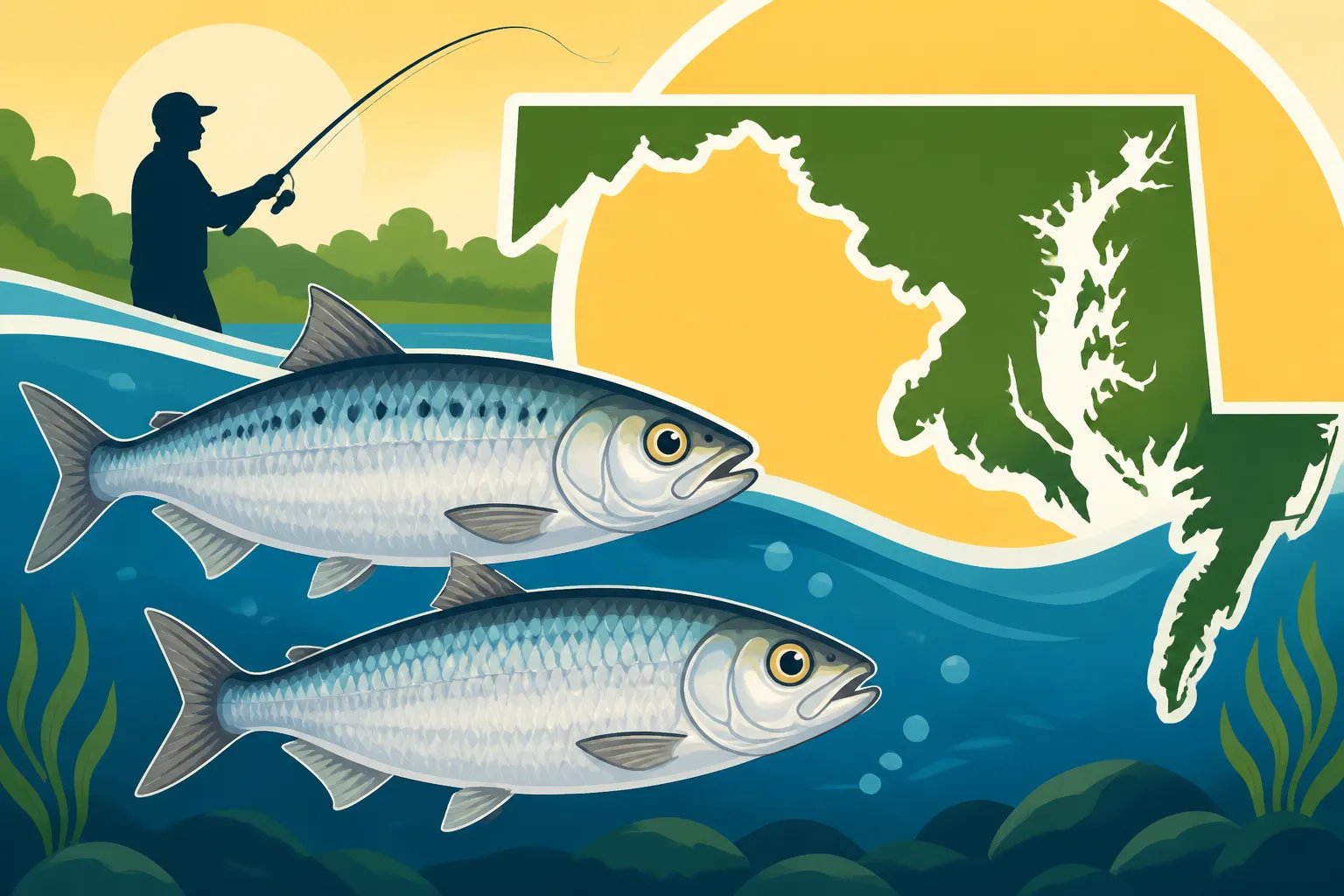
Alewife (Alosa pseudoharengus): The alewife is a type of herring, known for its deep body, relatively large eye, and distinct dark spot behind the upper gill cover. They tend to be a bit chunkier than blueback herring, and their peritoneum (the lining of their abdominal cavity) is typically pale or silvery. They generally prefer to spawn in stiller waters, often in ponds, lakes, or slow-moving rivers, rather than the faster currents favored by bluebacks. Their presence has historically been a crucial indicator of healthy river systems connected to the ocean.
Blueback Herring (Alosa aestivalis): Blueback herring are often confused with alewife because they look very similar, but there are subtle differences. Bluebacks generally have a more streamlined body shape, a slightly smaller eye in relation to their head, and a darker, often black, peritoneum. They also have that characteristic dark spot behind the gill cover. Blueback herring typically prefer to spawn in the mainstem of rivers and tributaries with moderate currents, often traveling further upstream than alewife. Both species are relatively small, typically reaching lengths between 10 to 15 inches.
These fish, in their multitudes, once fueled entire ecosystems. Their migrations were massive events, bringing a surge of marine energy into freshwater habitats, and then providing a critical outward migration of juvenile fish back to the ocean.
Historical Presence in Maryland Waters
For centuries, alewife and river herring were incredibly abundant in Maryland's rivers that flow into the Chesapeake Bay, such as the Choptank, Nanticoke, Patuxent, and Susquehanna. These fish were a cornerstone of the Bay's food web and played a vital role in both ecological processes and human economies. Indigenous peoples and early European settlers relied on them heavily, harvesting them in massive numbers during their spring spawning runs. They were a cheap and plentiful source of protein, often salted or smoked for preservation.
Commercial fisheries for river herring were once a significant industry in Maryland, with countless fishermen setting gillnets and pound nets to intercept the migrating schools. Beyond direct human consumption, they were also widely used as bait for other commercially important species like striped bass. The sheer volume of these fish was astonishing; historical accounts describe rivers teeming with herring, their splashing filling the air as they moved upstream. This historical abundance underscores just how much our rivers have changed.
Current Status and Conservation Concerns
Sadly, those days of overwhelming abundance are largely behind us. Alewife and river herring populations throughout their range, including in Maryland, have experienced drastic declines over the last several decades. The reasons are complex and multifaceted, including:
- Habitat Loss and Degradation: The construction of dams and culverts blocked access to critical spawning grounds upstream. Pollution from agricultural runoff, industrial discharge, and urban development has degraded water quality, making many historic spawning areas uninhabitable.
- Overfishing: While current harvest is heavily restricted or banned, historical overfishing, particularly during vulnerable spawning runs, undoubtedly contributed to their decline.
- Bycatch: River herring are often caught unintentionally as "bycatch" in fisheries targeting other species, both in the ocean and in the Bay.
- Climate Change: Changes in water temperature and flow regimes can disrupt their delicate spawning cycles.
Because of these severe declines, both alewife and blueback herring are considered species of concern. Maryland, like many other states, has implemented a moratorium on their harvest, meaning it is illegal to intentionally catch and keep them. This protection is vital, but restoring their populations is a long and challenging process that requires ongoing habitat restoration, dam removal, and careful management. Initiatives to improve fish passage, like removing obsolete dams or installing fish ladders, are critical for helping these fish reach historic spawning grounds. You can often find updates on these efforts from the Maryland Department of Natural Resources.
Identifying Alewife and River Herring
Knowing how to properly identify fish is essential for any responsible angler, especially when dealing with protected species like river herring. While they might look similar to other fish at first glance, a closer look reveals their unique characteristics. Having a good field guide, perhaps one you ordered from Amazon, can be incredibly helpful.
Key Characteristics of Alewife
When you encounter a fish that looks like a herring in Maryland waters, here's what to look for if you suspect it's an alewife:
- Body Shape: They tend to have a deeper, more compressed body compared to their blueback cousins. Imagine a fish that's a bit "taller" for its length.
- Eye Size: A key identifier is their relatively large eye, which is typically larger than the distance from the front of the eye to the tip of their snout.
- Dark Spot: Look for a distinct, small, dark spot located just behind the upper part of their gill cover. This is a common feature for both species but helps distinguish them from shad.
- Peritoneum: This is a more advanced ID trick, but if you're cleaning fish (which you wouldn't be doing with protected river herring), you'd notice the lining of their abdominal cavity is usually pale or silvery.
Key Characteristics of Blueback Herring
Blueback herring share many similarities with alewife but have a few subtle differences that set them apart:
- Body Shape: They are generally more slender and streamlined than alewife. They look a bit more torpedo-shaped.
- Eye Size: Their eye is typically smaller relative to their head, specifically, it's usually equal to or smaller than the distance from the front of the eye to the tip of their snout. This can be tricky to judge quickly.
- Dark Spot: Like alewife, bluebacks also possess that single dark spot behind the upper gill cover.
- Peritoneum: In contrast to the alewife, the peritoneum of a blueback herring is typically dark, often black. This is a definitive way to tell them apart if you were to open the fish.
Distinguishing Them from Other Similar Species
It's easy to confuse alewife and blueback herring with other members of the herring family (Clupeidae) or even other common panfish, especially when they are juveniles. Here’s a quick rundown of species they are often mistaken for:
- Shad (American and Hickory): Shad are also anadromous herring, but they grow much larger than alewife and blueback herring. American shad can have several faint dark spots along their sides, while hickory shad have a distinctive projecting lower jaw. River herring have a single, prominent dark spot.
- Gizzard Shad: These are freshwater herring common in Maryland. They have a more blunt snout and a very long, whip-like last ray on their dorsal fin, which river herring lack.
- White Perch: Young white perch can sometimes be confused with juvenile river herring due to their silvery appearance and similar size. However, white perch have distinct spines in their dorsal and anal fins, and their body shape is generally deeper and less compressed than a herring. Herring have soft-rayed fins.
To help you keep these species straight, here’s a quick comparison table:
| Feature | Alewife | Blueback Herring | American/Hickory Shad | White Perch |
|---|---|---|---|---|
| Body Shape | Deep, compressed | More slender, streamlined | Larger, deep-bodied (especially American) | Deeper, less compressed, spiny fins |
| Eye Size | Relatively large (larger than snout-eye dist) | Relatively smaller (equal to/smaller than snout-eye dist) | Large, but proportional to head | Normal, proportional |
| Dark Spot | Single, distinct spot behind gill cover | Single, distinct spot behind gill cover | Multiple, faint spots (American), no spots (Hickory) | No distinct spot |
| Peritoneum | Pale or silvery | Dark or black | Pale or silvery | Not applicable (different family) |
| Habitat | Ocean, spawns in still freshwater | Ocean, spawns in flowing freshwater | Ocean, spawns in flowing freshwater | Brackish and freshwater, all year round |
| Protected in MD | Yes (no harvest) | Yes (no harvest) | No (regulated harvest) | No (regulated harvest) |
Remembering these key differences can prevent accidental harvest and ensure you're fishing responsibly.
The Importance of River Herring in Maryland's Ecosystem
Even though their numbers are low, the presence, or potential for presence, of river herring remains critically important to Maryland's aquatic health. These small fish are true linchpins in the intricate web of life within the Chesapeake Bay and its tributaries. Their decline has had ripple effects throughout the ecosystem, demonstrating just how interconnected everything truly is.
Critical Forage Fish
Imagine a massive buffet table in the ocean and the Bay. River herring are like one of the most popular dishes on that table. They are a crucial forage fish, meaning they are a primary food source for a vast array of larger predators. Think about all those magnificent game fish we love to target:
- Striped Bass (Rockfish): Young river herring are a high-energy meal for striped bass, especially during their migrations. A healthy population of herring means more food for Maryland Striped Bass, which in turn can support healthier striped bass populations.
- Bluefish: These aggressive predators readily feed on schools of herring in the Bay and ocean.
- Weakfish and Drum: Other popular sport fish also rely on herring as part of their diet.
- Birds of Prey: Ospreys, eagles, and gulls swoop down to catch herring during their spawning runs, especially when they're concentrated in rivers.
- Marine Mammals: Even dolphins and seals, occasionally sighted in the Bay, benefit from a healthy herring population in the ocean.
Without sufficient river herring, these predators must find other food sources, which can put increased pressure on other forage species or lead to declines in the predator populations themselves. The ecosystem's delicate balance is disrupted, and the overall productivity of the Chesapeake Bay can suffer.
Impact on Maryland's Fishing Industry
The decline of river herring has had a profound, albeit often indirect, impact on Maryland's fishing industry, both commercial and recreational. Historically, commercial fishermen not only harvested herring directly but also relied on them as a source of bait. Today, the absence of this abundant natural bait means higher costs for alternatives, and potentially less effective fishing for species that prefer live or cut herring.
For recreational anglers, while we might not directly target herring, their absence means a less robust food chain. Healthy forage populations translate to healthy game fish populations. If the "dinner plate" for striped bass is diminished, it can affect the growth rates, size, and overall abundance of the fish we do want to catch. It's like building a house without a strong foundation—eventually, everything else suffers. When the Maryland DNR implements Maryland Striped Bass Season and Rockfish Rules or sets Maryland Fishing Size and Catch Limits by Species, these decisions are often influenced by the health of the entire food web, including forage fish like herring. A vibrant river herring population would undoubtedly contribute to a more robust and resilient fishery for other species.
Conservation Efforts and Restoration Programs
Thankfully, the plight of river herring has not gone unnoticed. Numerous conservation efforts are underway to try and restore these vital populations in Maryland and across the East Coast. The Maryland Department of Natural Resources (DNR) works in conjunction with federal agencies and non-profit organizations to address the root causes of their decline.
Key efforts include:
- Dam Removal and Fish Passage: This is one of the most impactful strategies. Removing obsolete dams or installing state-of-the-art fish ladders and lifts allows herring to bypass barriers and access upstream spawning habitats that have been cut off for decades, sometimes even a century. Projects on rivers like the Patapsco, Patuxent, and Susquehanna have opened up miles of new habitat.
- Habitat Restoration: Improving water quality, restoring riparian buffers (vegetated areas along streambanks), and reducing sediment runoff help create healthier spawning and nursery grounds for juvenile herring. These efforts often involve local watershed groups and volunteers.
- Research and Monitoring: Scientists continuously monitor river herring populations, studying their migrations, spawning success, and overall health. This data is critical for adaptive management and understanding what works best for restoration.
- Strict Regulations: The harvest moratorium remains a critical protective measure, giving these fish a chance to rebound without additional fishing pressure. These regulations are a stark reminder of the challenges river herring face.
These efforts are long-term investments, and the full recovery of river herring will take decades, but every step makes a difference. Anglers can play a role by supporting these initiatives and practicing responsible fishing.
Angler Awareness and Responsible Practices
As responsible anglers, our actions on the water can directly influence the success of conservation efforts, especially for vulnerable species like river herring. While Maryland has a harvest moratorium on these fish, you might still encounter them. Knowing what to do in such situations is part of being a good steward of our natural resources.
Encountering River Herring While Fishing
It's entirely possible, especially during the spring months, that you might accidentally catch an alewife or blueback herring while targeting other species like white perch or even smaller striped bass. They tend to school, so if you catch one, there are likely more around. You might be fishing a tidal creek for Fishing for Spring-Run White Perch in Maryland and suddenly pull up a herring. This isn't necessarily a cause for alarm, but it is a call for immediate action.
The key is to be aware and prepared. If you're fishing in a river or tributary during the spring, particularly in areas known for historical herring runs, keep an eye out for them. Small, silvery fish might not always be what you expect, so a quick identification check is always a good idea. Having a small fish identification card or app on your phone can be a handy tool, perhaps one you downloaded from an app store linked via Amazon.
Catch and Release Best Practices
Since it's illegal to harvest alewife and blueback herring in Maryland, any you catch must be released immediately and with the utmost care. Here are some best practices:
- Minimize Handling: Try to handle the fish as little as possible. If you can, unhook it while it's still in the water.
- Wet Hands: Always wet your hands before touching the fish. Dry hands can remove the fish's protective slime coat, making it vulnerable to disease.
- Gentle Hold: Support the fish horizontally, never vertically by the mouth or gills.
- Barbless Hooks: Consider using barbless hooks, especially when targeting panfish during the spring runs. Barbless hooks make it much easier and quicker to remove the hook, reducing stress and injury to the fish. This practice is already mandated in some areas for trout, as outlined in Barbless Hook Rules on Maryland Trout Streams. Even when not required, it's a great habit for catch and release.
- Quick Release: Release the fish as quickly as possible. If it seems stunned, gently hold it upright in the water and move it back and forth to force water over its gills until it swims away on its own.
- Avoid Lures That Deep-Hook: Be mindful of the types of lures you're using. If you're consistently deep-hooking fish, consider switching to something with a single hook or a lure less prone to deep ingestion.
By following these practices, you give these vulnerable fish the best chance of survival, allowing them to continue their spawning journey and contribute to future generations.
Reporting Sightings and Violations
Your eyes and ears on the water are incredibly valuable to conservation efforts. If you witness someone intentionally harvesting river herring, or if you consistently catch large numbers of them in an unusual location, reporting this information to the Maryland DNR can be very helpful.
You can contact the Maryland Natural Resources Police (NRP) directly if you suspect a violation. Providing details such as the location, time, and a description of the activity can assist law enforcement. For general sightings or to provide data that might aid research, contacting the Maryland DNR Fisheries Service is appropriate. They are constantly monitoring these populations and value public input. You can find their contact information through official Maryland government websites or by searching online for "Maryland DNR fishing violation hotline." More information on how to report issues can be found in resources like Reporting a Maryland Fishing Violation. Your vigilance is a crucial part of protecting these important, yet fragile, species.
Disclaimer
This article is for general informational purposes only and does not constitute professional advice. Laws, prices and regulations vary by location and change over time. Consult a qualified professional for guidance on your specific situation.