Maryland Youth Fishing License Exemption, How It Works
It's incredibly common for parents and guardians to scratch their heads when trying to figure out if their young aspiring anglers need a fishing license in Maryland. The rules can sometimes feel like a tangled fishing line, but thankfully, there's a clear exemption designed to encourage youth participation in this wonderful outdoor activity. This guide will unravel the specifics of Maryland's youth fishing license exemption, helping you understand who needs a license, who doesn't, and how to ensure your young fishing buddy is always compliant and safe on the water.
Who Needs a Fishing License in Maryland?
Before we dive into the specifics of the youth exemption, it’s helpful to understand the general landscape of fishing licenses in Maryland. Knowing the baseline helps clarify why the youth exemption is such a welcome detail for families.
General Requirements for Adults
In Maryland, anyone 16 years of age or older is generally required to possess a valid fishing license to fish in the state's waters. This applies whether you're casting a line in the freshwater lakes and rivers, or exploring the vast tidal waters of the Chesapeake Bay and its tributaries. It doesn't matter if you're a seasoned pro or just trying it out for the first time; if you're 16 or over, you'll need to have your papers in order.
The type of license you need can vary based on where you plan to fish. For instance, if you're dreaming of reeling in largemouth bass from a serene reservoir, you'll likely need a Maryland Resident Nontidal Fishing License Cost. If the saltwater thrill of the Chesapeake Bay is calling your name, then a Maryland Chesapeake Bay Sport Fishing License Explained might be more appropriate. There are also consolidated licenses that cover multiple activities, and specialized stamps for certain species like trout. This layered system is why it's so easy for folks to get confused, especially when adding children into the mix.
The Under 16 Exemption
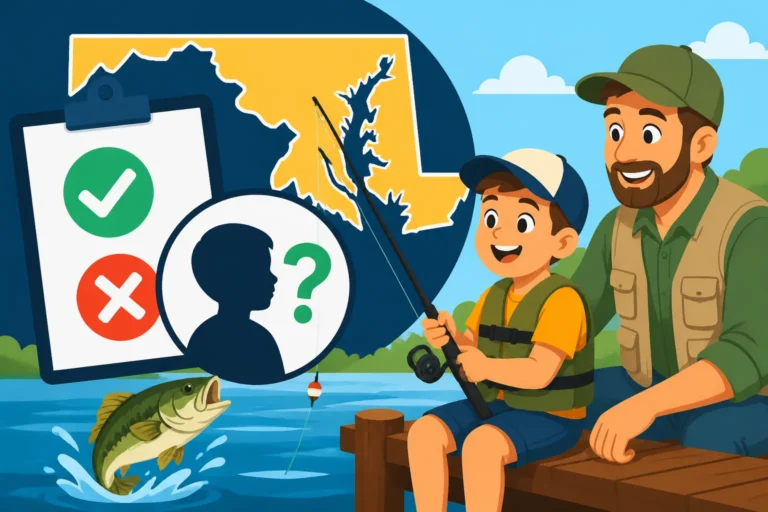
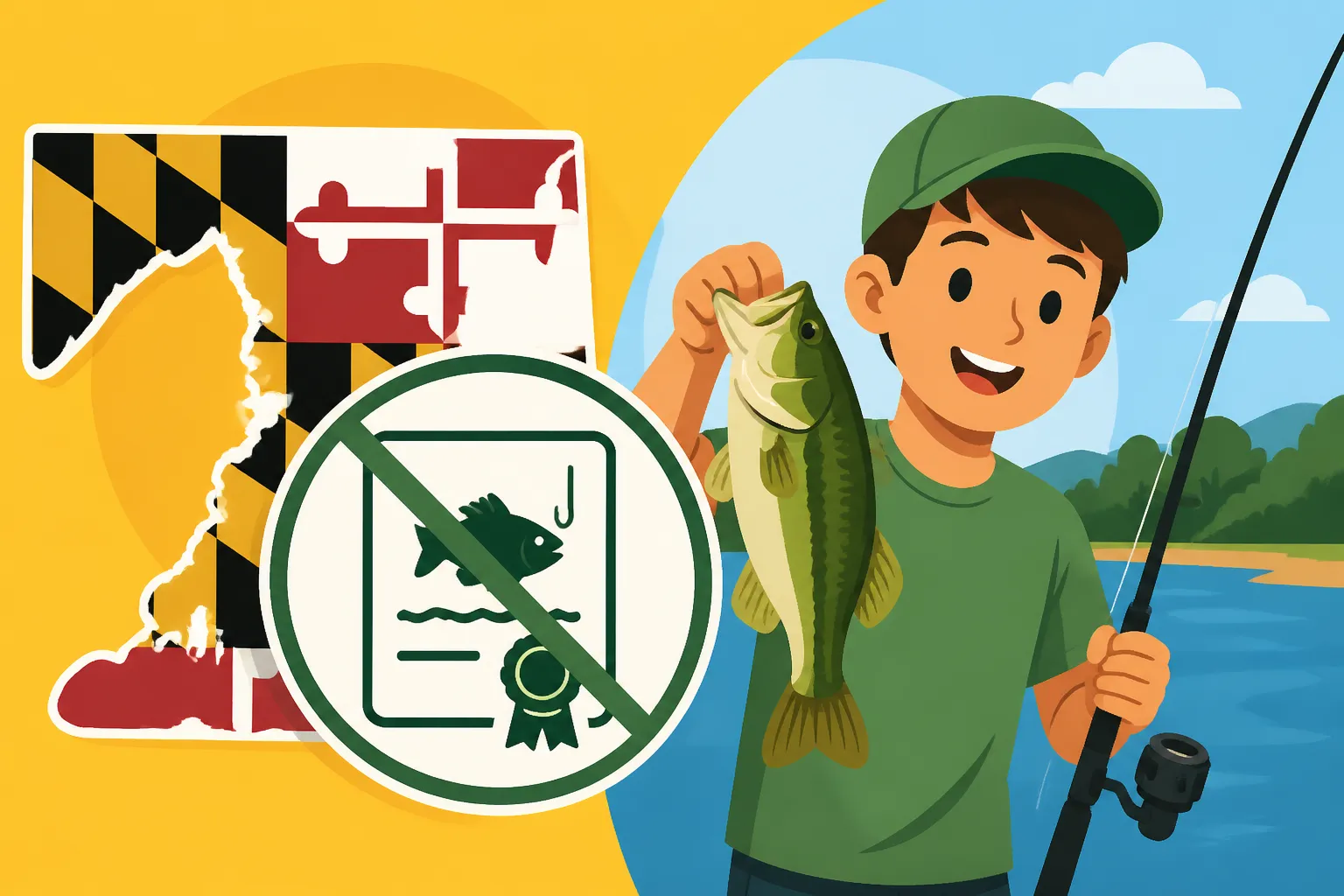
Now, here's the good news that makes fishing with kids so much simpler: In Maryland, children under 16 years of age are completely exempt from the fishing license requirement. That means if your child is 15 years old, or younger, they can cast away to their heart's content without you needing to purchase a separate license for them. This exemption is a fantastic initiative by the Maryland Department of Natural Resources (DNR) to foster a love for fishing in the next generation, removing a common barrier for families looking to enjoy the outdoors together.
This statewide exemption covers virtually all public fishing opportunities, from the quiet streams of Western Maryland to the bustling piers of Ocean City. You don't need a special permit or a specific "youth license" for them. They simply get to fish, worry-free, alongside a licensed adult or even independently, as long as they adhere to all other fishing regulations. It’s a policy that truly empowers families to get out on the water and make memories without the added bureaucratic hurdle.
Understanding the Maryland Youth Fishing License Exemption in Detail
While the general rule for youth fishing licenses is straightforward, there are always nuances and practical considerations that pop up when you're actually out on the water. Let's dig a little deeper into how this exemption really works day-to-day.
Age Verification and On-Water Checks
One of the questions that often crosses a parent's mind is, "How do they know my child is under 16?" It's a valid concern, especially if you have a tall, mature-looking teenager who might easily be mistaken for an adult. When a Maryland Natural Resources Police (NRP) officer approaches you on the water, their job is to ensure everyone is compliant with the regulations, and that includes checking licenses.
For youth who appear to be nearing or over the age of 16, it's always a good idea to have some form of identification readily available. This could be a school ID, a birth certificate (a copy or photo on a phone works), or any official document that clearly states their birth date. While officers typically use discretion, having proof can save a lot of hassle and quickly clear up any confusion. The last thing you want is a pleasant family fishing trip interrupted by unnecessary questioning or, worse, a mistaken warning or fine because your 15-year-old looks 17. Remember, the goal of NRP is education and compliance, not to ruin your day, so being prepared helps everyone. If you're ever in doubt, politely present the identification and explain the situation.
What the Exemption Covers and Doesn't
The beauty of the youth fishing license exemption is its broad scope. It genuinely means that kids under 16 can enjoy fishing for virtually any species, in any legal public water in Maryland, without needing their own state fishing license. This includes everything from chasing Maryland Panfish: Crappie, Perch and Sunfish in a local pond to targeting Striped Bass: Maryland's State Fish in the Chesapeake Bay or going after Maryland Trout Species Guide in a stocked stream.
However, it's crucial to understand that this exemption applies specifically to fishing licenses. It does not automatically exempt them from other activity-specific licenses or stamps if they were to engage in them independently. For instance, while most kids won't be setting trotlines, if they were to engage in certain crabbing activities beyond a simple handline or dip net, a separate crabbing license might be required for an adult. For general recreational crabbing with a handline or dip net, a license generally isn't needed, but it's important to be aware of the specific Maryland Crabbing and Fishing Combination License rules if you plan to go beyond simple methods.
Another point of clarity often sought is regarding specialized stamps, like the Maryland Trout Stamp Requirements. If an adult is fishing in designated trout management waters, they need a trout stamp in addition to their regular fishing license. For youth under 16, this is generally not required if they are fishing under the general youth exemption. However, if a youth chooses to purchase a full adult license and then wants to fish in trout waters, they would also need the stamp. But for the vast majority of scenarios where a child is simply enjoying a day of fishing, the exemption covers them completely, alleviating the need for any additional stamps or endorsements.
Practical Scenarios for Young Anglers and Their Guardians
Understanding the letter of the law is one thing, but how does it play out in real-world fishing situations? Let's walk through some common scenarios to make sure you're fully prepared for your next outing with the younger generation.
Fishing with an Unlicensed Youth and a Licensed Adult
This is probably the most common scenario: a parent or guardian, fully licensed, taking their child (under 16) out for a day of fishing. In this case, the adult's license covers them, and the child's age exempts them. It's a perfect setup for family fun!
When fishing together, you can share the experience, often sharing gear too. Many families start with a basic kids' fishing rod and reel combo, which you can easily find on platforms like Amazon, making it super accessible. Even if the child is using their own rod, as long as they are under 16, no license is required for them.
One important point to remember pertains to catch limits. The adult and the child are generally considered separate anglers, each subject to their own daily bag limits and size restrictions for regulated species. For example, if the Maryland Striped Bass Daily Limit Per Angler is one fish, the licensed adult can keep one legal striped bass, and the unlicensed child, if they catch one that meets the size requirements, can also keep one. This means your family can potentially bring home more fish within legal limits, which is always a bonus when you're trying to put dinner on the table! It's worth noting that if an adult is helping a child reel in a fish, it's still generally attributed to the child's catch. However, always double-check the latest Maryland Fishing Size and Catch Limits by Species for specific regulations that might apply to certain fish or areas.
Youth Fishing Solo or with Other Unlicensed Minors
What if your eager youngsters want to head out on their own, perhaps to a local pond or pier with their friends, all of whom are under 16? The great news is, the exemption still applies! A group of anglers, all under the age of 16, can fish together legally without any of them needing a fishing license. This independence is a fantastic way to foster self-reliance and a deeper connection with nature.
However, while they don't need a license, they do still need to understand and follow all other Maryland fishing regulations. This means they must know the legal size limits for fish like Maryland Flounder Size Limit, the daily creel limits, and any seasonal closures. It's the parent or guardian's responsibility to ensure that their child is educated on these rules before heading out. A quick review of the Maryland DNR Fishing and Boating Guide, Explained can be a great way to brush up on the essentials. It’s also a perfect opportunity to teach them about responsible angling, such as proper catch and release techniques and respecting the environment.
Special Situations: Piers, Free Fishing Days, and Charter Boats
Maryland offers many unique fishing opportunities, and the youth exemption holds true across most of them.
- Piers and Shore Access: Many public piers and shore fishing spots are popular with families. The question often arises, "Do You Need a License to Fish From a Maryland Pier?" While some commercially operated piers might have a blanket license that covers all anglers who pay an access fee, the statewide youth exemption still means your child under 16 doesn't need their own license, even at these locations. At non-commercial, public access piers, the exemption is equally valid.
- Free Fishing Days: Maryland even has specific Maryland Free Fishing Days throughout the year where everyone, regardless of age, can fish without a license. This is an excellent opportunity for adults to try fishing without the initial cost of a license, and it further reinforces that kids under 16 are always exempt.
- Charter Boats: If you're booking a guided trip, say a Maryland Chesapeake Bay Fishing Charters, What to Expect, your youth under 16 is also covered. The vessel's charter boat license generally covers all passengers on board. This means that while you might be wondering, "Does the Charter Captain's License Cover Passengers in Maryland?", the answer is yes, and that includes any accompanying children under 16, simplifying your trip planning even further. So, even on a professional outing, the kids can focus purely on the joy of the catch.
Educating Young Anglers on Regulations and Responsible Angling
While the license exemption is fantastic for young anglers, it doesn't mean they're exempt from knowing and following all other fishing regulations. In fact, it presents a wonderful opportunity to instill a deep sense of responsibility and conservation from a young age.
Importance of Knowing Size and Creel Limits
Even without needing their own license, young anglers must adhere to all of Maryland's fishing rules, particularly those concerning the size and number of fish they can keep. For instance, if they catch a beautiful striped bass, they need to know the current Maryland Rockfish Slot Limit Explained and abide by it. The same goes for other popular species like yellow perch or crappie, which have specific daily bag limits. It’s not just about what you catch, but what you can keep.
Teaching them how to properly measure a fish and identify different species is a crucial part of this education. You can find simple, waterproof fish identification charts online or at local bait shops, and even kid-friendly fishing books on Amazon that explain these concepts in an engaging way. This knowledge isn't just about avoiding fines; it's about contributing to the sustainability of Maryland's fisheries and ensuring there are plenty of fish for future generations to enjoy. It builds character and a sense of stewardship, which are far more valuable than any trophy fish.
Promoting Conservation and Ethical Practices
Beyond the hard rules, teaching young anglers about conservation and ethical fishing practices is paramount. This includes understanding the importance of catch-and-release, especially for protected species, during closed seasons (like the Maryland Spawning River Closures for Striped Bass), or simply for fish that are too small or too large to keep within slot limits. Explaining why these rules exist – to protect fish populations and their habitats – helps them understand the bigger picture.
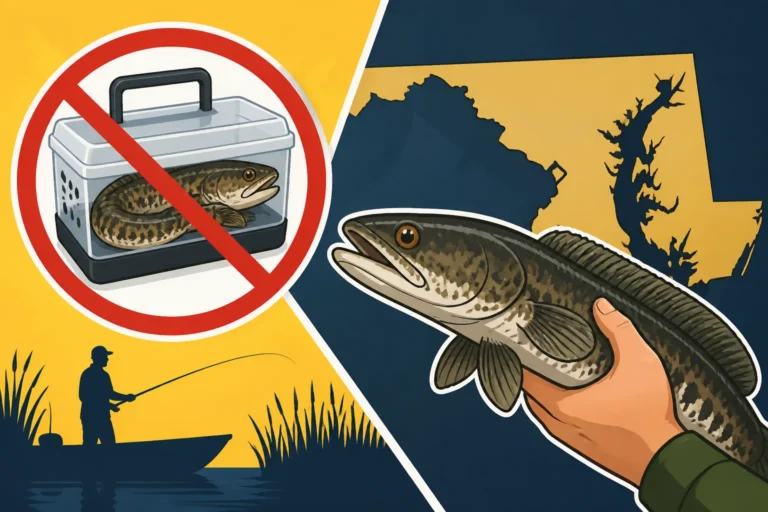
For example, when they catch an invasive species like a Maryland Invasive Fish Rules: Blue Catfish and Snakehead, it's important to teach them about the negative impact these species have on native ecosystems and why they should not be released back into the water. This provides a practical lesson in environmental responsibility. Investing in tools like a fish gripper and a dehooking tool, readily available from retailers like Amazon, can teach them how to handle fish gently, minimizing stress if they plan to release them.
Encouraging them to pick up any litter they see, even if it's not their own, and to respect private property are also invaluable lessons. Fishing isn't just about catching fish; it's about being a good steward of our natural resources and enjoying the tranquility and beauty of Maryland's diverse waters responsibly.
Here’s a quick summary to help you keep track of the basics:
| Angler's Age | Maryland Fishing License Required? | Additional Stamps (e.g., Trout)? | Required to Follow Size/Creel Limits? |
|---|---|---|---|
| Under 16 years old | No | No (under exemption) | Yes |
| 16 years or older | Yes | Yes (if applicable) | Yes |
| On a Charter Boat | No (covered by boat's license) | No (covered by boat's license) | Yes |
| On Free Fishing Days | No | No | Yes |
By understanding these nuances, you can ensure that your young anglers have a seamless and legal experience on Maryland's waters, focusing on the fun and the learning, rather than worrying about paperwork.
Disclaimer
The information provided in this guide is for general informational purposes only and is not intended as legal advice. Fishing regulations in Maryland can change, and it is always the angler's responsibility to consult the most current Maryland Department of Natural Resources (DNR) official regulations before fishing. Always verify specific rules, seasons, and limits directly with the Maryland DNR to ensure compliance.