Do Kids Need a Fishing License in Maryland?
It's a common scenario for parents and guardians in Maryland: you're planning a fun day out fishing with the kids, maybe hitting a local pond or casting a line into the Chesapeake Bay, and suddenly a question pops into your head that stops you in your tracks. "Do my kids actually need a fishing license?" The regulations can feel like a tangled mess of lines and hooks, leaving many feeling overwhelmed before they even wet a line. This guide is here to untangle that confusion, providing clear, straightforward answers about Maryland's fishing license requirements for children, so you can focus on making cherished memories, not stressing over permits.
The Foundations of Maryland's Youth Fishing Exemptions
Maryland's Department of Natural Resources (DNR) has always prioritized fostering a love for the outdoors in the next generation. A big part of that mission involves making fishing accessible, and that often means removing barriers like licensing requirements for young anglers. Understanding these foundational exemptions is key to a worry-free fishing trip with your little ones.
Age-Specific Exemptions for Young Anglers
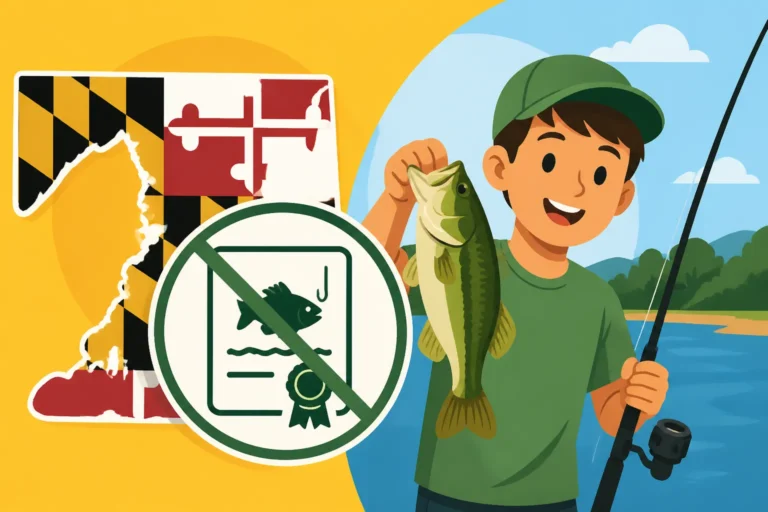
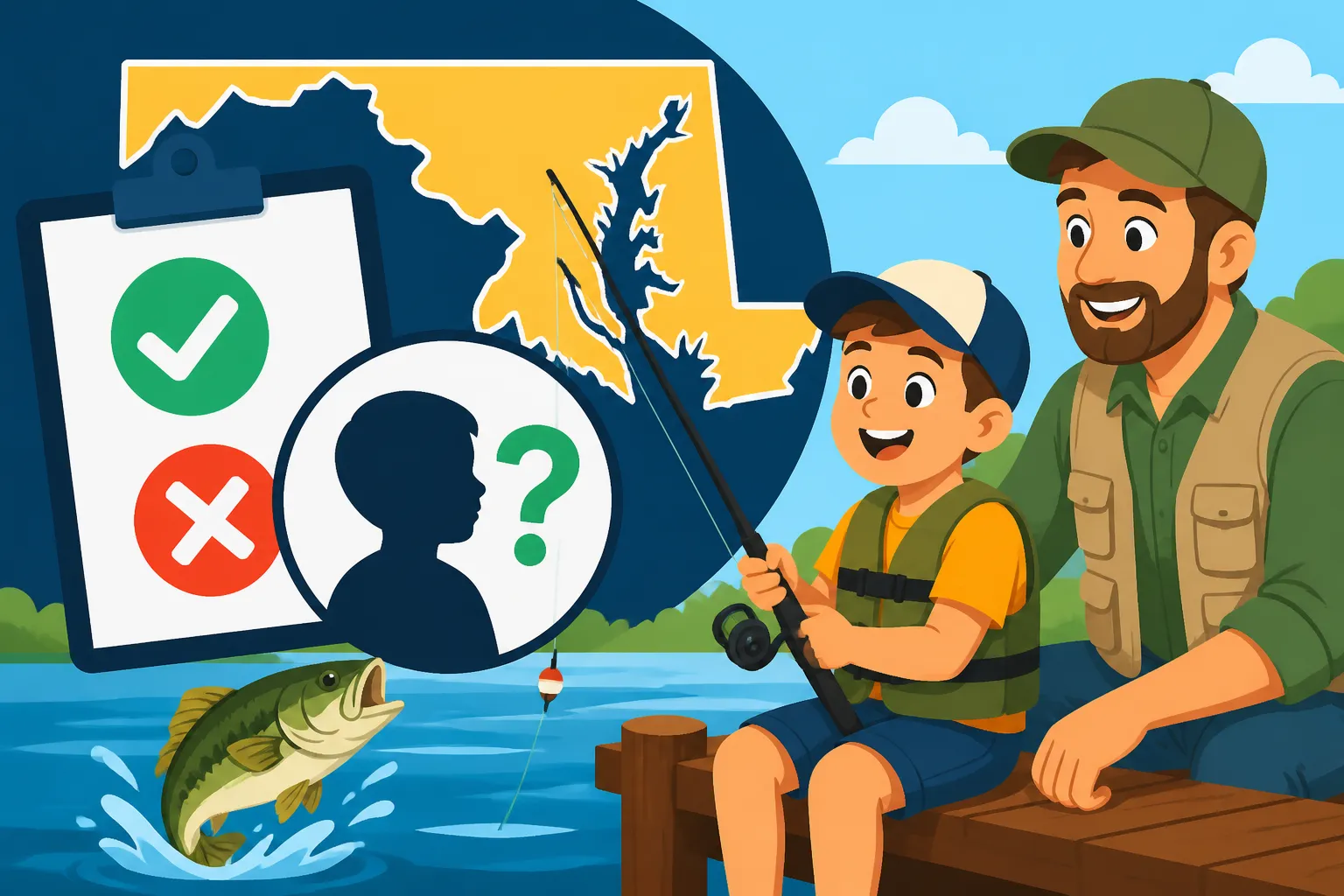
Let's cut right to the chase: in Maryland, any resident or nonresident child under the age of 16 does not need a fishing license to fish in either tidal or nontidal waters. This is a wonderfully straightforward rule designed to encourage youth participation without adding extra hurdles for families. It means your 5-year-old, your 10-year-old, or even your 15-year-old can grab a rod and reel and legally fish anywhere in Maryland where public fishing is allowed, completely license-free.
This exemption is a huge relief for families. Imagine the joy of taking a child fishing for the very first time. You've got the rods, the bait, the snacks, and all the excitement of teaching them how to cast. The last thing you want is to navigate a complex licensing system just for them to try it out. The DNR understands this perfectly, making it simple for kids to explore the state's incredible fishing opportunities. It's about experience, not paperwork, when you're under 16.
However, it's crucial to remember that "under 16" means they must be younger than 16 years old. The day they turn 16, they are legally considered an adult angler in the eyes of Maryland DNR and will need to purchase the appropriate license for the waters they intend to fish. This transition is important to note, especially for those teenage anglers who might be on the cusp of that birthday.
Understanding the "Under 16" Rule
The phrase "under 16" can sometimes be a source of minor confusion. Does it mean "16 and younger," or strictly "anyone who hasn't yet reached their 16th birthday"? To be absolutely clear, in Maryland, it means the latter. If your child is 15 years and 364 days old, they are exempt. The moment they hit their 16th birthday, the exemption no longer applies, and they are required to possess a valid Maryland fishing license.
This precise cutoff helps maintain clarity and ensures that Maryland's fishing regulations align with efforts to introduce fishing to as many young people as possible. It empowers parents to introduce their children to the sport without the burden of additional costs or administrative tasks. This approach reflects a broader understanding of how to cultivate future generations of conservationists and outdoor enthusiasts.
So, when you're planning a trip, say to Deep Creek Lake or the Susquehanna Flats, and your child is enjoying their 14th summer, you can rest assured that they are perfectly legal to fish without any state license. This simple rule is a cornerstone of Maryland's efforts to make fishing a lifelong hobby for its youngest citizens.
What About Fishing with an Adult's License?
Some parents wonder if their fishing license "covers" their child. This is a common misconception that's important to clarify. An adult's fishing license in Maryland does not act as an umbrella license that extends to cover a child. Instead, the child is exempt from needing a license entirely due to their age.
This means you, as an adult (age 16 and over), are required to have your own valid fishing license for the waters you're fishing. Your child, however, does not need one because of their age, not because your license somehow applies to them. It's a direct exemption for the minor. This distinction is subtle but important, as it reinforces that the freedom for kids to fish comes from their own age status, not from being "linked" to an adult's permit.
It simplifies things greatly. You don't need to worry about adding a "youth rider" to your license or checking off a box. If your child is under 16, they're good to go. This makes planning a family outing much easier, allowing you to focus on the tackle box and bait, rather than the bureaucratic details.
Situations Where a Youth License Might Seem Necessary (But Isn't)
The general rule that kids under 16 don't need a license is fairly broad, but specific fishing scenarios sometimes lead to unnecessary confusion. Let's look at some common situations where parents might mistakenly think their child needs a license, only to discover the exemption still holds true.
Participating in Free Fishing Days
Maryland proudly offers several Maryland Free Fishing Days throughout the year, typically in June and July. These days are a fantastic opportunity for everyone, regardless of age, to fish without needing a state fishing license, even if you're an adult. For kids under 16, this simply means that on these designated days, nothing changes for them – they still don't need a license!
The existence of free fishing days might make some parents wonder if their child normally needs a license, but the answer remains no. Free fishing days are primarily designed to give adults, especially those who might be hesitant to buy a full license, a chance to try fishing. For the youth under 16, it's just another day of enjoying Maryland's waters, though it does offer a unique chance for the entire family to fish license-free together. It's truly a celebration of angling accessibility for all ages.
These days are excellent for getting extended family or friends who might not fish often to join in without any license barriers. So, if you're planning a multi-generational fishing trip on one of Maryland's Free Fishing Days, know that your kids under 16 are exempt, and any adults joining you are also covered for that specific day. It's a double win for family fun!
Fishing from Piers and Charter Boats
Another common area of confusion arises when fishing from specific access points or vessels. What about those popular Do You Need a License to Fish From a Maryland Pier? or when you've booked a charter boat? The good news is the "under 16" exemption still largely applies.
When fishing from a public pier in Maryland, children under 16 generally do not need a license. While some specific private piers might have their own rules or require a small access fee, the state's position remains clear for young anglers. For instance, popular spots like Sandy Point State Park's fishing pier are open to kids under 16 without a license, making them excellent, easy-access locations for family outings.
Similarly, if you're taking your child on a guided fishing trip, such as a Maryland Chesapeake Bay Fishing Charter, the child typically does not need their own state license. This is because Does the Charter Captain's License Cover Passengers in Maryland? and their vessel's license covers all paying passengers. So, whether you're targeting striped bass with a charter out of Annapolis or heading offshore from Ocean City, your child's age exemption means one less thing to worry about. This convenience makes charter trips particularly appealing for families introducing youngsters to more serious angling.
Catch and Release Activities
Sometimes anglers wonder if the need for a license changes if they only plan to catch and release. This isn't usually the case for adults, and it certainly doesn't apply to children under 16. Whether your child is enthusiastically reeling in white perch to keep for dinner or carefully practicing their catch and release skills with a feisty largemouth bass, their license status remains the same: exempt if they are under 16.
The purpose of the license is to regulate fishing activity in general, not specifically the act of harvesting. Therefore, the method or intent of the catch (keeping or releasing) does not alter the fundamental age-based exemption for minors. This simplicity means you can teach your children good conservation practices, like proper handling and release techniques, without any additional licensing worries.
This is especially important in areas with special regulations, such as certain trout streams that are designated "catch and release only." Even in these specialized zones, a child under 16 would still not need a fishing license, though they would need to adhere to all other regulations specific to that waterbody, such as using barbless hooks where required. It underscores the broad applicability of the youth exemption across all types of angling in Maryland.
Nuances and Specific Scenarios for Young Anglers
While the general rule for kids under 16 is wonderfully consistent, Maryland's waters are diverse, covering everything from the mighty Chesapeake Bay to small mountain streams. Occasionally, specific water types or additional stamps introduce questions for adult anglers. Let's dive into how these nuances interact with the youth exemption.
Tidal vs. Nontidal Waters: Does it Matter for Kids?
For adults, understanding the difference between Maryland Nontidal vs Tidal Fishing License, Explained is absolutely critical, as these two water types typically require different state licenses. Nontidal waters are generally freshwater rivers, lakes, and reservoirs, while tidal waters are those influenced by the tides, including the Chesapeake Bay and its tributaries, as well as the Atlantic Ocean and coastal bays.
However, for children under 16, this distinction doesn't create any additional licensing requirements. The age exemption applies universally across all Maryland waters, whether they are tidal or nontidal. This means your child can fish for crappie in Loch Raven Reservoir (nontidal) one weekend and then cast for spot and croaker in the Patuxent River (tidal) the next, all without needing a license.
This blanket exemption greatly simplifies family fishing trips. You don't need to consult a map to figure out if you're in a tidal zone or a nontidal zone just to confirm your child's license status. The focus remains on enjoying the diverse fishing opportunities Maryland offers, from the Eastern Shore to Western Maryland, unhindered by complex geographical license distinctions for youngsters.
The Trout Stamp Question for Minors
Beyond the general fishing license, Maryland also requires certain additional permits, the most common being the Maryland Trout Stamp Requirements. This stamp is mandatory for any angler, regardless of age, who intends to fish for or possess trout in designated trout waters of the state. It's often where people assume the "under 16" rule might break.
However, Maryland law is very clear: the trout stamp is also not required for children under 16. So, if you're taking your son or daughter to a stocked trout stream like the Gunpowder Falls or the Savage River, and they are still under 16, they do not need a trout stamp, even if they catch and keep trout (within legal limits for those waters). This continues to ease the financial burden and administrative hassle for families encouraging young anglers.
This exemption means that a family can enjoy the excitement of Maryland's Put-and-Take Trout Waters during the stocking season, with the younger members of the family fishing completely free of charge. This encourages participation in specific fisheries that might otherwise require additional expense, ensuring trout fishing remains a family-friendly activity in Maryland.
Potomac River and Other Interstate Waters
Maryland shares some significant waterways with neighboring states, most notably the Potomac River with Virginia and Washington D.C. Fishing in these shared waters often introduces additional complexities for adults, requiring specific licenses or reciprocity agreements. A key example is the What Is the Potomac River Fisheries Commission License?. This unique license is required for fishing in the main stem of the Potomac River (from the fall line at Chain Bridge down to the mouth) for those aged 16 and older, whether you're a Maryland or Virginia resident.
For children under 16, however, the general Maryland exemption largely holds. They do not need a Maryland state fishing license or a Potomac River Fisheries Commission (PRFC) license to fish in the mainstem of the Potomac River. This applies whether they're fishing from the Maryland side or the Virginia side, as long as they are under 16. The intent is consistent: remove barriers for youth.
It's always a good idea to double-check the latest regulations, especially for specific tributaries of the Potomac that might fall fully within Maryland's jurisdiction. But for the vast majority of fishing on the mainstem, your under-16 angler is free to pursue those feisty smallmouth bass or giant blue catfish without a license. This cross-jurisdictional clarity for youth is a significant benefit for families living near the Potomac.
Encouraging Youth Angling and Resources for Parents
The goal behind Maryland's youth license exemptions is simple: to make it easier for kids to get hooked on fishing. As parents, we want to nurture that interest, and there are many ways to do so, from equipping them with the right gear to finding educational opportunities.
Engaging Kids in Fishing Without the Red Tape
The license exemption is just the first step. The real magic happens when you actively engage your kids. Fishing is more than just catching fish; it's about spending time outdoors, learning patience, understanding ecosystems, and building confidence. Start with simple setups and easily accessible locations. Ponds stocked with sunfish or bluegill are perfect for beginners, offering frequent bites that keep young attention spans engaged.
Consider visiting public fishing piers, like those at Point Lookout State Park, or calm, shallow areas of tidal creeks where white perch or spot are common. These environments provide a safe and exciting introduction. Emphasize the experience – the boat ride, the picnic lunch, the wildlife you see – as much as the fish caught. Sometimes, the biggest catch is a conversation and a shared laugh.
Maryland also has many smaller, family-friendly fishing spots, like those at Rocky Gap State Park's Lake Habeeb, that are ideal for a relaxed day on the water. The lack of license requirement for kids means less stress and more pure enjoyment, fostering a genuine connection to nature that can last a lifetime.
Essential Gear for Young Anglers
While kids don't need a license, they certainly need appropriate gear to make their fishing experience enjoyable and successful. You don't need to break the bank, but a few key items can make a huge difference. Start with a simple, spincast rod and reel combo. These are incredibly easy for small hands to operate and are very forgiving for beginners. Many reputable brands offer durable, brightly colored combos specifically designed for children, often found on platforms like Amazon for a reasonable price.
Beyond the rod and reel, consider a small tackle box filled with basic necessities:
- Bobbers: Easy to see and signal bites.
- Hooks: Small, sharp hooks are key. Size 6 or 8 works well for panfish.
- Weights: Split shot weights are simple to add and remove.
- Bait: Live worms or corn are universal crowd-pleasers for freshwater species. For saltwater, shrimp or bloodworms can be effective.
- Pliers: Essential for removing hooks safely.
- Sun protection: A hat, sunglasses, and kid-friendly sunscreen are non-negotiable.
- Life vest: If fishing near or on water, a properly fitted life vest for each child is crucial.
Having the right gear, which can be easily sourced from local tackle shops or online retailers like Amazon, prevents frustration and enhances the fun. It gives kids a sense of ownership and preparedness, further drawing them into the world of angling.
Educational Programs and Events for Kids
Maryland DNR, along with various local parks and conservation groups, often hosts youth fishing clinics and events. These programs are fantastic for teaching kids fundamental fishing skills, water safety, knot tying, and fish identification in a fun, supervised environment. Look for announcements from your local county recreation and parks department or the Maryland DNR website.
Many of these events are specifically timed around stocking seasons or Maryland's Free Fishing Days to maximize success and engagement. They often provide all the necessary equipment, removing any financial barrier to participation. These programs not only teach kids how to fish but also instill a strong sense of environmental stewardship, promoting responsible angling practices from a young age.
Even if you can't attend an organized event, simply taking your child to a local library to pick out a book on fish identification or stream ecology can spark their interest. There are countless educational resources available, from online videos to kid-friendly fishing guides available on Amazon, that can deepen their understanding and appreciation for the aquatic world.
Common Misconceptions and How to Stay Compliant
Despite the clear exemption for kids under 16, sometimes misunderstandings persist. Being aware of these common pitfalls and knowing how to prevent them can save you a lot of hassle and ensure your family fishing trips are always enjoyable and legal.
Avoiding Fines and Penalties
The primary way to avoid fines and penalties regarding licenses for children is simply to know the rule: if they are under 16, they do not need a license. The moment they turn 16, however, they are subject to the same licensing requirements as any adult. If a 16-year-old is caught fishing without a valid license, they could face the same consequences as an adult, which can include significant Maryland Fishing License Penalties for Violations.
It's a good practice, especially for teenagers approaching their 16th birthday, to make sure they understand this transition. Perhaps even make their first fishing license a birthday gift! It signals their new status as a fully licensed angler and encourages responsible participation in the sport. The DNR's enforcement officers are primarily focused on conservation and safety, and while they are generally understanding, ignorance of the law is not an excuse.
For adults, always ensure your own license is current and valid for the waters you're fishing. The ease of buying a Maryland fishing license online or renewing it quickly means there's little reason to be caught without one. This way, you set a great example for your young anglers about compliance and respect for regulations.
Verifying Age and Documentation
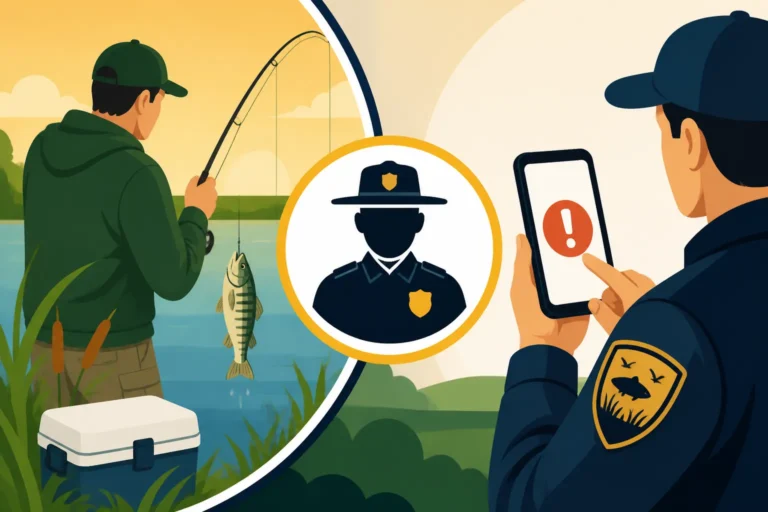
While kids under 16 don't need to carry a physical fishing license, it's always wise to have some form of identification that can verify their age, especially if they look older than their years. A school ID, a copy of a birth certificate, or even a picture of a driver's license (for older teens not yet 16 but close) on your phone could suffice in the rare event that a Natural Resources Police officer questions their age.
This isn't a common occurrence, as NRP officers are typically very friendly and focused on educating the public, especially young anglers. However, being prepared with documentation is a simple step that can eliminate any potential for misunderstanding. It's similar to having an ID for an older child who might be questioning their age at a movie theater or theme park.
For those situations where a child is truly on the cusp of their 16th birthday, having that ID ready just provides an extra layer of peace of mind. Again, this is a rare situation, but responsible preparation never hurts when enjoying public recreation.
Changes in Regulations Over Time
Fishing regulations, including licensing requirements, are not static. They can change from year to year, or even mid-season, based on scientific data, conservation needs, and legislative action. While the "under 16" exemption has been a long-standing policy in Maryland, it's always a good habit to quickly check the latest Maryland Fishing Regulations Guide, explained and available on the DNR website, before your annual family fishing adventures.
The Maryland DNR is very proactive in communicating changes through their website, social media channels, and through their annual fishing guide. Staying informed ensures you're always compliant, not just with license rules but also with species-specific size and catch limits, and seasonal closures that do apply to all anglers regardless of age.
For example, while kids don't need a license, they still need to adhere to Maryland Striped Bass Season and Rockfish Rules or Maryland Flounder Size Limit. These regulations are in place to protect fish populations for everyone, including future generations of anglers. Keeping up-to-date helps ensure the sustainability of Maryland's fantastic fishing resources for your kids and grandkids.
| Age Group | Maryland Fishing License Required? | Trout Stamp Required? | Potomac River Fisheries Commission License Required? |
|---|---|---|---|
| Under 16 | No | No | No |
| 16 and Over | Yes (State-specific) | Yes (If fishing trout waters) | Yes (If fishing mainstem Potomac) |
Ultimately, Maryland makes it incredibly easy for kids under 16 to go fishing. The consistent exemption across all waters, most access types, and even for specific stamps like the trout stamp, highlights the state's commitment to nurturing a love for fishing in its youth. So pack your gear, grab your kids, and head out to make some unforgettable memories on Maryland's beautiful waters. The next generation of anglers is waiting!
Disclaimer
Please note that fishing regulations can change. While this guide provides the most current information available, it is always the angler's responsibility to consult the official Maryland Department of Natural Resources (DNR) website or their annual fishing guide for the most up-to-date and complete regulations before engaging in any fishing activities.