When Does Maryland’s Rockfish Harvest Season Open in 2026?
It can be incredibly frustrating to keep up with fishing regulations, especially when it comes to a highly sought-after species like Maryland's rockfish, also known as striped bass. Seasons and limits seem to shift frequently, leaving anglers scrambling to figure out when they can actually hit the water and bring home some dinner. This comprehensive guide is here to cut through the confusion and provide you with the most current information available regarding when Maryland's rockfish harvest season is anticipated to open in 2026, along with other critical details you'll need to know.
Understanding Maryland's Striped Bass Management and Season Dynamics
Before we dive into specific dates, it's important to understand why rockfish seasons are so dynamic in Maryland. The Chesapeake Bay striped bass population is a shared resource, managed not just by Maryland but by other states along the Atlantic coast through the Atlantic States Marine Fisheries Commission (ASMFC). This means decisions about harvest quotas and season structures are made at a regional level, then implemented by individual states like Maryland. The goal is always sustainability, ensuring there are enough fish for future generations, even if it means tighter regulations in the short term.
The Influence of Stock Assessments and Conservation Efforts
Maryland's Department of Natural Resources (DNR) constantly monitors the health of the striped bass stock. They conduct surveys, analyze catch data, and participate in these larger regional stock assessments. When a stock assessment indicates that the population is declining or not rebuilding as quickly as hoped, stricter measures are often put into place. This can mean shorter seasons, reduced catch limits, or changes to slot limits. Anglers often feel the pinch of these conservation efforts, but they are crucial for the long-term viability of this iconic fish. Just last year, for instance, we saw significant discussions around How Maryland's Striped Bass Rules Changed From Last Year, highlighting the constant evolution of these regulations. It’s a delicate balance between providing recreational opportunities and protecting the species.
How Season Dates Are Determined and Announced
Typically, the process for finalizing fishing regulations for the upcoming year, especially for a key species like striped bass, unfolds throughout the late fall and winter of the preceding year. This means that while 2026 might seem far off, preliminary discussions and recommendations are often made in late 2025. The Maryland DNR will take the ASMFC's recommendations, consider public input, and then propose specific dates and regulations. These proposals then go through a public comment period before being formally adopted and published. This is why official, concrete dates for 2026 are usually not released until closer to the end of 2025 or very early 2026. Keep a close eye on the Maryland DNR's website and official announcements, as that's where the definitive information will land.
Anticipated Opening Dates for Maryland's 2026 Rockfish Harvest Season
While we don't have the exact confirmed dates for 2026 yet (remember, those typically come out closer to the end of the preceding year), we can look at historical patterns and the current management landscape to give you a very strong indication of what to expect for Maryland's rockfish harvest season opening. Maryland's recreational striped bass season, particularly in the Chesapeake Bay and its tributaries, is usually structured into several distinct segments.
Spring Season Opening in the Chesapeake Bay and Tributaries
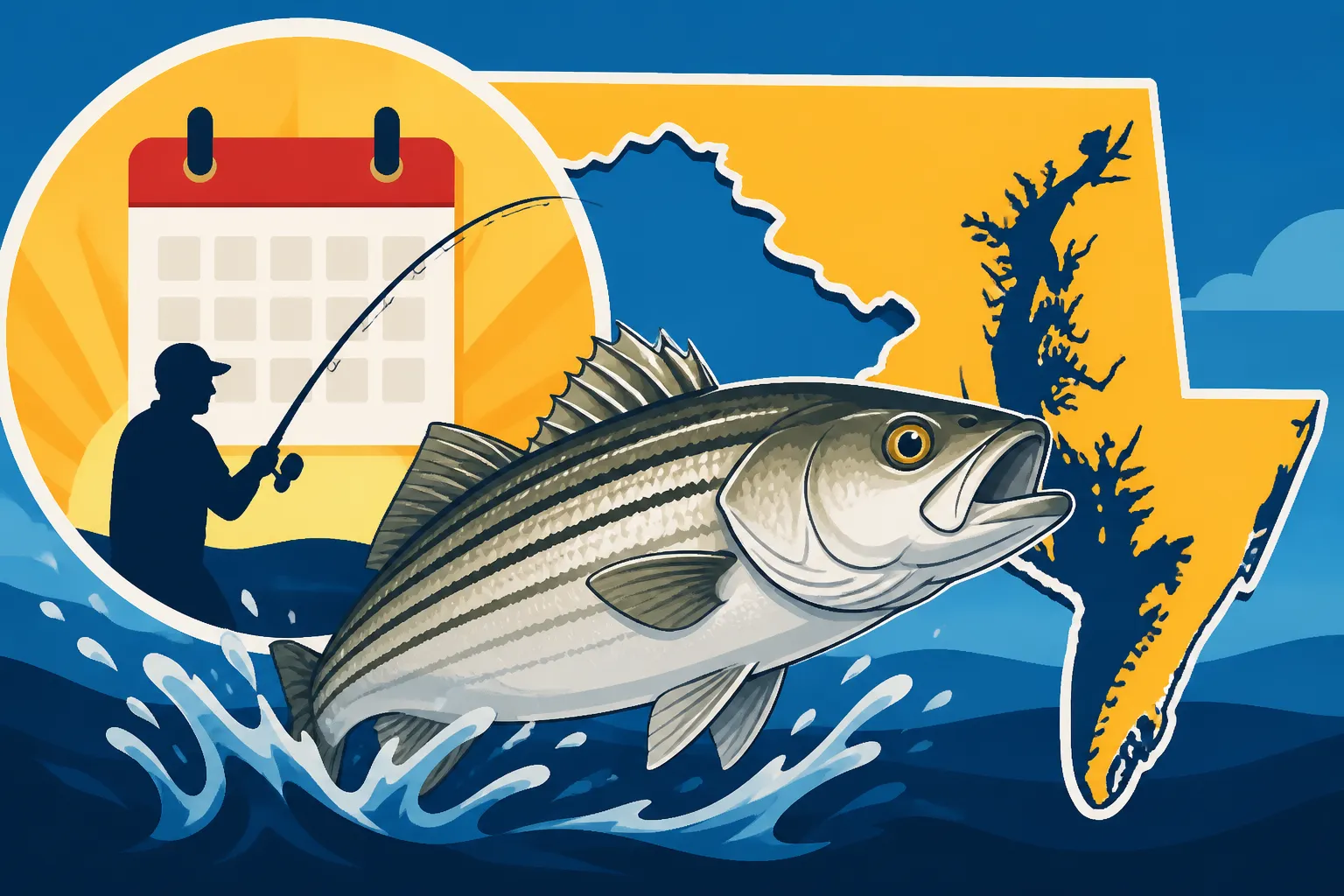
Historically, the most anticipated opening for recreational harvest in the Chesapeake Bay occurs in the spring. This season typically begins in early to mid-May and runs for a few weeks. Based on recent years and ongoing conservation efforts, it is highly probable that the 2026 spring trophy striped bass season will open sometime in early to mid-May, often around the second or third Saturday of the month. This initial phase usually targets larger fish, often referred to as "trophy rockfish," as they return from spawning. For example, in previous years, this season has often kicked off around May 1st or the first Saturday in May. It's a short, intense window, and many anglers eagerly await it. You'll want to be familiar with the Maryland Spawning River Closures for Striped Bass during this time, as certain areas are off-limits to protect the spawning fish.
Summer and Fall Season Openings
Following the brief spring trophy season, there's typically a more extended summer/fall season for striped bass in the Chesapeake Bay and its tributaries. This later season usually begins in mid-May or early June and runs through the summer, often with a mid-summer closure to protect fish during warmer water temperatures when they are more vulnerable. A crucial aspect to note is the common closure throughout much of August. After this summer break, the season often reopens in September and continues into December.
Here's a projected breakdown based on typical patterns, which will be solidified closer to the end of 2025:
| Season Segment (Projected) | Approximate Start Date (2026) | Approximate End Date (2026) | Typical Target | Notes |
|---|---|---|---|---|
| Spring Trophy Season | Early to Mid-May | Mid-May | Larger Striped Bass | Short window, often one fish per person, specific slot limit. |
| Summer Season | Mid-May or Early June | Mid-July | Standard Striped Bass | More liberal slot limit than spring. |
| Summer Closure | Mid-July | Late August | N/A | No harvest allowed, often catch-and-release only in some areas. |
| Fall Season | Early September | Mid-December | Standard Striped Bass | Similar regulations to summer, sometimes adjusted. |
Please remember, these are projected dates based on historical patterns and current management trends. The definitive dates will be formally announced by the Maryland DNR closer to 2026. When those official dates drop, our guide on Maryland's 2026 Striped Bass Season Dates will be updated immediately.
Key Regulations Beyond Opening Day to Know for 2026
Knowing when the season opens is just the first step. Maryland's striped bass regulations encompass much more than just dates. To avoid fines and contribute to conservation, you need to understand size limits, creel limits (how many fish you can keep), and potential gear restrictions. These aspects are often announced concurrently with season dates, so it's vital to look at the complete picture.
Maryland’s Rockfish Slot Limit Explained
One of the most impactful regulations for rockfish anglers is the slot limit. Instead of a simple minimum size, Maryland often employs a slot limit, meaning you can only keep fish that fall between a specific minimum and maximum length. For instance, a common slot limit might be "19 to 24 inches." This means any fish shorter than 19 inches must be released, and any fish longer than 24 inches must also be released. The purpose of a slot limit is to protect both juvenile fish (below the minimum) and the larger, most productive breeding-size fish (above the maximum), allowing them to contribute more to the population. Make sure you have a reliable measuring device, perhaps a ruler easily found on Amazon, that attaches to your boat or tackle box to accurately measure your catch. Our dedicated article, Maryland Rockfish Slot Limit Explained, delves into this in much greater detail.
Daily Bag Limits and Possession Limits
Another critical piece of the puzzle is the daily bag limit, which dictates how many fish you can keep per person per day. For striped bass, this is often one or two fish, depending on the season segment and the specific year's conservation goals. For example, the spring trophy season might allow only one fish per angler, while the summer/fall season could potentially allow two, though recent trends have often favored one. It's essential to understand that this is a daily limit, not a possession limit over several days. If you fish two days in a row, you can catch your daily limit each day, but you cannot combine them in your cooler in a way that suggests you exceeded a daily limit on one particular day. Familiarize yourself with Maryland Striped Bass Daily Limit Per Angler to ensure compliance.
Understanding Specific Area Closures and Exceptions
Beyond the general Bay-wide seasons, there are often specific area closures or different rules for particular bodies of water. For instance, certain spawning rivers or parts of rivers may have stricter catch-and-release rules or be entirely closed during specific times to protect spawning striped bass. The Atlantic Ocean and its coastal bays also frequently have different regulations than the Chesapeake Bay. This means if you're planning a trip to Ocean City or Assateague Island, you'll need to check those specific rules as well. Always consult the official Maryland DNR Fishing Guide, often available online and through their app, before heading out. It's also vital to ensure you have the correct Maryland Fishing License Guide for 2026 and specifically the Maryland Chesapeake Bay Sport Fishing License Explained if you plan to fish those waters.
Staying Informed About Future Maryland Rockfish Season Updates
Given how frequently regulations can change, staying on top of the latest news is almost as important as having the right bait. Nobody wants to be caught off guard by an unexpected closure or a change in limits after they’ve planned their whole fishing trip.
Reliable Sources for Official Information
The absolute best source for official, up-to-date Maryland fishing regulations is the Maryland Department of Natural Resources (DNR) website. They are the governing body responsible for setting and enforcing these rules. They will publish all official announcements, including the confirmed 2026 rockfish season opening dates, slot limits, and bag limits. Signing up for their email newsletters or following their social media accounts can also be a great way to get real-time updates directly to your inbox or feed. Additionally, local tackle shops and bait stores often have physical copies of the annual fishing guide and can be a good resource for understanding local nuances. Many local fishing forums and Facebook groups are also excellent sources for community discussion and quick updates, though always verify information with the official DNR site.
How to Prepare for Potential Changes
The best way to prepare for potential changes in regulations is to operate with a mindset of flexibility. Avoid making rigid plans too far in advance for trophy hunts that might be subject to short-notice changes. Always assume that conservation will be the priority, and adjust your expectations accordingly. Investing in a good digital fishing scale and a durable measuring tape, like those available on Amazon, is always a smart move to ensure you can accurately measure and weigh your catch on the spot. Staying informed about the broader health of the striped bass population, through news articles and ASMFC reports, can also give you a heads-up on whether tighter or looser regulations might be on the horizon. For a comprehensive overview of all species, consult Maryland Fishing Size and Catch Limits by Species.
Remember, the goal for everyone—anglers and regulators alike—is a healthy fishery. By staying informed and adhering to the rules, we all play a part in ensuring that the thrill of catching Maryland's rockfish remains a cherished experience for years to come.
Disclaimer
The information provided in this guide regarding Maryland's 2026 rockfish harvest season opening dates is based on current understanding, historical patterns, and anticipated regulatory processes. Exact dates and regulations are subject to change and will be formally announced by the Maryland Department of Natural Resources (DNR) closer to or during late 2025/early 2026. Always consult the official Maryland DNR website and their latest fishing guide before engaging in any fishing activities to ensure compliance with the most current laws and regulations.