Does the Charter Captain’s License Cover Passengers in Maryland?
It’s a common scenario: you’ve booked a fantastic fishing charter on the Chesapeake Bay, picturing yourself reeling in that trophy striped bass. You show up, excited, tackle box in hand, only for a nagging question to pop into your head: "Wait, do I need my own fishing license, or does the charter captain's license cover everyone?" This confusion is totally understandable, and it's a question many anglers new to Maryland’s waters face. This guide is here to clear up that mystery once and for all, ensuring you're fully prepared and legal for your next angling adventure in Maryland.
Understanding Maryland Fishing License Basics for Charters
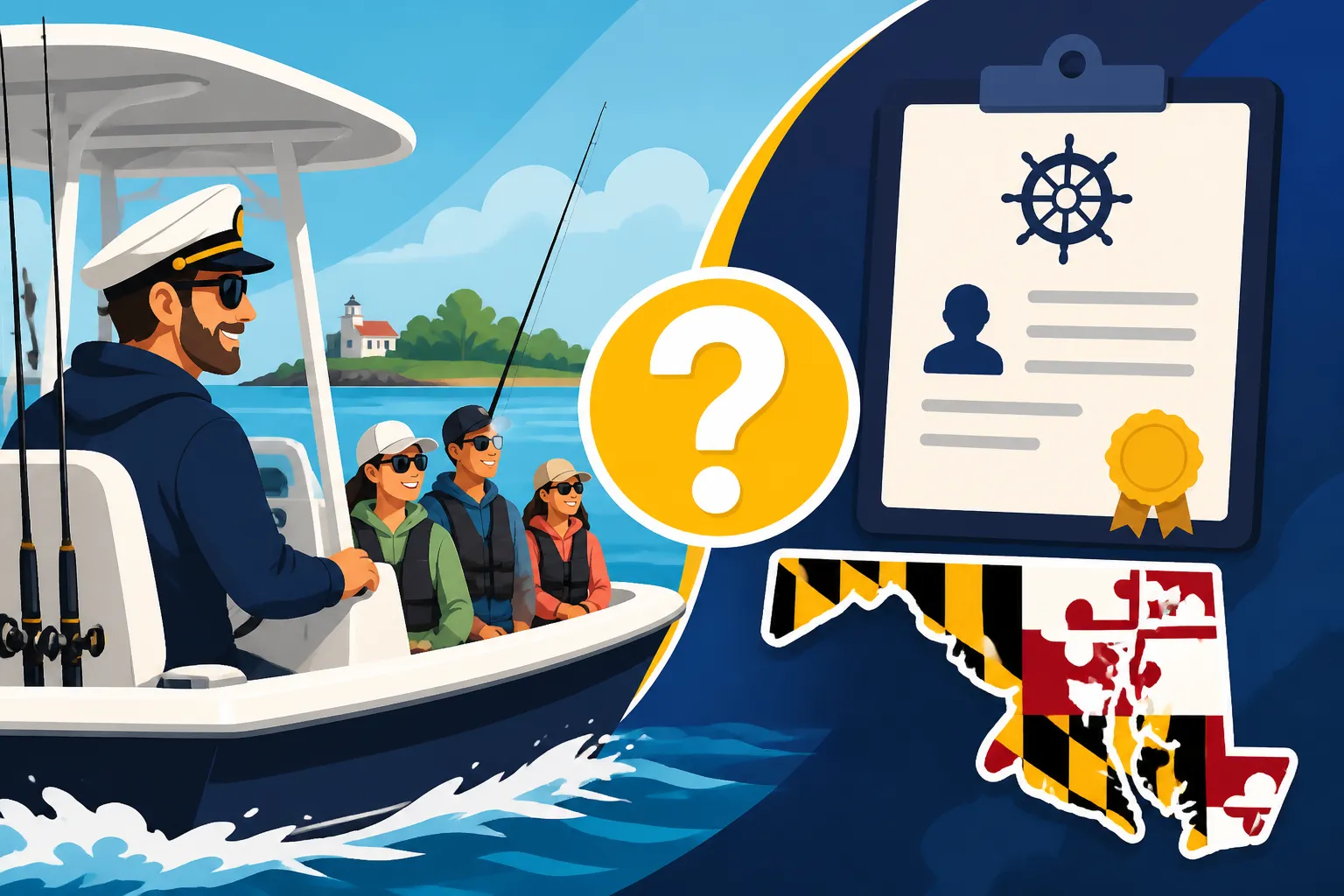
Before we dive into the specifics, it's crucial to understand that fishing licenses and boat operating licenses are two very different things. Your charter captain is a professional mariner, holding licenses from the U.S. Coast Guard (USCG) to operate a vessel for hire. This license attests to their competency in navigation, safety, and seamanship – essentially, it certifies they can safely take paying passengers out on the water. What it doesn't automatically do is act as a blanket fishing license for everyone on board.
The Captain's Role and Responsibilities
When you step onto a Maryland fishing charter, you're placing your trust in the captain's hands. They are responsible for your safety, navigating the boat, knowing the best fishing spots, and adhering to all maritime laws. This includes ensuring the vessel itself is properly licensed and registered with the Maryland Department of Natural Resources (DNR) as a commercial fishing vessel. This commercial registration is key, as it's the foundation for the passenger exemption we'll discuss shortly. Without this, they couldn't even run a charter legally.
The captain also has a keen eye on the fishing regulations for the day – catch limits, size restrictions, open seasons, and more. They’re the ones who typically provide the gear, bait, and often, the expertise to make your trip a success. However, their operational license, while vital for the business, is separate from the individual angling permits that you, as a passenger, might need to possess. It's easy to assume their comprehensive commercial license covers everything, but that's where the misunderstanding often begins.
The Passenger's Angling Responsibility
This is where the rubber meets the road. In most cases, if you're an adult angler, you are responsible for possessing the appropriate fishing license for the waters you intend to fish. It's a fundamental principle of responsible angling, helping to fund conservation efforts and fish stocking programs across the state. The misconception that the charter covers everyone is widespread, and it’s critical to clarify this to avoid any potential legal issues or fines during your trip.
Imagine showing up to the dock, full of anticipation, only to learn at the last minute that you needed a license you don't have. It could lead to a frantic last-minute scramble to buy one online, or worse, being unable to fish legally. Maryland's diverse waterways, from the vast Chesapeake Bay to tranquil inland lakes, each have specific licensing requirements. Knowing these upfront can save you a lot of hassle and ensure your focus remains on enjoying your time on the water. For a general overview, it’s always a good idea to check out the Maryland Fishing License Guide for 2026 which can provide a broader context for all types of angling.
Specific License Requirements for Maryland Charter Passengers
Maryland’s fishing regulations can feel a little like a maze, especially when you're trying to figure out if you need a license on a charter boat. The good news is, for many popular charter destinations, there’s an exemption that often applies. The key distinction lies between tidal and nontidal waters.
Tidal Waters Chesapeake Bay and Coastal Areas
This is where the common misconception about charter licenses often originates, and for good reason! If you're fishing on a licensed charter boat in Maryland's tidal waters—which includes the Chesapeake Bay, its tidal tributaries, and the Atlantic Ocean coastal bays and ocean—you are generally exempt from needing your own individual Maryland fishing license. This is a huge relief for many anglers, especially out-of-state visitors.
Why the Exemption? This exemption exists because the charter boat itself, being a commercial operation, pays a substantial annual fee to the Maryland DNR. This fee, along with regular reporting of their catch, contributes to the state's fisheries management and conservation efforts. Essentially, the boat's commercial license covers the collective angling activity of its patrons. So, when you book a trip with a legitimate, commercially licensed charter that's registered with the Maryland DNR, you typically don't need to purchase a separate Maryland Chesapeake Bay Sport Fishing License Explained or a Maryland Saltwater Angler Registration. This is one of the distinct advantages of fishing with a charter: the ease of not having to worry about your personal license for that particular trip.
Confirming the Charter's Status: It is absolutely paramount to confirm with your specific charter captain or booking agent that their vessel is properly licensed and registered to cover passengers. While this is the norm for most reputable charter operations, a quick inquiry before you book, or even before you depart, can provide immense peace of mind. Just ask, "Does your commercial license cover my need for a personal fishing license on this trip?" A good captain will be happy to explain it.
Nontidal Waters Lakes, Rivers, and Reservoirs
Now, here's where things change significantly, and it's a common trap for the unwary. The exemption for charter passengers does not extend to nontidal waters. If you're booking a guided trip on one of Maryland's beautiful freshwater lakes, rivers, or reservoirs—such as Deep Creek Lake, Loch Raven Reservoir, or the nontidal sections of the Potomac River—you, as a passenger, will need your own individual Maryland Nontidal Fishing License.
This applies whether you're fly fishing for trout on the Gunpowder River or chasing largemouth bass in a reservoir. Your guide's license is for guiding, not for covering your personal angling permit. The state manages its freshwater fisheries differently, and individual angler contributions through license sales are crucial for maintaining these specific ecosystems.
Types of Nontidal Licenses: Maryland offers various nontidal license options to suit different needs:
- Annual Licenses: These are valid for a full calendar year and are great for residents or frequent visitors. You can check out the Maryland Resident Annual Fishing License Cost for specific pricing.
- Short-Term Licenses: For those just visiting for a weekend or a few days, options like a 7-day or 3-day nontidal license are available. These are perfect for a one-off guided trip. Non-residents will find specific options like the Maryland Nonresident Annual Nontidal License Cost if they plan multiple trips.
It's vital to know the difference between tidal and nontidal regulations. If you're unsure, always assume you need a license and consult the MD DNR website or your charter captain. For a deeper dive into these distinctions, the article on Maryland Nontidal vs Tidal Fishing License, Explained is an excellent resource.
Here's a quick comparison table to help visualize the requirements:
| Water Type | Charter Captain's License Coverage for Passengers | Individual Passenger License Required? | Common Examples |
|---|---|---|---|
| Tidal Waters | YES, if commercially licensed and registered | NO (for most adult anglers) | Chesapeake Bay, Coastal Bays, Atlantic Ocean |
| Nontidal Waters | NO (guide license covers guiding, not angling) | YES (for most adult anglers) | Deep Creek Lake, Loch Raven, Potomac River (nontidal) |
Exemptions and Special Considerations
While the general rule for tidal charters is "no individual license needed" and for nontidal charters it's "yes, you need one," there are always a few nuances and blanket exemptions that apply across the board in Maryland. Knowing these can help simplify your planning, whether you’re on a charter or fishing solo.
Who is Always Exempt, Regardless of Charter?
Maryland law provides a few universal exemptions for certain individuals, which means these folks don't need a fishing license, even if the charter doesn't cover them, or if they're fishing independently.
- Youth Anglers Under 16: This is perhaps the most common exemption. Children under the age of 16 are not required to possess a fishing license in Maryland, whether they are fishing in tidal or nontidal waters, and whether they are on a charter boat or fishing from a pier. This is a wonderful initiative to encourage young people to get into fishing, making it easier for families to enjoy the sport together. So, if you're bringing your kids along, you can rest assured they're covered. For more details, see Do Kids Need a Fishing License in Maryland?.
- Maryland's Free Fishing Days: The state of Maryland designates specific days throughout the year as "Free Fishing Days." On these days, all anglers, both resident and nonresident, can fish in all of Maryland's waters (both tidal and nontidal) without needing a license. This is a fantastic opportunity to try out fishing or introduce a friend to the sport without the commitment of buying a license. If your charter happens to fall on one of these days, consider it a bonus! You can find out more about these opportunities in Maryland's Free Fishing Days in June and July.
- Riparian Landowners (on their own property): While less relevant to a charter scenario, it's worth noting that if you own land that borders a private pond or part of a river, you typically don't need a license to fish from your own property. However, this exemption doesn't extend to public waters or when fishing from a boat that has left your private property.
The Potomac River and Reciprocal Agreements
The Potomac River is a special case in Maryland’s fishing regulations. Because it forms a border with Virginia and West Virginia, and its fisheries are managed by an interstate commission, it operates under unique rules. The Potomac River Fisheries Commission (PRFC) governs fishing in the tidal portion of the Potomac River.
If your charter trip is exclusively on the tidal Potomac River, you might be covered by a PRFC recreational fishing license that the charter captain possesses. However, this is distinct from a general Maryland fishing license. It's an area where it's particularly important to verify with your captain exactly what licenses they hold and what waters they cover. Some charters may have a PRFC license in addition to their Maryland DNR commercial registration, offering broader coverage. For intricate details about this unique body of water, it's helpful to review What Is the Potomac River Fisheries Commission License?.
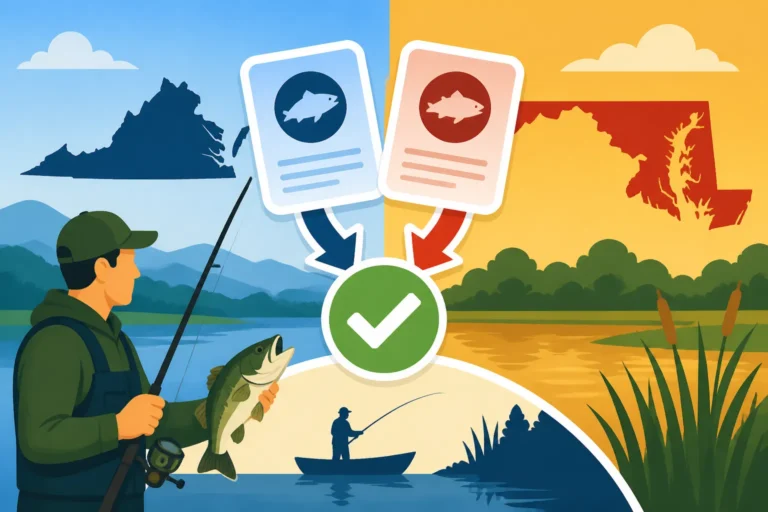
It's also important to understand that while Maryland has reciprocal agreements for some freshwater fishing with certain states (like Virginia for specific parts of the mainstem Potomac), these agreements primarily apply to individual anglers with personal state licenses, not necessarily to the complex layering of charter licenses. When in doubt on the Potomac, always confirm with your guide or captain.
Planning Your Charter Trip What You Need to Know
Going on a fishing charter is an investment in an experience, and you want to make sure it goes smoothly. Understanding the license requirements beforehand is a big part of that. Beyond the legalities, a little preparation goes a long way to ensuring a fantastic day on the water.
Verifying Your Charter's Coverage
The single most important piece of advice when booking a charter in Maryland is to ask questions and confirm everything ahead of time. Don't assume. A reputable charter captain will be transparent and happy to provide all the necessary information.
Here’s what you should ask:
- "Is your boat commercially licensed and registered with the Maryland DNR?" This is the fundamental question for tidal water charters. Their affirmative answer usually means you don't need a personal license for that specific trip.
- "Do I need my own individual fishing license for this trip?" This direct question cuts through any confusion. Specify whether you're talking about tidal or nontidal waters, as the answer will depend on it.
- "What species are we targeting, and what are the current regulations for them?" While not directly about licenses, a captain who readily shares this information demonstrates professionalism and a commitment to legal and responsible fishing. They should be up-to-date on everything from Maryland Striped Bass Season and Rockfish Rules to the latest flounder limits.
Don't be shy about confirming these details. It’s better to ask upfront than to face an unexpected situation on the water, like a visit from the Maryland Natural Resources Police (NRP) who enforce these regulations.
How to Acquire a Fishing License
If your charter is on nontidal waters, or if for some reason your tidal charter doesn't cover your license, getting one is quite straightforward in Maryland.
- Online: The easiest and fastest way to purchase a Maryland fishing license is through the Maryland DNR's Compass online licensing system. You can do this from your computer or even your smartphone. It only takes a few minutes, and you can usually print your license right away or save a digital copy to your device. This is incredibly convenient for last-minute needs.
- Authorized Vendors: Many sporting goods stores, bait and tackle shops, and even some Walmarts and K-Marts across Maryland are authorized to sell fishing licenses. This is a great option if you prefer to purchase in person or if you need to pick up some last-minute bait or gear. These vendors can also often provide local insights into fishing conditions.
- By Mail: While less common for immediate needs, you can also apply for a license by mail through the MD DNR.
While you can't buy a fishing license directly on a platform like Amazon, you can certainly use it to stock up on all the accessories you might need for your trip. Thinking of a new wide-brimmed hat to protect you from the sun, or perhaps a comfortable, quick-drying fishing shirt? Amazon offers a huge selection of gear that will make your time on the water more enjoyable. Preparing with the right clothing and small tools can really enhance your charter experience, regardless of license details.
Consequences of Fishing Without a License
Fishing without the appropriate license in Maryland, when one is required, is no laughing matter. It's considered a violation of state law and can lead to significant penalties. The Maryland Natural Resources Police (NRP) actively patrol the state's waterways, and they are well-versed in checking for compliance.
- Fines: The most immediate consequence is typically a monetary fine. These fines can vary depending on the specific violation and whether it's a first offense, but they are generally designed to be a deterrent. A fine for fishing without a license can quickly outweigh the cost of an annual or even a short-term license. For detailed information on potential repercussions, you can look into Maryland Fishing License Penalties for Violations.
- Confiscation: In some cases, your fishing gear or even your catch could be confiscated.
- Impact on Conservation: Beyond the legal penalties, fishing without a license undermines the very conservation efforts that make Maryland a fantastic place to fish. License fees directly fund fish stocking, habitat restoration, research, and enforcement, all of which are critical to maintaining healthy fish populations for future generations.
It’s always best to err on the side of caution and ensure you are fully compliant with Maryland’s fishing regulations. A little research and preparation before your trip will ensure your focus remains on the thrill of the catch, not on potential legal issues.
Disclaimer
Please note that fishing regulations can change. While every effort has been made to provide accurate and up-to-date information, it is always the angler's responsibility to consult the latest Maryland Department of Natural Resources (DNR) fishing guide or website for the most current regulations before heading out.