Fishing Maryland’s Fall Trout Stocking Season
The crisp air, the changing leaves, and the promise of plentiful trout are what many anglers dream of, but navigating the specifics of Maryland's fall trout stocking season can sometimes feel like trying to tie a fly with cold fingers. It's easy to get confused about when and where these beautiful fish are released, what gear you truly need, and how to actually entice them to bite in cooler temperatures. This guide aims to clear up all that uncertainty, offering you a comprehensive look at how to make the most of Maryland's vibrant autumn trout fishing opportunities, ensuring your next trip is both enjoyable and successful.
Understanding Maryland's Fall Trout Stocking Program
Fall is a truly magical time in Maryland, not just for the stunning foliage, but for us anglers, it ushers in one of the most exciting periods: the fall trout stocking season. The Maryland Department of Natural Resources (DNR) goes to great lengths to provide these opportunities, transforming many of our local waterways into prime trout fishing destinations. It's a fantastic effort, bringing the joy of trout fishing closer to home for countless residents and visitors alike, and understanding the ins and outs of this program is the first step to a successful autumn on the water.
When and Where Trout Are Stocked in the Fall
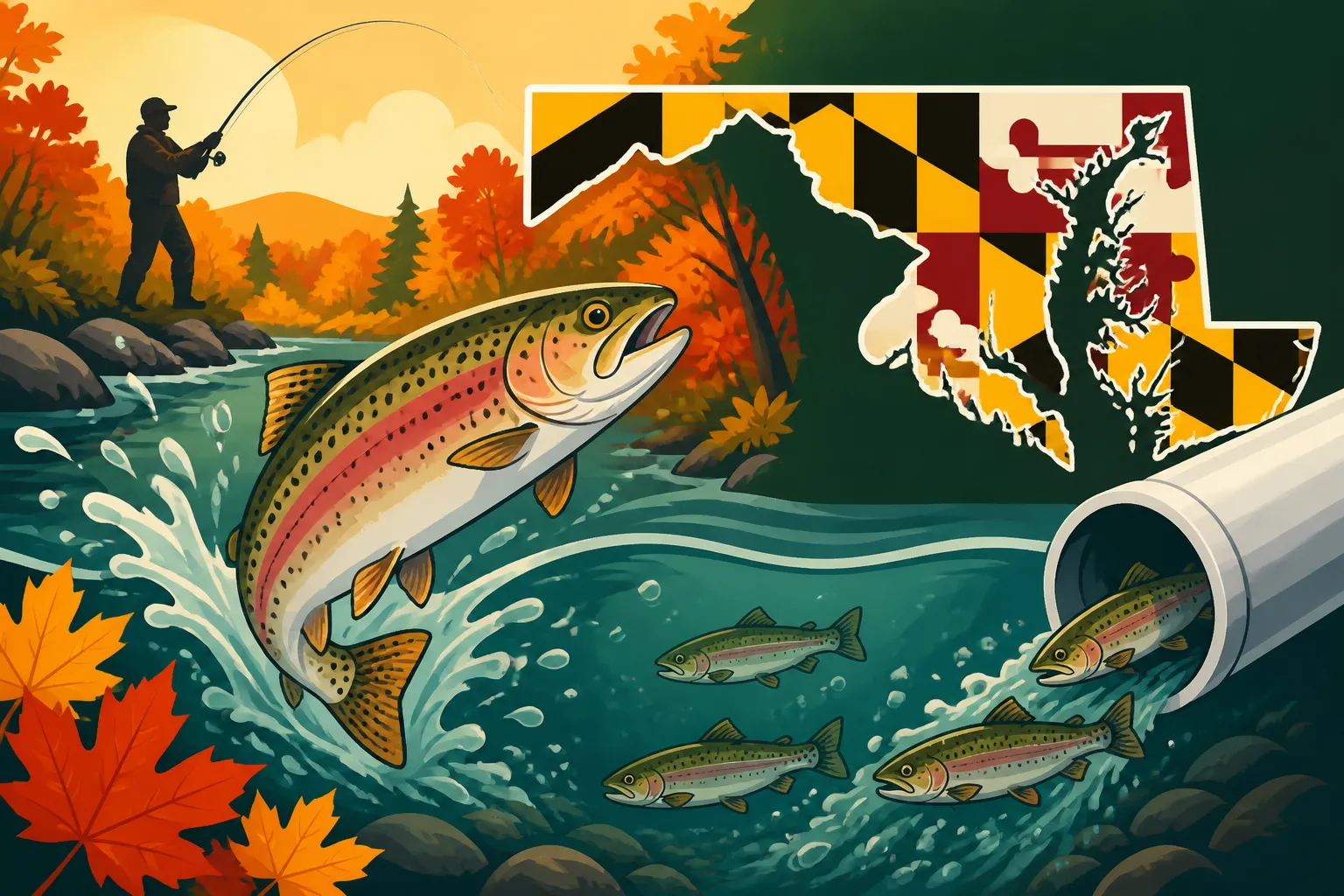
Unlike the spring stockings, which often feel like a mad rush, the fall trout stocking season in Maryland typically begins in October and can run well into November, depending on water temperatures and conditions. The timing is a bit more relaxed, but just as exciting. The Maryland DNR aims to stock thousands of rainbow trout, and sometimes brown trout, into various streams, rivers, and even some lakes across the state. These aren't just random drops; the DNR carefully selects locations that can support these fish through the cooler months and offer good public access for anglers. You'll find these stockings in specific "Put-and-Take Trout Waters" and even some "Delayed Harvest Trout Waters" which offer different fishing experiences and regulations. Keep an eye on the official DNR stocking schedule, usually released weekly, to pinpoint the exact locations and dates, which are often kept under wraps until shortly before the fish hit the water to distribute angler pressure.
These stockings revitalize waterways that might have become too warm for trout during the summer, providing a fresh influx of fish just as temperatures become ideal for trout activity again. From the larger rivers in Western Maryland to smaller streams flowing through central counties, the variety of locations means there's often a stocked waterbody within a reasonable drive, making it accessible for a quick afternoon trip or a full day of angling adventure. Knowing the general areas that receive fall stockings can help you prepare, even before the specific dates are announced. You'll want to check out locations like the Gunpowder River, Patapsco River, and many smaller community ponds. For more details on specific types of trout waters, you might find our guide on Maryland Put-and-Take Trout Waters, What That Means particularly helpful.
The Importance of Fall Stockings for Anglers
The fall stockings are crucial for several reasons, both for the angling community and the health of local economies. Firstly, they extend the trout fishing season significantly. Without these efforts, many warmer-water areas would only offer limited trout fishing in the earliest spring. The cooler fall temperatures create a perfect environment where the stocked trout thrive, offering an excellent opportunity for anglers to enjoy their sport long after other species have slowed down. It's a chance to get out, enjoy the beautiful autumn scenery, and have a high probability of success, which is incredibly encouraging for new anglers and seasoned veterans alike.
Secondly, these stockings play a vital role in local conservation efforts and community engagement. The funds from fishing license sales and trout stamps directly support these programs, highlighting the importance of every angler doing their part. If you've ever wondered Where Maryland's Trout Stamp Money Goes, it directly contributes to these very stocking efforts. By purchasing your Maryland Trout Stamp Requirements and license, you're not just getting permission to fish; you're investing in the future of Maryland's fisheries. The consistent availability of stocked trout also helps alleviate pressure on wild trout populations, allowing them to remain robust and self-sustaining in their native, colder stream habitats.
Essential Gear for Fall Trout Fishing in Maryland
Venturing out for fall trout in Maryland requires a thoughtful approach to your gear. The conditions can be variable, from crisp, sunny days to chilly, damp ones, and the water temperatures are constantly dropping. Having the right setup not only makes your fishing more comfortable but significantly increases your chances of success. You don't need to break the bank, but a few key items will make all the difference when you're targeting these freshly stocked fish.
Rods, Reels, and Line for Cooler Waters
For most fall trout fishing in Maryland, a light to medium-light spinning rod, typically 6 to 7 feet in length, is your best friend. This length offers a good balance of casting distance for covering wider stretches of water and sufficient sensitivity to feel those subtle trout bites. Couple this with a small spinning reel, something in the 1000 to 2500 series, spooled with 4 to 6-pound test monofilament or fluorocarbon line. Monofilament has a bit more stretch, which can be forgiving with aggressive takes, while fluorocarbon is nearly invisible underwater and offers excellent sensitivity. Many anglers find a happy medium using a braided main line with a fluorocarbon leader. For example, a 6-pound braid tied to a 4-pound fluorocarbon leader provides both casting distance and stealth. You can easily find quality options for these setups on platforms like Amazon, with brands like Shimano, Daiwa, and Penn offering reliable choices.
The cooler water temperatures of fall often mean trout are a bit more sluggish than their spring counterparts, so a lighter line can be crucial for a natural presentation. Remember, these fish have just been introduced to a new environment, and while they might be eager to feed, they can also be wary. A lighter line makes your bait or lure look more natural, which can be the deciding factor between a strike and a missed opportunity. If you're planning on using lighter lines and smaller lures, you might want to consider a rod with a faster action to ensure you can set the hook effectively.
Lures, Baits, and Flies That Entice Fall Trout
When it comes to what to tie on, fall trout aren't always picky, but they do have their preferences. For bait anglers, classic choices like powerbait (in various colors such as chartreuse, rainbow, or even natural white), corn, and small worms (like red wigglers) are incredibly effective, especially in the "put-and-take" waters. These baits offer scent and visual appeal that new trout readily investigate. Consider fishing these on a simple slip-sinker rig with a small hook (size 8 to 14) to allow the bait to float just off the bottom or drift naturally in current. You can find bulk packs of these small hooks and swivels on Amazon, ensuring you're always prepared.
Lure enthusiasts will have great success with small inline spinners (like Panther Martins or Mepps), tiny spoons (such as Kastmasters or Little Cleos), and micro jigs tipped with a small piece of PowerBait or a Gulp! Alive! minnow. These lures imitate small baitfish or insects, and their flash and vibration can trigger reaction strikes. Again, smaller sizes, typically 1/16 to 1/8 ounce, are usually best for stocked trout. For fly anglers, the fall season can be fantastic. Streamers mimicking baitfish, various nymph patterns (like Prince Nymphs or Pheasant Tails), and even attractor patterns can all work. The key is to match the hatch if possible, but often, a generalist approach will yield results. Don't forget that if you're fishing in specific catch-and-release fly-fishing-only waters, you'll need to adhere to Barbless Hook Rules on Maryland Trout Streams.
Proven Techniques for Catching Fall Stocked Trout
Catching trout in the fall is a different game than the frantic pace of spring stockings. As the water cools, trout can become a bit less aggressive and more particular about their meals. This means anglers need to adapt their techniques to match the fish's mood and the changing environment. It's all about thoughtful presentation and understanding how trout behave in these cooler conditions.
Adapting Your Approach to Changing Water Temperatures
As autumn progresses and water temperatures continue to drop, trout metabolism slows down. They're still feeding, but often less vigorously and in shorter bursts. This calls for a slower, more deliberate retrieve when using lures. Instead of burning a spinner back to shore, try a stop-and-go retrieve, or allow your spoon to flutter on the fall. If you're jigging, let your jig sink all the way to the bottom, then give it subtle twitches rather than aggressive rips. The goal is to make your offering seem like an easy, slow-moving meal that requires minimal energy to catch.
Bait anglers should focus on presenting their bait as naturally as possible. In streams, a simple float rig can allow your bait to drift downstream with the current, mimicking a natural food item. In lakes or ponds, a tight-line approach with just enough weight to get your bait to the bottom can be effective, letting the bait sit patiently until a curious trout comes along. The transparency of the water in fall, often clearer than in spring, also plays a role. Longer leaders and more subtle presentations become more important as the fish have a better view of your line and tackle. Remember, patience is a virtue in fall trout fishing; sometimes, the trout need a moment to decide.
Best Strategies for Different Waterbody Types
Maryland offers a diverse range of waterbodies for fall trout fishing, each requiring slightly different tactics.
For Streams and Rivers: When fishing streams and rivers, focus on deeper pools, eddies behind rocks, and undercut banks. These areas offer trout shelter from strong currents and often hold slightly warmer water. Trout will also congregate where the current brings food directly to them. Casting upstream and letting your bait or lure drift naturally downstream is often very effective. This allows your presentation to reach the fish before your line does, reducing the chance of spooking them. Work your way upstream, covering all the promising pockets and runs. In many of Maryland's trout streams, like parts of the Gunpowder River or Big Hunting Creek, these classic stream techniques are key. For fly anglers, nymphing under an indicator or even short-line nymphing can be deadly in these flowing waters.
For Lakes and Ponds: In lakes and ponds, trout tend to school up, especially around areas where they were initially stocked. Look for deeper sections, drop-offs, or areas where tributaries flow in, bringing in cooler, oxygenated water and potential food. Shore anglers will often find success casting small spoons or jigs and retrieving them slowly, or simply still-fishing with powerbait or worms from a stable position. If you have access to a small boat or kayak, trolling very slowly with small spoons or crankbaits can cover more water and help locate schools of fish. For those new to lake fishing, the key is often finding the right depth where the trout are comfortable. Using a fish finder, if available, can be a huge advantage. Many local parks, like those found in our guide on Best Places to Fish in Maryland, will stock their ponds, providing excellent shore access.
Navigating Regulations and Ethical Practices
While the fall trout stocking season is a time of excitement and opportunity, it's absolutely vital to remember that responsible angling is paramount. This means not only adhering to the letter of the law but also embracing ethical practices that ensure the health of our fisheries and the enjoyment of all anglers. Maryland has specific rules for trout, and being informed is your first step to a successful and guilt-free day on the water.
Fall Trout Season Regulations and Creel Limits
Maryland's fishing regulations, especially for trout, can sometimes feel like a labyrinth, but they exist for good reason: to manage our fish populations sustainably. For the fall trout stocking season, it's crucial to understand the difference between "Put-and-Take" and "Delayed Harvest" waters, as the rules for each are distinct. In most Put-and-Take areas, the general statewide creel limit for trout applies, which is typically five trout per day with no minimum size limit, unless otherwise specified. These waters are designed for anglers to catch and keep fish for consumption. You will, of course, need a valid Maryland Fishing License Guide for 2026 and a Maryland Trout Stamp.
However, Delayed Harvest waters, which are also stocked in the fall, have different rules. They are managed for catch-and-release fishing only during specific periods, typically from October 1st through June 15th, allowing only artificial lures and flies with barbless hooks. After June 15th, these waters usually revert to Put-and-Take rules until the next fall stocking. It's incredibly important to check the current Maryland DNR Fishing Guide or their website for the most up-to-date regulations, as these can change annually. Ignorance of the law is not a valid defense, and fines can be significant. Familiarizing yourself with details like the Maryland Trout Daily Creel Limit for various water types will save you a lot of headache and potential penalties.
| Waterbody Type | Season Dates (Typical) | Creel Limit (Typical) | Gear Restrictions | Trout Stamp Required? |
|---|---|---|---|---|
| Put-and-Take Waters | Open Year-Round (with fall stocking) | 5 trout/day | Any legal method | Yes |
| Delayed Harvest Waters | Oct 1 – Jun 15 (Catch & Release) | 0 trout/day | Artificial lures/flies, barbless hooks | Yes |
| Delayed Harvest Waters | Jun 16 – Sep 30 (Put-and-Take) | 5 trout/day | Any legal method | Yes |
| Catch & Release Streams | Open Year-Round | 0 trout/day | Artificial lures/flies, barbless hooks | Yes |
Note: Always consult the current Maryland DNR fishing guide for the most accurate and up-to-date regulations.
Practicing Responsible Angling During Stocking Season
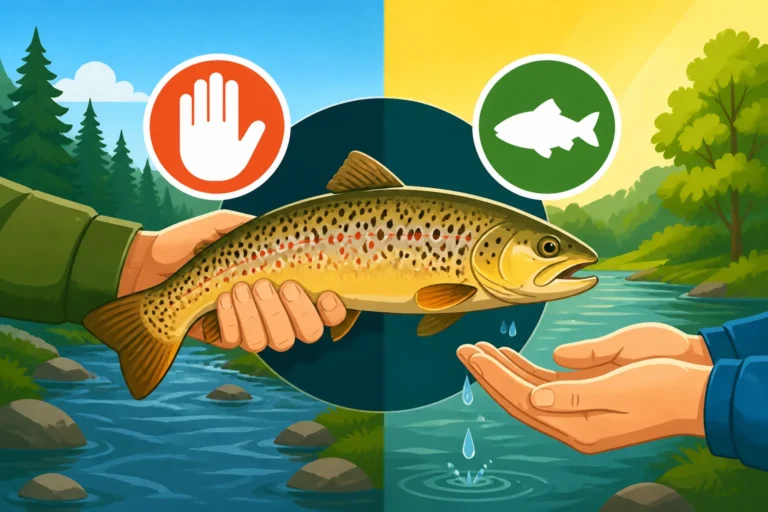
Beyond the letter of the law, ethical angling practices ensure everyone has a positive experience and that our resources remain healthy. First and foremost, respect other anglers. Stocking days can sometimes draw a crowd, so maintain a courteous distance and share access points. Secondly, practice proper catch and release, especially in designated areas or if you're not planning to keep your legal limit. Handle fish minimally with wet hands, remove hooks quickly, and release them gently. A pair of forceps or needle-nose pliers, easily found on Amazon, can make hook removal much easier and quicker, reducing stress on the fish.
Also, be mindful of your impact on the environment. Pack out everything you pack in, including discarded fishing line, bait containers, and any other trash. Littering not only spoils the natural beauty of our fishing spots but can also harm wildlife. If you're fishing in a Put-and-Take area and plan to harvest your limit, consider bringing a cooler with ice to keep your catch fresh. Understanding that these stocked trout are a resource for everyone, and treating them and their habitat with respect, is the hallmark of a truly great angler.
Maximizing Your Fall Trout Fishing Experience
To truly make the most of Maryland's fall trout stocking season, it's about more than just showing up with a rod and reel. It involves a bit of homework, some strategic planning, and understanding the nuances of the season. By focusing on smart scouting and proper post-catch care, you can elevate your fishing trips from just good to truly memorable.
Scouting and Timing Your Visits
One of the biggest keys to success in fall trout fishing is staying informed about stocking schedules. The Maryland DNR typically announces stocking plans on a weekly basis, often providing updates on their website or through social media channels. Don't be afraid to utilize these resources! Being among the first to arrive after a fresh stocking can give you a distinct advantage, as the fish are often more active and less wary. However, even if you can't be there on day one, these fish will spread out, and many will remain for weeks, offering excellent opportunities for follow-up visits. Understanding How Often Are Maryland Trout Streams Restocked? can also help you plan multiple trips to your favorite spots.
Beyond checking the DNR updates, do a bit of your own scouting. Before you even wet a line, take a walk along the banks of the stream or pond you plan to fish. Look for signs of trout activity, deeper pools, current breaks, or submerged structures where fish might be holding. Observe water clarity and flow. Cooler, clearer water usually means trout are more spread out and potentially more skittish, requiring a stealthier approach. Overcast days can often be more productive than bright, sunny ones, as trout tend to be less shy under diffused light. Even paying attention to the local weather forecast for temperature changes can give you an edge, as a sudden cold front can make fish less active, while a stable period often improves the bite.
Post-Catch Care and Enjoying Your Harvest
So, you've landed a beautiful fall trout – congratulations! Now, what's next? If you're planning on keeping your fish within the legal Maryland Trout Daily Creel Limit, proper post-catch care is essential to ensure the best possible table fare. Have a cooler with ice ready and waiting. As soon as you land a trout you intend to keep, humanely dispatch it (a quick blow to the head is often recommended) and immediately place it on ice. This chills the fish rapidly, which helps preserve its flavor and texture by slowing down spoilage. Avoid just leaving fish in a bucket of water or strung up on a stringer for extended periods, especially as water temperatures may fluctuate.
If you're practicing catch and release, particularly in Delayed Harvest waters, focus on minimizing stress to the fish. Use a rubberized net to avoid damaging their protective slime coat, and try to keep the fish in the water as much as possible while removing the hook. Barbless hooks, as mentioned earlier, make this process much faster and safer for the fish. A quick photo, if you desire one, should be taken with the fish still largely submerged or held horizontally with wet hands for only a few seconds. The goal is to get the fish back into its environment as quickly and healthily as possible, ensuring it survives to be caught another day or contribute to the ecosystem. Remember, the true joy of fishing extends beyond the catch, to the respect we show the fish and the environment.
Disclaimer
The information provided in this guide is for general informational purposes only and is not intended as legal advice. Fishing regulations in Maryland are subject to change by the Department of Natural Resources (DNR). It is the sole responsibility of each angler to consult the most current Maryland DNR fishing regulations before engaging in any fishing activities. Failure to do so may result in fines or penalties.