Fishing Maryland’s Put-and-Take Trout Areas
There's nothing quite like the excitement of a fresh trout stocking, but let's be honest, those "put-and-take" areas can sometimes feel less like a peaceful fishing trip and more like a competitive sport. It's frustrating to arrive at a stream only to find it packed with anglers, or to feel like you're doing everything right but the fish just aren't biting. This guide is here to demystify fishing Maryland's put-and-take trout areas, offering practical advice, gear recommendations, and proven techniques to help you maximize your chances and truly enjoy your time on the water, even when the pressure is on.
Understanding Maryland's Put-and-Take Trout Program
For many anglers, especially those just starting out or looking for a more consistent bite, Maryland's put-and-take trout program is an absolute blessing. It's designed to provide accessible and productive fishing opportunities, particularly in areas where wild trout populations might struggle to thrive due to habitat or water temperature limitations. However, to truly master these waters, it helps to understand the philosophy behind them.
What "Put-and-Take" Actually Means
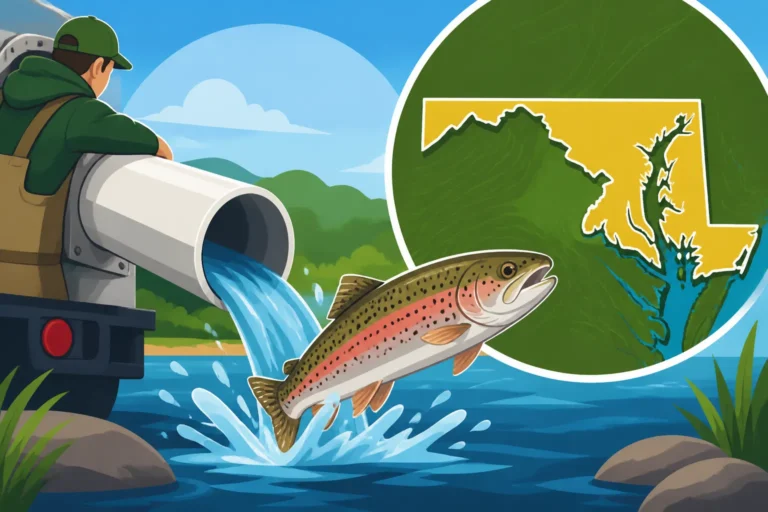
The term "put-and-take" is pretty descriptive, isn't it? It means exactly what it sounds like: trout are "put" into a designated waterbody, and anglers are expected to "take" them out. These aren't native, wild trout that have reproduced naturally in the stream. Instead, they are hatchery-raised fish, typically rainbow trout, but sometimes brown trout or golden rainbow trout, that are released into streams, rivers, and even some ponds and lakes across Maryland. The Maryland Department of Natural Resources (DNR) manages this extensive program to ensure a steady supply of catchable trout throughout the designated seasons.
It's a system that caters to a wide audience. For families with kids, it offers a high likelihood of success, keeping interest levels high. For seasoned anglers, it provides an opportunity to hone skills or simply enjoy a relaxing day without the intense challenge of elusive wild fish. The key is understanding that these fish are, for the most part, newly introduced to the wild environment and will behave differently than their wild counterparts.
The Goal of Maryland's Stocking Program
The primary goal of Maryland's put-and-take trout program is to provide recreational fishing opportunities. In a state with a significant angling community, ensuring readily available fishing helps foster appreciation for the outdoors and supports the local economy through tackle sales, licenses, and tourism. These stocked trout wouldn't naturally survive long-term in many of the waters they are released into, especially as water temperatures rise in late spring and summer. So, the DNR stocks them with the expectation that they will be harvested by anglers. This is also why understanding the Maryland Trout Daily Creel Limit and possession limits is so important – they're set to encourage harvest within a reasonable timeframe.
The program also serves as a vital tool for youth engagement. Many designated put-and-take areas are easily accessible, often near urban and suburban centers, making it simple for new anglers to get started. These spots are fantastic for teaching kids the basics of fishing, instilling a love for the outdoors, and creating lasting memories. It really removes a lot of the barriers that might deter someone new to the sport.
How Put-and-Take Differs from Wild Trout Fishing
Fishing in a put-and-take area is a world away from stalking wary wild trout in a remote mountain stream. Wild trout have evolved to be incredibly cautious, feeding selectively and spooking at the slightest disturbance. They know their environment intimately, understand current flows, and have specific hiding spots. Put-and-take trout, on the other hand, are often naïve. They've lived their lives in a hatchery environment, accustomed to hand-fed pellets, and haven't developed the same instincts for predators or highly selective feeding.
This difference means that tactics, gear, and even your approach to the stream will change dramatically. While wild trout often require delicate presentations, small flies, and stealth, stocked trout are often eager to bite almost anything resembling food, especially in the days immediately following a stocking. However, as they become "educated" by angler pressure, they can become surprisingly finicky. It's a spectrum, really, from ultra-easy to surprisingly challenging, depending on how long they've been in the water and how many hooks they've seen.
Prime Time for Put-and-Take Trout Fishing
Timing is everything when it comes to put-and-take trout fishing. You don't want to show up weeks after a stocking, only to find the stream practically devoid of fish or packed with anglers who got there first. Knowing when and how often these waters are stocked can significantly impact your success and enjoyment.
Timing Your Trip with Stocking Schedules
Maryland DNR typically announces its spring and fall trout stocking schedules, which are your golden tickets to prime fishing. These schedules are usually released on the DNR website and often shared through local bait shops and fishing forums. The spring stocking season, for instance, kicks off around late winter or early spring and continues for several weeks. You can learn more about Fishing Maryland's Spring Trout Stocking Season on the DNR website. Similarly, there's often a fall stocking, providing another great opportunity.
My advice? Bookmark the Maryland DNR trout stocking page. They usually update it in real-time or very close to it, letting you know which streams have been stocked. Being among the first few waves of anglers after a stocking can be incredibly rewarding. The fish are fresh, often disoriented, and haven't yet learned to associate anglers with danger. This is when they are most aggressive and easiest to catch, making it a perfect time for beginners or those seeking consistent action.
The Immediate Aftermath: "Opening Day" Rush
For some of Maryland's most popular put-and-take streams, especially those designated for spring trophy trout, the day of a major stocking can feel like a genuine "opening day" event. Anglers will line the banks, sometimes shoulder-to-shoulder, eagerly awaiting the arrival of the stocking truck or immediately casting once the fish are released. It’s an exciting, albeit sometimes chaotic, atmosphere. While the crowds can be a turn-off for some, the sheer number of fish in the water often means everyone gets a chance to hook up.
If you decide to brave the "opening day" rush, come prepared for company. Arrive early to secure a good spot, respect other anglers' space, and be patient. This is not the day for solitude, but it is often the day for high catch rates. It's also a fantastic way to experience the communal joy of fishing. Just be mindful of snagging other lines and practice good sportsmanship. Think of it as a fishing festival, not a solitary pursuit.
Fishing Days and Weeks Post-Stocking
The fishing doesn't just end after the initial stocking day. In fact, for many, the days following the initial rush offer a more peaceful yet still productive experience. As the initial crowds thin out and the fish start to disperse and acclimate to their new surroundings, they might become a bit more wary but also more natural in their feeding patterns. This is when finesse and a more varied approach can really pay off.
The first few days to a week after stocking are often fantastic, as the fish are still plentiful and haven't seen every bait or lure imaginable. After about a week or two, however, the "easy" bite will often taper off. The trout that remain have either been hooked and released, or they've become accustomed to their new home and are warier. This is when you need to switch up your tactics, perhaps trying smaller baits or more natural presentations. Understanding how often are Maryland trout streams restocked can give you an idea of how long the good fishing might last before the next infusion of fish.
Essential Gear and Bait for Put-and-Take Success
You don't need a massive tackle box to be successful in put-and-take areas, but having the right tools can make a world of difference. Given that these fish are often less selective than wild trout, you have a bit more leeway, but certain items consistently outperform others.
Rods, Reels, and Line Choices
For most put-and-take trout fishing, a light to ultralight spinning rod setup is ideal. A rod between 5'6" and 6'6" with a fast or moderate-fast action will give you the sensitivity to detect subtle bites and enough backbone to handle a feisty stocked trout. Pair this with a small spinning reel (size 1000 or 2000) spooled with 4-6 pound test monofilament or fluorocarbon line. Monofilament is a popular choice because it's affordable, has some stretch to absorb head shakes, and is easy to tie knots with. Fluorocarbon, while a bit pricier, is less visible underwater, which can be an advantage as trout become warier.
For those who prefer fly fishing, a 3- to 5-weight fly rod is perfect. A 9-foot rod is versatile for casting on smaller streams or larger rivers. Pair it with a floating fly line and a 4X-6X leader and tippet. Remember, you don't need heavy gear; precision and presentation are often more important than brute strength, especially if you're trying to fish light and prevent spooking the fish. You can find excellent, affordable options for all these setups on platforms like Amazon, making it easy to get started without breaking the bank.
Top Baits and Scents for Stocked Trout
When it comes to bait, stocked trout often have a preference for what they were fed in the hatchery, or things that simply look and smell appealing. PowerBait, particularly in vibrant colors like chartreuse, rainbow, or orange, is a perennial favorite. Mold it into a small ball or tear-drop shape around a single hook, and float it just off the bottom. Other popular choices include salmon eggs (either natural or artificially colored), corn, and small pieces of marshmallow. These baits are all easy to use and highly effective.
Live bait can also be incredibly potent. Small red worms, mealworms, or wax worms are excellent choices. Thread them onto a small hook (size 10-14) and fish them under a small bobber or on a light bottom rig. The natural movement and scent of live bait are often irresistible. Scent attractants, dabbed onto lures or even PowerBait, can also boost your chances, especially as the fishing pressure increases. For a deep dive into specific options, check out our guide on the Best Bait for Put-and-Take Trout in Maryland.
| Bait Type | Description | Pros | Cons | Best Use |
|---|---|---|---|---|
| PowerBait | Dough-like, brightly colored, often scented trout bait | Highly effective, floats, easy to use | Can be messy, not "natural" | Post-stocking, high-pressure, bottom fishing |
| Salmon Eggs | Natural or artificial, single or clustered | Natural appeal, small profile, good for finicky fish | Can be delicate, easily washed off hook | Finesse fishing, light tackle |
| Corn | Canned sweet corn kernels | Cheap, readily available, mild scent | Can be ignored if other options are present | Simple setups, family fishing, chumming (check rules) |
| Worms | Live red worms, mealworms, wax worms | Natural movement and scent, universally appealing | Requires careful handling, can be delicate | All conditions, live bait enthusiasts, finesse |
| Marshmallows | Small pieces of mini-marshmallows | Floats well, visible, surprising effectiveness | Less natural scent, can be ignored | Mixing with other baits, floating presentations |
Lures and Artificial Options That Work
While bait fishing is king, artificial lures can be incredibly effective, especially for more active trout or when you want to cover more water. Small inline spinners, like Panther Martins, Mepps, or Rooster Tails, in sizes #0 to #2, are classic trout getters. Gold, silver, chartreuse, or black blades with contrasting dressings are often productive. Cast them across and slightly upstream, retrieving just fast enough to get the blade spinning.
Small spoons, such as Kastmasters or Little Cleos, in 1/16 to 1/8 ounce sizes, also work wonders. Their erratic wobbling action mimics injured baitfish. Soft plastics, like tiny trout magnets or Gulp! trout worms, fished under a bobber or on a tiny jig head, can also be deadly, especially when fish are a bit shy. The key with lures is to match the hatch if possible (though stocked trout aren't usually feeding on natural insects) and to experiment with retrieve speeds and depths until you find what the fish prefer on that particular day. Don't be afraid to cycle through different options from your tackle box until something sparks their interest.
Tried-and-True Techniques for Landing Stocked Trout
Once you have your gear ready, it's time to talk tactics. While stocked trout can be eager, a strategic approach will always yield better results than simply chucking a line in the water. Different scenarios call for different techniques, and being versatile is a true asset.
The Art of Bottom Fishing with Bait
Bottom fishing is perhaps the most straightforward and often most effective method for put-and-take trout, especially for those newly stocked fish that tend to hug the stream bed. The basic setup involves a small sinker (split shot or an egg sinker) placed above a swivel, and a leader (12-24 inches) with a small hook (size 8-12) at the end. The goal is to get your bait down to where the trout are, often in deeper pools, behind obstacles, or along current breaks.
When using PowerBait or a marshmallow, the bait will float off the bottom, presenting itself perfectly. For worms or salmon eggs, the bait will lay on the bottom. Cast your rig upstream of where you expect trout to be holding, allowing the current to carry it naturally into the strike zone. Keep your line relatively tight to feel subtle taps. This technique is particularly effective in slower moving water or deeper pockets. It's a low-effort, high-reward method that makes it great for beginners or when fishing with kids.
Float Fishing and Indicator Rigs
Float fishing, also known as bobber fishing, is another incredibly popular and effective technique, especially in currents or when targeting trout suspended in the water column. This involves using a small bobber or strike indicator to suspend your bait or lure at a specific depth. The bobber not only tells you where your bait is but also signals a bite with a dip or disappearance. A classic setup would be a slip bobber (which allows you to adjust your depth easily), a few split shot weights to get your bait down, and a small hook with live bait or a trout magnet.
For fly anglers, this translates to using a strike indicator. Whether it's a yarn indicator or a small foam float, it serves the same purpose: suspending your nymph or small artificial bait at a set depth. Drift your rig naturally downstream, mending your line as needed to avoid drag. This method is fantastic for covering runs and riffles where trout might be actively feeding on drifting insects or disoriented hatchery food. It allows for a very natural presentation without the bait being dragged unnaturally by the current.
Casting Lures and Covering Water
For those who enjoy a more active fishing style, casting lures is a fantastic way to locate aggressive trout and cover a lot of water quickly. Small inline spinners and spoons are your go-to options here. When fishing a stream, cast your lure across the current, or slightly upstream, and retrieve it as it swings downstream. This allows the lure to work its magic through various depths and current seams. In ponds or wider river sections, fan cast, covering different angles and depths until you find a productive retrieve or area.
Vary your retrieve speed. Sometimes a slow, steady retrieve is all it takes; other times, a quick twitch-and-pause might entice a strike. Experiment with different lure colors and sizes. Often, brighter colors work well on freshly stocked trout, while more natural patterns might be better for wary, educated fish. Remember, stocked trout are often active feeders, and a flashy, moving target can trigger an aggressive reaction strike. Sometimes, even after the initial rush, a well-presented spinner can still outfish bait, especially if the fish have become accustomed to seeing stationary baits.
Locating Trout in Stocked Waters
Finding trout in put-and-take streams isn't always about hitting the deepest hole. While stocked fish might behave differently than wild trout, they still seek comfort, food, and security in their new environment. Learning to "read the water" is a skill that will greatly improve your catch rate.
Identifying Prime Holding Lies
Even hatchery trout, once released, will instinctively gravitate towards certain areas in a stream or pond. Look for any structure that offers a break from the main current or provides cover. This includes:
- Deeper Pools: These offer refuge, especially during bright sunny days, and often hold the largest concentrations of fish.
- Log Jams and Fallen Trees: These provide excellent overhead cover and create current breaks where food can collect.
- Undercut Banks: Similar to logs, these offer shade and a place to hide from predators (including anglers).
- Large Rocks and Boulders: These break up the current, creating eddies where trout can rest and ambush food without expending too much energy.
- Confluences and Inflows: Where a smaller stream or feeder creek enters the main body of water, it can create a change in water temperature or bring in new food sources, attracting trout.
Don't overlook the obvious spots. Right after stocking, trout might be scattered, but they will quickly start to congregate in these natural "holding lies." Even a subtle change in depth or current can be enough to hold a fish or two.
Understanding Trout Behavior Post-Stocking
Freshly stocked trout are often disoriented and stressed. They might cruise around in schools, sometimes near the surface, as they adjust to the vastness of their new home compared to a crowded hatchery raceway. In the immediate aftermath of a stocking, they are often opportunistic feeders, willing to strike at almost anything that looks like food. This is when aggressive tactics and brightly colored baits or lures shine.
As days turn into weeks, their behavior changes. They become more wary, associating anglers with danger. They learn to take cover, feed more selectively, and become less prone to chasing down flashy lures. This "education" period means you'll need to adapt. Switching to smaller baits, more natural presentations, lighter lines, and a stealthier approach will become crucial. Don't be afraid to try subtle fly patterns, like nymphs or small streamers, or downsize your PowerBait. This is also when knowing what's effective from the list of Best Bait for Put-and-Take Trout in Maryland becomes really useful.
Adapting to Pressure and Changing Conditions
Just like any fishing scenario, put-and-take trout fishing isn't static. Weather changes, water levels fluctuate, and angler pressure constantly affects how and where fish bite. On bright, sunny days, trout tend to be more lethargic and seek deeper, shadier spots. Overcast days or periods of light rain often bring them out to feed more actively. High water after a rain can stir up food but also make fish harder to find; low, clear water demands a much more delicate approach.
Angler pressure is a huge factor. After a stream has been heavily fished for several days, the remaining trout will be incredibly wary. This is when you need to switch from bright, flashy presentations to subtle ones. Think about fishing upstream, keeping a low profile, and making accurate casts. Sometimes, simply moving away from the crowded popular spots to a less obvious bend or riffle can make all the difference. It’s about being observant and willing to change your plan.
Navigating Regulations and Angler Etiquette
Even in the most casual fishing environments, rules and respect are paramount. Maryland's put-and-take trout areas have specific regulations designed to manage the fishery, and good angler etiquette ensures a positive experience for everyone. Ignoring these can lead to fines or, worse, ruin the enjoyment for others.
Key Maryland DNR Regulations to Know
Before you even wet a line, make sure you have a valid Maryland Fishing License Guide for 2026. If you're targeting trout, you'll almost certainly need a Maryland Trout Stamp Requirements, which is an additional endorsement on your license. Even if you're planning on strictly catch and release, you typically still need the trout stamp in designated trout waters, so it's best to confirm by checking Do You Need a Trout Stamp to Catch and Release in Maryland?. These fees directly support the stocking programs, so it's money well spent. You can learn more about the Maryland Trout Stamp Cost for Residents on the DNR website.
Beyond licenses, pay close attention to the specific daily creel limits and minimum size requirements for trout in the waters you're fishing. These can vary slightly by location and time of year, particularly for special management areas or during the initial "trophy trout" stockings. Most put-and-take areas have a generous daily creel limit, often five trout per day, with no minimum size. However, always double-check the current Maryland DNR Fishing and Boating Guide or the signs posted at the access points. Remember that keeping fish is the intent of these areas, so don't feel bad about harvesting your catch within the legal limits.
Respecting Fellow Anglers and the Environment
When you're fishing a popular put-and-take stream, you're likely to encounter other anglers. Maintaining proper etiquette is essential for a peaceful day on the water. Give other anglers plenty of space. A general rule of thumb is to allow at least 25-50 feet between yourself and the next angler, more if the stream allows. Don't crowd someone's spot, especially if they were there first. If you arrive and a prime hole is occupied, move to another spot or politely ask if you can fish nearby.
Always pack out everything you pack in. This includes fishing line, bait containers, snack wrappers, and anything else. Litter degrades the environment and spoils the experience for everyone. Be mindful of casting, especially if using weighted rigs, to avoid snagging other anglers' lines or, worse, them! And if you're releasing fish, do so quickly and carefully to minimize stress. Proper fish handling ensures they have the best chance of survival.
Special Rules for Specific Put-and-Take Streams
Some of Maryland's put-and-take trout areas have unique regulations that deviate from the general statewide rules. For instance, certain streams or sections might be designated as "artificial lure only" or "fly fishing only" waters, even if they are stocked. These rules are usually in place to reduce mortality rates or provide different angling experiences. Always look for signage at the access points or consult the Maryland DNR regulations guide to ensure you're compliant.
There are also "Delayed Harvest" streams, which function as put-and-take areas during certain times of the year but then transition to catch-and-release only with special tackle restrictions for other periods. Knowing the difference between Maryland's Put-and-Take Trout Areas and Fishing Maryland's Delayed Harvest Trout Streams is crucial. A good example is the Savage River, which has sections with very different rules. Additionally, some youth-only or disabled angler sections might exist, providing dedicated access for specific groups. Being aware of these special rules shows respect for the fishery and ensures you're fishing legally and responsibly.
Disclaimer
Fishing regulations, stocking schedules, and local conditions can change frequently. Always consult the official Maryland Department of Natural Resources (DNR) website or their current Fishing and Boating Guide before heading out. This article is intended for informational purposes only and does not supersede official regulations.