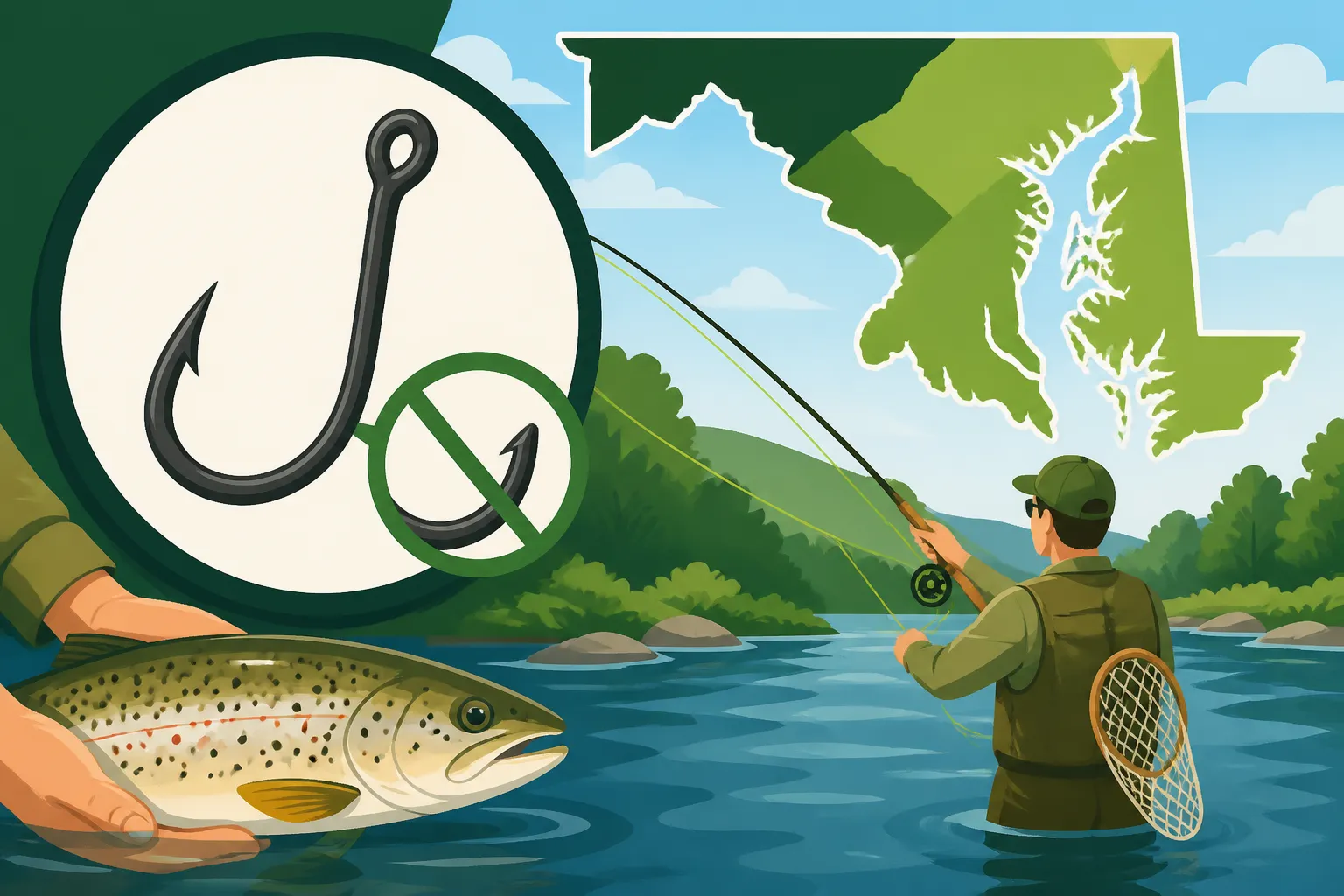
Barbless Hook Requirement in Maryland Fly Fishing Zones
It can be incredibly frustrating to head out for a peaceful day of fly fishing, only to worry if your gear is compliant with local regulations. Maryland has specific rules about hook types, especially in its designated fly-fishing and trout-managed waters, and understanding these requirements can feel like navigating a complex maze. This guide is here to untangle the specifics of barbless hook requirements in Maryland's fly-fishing zones, ensuring you spend less time stressing and more time enjoying the beautiful waters.
Understanding Barbless Hook Requirements in Maryland
Maryland's Department of Natural Resources (DNR) takes fisheries conservation very seriously, especially when it comes to fragile fish populations like trout. That's why, in certain areas, the type of hook you use isn't just a recommendation; it's a hard and fast rule. The requirement for barbless hooks is a cornerstone of responsible catch-and-release fishing, designed to minimize harm to the fish. When you're out on the water, whether it's the famed Gunpowder Falls or a smaller, pristine stream, knowing these rules is crucial for both legality and ethical angling. It prevents those gut-wrenchwrenching moments where a fish is severely injured, or worse, doesn't survive release.
The primary goal here is to reduce fish mortality rates. A barbed hook, by its very design, digs in and holds tight. While that’s great for landing a fish, it often means more damage to the fish’s mouth, gills, or even eyes during removal. Extracting a barbed hook can tear tissue, prolong the unhooking process, and stress the fish, significantly decreasing its chances of survival after being put back in the water. Barbless hooks, on the other hand, slide out much more easily, causing less trauma and allowing the fish to return to its environment with minimal stress and injury. This is particularly vital in areas managed for wild or holdover trout populations, where every fish matters to the ecosystem's health.
The regulation specifies that in designated "fly-fishing only" and "delayed harvest" trout management areas, anglers must use artificial lures only, and these lures must be fitted with a single barbless hook. This doesn't mean you can just snip the barb off any old treble hook and call it a day; the intent is clear: reduce injury. For those wondering, the definition of an "artificial lure" generally excludes natural baits like worms, minnows, or powerbait. This pairing of artificial lures with barbless hooks reinforces a more sporting and conservation-minded approach to fishing in these sensitive zones. It also encourages anglers to refine their technique, as barbless hooks demand a more consistent line tension and a softer touch to prevent fish from throwing the hook. It's a challenge that many experienced fly fishers embrace, adding another layer of skill to their pursuit.
Identifying Maryland's Fly Fishing and Catch-and-Release Zones
Maryland boasts some truly beautiful waters designated for fly fishing and catch-and-release, each with its own charm and challenging fish. These aren't just arbitrary rules; they are carefully chosen areas where conservation efforts are paramount, often supporting fragile populations of wild or highly-pressured trout. Knowing exactly where these zones are is your first step to being a compliant and responsible angler. You'll often find these regulations apply to sections of rivers and streams specifically managed for their trout fisheries, particularly for species like rainbow, brown, and sometimes brook trout.
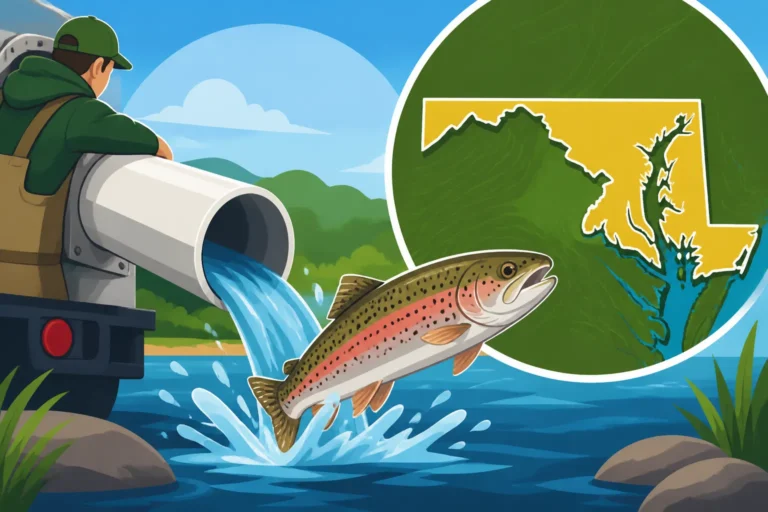
One of the most renowned fly-fishing destinations in Maryland, and a prime example of a barbless hook zone, is the Gunpowder Falls River. Specifically, the section from Prettyboy Dam downstream to the Glencoe Road bridge is a classic "delayed harvest" trout stream. Here, from October 1st through June 15th, you must use artificial lures with a single barbless hook. It's a stunning stretch of water, often cold and clear, providing an ideal habitat for trout. Similarly, the Savage River in Western Maryland, particularly its "trophy trout" section, often has similar strict regulations regarding tackle, including the barbless hook rule. These sections are managed for high-quality fishing experiences where the focus is on the fight and the release, rather than keeping a limit. If you're planning a trip, be sure to check the latest Maryland DNR Fishing and Boating Guide, Explained for specific dates and boundaries, as regulations can change.
Beyond these well-known spots, other smaller streams and sections of rivers may also have "catch and release only" or "fly fishing only" designations that inherently require barbless hooks. For instance, parts of the North Branch of the Potomac River and various smaller creeks in Western Maryland, particularly those known for wild trout populations, will often enforce these stringent rules to protect their delicate ecosystems. The rationale is simple: these streams often have lower fish densities or contain species that are more susceptible to handling stress. The DNR aims to create environments where fish can thrive and reproduce naturally, providing sustainable fishing opportunities for generations. When in doubt, always assume stricter regulations in designated trout management areas. Many anglers find the challenge of using barbless hooks and refining their technique in these pristine waters to be incredibly rewarding.
Here's a quick look at some key zones and their general rules, though always double-check the latest DNR guide:
| Waterbody/Section | Primary Designation | Hook Requirement | Artificial Lures Only? | Catch & Release Required? | Typical Seasons Applied |
|---|---|---|---|---|---|
| Gunpowder Falls (Prettyboy Dam to Glencoe Rd) | Delayed Harvest Trout Stream | Single Barbless Hook | Yes | Yes (Oct 1 – Jun 15) | Oct 1 – Jun 15 |
| Savage River (Trophy Trout Section) | Trophy Trout Management | Single Barbless Hook | Yes | Yes (Year-round) | Year-round |
| Beaver Creek (Upper Section) | Fly Fishing Only | Single Barbless Hook | Yes | Yes (Year-round) | Year-round |
| Big Hunting Creek (Upper Section) | Fly Fishing Only | Single Barbless Hook | Yes | Yes (Year-round) | Year-round |
| North Branch Potomac River (Certain sections) | Trout Management Areas | Single Barbless Hook (often) | Yes (often) | Yes (often) | Varies by section |
Note: This table provides general guidance. Always consult the current Maryland DNR regulations before fishing, as specific dates, boundaries, and rules are subject to change.
Preparing Your Tackle for Barbless Zones
Navigating Maryland's fly fishing zones with the right tackle doesn't have to be a headache. Once you understand the "why" behind barbless hooks, getting your gear ready becomes a simple, almost meditative part of the fishing ritual. It's all about intentionality and ensuring you're set up for success while respecting the fish and the regulations. Remember, the goal isn't to make fishing harder, but to make it more sustainable.
First and foremost, you have two main options for acquiring barbless hooks: buying them pre-made or converting your existing barbed hooks. Many fly shops and online retailers like Amazon now offer a wide selection of flies tied with barbless hooks right out of the package. This is often the easiest and most reliable route, especially for those new to fly fishing or looking to quickly stock up on compliant patterns. You'll find everything from tiny midges and nymphs to larger streamers already set up for the designated zones. When you're considering your Fly Fishing Gear for Maryland Trout Streams, make sure to specify "barbless" in your search.
If you have a collection of favorite flies that are tied on barbed hooks, don't despair! Converting them to barbless is surprisingly simple and requires just a basic tool: a pair of needle-nose pliers or a dedicated barb-crimping tool. The process involves firmly grasping the barb with the pliers and gently, but decisively, squeezing it flat against the hook shank. The key is to ensure the barb is completely flattened and smooth, so it won't snag fish tissue upon removal. Run your finger along the hook point; if you feel any resistance from the barb, give it another squeeze. It's a quick modification that can save you from a potential fine and, more importantly, save a fish from unnecessary injury. Many seasoned anglers keep a pair of pliers specifically for this task in their fly vests, as it’s a common practice. This also allows you to use familiar patterns without having to buy entirely new stock.
Beyond the hooks themselves, consider the overall approach to fishing in these sensitive areas. Using lighter tippets and leaders, for example, can enhance the sporting challenge and reduce the likelihood of breaking off a fly, which is always better for the environment. Practicing good fish-handling techniques, such as wetting your hands before touching a fish, minimizing its time out of water, and using a soft, knotless net, goes hand-in-hand with the barbless hook philosophy. Even if you're fishing in a general regulation area where barbed hooks are allowed, adopting the barbless hook practice is a fantastic way to contribute to broader conservation efforts. It's a small change that makes a huge difference, not just for the fish, but for the long-term health of our fisheries.
The Conservation Impact of Barbless Hooks
The implementation of barbless hook requirements in Maryland's fly-fishing and trout management zones isn't just about following rules; it's a critical component of a larger conservation strategy. These regulations reflect a commitment to sustainable angling practices, ensuring that Maryland's beautiful and diverse aquatic ecosystems remain healthy for generations to come. The direct impact on fish populations, particularly delicate species like trout, is profound and well-documented by fisheries biologists.
At its core, the barbless hook rule is a preventative measure against unnecessary mortality. When a fish is hooked, even if released, there's always a risk of stress, injury, or secondary infection. Barbed hooks exacerbate these risks significantly. Studies have shown that fish caught on barbless hooks experience less tissue damage, recover more quickly, and have a much higher survival rate post-release compared to those caught on barbed hooks. This is especially vital in areas designated as "catch-and-release only" or "trophy trout" waters, where the entire fishery relies on the survival of previously caught fish. By minimizing injury, Maryland ensures that its Maryland Trout Stamp Requirements and management efforts contribute to robust, healthy fish populations, allowing fish to grow larger and reproduce more successfully.
Furthermore, the barbless hook mandate plays a significant role in angler education and promoting an ethos of conservation within the fishing community. It encourages anglers to think more deeply about their impact on the environment and to embrace practices that prioritize the well-being of the fish. When you consciously choose to fish with barbless hooks, you become an active participant in conservation, not just a passive observer. This fosters a greater appreciation for the resource and can lead to wider adoption of ethical angling techniques, even in waters where barbless hooks aren't strictly required. It's about shifting the mindset from simply "catching" to "caring" for the fish. For many, this makes the fishing experience even more rewarding. It also highlights the importance of initiatives like Where Maryland's Trout Stamp Money Goes, showing how contributions directly support these conservation goals.
Ultimately, the barbless hook requirement is a testament to Maryland's dedication to its natural resources. It’s a scientifically-backed approach that directly benefits fish health and survival, particularly in sensitive trout habitats. By embracing this simple but effective rule, anglers contribute to vibrant fisheries that offer fantastic opportunities for everyone. It reinforces the idea that we, as anglers, are stewards of these waters, and our actions have a direct impact on their future. So, the next time you're on the water, whether it's the Best Flies for Gunpowder Falls Trout or a quiet mountain stream, remember that your choice of hook is more than just tackle—it's a commitment to conservation.
Maximizing Success with Barbless Hooks
Many anglers, especially those accustomed to barbed hooks, initially worry that switching to barbless will mean losing more fish. While it's true that barbless hooks require a slightly different approach, they certainly don't equate to fewer catches. In fact, for many seasoned fly fishers, mastering the art of the barbless hook enhances their skill and makes the angling experience even more satisfying. It’s less about brute force and more about finesse and maintaining constant tension.
The biggest adjustment when fishing with barbless hooks is the importance of keeping a tight line. With a barb, you have a bit of a forgiving window if there's a momentary slack in the line; the barb helps hold the hook in place. With a barbless hook, any significant slack can allow the fish to throw the hook with a head shake or a sudden burst. This means a more engaged, attentive approach to your retrieve and fight. As soon as you feel that strike, set the hook with a firm, confident motion, and then maintain steady pressure throughout the fight. Avoid high-sticking or excessive jerking, which can create slack. Instead, use the rod to absorb runs and guide the fish in smoothly. This technique not only helps land more fish but also makes you a more skilled angler overall.
Another key aspect is how you play the fish. When a fish is on a barbless hook, it's wise to bring it in a bit more quickly and efficiently, without unduly tiring it out, but also without rushing to the point of breaking your line. The longer a fish fights, the more opportunities it has to dislodge the hook. Once you get the fish close, reach for your net sooner, or be ready for a quick hand-landing. This expedites the unhooking process, which is beneficial for the fish's survival anyway. Many anglers prefer to use forceps or hemostats for quick, clean hook removal, and these tools work even better with barbless hooks. You’ll find that a fish caught on a barbless hook is often much easier to unhook right in the water, sometimes even without touching it, further reducing stress. This is particularly relevant when you're fishing in Maryland's Free Fishing Days zones or other high-pressure areas where fish welfare is prioritized.
Finally, consider the type of tackle you're using. While barbless hooks require skill, the right rod and reel can make a difference. A rod with a sensitive tip but good backbone allows you to detect subtle bites and maintain control during the fight. Pairing this with a smooth drag system on your reel helps absorb those sudden runs without putting too much strain on your line or the hook. Learning the Barbless Hook Techniques for Maryland Trout Streams truly is a rewarding journey that sharpens your angling abilities. Don't be afraid to experiment with different retrieve speeds and angles until you find what works best for you and the fish in a particular stream. With practice, you'll find that barbless hooks are not a limitation, but an opportunity to become a more mindful and effective angler.
Disclaimer
The information provided in this guide is for general informational purposes only and is subject to change. Fishing regulations in Maryland are set by the Department of Natural Resources (DNR) and can be updated at any time. Always consult the most current Maryland DNR fishing regulations guide or website before heading out to fish. Failure to comply with current regulations may result in fines or penalties.