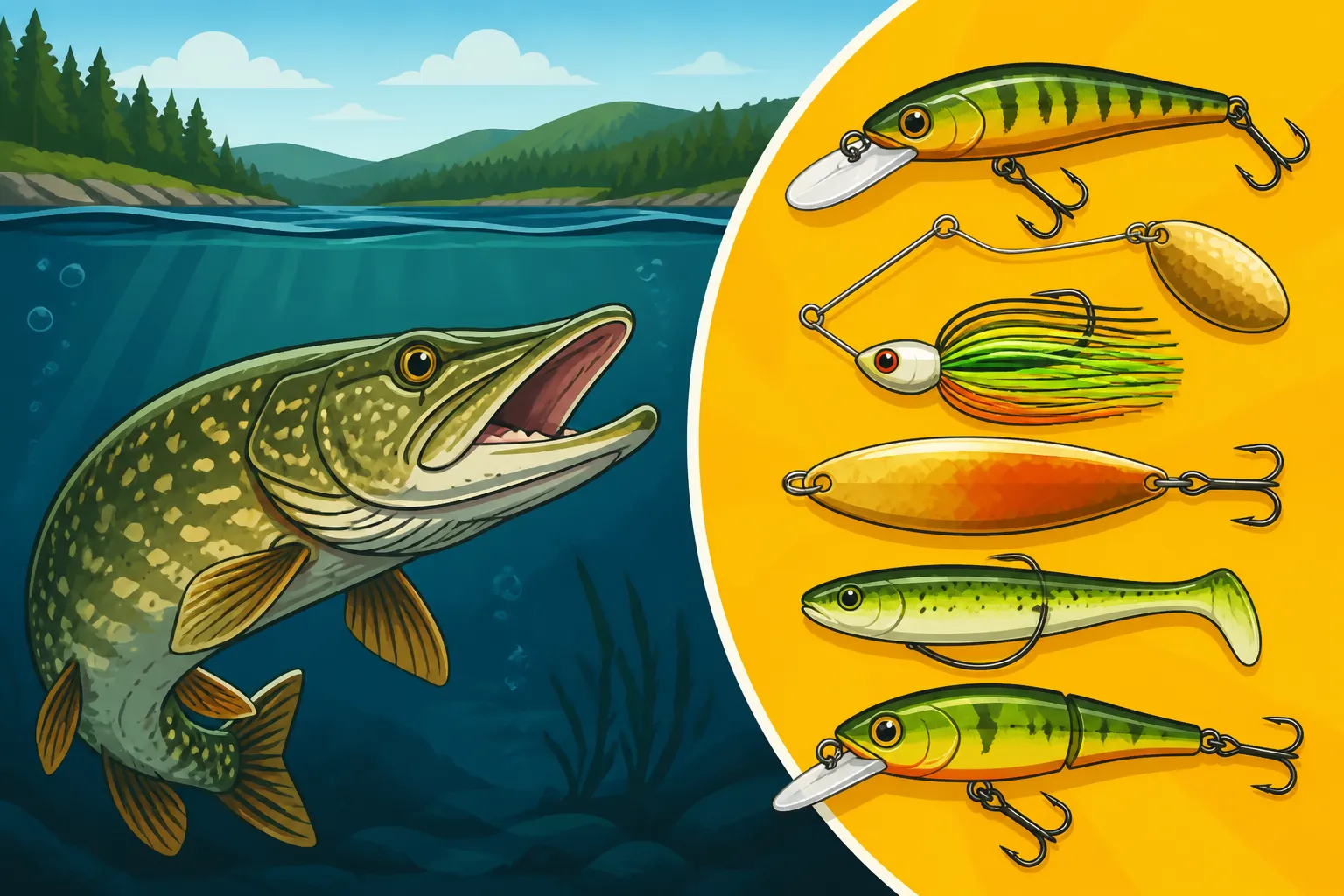
Best Lures for Pike at Deep Creek Lake
Oh, the elusive northern pike at Deep Creek Lake! It’s a challenge many anglers face, staring at their tackle box and wondering if they have the right lure to entice one of these toothy predators from the clear, cold waters of Garrett County. You might have tried a few things, cast until your arm ached, and still felt like you were missing some key piece of the puzzle. Well, you're not alone, and that's precisely why we're diving deep into the best lures for pike at Deep Creek Lake, giving you the insights and confidence to hook into one of Maryland's most exciting freshwater game fish.
Understanding Deep Creek Lake Pike: A Fierce Predator's Lair
Deep Creek Lake isn't just any body of water; it's Maryland's largest freshwater lake, carved out of the mountains and offering a unique fishery. When you're targeting northern pike here, you're not just fishing for any pike – you're after the ones that have grown accustomed to this specific, diverse environment. Understanding their home and habits is the first step to choosing the right lure.
The Pike's Preferred Habitat and Behavior in Deep Creek Lake
Northern pike are ambush predators, and their behavior at Deep Creek Lake perfectly reflects this. They're not usually cruising open water looking for a meal; instead, they're typically lurking, hidden, waiting for an unsuspecting baitfish to swim by. This means you'll often find them tucked into dense weed beds, especially those with clear lanes or edges. Think about those vast expanses of submerged vegetation – the pike are in there, camouflaged and ready to strike.
Beyond the green stuff, submerged timber and brush piles are prime real estate for pike. These structures offer cover and a perfect vantage point for ambushing prey. As the seasons change, so too can their depth. In the cooler waters of spring and fall, they might be shallower, closer to shore, or in the upper reaches of coves. During the heat of summer, they often retreat to cooler, deeper water, congregating near drop-offs, underwater points, or even the shadows cast by docks and boat lifts. Deep Creek Lake's diverse bottom contours, from shallow flats to sharp ledges, provide ample opportunities for these fish to find their perfect ambush points. Knowing these tendencies helps you understand where to cast your chosen lure.
Why Pike Fishing at Deep Creek Can Be Challenging
Let's be real, pike fishing at Deep Creek Lake isn't always a walk in the park. It can be incredibly rewarding, but it definitely tests your patience and skill. One of the main frustrations anglers face is the sheer size and complexity of the lake itself. It's a big place, and finding those concentrated pockets of pike can feel like searching for a needle in a haystack. Unlike some smaller, more uniform lakes, Deep Creek has countless coves, points, and varied depths, making the "where to start" question a real head-scratcher.
The pike themselves can be finicky. Sometimes they’re aggressively striking anything that moves, and other times they seem to vanish or simply refuse to bite, even when you know they're there. Factors like fishing pressure, changing weather patterns, and the lake's consistent boat traffic can all influence their mood. It's not uncommon to spend a day casting across prime habitat without a single hit, leading to that familiar angler's lament. This means your lure selection needs to be diverse, and your presentation adaptable. It also means paying close attention to general lake conditions, which can be found in a resource like the Maryland's Deep Creek Lake Fishing Guide.
Essential Lure Categories for Deep Creek Lake Pike
Okay, so we know where they live and that they can be tough. Now, let’s talk about the artillery in your tackle box. The best lures for pike at Deep Creek Lake aren't just one type; they encompass several categories, each excelling in different conditions and mimicking various prey.
Spinnerbaits and Chatterbaits: Flash and Vibration for Aggressive Strikes
These lures are staples for a reason, and they absolutely shine for Deep Creek Lake pike. Spinnerbaits feature one or more blades that spin as you retrieve, creating intense flash and vibration that imitate a frantic baitfish. Chatterbaits, with their distinct hexagonal blade that causes the lure to violently shake, offer a different kind of thumping vibration that can really call pike in from a distance. Both are excellent search baits, allowing you to cover water quickly and provoke reactionary strikes.
When you're working these lures, think about the edges of those extensive weed beds or along submerged timber. The key is to keep them moving, but vary your retrieve speed. Sometimes a fast, steady retrieve triggers a chase, while other times a slower roll, just ticking the tops of the weeds, is what does the trick. For colors, chartreuse, white, and combinations of black and blue are perennial pike favorites. They stand out in many water conditions and accurately mimic common prey fish like perch or shiners. You can find a huge variety of these on Amazon, making it easy to stock up before your next trip.
Jerkbaits and Swimbaits: Mimicking Wounded Prey
If spinnerbaits and chatterbaits are about aggressive attention-grabbing, jerkbaits and swimbaits are about subtle realism and mimicking vulnerability.
Jerkbaits are hard plastic lures designed to dart erratically when twitched, then suspend or slowly float/sink on the pause. This "stop-and-go" action perfectly imitates a wounded or disoriented baitfish, a meal pike can't resist. When the water is cooler, or pike are being particularly lethargic, a long pause between jerks can be the ticket. Experiment with dive depths – some jerkbaits run shallow, while others can reach considerable depths, allowing you to target pike suspended over drop-offs or deeper weed lines. Clear water at Deep Creek Lake makes the realistic finishes and lifelike movements of jerkbaits incredibly effective.
Soft plastic swimbaits, on the other hand, offer an incredible natural profile and a fluid, tail-kicking action that closely resembles live bait. These can be rigged in various ways, from weighted swimbait hooks for a weedless presentation around heavy cover to jig heads for working deeper structures. The versatility of swimbaits means you can match the size of local forage – perhaps a five or six-inch swimbait to imitate a larger perch or shiner. Again, realistic patterns and subtle shimmers can be devastating. Many anglers swear by the realistic motion of these plastics, and places like Amazon offer a vast selection to choose from, often with good customer reviews to guide your purchase.
Spoons: The Classic All-Rounder
Ah, the humble spoon. It might seem old-fashioned, but it’s a timeless classic for a reason. Spoons offer incredible flash and a seductive wobble as they fall or are retrieved, perfectly mimicking a struggling baitfish. They are incredibly versatile and can be cast, trolled, or even jigged vertically for Deep Creek Lake pike.
For casting, heavier spoons can be launched a country mile, allowing you to cover vast flats or target distant weed edges. Different spoon designs have varying actions: some have a wide, slow wobble, while others flutter more erratically. Brands like Dardevle or Johnson Silver Minnows are legendary, known for their effectiveness. For trolling, spoons can be deadly, especially when trying to cover expansive areas of water at a consistent depth, perhaps over deep points or along the lake's main channel breaks where pike might be patrolling. When you find pike holding tight to structure in deeper water, you can even vertical jig a spoon right over their heads, letting it flutter down and then ripping it up to provoke a strike. The flash is often enough to grab their attention.
Topwater Lures: For Those Explosive Morning and Evening Bites
Few things get an angler's heart pounding like a violent topwater strike. When the conditions are right, throwing a topwater lure for Deep Creek Lake pike can be an exhilarating experience. Pike are opportunists, and a loud disturbance on the surface can be too tempting to ignore, especially when they are shallow.
Hollow-body frogs are fantastic for working over thick weed mats – areas where other lures would simply foul up. Their weedless design allows them to glide effortlessly across the vegetation, and when worked with a twitch-pause retrieve, they can draw huge blow-ups. Poppers, with their cupped faces, create a loud "blip" or "pop" when retrieved, drawing attention from a distance. Walking baits, like a Heddon Super Spook, create a side-to-side "walk the dog" action that can be incredibly enticing. The best times for topwater action are typically during low light conditions – early mornings or late evenings – and on calm water days. The thrill of seeing that V-wake appear behind your lure, followed by an explosive strike, is truly unforgettable.
Strategic Considerations for Pike Lure Presentation at Deep Creek
It's not just about what lure you use, but how you use it. Pike at Deep Creek Lake can be particular, and understanding presentation strategies will dramatically increase your success rate.
Matching the Hatch and Seasonal Adjustments
One of the most fundamental principles in fishing is "matching the hatch." Take a moment to observe what baitfish are prevalent in Deep Creek Lake. Are there abundant yellow perch, minnows, or sunfish? Your lure choices in terms of size, profile, and color should reflect these local forage species. If you're seeing a lot of smaller bait, downsize your lure. If there are larger, aggressive schools, a bigger swimbait or a larger spoon might be more appropriate.
Seasonal changes are also paramount. In the early spring, pike are often shallower, pre-spawn or post-spawn, and might be more aggressive, making fast-moving spinnerbaits or shallow-running jerkbaits effective. As summer heat sets in, pike often move deeper to cooler water, requiring you to use lures that can reach those depths, like heavier spoons or deep-diving crankbaits. Come fall, they might push into shallower coves again, aggressively feeding before winter, making a variety of presentations viable. For more on what to expect seasonally, exploring resources like Best Time of Year to Fish in Maryland can provide valuable context. Water clarity also plays a role: in very clear water, natural colors are often best, while in stained or cloudy water, brighter colors like chartreuse or firetiger can be more effective.
Retrieve Techniques and Experimentation
Never underestimate the power of your retrieve. Pike often respond to erratic, unpredictable movements because it mimics a struggling, easy meal. Don't just cast and reel in at a steady pace every time.
- Spinnerbaits/Chatterbaits: Try a "stop and go" retrieve, letting the lure fall briefly before speeding it up again. Or a "slow roll" along the bottom, occasionally bumping into submerged cover.
- Jerkbaits: The classic twitch-pause is crucial. Experiment with the number of twitches (one, two, three) and the length of the pause. Sometimes a long, dead stop is what triggers the bite.
- Spoons: For casting, a steady retrieve with occasional pauses or pulls can work. For jigging, a sharp lift followed by a controlled free-fall often gets hit on the drop.
- Topwater: "Walk the dog" baits require a rhythmic twitch of the rod tip to get that side-to-side action. Poppers need a firm pull to create that splash.
The most important rule? Experiment! If one retrieve isn't working, try another. If a lure isn't producing, switch to something different. Pike can be fickle, and finding the right cadence on any given day is key.
Gear Up for Pike: Rods, Reels, and Line
Northern pike are powerful fish with incredibly sharp teeth. Coming to Deep Creek Lake unprepared means risking lost lures and broken lines. Your tackle needs to be robust enough to handle these strong fighters.
A medium-heavy to heavy power casting rod, typically between 6'6" and 7'6" in length, is ideal. This provides the backbone needed to cast larger lures and control a surging pike. Pair this with a reliable baitcasting reel spooled with 30-50 pound braided line. Braid offers incredible strength and sensitivity, allowing you to feel even the most subtle taps. However, braided line alone isn't enough. Pike teeth can easily cut through braid and even monofilament. This is where leaders come in. A 12-18 inch fluorocarbon leader of 20-30 pounds, or even a specialized wire leader, is absolutely essential. A good quality fluorocarbon leader offers invisibility and abrasion resistance, while wire leaders provide ultimate bite protection. Don't skimp on leaders; it's the difference between landing that trophy pike and a heartbreaking loss. Remember to check What to Bring on a Maryland Fishing Charter for a comprehensive gear checklist, even if you're not on a charter.
Deep Creek Lake Pike Fishing Tips and Ethics
Beyond the lures and techniques, there are a few additional pointers that can make your Deep Creek Lake pike experience more successful and ensure the health of this unique fishery.
Best Times and Locations to Target Pike
While pike can be caught year-round, certain times and places offer better odds. Spring and fall are often considered prime time due to cooler water temperatures and active feeding patterns. Early mornings and late evenings typically offer the best topwater action and generally increased pike activity.
As for specific locations, focus on:
- Large Weed Flats: Areas with extensive submerged vegetation are classic pike hangouts. Look for channels or pockets within the weeds.
- Points and Drop-offs: Pike often stage near these structures, ambushing baitfish moving between shallow and deep water.
- Coves with Submerged Timber: These areas offer excellent cover and ambush points.
- Deep Edges: Especially in summer, target the cooler waters along sharp drop-offs near the main lake channel.
If you're already familiar with Fishing Deep Creek Lake for Smallmouth Bass or even Fishing Deep Creek Lake for Walleye, you might find that some of those prime structural elements also hold pike. Pay attention to areas where baitfish congregate, as pike won't be far behind.
Handling Pike Responsibly
Pike are incredible fighters, but they're also sensitive fish with a delicate slime coat and sharp teeth. If you intend to practice catch and release, responsible handling is crucial for their survival.
- Tools are Your Friend: Always have a pair of long-nosed pliers or forceps and a jaw spreader readily available. These tools allow you to safely remove hooks without putting your fingers in harm's way or deeply damaging the fish. You can find a wide selection of these specialized tools on Amazon.
- Minimize Out-of-Water Time: Keep the fish in the water as much as possible, especially during warmer months. If you need a photo, do it quickly and support the fish horizontally with both hands. Avoid holding them vertically by the jaw, as this can damage their internal organs.
- Proper Hook Removal: Use your pliers to gently back out the hook. If the hook is deeply swallowed, it might be better to cut the line as close to the hook as possible, as the fish's digestive acids will often dissolve it.
- Revive Before Release: Gently hold the fish upright in the water, facing into any current, until it regains its strength and swims away on its own.
Being a responsible angler ensures that Deep Creek Lake continues to be a fantastic pike fishery for years to come. Remember to always be aware of Maryland Fishing Size and Catch Limits by Species for pike, as regulations can change.
Navigating Deep Creek Lake and Local Regulations
Deep Creek Lake is a popular destination, and proper navigation and adherence to local rules are essential. While this guide focuses on lures, understanding the broader regulatory framework is always important. Ensure you have the proper Maryland Fishing License Guide for 2026 and are familiar with all state and local boating regulations. The lake can get busy, especially on weekends, so exercise caution and courtesy on the water.
Invasive species like the Maryland Invasive Fish Rules: Blue Catfish and Snakehead are a concern in other Maryland waters, and while pike are native here, general awareness of species identification and environmental stewardship is always a good practice. Enjoy the beautiful scenery and the thrilling fight of the Deep Creek Lake pike, but always do so responsibly.
Deep Creek Lake Pike Lure Summary
To give you a quick overview of some of the best lures and their applications for pike fishing at Deep Creek Lake, here's a handy table:
| Lure Type | Best Conditions | Recommended Retrieve Technique | Key Features for Pike |
|---|---|---|---|
| Spinnerbaits | Weeds, cover edges, stained water, active fish | Steady retrieve, slow roll, stop-and-go | Flash, vibration, weedless design |
| Chatterbaits | Weeds, murky water, reaction strikes, wind | Medium-fast retrieve, rip-and-pause, slow roll | Strong vibration, erratic action, attracts from afar |
| Jerkbaits | Clear water, cooler temps, suspended fish, finicky bite | Twitch-pause, long pauses, erratic jerks | Realistic profile, suspending action, subtle dart |
| Soft Swimbaits | Clear to lightly stained water, open water, deeper | Steady retrieve, jigged, weighted weedless rig | Lifelike action, natural profile, versatile rigging |
| Spoons | Casting distance, trolling, vertical jigging, open water | Slow wobble, fast retrieve, jigging (rip-drop) | Flash, wobble, heavy for casting, versatile |
| Topwater | Low light, calm water, over weeds | "Walk the dog," popping, twitching | Surface disturbance, explosive strikes, weedless |
This guide should give you a solid foundation for tackling Deep Creek Lake's northern pike. Remember, persistence and adaptation are just as important as the lures themselves. Good luck, and may your next cast result in a thrilling pike battle!
Disclaimer
This article is for general informational purposes only and does not constitute professional advice. Laws, prices and regulations vary by location and change over time. Consult a qualified professional for guidance on your specific situation.