Live Bait vs Artificial Lures on a Chesapeake Bay Charter
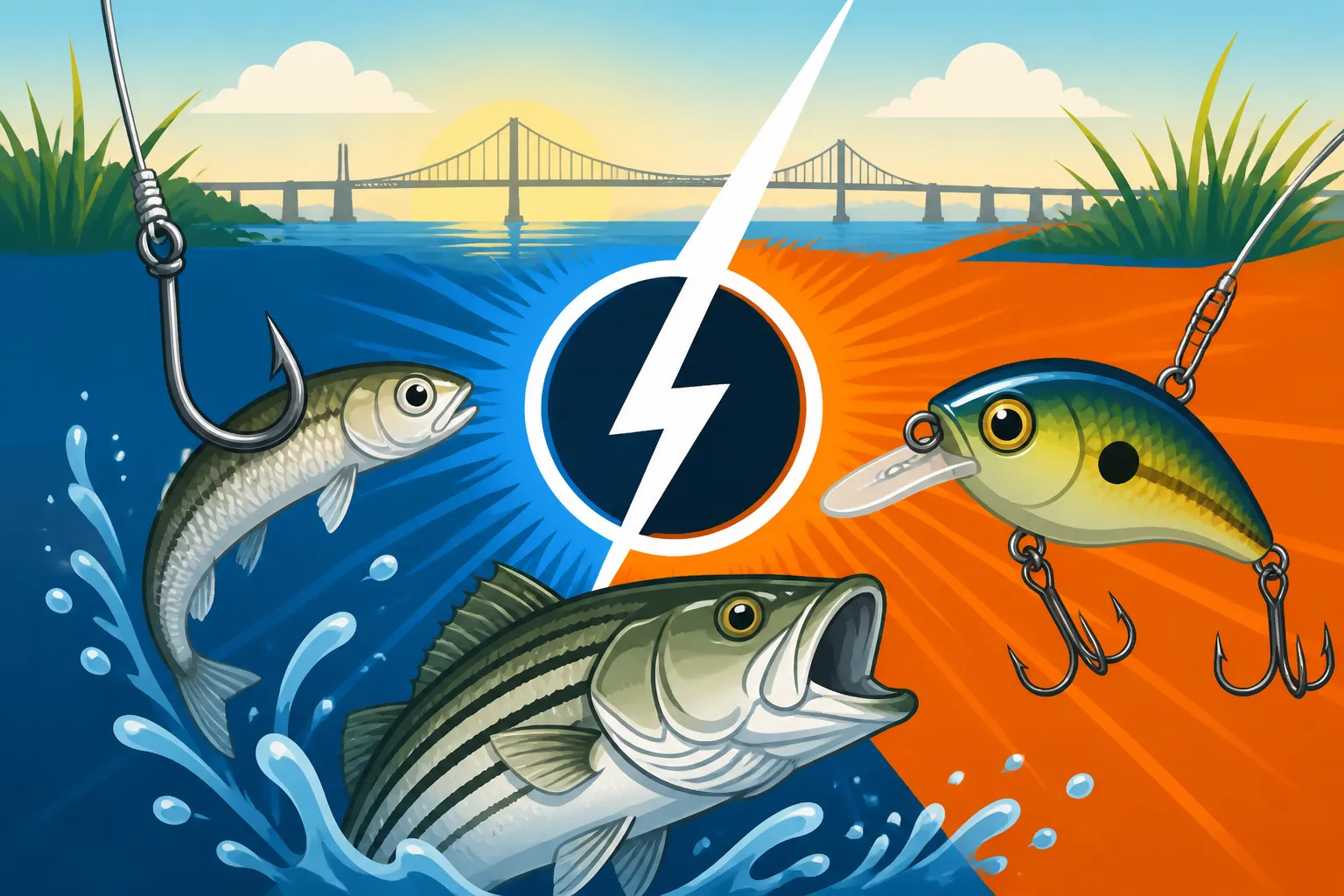
One of the most common questions and sometimes even a point of debate among anglers heading out on a Chesapeake Bay fishing charter is whether to use live bait or artificial lures. It’s a classic dilemma, and the truth is, both methods have their ardent followers and undeniable effectiveness. This guide will walk you through the nuances of each approach, helping you understand when and why a charter captain might lean one way or the other, ensuring you're prepared for a successful day on the water, no matter what's on the hook.
The Timeless Appeal of Live Bait on Chesapeake Bay Charters
There's something inherently exciting about fishing with live bait. It connects us to a primal hunting instinct, and for many species in the Chesapeake Bay, it's simply what they're looking for. Live bait often brings a unique advantage to the table, especially when fish are finicky.
Why Live Bait Often Outperforms Artificial Lures
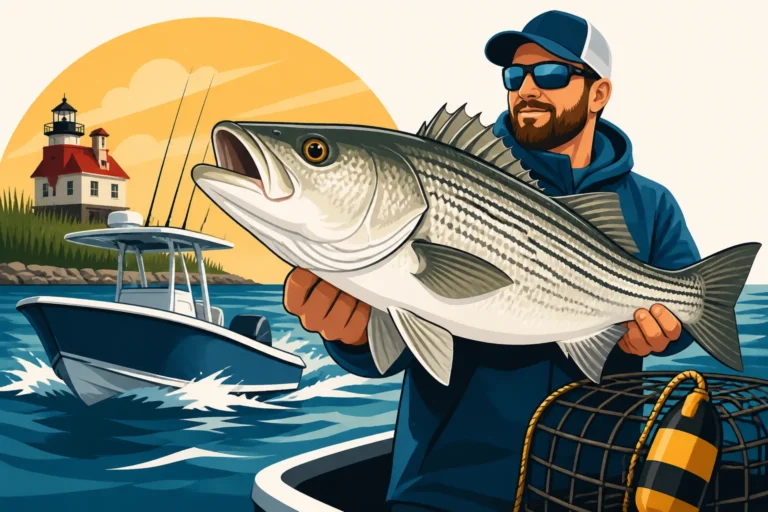
Live bait possesses qualities that artificial lures, no matter how realistic, can struggle to perfectly replicate. First and foremost is the natural scent. A struggling live spot or a freshly cut piece of bunker sends out a powerful scent trail that can draw fish in from a considerable distance. Fish, particularly predators like striped bass, rely heavily on their sense of smell to locate food in the often murky waters of the Bay. This isn't just a faint odor; it's a distress signal that screams "easy meal!" to a hungry rockfish.
Beyond scent, the natural movement of live bait is incredibly hard to beat. A small fish, like a lively spot, swimming erratically or trying to escape a perceived threat is a siren song to a striped bass. This natural, unpredictable movement can trigger a strike even from a less aggressive fish that might ignore a perfectly presented lure. Think about it: a live bait fish is constantly moving, twitching, and swimming, reflecting light and creating vibrations in a way no plastic or metal lure can sustain indefinitely without constant angler input. When you're drifting a live eel along a channel edge, its natural undulations can be exactly what it takes to fool a wary predator. Live-Lining Spot for Maryland's Chesapeake Bay Rockfish is a prime example of a highly effective live bait strategy.
Common Live Bait Strategies and Their Effectiveness
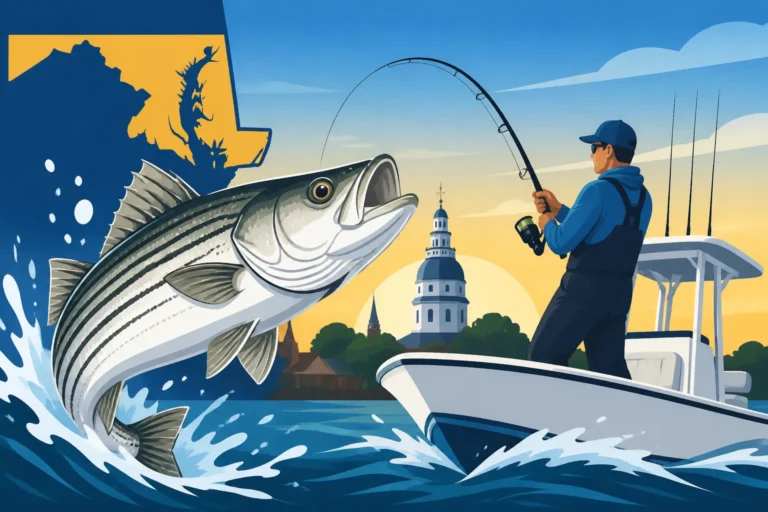
Chesapeake Bay charter captains are masters of deploying live bait to maximize success. One of the most popular and effective methods is live-lining. This involves hooking a live baitfish, typically a spot, menhaden (bunker), or even an eel, and presenting it to predatory fish. It could be free-lined with minimal weight or fished under a bobber near structure or schools of larger fish. For striped bass, especially during the warmer months, live-lining spot near channel edges or bridge pilings can be incredibly productive. The captain might motor around locating schools of bait and larger fish on the sonar before deploying lines, making sure you're dropping your live offering right into the strike zone.
Another common strategy involves chumming and chunking. While not strictly "live" bait in the sense of being active, cut bait from species like bunker or alewives still falls under the live bait umbrella due to its natural scent and taste. Charter boats will often deploy a chum slick, slowly dispersing oily, ground-up fish into the current to attract game fish. Then, chunks of cut bait are sent down the chum line, appearing as easy targets to the fish drawn in by the scent. This technique is fantastic for species like bluefish, croaker, and even larger striped bass. Many charter operations stock up on fresh bait before your trip, sometimes even catching it themselves, which is a testament to its importance.
Bottom fishing with live or fresh cut bait is also widely practiced. When targeting species like croaker, sea trout, or even blue catfish in the lower tidal rivers, a simple bottom rig with a piece of clam, squid, or bloodworm can be deadly. These baits release powerful scents that attract bottom-dwelling species. Best Bait for Catfish in Maryland Rivers often involves fresh cut bait, proving its worth for a variety of species.
The Versatility and Skill of Fishing with Artificial Lures
While live bait holds a special place, artificial lures have dramatically evolved and are incredibly effective, often requiring a bit more angler skill and finesse. They offer a different set of advantages that make them indispensable in a charter captain's arsenal.
Advantages of Artificial Lures in Chesapeake Bay Fishing
One of the biggest advantages of artificial lures is their durability and reusability. You don't have to worry about bait dying or running out halfway through the trip. A good jig or plug can last for countless fish, saving time and money in the long run. They are also significantly less messy than live bait, which can be a relief for some anglers on board who prefer not to handle slimy fish or strong-smelling chum.
Artificial lures offer incredible versatility in terms of targeting specific depths, mimicking different prey, and adapting to various fishing conditions. Whether you need to present a lure deep in the water column for rockfish holding on structure or cast a topwater plug over shallow grass beds for snakehead, there's an artificial lure designed for the job. This versatility allows charter captains to react quickly to changing conditions or to specifically target a species that might not be as receptive to live bait at a given moment.
Furthermore, fishing with artificial lures often involves more active engagement from the angler. Jigging a soft plastic, working a topwater lure, or precisely trolling a diving plug requires skill and technique. The satisfaction of enticing a strike on a lure you're actively working can be incredibly rewarding. It’s a dance between angler and fish, where your presentation can make all the difference. Jigging Techniques for Maryland's Chesapeake Bay Striped Bass demonstrates the skill involved in effectively presenting artificials.
Popular Artificial Lures for Chesapeake Bay Species
The variety of artificial lures available for Chesapeake Bay fishing is vast and constantly expanding. Here are a few main types you'll encounter on a charter:
- Jigging Soft Plastics: These are perhaps the most common artificial lures on the Bay, especially for striped bass. Soft plastic bodies, often shaped like baitfish or eels, are rigged on lead jig heads. Captains will often position the boat over schools of fish or structure, and anglers will drop these jigs down, then "jig" them back up with a rhythmic motion. Colors and sizes vary depending on water clarity, light conditions, and the size of the baitfish present. Examples include paddle tails and grub tails in chartreuse, white, or pearl.
- Trolling Bucktails and Plugs: When fish are spread out or actively feeding over larger areas, trolling is a go-to method. Bucktails (jigs tied with deer hair) can be trolled individually or as part of a tandem rig. Diving plugs, designed to imitate baitfish, are also incredibly effective. The captain will set a spread of rods, each with a different lure or depth, covering a wide swath of water. This technique can be especially good for covering ground and locating schools of actively feeding striped bass. Trolling Bucktails for Maryland Striped Bass is a highly effective method.
- Casting Topwater Lures: For species like striped bass or northern snakehead feeding aggressively in shallow water, nothing beats the explosive strike on a topwater lure. Poppers, walk-the-dog baits, and prop baits create commotion on the surface, mimicking a struggling baitfish. While less common on traditional Chesapeake Bay rockfish charters which often focus on deeper water, guides specifically targeting snakehead on rivers like the Potomac will absolutely rely on these. How to Catch Snakehead With Topwater Lures highlights the excitement of this technique.
- Spoons and Blades: Metal spoons, which flash and wobble like injured baitfish, are excellent for casting or trolling. Blade baits, which vibrate intensely when retrieved, can also be very effective for jigging or casting in deeper waters, mimicking distressed bait.
Making the Choice: Live Bait or Artificial Lures on Your Charter
Ultimately, the choice of whether to primarily use live bait or artificial lures often rests with your charter captain. Their extensive experience on the specific waters of the Chesapeake Bay and their daily observations are invaluable.
Factors Influencing Your Charter's Bait Choice
Charter captains are constantly evaluating a multitude of factors to put you on fish. Their decision on bait vs. lures is rarely arbitrary:
- Target Species: Some fish, like striped bass, are highly receptive to both. Other species, like blue catfish, almost universally prefer a natural, cut bait presentation. Conversely, active predator fish like bluefish might strike almost anything shiny and fast-moving, making artificials very efficient.
- Time of Year and Water Temperature: During warmer months, live bait can be incredibly effective when fish are actively feeding. In colder water, fish might be more sluggish and a subtle, natural presentation of live bait could be key, or a slow-jigged artificial. Understanding How Cold Water Affects Striped Bass Behavior in the Bay is crucial.
- Current Fishing Conditions: Is the water clear or muddy after a storm? Is there a strong current? Are baitfish abundant or scarce? These factors dictate what fish are feeding on and how they're likely to react. If bait is scarce, a captain might choose to rely on artificials that don't deplete their limited live bait supply.
- Fish Behavior and Location: Are the fish aggressively schooling and busting bait on the surface? Artificials like topwater lures or fast-trolled plugs would be ideal. Are they holding tight to structure deep underwater and ignoring everything? A live-lined spot or a carefully jigged soft plastic might be the only way to get a bite.
- Captain's Preference and Expertise: Every charter captain has their own specialties and techniques that they have perfected over years. Some are renowned for their live-lining skills, while others excel at finding fish with sonar and having clients jig up limit catches with artificials. When booking a trip, you can always ask the charter operator, perhaps through a platform like FishingBooker, about their primary methods.
- Regulations: Sometimes, specific regulations, especially in sensitive areas or during certain seasons, might favor one method over another, such as barbless hook rules that are easier to comply with using certain artificials.
The Hybrid Approach: Combining Both Strategies
Many savvy Chesapeake Bay charter captains don't exclusively stick to one method. Instead, they employ a hybrid approach, using the best of both worlds to maximize their clients' chances of success.
For instance, a charter might start the day by trolling artificial lures to cover a lot of water and locate active schools of striped bass. Once a productive area is found, they might then switch to anchoring or drifting, deploying live bait to entice more consistent bites from a concentrated school. Or, they might use chum to draw fish in, and then offer both cut bait on bottom rigs and jigged artificials to see what the fish are responding to most.
This adaptability is a hallmark of a great charter experience. It ensures that no matter what the Bay throws at you that day, your captain has a plan to get lines tight. It's a pragmatic approach that recognizes the strengths of both live bait's natural appeal and artificial lures' versatility and efficiency.
Maximizing Your Catch with Either Choice
No matter if you're dropping a live spot or jigging a chartreuse soft plastic, the goal is the same: to catch fish and have an unforgettable experience. Your involvement can significantly enhance the trip.
Engaging with Your Captain and Crew
The most important advice for any charter trip, regardless of the bait choice, is to listen to your captain and crew. They are the experts on the water, spending countless hours studying fish behavior, currents, and patterns. Don't be afraid to ask questions! If you're curious why they're using a particular bait or lure, or why they're fishing a certain spot, ask them to explain. Most captains love to share their knowledge. Learning Best Bait for Bluefish in Maryland or Best Lure Colors for Jigging Chesapeake Bay Rockfish directly from them can make you a better angler.
Be open to their recommendations. If they suggest switching from an artificial lure to a live bait presentation, or vice versa, trust their judgment. Conditions on the Bay can change rapidly, and they have the experience to adapt. Remember, they want you to catch fish just as much as you do!
Preparing for Your Chesapeake Bay Charter Experience
While the bait strategy is the captain's domain, there are things you can do to prepare for your trip to ensure you make the most of it:
- Dress Appropriately: The weather on the Chesapeake Bay can be unpredictable. Layering is key, and bring rain gear, even if the forecast looks clear. What to Wear on a Chesapeake Bay Fishing Charter is always a good read before heading out.
- Bring Sun Protection: Hat, sunglasses, and plenty of sunscreen are essential for a long day on the water.
- Pack Snacks and Drinks: While some charters might provide light refreshments, it's always a good idea to bring your own.
- Manage Expectations: Fishing is fishing! Some days are phenomenal, others are slower. Focus on the experience, the camaraderie, and the beauty of the Bay. The captain will work hard to find fish, but sometimes they just don't bite.
- Consider Booking: When looking for a charter, platforms like FishingBooker can help you find captains who specialize in different techniques, whether you prefer live bait, artificials, or a combination. Read reviews and look at their preferred methods of fishing.
| Feature | Live Bait | Artificial Lures |
|---|---|---|
| Scent & Taste | Natural, powerful attractant from living/cut bait | Minimal to no natural scent (unless scented) |
| Movement | Natural, unpredictable, triggers instinct | Mimics movement, relies on angler's presentation |
| Durability | One-time use, perishable | Reusable, durable, lasts many fish |
| Mess Factor | Can be messy, requires handling fish/chum | Generally cleaner, less handling of biological material |
| Availability | Requires sourcing/catching, can run out | Always available, doesn't "die" |
| Versatility | Limited to natural prey imitation | Wide variety of shapes, sizes, colors for different scenarios |
| Angler Skill | Often simpler presentation, but bait handling skill | Requires more active presentation, retrieve, and finesse |
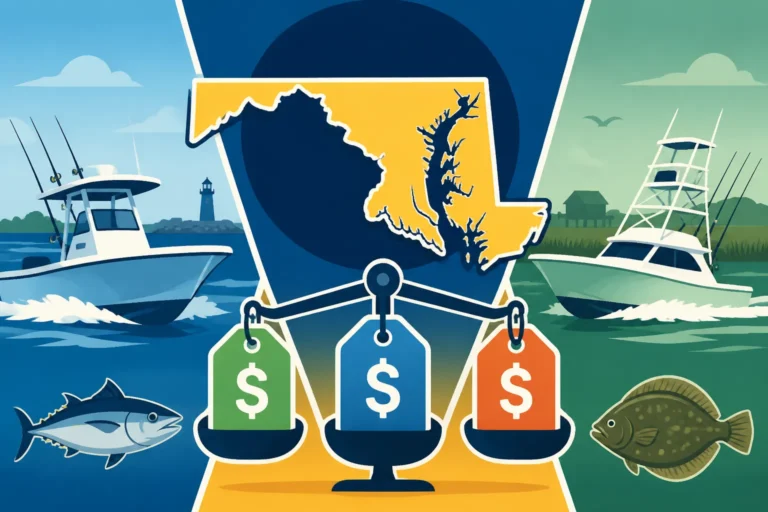
| Cost | Can add to charter cost due to bait acquisition | Part of tackle cost, reusable |
| Species Targeted | Very effective for many species, especially bottom feeders and striped bass | Excellent for aggressive predators, versatile for various depths |
Ultimately, whether your Chesapeake Bay charter focuses on live bait, artificial lures, or a smart combination of both, you're in for an exciting day. The best captains are adept at adapting their strategies to the ever-changing conditions of the Bay, ensuring you have the best possible chance at a memorable catch.
Disclaimer
This article is for general informational purposes only and does not constitute professional advice. Laws, prices and regulations vary by location and change over time. Consult a qualified professional for guidance on your specific situation.