Fishing Solomons Island Marinas
Finding reliable, accessible fishing spots can often feel like a treasure hunt, especially when you're looking for somewhere productive without needing a full-blown boat trip. It's a common frustration to drive around, hoping to stumble upon that perfect pier or shoreline access. This guide is here to alleviate that stress by uncovering the often-overlooked yet incredibly rewarding fishing opportunities nestled within the marinas of Solomons Island, Maryland, offering a detailed roadmap to successful angling right from the docks.
The Unique Appeal of Solomons Island Marinas for Anglers
Solomons Island, sitting proudly at the mouth of the Patuxent River where it meets the Chesapeake Bay, is renowned for its scenic beauty and vibrant boating culture. But beyond the gleaming yachts and bustling boatyards, its numerous marinas hold a secret for anglers: they are fantastic, accessible fishing grounds.
More Than Just Boat Storage: A Thriving Ecosystem
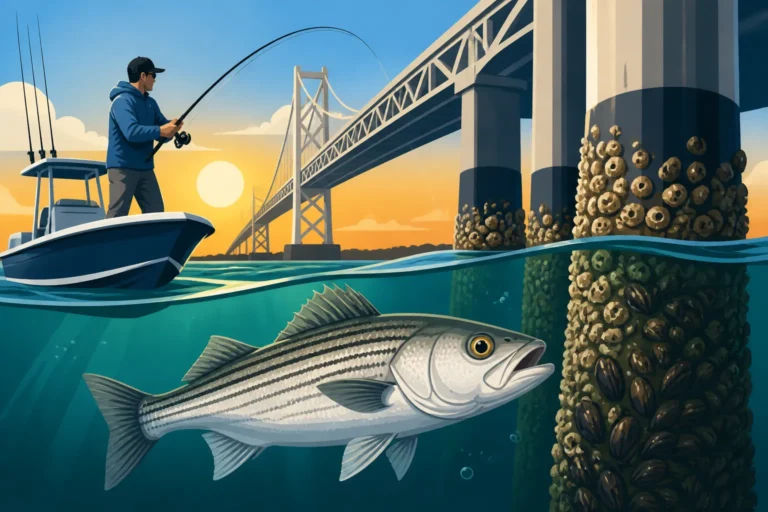
It's easy to view marinas simply as places to dock boats, but for fish, they're much more – they're bustling, ready-made ecosystems. The extensive network of docks, pilings, bulkheads, and moored boats creates a complex underwater structure that acts like an artificial reef. This labyrinth provides shelter for baitfish, such as juvenile herring, silversides, and small crabs, which in turn attract larger predatory species. These structures also offer shade, a crucial element for fish seeking refuge from the summer sun or a place to ambush prey.
The calm waters within many marina basins, protected from the harsher currents and winds of the open bay or river, create a stable environment where fish can feed and hide. Marinas like Zahniser's Yachting Center, Spring Cove Marina, and Solomons Yachting Center, among others, feature deep channels, sudden drop-offs, and plenty of submerged lines and obstacles that are magnets for a variety of fish. This sheltered environment makes them prime locations, especially when the main Patuxent River or Chesapeake Bay gets a little too rough for comfortable fishing. The combination of readily available food, shelter, and protected waters means that these spots often hold fish year-round, adapting to seasonal changes just like the wider Fishing Solomons Island and the Patuxent Mouth area.
Accessibility and Convenience for Shore-Based Anglers
One of the biggest advantages of fishing Solomons Island marinas is their sheer accessibility. For many anglers, the dream of fishing involves casting a line without the need for a boat, and marinas often provide just that. While some areas might be strictly private, many marinas, particularly those with associated restaurants, bait shops, or public boardwalks, offer prime fishing spots directly from their docks or nearby shorelines. This is a game-changer for families with young children, anglers with limited mobility, or anyone who simply prefers the simplicity of shore-based fishing.
The convenience factor is undeniable. You'll typically find ample parking, often restrooms, and sometimes even picnic areas nearby, making for a comfortable day out. Crucially, many marinas are co-located with local bait and tackle shops, like those you might find near the Solomons Island public piers or through a quick search for local retailers, meaning you can easily pick up fresh bait, new lures, or forgotten gear. Before heading out, it's always a good idea to check with the specific marina about their public access policies or if day passes are available, ensuring you're fishing legally and respectfully. If you're planning a trip and want to find accessible spots or even connect with a local guide who knows the ins and outs of marina fishing, platforms like FishingBooker can be incredibly helpful for finding available charters or guided trips that cater to your preferences, whether from a boat or even just focusing on prime shore spots.
Prime Species to Target and When to Find Them at Solomons Marinas
The diversity of fish species you can encounter in Solomons Island marinas is truly impressive, reflecting the rich blend of freshwater and saltwater influences in the Patuxent River and the Chesapeake Bay. Knowing what to target and when can significantly increase your chances of success.
Year-Round Favorites: Perch, Catfish, and Panfish
If you're looking for consistent action, you can often find a variety of fish species around the marinas almost any time of year.
White Perch: These feisty little fish are a marina angler's best friend. They school up in large numbers and are almost always found around structure – think pilings, submerged debris, boat hulls, and dock lines. In the spring, they make their spawning runs up into the shallower creeks and rivers, but throughout summer and fall, they return to deeper areas of the Patuxent River and the Bay, often congregating in marina channels. They're aggressive eaters and a blast to catch on light tackle. The White Perch in Maryland's Chesapeake Bay are not only plentiful but also delicious!
Yellow Perch: While less common in the warmer months in open tidal waters, yellow perch can still be found in the Patuxent's deeper, cooler channels, especially as fall transitions into winter. Marina basins that connect to these deeper channels can hold yellow perch, particularly during their pre-spawn and spawning runs in late winter and early spring. They're typically found closer to the bottom and prefer a cooler environment than their white perch cousins.
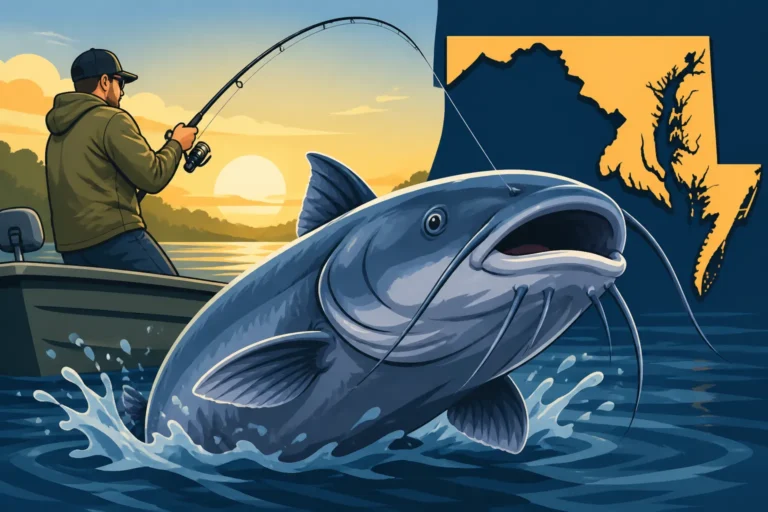
Blue Catfish: The Patuxent River, like many other Maryland rivers, has seen a boom in the invasive blue catfish population. These giants are powerful fighters and are present year-round. Marinas, with their deeper channels and often muddy bottoms, provide ideal habitat for blue catfish. They are opportunistic feeders and will readily take a variety of baits. Plus, catching and keeping them helps the local ecosystem, as they are considered a major threat to native species. You can learn more about this species in our guide on the Maryland Blue Catfish, an Invasive Giant. They make excellent table fare, too!
Sunfish and Crappie: In the shallower, less disturbed areas of marina basins, especially those with some vegetation or closer to freshwater inputs, you might find various panfish like bluegill, pumpkinseed, and crappie. These are excellent targets for light tackle and a perfect way to introduce kids to fishing.
Seasonal Stars: Striped Bass and Flounder
While perch and catfish offer consistent opportunities, certain times of the year bring in bigger, more sought-after species to the marina fringes.
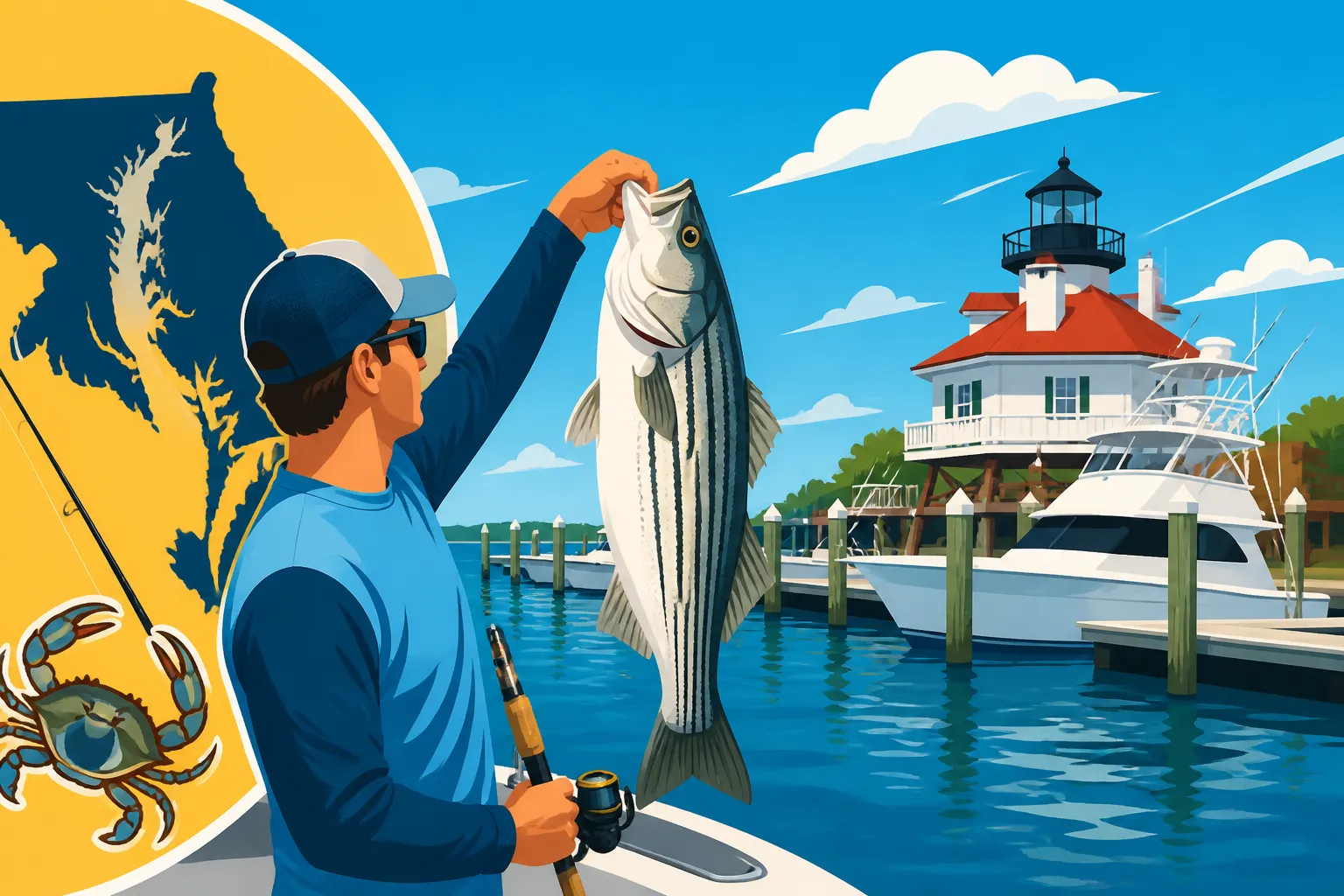
Striped Bass (Rockfish): Maryland's iconic state fish, the Striped Bass: Maryland's State Fish, often makes appearances in and around Solomons Island marinas. Smaller "schoolie" stripers can be found almost anytime, especially during low light hours, cruising the edges of the main channels or around prominent structures. However, the real excitement comes during the spring and fall migration periods. As larger fish move up and down the bay, they'll often venture into the Patuxent River and sometimes even into marina entrances, particularly if there's a good baitfish presence. They are strong fighters, providing a thrilling challenge for anglers. Always be sure to check the Maryland Striped Bass Season and Rockfish Rules before you go, as regulations can change frequently.
Flounder: These flatfish are masters of camouflage and excellent ambush predators. While more commonly associated with deeper channels in the lower Bay or coastal waters, flounder can absolutely be found in the deeper channels within or adjacent to Solomons Island marinas, especially as summer progresses. They prefer sandy or muddy bottoms where they can lie in wait for unsuspecting baitfish or crustaceans. Target them where there's good current flow near channel edges. Knowing the Maryland Flounder Size Limit is essential, as these can also vary. If you're traveling and want to make sure you hit the best season for these species, checking a site like FishingBooker can help you coordinate your trip with local guides who are experts on seasonal movements and regulations.
Here's a quick overview of some prime species:
| Species | Best Season | Common Baits/Lures | Typical Locations in Marinas |
|---|---|---|---|
| White Perch | Spring, Summer, Fall | Bloodworms, Grass Shrimp, Small Jigs | Pilings, Drop-offs, Boat Hulls |
| Yellow Perch | Late Fall, Winter | Minnows, Small Jigs, Bloodworms | Deeper channels, Near dock edges |
| Blue Catfish | Year-round | Cut Bait (Alewife, Perch), Chicken Livers | Deep holes, Channel edges, Muddy bottoms |
| Striped Bass | Spring, Fall | Live Spot, Soft Plastics, Jig-and-Plastic | Marina entrances, Channel edges, Around structure |
| Flounder | Summer | Minnows, Squid Strips, Gulp! Shrimp, Bucktails | Deeper channels, Sandy bottoms near current |
Essential Gear and Techniques for Marina Success
Fishing in a marina requires a slightly different approach than open-water fishing, focusing on precision, stealth, and adapting to a structured environment. The right gear and techniques will make all the difference.
Tackle Box Essentials: Rods, Reels, and Line
For most marina fishing scenarios, you don't need heavy-duty offshore tackle. Versatility is key, as you might encounter anything from small perch to a decent-sized striped bass or catfish.
A light to medium spinning setup is typically ideal. Look for a rod in the 6-foot 6-inch to 7-foot range, with a fast or moderate-fast action. This provides enough sensitivity to feel subtle bites from smaller fish but enough backbone to handle a surprising hook-up with a larger specimen. Pair this with a 2500-3000 series spinning reel, which offers a good balance of line capacity and smooth drag.
For line, 8-15 lb test monofilament or braided line is a great choice. Monofilament is more forgiving with knots and offers some stretch, which can be helpful when a fish makes a sudden run around a piling. Braided line, with its no-stretch properties and thinner diameter for its breaking strength, offers superior sensitivity and casting distance, allowing you to feel even the lightest nibbles. If using braid, a fluorocarbon leader (10-20 lb test) of a few feet is highly recommended for its abrasion resistance and invisibility underwater, especially in clearer marina waters.
Your terminal tackle should include a variety of small to medium jigs (1/8 oz to 1/2 oz), especially in chartreuse, white, pink, or natural baitfish colors for perch and schoolie stripers. Standard bottom rigs, often called "high-low" rigs, with small hooks (size 4-8), are perfect for presenting natural baits near the bottom. Have an assortment of sinkers (1/4 oz to 1 oz) to match the current and depth, and don't forget some bobbers or floats for suspending bait at specific depths. Having a small pair of pliers or forceps for hook removal and a net to land larger fish is also a good idea.
Bait, Lures, and Strategic Presentation
What you offer the fish and how you present it are paramount in marina environments where fish can sometimes be more wary due to boat traffic and activity.
Bait is king for many marina species. Bloodworms and grass shrimp are absolute magnets for white perch and yellow perch, and they're usually available at local bait shops in Solomons, such as those near the public boat ramps or shops like Bunky's Charter Boats & Marine. For catfish, cut bait from oily fish like alewife, bluegill, or even squid, as well as chicken livers, are incredibly effective. Minnows are versatile, working well for perch, smaller stripers, and flounder. If you can't find fresh bait, artificial alternatives like Gulp! scented baits can be surprisingly effective for flounder and perch.
When it comes to lures, small jigs are your bread and butter. Tipping a small jig with a piece of bloodworm or a Gulp! bait can be deadly for perch. For striped bass that might be cruising the deeper channels, small swimbaits, paddle tail plastics, or even small crankbaits that mimic local baitfish can entice a strike. Flounder will often hit soft plastics or bucktails tipped with a strip of squid or a minnow.
Strategic Presentation Techniques:
- Bottom Fishing: This is a go-to technique in marinas. Use a high-low rig with a sinker on the bottom, casting it near pilings, drop-offs, or the edges of boat slips. Let your bait sit on the bottom, but be ready to reel in slowly or give it a subtle twitch to attract attention.
- Jigging: Drop a small jig directly down alongside dock pilings, boat hulls, or any visible structure. Slowly lift and drop the rod tip, creating a vertical jigging motion that mimics a struggling baitfish. This is incredibly effective for perch and schoolie stripers.
- Casting and Retrieving: For lures, cast parallel to dock lines or into open pockets of water within the marina. Use a slow, steady retrieve, occasionally pausing or adding a twitch to mimic injured prey.
- Float Fishing: Suspending a live minnow or a piece of bait under a bobber can be very effective, especially in shallower areas or when fish are suspended off the bottom. Let the current carry your bait naturally around structure.
Remember, fish in marinas can be sensitive to noise and disturbance, so try to be quiet and move stealthily. If you're unsure about the best techniques for specific conditions, considering a local guide found on FishingBooker could provide valuable, real-time insights tailored to Solomons Island waters. They can show you the ropes and put you on the fish.
Navigating Regulations and Maximizing Your Marina Experience
A successful and enjoyable fishing trip to Solomons Island marinas isn't just about the right gear and bait; it's also about understanding and respecting the rules and the environment.
Understanding Maryland's Fishing License and Regulations
Before you even make your first cast, ensuring you have the correct Maryland fishing license is paramount. Solomons Island is primarily tidal water, meaning you'll likely need a Maryland Chesapeake Bay Sport Fishing License Explained, or at least a Chesapeake Bay and Coastal Bays Angler's License if you plan to fish recreationally. The good news is that Maryland makes it relatively easy to acquire a license online through the Department of Natural Resources (DNR) website. If you're wondering, "Do You Need a License to Fish From a Maryland Pier?", the answer is generally yes, unless specifically stated otherwise or during designated free fishing days.
It's also absolutely critical to be aware of the current Maryland Fishing Size and Catch Limits by Species. These regulations are in place to protect fish populations and ensure sustainable fishing for everyone. Species like striped bass, flounder, and even certain panfish have specific minimum sizes and daily creel limits. These rules can change seasonally or even mid-season due to conservation efforts, so always check the latest Maryland DNR fishing guide or website before you head out. Ignorance of the law is not an excuse, and violations can lead to hefty fines. For a complete understanding of all requirements, refer to the Maryland Fishing License Guide for 2026.
Finally, be mindful of where you're casting. Marinas are active places with private property and boat owners. Always respect "No Fishing" signs, avoid casting too close to moored boats (to prevent snags and damage), and never trespass on private docks without explicit permission. A little common courtesy goes a long way in ensuring these accessible spots remain open for all responsible anglers.
Enhancing Your Trip: Local Resources and Etiquette
Making the most of your Solomons Island marina fishing trip extends beyond just catching fish. It involves being a responsible angler and utilizing local knowledge.
Local Bait & Tackle Shops: These are invaluable resources. Stores like Solomons Island Bait & Tackle often have the most up-to-date information on what species are biting, where they're being caught, and what baits or lures are currently most effective. The folks behind the counter are usually passionate anglers themselves and happy to share their knowledge. Don't be afraid to ask for tips or advice tailored to current conditions. They'll also be your best bet for fresh bait and any last-minute gear needs.
Respect the Environment and Fellow Anglers: Marinas are shared spaces. Always clean up any fishing line, bait containers, or other trash you generate. Monofilament line, in particular, can be deadly to wildlife if left behind. Dispose of unwanted bait properly and avoid gutting fish directly on the docks. Be courteous to other anglers and boaters; maintain a reasonable distance, and keep noise levels down, especially early mornings or late evenings.
Consider a Guided Experience: If you're new to the area or new to fishing in general, hiring a local fishing guide can drastically improve your experience. These captains know the waters, the species, and the techniques like the back of their hand. They can take you to the most productive spots, teach you effective methods, and ensure you're fishing safely and legally. Platforms like FishingBooker are excellent resources for finding experienced local guides in the Solomons Island area who specialize in Patuxent River and Bay fishing, often offering both full boat charters and sometimes even walk-on options focusing on accessible spots. This can be an especially good way to quickly learn the nuances of fishing in this specific environment, giving you a solid foundation for future solo trips. To understand the broader seasonal patterns, our Best Time of Year to Fish in Maryland guide can also offer useful context.
Solomons Island marinas truly offer a fantastic blend of accessibility, convenience, and diverse fishing opportunities. With a bit of planning, the right gear, and respect for the rules and environment, you're set for a memorable angling adventure.
Disclaimer
Please be aware that fishing regulations, including license requirements, size limits, and catch limits, are subject to change by the Maryland Department of Natural Resources (DNR). Always consult the latest official Maryland fishing guides and regulations before heading out to ensure compliance. This guide is for informational purposes only and does not constitute legal advice.