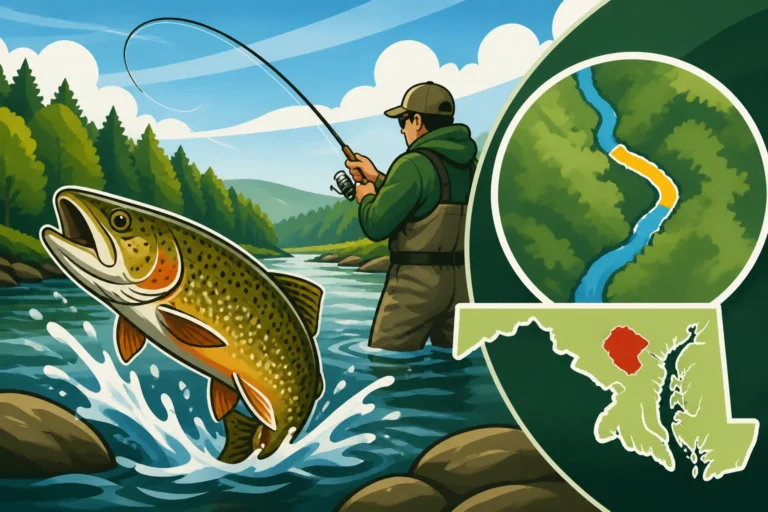
Fishing the North Branch Potomac for Trout
For many anglers, the thought of chasing trout in Maryland brings to mind mountain streams and crisp, clear waters, but often the specific rules and best spots can feel like a confusing maze. If you've been dreaming of landing some beautiful browns, rainbows, or even a feisty brook trout, this comprehensive guide will cut through the uncertainty and equip you with everything you need to know for a successful and enjoyable fishing trip on the legendary North Branch Potomac River.
Why the North Branch Potomac is a Trout Angler's Paradise
The North Branch Potomac River, especially in its upper reaches in Western Maryland, is truly a gem for trout enthusiasts. It's not just another stream; it’s a living, breathing ecosystem carefully managed to provide exceptional cold-water fishing opportunities. This river benefits from significant cold-water inputs and a healthy riparian corridor, creating ideal habitat that supports robust trout populations, both wild and stocked. The scenic beauty alone is enough to draw you in, but it's the thrill of the chase and the quality of the fish that keep anglers coming back year after year.
Understanding the River's Unique Character
Unlike many smaller streams, the North Branch Potomac offers a diverse range of fishing environments. From pocket water and riffles to deeper pools and slower runs, you'll find conditions suitable for various fishing styles. The river originates in West Virginia and flows through Garrett County, Maryland, forming part of the border before eventually merging with the South Branch Potomac. This stretch of river is known for its excellent water quality, which is crucial for trout survival and growth. The geology of the region, combined with thoughtful conservation efforts by the Maryland Department of Natural Resources (DNR), has cultivated a fishery that rivals some of the more famous trout destinations on the East Coast. When you cast your line here, you're not just fishing; you're immersing yourself in a pristine natural environment.
The Trout Species You'll Encounter
The North Branch Potomac is home to a delightful mix of trout species, offering varied challenges and rewards. The most commonly targeted species are Rainbow Trout and Brown Trout, both of which are regularly stocked by the Maryland DNR to supplement wild populations. You'll often find these fish thriving, with many growing to impressive sizes, particularly the browns which can be notoriously elusive but incredibly rewarding to catch. In the colder, more remote headwaters and tributary streams, you might even find native Brook Trout. These vibrant, smaller fish are a true testament to the health of the ecosystem and are a prized catch for any angler. Understanding Maryland Trout Species Guide can help you identify your catch and appreciate the diversity of this incredible fishery.
Navigating Regulations and Special Management Areas
Fishing the North Branch Potomac effectively, and legally, means understanding its unique regulatory zones. The Maryland DNR employs special management areas to protect and enhance its trout populations, which means rules can change depending on which section of the river you're fishing. It's not a one-size-fits-all situation, and being aware of these distinctions is key to a successful and penalty-free trip.
Catch and Release vs. Put-and-Take Sections
The North Branch Potomac is divided into various sections, each with specific regulations. You'll find areas designated as "Catch and Release Only" where the focus is entirely on conservation, ensuring the fish grow larger and can be enjoyed by many anglers throughout the season. These zones often require barbless hooks to minimize harm to the fish. Then there are "Put-and-Take" sections, which are heavily stocked with trout, primarily Rainbow Trout, to provide ample opportunities for anglers who wish to harvest their catch. These areas are fantastic for families or those new to trout fishing, as the chances of catching fish are generally higher. It's crucial to consult the latest Maryland fishing guide to know which section you're in and what rules apply. The Maryland Trout Daily Creel Limit varies significantly between these zones.
Here's a simplified overview of common North Branch Potomac River trout regulations in Maryland-managed sections, though always check the latest DNR guide for exact rules:
| Section Type | Location Example (General) | Gear Restrictions | Harvest Rules | Best for |
|---|---|---|---|---|
| Catch & Release | Upper North Branch (e.g., near Kitzmiller) | Artificial lures/flies only, single barbless hooks | No harvest allowed | Experienced fly anglers, conservationists |
| Delayed Harvest | Specific stocked areas (seasonal) | Artificial lures/flies only, single barbless hooks | No harvest in spring/fall; limited harvest in summer/winter | Anglers seeking high catch rates; seasonal harvest |
| Put & Take | Easily accessible stocked areas | No specific gear restriction; legal baits allowed | Standard trout creel limit | Beginners, families, those wanting to keep fish |
Understanding the distinction between Maryland Delayed Harvest Trout Waters Explained and Maryland Put-and-Take Trout Waters, What That Means is vital for planning your trip and ensuring you're compliant with the rules.
Licenses, Stamps, and Barbless Hooks
Before you even think about wetting a line, you'll need the proper Maryland fishing license. If you're targeting trout, you'll also need a FINS (Fisherman Identification Number) and a Maryland Trout Stamp. These are mandatory for anyone 16 years or older. You can easily purchase these online through the Maryland DNR website or at many local tackle shops. The revenue from these stamps directly supports the state's trout stocking and management programs. Additionally, many of the prime trout sections, especially the catch-and-release and delayed harvest areas, mandate the use of Barbless Hook Rules on Maryland Trout Streams. This is a conservation measure designed to reduce injury to fish, allowing them to be safely released to fight another day. Always carry a pair of pliers or forceps for easy de-hooking.
Essential Gear and Techniques for North Branch Potomac Trout
Success on the North Branch Potomac, especially for trout, often comes down to matching your gear and techniques to the conditions and the specific section you’re fishing. Whether you prefer the elegant dance of fly fishing or the versatility of spin fishing, having the right setup can make all the difference. Don't worry, you don't need to break the bank, but a few key items will greatly enhance your experience.
Fly Fishing for Finicky Trout
Fly fishing is incredibly popular on the North Branch Potomac, and for good reason. The clear waters and insect hatches make it a perfect canvas for presenting flies. A 9-foot, 4- to 5-weight fly rod is a versatile choice for most conditions, allowing you to cast delicate dry flies or heavier nymph rigs. For your reel, a basic disc drag system is sufficient, spooled with a floating line matched to your rod weight, a 9-foot leader tapering to a 4x or 5x tippet, and a selection of tippet material from 3x to 6x.
When it comes to flies, variety is your friend. Early season often calls for nymphs like Pheasant Tails, Hare’s Ears, and Prince Nymphs, especially when fished under an indicator. As water temperatures rise and insect activity increases, carry a selection of dry flies such as Caddis patterns (Elk Hair Caddis), Mayflies (Blue-winged Olives, Hendrickson), and Terrestrials (Ants, Beetles, Hoppers) for summer. Streamers like Woolly Buggers can be effective year-round, particularly for larger brown trout lying in deeper pools or under cut banks. If you're new to fly fishing, considering a guided trip through a service like FishingBooker can provide invaluable local knowledge and accelerate your learning curve on this specific river. Knowing your Fly Fishing Gear for Maryland Trout Streams will significantly boost your confidence.
Spin Fishing Tactics for Diverse Conditions
For those who prefer spin fishing, the North Branch Potomac offers plenty of opportunities. A lightweight spinning rod, around 6 to 7 feet long, with a fast action tip and a sensitive backbone, paired with a small spinning reel spooled with 4-6 lb test monofilament or fluorocarbon line, is an excellent setup. The lighter line allows for longer casts and a more natural presentation, which is crucial for wary trout.
Your tackle box should include a variety of small inline spinners (Mepps Aglia, Panther Martin), spoons (Kastmasters, Little Cleos), and small jerkbaits or crankbaits that mimic baitfish. Soft plastics, like small grubs or trout worms fished on a light jig head, can also be incredibly effective, especially when trout are less active. Live bait, such as worms, mealworms, or small minnows, can be deadly in "put-and-take" sections where bait fishing is permitted. Always check local regulations, as Which Maryland Streams Are Catch and Release Only? may prohibit bait fishing. FishingBooker can also connect you with guides specializing in spin fishing techniques for the Potomac if you’re looking for tailored advice.
Optimal Seasons and Conditions for Trout Fishing
Knowing when to fish can be just as important as knowing how to fish, especially for trout on the North Branch Potomac. Trout are highly sensitive to water temperature, flow, and seasonal changes, and understanding these factors will significantly increase your chances of a memorable day on the water.
Spring: The Time of Renewal and Stocking
Spring is arguably the most popular time for trout fishing on the North Branch Potomac. The Maryland DNR conducts extensive trout stockings during this period, replenishing many of the public access areas. The melting snows and spring rains ensure good water levels, and the cool temperatures keep the trout active. March, April, and May are prime months, with many anglers flocking to the river right after stocking events. These periods are particularly productive in the "put-and-take" sections.
However, spring can also bring rapid changes in weather and water conditions. Be prepared for fluctuating water levels and clarity, especially after heavy rains. Focus on slower eddies and deeper pools if the water is high and murky. As the season progresses into late spring, insect hatches become more prolific, offering excellent dry fly opportunities in the catch-and-release sections. To understand the broader trout stocking schedule across the state, you might want to look into Maryland Trout Season, Month by Month.
Summer: Seeking Cooler Waters and Wild Trout
As summer temperatures rise, trout can become stressed, especially in shallower areas. This is when finding cooler water becomes paramount. Focus your efforts during the cooler parts of the day, like early mornings or late evenings. Seek out sections of the river that are well-shaded, have deeper pools, or are fed by cold tributary springs. These areas provide refuges for trout and can still offer excellent fishing.
Summer is also a fantastic time to target wild trout populations in the upper reaches or smaller feeder streams of the North Branch, where water temperatures remain more stable. Terrestrial patterns like hoppers, ants, and beetles become very effective during summer months as these insects inevitably fall into the water. This is also a good time to consider exploring some of the Best Trout Streams in Western Maryland if the main stem of the Potomac gets too warm.
Fall and Winter: Fewer Crowds, Challenging Rewards
Fall fishing on the North Branch Potomac can be absolutely spectacular. The vibrant foliage creates a stunning backdrop, and cooler water temperatures revitalize the trout. Many "delayed harvest" sections transition to catch-and-release regulations in the fall, offering larger, healthier fish that have had time to grow since spring stockings. Browns often become more active and aggressive as they prepare for spawning, making them a prime target. Nymphing and streamer fishing are highly effective methods during this time, though sporadic dry fly hatches can still occur on warmer days.
Winter offers solitude and a unique challenge. While the fishing can be slower, dedicated anglers can still find success, particularly on milder days. Deeper, slower pools are key, as trout will conserve energy in cold water. Small nymphs, midge patterns, and slow-fished streamers are your best bets. Dress warmly, layer up, and be mindful of icy conditions along the banks. The peace and quiet of a winter trout stream are an experience unto themselves, and the rewards of landing a beautiful fish in the cold can be truly memorable.
Accessing the North Branch Potomac's Trout Waters
Getting to the best trout fishing spots on the North Branch Potomac is part of the adventure. While some areas are easily accessible, others require a bit more effort. Understanding your access options will help you plan your trip efficiently and safely.
Public Access Points and Parking
The Maryland DNR has done an excellent job of providing numerous public access points along the North Branch Potomac. Many of these are well-marked with parking areas, ranging from paved lots to roadside pull-offs. Popular spots might include areas near the towns of Kitzmiller, Bloomington, and Luke, but it's always best to consult a detailed map or the DNR's specific fishing access guides. Some sections might require a short hike from the parking area, rewarding you with more secluded fishing.
It’s crucial to respect private property boundaries and only fish where you have legal access. Always look for signage indicating public access or consult property maps. Some landowners generously allow access, but it's important not to trespass. Fishing the North Branch often means exploring different stretches, and a resource like FishingBooker can sometimes help identify guides who know these access points intimately, particularly those hidden gems. For more general information on fishing spots in the area, you can also check out Fishing Spots in Western Maryland's Mountains.
Wading and Safety Considerations
The North Branch Potomac is primarily a wading river, meaning you'll be getting in the water to fish many of its prime stretches. Waders and wading boots with good grip (felt or rubber with studs) are essential. The river bottom can be rocky and slippery, so good footing is paramount. Always use a wading staff for stability, especially in faster currents or unfamiliar waters.
Safety should always be your top priority. Always check the river's flow rates before you go, especially after heavy rains or snowmelt. High water can be dangerous, making wading treacherous and fishing difficult. Never wade alone if possible, and always let someone know where you're going and when you expect to return. Be aware of your surroundings, including wildlife and changing weather conditions. A well-prepared angler is a safe angler, ready to enjoy the beauty and bounty of the North Branch Potomac.
Disclaimer
Please note that fishing regulations, seasons, and licensing requirements can change. Always consult the latest official Maryland Department of Natural Resources (DNR) guide or website before planning your fishing trip to ensure you are compliant with all current rules and regulations. This guide is for informational purposes only and should not replace official sources.