Fishing Tilghman Island Waters
There's nothing quite like the allure of the Chesapeake Bay, but for many anglers, figuring out where to drop a line can feel overwhelming. Tilghman Island, with its historic charm and prime location, is a true gem, yet understanding its unique waters and knowing the best spots and techniques can be a real head-scratcher. This guide is here to untangle those knots, giving you the insider knowledge to make your fishing trip to Tilghman Island waters a resounding success.
Understanding Tilghman Island's Unique Waters
Tilghman Island, often affectionately called "The Pearl of the Chesapeake," isn't just another pretty spot on the map; its location is a strategic advantage for anglers. Situated right at the confluence of the mighty Choptank River and the expansive Eastern Bay, it offers a diverse range of aquatic environments, each with its own character and species potential. This isn't just about throwing a line in the water; it's about understanding the complex hydrodynamics that make these waters so fertile.
The Chesapeake Bay Influence
The overarching influence of the Chesapeake Bay itself is profound. The Bay acts as a massive artery, bringing tidal flows, nutrients, and migratory fish right to Tilghman's doorstep. What this means for you, the angler, is access to a wide variety of species that move with the seasons. From the iconic striped bass (often called rockfish here in Maryland) to hefty blue catfish and schooling white perch, the Bay's rhythms dictate their presence and behavior. The varying salinity levels, particularly where the Choptank meets the Bay, create unique habitats that attract different fish. For example, some species prefer the saltier Bay waters, while others thrive in the more brackish estuary conditions. This dynamic environment means you often don't have to travel far to find what you're looking for, but you do need to understand how the larger Bay currents and temperatures affect the smaller areas around the island.
Tributaries and Creeks: Shelter and Spawning Grounds
Beyond the main Bay, Tilghman Island is intricately connected to a network of smaller tributaries and shallow creeks that spiderweb into the land. Places like Broad Creek, which carves deeply into the island itself, and the numerous smaller guts and marshy areas around Dogwood Harbor, are crucial. These sheltered waters provide refuge from rougher Bay conditions, offering a calmer fishing experience, especially for smaller boats or kayak anglers. More importantly, these creeks often serve as vital spawning grounds or nurseries for many species, particularly during the spring. White perch, for instance, make significant spawning runs up these freshwater-influenced creeks. You might also find juvenile striped bass using these areas as protective feeding grounds. During colder months, these deeper creeks can offer warmer water pockets that attract fish seeking thermal refuge. Understanding the subtle differences in depth, structure (like submerged grass beds or oyster reefs), and current within these smaller waterways can unlock some truly fantastic fishing opportunities right under your nose.
Prime Fishing Spots Around Tilghman Island
When you're looking to fish around Tilghman Island, you're blessed with a variety of options, from wide-open Bay waters to secluded creeks. Knowing where to focus your efforts can make all the difference, transforming a slow day into a memorable one.
Deep Water Channels and Lumps
For many of the larger game fish, especially migratory species like striped bass, targeting deep water channels and distinct underwater lumps is key. The main shipping channels that run through the Chesapeake Bay, particularly those leading into the Choptank River and Eastern Bay, act as highways for fish. These channels often have steep drop-offs and current breaks where baitfish congregate, and predatory fish lie in wait. Look for areas where these channels intersect or where smaller, shallower lumps rise from the depths. These "lumps" or "humps" are essentially underwater hills that can hold fish seeking structure or feeding on schools of bait driven by the current. Using your fish finder to locate these subtle changes in bottom contour can be incredibly effective. Anglers often drift baits or troll along these channel edges, especially during the spring and fall migrations when large schools of rockfish are moving through. Keep an eye on your depth sounder for bait balls or arches indicating fish activity.
Shoreline Access and Piers
While Tilghman Island itself doesn't boast extensive public fishing piers like some other Maryland destinations, there are still options for shore-bound anglers, particularly if you have a kayak or small boat. The public boat ramps, such as the one at the Tilghman Island Harbor, provide direct access to the water, allowing you to launch and explore nearby shorelines or paddle into the calmer creeks. For those who prefer to keep their feet on dry land, opportunities can be found around specific docks, bulkheads, or designated public access points that allow casting into the shallower waters of Broad Creek or the surrounding tidal flats. These areas can be excellent for white perch, especially during their spring runs, or for blue crabs if you're looking for a combo trip. Always be mindful of private property when seeking out shore fishing spots. If you're looking for more robust pier fishing, you might consider Do You Need a License to Fish From a Maryland Pier? or exploring options further afield in the broader Chesapeake Bay region.
Targeting Specific Species Hotspots
Different fish prefer different habitats, and knowing where to find your target species is half the battle.
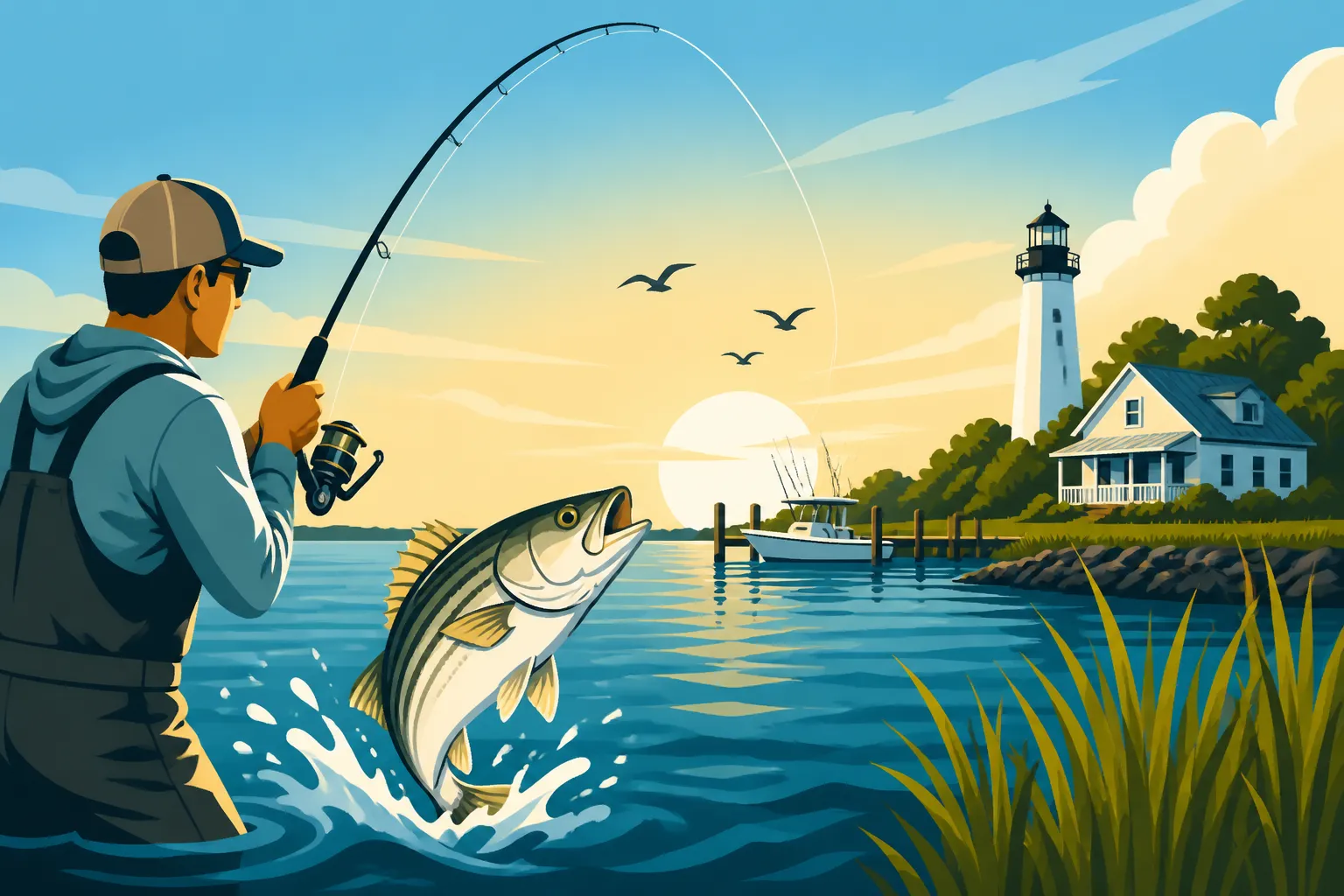
- Striped Bass (Rockfish): These are the kings of the Bay. Around Tilghman Island, you'll find them holding on channel edges, around structure like the Bay Bridge pilings (a bit of a journey but worth it!), or shadowing bait schools in open water. Live lining spot or eels, jigging soft plastics, or trolling with bucktails and umbrella rigs are popular methods. The spring trophy season and the fall run are prime times, but they can be caught year-round following specific Maryland Striped Bass Season and Rockfish Rules.
- White Perch: These feisty panfish are abundant in the creeks and shallower Bay waters around the island, particularly during their spring spawning runs up tributaries like the Choptank. Look for them in areas with oyster reefs or submerged grass. Small jigs tipped with bloodworms, grass shrimp, or tiny plastic grubs are incredibly effective. Learn more about White Perch Spawning Runs in Maryland Rivers to hit them at the right time.
- Blue Catfish: An increasingly common and often massive invasive species, blue catfish can be found in the deeper, brackish sections of the Choptank River and its lower tributaries. They love cut bait, particularly fresh bunker or gizzard shad, fished on the bottom. These fish grow to impressive sizes, and there's generally Maryland Blue Catfish Limit, or Lack of One, encouraging anglers to remove them.
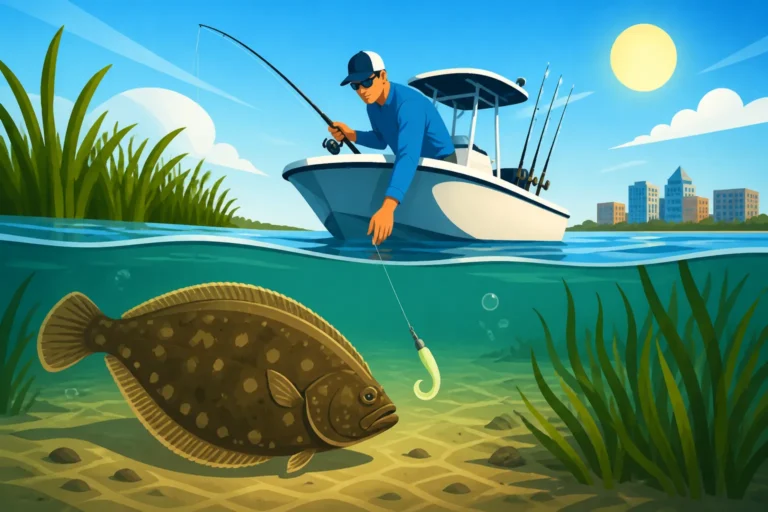
- Flounder: While not as prolific as on the Atlantic coast, flounder can be found in the shallower, sandy bottom areas of Eastern Bay and the Choptank River during warmer months. Look for channels and drop-offs near sandy flats. Drifting with minnows or strips of squid on a flounder rig is a classic approach. Keep an eye on Maryland Flounder Size Limit before heading out.
Essential Techniques and Gear for Tilghman Island
Fishing Tilghman Island waters means you'll encounter a variety of conditions and species. Being prepared with the right techniques and gear will significantly boost your chances of success. It's not just about having a rod and reel; it's about understanding how to use them effectively in this unique environment.
Best Baits and Lures
Choosing the right bait or lure is paramount to enticing a bite. The preferences of fish can change based on the season, water temperature, and what natural forage is available.
- Live Bait: For striped bass, especially during the warmer months, live bait is often king. Spot, small croaker, and eels are highly effective when live-lined along channel edges or over submerged structure. These baits mimic the natural prey of rockfish and can elicit aggressive strikes. For white perch, small live minnows or grass shrimp are hard to beat, especially in the creeks.
- Cut Bait: When targeting blue catfish in the deeper parts of the Choptank, fresh cut bait like alewife, gizzard shad, or even pieces of menhaden are incredibly effective. The scent trail they release draws in catfish from a distance.
- Artificial Lures: Soft plastic jigs, often paired with a jig head in varying weights, are incredibly versatile. Paddle tails, curly tails, and scented plastics like Bass Assassins or Z-Man's StreakZ can imitate baitfish and are effective for striped bass, white perch, and even smallmouth bass in the upper Choptank. Trolling umbrella rigs or large bucktails is a popular method for targeting larger striped bass in open Bay waters. Topwater lures can be exciting for snakeheads if you venture into specific shallower, vegetated areas, or for schooling striped bass in a feeding frenzy.
Seasonal Strategies
The Chesapeake Bay, and by extension Tilghman Island, is a profoundly seasonal fishery. Your approach needs to adapt with the calendar.
- Spring: This is a time of awakening. Large migratory striped bass enter the Bay for their spawning run, and trophy fishing can be exceptional, though often catch-and-release only in certain areas. White perch make their way up the shallow creeks to spawn, providing fantastic light-tackle action. As waters warm, species like flounder and speckled trout begin to become more active in the Bay and its tributaries. This is a great time to learn How to Fish Maryland's Chesapeake Bay by Season.
- Summer: The Bay is bustling. Striped bass will often move to deeper, cooler waters or stay around oxygenated structures like oyster reefs. Early mornings and late evenings often offer the best bite. Blue catfish are very active in the Choptank. Croaker and spot become abundant, offering excellent bottom fishing, particularly for families.
- Fall: Many consider fall the best fishing season in Maryland. Striped bass begin their southward migration, feeding aggressively to build up reserves, creating frenzied "blitz" conditions where they push bait to the surface. White perch remain active, and offshore opportunities for species like tautog and black sea bass pick up.
- Winter: Fishing slows down considerably as water temperatures drop. However, hardy anglers can still find success targeting striped bass in deep holes on relatively warmer days, often employing vertical jigging. Chain pickerel and yellow perch can also be found in specific sheltered areas.
Navigating the Tides
The tides are a critical factor in Chesapeake Bay fishing, and Tilghman Island is no exception. Understanding the ebb and flow can literally make or break your day.
- Current is Key: Tidal current stirs up nutrients, disorients baitfish, and positions predatory fish in ambush points. Generally, the hour or two leading up to high tide and the hour or two after high tide (the outgoing tide) are considered prime for many species, as is the incoming tide around the same periods. Slack tide, when the water is relatively still, can often be slower, but not always. Some anglers swear by the very beginning or end of a slack tide as fish adjust their positions.
- Reading the Water: Pay attention to current lines, eddies, and rips where the water changes speed or direction. These are natural congregation points for bait and predators. Fishing on the "down-current" side of structure, where fish can sit out of the main current and wait for food to come to them, is often highly productive. For a deeper dive into this, check out How Tides Affect Fishing in Maryland's Chesapeake Bay. Always consult a local tide chart for the Tilghman Island area before heading out.
Planning Your Tilghman Island Fishing Adventure
A successful fishing trip to Tilghman Island isn't just about the catch; it's about preparation and knowing the local resources. From hiring a seasoned captain to understanding the rules, a little planning goes a long way.
Charter and Guide Services
For many visitors, especially those without their own boat or extensive local knowledge, booking a charter or guide service is the absolute best way to experience fishing the waters around Tilghman Island. These captains are experts; they live and breathe these waters, know where the fish are biting, and what techniques are working on any given day. They provide all the necessary gear, bait, and often even clean your catch. Plus, on a licensed charter, you typically don't need your own Maryland Fishing License Guide for 2026, as the boat's license covers all passengers.
Platforms like FishingBooker make it incredibly easy to find and compare local captains. You can browse various options, read reviews from other anglers, and book directly. For example, you might find a charter specifically targeting striped bass during the trophy season or a family-friendly trip focused on white perch and bottom fish. Many Tilghman Island captains are listed on FishingBooker, offering anything from half-day trips in the Choptank to full-day excursions further into the Bay. When considering a charter, be sure to ask about what's included, what you need to bring (sunscreen, snacks, drinks), and their policy on weather cancellations. It's an investment, but the knowledge and experience you gain, not to mention the potential for a fantastic catch, are usually well worth it. You can even find specific guides on FishingBooker for targeting species like blue catfish or even the elusive snakehead if you venture upriver.
Licensing and Regulations
Before you even think about casting a line, understanding Maryland's fishing regulations is crucial. The Maryland Department of Natural Resources (DNR) sets the rules to ensure sustainable fisheries, and these rules can be complex, changing frequently based on species and season.
- General License Requirements: Almost all recreational anglers over the age of 16 need a license to fish in Maryland. The type of license depends on whether you're fishing tidal (Bay and its tributaries) or nontidal (freshwater lakes and rivers) waters, and if you're a resident or non-resident. Since Tilghman Island is firmly in tidal territory, you'll need a Chesapeake Bay and Coastal Sport Fishing License, or a Consolidated Bay and Freshwater License if you plan to fish both. You can purchase these online through the Maryland DNR website, at many tackle shops, or designated agents. Be aware of the distinction between Maryland Nontidal vs Tidal Fishing License, Explained.
- Species-Specific Regulations: Beyond the general license, each fish species has its own set of rules regarding minimum size, daily creel (bag) limits, and open/closed seasons. This is particularly critical for popular game fish like striped bass, which have specific slot limits and harvest seasons that can change year to year. You'll also find regulations for species like flounder, bluefish, and various perch. Always check the most current Maryland DNR Fishing and Boating Guide, Explained, which is updated annually. Ignorance of the law is not an excuse, and penalties can be significant, so do your homework!
Tilghman Island Fishing Overview
| Species | Best Time of Year | Preferred Habitat | Recommended Baits/Lures | Notes |
|---|---|---|---|---|
| Striped Bass | Spring (Trophy), Fall | Channel edges, structure, open water near bait balls | Live spot/eels, jigging soft plastics, bucktails | Check Maryland Striped Bass Season and Rockfish Rules carefully. |
| White Perch | Spring, Summer, Fall | Shallow creeks, oyster reefs, docks | Small jigs, bloodworms, grass shrimp | Great for light tackle and family fishing. |
| Blue Catfish | Year-round | Deeper sections of Choptank River and tributaries | Cut bait (bunker, shad), chicken livers | Invasive species, no possession limit usually. |
| Flounder | Late Spring, Summer | Sandy bottom, channel edges, near structure | Live minnows, squid strips, Gulp! | Drift fishing is effective. |
| Spot & Croaker | Summer, Early Fall | Bottom over oyster shell, sandy areas | Bloodworms, fish bites, small pieces of shrimp | Excellent for bottom fishing, very common. |
Disclaimer
Fishing regulations, seasons, and licensing requirements can change without notice. While we strive to provide the most accurate and up-to-date information, it is always your responsibility to consult the official Maryland Department of Natural Resources (DNR) website or their current printed guide before engaging in any fishing activities. Compliance with all state and federal laws is mandatory.