Bay Side Fishing at Assateague Island
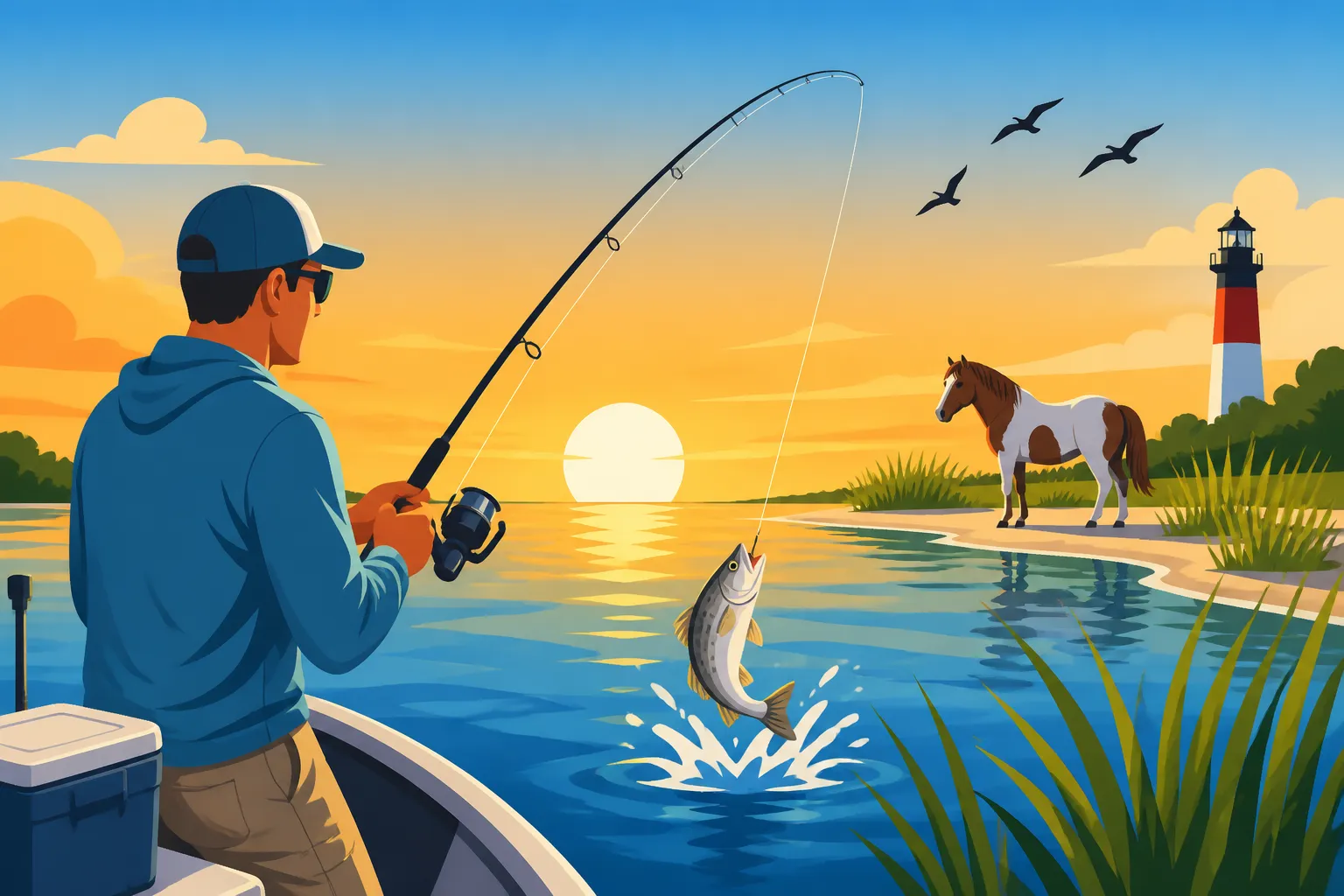
Oh, Assateague Island! It’s a place that holds a special spot in the hearts of so many Maryland anglers. But let’s be real, when most people think of fishing Assateague, their minds immediately jump to the roaring surf on the ocean side. They picture casting big rigs into the crashing waves, battling the elements, and maybe even hooking into a monster drum. What often gets overlooked, and unjustly so, is the incredible fishing potential of the island's bayside. If you’ve ever felt intimidated by the ocean’s raw power, or simply crave a more serene, sheltered fishing experience with a different array of species, then this guide is for you. We’re going to dive deep into everything you need to know to successfully fish the tranquil, yet incredibly productive, bayside waters of Assateague Island, from the unique environment to the best spots, species, and techniques that will make your trip unforgettable.
Understanding Assateague Island's Bayside Environment
The bayside of Assateague Island is a world apart from its ocean counterpart. It's a complex, dynamic ecosystem defined by shallow waters, expansive marsh grasses, and intricate tidal creeks, all offering a unique fishing experience that many anglers find incredibly rewarding. Forget the heavy surf gear and long casts; bayside fishing is about finesse, stealth, and understanding the nuances of a calmer, more sheltered environment.
Unique Characteristics of the Bayside Waters
Imagine a vast expanse of water, largely protected from the direct assault of ocean waves. That's the bayside. These waters, often referred to as the "back bays" or "inland bays," are primarily composed of brackish water – a mix of freshwater runoff from the mainland and saltwater pushed in by the tides from the Atlantic Ocean and Sinepuxent Bay. This unique blend creates a rich habitat that supports a diverse range of marine life.
The water here is typically much shallower than the ocean, often ranging from just a few inches to several feet deep, with deeper channels carved out by tidal flow. Extensive beds of submerged aquatic vegetation, like eelgrass, and vast fields of Spartina marsh grass dominate the landscape. These grasses are the nurseries of the bay, providing shelter and feeding grounds for juvenile fish, crabs, and shrimp – the very foundation of the bayside food chain. The calmer conditions mean less wave action, making it a much more accessible and comfortable environment for smaller boats, kayaks, and even wading anglers. During the warmer months, the bayside waters tend to heat up faster than the ocean, which can influence the activity and presence of certain fish species. This warmth, combined with the abundance of bait, makes the bayside a prime location for hungry predators throughout the fishing season.
Key Differences from Ocean Side Fishing
When you think about fishing on the opposite side of Assateague, you're picturing the surf. That's a completely different beast, demanding heavy-duty tackle, specialized casting techniques, and a tolerance for salt spray and relentless waves. If you're looking for more information on that, check out our guide on Surf Fishing at Assateague Island National Seashore.
Bayside fishing, by contrast, is a more intimate affair. The target species are often smaller, though certainly no less feisty. Instead of targeting large migrating striped bass or red drum in the surf, you'll be focused on species like flounder, white perch, speckled trout, and juvenile bluefish that thrive in the calmer, shallower waters. Your tackle will be lighter, more sensitive, allowing you to feel the subtle bites of fish picking at bait amongst the grass or along channel edges. Currents still play a significant role, but they are generally less powerful than the ocean's undertow. Understanding the ebb and flow of the tide becomes paramount, as it dictates when and where fish will feed. For instance, an outgoing tide might concentrate baitfish in deeper channels, while an incoming tide pushes them into the shallower marsh flats. Access is also different; instead of driving onto the beach with a 4×4, you'll be looking for public piers, boat ramps designed for smaller craft, or areas where you can safely launch a kayak or wade into the shallows. The entire experience offers a peaceful retreat, far from the crashing waves and often crowded surf lines.
Prime Bayside Fishing Locations and Access
The beauty of bayside fishing at Assateague Island lies in its accessibility and variety of spots. Whether you prefer fishing from a pier, a kayak, or wading into the marsh, there’s a perfect spot waiting for you. Knowing where to go and how to get there is half the battle, and luckily, the Maryland side of Assateague offers some fantastic options.
Public Access Points and Piers
For those who prefer solid ground under their feet or don't have access to a boat, there are excellent public access points and piers that allow you to tap into the bayside action. One of the most well-known and productive spots is the Verrazano Bridge fishing pier, located on the mainland side just before you cross over to Assateague Island. This pier offers excellent opportunities for bottom fishing for flounder, spot, croaker, and even some white perch. It's well-maintained and provides ample space, making it a great option for families and beginners. You'll often see anglers setting up with simple bottom rigs, using anything from squid strips to bloodworms.
Beyond the main pier, there are numerous smaller pull-offs and causeway areas along the Route 611 stretch leading to the island. While not always equipped with dedicated fishing platforms, these spots can offer shore access to shallow bay waters and tidal creeks. Just be mindful of private property signs and respect the delicate marsh environment. These smaller, less formal spots are perfect for casting light tackle, targeting fish moving in and out with the tide. For a broader look at land-based fishing, our guide on the Best Piers and Shore Fishing Spots in Maryland might also be useful, as some principles apply here. Always check for parking regulations and ensure you're not blocking any access points, especially during peak season.
Kayak and Small Boat Opportunities
If you truly want to explore the nooks and crannies of Assateague's bayside, a kayak or small, shallow-draft boat is your golden ticket. The expansive network of marsh channels, seagrass beds, and secluded coves are often inaccessible to larger vessels, offering unparalleled tranquility and productive fishing. There are several public boat ramps in the vicinity of Assateague and Ocean City that cater to smaller craft, allowing easy launch into the bay. One popular launching spot is at the end of Old Bridge Road, which provides direct access to the Sinepuxent Bay and its many tributaries.
Kayaks, in particular, shine in this environment. Their stealthy nature allows anglers to approach wary fish without spooking them, and their ability to navigate extremely shallow water opens up a whole new world of fishing possibilities. Imagine paddling silently through a winding marsh creek, casting a weedless lure into pockets of open water, or drifting over a productive grass bed for flounder. Popular targets for kayak anglers include flounder, speckled trout, and red drum, especially juvenile "puppy drum" that frequent the shallow flats. For those keen on this exciting method, our detailed guide on the Best Kayak Fishing Spots in Maryland offers even more insights into ideal locations and techniques for this type of fishing across the state. Remember to always prioritize safety when on the water, especially in open bay areas where winds can pick up quickly.
Exploring the Marsh and Tidal Creeks
For the adventurous angler, wading into the marsh and exploring the countless tidal creeks can be an incredibly rewarding experience. This isn't for everyone, as it involves navigating soft bottom, dense vegetation, and the occasional encounter with Assateague's famed wild horses or abundant insect life (don't forget bug spray!). However, the rewards can be significant.
The marsh grass itself acts as a massive filtration system and a rich food source, drawing in baitfish, crabs, and shrimp, which in turn attract larger predators. Anglers willing to wade can cast into the cuts, guts, and small potholes within the marsh, often finding concentrations of white perch, small bluefish, and even some surprisingly large flounder tucked into depressions. The key here is to move slowly, quietly, and to fish the moving tide. An outgoing tide will pull baitfish out of the marsh and into the deeper channels, while an incoming tide will push them onto the flats, giving predators ample ambush opportunities. You'll need sturdy wading boots or old sneakers, comfortable clothing, and a keen eye for subtle changes in bottom contour and water movement. This type of fishing truly connects you with the raw beauty and wildness of Assateague Island's bayside.
Target Species and Best Times to Fish the Bayside
One of the great joys of bayside fishing at Assateague is the sheer variety of species you can encounter. Unlike the sometimes more specialized targets of the ocean surf, the calmer, nutrient-rich bayside waters are a melting pot of different fish. Knowing what to expect and when to target them will significantly increase your chances of a successful outing.
Common Bayside Catches
While the ocean side might offer the chance at trophy striped bass or shark, the bayside provides a steady stream of delicious and fun-to-catch fish.
- Flounder: Without a doubt, the flounder is the superstar of the Assateague bayside. These flatfish love to lie camouflaged on the sandy or muddy bottom, especially near channel edges, grass beds, and structures, ambushing unsuspecting baitfish. They are excellent table fare and provide a surprisingly strong fight on light tackle. Many anglers specifically target flounder, drifting over flats or jigging near cuts. Our comprehensive guide on Flounder Fishing in Maryland delves into all the details you’ll need to master catching these tasty flatfish.
- White Perch: These ubiquitous panfish are abundant in the brackish waters of the bayside. They travel in schools and are known for their aggressive bites and excellent eating quality. You can find them almost anywhere, but they often congregate around structures like docks, bridge pilings, and oyster beds, as well as along marsh edges. For more specific tactics for these prolific panfish, take a look at our article on White Perch in Maryland's Chesapeake Bay.
- Bluefish: While larger bluefish are common in the ocean, the bayside often holds schools of smaller "snapper" bluefish. These aggressive predators are a blast on light tackle, tearing into baitfish with abandon. They are often found patrolling channels and deeper cuts, especially during summer and fall.
- Speckled Trout: Known for their beautiful spots and delicious white meat, speckled trout are a prized catch in the bayside. They prefer the grassy areas and tidal creeks, especially those with good current flow. While not as abundant as flounder or perch, a successful speckled trout outing is a badge of honor for bayside anglers.
- Red Drum (Juveniles): The bayside serves as a nursery for many species, including juvenile red drum, often called "puppy drum." While you won't typically find the massive bull reds here that surf anglers seek, catching a feisty 15-25 inch red drum in the shallow bays is a thrilling experience. They often feed on shrimp and crabs in the marsh grass.
- Spot and Croaker: These smaller, bottom-dwelling fish are incredibly common and provide constant action, especially for kids or those looking for a relaxed day of fishing. They are often caught on bottom rigs with small pieces of bait like bloodworms or fishbites.
Seasonal Fishing Patterns
Just like any other fishery, the bayside of Assateague has distinct seasonal patterns that dictate which species are most active and where you can find them. Understanding these patterns is key to planning a successful trip, and our general guide on the Best Time of Year to Fish in Maryland also offers valuable statewide context.
- Spring (April – May): As water temperatures begin to rise, the bayside comes alive. White perch are among the first to become active, moving into shallower areas to feed after their winter dormancy. Flounder also start to migrate into the bays from offshore, becoming increasingly available as the water warms. Small bluefish might make an early appearance. This is a great time for light tackle action.
- Summer (June – August): This is prime time for many bayside species. Flounder fishing is typically at its peak, with fish spread out across the flats and along channels. Bluefish are abundant and aggressive, often creating exciting topwater action. Spot and croaker provide consistent bottom fishing, especially in deeper areas. Juvenile red drum are also present, feeding in the marsh. Be prepared for warm temperatures and potential crowds, as well as the notorious Assateague bugs!
- Fall (September – November): Many consider fall to be the absolute best time for bayside fishing. As water temperatures start to drop, many species go on a feeding frenzy in preparation for winter. Speckled trout become much more active and can be targeted with great success. Flounder fishing remains strong, with larger "doormats" sometimes caught as they prepare to move offshore. Bluefish are still present, and white perch continue to offer consistent action. The cooler weather and fewer bugs make for a more comfortable fishing experience overall.
Tidal Influences and Best Times of Day
More so than in many other fisheries, tides are absolutely critical for successful bayside fishing. The movement of water in and out of the marsh and channels dictates when and where fish will feed. Ignoring the tides is often a recipe for a slow day.
Generally, the most productive times to fish the bayside are during a moving tide – either an incoming (flood) or outgoing (ebb) tide.
- Incoming Tide: As the tide floods into the bay, it pushes baitfish, crabs, and shrimp from the deeper channels into the shallower marsh flats and creeks. Predators like flounder, speckled trout, and red drum will move with the rising water, ambushing bait along grass lines, points, and humps. This is an excellent time to target fish pushing into the skinny water.
- Outgoing Tide: As the tide recedes, it pulls all that bait out of the marsh and back into the main channels and deeper pockets. Fish will often stage at the mouths of creeks, along channel edges, and around any structure that creates a current break, waiting for an easy meal to be swept past them. This can be a fantastic time to target flounder and bluefish concentrating in these deeper areas.
Slack tide, the period of minimal water movement between the incoming and outgoing tides, is often the slowest time for fishing, though it can still be productive for stationary bottom dwellers.
In terms of time of day, dawn and dusk are almost always prime fishing windows in the bayside. During these low-light periods, many predatory fish are most active, feeling less exposed and more willing to hunt. The cooler temperatures can also make fish more comfortable and aggressive. However, with strong tidal movements, a mid-day high or low tide can often outperform a slack tide at dawn. It’s always best to consult a local tide chart for the Assateague area and plan your trip around the peak moving water periods.
Essential Gear and Techniques for Bayside Angling
Successfully fishing the bayside of Assateague Island requires a different approach to gear and techniques compared to the often heavy-duty requirements of ocean surf fishing. Here, finesse and efficiency are key, allowing you to present baits naturally in shallower waters and feel those subtle bites.
Rods, Reels, and Lines
When fishing the bayside, you'll want to opt for lighter tackle that offers sensitivity and control, rather than brute strength. Think about matching your gear to the size of the fish you're typically targeting and the lighter baits you'll be using.
- Rods: A good all-around choice would be a medium-light to medium power spinning rod, anywhere from 6 to 7.5 feet in length. The extra sensitivity of a lighter tip will help you detect the often subtle strikes of flounder or the delicate pick of a white perch. A faster action rod (where the rod bends mostly in the top third) will provide better casting distance and hook-setting power. Brands like St. Croix, Ugly Stik, or Penn offer reliable options that won't break the bank.
- Reels: Pair your rod with a matching spinning reel in the 2500 to 3000 series size. This size offers a good balance of line capacity for the bayside, a smooth drag system, and a comfortable retrieve ratio. A quality reel from Daiwa, Shimano, or again, Penn, will serve you well. Ensure it's rated for saltwater use to prevent corrosion.
- Lines: Braided line is highly recommended for bayside fishing due to its exceptional sensitivity and lack of stretch, which allows you to feel even the slightest tap. An 8-15 pound test braided line is ideal. You'll want to tie a 2-3 foot fluorocarbon leader (10-20 pound test) to your braided main line. Fluorocarbon is nearly invisible underwater and is more abrasion-resistant, crucial when fishing around shell beds, pilings, or marsh grass. The lower visibility of fluorocarbon can make a big difference, especially in the clearer bayside waters.
Baits and Lures
The bayside fish have a diverse diet, so bringing a variety of baits and lures will improve your chances. Freshness is always key, especially for natural baits.
-
Natural Baits:
- Live Minnows/Mud Minnows: These are flounder candy! Fished on a simple bottom rig or a jig head, live minnows are incredibly effective for attracting hungry flatfish.
- Squid Strips: A classic all-around bait, squid is durable and effective for flounder, croaker, spot, and even bluefish. You can cut it into thin strips and tip jigs or hooks.
- Bloodworms/Fishbites: Excellent for white perch, spot, and croaker. These smelly baits are irresistible to many bottom feeders. Fishbites are a great alternative to natural worms, offering durability and a scent trail.
- Peeler Crab: When available, peeler crab (soft-shelled crabs) is an absolute magnet for flounder and red drum, though it can be pricey and hard to find.
-
Artificial Lures:
- Jig Heads with Soft Plastics: This is a versatile combo. Small jig heads (1/8 oz to 1/2 oz) tipped with soft plastic curly-tail grubs, paddle tails, or Gulp! shrimp/minnow imitations are deadly for flounder, white perch, and speckled trout. Experiment with colors like chartreuse, white, pink, and natural baitfish patterns. Berkley's Gulp! line, in particular, has a strong scent that can be very effective.
- Spoons/Small Metal Jigs: For schooling bluefish and aggressive white perch, casting and retrieving small spoons or metal jigs can be incredibly effective. Their flash and erratic action mimic fleeing baitfish.
- Topwater Lures: If you encounter schooling bluefish or actively feeding speckled trout, casting small topwater poppers or walk-the-dog style lures can provide explosive strikes and a truly exciting experience. This is especially thrilling during dawn or dusk.
- Small Bucktails: Bucktail jigs, often tipped with a piece of squid or a Gulp! trailer, are a proven flounder catcher, especially when drifting. They can also entice bluefish and larger white perch.
If you’re keen on maximizing your flounder catch, exploring our detailed guide on Techniques for Catching Flounder in Maryland's Back Bays will offer a trove of specific lure and bait recommendations to enhance your bayside success.
Popular Rigs and Strategies
Keep your rigging simple and effective for bayside fishing. Overly complicated setups can lead to tangles in shallow, weedy areas.
- Bottom Rigs:
- Flounder Rig: A simple flounder rig consists of a leader with two dropper loops, each holding a snelled hook (size 1/0 to 3/0). A small spinner blade or bead can be added above each hook for flash. At the bottom, a 1/2 oz to 2 oz sinker (pyramid or bank sinker) is used, depending on current. Bait with live minnows or squid.
- High-Low Rig: Similar to a flounder rig, this uses two hooks (size 4 to 2/0) at different heights on dropper loops, with a sinker at the bottom. Excellent for spot, croaker, and white perch using bloodworms or small pieces of squid.
- Jigging and Drifting:
- Jigging: This is a highly effective technique for flounder, white perch, and speckled trout. Cast a jig head with a soft plastic or bucktail, let it sink to the bottom, and then retrieve it with a series of short lifts and drops of the rod tip, mimicking a wounded baitfish. Focus on channel edges, drop-offs, and around submerged structure.
- Drifting: From a boat or kayak, drifting across flats, grass beds, or along channel edges is a prime way to cover water and find fish, especially flounder. Use a flounder rig or a jig-tipped with live bait, allowing it to bounce along the bottom as you drift with the current. This active searching technique allows your bait to cover a lot of ground and entice fish holding in various spots.
- Casting Along Marsh Edges: If fishing from shore or a kayak near the marsh, cast parallel to the grass lines. Predators often patrol these edges, waiting to ambush bait moving in and out of the marsh with the tide. Use weedless lures like soft plastic paddletails or shrimp imitations to avoid getting snagged in the vegetation.
Navigating Regulations and Responsible Fishing
Fishing at Assateague's bayside, like anywhere else in Maryland, comes with its own set of rules and responsibilities. Understanding these regulations isn't just about avoiding fines; it's about contributing to the conservation of these vital fisheries for future generations. The Maryland Department of Natural Resources (DNR) regularly updates its regulations, so always make sure you have the most current information.
Licensing Requirements for Assateague Bayside
Before you even wet a line, you need to ensure you have the proper authorization. For fishing in the bayside waters of Assateague Island, you will generally need one of the following:
- Maryland Bay & Coastal Sport Fishing License: This is the most common license for fishing in the tidal waters of Maryland, which includes the bayside of Assateague. This license covers both the Chesapeake Bay and the coastal bays like Sinepuxent Bay where Assateague's bayside fishing takes place.
- Maryland Saltwater Angler Registration: For anglers who primarily fish in federal waters (beyond 3 miles offshore) or engage in very specific types of fishing, this registration may be applicable, but for most general bayside fishing, the Bay & Coastal license is what you'll need. To clear up any confusion on this, you can check out our article on Maryland Saltwater Angler Registration Requirements.
There are a few key exemptions to remember:
- Children: Kids under the age of 16 do not need a fishing license in Maryland. This makes bayside fishing a fantastic family activity!
- Private Ponds/Piers: Certain privately owned ponds or licensed commercial fishing piers might have their own rules, but for state-managed waters like Assateague, a license is mandatory.
- Charter Boats: If you book a charter boat, the captain's license usually covers everyone on board, so you typically won't need your own individual license. Many anglers find charters a great way to learn a new area; if you're looking for one, platforms like FishingBooker can help connect you with local captains.
It's highly recommended to carry your license with you while fishing, either physically or digitally on your phone, as DNR enforcement officers do patrol these areas. You can find detailed information on obtaining your license in our comprehensive Maryland Fishing License Guide for 2026.
Size and Creel Limits
Maryland DNR sets specific size and creel (possession) limits for various fish species to manage populations and ensure sustainable fishing. These limits can change year to year, and sometimes even mid-season, based on scientific assessments of fish stocks. It is your responsibility as an angler to know and abide by these rules for every species you target.
For species commonly found in the Assateague bayside, you'll need to be particularly aware of the regulations for:
- Flounder: There's usually a minimum size limit and a daily creel limit. Measure your fish accurately from tip of the snout to the tip of the tail.
- Bluefish: While typically abundant, bluefish often have a daily creel limit, especially for larger fish.
- Red Drum: Juvenile red drum often have specific slot limits or minimum size limits to protect spawning stock.
- White Perch, Spot, Croaker: These panfish often have generous or no size limits, but still have daily creel limits.
Always refer to the most current Maryland DNR fishing guide, available online or at tackle shops, before you head out. Ignorance of the law is not an excuse for violations, and penalties can include fines and loss of fishing privileges. Our article on Maryland Fishing Size and Catch Limits by Species provides a broader overview of these important regulations across the state.
Conservation and Ethical Practices
Beyond legal compliance, responsible fishing is about being a good steward of the environment. The bayside of Assateague is a delicate ecosystem, and our actions as anglers have a direct impact.
- Catch and Release: Practice proper catch and release techniques for fish you don't intend to keep or those that are undersized. Handle fish gently with wet hands, minimize their time out of water, and use de-hooking tools if necessary. If you’re interested in knowing more about specific release rules, especially for certain species, you might find our article on Is It Legal to Release a Blue Catfish in Maryland? insightful, even though blue catfish are less common in the salty bayside, the principle of responsible release applies to all species.
- Minimize Disturbance: When wading or boating in shallow marsh areas, try to minimize disturbance to the bottom and vegetation. Propagate slowly and avoid tearing up eelgrass beds, which are crucial habitats.
- Trash Disposal: Pack out everything you pack in. Dispose of all trash, including fishing line, bait containers, and food wrappers, properly. Monofilament fishing line is especially harmful to wildlife.
- Respect Wildlife: Assateague is home to diverse wildlife, most famously its wild horses. Maintain a respectful distance from all animals, including birds, deer, and especially the horses. Never feed wild animals.
- Invasive Species: While not as prevalent in the saline bayside as in the freshwater or upper brackish reaches, anglers should still be aware of invasive species. If you encounter a northern snakehead or blue catfish, understand the DNR's guidelines for handling and disposal, which often encourage removal.
By adhering to these principles, we ensure that the bayside of Assateague remains a vibrant and productive fishery for generations to come.
Tips for a Successful Assateague Bayside Trip
A successful fishing trip to Assateague's bayside isn't just about catching fish; it's about enjoying the unique environment, staying safe, and making memories. A little planning and local knowledge can go a long way in ensuring a fantastic experience.
Planning Your Trip
Preparation is paramount, especially when heading to a dynamic outdoor environment like Assateague.
- Check the Weather and Tides: This is probably the single most important piece of planning advice. A beautiful, calm bay can turn choppy very quickly with changing winds. High winds can make kayaking difficult and muddy up shallow waters, impacting fishing. Always consult a reliable marine weather forecast and, as mentioned earlier, study the tide chart for the specific Assateague area. Plan your fishing around the moving tides for the best chances.
- Pack Essentials:
- Sunscreen and Hat: Even on cloudy days, the sun reflecting off the water can lead to severe sunburn.
- Insect Repellent: Assateague is infamous for its mosquitoes and greenhead flies, especially during warmer months. Don't leave home without heavy-duty bug spray.
- Water and Snacks: Stay hydrated, especially if you're wading or kayaking in the sun.
- First-Aid Kit: Small cuts from hooks, scrapes, or minor insect bites are common.
- Appropriate Clothing: Layers are always a good idea. Quick-drying fabrics are best. If wading, sturdy water shoes or boots are a must.
- Polarized Sunglasses: These are not just for eye protection; they cut glare and allow you to see fish, structure, and changes in bottom contour in shallow water.
- Trash Bag: Always carry a small bag for your trash to ensure you leave no trace.
- Research Recent Reports: Check online fishing forums, local tackle shop websites, or social media groups for recent fishing reports. These can provide invaluable, up-to-the-minute information on what's biting, where, and on what bait. This real-time intelligence can dramatically improve your chances.
Safety Considerations
The bayside might be calmer than the ocean, but it still presents safety challenges that you need to be aware of.
- Wading Safety: If you plan to wade, know your limits. The bottom can be soft and muddy, and hidden oyster shells can cause nasty cuts. Shuffle your feet to avoid stepping on stingrays. Be aware of tidal currents, as they can be stronger than they appear, especially in narrow channels. Never wade alone, and let someone know your plans.
- Boating and Kayak Safety: Always wear a U.S. Coast Guard-approved personal flotation device (PFD), even if you're a strong swimmer. File a float plan with someone on shore. Carry essential safety gear: whistle, knife, paddle leash, bailing device, and navigation lights if fishing at dawn/dusk. Be aware of boat traffic, especially in wider bay areas. Winds can pick up rapidly, making paddling challenging.
- Wildlife Awareness: Assateague is wild. Beyond the charming wild horses, be mindful of snakes, ticks (especially in grassy areas), and venomous insects. Give all wildlife a wide berth.
- Heat Stroke/Hypothermia: In summer, heat stroke is a risk; stay hydrated and take breaks. In cooler months, hypothermia can set in quickly if you get wet; dress in layers and carry extra dry clothing.
Where to Find Local Advice and Guides
There's no substitute for local knowledge, especially when exploring a new fishing spot.
- Local Tackle Shops: These are goldmines of information. Stores like Oceans East Bait & Tackle or Coastal Fishing Tackle in the Ocean City area often have staff who fish the bayside regularly. They can tell you what baits are working, what fish are around, and current conditions. They're also the best place to pick up fresh bait and local tackle. Don't be shy; ask questions!
- Online Forums and Social Media: Joining local Maryland fishing groups on Facebook or forums like TidalFish.com can connect you with experienced anglers willing to share tips and recent reports.
- Consider a Guide: If you're completely new to the area or bayside fishing, hiring a local guide can be an excellent investment. A good guide knows the waters intimately, has the right gear, and can quickly put you on fish while teaching you the specific techniques needed for the bayside. They can also navigate the complex channels safely. Platforms like FishingBooker are a great resource for finding reputable, licensed fishing guides in the Ocean City/Assateague area who specialize in bayside trips, ensuring you get the most out of your day without the guesswork.
By combining thorough preparation, safety awareness, and leveraging local expertise, your Assateague bayside fishing adventure is sure to be both enjoyable and rewarding.
Bayside vs. Ocean Side Assateague Fishing: A Quick Comparison
To help you decide which side of Assateague Island is right for your next fishing trip, here’s a quick overview of the key differences:
| Feature | Bayside Fishing (e.g., Sinepuxent Bay) | Ocean Side Fishing (e.g., Atlantic Ocean) |
|---|---|---|
| Water Type | Brackish (mix of fresh and salt), generally calmer, shallower | Full saltwater, often rough, crashing waves, deeper surf |
| Access | Public piers, boat ramps for small craft/kayaks, wading into marsh | Driving onto the beach (4×4 permit needed), walk-on access at designated areas |
| Primary Species | Flounder, White Perch, Bluefish (small), Speckled Trout, Spot, Croaker, Red Drum (juvenile) | Striped Bass (Rockfish), Red Drum (large), Bluefish (large), Kingfish, Sharks |
| Tackle Needed | Medium-light to medium spinning rods (6-7.5 ft), 8-15lb braid, light leaders | Heavy surf rods (10-12 ft), 20-50lb braid, heavy leaders, pyramid/spider sinkers |
| Common Baits | Live minnows, squid, bloodworms, Gulp! artificials, small jigs, soft plastics | Cut bait (menhaden, mullet), bunker, large fishbites, clam, large plugs |
| Techniques | Jigging, drifting, bottom fishing, casting along marsh edges, stealthy approach | Heavy casting, soaking baits, reading the surf, targeting sloughs and bars |
| Environment | Sheltered, marshy, tidal creeks, grass beds, quieter, more scenic | Open ocean, exposed, strong currents, powerful waves, more rugged |
| Pace | Often more relaxed, can be very active with panfish | Can be slow waiting for big bites, but explosive when they hit |
| Best For | Families, kayakers, light tackle enthusiasts, those seeking calmer waters | Anglers seeking trophy fish, experienced surf casters, robust gear |
Disclaimer
Please note: Fishing regulations, including licensing requirements, size limits, and creel limits, are subject to change by the Maryland Department of Natural Resources (DNR). It is the angler's responsibility to consult the most current Maryland DNR fishing guide or website before engaging in any fishing activity. This article is intended for informational purposes only and does not constitute legal advice. Always prioritize safety and practice responsible angling.