Is Ice Fishing Allowed at Deep Creek Lake?
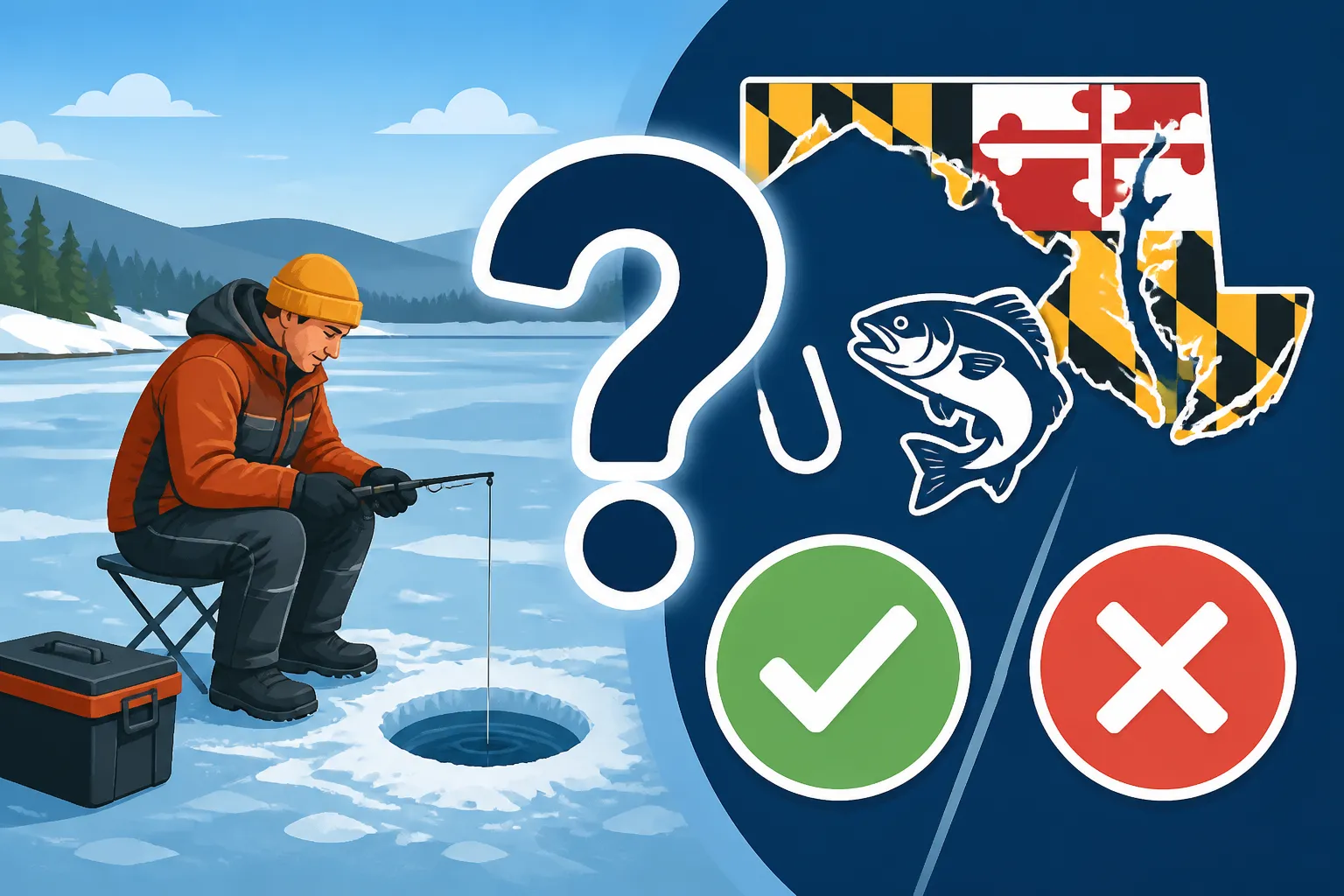
There's nothing quite like the crisp air and serene silence of a frozen lake, but for many Maryland anglers, the idea of ice fishing at Deep Creek Lake often comes with a big question mark: Is it even allowed, and if so, when is it safe? It's a valid concern, especially since consistent, safe ice can be a fickle beast in our region. You've heard the whispers, seen the photos from up north, and perhaps even daydreamed of pulling a feisty walleye through a hole in the ice. Well, you're in luck, because not only is ice fishing allowed at Deep Creek Lake, but it can be an incredibly rewarding experience when conditions are right. This guide will help you understand the ins and outs, from safety guidelines to the best catches, so you can plan your hard water adventure.
The Scoop on Ice Fishing at Deep Creek Lake: Is it Allowed?
Yes, absolutely! Ice fishing is a permitted and, for those who embrace the chill, a cherished winter pastime at Deep Creek Lake. When the temperatures plummet and hold steady for an extended period, the lake transforms into a unique angling playground. Unlike some states where ice fishing might be a more regular occurrence, it's a bit more of a special event here in Maryland, largely dependent on Mother Nature's mood swings. The Maryland Department of Natural Resources (DNR) sets the general fishing regulations, and as long as you follow those, and more importantly, practice extreme caution, you're good to go. The key, however, is knowing when it's actually safe to venture out onto that frozen expanse.
Understanding Deep Creek Lake's Winter Conditions
Deep Creek Lake, nestled in Garrett County, Maryland's westernmost region, enjoys a colder climate than much of the state, making it the most reliable spot for ice fishing. However, "reliable" is a relative term when it comes to ice. The lake typically starts to show significant ice formation sometime in January, but solid, fishable ice usually requires sustained freezing temperatures, often stretching into February. We're talking about long periods where the mercury stays well below freezing, not just a cold snap for a few days.
Several factors influence how and when the lake freezes over. Its high elevation certainly helps, contributing to colder ambient temperatures. However, the lake's sheer size and varying depths mean that ice doesn't form uniformly. Shallow coves and protected inlets will typically freeze first and thicken faster than the expansive main lake or areas with deeper currents. It can be incredibly frustrating to see a thin skim of ice one day, only for a sudden warm front or rain to turn it back into open water. Many anglers eagerly watch weather forecasts, hoping for that perfect stretch of frigid air, sometimes for weeks on end, only to be disappointed by a mild winter. This variability is just a part of the Deep Creek ice fishing game, and patience is definitely a virtue.
Safety First: Maryland DNR's Role and Ice Thickness Guidelines
When it comes to ice fishing, safety isn't just a suggestion; it's the absolute golden rule. The biggest frustration for many would-be ice anglers is the lack of "official" ice reports from the Maryland DNR. And this is a critical point: The DNR does not monitor or report ice thickness on Deep Creek Lake or any other body of water. The responsibility for determining if the ice is safe falls entirely on you, the angler. This means you need to be educated, equipped, and incredibly cautious.
General safety guidelines for ice thickness are widely accepted and paramount. For basic foot traffic, a minimum of 4 inches of clear, solid ice is recommended. If you plan on using a snowmobile or ATV, you're looking at 5-7 inches, and for a small car or light truck, 8-12 inches. But these are just starting points. It's crucial to understand that ice thickness can vary wildly even within a few feet. What looks solid near the shore could be dangerously thin just yards out, especially over springs, stream inlets, or submerged structures that create currents. Always use an ice spud bar or an auger to check thickness as you go. Start near the shore and continually check every few steps. Bright blue or black ice is generally the strongest, while cloudy or white ice (often formed by frozen snow or slush) is much weaker. Avoid areas with pressure cracks, which indicate unstable ice, and steer clear of any open water, no matter how small. It’s a good idea to bring a partner, wear a life vest, and have ice picks readily accessible around your neck in case of an emergency. For more in-depth safety information, be sure to check out guides like Ice Fishing Safety on Deep Creek Lake to ensure you're fully prepared.
What to Expect When Ice Fishing Deep Creek Lake
Once you've confirmed the ice is safe, Deep Creek Lake offers a unique fishing experience, different from its open-water seasons. The tranquility of the frozen landscape, often blanketed in snow, creates a peaceful atmosphere. However, beneath the ice, the fish are still active, albeit slower, providing a thrilling challenge for anglers willing to brave the cold.
Target Species and Best Baits for Deep Creek Ice Fishing
Deep Creek Lake is home to a variety of fish species that can be successfully targeted through the ice. The most popular catches for ice anglers tend to be Yellow Perch, Chain Pickerel, and Walleye. You might also hook into Bluegill and Crappie, especially in shallower, weedier coves. Less common, but still possible, are smaller Smallmouth Bass, although most serious bass anglers prefer open water.
For Yellow Perch, which are often found in schools, small jigs tipped with a maggot, wax worm, or a small piece of minnow meat are incredibly effective. Look for them over submerged weed beds or near drop-offs. Chain Pickerel are ambush predators and can be found lurking near weed lines or structure. They respond well to tip-ups rigged with live minnows. Walleye are a prized catch, particularly during low-light conditions (dawn, dusk, or even at night, if permitted and safe). They'll often hit larger jigs, spoons, or live minnows suspended under a tip-up near deeper drop-offs or humps. Learning more about Walleye Fishing at Deep Creek Lake, Maryland can significantly improve your chances. For Bluegill and Crappie, tiny jigs or micro-spoons tipped with a small grub or mealworm fished near structure are usually the ticket.
Essential Gear and Techniques for Hard Water Success
Gearing up for ice fishing is a bit different from your typical summer setup. Beyond the obvious warm clothing (layers are key!), you'll need specialized equipment. First, a reliable ice auger is non-negotiable for drilling holes. Manual augers are fine for a few holes, but a powered auger (gas or electric) is a lifesaver if you plan to drill many. As mentioned, a spud bar is vital for testing ice thickness as you move.
For fishing, you'll want short, sensitive ice fishing rods or tip-ups. Tip-ups are especially popular for targeting larger species like pickerel and walleye, allowing you to cover more area by deploying multiple lines (check Maryland's regulations on the number of lines permitted per angler). An ice shanty or portable shelter can be a game-changer for staying warm and comfortable, especially on windy days. These can range from simple pop-up tents to elaborate heated huts. A small propane heater for your shanty can make a world of difference. Don't forget a sled to transport your gear, a bucket to sit on (and store your catch), and safety items like ice picks, a length of rope, and a fully charged cell phone. It's also wise to know How Thick Does Ice Get at Deep Creek Lake? before you head out, and always carry personal safety equipment.
Accessing Deep Creek Lake for Ice Fishing
Knowing where to go and how to get there safely is just as important as knowing how to fish. Deep Creek Lake offers several public access points that can be utilized for ice fishing, but winter conditions add extra layers of consideration.
Public Access Points and Parking Considerations
Many anglers access Deep Creek Lake through Deep Creek Lake State Park, particularly its boat launch areas and shoreline. When the lake is safely frozen, these areas provide relatively easy access to the ice. Other public boat ramps, like those at Turkey Neck or Glenn Otto, may also be options. However, during heavy snowfalls, parking areas might not be fully cleared, so you’ll need to assess the conditions before driving in. Some anglers opt for accessing the lake from areas near the Discovery Center, which can offer good proximity to certain coves.
It’s important to remember that much of the shoreline around Deep Creek Lake is privately owned. Always be mindful of "No Trespassing" signs and respect private property. Sticking to designated public access points, boat ramps, and the state park is always the safest bet. You might find that some areas which are popular for shore fishing in warmer months, as detailed in Can You Fish From Shore at Deep Creek Lake?, also provide suitable winter access points, provided the ice is safe. For those thinking ahead to spring, a good overview of all the public launch spots can be found in Best Boat Ramps at Deep Creek Lake.
Local Resources and Conditions Reports
Because the Maryland DNR doesn't provide ice thickness reports, local knowledge becomes your most valuable tool. Local bait and tackle shops are your best friends here. Stores like Bill's Outdoor Center or Deep Creek Lake Outfitters are often the first to know about local ice conditions, recent catches, and popular spots. They are invaluable resources for up-to-the-minute information and can offer advice on bait and gear.
Online forums and local social media groups dedicated to Deep Creek Lake fishing are also excellent places to gather informal reports from fellow anglers. People often share their experiences, photos, and general ice condition updates. Remember, however, that these are unofficial reports, and you should always verify conditions for yourself. While you might use a platform like FishingBooker to scout for guides during the open-water season, providing details about various fishing opportunities, ice fishing guides are much rarer at Deep Creek due to the unpredictable nature of safe ice. Therefore, relying on local shops and angler communities for current ice conditions is typically the most effective approach. For those interested in exploring guided trips in other seasons, finding a professional guide can enhance the experience, and you can learn more about Hiring a Deep Creek Lake Fishing Guide in Maryland.
Regulations and Important Considerations for Ice Anglers
Just because the water is frozen doesn't mean the rules go out the window! Adhering to Maryland's fishing regulations is essential for a legal and enjoyable ice fishing trip.
Licensing and Creel Limits
First and foremost, you absolutely need a valid Maryland Fishing License to ice fish at Deep Creek Lake, just as you would for open water. Don't let the thought of a winter outing make you forget this crucial requirement. You can find all the details on how to obtain one in the Maryland Fishing License Guide for 2026. If you're planning a trip, make sure your license is current and covers the type of fishing you're doing (a standard freshwater nontidal license is typically sufficient for Deep Creek Lake).
All existing size and creel limits for specific species apply to ice fishing as well. For example, Walleye often have a minimum size limit and a daily creel limit. Yellow Perch usually have a generous limit, but it's always wise to check the most current regulations to avoid any infractions. The Maryland DNR publishes an annual fishing guide which is your go-to source for precise limits on all species. A detailed resource like Maryland Fishing Size and Catch Limits by Species can help you stay compliant. While a trout stamp isn't usually a concern for typical Deep Creek ice fishing (as trout are not the primary target here), it's a good example of an endorsement that would be required if you were targeting trout in designated areas.
Responsible Ice Fishing Practices
Being a responsible angler extends beyond just following the legal rules; it also involves practicing good outdoor ethics, especially on a public resource like Deep Creek Lake. Leave No Trace is a philosophy that should be strictly adhered to. This means packing out everything you pack in, including bait containers, discarded fishing line, and any trash. It’s disheartening to see the ice melt and reveal a littered shoreline.
Additionally, be considerate of other anglers and recreational users of the lake. Give others ample space, especially if they are already set up. If you're using a portable shanty, be mindful of where you place it. When drilling holes, avoid areas that might interfere with someone else's lines. The pristine winter environment of Deep Creek Lake is a treasure, and it's up to all of us to help preserve its beauty and accessibility for everyone. Whether you're planning a solo trip or hoping to book a future adventure through a service like FishingBooker, maintaining ethical practices ensures the longevity of the sport for all. Even if you're not planning to stay out for long, remember that the lake's general ecosystem, which supports fantastic fishing year-round (as discussed in the overall Deep Creek Lake Fishing Guide), relies on our respectful use.
| Species Name | Common Ice Fishing Baits/Lures | Typical Depth | Daily Creel Limit (Check DNR) |
|---|---|---|---|
| Yellow Perch | Small jigs (maggots, wax worms), minnows | 5-20 feet | Generous (often 20-30 fish) |
| Walleye | Larger jigs, spoons, live minnows | 15-40 feet, near drop-offs | Strict (e.g., 2-5 fish) |
| Chain Pickerel | Live minnows (tip-ups), spoons | 5-15 feet, near structure | Moderate (e.g., 5-10 fish) |
| Bluegill/Crappie | Tiny jigs, micro-spoons, mealworms | 5-15 feet, over weeds | Generous (often 20-30 fish) |
| Smallmouth Bass | Small jigs, minnows | 10-25 feet, near rocks | Strict (e.g., 1-3 fish) |
Disclaimer: Always verify current regulations, including size and creel limits, directly with the Maryland Department of Natural Resources (DNR) before fishing. Conditions can change, and it is the angler's responsibility to stay informed.