Is It Safe to Wade Below the Conowingo Dam?
For many anglers, the stretch of the Susquehanna River directly below the Conowingo Dam is an irresistible draw, promising incredible fishing action, especially for a variety of popular species. Yet, the thought of wading into those powerful, unpredictable waters can be incredibly daunting, and rightly so. This guide is here to unravel the complexities and very real dangers of wading below the Conowingo Dam, offering crucial safety advice and practical insights to help you make informed decisions before you ever step foot in the water.
Understanding the Dynamic Environment Below the Conowingo Dam
The area below the Conowingo Dam is not your typical river environment; it's a highly dynamic and often hazardous zone shaped by the demands of hydroelectric power generation. The thrill of fishing here comes with a significant responsibility to understand and respect its unique characteristics, which can change in an instant.
The Hydroelectric Operation and Water Releases
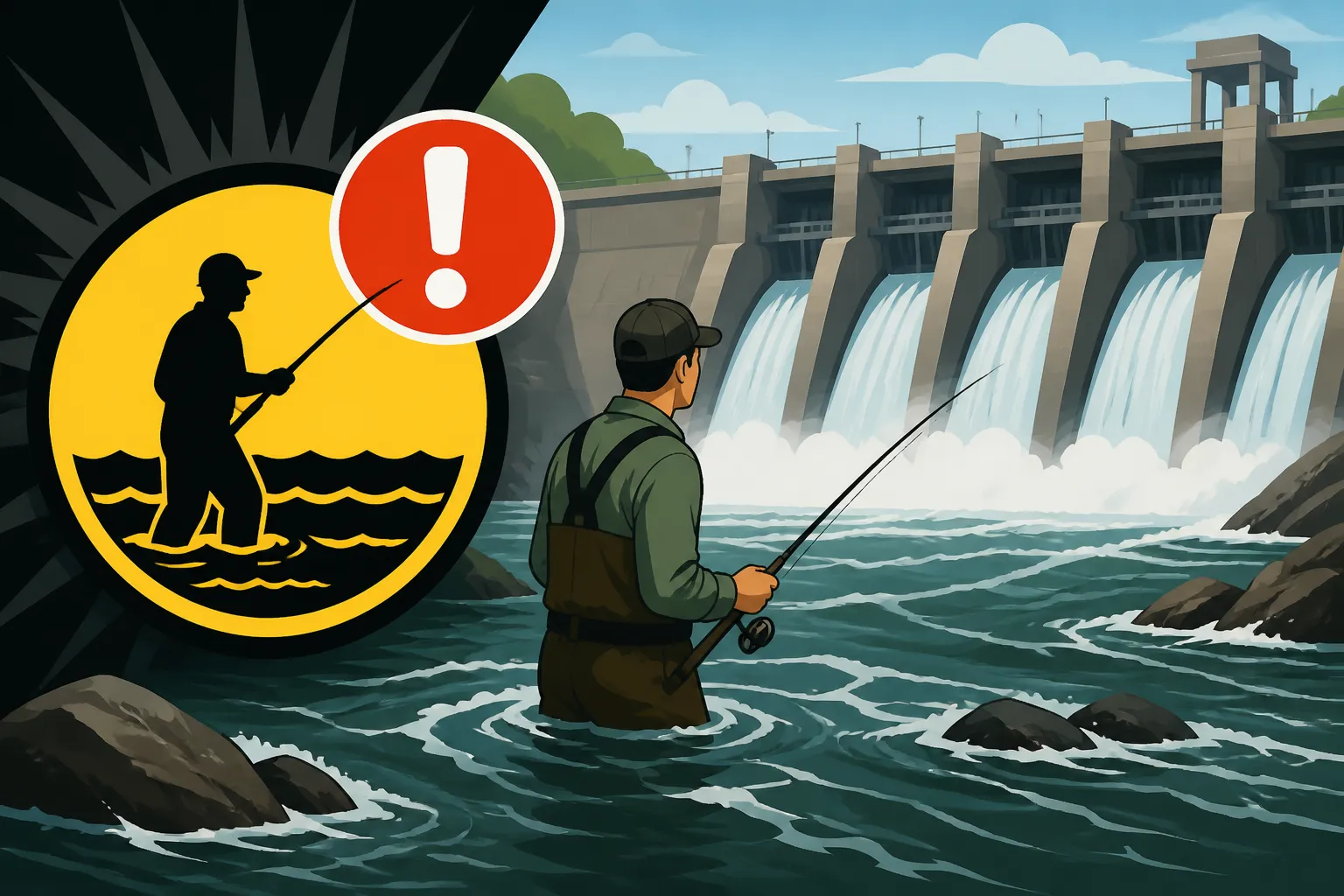
The Conowingo Dam is a major hydroelectric facility, meaning its primary function involves generating electricity by releasing water through its turbines. This isn't a continuous, steady flow. Instead, water releases are dictated by power demand, river levels upstream, and other operational factors. What might be a calm, wadable stretch of water one moment can transform into a raging torrent just minutes later.
Imagine standing waist-deep in a promising seam, focused on your retrieve, when suddenly the water level begins to rise, rapidly and without much warning beyond distant sirens or subtle changes in the current. This isn't a slow, gentle creep; it can be an aggressive surge that quickly makes wading impossible and escape difficult. The dam's operations involve opening and closing floodgates or turbines, which can cause these dramatic fluctuations. These powerful discharges create incredibly strong currents, undertows, and rapid depth changes that can sweep an unsuspecting angler off their feet. It’s crucial to recognize that even if you check a generation schedule before heading out, unexpected operational changes or emergencies can lead to unscheduled releases.
Currents, Undertows, and Submerged Hazards
Beyond the obvious current created by water releases, the topography of the riverbed below the dam creates a complex system of hydraulic forces. Fast-moving water, especially when constricted or encountering obstacles, can form powerful undertows that pull downwards and downstream. These aren't always visible from the surface, making them insidious threats. A seemingly calm pool adjacent to a swift current might hide a treacherous eddy or suction that can be incredibly difficult to escape once caught.
The riverbed itself is a mosaic of large rocks, boulders, rubble, and debris that has accumulated over decades. These submerged hazards are often covered in slick algae or moss, making footing precarious even in shallow water. A slip on a submerged rock can quickly lead to a fall, and in fast-moving water, a fall can quickly turn critical. Furthermore, the powerful water flows frequently shift the riverbed, meaning a path that was safe last week might be dangerous this week. Anglers need to be acutely aware that these aren't pristine, gentle waters, but a rugged, industrial river environment.
Variable Depths and Unpredictable Bottoms
One of the most deceptive aspects of fishing below the dam is the constantly changing depth. What appears to be a shallow flat can drop off sharply into deep, fast-moving channels within just a few steps. These abrupt changes are often masked by the murky water, making it impossible to gauge the true depth and stability of the bottom without actively probing.
The river bottom is a mix of rock, gravel, and silt, often uneven and riddled with hidden holes or ledges. This unpredictable terrain makes secure footing a constant challenge. Even with the best wading boots, you might find yourself stepping into a soft patch of silt that sucks at your feet, or unexpectedly dropping into a deeper hole. The combination of unpredictable depths, slippery surfaces, and the powerful flow of water creates a scenario where a momentary lapse in attention can have serious consequences. Anglers who venture out need to be mentally prepared for a dynamic and physically demanding environment, constantly assessing their surroundings and the stability of the ground beneath their feet. This is why understanding where you are putting your weight and how the current is acting upon you is paramount to staying safe while wading the Susquehanna River safely.
Essential Safety Precautions for Wading Anglers
Given the inherent risks, successful and safe wading below the Conowingo Dam is less about bravado and more about meticulous preparation and a healthy respect for the river's power. Ignoring these precautions can turn a fun day of fishing into a life-threatening situation.
Monitoring Water Release Schedules
This is arguably the most critical step for any angler considering wading below the Conowingo Dam. Exelon, the operator of the dam, provides detailed real-time and projected generation schedules. These schedules are typically available online and often via phone hotlines. You absolutely must check these schedules before you even leave your house and continue to monitor them while on site.
However, simply checking the schedule isn't enough. It's vital to understand that these schedules can change without extensive prior warning due to various operational needs or unforeseen circumstances. Many anglers have recounted stories of checking the schedule, finding a window of low generation, only to be surprised by sudden releases. Always look for warning sirens, lights, or audible announcements near the dam itself, which indicate a planned water release. Treat any change in current, water level, or sound as a potential warning sign. Never assume you're safe just because the online schedule said so; always remain vigilant and ready to evacuate the water immediately if conditions change. Fishing access points along the Susquehanna Flats typically have signage with this information, so pay attention to it.
Proper Gear and Equipment
The right gear isn't just about comfort; it's about survival when wading below the Conowingo Dam. Your equipment needs to be robust, reliable, and specifically chosen for these challenging conditions.
First and foremost, a personal flotation device (PFD) is non-negotiable. This isn't just for inexperienced swimmers; even strong swimmers can be overwhelmed by the currents, submerged debris, or cold water shock. A PFD gives you buoyancy and precious seconds to react if you fall. Look for an inflatable PFD for comfort or a traditional vest for maximum security. When shopping, many reliable options from brands like NRS or Onyx are available on Amazon, offering different styles and buoyancy levels. Next, your wading boots need serious grip. Felt soles are traditionally good on slick rocks, but studded felt or rubber soles offer even better traction on the often-slime-covered boulders. A sturdy wading staff or stick is also incredibly useful for probing depths, testing footing, and maintaining balance against strong currents. Don't skimp on waders either; breathable waders are ideal for comfort, but ensure they are in good repair to prevent leaks, as cold water can quickly lead to hypothermia, even on a warm day. Consider a wading belt that cinches tightly around your waist, as this helps prevent your waders from filling completely with water if you take a spill, making it easier to regain control.
Wading Techniques and Group Safety
How you wade is just as important as what you wear. Always adopt a slow, deliberate, and cautious approach. Face upstream as you wade, using the current to help brace yourself while maintaining visual contact with the flow. Take small, shuffling steps, always probing the bottom with your wading staff before committing your weight. Avoid large, sweeping strides, which can throw you off balance.
Never, ever wade alone below the Conowingo Dam. The buddy system is paramount here. If one person falls or gets into trouble, the other can provide immediate assistance or call for help. A partner can also help spot changing conditions or warning signs you might miss while focused on fishing. Before you even get in the water, discuss a plan for what to do in various emergency scenarios – what if someone gets swept away? Where will you meet? Who has a phone? Being prepared for the worst-case scenario greatly increases your chances of a positive outcome. Remember, safety in numbers means that a watchful eye could save a life in these powerful waters, which makes fishing for blue catfish in the Potomac River or even just fishing below the Conowingo Dam much safer.
Navigating Specific Risks and Emergency Preparedness
Even with the best preparation, unforeseen events can occur. Knowing how to react to specific dangers and having a solid emergency plan can make all the difference.
What to Do in Case of a Sudden Water Surge
A sudden water surge is the most immediate and terrifying threat when wading below the Conowingo Dam. The sound of the dam's sirens is your cue to immediately and safely exit the water. Don't hesitate, don't try to get "one last cast" in, and don't assume it's just a small release. Your life is more important than any fish.
If caught in a surge, the first priority is to maintain your footing and move towards the nearest bank or higher ground as quickly and safely as possible. If the current is too strong to walk against, turn your body to the side, allowing the current to push you towards shore diagonally. Use your wading staff for stability and to probe the bottom. If you lose your footing and are swept downstream, immediately try to get into a "feet-first" position on your back, using your PFD to stay afloat. This allows your feet to absorb impacts from submerged rocks and prevents your head from hitting obstacles. Paddle with your hands to steer yourself towards calmer water or the nearest bank. Keep your wits about you, look for opportunities to grab onto stable features, and signal for help if possible. Always ensure your phone is in a waterproof case and easily accessible in an emergency, perhaps even one secured by a lanyard, easily found on Amazon.
Recognizing Warning Signs and River Conditions
Beyond the official dam warnings, the river itself provides clues about its safety. Learn to read the water. Look for changes in current speed; if it suddenly picks up, or if previously slow areas start moving faster, it's a sign of increased flow. Observe the water level against stationary markers like rocks or trees on the bank. Even a slight, continuous rise is a red flag. The sound of the river also changes; a distant rumble growing louder often indicates increasing water flow through the dam.
Pay attention to floating debris. An increase in the amount or size of debris indicates higher water and stronger currents upstream. If the water suddenly becomes more turbulent or choppy in areas that were previously calm, it’s a clear sign of increased power generation. Trust your gut; if the conditions feel "off" or unsafe, they probably are. Don't let the desire to catch fish override your common sense. It’s always better to err on the side of caution and pack up rather than risk an accident. This vigilance is also crucial when understanding Maryland Striped Bass Season and Rockfish Rules, as strong currents can affect fish behavior and make fishing more challenging.
Emergency Contacts and Local Resources
Knowing who to call and where to find local help is crucial. Before heading out, save the local emergency number (911) in your phone. Additionally, familiarize yourself with the specific phone number for Exelon's Conowingo Dam generation information, which is often a recorded line providing up-to-date release schedules.
It's also wise to know the location of the nearest hospital and how to get there from the dam. Share your fishing plans – including your exact location and expected return time – with a trusted friend or family member. There are typically Maryland Department of Natural Resources (DNR) officers patrolling the area, and knowing how to contact them or where they might be can be invaluable in a non-life-threatening emergency. Remember, you might also need to consult the Maryland Invasive Fish Rules: Blue Catfish and Snakehead as these species are prevalent here, and knowing the regulations is part of responsible fishing.
Alternative Fishing Options and Safety Tips
While the allure of wading directly below the dam is strong, there are safer, equally rewarding ways to enjoy the productive waters of the Susquehanna, particularly if wading conditions are uncertain or too dangerous.
Bank Fishing and Pier Access
For those who prefer to keep their feet firmly on solid ground, there are several excellent bank fishing opportunities and even some pier access points in the immediate vicinity and downstream of the Conowingo Dam. These spots offer fantastic fishing without the inherent risks of wading in powerful currents.
Public parks and designated fishing areas along the river provide easy access to the banks, often with paved paths or well-maintained trails leading to productive spots. These areas are typically safer, offering stable footing and a quick escape route should water levels rise unexpectedly. You can still catch a wide variety of fish, from striped bass to blue catfish and various panfish, all from the comfort and safety of the shore. For instance, Millard Tydings Memorial Park fishing access offers excellent opportunities. Additionally, some locations might feature dedicated fishing piers or platforms that extend out over deeper water, allowing anglers to cast into productive channels without ever entering the river itself. These spots are particularly good for families or those new to the area, as they minimize risk while maximizing the fishing experience. You can even enjoy catching blue catfish with no daily limit. If you’re looking for a less stressful experience, check out fishing Sandy Point State Park or explore other areas with best piers and shore fishing spots in Maryland.
Boating Considerations Below the Dam
For experienced anglers with proper boating equipment, fishing from a boat below the Conowingo Dam can be an effective and often safer alternative to wading. A boat allows you to cover more water, reach otherwise inaccessible spots, and quickly move away from danger if conditions change. However, boating here also comes with its own set of critical safety considerations.
Anyone operating a boat in this area must be highly skilled in navigating strong currents, eddies, and rapidly changing water conditions. Boats should be adequately powered and equipped with all necessary safety gear, including multiple PFDs for all occupants, anchor and line, and communication devices. Always maintain a safe distance from the dam structure itself, as turbulence and intake currents can be hazardous. Be aware of other boaters, particularly during busy fishing seasons, and maintain proper navigation rules. Monitoring the dam's water release schedule is just as critical for boaters as it is for waders, as sudden surges can create dangerous conditions even for vessels. Knowing the best time to fish the Susquehanna Flats for Striped Bass can greatly enhance your fishing trip, but safety should always remain the top priority.
Best Practices for a Rewarding (and Safe!) Fishing Experience
Ultimately, the goal is to have a memorable and successful fishing trip without incident. This requires a holistic approach to safety that integrates preparation, awareness, and responsible decision-making.
Always check local weather forecasts in addition to dam schedules, as sudden storms can add another layer of danger. Dress in layers, as conditions can change rapidly throughout the day, and be prepared for exposure to the elements. Carry sufficient water and snacks, especially if you plan to be out for several hours. Inform someone of your fishing location and your expected return time, and check in with them upon your safe return. Consider taking a basic first-aid course and carrying a small, waterproof first-aid kit. Remember that a Maryland Fishing License Guide for 2026 is required, and understanding Maryland Fishing License Penalties for Violations can prevent unwanted trouble. The Conowingo Dam area offers incredible fishing, but its power demands respect. By prioritizing safety and adhering to these guidelines, you can significantly mitigate the risks and enjoy all that this remarkable fishery has to offer.
| Safety Precaution | Description | Why It's Crucial |
|---|---|---|
| Check Release Schedules | Before and during your trip, monitor the Conowingo Dam's real-time and projected water release schedules (Exelon website, hotline). Pay attention to sirens/lights on site. | Water levels and currents can change from calm to dangerous in minutes, leading to rapid rises and powerful flows. |
| Wear a PFD | Always wear a properly fitted personal flotation device (life vest) while wading or boating. | Provides buoyancy if you fall, critical for strong currents, cold water shock, and hitting submerged objects. |
| Use a Wading Staff | Carry and actively use a sturdy wading staff to probe depths, test footing, and maintain balance against the current. | Helps prevent falls on slippery, uneven, and unpredictable river bottoms. |
| Buddy System | Never wade or boat alone below the dam. Always go with at least one other person. | A partner can provide immediate assistance, call for help, and spot dangers you might miss. |
| Proper Footwear | Wear high-quality wading boots with excellent grip (felt, studded rubber) designed for slippery, rocky terrain. | Essential for maintaining traction on algae-covered rocks and uneven surfaces, preventing slips and falls. |
| Stay Vigilant | Constantly observe the water for changes in current speed, turbulence, and debris. Listen for increasing river sounds. | Early detection of changing conditions allows you to react quickly and safely exit the water before it becomes critical. |
| Know Your Exit Strategy | Before entering the water, identify clear, safe paths to the bank or higher ground. Have a plan for quick evacuation. | Enables rapid escape if a sudden water surge or other emergency occurs, minimizing time in dangerous conditions. |
Disclaimer
The information provided in this guide is for general informational purposes only and is intended to promote safety awareness. Fishing and wading in dynamic river environments, particularly below a hydroelectric dam, carry inherent risks. Always exercise extreme caution, use common sense, and prioritize your personal safety above all else. Local conditions can change rapidly and unexpectedly. By engaging in fishing activities, you assume all associated risks.