Does a Virginia Fishing License Work in Maryland Waters?
Navigating the myriad of fishing regulations can feel like trying to untangle a knotted fishing line, especially when you’re planning a trip that might cross state lines. It’s a common frustration for anglers who live near borders, like those of us in the Mid-Atlantic, to wonder if that perfectly valid Virginia fishing license you just bought will actually let you cast your line in Maryland waters. The short answer, unfortunately, is often "not really," but like any good fishing tale, there's always a bit more to the story, particularly concerning a very special shared waterway. This guide is here to untangle that confusion, explaining when and where your Virginia license might or might not apply in Maryland, and what steps you need to take to stay on the right side of the law.
Understanding State Fishing Jurisdictions
It’s easy to assume that if you have a fishing license from one state, especially a neighboring one, it should give you some leeway in another. However, each state operates its own independent set of rules and regulations, designed specifically for its unique waterways and fish populations. This independence is key to understanding why your Virginia fishing license generally won't work in Maryland.
The General Rule: One State, One License
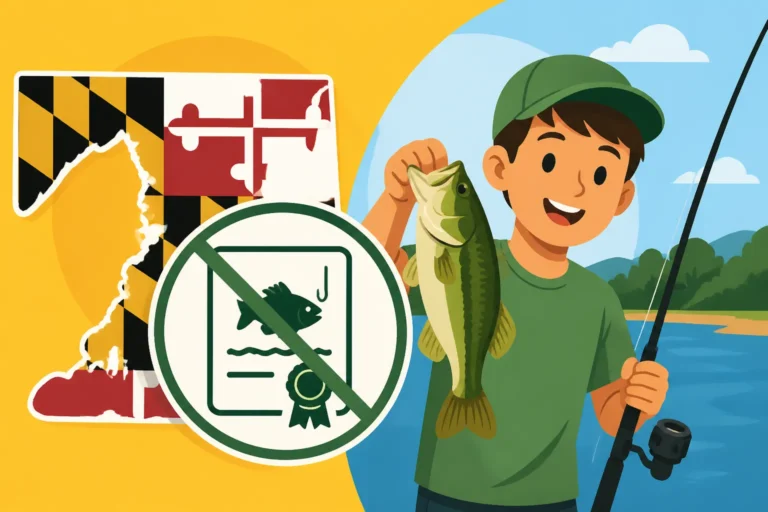
For the vast majority of Maryland's diverse fishing grounds, including its sprawling Chesapeake Bay, its numerous freshwater lakes like Loch Raven Reservoir, or its many rivers and streams like the Gunpowder Falls, a valid Maryland fishing license is absolutely essential. A license issued by the Commonwealth of Virginia, no matter how comprehensive it might be for Virginia waters, simply doesn't grant you permission to fish in these areas.
Think of it like this: each state's Department of Natural Resources (DNR) or equivalent agency is responsible for managing its own natural resources. They conduct surveys, run stocking programs, enforce size and creel limits, and fund conservation efforts using the revenue generated from license sales. If a Virginia license allowed you to fish in Maryland, Maryland's conservation programs wouldn't receive their due funding, and their management efforts would be undermined. It's a matter of funding, oversight, and maintaining ecological balance within specific state boundaries. For anyone planning to fish the main stem of the Chesapeake Bay or its Maryland tributaries, you'll need to secure a Maryland-specific license, such as a Maryland Chesapeake Bay Sport Fishing License Explained, which is tailored for tidal waters.
Why States Don't Automatically Reciprocate
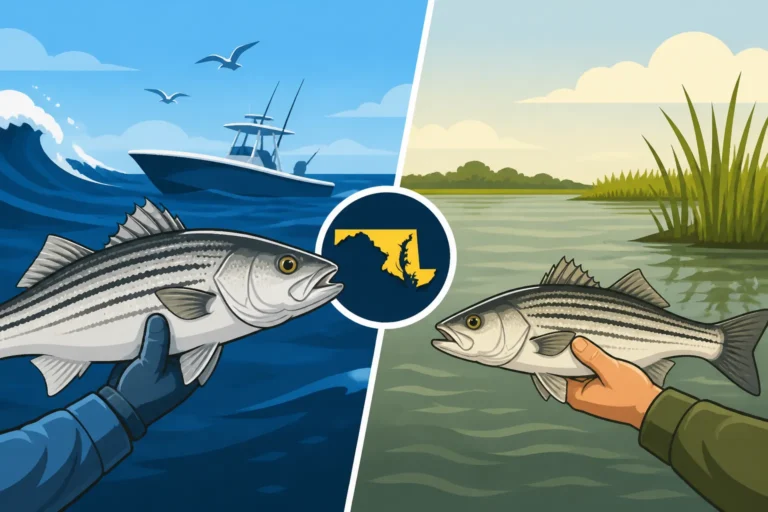
The reason for distinct licensing systems goes far beyond just revenue. Different states often have vastly different biological and ecological challenges, leading to unique management strategies for fish species. For example, Maryland might have specific seasonal closures or slot limits for striped bass that differ from Virginia's, even though these fish migrate between the two states. These regulations are meticulously crafted based on local data, population assessments, and habitat conditions within that state's jurisdiction.
Consider the complexity of managing a species like the striped bass, often called rockfish in Maryland. While they move between state waters, each state plays a crucial role in their overall management. Maryland’s Department of Natural Resources might implement specific Maryland Striped Bass Season and Rockfish Rules or Maryland Rockfish Slot Limit Explained that directly affect how and when you can fish for them in their waters. These rules might not align perfectly with Virginia's, and having a universal license would complicate enforcement and data collection. Furthermore, Maryland might invest heavily in its own trout stocking programs in western Maryland streams, which is a completely different management challenge from Virginia's efforts. The distinction between a Maryland Nontidal vs Tidal Fishing License, Explained further highlights the state's granular approach to managing its aquatic environments.
The Potomac River: A Unique Case of Shared Waters
Now, here's where things get interesting and a common point of confusion arises for anglers living in the DMV (D.C., Maryland, Virginia) area. The Potomac River, which forms a significant portion of the border between Maryland and Virginia, has a unique jurisdictional arrangement that offers some exceptions to the general "one state, one license" rule.
The Role of the Potomac River Fisheries Commission (PRFC)
The Potomac River is not like other border rivers. Instead of each state controlling its half, the tidal portion of the Potomac River, from its mouth up to the District of Columbia border, is jointly managed by the Potomac River Fisheries Commission (PRFC). This unique body was established by an interstate compact between Maryland and Virginia, precisely to oversee and regulate fishing and crabbing in these shared waters.
What this means for anglers is that for fishing within the tidal waters of the Potomac River itself, from shore to shore, you generally have a few options for your license. A valid recreational fishing license issued by Maryland, a valid recreational fishing license issued by Virginia, or a specific Potomac River Fisheries Commission (PRFC) license will typically cover you. This special arrangement is designed to simplify access for anglers who might be fishing from either state's shoreline or navigating the river by boat. It's crucial to understand, however, that this reciprocity only applies to the tidal Potomac River. As soon as you leave the Potomac and enter another Maryland river or the main stem of the Chesapeake Bay, your Virginia or PRFC license will no longer be valid. For a deeper dive into this specific license, you can explore What Is the Potomac River Fisheries Commission License?.
Navigating Potomac River License Requirements
Understanding which license to use on the Potomac can still be a bit tricky, depending on your plans. If you're solely fishing the tidal Potomac River, whether from a boat launched in Virginia or a pier on the Maryland side, any of the three licenses (Maryland, Virginia, or PRFC) typically suffices. However, if your fishing trip involves waters beyond the Potomac, for example, you want to fish the Patuxent River in Maryland after a day on the Potomac, then a Maryland license becomes necessary in addition to whatever covers you on the Potomac.
Here’s a breakdown of what each license covers specifically on the Potomac:
- Maryland Recreational Fishing License: Valid for fishing in Maryland's tidal Potomac River, as well as all other tidal and nontidal waters in Maryland (provided you have the correct endorsements, like a Freshwater/Nontidal stamp for freshwater fishing).
- Virginia Recreational Fishing License: Valid for fishing in Virginia's tidal Potomac River. Under the PRFC compact, it is also accepted in the main stem of the tidal Potomac River. However, it does not cover fishing in Maryland's other waters, such as the Chesapeake Bay or its other tributaries.
- Potomac River Fisheries Commission (PRFC) License: Specifically designed for fishing in the tidal Potomac River. If your entire trip is confined to these waters, this license will cover you, regardless of which state you launched from or primarily fish near. It won't, however, allow you to fish in other Maryland or Virginia waters.
Many anglers find it easiest to simply purchase a Maryland fishing license if they plan to fish any Maryland waters beyond the Potomac. This simplifies things and ensures compliance across the board. If you're specifically wondering about fishing near the nation's capital, you might also find answers in Do You Need Both a Maryland and DC License to Fish the Potomac?.
Acquiring the Right Maryland Fishing License
So, if you’re a Virginia angler with your sights set on Maryland’s rich fishing grounds, the path forward is clear: you’ll need a Maryland fishing license. Thankfully, the process is straightforward, and Maryland offers various options to suit different angling needs.
Options for Non-Resident Anglers
Maryland welcomes out-of-state anglers with a variety of license choices. The most common options for non-residents include:
- Annual Non-Resident Fishing License: This is the most comprehensive option if you plan multiple trips to Maryland throughout the year. It covers you for a full calendar year from the date of purchase. For a detailed breakdown of costs, you can check out Maryland Nonresident Fishing License Cost.
- 7-Day Non-Resident Fishing License: Perfect for a weekend getaway or a week-long fishing vacation. This license provides coverage for seven consecutive days, giving you flexibility without committing to an entire year. More information on these options can be found at Maryland 7-Day Fishing License Options.
- Consolidated Sport Fishing License: While primarily for residents, non-residents can sometimes combine different endorsements depending on their fishing goals, such as adding a trout stamp if they plan to target trout in specific designated areas.
Purchasing your Maryland fishing license is quite convenient. You can buy it online through the Maryland Department of Natural Resources (DNR) Compass system, which is a seamless process. Many local sporting goods stores and bait and tackle shops throughout Maryland are also licensed vendors. It's always a good idea to buy your license before you head out, and a quick search on Amazon might even yield some helpful resources like Maryland fishing maps or guides to plan your trip, though remember to always rely on official DNR sources for regulatory specifics.
Avoiding Common Pitfalls and Penalties
Fishing without the correct license in Maryland, or possessing a license that isn't valid for the waters you're in, can lead to unpleasant consequences. Maryland's DNR law enforcement officers regularly patrol the state's waterways, and they take violations seriously. The penalties for fishing without a license can range from significant fines to the confiscation of your fishing gear, and even potential court appearances. Nobody wants their relaxing fishing trip to end with a legal headache!
It's not just about the license itself; it's also about understanding and adhering to all the regulations that come with it. This includes specific size and catch limits for different species, seasonal closures, and gear restrictions. Before every trip, especially when fishing unfamiliar waters or crossing state lines, make it a habit to check the latest rules and regulations. The Maryland Fishing License Guide for 2026 is an invaluable resource that should be consulted annually, or even before each season. Also, familiarize yourself with Maryland Fishing License Penalties for Violations so you understand the gravity of non-compliance. A few minutes of research can save you a lot of trouble and ensure your fishing experience remains enjoyable and hassle-free.
Planning Your Interstate Fishing Trip
Embarking on a fishing adventure that spans Maryland and Virginia waters requires a bit more foresight than just grabbing your tackle box. Careful planning and understanding the regulatory landscape will ensure a smooth and legal experience.
Researching Regulations Thoroughly
The cornerstone of a successful interstate fishing trip is diligent research. Beyond just confirming you have the correct license, you need to delve into the specific rules for the species you intend to target and the particular bodies of water you'll be visiting. Maryland's DNR website is your absolute best friend here. It offers up-to-the-minute information on seasons, size limits, creel limits, and special regulations for all tidal and nontidal waters. While general fishing guides and books found on platforms like Amazon can offer fantastic insights into techniques and hot spots, always cross-reference any regulatory information with the official DNR site. Regulations can change, sometimes even mid-season, so relying on outdated information can put you at risk.
For instance, if you're targeting striped bass in the Chesapeake Bay, you'll need to know the specific slot limits and daily bag limits, which can vary depending on the time of year and specific zones. These details are often updated to adapt to conservation needs, so a rule that was valid last year might not be this year. Similarly, if you plan to fish for species like trout in Maryland's designated trout waters, you might need to understand Maryland Trout Stamp Requirements and specific stream regulations, which are often different from the general tidal rules. It’s also wise to check the How Long a Maryland Fishing License Lasts to ensure your purchase covers your entire trip duration.
Combining Licenses for Broader Access
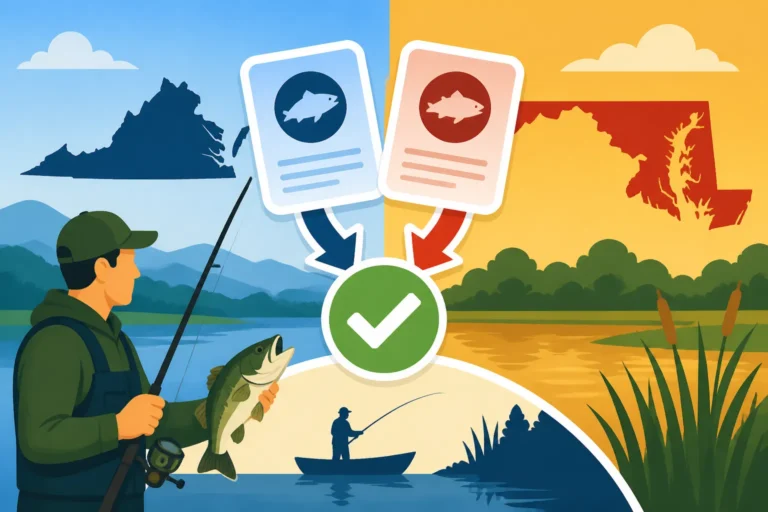
If your angling ambitions include fishing both the unique Potomac River and other general Maryland waters (like the main stem of the Chesapeake Bay, its other tributaries, or freshwater lakes), you will indeed need to ensure you're covered for both. This means having either a Maryland or Virginia license (or a PRFC license) for the tidal Potomac, AND a separate, valid Maryland fishing license for any other Maryland waters you wish to fish.
For example, a Virginia resident might purchase their annual Virginia fishing license, which would cover them on the tidal Potomac. If they then wanted to fish for white perch in the Patuxent River, a Maryland tributary to the Chesapeake Bay, they would also need to purchase a Maryland fishing license. This dual-license scenario is not uncommon for anglers who want the flexibility to explore the diverse fishing opportunities both states offer. Understanding the distinction between Resident vs Nonresident Fishing Licenses in Maryland is also important, as pricing and availability can vary. When combining, think of it as building a passport for your fishing journey – each stamp (license) grants you access to different, distinct territories.
License Validity Comparison Table
To help clarify the differences, here's a quick comparison of what each license typically covers:
| License Type | Valid for Tidal Potomac River (MD/VA Border) | Valid for Other Maryland Tidal Waters (e.g., Chesapeake Bay, Patuxent) | Valid for Maryland Nontidal Waters (e.g., Lakes, Streams) | Valid for Other Virginia Waters (e.g., James River, Lake Anna) |
|---|---|---|---|---|
| Virginia Fishing License | YES (Reciprocal via PRFC) | NO | NO | YES |
| Maryland Fishing License | YES (Covers MD side, accepted via PRFC) | YES | YES (with appropriate stamps/endorsements) | NO |
| PRFC Fishing License | YES (Specifically for Tidal Potomac) | NO | NO | NO |
Remember, this table is a general guide. Always consult the official Maryland Department of Natural Resources (DNR) and Virginia Department of Wildlife Resources (DWR) websites, as well as the Potomac River Fisheries Commission (PRFC) site, for the most current and precise regulations before you cast a line.
Disclaimer
The information provided in this guide is for general informational purposes only and is not intended as legal advice. Fishing regulations can change frequently. Always consult the official websites of the Maryland Department of Natural Resources (DNR), the Virginia Department of Wildlife Resources (DWR), and the Potomac River Fisheries Commission (PRFC) for the most up-to-date and accurate regulations before engaging in any fishing activities.