How Long a Maryland Fishing License Lasts
One of the most common head-scratchers for anglers in Maryland, whether you're a seasoned local or just visiting, is figuring out exactly how long your fishing license is good for. It's not always as straightforward as a year from purchase date, and misunderstanding the system can lead to frustration or, worse, unintended violations. This comprehensive guide will clear up all the confusion, detailing the typical duration of Maryland fishing licenses, specific exceptions, and what you need to know to stay legal on the water.
Understanding the Standard Maryland Fishing License Term
Navigating the world of fishing licenses can feel like a labyrinth, especially when you're just eager to cast a line. Maryland, like many states, operates on a standard system that dictates when your annual fishing privileges begin and end. It's crucial to grasp this fundamental principle before you even think about what fish you're going to target.
The Calendar Year System: January 1st to December 31st
The vast majority of annual Maryland fishing licenses, whether you're a resident or a nonresident, adhere to a strict calendar year validity. This means your license is active from January 1st through December 31st of the year it's purchased for. It's a system designed for administrative ease, but it can certainly catch new anglers or those from states with different setups by surprise. Imagine buying your license in August, ready for some fantastic late summer and fall fishing, only to realize it expires just a few short months later on December 31st. Yes, that's exactly how it works for annual licenses in Maryland. There's no pro-rating or "year from purchase date" for these standard yearly options.
This consistent end date simplifies enforcement and record-keeping for the Maryland Department of Natural Resources (DNR), but it places the onus on the angler to understand this fixed period. If you’re planning your fishing excursions, especially if you’re only going to be on the water for part of the year, this calendar year structure is a critical piece of information. For those looking into a Maryland Fishing License Guide for 2026, it will continue to operate under this same calendar year framework.
Why a Calendar Year System? Reasons and Implications
The decision to use a calendar year system for fishing licenses isn't arbitrary; it serves several practical purposes for state wildlife agencies. Primarily, it streamlines the regulatory process. When all annual licenses expire on the same day, it simplifies the annual review of regulations, budgeting, and biological surveys. Imagine trying to track thousands of individual expiration dates throughout the year – it would be an administrative nightmare. By having a universal expiration, the DNR can efficiently manage renewals, implement new regulations for the upcoming year, and gather consistent data on angler participation.
For you, the angler, this means that while buying your license early in the year maximizes its value, purchasing it later in the year still means it will expire on December 31st. This can impact your decision-making. If you're planning a trip in November, buying a full annual license might not feel like the best value compared to a short-term option, which we'll delve into shortly. It’s also why you’ll often see a push for renewals towards the end of the year, reminding everyone that their current license is about to run out. This fixed period also makes it straightforward to understand the validity of special endorsements like the Maryland Trout Stamp Requirements, as they generally align with the base license.
What Happens If You Buy Mid-Year? Maximizing Your Value
This is where many anglers get tripped up, and it's completely understandable. The idea of buying a "yearly" license in, say, July, only for it to expire in December, feels a bit counterintuitive. But as we've discussed, that's the nature of Maryland's calendar-year system for most annual licenses. So, if you purchase your annual resident or nonresident license on July 1st, it will still expire on December 31st of that same year, not July 1st of the following year. This means you're essentially getting six months of fishing instead of twelve for the same annual fee.
Knowing this, it's wise to plan your purchase. If you're an avid angler who fishes year-round, buying your license early in January or February ensures you get the full benefit. However, if you only plan to fish for a specific season or for a short vacation, you might find that the short-term license options offer better value. For instance, if you're visiting Maryland in October for a weekend of fishing, purchasing a Maryland Nonresident Fishing License Cost for the entire year might not be your most economical choice when a short-term option could cover your needs perfectly. Always check the calendar and your personal fishing schedule before hitting that "buy" button.
Specific License Types and Their Durations
While the calendar year rule applies broadly, Maryland offers a variety of license types, each tailored to different angling needs, and some come with their own distinct validity periods. It's not a one-size-fits-all situation, and understanding these nuances can save you money and ensure you're always legally covered.
Annual Resident and Nonresident Licenses: The Standard Term
As the name implies, these are the most common licenses for regular anglers. Whether you're a Maryland resident grabbing your Maryland Resident Nontidal Fishing License Cost or an out-of-stater opting for a Maryland Nonresident Annual Nontidal License Cost, the standard validity period is January 1st through December 31st of the year for which it's issued. There are no exceptions for the date of purchase within that year; if you buy it on November 1st, it still expires on December 31st. This consistency helps the state manage its fisheries and provides a clear renewal cycle for everyone.
It’s important to remember that these annual licenses cover a broad spectrum of fishing opportunities, but they often require additional stamps or permits for specific activities, like fishing for trout in designated waters (Maryland Trout Stamp Requirements) or for certain species like striped bass in the Chesapeake Bay. While the base license duration remains the same, always double-check if your target species or location requires any special add-ons, and how those add-ons align with your primary license's duration. Typically, the stamps expire with your base license.
Short-Term Options: 3-Day, 7-Day, and Other Temporary Licenses
Recognizing that not everyone needs a full year of fishing access, Maryland provides several convenient short-term options, perfect for visitors, occasional anglers, or those on a short fishing trip. These licenses differ significantly from annual licenses in their expiration.
- 3-Day and 7-Day Licenses: These are exactly what they sound like. A 3-day license is valid for three consecutive calendar days, starting from the date you specify at the time of purchase. Similarly, a 7-day license provides seven consecutive days of fishing access. This means if you buy a 7-day license and activate it on a Wednesday, it will be valid through the following Tuesday. This "from purchase date" validity is a key distinction from the annual licenses. These are incredibly popular for tourists or residents who only fish a few times a year. You can find more details on these via the Maryland 7-Day Fishing License Options.
- Other Temporary Licenses: While 3-day and 7-day options are most common, sometimes specific events or limited-time promotions might offer unique temporary licenses. Always check the DNR website or local tackle shops for the most up-to-date information on any less common short-term permits. These are generally designed for specific scenarios and will clearly state their validity period upon purchase.
These short-term licenses are a fantastic way to enjoy Maryland’s diverse waters without committing to a full annual fee, especially if your visit doesn't align perfectly with the calendar year system. Many people consider these the Best Maryland Fishing License Option for a Weekend Trip or for out-of-state visitors.
Consolidated and Lifetime Licenses: Investing in the Long Haul
For dedicated anglers and Maryland residents, there are options that extend beyond the single calendar year. These represent a more significant investment but can offer long-term savings and convenience.
- Consolidated Sport & Bowhunter License: This is an annual license, but it bundles fishing with other activities like bowhunting. While it offers more comprehensive coverage, its fishing component still adheres to the standard January 1st to December 31st calendar year validity. It’s important to understand that "consolidated" refers to the bundling of privileges, not an extended duration beyond the calendar year. The Maryland Senior Consolidated Sport Fishing License is a popular version of this, offering benefits for qualifying seniors.
- Lifetime Fishing Licenses: This is the ultimate long-term solution for Maryland residents. A lifetime license, as the name suggests, is valid for the entire life of the holder. Once purchased, you're set for good, never needing to worry about annual renewals again. This is often an excellent choice for younger anglers, as the cost upfront can be offset by decades of free fishing. While a significant initial cost, it provides peace of mind and simplifies future fishing endeavors. Lifetime licenses are typically available for residents only and can include various combinations of hunting and fishing privileges.
It's worth noting that even with a lifetime license, certain stamps or permits (like the Federal Chesapeake Bay Striped Bass Permit, if applicable, or state-specific stamps like the Maryland Trout Stamp) might still need to be acquired annually, though the base fishing privilege remains valid forever. Always verify these specific requirements when purchasing a lifetime license.
| License Type | Typical Duration | Notes |
|---|---|---|
| Annual Resident Fishing | Jan 1 – Dec 31 (calendar year) | Standard, expires end of calendar year regardless of purchase date. |
| Annual Nonresident Fishing | Jan 1 – Dec 31 (calendar year) | Same as resident annual. |
| 3-Day Nonresident Fishing | 3 consecutive days | Valid for 72 hours from designated start time/date. |
| 7-Day Nonresident Fishing | 7 consecutive days | Valid for 168 hours from designated start time/date. |
| Senior Consolidated Sport | Jan 1 – Dec 31 (calendar year) | Bundles fishing and other sports for eligible seniors. |
| Lifetime Fishing (Resident) | For life | One-time purchase, valid for the duration of the holder's life. |
| Chesapeake Bay Sport (Annual) | Jan 1 – Dec 31 (calendar year) | Required for tidal recreational fishing in the Chesapeake Bay and its tributaries. |
Special Endorsements and Stamps
Beyond the core fishing license, Maryland anglers often need to acquire additional endorsements or "stamps" depending on what they're fishing for and where. These aren't standalone licenses, but rather add-ons that grant specific privileges, and their validity is typically tied to your primary fishing license.
Maryland Trout Stamp: Aligning with Your Base License
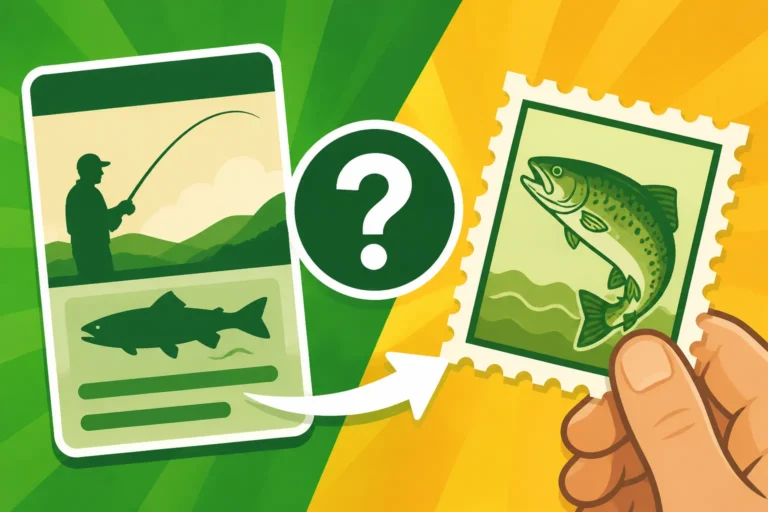
If you're planning to pursue trout in Maryland's designated trout waters, a Maryland Trout Stamp is a must-have. This stamp acts as an endorsement to your base fishing license. Crucially, its validity aligns directly with your annual fishing license. So, if you purchase an annual fishing license that expires on December 31st, your trout stamp, regardless of when you added it, will also expire on December 31st of the same year. You cannot add a trout stamp to an expired license, nor will a trout stamp extend the life of your primary license.
It’s common for anglers to purchase their annual license at the beginning of the year and then decide to add a trout stamp closer to spring when the trout stocking season begins in full swing. This is perfectly acceptable; you can certainly add a trout stamp after buying a Maryland fishing license. Just be mindful of that December 31st expiration date. The revenue generated from these stamps often goes directly back into trout stocking programs and habitat restoration, so it's a small but important contribution to the fishery.
Federal Bay Striped Bass Permit: A Yearly Requirement
For those targeting striped bass (rockfish) in Maryland’s tidal waters, particularly the Chesapeake Bay and its tributaries, there’s an additional requirement: the Federal Bay Striped Bass Permit. This permit is distinct from your state fishing license but is also typically required on an annual basis. While the state fishing license covers your general right to fish, this permit specifically tracks striped bass effort as mandated by federal regulations to help manage the species.
Like your annual state fishing license, this federal permit often operates on a similar calendar year cycle or is renewed annually. It's a critical component for ensuring compliance with both state and federal rules, especially given the strict regulations surrounding Maryland Striped Bass Season and Rockfish Rules. You can't just have your state license and think you're good to go for rockfish; this permit is an essential yearly component. Always check the current year's regulations as they can sometimes change to address stock health.
Other Endorsements: When They Matter for Duration
While the trout stamp and federal striped bass permit are the most common endorsements affecting duration for anglers, other specialized permits or stamps might exist for very specific activities or locations. For instance, if you're engaging in commercial fishing, crabbing with certain gear, or participating in special research fisheries, there might be additional licenses or permits with their own validity periods. These are usually clearly outlined by the Maryland DNR for their particular purpose.
For the vast majority of recreational anglers, however, the focus will primarily be on their base fishing license (tidal or nontidal), any necessary federal permits, and the Maryland Trout Stamp if they intend to fish for trout. The good news is that Maryland makes it fairly straightforward to purchase these endorsements when you buy your main license, whether it's online through the DNR's Compass system or in person at a licensed agent. Just remember that the underlying principle for annual endorsements is that they generally do not outlast the primary fishing license they are attached to.
Renewal Processes and Deadlines
Once you understand how long your Maryland fishing license lasts, the next logical step is knowing how to keep it current. Renewing your license is a pretty straightforward process, but being aware of the deadlines and available methods can save you a lot of hassle and ensure you never miss a day on the water.
When to Renew: Late Fall and Early Winter is Key
Given that most annual Maryland fishing licenses expire on December 31st, the prime window for renewal typically opens in late fall and extends through early winter. Many anglers choose to renew their license in November or December to ensure uninterrupted fishing access for the upcoming year. This proactive approach means you can hit the water on January 1st without any worries.
The Maryland DNR usually starts advertising the renewal period well in advance, often sending out email reminders if you’re signed up for their notifications. It's like clockwork – as the leaves turn and the holidays approach, it's time to start thinking about your fishing license for the new year. Don't wait until January 1st to realize your license has expired, especially if you plan to partake in some winter fishing activities, such as targeting yellow perch or chain pickerel. Planning ahead also allows you to consider any changes in regulations for the new year, which are often finalized around this time. For more specific details, you can look into How Long Does a Maryland Fishing License Last From Purchase? to reinforce the understanding of the December 31st expiration.
Online and In-Person Renewal Options
Maryland offers convenient options for renewing your fishing license, catering to different preferences:
- Online Renewal: This is by far the most popular and easiest method for many anglers. The Maryland DNR's Compass system allows you to renew your license from the comfort of your home, any time of day. You simply log in with your existing customer ID, select the licenses you wish to renew, and complete the payment process. Your renewed license can often be printed immediately or stored digitally on your phone. This method is quick, efficient, and ensures you have proof of license instantly. You can find a detailed guide on How to Renew a Maryland Fishing License Online.
- In-Person Renewal: For those who prefer a more traditional approach, or if you need assistance, you can renew your license at various licensed agents across the state. These typically include bait and tackle shops, sporting goods stores, and some county clerk's offices. Many anglers enjoy renewing in person as it's an opportunity to chat with local experts, pick up some fresh bait, or browse new gear. Just make sure to bring a valid form of identification and your previous license information to speed up the process. You can find locations on the DNR website.
- Mail Renewal: While less common now with the prevalence of online services, some options for mail renewal might still exist. However, this method takes the longest and is generally not recommended if you need your license quickly.
Regardless of how you renew, always verify that your personal information is correct and that you've selected all the necessary licenses and stamps for your planned fishing activities.
Consequences of Lapsed Licenses: Fishing Without a License
This is a critical point that cannot be stressed enough: fishing without a valid license in Maryland is against the law. There is no grace period for expired licenses. The moment your license expires on December 31st, you are technically fishing illegally if you cast a line on January 1st without a new one. The consequences for fishing without a license can range from a warning (if you're very lucky and it's a first offense) to significant fines and penalties.
A natural resources police officer can issue a citation, and repeated offenses can lead to higher fines, confiscation of gear, or even loss of future fishing privileges. It's simply not worth the risk. Before you even pack your tackle box, always double-check the validity of your license. A quick check on your phone via the DNR's Compass mobile app, or a glance at your physical license, can save you a lot of headache. Understanding What Happens If You Fish in Maryland Without a License? makes it clear that staying compliant is essential.
In addition to state penalties, if you're fishing in a specific area like the Potomac River, you might fall under the jurisdiction of the Potomac River Fisheries Commission, which has its own set of rules and enforcement. Always be aware of the specific regulations for the body of water you're fishing.
Common Misconceptions and Clarifications
The world of fishing licenses, with its varying durations and specific requirements, is ripe for misunderstandings. It's easy to assume things based on experiences in other states or simply from logical deduction. Let's tackle some of the most frequent misconceptions head-on to provide crystal clear guidance.
"Grace Periods" Debunked: No Wiggle Room Here
Perhaps the most persistent myth surrounding fishing licenses in Maryland is the idea of a "grace period" after your license expires. Let's be unequivocally clear: there is no grace period for an expired Maryland fishing license. Once December 31st rolls around, your annual license is no longer valid. If you fish on January 1st without having renewed your license for the new year, you are fishing illegally.
This can be a tough pill to swallow, especially if you're accustomed to other licenses (like a driver's license or vehicle registration) having a short grace period. However, Maryland's fishing license system operates on a hard deadline. Natural Resources Police officers are well aware of this and expect anglers to be compliant. Avoid any potential fines or legal trouble by renewing your license before the new year begins. It's a small task that ensures your peace of mind and keeps you on the right side of the law. The detailed information about Maryland Fishing License Penalties for Violations further underscores the importance of this.
Purchasing at Different Times of the Year: The Fixed Expiration Still Stands
We've touched on this, but it's worth reiterating due to its commonality as a point of confusion. Many anglers assume that if they purchase an "annual" license, it will be valid for 365 days from the date of purchase. This is generally not the case for Maryland's annual fishing licenses. Whether you buy your annual license in January, March, July, or October, it will always expire on December 31st of that calendar year.
This fixed expiration date is a cornerstone of Maryland's licensing structure for its full-year options. This means if you're planning a fishing trip late in the year, say in November, and you only plan to fish for a few days, an annual license might not be the most cost-effective choice. Instead, you might consider one of the short-term options, like a 3-day or 7-day license, which are valid for a specific number of consecutive days from your chosen start date. Always align your purchase with your actual fishing schedule to get the best value and ensure you're covered for the duration you need. This is a common question, and clarifying Do Maryland Fishing Licenses Expire on December 31? is essential.
Out-of-State Licenses: Maryland Requires Its Own
Another frequent misconception, particularly for anglers who live near state borders (like with Pennsylvania, Delaware, or Virginia), is whether an out-of-state fishing license will be valid in Maryland waters. The answer, almost universally, is no. With very few, highly specific exceptions (such as certain reciprocal agreements on shared boundary waters like parts of the Potomac River, which require careful verification), a Maryland fishing license is required to fish in Maryland's waters.
This applies whether you're fishing in the Chesapeake Bay, one of its tidal tributaries, or a freshwater lake or river. Your Pennsylvania, Virginia, or Delaware fishing license does not grant you the right to fish in Maryland. Even if you're a nonresident, you'll need to purchase a Maryland Nonresident Fishing License Cost to fish legally. The exception for the Potomac River, requiring a Potomac River Fisheries Commission license for parts of the river, is a distinct license specific to that shared body of water, and does not replace a general Maryland license for other state waters. For those considering Combining a Virginia and Maryland Fishing License, it's important to understand the very limited scope of such agreements.
It's always best to assume you need a Maryland license when fishing in Maryland and check for any specific reciprocal agreements for border waters if you believe one might apply. A quick check of the Maryland DNR regulations is always the safest bet.
Planning Your Fishing Year Around License Validity
Understanding the duration of your Maryland fishing license isn't just about avoiding a ticket; it's about smart planning that maximizes your time on the water and your investment. By thinking strategically about when and how you purchase your license, you can make your fishing experiences smoother and more enjoyable.
Maximizing Your Investment: Timing Your Purchase
For the avid angler who plans to fish throughout the entire calendar year, the advice is simple: purchase your annual Maryland fishing license as close to January 1st as possible. This ensures you get the full twelve months of fishing opportunity for the annual fee. If you’re like many of us, you might be thinking about what new gear you want to try out in the spring, or perhaps you’re checking reviews of the latest lures on Amazon. Knowing your license is valid for the entire year allows you to plan these purchases and trips without interruption.
Conversely, if you're an occasional angler or know you'll only be fishing for a few specific days or weeks, especially later in the calendar year, a short-term license (like the 3-day or 7-day option) is likely your most economical choice. For example, if your family only visits Maryland for a summer vacation in July, a Maryland Fishing License for Out-of-State Visitors Staying a Week would be far more sensible than buying a full annual nonresident license that expires in a few months. Evaluate your personal fishing habits and upcoming plans each year to make the most informed decision.
Impact on Seasonal Fishing: Planning for Spring Trout to Fall Rockfish
Maryland boasts incredible fishing diversity, from spring trout runs in Western Maryland to summer crabbing in the Bay, and the epic fall striped bass (rockfish) migrations. The calendar year license structure plays a direct role in how you plan for these seasonal opportunities.
- Spring: If you're eager to participate in the early spring trout stockings, your annual license should be renewed and active by January 1st. Many anglers also purchase their Maryland Trout Stamp around this time to be ready for the Maryland Trout Season, Month by Month.
- Summer: The Bay comes alive in summer with white perch, spot, croaker, and bluefish. Having your license in order allows you to spontaneously hit the water when the bite is on. If you're fishing the Chesapeake Bay, remember that a Maryland Chesapeake Bay Sport Fishing License Explained is essential.
- Fall: This is prime time for many species, including the highly anticipated fall rockfish run. If you're planning a trip during this period, ensure your annual license hasn't lapsed. Many people use this season to test new rods and reels they might have ordered from Amazon.
- Winter: Even in winter, there are opportunities for yellow perch, pickerel, and even catch-and-release striped bass. Your annual license, renewed for the current year, covers these chilly adventures.
By understanding that your annual license covers you for all these seasons within a single calendar year, you can confidently plan your fishing adventures without the constant worry of an expiring permit. It simplifies the process, allowing you to focus on the more exciting aspects of fishing, like finding the perfect lure or discovering a new honey hole.
Disclaimer
The information provided in this guide is intended for general informational purposes only and does not constitute legal advice. Fishing regulations in Maryland are subject to change by the Maryland Department of Natural Resources (DNR). While we strive to provide accurate and up-to-date information, it is the sole responsibility of the angler to consult the official Maryland DNR fishing regulations or contact the DNR directly before engaging in any fishing activities. Compliance with all federal, state, and local fishing laws and regulations is mandatory.