Techniques for Catching Northern Pike at Deep Creek Lake
There's nothing quite like the thrill of a hard strike, especially when it comes from a formidable predator like the Northern Pike. For many anglers, the pursuit of these toothy titans in Deep Creek Lake can feel like a daunting challenge. The lake is vast, the pike are elusive, and understanding their habits can be a real head-scratcher. This guide is here to untangle the mystery, offering proven techniques and essential insights to help you land those powerful Northern Pike in Maryland's largest freshwater lake.
Understanding Northern Pike in Deep Creek Lake
Northern Pike are a truly captivating species, known for their aggressive nature and impressive size. When you're fishing Deep Creek Lake, knowing a bit about these incredible fish and their natural tendencies is the first step toward a successful outing. They aren't just any fish; they're apex predators in their environment, and understanding their mindset helps you think like a pike.
Where Pike Roam in Deep Creek
Deep Creek Lake, with its diverse underwater topography, provides ample habitat for Northern Pike. They are masters of ambush, preferring areas where they can hide and surprise their prey. This means you'll often find them lurking around dense weed beds, submerged timber, and along sharp drop-offs where deeper water meets shallower feeding grounds. Think about those transitional zones, where the sun-drenched shallows suddenly plunge into cooler, darker depths. These are prime ambush points.
During the warmer months, as aquatic vegetation flourishes, pike will often move into the thickest cover they can find, especially in the numerous coves and bays that pepper the lake. These areas offer both shade and a ready supply of smaller baitfish seeking refuge. As the seasons change, and the water cools, pike might shift their focus to deeper channels and points, still hugging structure but perhaps moving a bit more actively in search of migrating prey. If you're wondering, "How Deep Is Deep Creek Lake?", it's a good question to ask because understanding the depth contours will greatly help you pinpoint these fish.
What Makes Pike Tick (and Bite!)
Northern Pike are pure predators, driven by instinct and hunger. They are primarily visual hunters, which means bright, flashy, or distinctively moving lures often grab their attention. Their long, torpedo-shaped bodies and powerful tails allow for explosive bursts of speed, making them incredibly effective at ambushing unsuspecting baitfish like perch, shiners, and even smaller bass. They'll also readily eat frogs, mice, and anything else unlucky enough to cross their path.
The key to triggering a pike's strike often lies in mimicking a distressed or fleeing prey item. A sudden pause, a darting movement, or an erratic retrieve can often be the final trigger that makes a pike commit to an attack. They're not always subtle; a pike strike can feel like your rod has been hit by a truck, and the ensuing fight is nothing short of exhilarating. They'll shake their heads violently, often leap from the water, and pull with surprising power. This aggressive nature is what makes them such a sought-after game fish. For those curious about their prevalence, check out "Where Do Northern Pike Live in Maryland?" for more context on their habitat beyond Deep Creek.
Top Techniques for Targeting Deep Creek Pike
Northern Pike are aggressive, but they're not always easy to fool. It takes a combination of the right techniques, the right gear, and a good understanding of their behavior to consistently put them in the net. Let's dive into some of the most effective methods.
Casting and Retrieving for Reaction Strikes
Casting artificial lures is arguably the most exciting way to target Northern Pike. The visual thrill of seeing a pike follow your lure, or the sudden, jarring strike, is hard to beat. When you're casting, you're essentially trying to provoke a reaction strike—making the pike attack out of instinct rather than hunger.
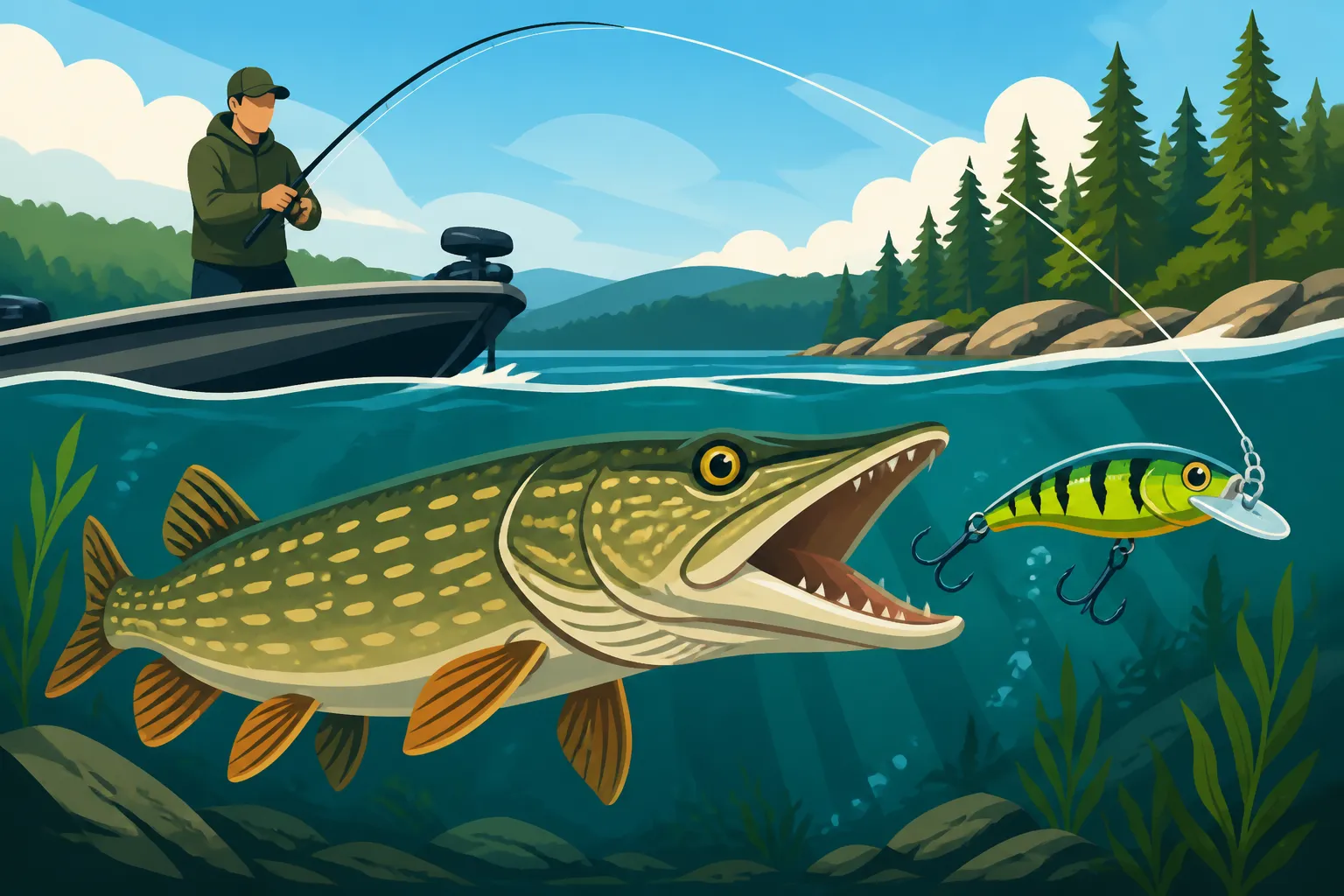
One of the most classic and effective lures for pike is a spoon. Think about a simple, wobbling metal spoon in silver, gold, or a firetiger pattern. Cast it out, let it sink a bit, and retrieve it with a steady, medium-fast pace, occasionally adding a twitch or pause to make it look injured. Spinnerbaits are another excellent choice, especially when fishing around weeds. The flash and vibration of the blades, combined with the pulsating skirt, can be irresistible. Jerkbaits, particularly suspending models, are fantastic for working over weed beds or along drop-offs. Cast them out, give a few sharp jerks of the rod tip, and then let them suspend. This "stop-and-go" motion often draws savage strikes. Finally, large swimbaits and soft plastics rigged on weighted swimbait hooks can mimic the larger baitfish that trophy pike prey upon. You can find a huge variety of these effective lures on Amazon, as well as at local bait and tackle shops around Deep Creek Lake. For more specific lure recommendations, you might want to read "Best Lures for Pike at Deep Creek Lake".
Trolling for Deep Creek's Bigger Pike
While casting is exciting, trolling can be a highly effective strategy for covering more water and enticing larger, more cautious pike in Deep Creek Lake, especially when they've moved to deeper sections or are spread out. Trolling allows you to present a lure at a consistent depth and speed over long distances, drawing fish out of cover or along a particular contour.
When trolling for pike, focus on areas like the main lake channels, the edges of expansive weed flats, or along submerged points and humps. Your trolling speed is crucial – generally, a slow to moderate pace, around 2-3 miles per hour, is effective. Lure choice is also key; large crankbaits, deep-diving plugs that can reach the desired depth, or big spoons are excellent options. Make sure your lures have a wide, wobbling action to attract attention. Using a reliable depth finder will be invaluable to ensure your lures are running just above the pike's suspected holding depth or directly through their strike zone. Remember, you're looking for those slightly deeper contours in the lake where larger fish might be lurking, away from the more pressured shallow areas.
Live Bait and Dead Bait Strategies
Sometimes, especially when pike are less active due to cold fronts or post-spawn lethargy, a natural presentation with live or dead bait can be the ticket. This method taps into their natural feeding instincts rather than provoking a reaction strike.
For live bait, large shiners, golden shiners, or even small perch (where legal and available) are excellent choices. You can present live bait in a couple of ways. One common method is to fish them under a large bobber along weed lines or near structure. The bobber keeps the bait at a desired depth, and its erratic movements can attract attention. Alternatively, you can use a simple bottom rig with a weight and a single hook, allowing the bait to swim freely near the bottom. When using live bait, give the pike time to engulf it before setting the hook. Dead bait can also be incredibly effective, especially in colder water conditions or during winter ice fishing. Large dead baitfish, such as smelt or large herring, placed on the bottom or suspended off a tip-up (if ice fishing) can be a highly enticing meal for a sluggish pike. Their scent can draw fish in from a distance. Always check current Maryland fishing regulations regarding baitfish collection and use to ensure you're compliant.
Essential Gear and Tackle for Pike Fishing
Successfully battling a Northern Pike requires gear that can stand up to their power and sharp teeth. Don't skimp on your setup, or you might find yourself with a snapped line or a lost trophy.
Rods, Reels, and Line Choices
When it comes to rods, a medium-heavy to heavy action rod, typically 6'6" to 7'6" long, is ideal. This gives you the backbone needed to cast larger lures and to absorb the shock of a pike's powerful surges and headshakes. A fast or extra-fast action tip will provide the sensitivity to detect subtle bites and the quick hook-setting power you'll need. Matching this with a sturdy baitcasting reel or a large spinning reel is crucial. Look for a reel with a smooth, reliable drag system, as pike will make strong runs.
Your line choice is equally important. Many anglers opt for braided line in the 30-50 pound test range. Braid offers superior strength, sensitivity, and castability. However, the most critical component of your line setup for pike is the leader. Northern Pike have incredibly sharp teeth that can easily slice through monofilament or fluorocarbon main lines. Therefore, a steel or heavy fluorocarbon (50-80 pound test) leader is absolutely essential. A good quality, about 12-18 inch wire leader will prevent cut-offs, saving your lures and, more importantly, ensuring you land that trophy fish. Without a proper leader, your chances of landing a pike are slim to none. Remember, a valid "Maryland Fishing License Guide for 2026" will detail all the regulations you need to know, including gear restrictions if any.
Must-Have Lures and Baits
Having a diverse tackle box stocked with proven pike attractors is key to adapting to changing conditions and finding what the fish want on any given day. Here's a quick rundown of some indispensable options:
| Lure Type | Description | Preferred Conditions | Retrieval Style |
|---|---|---|---|
| Spoons | Wobbling metal, flashy | Sunny days, open water, weed edges | Steady retrieve, occasional twitch |
| Spinnerbaits | Skirted, vibrating blades | Weedy areas, stained water, overcast days | Steady retrieve, slow roll, bump structure |
| Jerkbaits | Hard plastic, suspending or floating | Clear water, over submerged weeds, shallow flats | Jerk-pause, erratic action, twitch |
| Swimbaits | Soft plastic, realistic baitfish profile | Deeper water, trolling, around schools of bait | Steady retrieve, slow roll, jigging |
| Crankbaits | Hard plastic, diving lip | Trolling, covering water, targeting depth | Steady retrieve, varying speed for depth control |
| Large Soft Plastics | Paddle tails, flukes, on heavy jig heads | Vertical jigging, weed pockets, slow retrieve | Jig-pause, slow reel, rip and drop |
| Live Bait | Large shiners, perch (check regs) | Slow bite, cold water, specific structure | Under bobber, bottom rig, free-swimming |
| Dead Bait | Smelt, herring, large baitfish | Ice fishing, very cold water, sluggish pike | Still-fishing on bottom, tip-ups |
A variety of colors is always a good idea too. Have some natural baitfish patterns (silver, white, perch colors), some bright, flashy options (firetiger, chartreuse), and some dark patterns for low light or stained water. Remember, "How Big Do Northern Pike Get in Maryland?" can influence the size of lures you choose; bigger lures often entice bigger fish.
Safety and Handling Considerations
Northern Pike are not only powerful fighters, but they also possess a mouthful of incredibly sharp teeth. Handling them safely, both for you and the fish, is paramount. Always bring the right tools. A large, rubberized landing net is essential for safely bringing a pike aboard without damaging its fins or slime coat. Once in the net, you'll want a pair of long-nosed pliers or, even better, a de-hooking tool to safely remove hooks.
For handling the fish, a jaw spreader can be very helpful to keep their mouth open and protect your fingers while you work to extract the hook. Never put your bare hands into a pike's mouth. If you must handle the fish by hand, gently cradle it, supporting its belly, and avoid squeezing. To hold it firmly without putting your fingers in harm's way, you can grasp it just behind the head firmly, or use a specialized lip gripper that securely holds the fish by the lower jaw. If you plan to release the fish, do so quickly, minimizing its time out of the water. Gently place it back in the water and support it until it swims away under its own power. These simple precautions ensure a safe and enjoyable experience for everyone involved.
When and Where to Find Success
Deep Creek Lake offers year-round opportunities for pike, but understanding their seasonal movements and how weather influences their behavior can dramatically increase your success rate.
Seasonal Hotspots on Deep Creek Lake
The best places to find Northern Pike in Deep Creek Lake often depend on the time of year:
- Spring (Post-Spawn): After the ice melts and the water begins to warm, pike become very active, feeding heavily after their spawn. Look for them in shallow bays, coves, and areas with emergent vegetation. These are prime feeding grounds where baitfish are abundant. The north and east ends of Deep Creek Lake, with their shallower sections and many coves, can be particularly productive.
- Summer: As the water warms further, pike often retreat to deeper, cooler waters, but they'll still be associated with structure. Focus on the deep edges of weed lines, submerged humps, points that drop off into deeper channels, and around submerged timber. Trolling large crankbaits or fishing live bait on these transition areas can be effective. If you're interested in other species, check out "Fishing Deep Creek Lake for Walleye" or "Fishing Deep Creek Lake for Smallmouth Bass" as these fish often share similar habitats during certain seasons.
- Fall: This is often considered one of the best times for trophy pike. As the water cools, pike become incredibly aggressive, fattening up for winter. They will move shallower again, chasing schools of baitfish that are migrating towards shallower coves. Target main lake points, vast weed flats that are beginning to die back, and the mouths of larger coves. Large spoons, jerkbaits, and swimbaits are excellent choices.
- Winter (Ice Fishing): Deep Creek Lake is a prime destination for ice fishing in Maryland, and pike are a major target. During winter, pike will often be found in deeper holes or along drop-offs, but they will also cruise the edges of large flats under the ice. Tip-ups set with large live or dead bait are highly effective. You can also jig with spoons or large plastics. For a comprehensive guide, see "Ice Fishing at Deep Creek Lake, Maryland" and find out if "Is Ice Fishing Allowed at Deep Creek Lake?". When choosing your access points, remember to consider "Best Boat Ramps at Deep Creek Lake" even if the lake is frozen, as nearby access can be key.
Reading the Water and Weather
Pike, like most predatory fish, are sensitive to environmental changes. Water temperature is perhaps the most critical factor. Pike are cool-water fish, and while they can tolerate warmer temperatures, they are most active in waters between 50 and 70 degrees Fahrenheit. If the water is too warm, they might be sluggish and move to deeper, cooler areas. Conversely, in very cold water, their metabolism slows, making them less likely to chase fast-moving lures.
Water clarity also plays a role. In clear water, pike rely heavily on their eyesight, making natural-colored lures and stealthy presentations more effective. In stained or murky water, brighter colors, noisy lures (like spinnerbaits with thumping blades), or scented baits can help them locate your offering. Weather patterns, especially cold fronts, can dramatically impact pike behavior, often causing them to become less active. Overcast days or periods of stable weather generally provide better fishing. Wind can be your friend, as it creates chop on the surface, breaking up the light and making pike feel more comfortable moving into shallower water to hunt, while also concentrating baitfish. Always keep an eye on the forecast and adjust your tactics accordingly. Understanding how all these elements combine will make you a much more effective pike angler on Deep Creek Lake.
Disclaimer
This article is for general informational purposes only and does not constitute professional advice. Laws, prices and regulations vary by location and change over time. Consult a qualified professional for guidance on your specific situation.