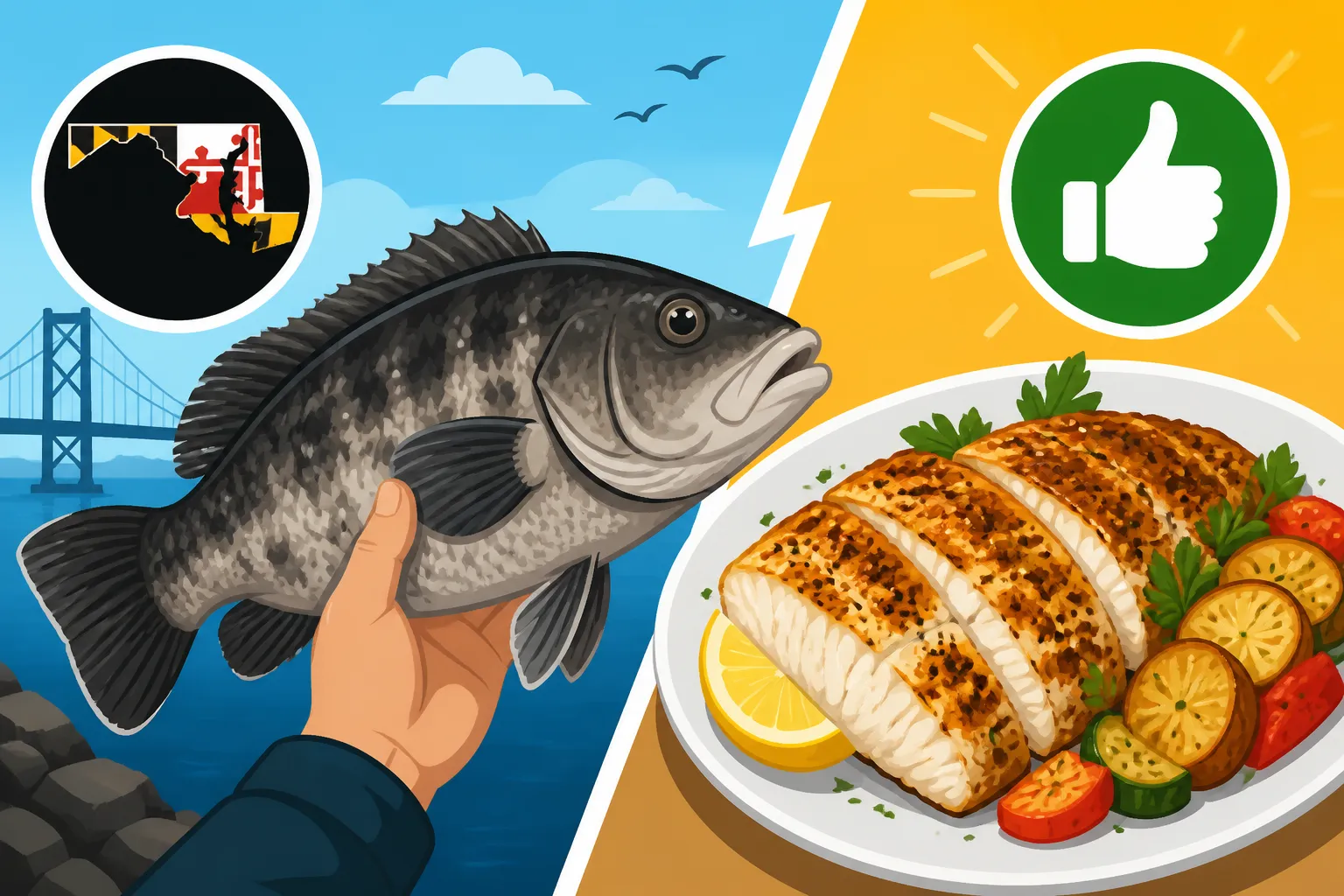
Are Tautog Good to Eat?
For many anglers targeting Maryland's diverse waters, the thrill of the fight is often just one part of the equation. There's also the question of what to do with the catch once it's landed – specifically, whether it's destined for the dinner plate. When it comes to tautog, affectionately known as "tog" by many, their reputation as a tenacious fighter is legendary, but their culinary standing might be less universally understood. This guide is here to settle the debate and reveal why tautog is not only good to eat, but often considered a true delicacy by those in the know.
The Tautog's Appeal Beyond the Fight: Are They Good on the Plate?
Let's cut right to the chase: yes, tautog are absolutely good to eat! In fact, they are highly prized by many anglers and chefs for their unique flavor and firm, white flesh. If you've ever hooked into one of these feisty bottom dwellers, you know they put up an incredible battle. But the reward extends far beyond the adrenaline rush.
A Dive into Tautog Flavor and Texture
The flavor profile of tautog is often described as mild, sweet, and clean, with very little "fishy" taste. This desirable characteristic is largely due to their diet. Tautog are primarily molluscivores and crustacean eaters, meaning they spend their lives munching on crabs, clams, mussels, and other shellfish. Think about it: a fish that dines on gourmet seafood is likely to taste pretty good itself! This natural diet imparts a subtle sweetness and purity to their flesh that distinguishes them from many other species.
When it comes to texture, tautog are renowned for their firm, flaky white meat. It holds up exceptionally well to various cooking methods, never getting mushy or falling apart too easily. Imagine a beautiful fillet that, once cooked, separates into tender, succulent flakes with just the right amount of chew. This makes them incredibly versatile in the kitchen, suitable for everything from delicate pan-sears to hearty stews. Their density also means they fill you up without feeling heavy, making for a truly satisfying meal. Maryland's waters offer a plethora of Maryland's Most Popular Saltwater Gamefish, but tautog often stand out for their eating quality.
Factors Influencing Tautog Taste
While tautog generally boast excellent eating quality, a few factors can influence their taste and texture, much like any other wild-caught fish. Understanding these can help you maximize your culinary experience.
Firstly, size often plays a role. Many anglers find that tautog in the 3- to 8-pound range offer the best eating experience – a good balance of flavor and tenderness. Larger, older fish can sometimes have a slightly tougher texture, though their flavor remains excellent. It's often a matter of personal preference, but if you're aiming for peak culinary delight, those mid-sized tog are often the sweet spot.
Secondly, as mentioned, their diet is paramount. Tautog from areas rich in diverse shellfish and crabs tend to have the best flavor. This is why fish caught around prime structure like oyster beds, mussel banks, and rocky bottoms often taste superior. Clean, clear water environments also contribute to a cleaner-tasting fish, free from any off-flavors.
Finally, handling after the catch is critical. Just like any premium game fish, proper care immediately after landing a tautog can dramatically impact its quality on the plate. Bleeding the fish immediately after catching helps to remove blood from the flesh, which can otherwise contribute to a stronger, less desirable flavor. A quick slit of the gills and placement in a cooler full of ice slurry (a mix of ice and water) will cool the fish rapidly, preserving its freshness and firm texture. Neglecting these steps can compromise even the finest fish, so invest in a good cooler, perhaps one you found on Amazon, and make proper fish care a priority.
Preparing Tautog for the Table: From Catch to Culinary Delight
So, you've decided to bring some delicious tautog home for dinner. Excellent choice! Now, let's talk about turning that fresh catch into a truly memorable meal.
Best Practices for Cleaning and Filleting Tautog
Cleaning a tautog isn't quite like cleaning a flounder or a rockfish. These fish have incredibly tough, leathery skin and a surprisingly robust bone structure, making them a bit more challenging to fillet, especially for beginners. Don't be discouraged, though; with the right tools and a little practice, you'll get the hang of it.
You'll definitely need a very sharp, sturdy filleting knife – a flexible blade isn't ideal for their tough skin and bones. Some anglers even prefer a heavy-duty boning knife. A good fish scaler (or even the back of your knife blade) will be useful for removing scales, though many opt to skin tautog instead of scaling them, given how tough their hides are.
Here's a simplified approach:
- Bleed and Ice: As discussed, bleed your fish immediately after catching and get it on ice. This firming of the flesh makes filleting easier.
- Scale or Skin: If scaling, hold the fish firmly and scrape against the grain of the scales. If skinning, which is often preferred, you'll make an incision behind the gill plate, down the back, and then carefully peel the skin off with pliers or a specialized skinning knife.
- Fillet: Make a cut behind the pectoral fin, down to the backbone. Turn the knife flat and carefully work it along the backbone towards the tail, separating the fillet. Repeat on the other side.
- Rib Cage and Pin Bones: You'll need to carefully cut out the rib cage section. Tautog have relatively few pin bones, but it's always good practice to run your finger down the fillet to feel for any remaining. Remove them with a good pair of fish pliers (also available on Amazon) or by making a small V-cut.
- Remove the Bloodline: A dark bloodline often runs down the center of the fillet. Trimming this out will ensure the mildest flavor and best presentation.
The effort is absolutely worth it for the pristine fillets you'll end up with.
Popular Tautog Cooking Methods
Once you have those beautiful white fillets, the culinary possibilities are endless! Tautog's firm flesh holds up well to almost any cooking method, making it a versatile choice for a variety of dishes.
Baking or Roasting: This is a fantastic, hands-off method that truly lets the fish's natural flavors shine. Simply season your fillets with salt, pepper, a squeeze of lemon, and maybe some fresh herbs like parsley or dill. A pat of butter or a drizzle of olive oil enhances moisture. Bake it in a preheated oven until the flesh is opaque and flakes easily with a fork. This method works wonderfully for a healthy, straightforward meal.
Pan-Searing or Frying: For those who love a crispy exterior and tender, juicy interior, pan-searing is the way to go. Lightly dredge the fillets in seasoned flour or cornmeal, then pan-fry them in a hot skillet with a bit of oil or butter until golden brown on each side. The firm texture of tautog means it won't fall apart in the pan, allowing you to get that perfect crust. This is also excellent for fish tacos or sandwiches.
Grilling: If you're fortunate enough to catch tautog during warmer months, grilling is a superb option. The firm flesh won't stick to the grates as easily as some other fish. Marinate the fillets lightly or simply brush with olive oil, salt, and pepper before placing them on a medium-hot grill. The smoky char from the grill adds another layer of flavor that complements the tautog's natural sweetness beautifully. Just be sure not to overcook it!
Steaming or Poaching: For a truly delicate preparation, steaming or poaching tautog fillets can be exquisite. This method keeps the fish incredibly moist and highlights its subtle flavor. A simple poaching liquid of white wine, lemon, and herbs, or just plain water with a hint of seasoning, is all you need. This technique is perfect for serving with light sauces or as part of a fresh salad.
Complementary Flavors and Pairings
Tautog's mild, sweet flavor is wonderfully adaptable, making it easy to pair with a wide array of ingredients. The key is to enhance, not overpower, its natural deliciousness.
Herbs and Citrus: Fresh herbs like parsley, cilantro, dill, or chives are natural allies. A squeeze of fresh lemon or lime juice just before serving brightens the flavor and adds a zesty kick. Consider a simple chimichurri or a lemon-butter sauce.
Light Sauces: Avoid heavy, cream-based sauces that can mask the fish's delicate taste. Instead, opt for vinaigrettes, light fruit salsas (mango or pineapple work well), or a classic beurre blanc.
Vegetables and Grains: Tautog pairs beautifully with a variety of sides. Think roasted asparagus, steamed green beans, sautéed spinach, or a fresh garden salad. For grains, wild rice, quinoa, or couscous offer a satisfying base without being too heavy. Even a simple side of roasted potatoes or crispy fries can complement a pan-seared fillet perfectly.
Here's a quick comparison of Tautog to other popular Maryland fish:
| Fish Species | Flavor Profile | Texture (Cooked) | Best Cooking Methods | Common Maryland Habitat |
|---|---|---|---|---|
| Tautog | Mild, sweet, clean, slightly briny (crustacean diet) | Firm, flaky | Bake, Roast, Pan-Sear, Grill, Fry, Steam | Rocky bottoms, wrecks, reefs, bridge pilings, jetties |
| Striped Bass | Rich, medium-to-strong, distinctly "fishy" | Firm, large flake | Grill, Bake, Pan-Fry, Smoke | Chesapeake Bay, tidal rivers, ocean |
| Flounder | Very mild, delicate, subtly sweet | Tender, fine flake | Bake, Pan-Fry, Broil, Stuff | Bay bottom, back bays, ocean flats |
| White Perch | Mild, sweet, flaky | Soft, fine flake | Pan-Fry, Bake, Broil, Deep Fry | Chesapeake Bay, tidal rivers, freshwater lakes and ponds |
| Blue Catfish | Mild, earthy, firm | Firm, dense flake | Fry, Bake, Grill, Smoke, Stew | Potomac River, Nanticoke, Choptank, Susquehanna, Upper Bay |
This table helps illustrate why tautog holds its own as a prime table fish, offering a distinct and highly palatable option for Maryland anglers looking to enjoy their catch.
Tautog Fishing in Maryland: Catching Your Dinner
To truly appreciate tautog on the dinner plate, you first need to catch them! These fish are notoriously challenging to hook, making the reward even sweeter. Understanding their habits and habitats in Maryland is key.
Where and When to Find Tautog in Maryland Waters
Tautog are masters of camouflage and prefer complex, rocky structures. In Maryland, this means you'll find them congregating around places like the Chesapeake Bay Bridge Tunnel pilings, jetties, natural and artificial reefs, shipwrecks, and even mussel beds. They use these structures for shelter, foraging, and ambush points for their crustacean meals. If you're fishing areas with hard bottom and lots of vertical or horizontal relief, you're in the right place. These are also excellent spots for Tautog Fishing Around Maryland's Bay Bridge.
Seasonality is crucial for tautog. They are a cold-water species, meaning they are most active and available to anglers during the cooler months. While you might find them year-round in certain deep-water structures, the prime seasons for targeting tautog in Maryland are typically late fall, through winter (when legal and safe), and early spring. The exact windows can vary, so always check the latest Tautog Season Dates from the Maryland Department of Natural Resources (DNR). During these cooler periods, their metabolism slows down a bit, but their feeding instincts remain strong as they seek out protein-rich crabs and shellfish.
Tackle and Techniques for Tautog Fishing
Successfully catching tautog requires specific gear and techniques due to their unique feeding habits and powerful fight. This isn't a finesse game; it's a battle of strength and precision.
Bottom Fishing, Heavy Tackle: Tautog have incredibly powerful jaws and teeth, designed for crushing shells. They also live in areas that are notorious for snags. Therefore, stout gear is essential. You'll want a heavy-action rod, typically 6 to 7 feet long, paired with a conventional reel capable of holding at least 50-pound braided line. A braided mainline with a 30-50 pound fluorocarbon leader is a common setup, providing both strength and abrasion resistance against sharp rocks and oyster shells. The leader should be shorter, usually 18-24 inches, to minimize snags.
The most common rig is a simple bottom rig with a heavy sinker (often 3-8 ounces, depending on current and depth) at the bottom, and one or two snelled hooks (size 1/0 to 4/0, depending on bait size) tied above it on dropper loops. The sinker needs to be heavy enough to hold your bait directly on the bottom amidst strong currents. This type of setup is also useful for Bottom Fishing Techniques for Maryland Catfish.
Bait: When it comes to bait, tautog are picky eaters with a strong preference for crustaceans and shellfish.
- Green Crabs are arguably the most popular and effective bait. They can be fished whole for larger tog or cut in half, quartered, or even into small pieces for smaller fish or to conserve bait. Hooking them through a leg socket or the corner of the shell works well.
- Fiddler Crabs are another excellent choice, especially for slightly smaller tautog, and can be very effective in certain areas.
- Clams, mussels, and conch can also work, but they tend to be softer and more easily picked off the hook by smaller fish or current. Using a clam worm or bloodworm on Amazon as a jig trailer can sometimes entice a bite.
For more specific advice on what these finicky eaters prefer, check out Best Bait for Tautog Fishing in Maryland.
Emphasize Stealth and Sensitivity: While it's heavy tackle, there's a delicate art to catching tog. They have a subtle bite that can feel like a light tap or simply added weight. You need to pay close attention to your rod tip. When you feel that distinctive "tap," don't automatically set the hook like you would for a striper. Instead, reel up the slack slowly and wait for the fish to commit, often with a second, more assertive pull, before setting the hook hard. Setting too early means you'll just pull the bait away from their mouths. Fishing for tautog often requires a significant amount of patient observation and quick reflexes once they decide to chew. Remember, you might even consider booking a Maryland Chesapeake Bay Fishing Charters, What to Expect to learn from experienced captains. What to Bring on a Maryland Fishing Charter will give you some essential tips for a successful trip.
Responsible Harvesting and Regulations
Enjoying the bounty of Maryland's waters means understanding and respecting the rules that protect these valuable resources. Sustainable fishing practices are crucial for ensuring that future generations can also enjoy the thrill of catching tautog and other species.
Maryland's Tautog Regulations
Just like with other popular species in the Chesapeake Bay and coastal waters, the Maryland Department of Natural Resources (DNR) establishes specific regulations for tautog. These regulations typically include:
- Minimum Size Limits: To ensure fish have a chance to reach maturity and spawn, there will be a minimum length a tautog must be to be legally kept. This prevents overfishing of juvenile fish.
- Creel (Bag) Limits: This limits the number of tautog an individual angler can keep in a single day, helping to manage the overall harvest.
- Season Dates: As mentioned earlier, there are specific periods when tautog can be legally harvested, often timed to protect spawning aggregations or manage population levels.
It is absolutely imperative to always check the latest Maryland fishing regulations before heading out. These rules can change from year to year, or even mid-season, based on scientific assessments of fish populations and management goals. The DNR website or their official fishing guide is the most reliable source for current information. You can often find comprehensive details in Maryland's DNR Fishing and Boating Guide, Explained. Adhering to these rules is not just about avoiding penalties; it's about being a responsible steward of the marine environment. Failing to follow these rules can lead to significant fines, as outlined in Maryland Fishing License Penalties for Violations.
When fishing from shore or a pier, you might also be wondering about license requirements. Generally, a state license is required, but there are nuances. For instance, Do You Need a License to Fish From a Maryland Pier? clarifies specifics about pier fishing. Always make sure you have the appropriate Maryland Chesapeake Bay Sport Fishing License Explained for the waters you're fishing.
Conservation and Sustainable Practices
Beyond simply following the rules, embracing broader conservation principles is vital for the health of Maryland's tautog populations.
Catch and Release of Larger Breeders: While it's tempting to keep every legal fish, consider releasing some of the larger tautog, especially those at the upper end of the slot limit (if one exists). These older, larger fish are often the most prolific breeders and contribute significantly to the health of the population. Proper catch-and-release techniques – minimizing handling, using barbless hooks, and reviving fish gently – are crucial for their survival.
Minimizing Waste: Only harvest what you intend to eat and can properly store. Tautog freeze well, but fresh is always best. Avoid catching more than you need, and ensure that any fish you keep are handled and processed efficiently to prevent spoilage.
Understanding Ecosystem Impacts: Tautog are part of a complex ecosystem. Invasive species, like the blue catfish and snakehead, can impact native populations and habitats, indirectly affecting species like tautog. The DNR actively encourages anglers to harvest these invasives, as detailed in Why Maryland Wants Anglers to Kill Invasive Fish. While tautog generally inhabit different niches, a healthy overall ecosystem benefits all species.
By being informed about regulations, practicing ethical angling, and making conscious decisions about what you harvest, you play an active role in preserving Maryland's fantastic fishing opportunities for tautog and countless other species for years to come. Ultimately, enjoying tautog responsibly means ensuring they'll be around for many more delicious meals.
Disclaimer
This article is for general informational purposes only and does not constitute professional advice. Laws, prices and regulations vary by location and change over time. Consult a qualified professional for guidance on your specific situation.