Best Bait for Tautog Fishing in Maryland
It can be incredibly frustrating to spend a day on the water, meticulously dropping bait down into promising structure, only to come up empty-handed while seasoned anglers around you are pulling in keeper tautog. These bottom-dwelling, structure-loving fish, often called "white chins," are notorious for being exceptionally finicky eaters, and choosing the right bait isn't just a suggestion—it's often the make-or-break factor for a successful trip. This guide will walk you through the absolute best baits for tautog fishing in Maryland, helping you understand their preferences and giving you the edge you need to fill your cooler.
Understanding Tautog and Their Diet in Maryland Waters
Tautog, or "tog" as many anglers affectionately call them, are a challenging but rewarding target in Maryland's tidal waters, particularly in the Chesapeake Bay and its tributaries, as well as near the coast. They're not like your average striped bass that will hit just about anything shiny or smelly. Tautog have very specific dietary preferences that are rooted in their natural habitat.
The Tautog's Picky Palate and Habitat Preferences
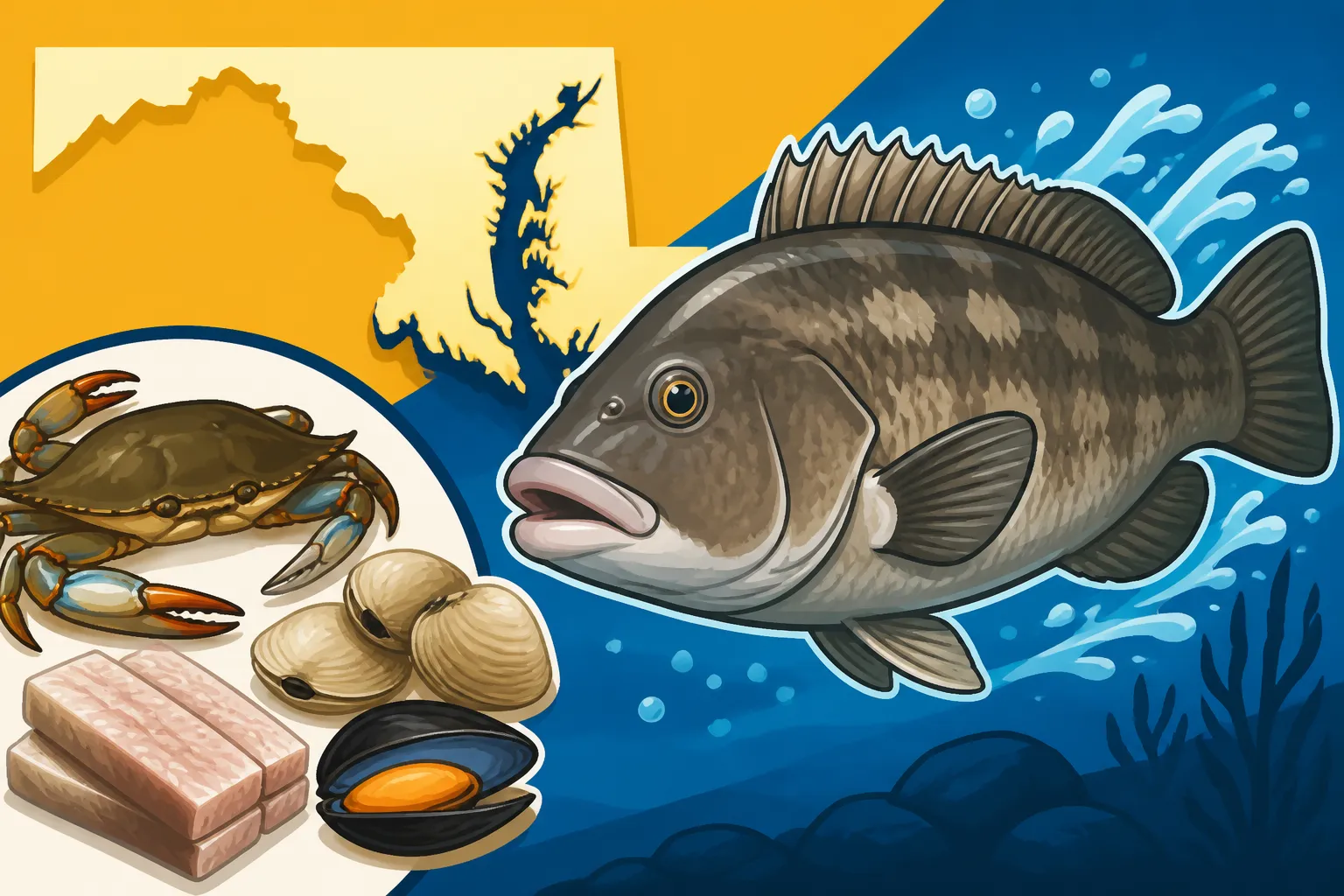
Tautog are primarily crustacean and mollusk eaters. Think of them as the underwater vacuum cleaners of rocky bottom, mussel beds, and oyster reefs. Their strong, crushing teeth are perfectly designed to munch on hard shells, so they're naturally drawn to areas where these food sources are abundant. This means you'll typically find them around bridge pilings—especially those of the iconic Chesapeake Bay Bridge—rocky jetties, artificial reefs, wrecks, and even old pier footings. These structures not only provide food but also offer protection from currents and predators. If your bait doesn't resemble something they would naturally pry off a rock or out of a crevice, they're likely to ignore it. They're discerning eaters, and their habitat directly influences what they consider a tasty meal.
Why Freshness and Presentation Matter for Tautog
Unlike some other bottom feeders that might happily scavenge old, smelly chunks of cut bait, tautog demand freshness. If your bait is mushy, discolored, or has been sitting out in the sun, you're severely decreasing your chances. Think about it: they're used to crunching on live, fresh crabs or mussels right off the structure. You need to present your bait in a way that mimics this natural feeding behavior.
This also means that presentation is paramount. A sloppy bait presentation can lead to the tautog picking off small pieces or simply stripping your hook clean without getting hooked themselves. You want the bait to be securely fastened to the hook, often almost concealing the hook point, so that when the tautog takes a bite, they inhale the hook along with their meal. It's a subtle art, but mastering the rigging of fresh bait is crucial for converting those tentative bites into solid hooksets.
Top Baits for Tautog Fishing in Maryland
When it comes to tautog, there are a few baits that consistently outperform all others. These are the gold standards, the ones you should always try to get your hands on if you're serious about targeting these tough fighters.
Green Crabs: The Undisputed Champion
Without a doubt, green crabs are the absolute king of tautog baits in Maryland. If you ask any seasoned tog angler, they'll likely tell you that a fresh green crab is the closest thing to a guarantee you'll get when targeting these fish. Why are they so effective? They're abundant in the same rocky, structured environments where tautog live, making them a natural and familiar food source. Tautog just can't resist them.
You can usually find green crabs at well-stocked local tackle shops, especially those catering to Chesapeake Bay fishing. Sometimes, if you're feeling adventurous and have access to rocky intertidal zones or old docks, you can even catch them yourself with traps or by hand. When rigging, consider the size of the crab and the expected size of the tautog. For smaller tautog, a whole small green crab might work. For larger fish, or when you're getting a lot of bait steals, cutting larger crabs in half or quarters can be more effective. The key is to run your hook through the leg sockets or a harder part of the shell, making sure the hook point is exposed or just barely covered, and that the bait is secured so it doesn't spin wildly or get easily ripped off.
Fiddler Crabs: Smaller but Mighty
While green crabs are fantastic, fiddler crabs can be incredibly effective, especially in shallower water or when targeting smaller tautog. These little guys are often found scurrying around the mud flats and marsh edges of the Chesapeake Bay and its tidal rivers. Tautog will readily devour them when they venture into these areas.
Fiddler crabs are often available at tackle shops, though sometimes in limited supply. They can also be caught by hand on tidal flats during low tide, which can be a fun activity in itself if you have the time! When fishing with fiddler crabs, you'll want to use smaller hooks to match the bait size. A single fiddler crab, hooked through the bottom and out the top of its carapace, is a prime offering. They're particularly good when the water is calmer, or when tautog are being particularly finicky about larger offerings. Don't underestimate the power of a lively fiddler!
Hermit Crabs: A Hard-to-Resist Treat
Hermit crabs are another fantastic tautog bait, though they can be a bit more challenging to acquire and prepare. The appeal of a hermit crab to a tautog lies in its soft, succulent body once it's removed from its protective shell. Tautog, with their powerful crushing jaws, have no problem breaking into these shells in the wild, but by presenting just the meat, you're offering them an easy, irresistible meal.
Sourcing hermit crabs might require a bit more effort, as not all tackle shops carry them consistently. You might need to order them in advance or seek them out from specialized suppliers. The preparation involves carefully cracking or removing the shell to expose the soft body. Rigging this soft bait requires a bit of finesse; often, you'll need to thread it onto the hook or use a small piece of bait elastic to secure it, making sure it stays put when it hits the bottom and when those eager tog start to nibble. The reward for this extra effort can be a truly epic day of tautog fishing.
Clams and Mussels: The Scent Trail Specialists
While not always as universally effective as crabs, fresh clams and mussels can be excellent secondary baits, especially when tautog are in a feeding mood or when you're trying to attract them with a strong scent trail. Think of these as the aromatic appetizers that can draw tog to your area.
Soft-shell clams, surf clams, or even fresh mussels can be purchased from seafood markets or sometimes collected (check local regulations first!). The challenge with clams and mussels is their soft texture; they tend to get ripped off the hook easily by smaller fish or even by the current before a tautog gets a chance to grab them. To combat this, many anglers will use small pieces of bait thread or elastic to bind the clam meat to the hook. Sometimes, just a small section of clam foot or mantle, wrapped tightly, is enough. These baits are particularly effective in areas with a bit of current, as the scent disperses, or in murkier water where visual cues are less important. You can find useful rigging accessories like bait elastic and specialized hooks on online retailers like Amazon, making preparation a bit easier.
Bait Acquisition and Preparation Tips
Getting your hands on the right bait is just the first step; knowing how to keep it fresh and present it properly is equally important.
Sourcing Your Tautog Baits
The best first stop for green crabs, and sometimes fiddler crabs, is your local Maryland tackle shop. Shops in areas known for tautog fishing, such as those near the Chesapeake Bay Bridge or along the Eastern Shore, often stock them. Always call ahead to ensure they have what you need, especially during peak season. Sometimes, you can even ask if they're taking orders for specific quantities.
For those who enjoy a bit of DIY, collecting your own baits can be rewarding. Green crabs can be trapped or found under rocks in tidal pools, while fiddler crabs congregate on mudflats. If you're near a commercial seafood operation, sometimes you can get fresh mussels or clams directly from them. Just remember, whenever you're collecting bait yourself, always be aware of local regulations regarding collection limits and protected areas. For specific gear to help with bait collection or rigging, like small bait nets or specialized hooks, online retailers like Amazon can be a convenient resource.
Rigging Your Bait for Success
Rigging tautog bait is an art form that often dictates your success. Tautog have small mouths relative to their body size, designed for crushing, not engulfing large prey. This means hook choice and bait placement are critical. Most anglers prefer stout, sharp J-hooks or octopus-style hooks ranging from 1/0 to 4/0, depending on bait size and target fish.
For green crabs, which are often the go-to:
- Small crabs (nickel to quarter-sized): Can be used whole. Hook them through the side, under the carapace, and out the top, ensuring the hook point is clear.
- Medium crabs (half-dollar to silver dollar-sized): Best cut in half. Remove the legs and cut the crab in half from front to back. Hook through a leg socket, through the body, and out the top, leaving the point exposed.
- Large crabs: Cut into quarters. Again, remove legs and cut. Rig each quarter similarly.
The goal is to present a piece of crab that looks natural, is securely attached, and exposes the hook point when the tautog bites down. Use a strong leader, typically 30-50 lb fluorocarbon or monofilament, as tautog will try to pull you into the structure. These rigorous rigging techniques are especially important when you're fishing in high-current areas or places with lots of snags, like the pilings when you're Tautog Fishing Around Maryland's Bay Bridge.
Beyond the Bait: Other Factors for Tautog Success
While bait is critical, it's part of a larger picture when it comes to consistently catching tautog. Your gear, your location, and your technique all play significant roles.
Rods, Reels, and Terminal Tackle
Tautog fishing demands robust tackle. You're fishing in unforgiving environments, often directly over or within heavy structure. A medium-heavy to heavy action conventional rod, typically 6.5 to 7.5 feet long, paired with a conventional reel capable of handling 30-50 lb braided line, is ideal. The braid offers sensitivity to feel those subtle tog bites and the brute strength to quickly pull a fish away from a snag once hooked.
Your terminal tackle should be equally tough. Use a strong monofilament or fluorocarbon leader of at least 30 lb test, often connected to a hi-lo rig or a single snelled hook rig. The weight of your sinker will depend entirely on the current and depth, but be prepared to use substantial lead, sometimes up to 8-12 ounces or more, to keep your bait pinned to the bottom. Losing tackle is part of tog fishing, so bring plenty of spare hooks, leaders, and sinkers. Choosing the right gear can make a huge difference, whether you're out on a charter or trying your luck from a pier. Remember to always check the Maryland Fishing License Guide for 2026 and ensure your Maryland Chesapeake Bay Sport Fishing License Explained is current before heading out.
Location, Timing, and Presentation
Even with the best bait, you won't catch tautog if you're not in the right spot at the right time. As mentioned, tautog are structure fanatics. Focus on areas with rocks, wrecks, bridge pilings, and oyster beds. Popular spots might include the main stem of the Chesapeake Bay, particularly around the Bay Bridge, or specific jetties along the coast.
Timing also plays a crucial role. Many experienced tautog anglers prefer fishing around slack tide—either the peak of high or low tide—because the reduced current makes it easier to hold bottom, feel bites, and prevent your bait from getting swept away from the structure. However, others swear by the moving tides, believing the increased water movement stirs up food and makes the fish more active. Experimentation is key, but understanding How Tides Affect Fishing in Maryland's Chesapeake Bay will certainly give you an advantage. Staying vertical directly over the structure is also vital; use your boat's electronics or a good bottom finder to precisely position yourself. This precise presentation, combined with your perfectly rigged bait, dramatically increases your chances. You can find more specific advice on Techniques for Catching Tautog Around Bay Bridge Pilings.
It’s worth noting that while tautog can be caught year-round, certain seasons offer better opportunities. If you're planning your trip around prime tautog action, be sure to consult resources like Best Time of Year for Tautog Fishing in Maryland to optimize your chances. Don't forget to keep an eye on the Maryland Fishing Size and Catch Limits by Species so you know what you can keep.
| Bait Type | Effectiveness | Availability | Preparation Difficulty | Best Conditions |
|---|---|---|---|---|
| Green Crabs | Excellent | Good at local tackle shops, some self-collection possible | Moderate | All conditions, especially around heavy structure |
| Fiddler Crabs | Very Good | Variable at tackle shops, easy self-collection on mudflats | Easy | Shallower water, less current, smaller tog |
| Hermit Crabs | Excellent | Specialized shops, can be difficult to source | Moderate to High | When tog are finicky, high-value treat |
| Clams/Mussels | Good (Scent) | Seafood markets, some self-collection | Moderate (soft bait) | Moderate current, murkier water, scent trail |
No matter which bait you choose, remember that tautog fishing is a game of patience, precision, and persistence. Getting the right bait is a massive step in the right direction, but combining it with proper technique and understanding your target's habits will truly unlock success.
Disclaimer
This article is for general informational purposes only and does not constitute professional advice. Laws, prices and regulations vary by location and change over time. Consult a qualified professional for guidance on your specific situation.