What to Bring on a Maryland Fishing Charter
Stepping aboard a Maryland fishing charter for a day out on the Chesapeake Bay or offshore waters is an exhilarating experience, but the excitement can quickly turn to frustration if you're unprepared. Many anglers, especially those new to charter fishing, often wonder what essential items they should pack to ensure a comfortable, safe, and successful trip. This comprehensive guide will walk you through everything you need to consider bringing, from personal comforts to fishing-specific gear, so you can focus on the thrill of the catch rather than worrying about forgotten necessities.
Essential Personal Gear for Your Comfort and Safety
Your comfort on the water directly impacts your enjoyment. The unpredictable nature of Maryland weather, coupled with long hours under the sun or dealing with sudden showers, means being prepared with the right personal gear is paramount. Think layers, sun protection, and sensible footwear to navigate the deck.
Weather-Appropriate Clothing and Layers
Maryland's weather can be notoriously fickle, especially on the water. A crisp morning breeze can give way to a scorching afternoon sun, or a clear sky can quickly darken with an unexpected squall. This is why layering is your absolute best friend when packing for a charter trip. Start with a moisture-wicking base layer, even in warmer months, as it helps regulate body temperature by pulling sweat away from your skin. Over that, consider a long-sleeved shirt for sun protection and a fleece or light jacket for warmth. For the outer layer, a waterproof and windproof shell is invaluable. Even if the forecast calls for clear skies, a sudden rain shower can soak you to the bone and make for a miserable rest of the day.
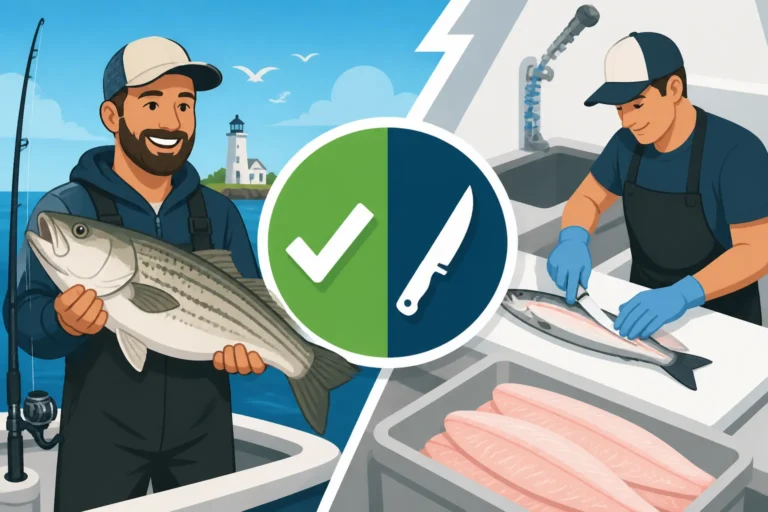
When choosing materials, prioritize quick-drying fabrics. Cotton, while comfortable on land, absorbs moisture and holds it, making you feel cold and clammy if it gets wet. Synthetic blends or wool are far superior for a day on the water. Imagine being out on the bay, jigging for Striped Bass: Maryland's State Fish, and a rogue wave splashes over the bow. If you're wearing quick-drying gear, you'll be uncomfortable for a moment, but you'll dry out fairly quickly. If you're in jeans and a cotton hoodie, you'll be damp and chilled for hours, potentially cutting your day short.
Even on what seems like a warm day, the breeze on the water can be surprisingly cool, especially if you're traveling at speed to a distant fishing spot. Having an extra layer, like a light vest or a second long-sleeved shirt, tucked into your bag can make all the difference between shivering and staying perfectly comfortable. It's always better to have too many layers you can shed than not enough to keep warm.
Sun Protection is Non-Negotiable
The sun's rays are amplified on the water due to reflection, meaning you're exposed to UV radiation from above and below. Sunburn isn't just uncomfortable; it can lead to severe skin damage over time. Therefore, comprehensive sun protection is not just recommended, it's absolutely essential for any Maryland fishing trip.
Start with a wide-brimmed hat or a baseball cap with a neck gaiter (buff) to protect your face, ears, and neck. These areas are often overlooked but are highly susceptible to burning. Next, high-quality polarized sunglasses are crucial. They don't just protect your eyes from harmful UV rays; they also reduce glare off the water, allowing you to see better and spot subtle signs of fish activity or structure. When you're out there searching for Flounder Fishing in Maryland, cutting through that glare can make a huge difference in spotting changes in bottom contour.
Sunscreen should be liberally applied to all exposed skin, even on cloudy days. Opt for a broad-spectrum sunscreen with an SPF of 30 or higher and remember to reapply it every couple of hours, especially after getting wet or sweating. Don't forget your lips; a lip balm with SPF will prevent painful sunburn and chapping. Many seasoned anglers keep a tube of sunscreen clipped to their tackle bag or hat for easy access throughout the day.
Footwear for Deck Safety
The deck of a fishing charter boat can be a dangerous place if you're not wearing appropriate footwear. It can be wet, slippery, and full of obstacles. Your choice of shoes should prioritize safety, grip, and comfort above all else.
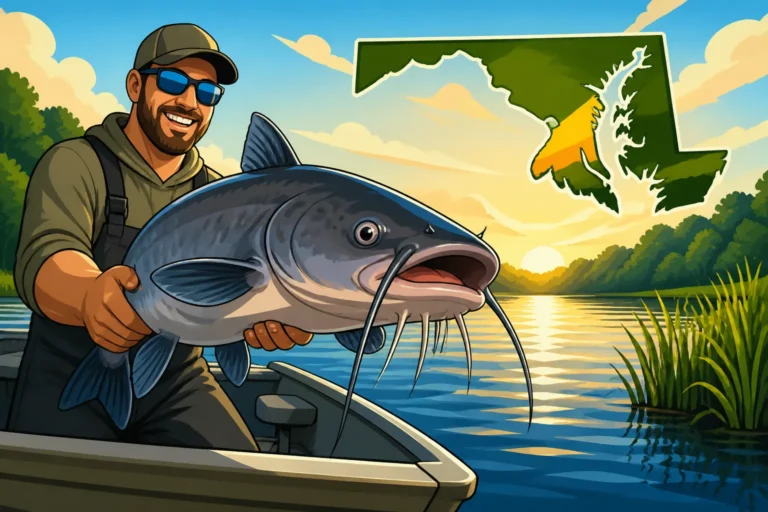
Choose closed-toe shoes with non-marking, non-slip soles. Boat shoes, deck boots, or athletic shoes with good traction are ideal. Avoid flip-flops, sandals, or open-toed shoes, as they offer no protection from hooks, dropped weights, or general deck hazards, and they provide very little stability on a moving, potentially slick surface. Imagine the boat rocking while you're reeling in a feisty Maryland Blue Catfish, an Invasive Giant and your foot slips – that's a recipe for a twisted ankle or worse.
Comfort is also key. You'll be on your feet for hours, standing, leaning, and moving around the boat. Well-fitting, supportive shoes will prevent foot fatigue and make your day much more enjoyable. Some anglers even bring a second pair of socks in case their first pair gets wet. A good pair of waterproof deck boots can be a game-changer on colder, wetter days, keeping your feet dry and warm even when the deck is awash.
Personal Medications and First-Aid Basics
While charter captains are highly trained and equipped with basic first-aid supplies, it's always wise to bring your own personal medications and any specific over-the-counter remedies you might need. Don't rely on the boat to have your preferred brand or dosage, especially for critical medications.
If you're prone to seasickness, take preventive medication before you board the boat, not once you start feeling queasy. Many experienced anglers swear by patches or pills taken the night before or a couple of hours prior to departure. Consulting your doctor about the best option for you is always a good idea. Having your prescription medications, inhalers, or allergy medicines readily accessible is non-negotiable. Ensure they are kept in a waterproof bag to protect them from spray or accidental dunking.
For minor scrapes, headaches, or muscle aches that can come with a day of intense fishing, a small personal first-aid kit can be a lifesaver. This could include pain relievers, adhesive bandages, antiseptic wipes, and anti-chafing cream. While the captain will have a more comprehensive kit for emergencies, having your own easily accessible supplies means you don't have to interrupt the crew for a simple request, keeping the focus on the fishing.
Food, Drinks, and Keeping Hydrated on the Water
A day on the water requires sustenance and hydration. You'll be burning calories, exposed to the elements, and potentially out there for many hours. Planning your food and drink strategically will keep your energy levels up and your spirits high.
Pack Your Own Cooler with Snacks and Meals
Most Maryland charter boats don't provide meals, so bringing your own provisions is essential. Pack easy-to-eat snacks and meals that don't require extensive preparation or make a mess. Sandwiches, wraps, fruit (like apples or oranges that don't bruise easily), granola bars, nuts, and trail mix are all excellent choices.
Avoid anything that's overly greasy, messy, or requires utensils that could become a hazard on a rocking boat. Think about foods that can be eaten with one hand while you're holding a fishing rod or steadying yourself. A small, personal cooler is perfect for keeping your food fresh and separate from the day's catch. This prevents any cross-contamination and ensures your lunch doesn't end up smelling like fish before you've even eaten it.
Remember, charter fishing is often an all-day affair, especially if you're heading out for offshore trips targeting species like tuna or marlin off Ocean City. You'll be grateful for those extra snacks when the bite is hot and you don't want to stop.
Hydration is Key: Plenty of Water and Non-Alcoholic Beverages
Staying hydrated is arguably more important than food on a long fishing trip, especially in warmer weather. Dehydration can quickly lead to fatigue, headaches, and a general feeling of malaise, significantly impacting your enjoyment and even your safety. The sun and exertion can quickly deplete your body's fluids.
Bring plenty of water – more than you think you'll need. Insulated water bottles or jugs are ideal for keeping water cold throughout the day. Electrolyte drinks can also be beneficial, especially on hot days, to replenish salts lost through sweating. Avoid sugary sodas or excessive caffeine, as they can sometimes contribute to dehydration. Consider bringing a thermos of coffee or tea for cooler mornings.
Having a dedicated drink cooler separate from your food and fish coolers is a good strategy to keep everything organized and easily accessible. This way, you don't have to dig through your lunch or fresh catch every time you want a sip of water.
Sensible Alcohol Consumption (If Permitted)
Many Maryland fishing charters do permit adult beverages, but it's crucial to confirm this with your captain before your trip. Some boats have strict "no alcohol" policies, while others are fine with it in moderation. If alcohol is allowed, remember that effects are often amplified on the water due to sun exposure, dehydration, and the boat's motion.
Moderation is key. Overconsumption of alcohol can lead to impaired judgment, increased risk of seasickness, and even dangerous situations on a moving vessel. Stick to cans rather than glass bottles, as broken glass on a boat deck is a serious hazard. Always defer to your captain's judgment and wishes regarding alcohol. Their primary concern is the safety of everyone on board. A responsible angler understands that the priority is the fishing experience and safe return to shore.
Fishing-Specific Items You Might Want to Bring (or Confirm are Provided)
While charter boats are fully equipped with all the necessary fishing gear, some anglers prefer to bring specific items. Knowing what's provided versus what you might want to supplement can make your trip more personal and enjoyable.
Your Own Rods and Reels (Optional but Consider)
For most recreational anglers, bringing your own rods and reels to a Maryland fishing charter is completely unnecessary. The boat will be stocked with appropriate rods, reels, and tackle for the target species and fishing style of the day. This is particularly true for heavy-duty offshore gear used for Ocean City Maryland Offshore Charter Fishing or specialized trolling setups for Maryland Striped Bass Fishing Techniques.
However, some seasoned anglers have a "lucky" rod or a specific setup they prefer, perhaps for casting lighter lures or for a particular jigging technique. If you choose to bring your own gear, communicate this with your captain beforehand. They can advise you on whether your equipment is suitable for the day's fishing and if there's adequate space on board. Bringing oversized or inappropriate gear can sometimes be a hindrance rather than a help. Always prioritize the captain's expertise, as they know what equipment performs best in their local waters.
Favorite Lures and Tackle (Also Optional)
Similar to rods and reels, charter boats provide all the necessary lures, bait, and terminal tackle. Captains and mates spend countless hours preparing rigs, buying fresh bait, and ensuring they have the right presentation to entice fish. They know what works best for Maryland's 2026 Striped Bass Season Dates or for catching Maryland Flounder Size Limit in local inlets.
That said, if you have a "secret weapon" lure or a specific type of soft plastic that has always produced for you, there's usually no harm in bringing a small selection. Again, a quick chat with your captain can clarify if your personal tackle aligns with their strategy for the day. For example, if you're targeting Northern Snakehead in Maryland Waters, and you have a favorite frog lure, the captain might appreciate your initiative. Just remember that space is often at a premium, so a small, organized tackle bag is much better than a giant box that takes up half the deck.
Fishing License and Regulations Knowledge
This is a critical point that sometimes causes confusion. While many Maryland charter boats operate under a "boat license" that covers all passengers, you absolutely must confirm this with your specific charter captain when you book. Maryland Charter Boat License Coverage for Passengers is a real thing, but it's not universal, and rules can change. If the boat does not provide coverage, you are personally responsible for purchasing a valid Maryland fishing license. You can easily do this online before your trip, through a platform like FishingBooker if they offer a portal, or at local tackle shops. How to Buy a Maryland Fishing License will walk you through the steps.
Beyond the license itself, it's a good practice to have a basic understanding of current Maryland fishing regulations, especially size and catch limits for target species like Maryland Striped Bass Season and Rockfish Rules or Maryland Fishing Size and Catch Limits by Species. While your captain and crew are experts and will ensure all rules are followed, knowing the regulations yourself adds to the experience and helps you understand the decisions being made on the boat. It's empowering to know what's legal to keep versus what needs to be released.
Cooler for Your Catch
You've spent the day battling fish, and now you have a beautiful cooler full of fresh fillets (or whole fish, depending on your preference and the species). But wait, where are they going to go? It's highly recommended to bring a separate, empty cooler specifically for transporting your catch home. Do not plan on putting your fresh fish in the same cooler as your lunch and drinks.
A dedicated "fish cooler" ensures your catch stays cold and fresh, separate from your personal items. The crew will usually clean and bag your fish for you, but they expect you to have a place to put them. Make sure your cooler is large enough for the potential catch and packed with ice. Having a cooler with a good seal will also prevent any fishy odors from permeating your vehicle on the ride home. After all the effort of catching them, you want your fish to arrive home in prime condition for cooking.
Documentation and Important Information
Even on a fun day out, it's wise to have your ducks in a row when it comes to necessary paperwork and contact details. A little preparation can prevent headaches and ensure a smooth experience.
Valid Fishing License or Confirmation of Charter Coverage
As mentioned earlier, this is a big one. You need to know if you are covered by the charter's blanket license or if you need your own individual Maryland Fishing License Guide for 2026. If you need your own, make sure it's current and readily accessible. Many anglers keep a digital copy on their phone, but a printed copy can be a good backup, especially if you're in an area with spotty cell service.
Don't assume anything. A quick phone call or email to your captain or the booking service (like FishingBooker, which often provides direct messaging with captains) a few days before your trip can clear up any ambiguity regarding licensing. It's far better to ask and be prepared than to be caught fishing without the proper authorization, which could lead to fines. Maryland Fishing License Penalties for Violations are no joke.
Booking Confirmation and Captain's Contact Information
Before you head to the marina, have your charter booking confirmation handy, either printed or on your phone. This includes the date, time, boat name, and any payment details. More importantly, have your captain's direct phone number readily available.
Things happen: traffic delays, unexpected weather changes, or last-minute questions. Being able to quickly reach your captain if you're running a few minutes late or if there's a sudden change in plans is crucial. It shows respect for their time and helps ensure the trip starts smoothly for everyone. Many booking platforms, including FishingBooker, make this contact information readily available once your trip is confirmed.
Emergency Contact Details
While we all hope for an uneventful day of fishing, accidents can happen. It's a good practice to have a physical or easily accessible digital list of emergency contacts, especially if you're traveling alone or with people who might not know your personal contacts. This could be a laminated card in your wallet or a clearly labeled note in your waterproof bag.
Include names, phone numbers, and any critical medical information (allergies, conditions, medications) that could be relevant to first responders. Your captain will appreciate knowing this information if an unforeseen situation arises, allowing them to act quickly and appropriately.
Photography, Storage, and Miscellaneous Comforts
Beyond the bare essentials, a few extra items can enhance your trip, protect your valuables, and make your day on the water even more enjoyable.
Camera or Phone for Capturing Memories
You're going to want to capture that trophy Maryland's State Record Rockfish or the beautiful sunrise over the Chesapeake Bay. Bring your camera or phone, but be smart about how you protect it. Water, salt spray, and slippery decks are the enemies of electronics.
Consider a waterproof case for your phone or a dedicated waterproof camera. A lanyard or strap can prevent accidental drops overboard. After you've snapped that perfect photo of your catch, immediately put your device back in a secure, dry place. Many anglers have learned the hard way that a celebratory fish picture can quickly turn into a lost phone if not handled carefully.
Waterproof Bag or Dry Box
This is one of the most underrated items to bring on any boat trip. A small, waterproof dry bag or a hard-shell dry box is invaluable for protecting your wallet, keys, phone, spare clothes, medications, and any other items you absolutely cannot afford to get wet.
Even if you don't plan on getting splashed, a sudden downpour, a rogue wave, or simply condensation can quickly soak unprotected items. Having a dedicated dry storage option provides peace of mind, allowing you to relax and enjoy the fishing without worrying about your valuables. Many models are designed with shoulder straps or clips, making them easy to secure on the boat.
Towels and Changing Clothes
A day of fishing can be messy. You might get splashed, you might get bait on your hands, or you might sweat more than you anticipate. Bringing a small towel for general use (drying hands, wiping down gear) is always a good idea. Many anglers keep a dedicated "boat towel" just for this purpose.
Additionally, having a fresh set of clothes, including socks, for the ride home can make a huge difference in your comfort, especially after a long, potentially wet or fish-smelling day. You don't have to change on the boat; often, marina restrooms provide changing facilities. This allows you to leave the "fishing smell" on the boat and return home feeling much fresher.
Small Backpack or Duffel for Personal Items
To keep all your essential personal items organized and easily accessible, a small backpack or soft-sided duffel bag is ideal. This allows you to consolidate your layers, sun protection, medications, and other small personal effects into one convenient package.
Avoid large, rigid suitcases or oversized bags, as they can be cumbersome and take up valuable deck space on a charter boat. A compact bag that can be stowed neatly out of the way is always appreciated by the crew. When choosing a bag, consider one made from water-resistant material, or at least ensure it can fit inside your waterproof dry bag if spray is expected.
Items to Leave at Home or Aboard (Safety and Etiquette)
Just as important as knowing what to bring is knowing what not to bring. Some items can be a nuisance, a hazard, or simply bad etiquette on a fishing charter.
Avoiding Excessive Gear and Clutter
Charter boats are working vessels, and deck space is always at a premium. While it's tempting to bring every gadget and gizmo you own, resist the urge. Excessive gear, tackle boxes, and large bags create clutter, become tripping hazards, and can impede the crew's ability to move freely and assist you.
Stick to the essentials. If you're unsure about an item, ask your captain. They will appreciate your consideration for their workspace and the safety of everyone on board. Remember, the boat is already fully equipped for the day's fishing. Your role is to be ready to fish, not to re-equip the vessel.
Glass Bottles and Excessive Alcohol
We touched on alcohol earlier, but it bears repeating: glass bottles are generally a big no-no on a boat. If they break, the shards can cause serious injury, and cleaning up tiny pieces of glass on a moving boat is incredibly difficult and dangerous. If you're bringing beverages, opt for cans or plastic bottles.
Furthermore, excessive alcohol consumption can lead to safety risks. Captains have the right to refuse service or even cut a trip short if passengers become a danger to themselves or others due to intoxication. The goal is a fun, memorable, and safe fishing experience for everyone.
Bananas (Superstition, but Many Captains Ask)
This might sound a bit quirky, but many, many fishing captains and anglers worldwide are highly superstitious about bananas on boats. The superstition suggests that bananas bring bad luck, leading to poor fishing or even mechanical issues. While it's entirely irrational, it's a deeply ingrained belief in many fishing communities.
While your captain might not explicitly forbid them, it's considered good etiquette and a sign of respect for their traditions to avoid bringing bananas onto a fishing charter. If you absolutely can't go a day without one, perhaps discreetly enjoy it before boarding, or pack another fruit instead. When fishing for Maryland Bluefish Daily Limit, you don't want to accidentally jinx the bite!
Firearms and Illicit Substances
This should go without saying, but firearms and any illicit substances are strictly prohibited on any commercial fishing charter. These items pose serious safety and legal risks, and their presence can lead to immediate termination of the trip and potential legal consequences.
Responsible behavior and adherence to all laws are expected from every passenger. Charter captains operate under strict regulations, and they will not tolerate anything that compromises the safety or legality of their operation.
Preparing for Your Trip: Before You Even Pack
A successful fishing charter begins long before you set foot on the boat. A little proactive planning and communication can smooth out potential issues and set the stage for an excellent day.
Communicate with Your Captain
The single best piece of advice for preparing for a fishing charter is to communicate with your captain. Don't be shy! Most captains are happy to answer questions and provide guidance. Before your trip, especially if you booked through a service like FishingBooker where captain contact is easy, reach out.
Ask about current fishing conditions, what species they'll be targeting, and any specific recommendations they have for what to bring (or not bring). This is your chance to clarify questions about licenses, food, alcohol, and any personal gear you're considering bringing. This communication ensures you're aligned with their expectations and that your trip runs as smoothly as possible. A captain might even tell you the best bait for Maryland Crappie Size and Creel Limits if you ask nicely!
Check the Weather Forecast
While your captain is constantly monitoring weather patterns, it's a good idea for you to check the forecast for the day of your trip, and even the days leading up to it. This will help you make informed decisions about your clothing layers and sun protection.
Pay attention not just to temperature and precipitation, but also to wind speed and direction. High winds can make for choppy conditions and a cooler feel on the water. A calm forecast means you might pack lighter layers, while a blustery one signals the need for heavier, waterproof outerwear. Knowing what to expect allows you to dress appropriately, ensuring you remain comfortable regardless of what Mother Nature throws your way.
Consider Your Group's Needs
If you're booking a charter for a group, particularly one with children or individuals with specific needs, take their comfort and safety into account. For instance, if you're bringing kids, pack extra snacks, drinks, and maybe some entertainment for downtime between bites. Check out Family-Friendly Charter Trips in Maryland for more tips.
For those with mobility issues, discuss accessibility with the captain beforehand. Ensure everyone in your party understands the basics of what to bring and what to expect on the boat. This collective preparation helps ensure that everyone in your group has a positive and memorable experience on the water.
Here's a quick summary table of what to consider:
| Category | Essential to Bring | Good to Have (Optional) | Best to Leave Behind (or Check) |
|---|---|---|---|
| Personal Comfort | Layers (quick-dry), Rain gear, Wide-brimmed hat | Neck gaiter, Spare socks, Change of clothes | Excessive clothing, Heavy cotton |
| Sun Protection | Sunscreen (SPF 30+), Lip balm (SPF), Sunglasses | ||
| Footwear | Non-slip, closed-toe shoes | Deck boots (for cold/wet) | Flip-flops, Open-toed sandals |
| Health & Safety | Personal meds, Seasickness remedy | Basic first-aid kit, Hand sanitizer | |
| Food & Drink | Water, Snacks, Easy-to-eat meals, Cooler | Electrolyte drinks, Thermos with hot beverage | Glass bottles, Messy foods, Excessive alcohol |
| Fishing Specific | Fishing license (if not covered) | Your "lucky" rod/reel (check with captain), Favorite lures | Large, cumbersome tackle boxes |
| Documentation | Booking confirmation, Captain's contact | Emergency contacts | |
| Misc. & Storage | Waterproof bag/dry box, Camera/phone (protected) | Small backpack/duffel, Towel | Bananas (superstition), Firearms, Illicit substances |
Ultimately, a successful Maryland fishing charter is about being prepared, communicating with your captain, and having a realistic expectation of the day. With the right gear and attitude, you're set for an incredible adventure on Maryland's beautiful waterways, whether you're chasing Maryland Striped Bass Fishing Techniques in the Bay or heading out for bigger game in the Atlantic. Happy fishing!
Disclaimer
This article is for general informational purposes only and does not constitute professional advice. Laws, prices and regulations vary by location and change over time. Consult a qualified professional for guidance on your specific situation.