Maryland Tautog Season Dates
It can be incredibly frustrating to plan a fishing trip, only to realize you're not entirely sure if the species you're targeting is even in season. For those of us who love the challenge and delicious reward of tautog fishing in Maryland, figuring out the exact season dates, along with size and creel limits, can feel like navigating a constantly shifting maze. This guide is here to clear up that confusion, giving you the detailed, up-to-date information you need to confidently plan your next tautog adventure in Maryland.
Deciphering Maryland's Tautog Season Dates
Maryland's tautog, often affectionately called "tog" or "blackfish" by local anglers, are a highly sought-after species, known for their strong fight and excellent table fare. However, their management is part of a larger regional effort, which means the season dates and regulations can be a bit more intricate than for some other species. These rules are primarily focused on the Atlantic Ocean and coastal bays, as tautog are less commonly targeted in the main stem of the Chesapeake Bay by recreational anglers.
Atlantic Ocean and Coastal Bays Seasons
When you're looking to target tautog in Maryland, your focus will almost certainly be on the waters off Ocean City and the surrounding coastal bays. These areas provide the rocky structure and temperate waters that tautog thrive in. The season for tautog in the Atlantic Ocean and its coastal bays is typically broken into distinct periods to help manage the population effectively.
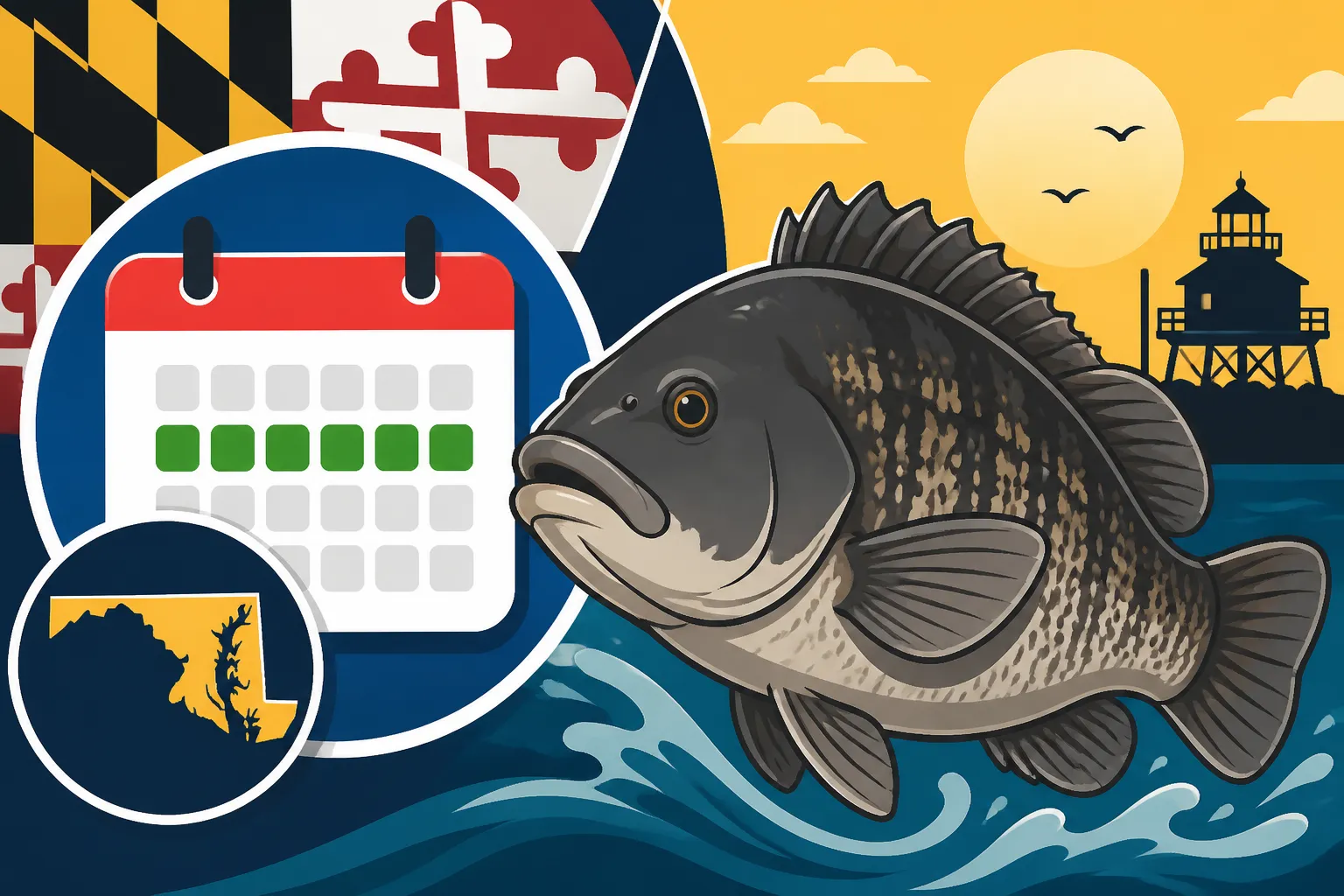
Currently, for recreational anglers, the tautog season in Maryland's Atlantic Ocean and coastal bays generally looks something like this for 2024:
- Winter/Spring Season: January 1 to May 15
- Summer Season (Closed Period): May 16 to June 30 (This is a crucial closure, so mark your calendars!)
- Late Summer/Fall Season: July 1 to October 31
- Late Fall/Early Winter Season: November 1 to December 31
As you can see, it's not one continuous stretch, and knowing that specific closed window in late spring/early summer is vital. This closure often coincides with important spawning periods or is part of a broader management strategy to meet harvest targets. During the open seasons, there are also strict rules regarding the minimum size and the number of fish you can keep. The minimum size limit is typically 16 inches, and the creel limit (how many you can keep per person, per day) is usually four fish. These limits are designed to protect the breeding stock and ensure sustainable fishing for years to come. Remember, even if you're not planning to keep fish, it's always good practice to understand all the current Maryland Fishing Size and Catch Limits by Species.
Chesapeake Bay Tautog Rules
While tautog are technically found in the Chesapeake Bay, especially around structure like the Bay Bridge pilings, they are not a primary target species for most recreational anglers within the main Bay waters. The regulations you see above are specifically for the Atlantic Ocean and coastal bays. If you happen to catch a tautog in the Chesapeake Bay, it's essential to confirm if specific Bay-only rules apply, although generally, the Atlantic Ocean regulations tend to govern any incidental catches. However, for targeting, your best bet for consistent tautog action will always be in the ocean and coastal areas where they are more abundant and actively managed. If you're considering a charter for Bay fishing, make sure to ask about Tautog Fishing Around Maryland's Bay Bridge specifics, as captains will be intimately familiar with the local nuances.
Here's a quick reference table for the current (2024) Maryland Tautog Recreational Regulations:
| Waterbody | Season Dates | Minimum Size | Creel Limit (per person/day) |
|---|---|---|---|
| Atlantic Ocean & Coastal Bays | Jan 1 – May 15 | 16 inches | 4 fish |
| Atlantic Ocean & Coastal Bays | CLOSED (May 16 – June 30) | N/A | N/A |
| Atlantic Ocean & Coastal Bays | July 1 – Oct 31 | 16 inches | 4 fish |
| Atlantic Ocean & Coastal Bays | Nov 1 – Dec 31 | 16 inches | 4 fish |
| Chesapeake Bay | Same as Atlantic Ocean/Coastal Bays, but rarely targeted | 16 inches | 4 fish |
Always double-check the Maryland DNR website for the absolute latest regulations before heading out, as rules can change even mid-season.
Why Tautog Regulations Fluctuate Annually
It might seem like a bit of a headache that fishing regulations, especially for species like tautog, aren't simply "open all year" or "closed forever." But there's a really good reason for this dynamic approach: conservation and sustainable management. Tautog are not just managed by Maryland; they're part of a larger regional stock that extends along the Atlantic coast. This means Maryland's rules often align with or are influenced by the Mid-Atlantic Fishery Management Council (MAFMC) and the Atlantic States Marine Fisheries Commission (ASMFC).
Interstate Management and Stock Health
Tautog populations are assessed periodically to determine their overall health and abundance. Scientists look at factors like spawning success, juvenile survival rates, and adult mortality. When these assessments show that the stock might be declining, or if there's a need to rebuild the population, the management bodies like MAFMC and ASMFC will recommend stricter regulations, which can include shorter seasons, higher minimum sizes, or lower creel limits. States then implement these recommendations into their local laws. This cooperative effort ensures that a fish caught in Maryland waters isn't undermining conservation efforts in, say, Delaware or New Jersey. It’s a complex balancing act aimed at ensuring there are healthy fish populations for future generations of anglers.
These discussions and decisions happen annually, sometimes with multiple meetings throughout the year. The outcome can lead to minor tweaks in season dates or, occasionally, more significant changes. The goal is always to prevent overfishing while still providing reasonable opportunities for recreational and commercial anglers. So, while it can feel frustrating to check the rules every year, it's a vital part of protecting these valuable fisheries.
Environmental Factors and Spawning Cycles
Beyond human fishing pressure, tautog populations are also influenced by environmental factors. Water temperature plays a significant role in their spawning cycles. Tautog typically spawn in late spring to early summer, and the closed season (May 16 – June 30) is often implemented to protect these fish during their most vulnerable reproductive period. This allows them to spawn undisturbed, contributing to the next generation of tautog.
Habitat quality, food availability, and even broad climate patterns can all impact fish health. For example, if a particularly harsh winter or a prolonged period of unusual water temperatures affects tautog behavior or survival, regulators might adjust seasons to compensate. It's a constant monitoring process, and the Maryland Department of Natural Resources (DNR) works tirelessly with regional partners to use the best available science to make these decisions. This dynamic approach, while sometimes inconvenient, is crucial for the long-term viability of tautog fishing, allowing us to enjoy battles with these tough fish for years to come.
Tips for Tautog Fishing During Open Seasons
Now that you're armed with the latest season dates, let's talk about how to make the most of your tautog fishing trips. Tautog are notoriously challenging to catch, but incredibly rewarding. They are masters of their rocky domains, making them a true test of an angler's skill and patience.
Essential Gear and Bait Choices
First things first, your gear needs to be up to the task. Tautog have incredibly powerful jaws and teeth, designed for crushing crustaceans and shellfish. This means you need stout tackle. A medium-heavy to heavy conventional rod, paired with a reliable conventional reel spooled with 30-50 lb braided line, is a good starting point. You'll want a sensitive tip to feel those subtle bites, but plenty of backbone to pull them out of structure. For leaders, fluorocarbon in the 30-50 lb range is common, as it’s abrasion-resistant and less visible in the water.
When it comes to bait, tautog are not picky, but they do have favorites. Crabs are king. Green crabs, fiddler crabs, and even pieces of blue crab are prime choices. Many anglers prefer green crabs, cutting them into halves or quarters depending on their size. Clams and mussels can also be effective, especially during colder months. Some anglers swear by using a small piece of shrimp or even sea worms. You can find many of these baits at local tackle shops in Ocean City or sometimes even order specialized tackle on Amazon if you plan ahead. Using specialized tautog jigs or rigs with strong, sharp hooks (like a Snellen rig or a simple dropper loop rig) will increase your chances of a solid hookup. Make sure you check out Best Bait for Tautog Fishing in Maryland for more in-depth bait strategies.
Targeting Tautog in Structure
Tautog absolutely love structure. Wrecks, reefs, jetties, rock piles, bridge pilings, and even mussel beds are their preferred hangouts. These areas provide both shelter from currents and predators, and a ready food source. In Ocean City, anglers often target the inshore wrecks and artificial reefs, as well as the famed Ocean City Inlet jetties. The challenge lies in getting your bait to them without getting immediately hung up.
When fishing structure, you want to be right on top of it. This often means precise boat positioning or careful casting from shore. Use just enough weight to hold bottom in the current, but not so much that you can't feel delicate bites. Tautog bites can be incredibly subtle – sometimes just a light tap or a slight twitch of the line before they inhale the bait. The key is to set the hook quickly and firmly, as soon as you feel anything out of the ordinary. And once you hook one, hold on tight and try to crank it away from the structure as fast as possible to prevent it from burying itself in the rocks, which will almost certainly lead to a lost fish and tackle. For those fishing from shore, understanding Do You Need a License to Fish From a Maryland Pier? is also important, as pier fishing can also put you over good tautog habitat.
Staying Informed About Rule Changes
The world of fishing regulations is always evolving, and staying on top of the latest changes is paramount for responsible and legal angling. Nobody wants to accidentally violate a regulation, not only because it could lead to fines but also because it impacts the conservation efforts we all care about.
Monitoring Official Maryland DNR Resources
The absolute best and most reliable source for current Maryland fishing regulations is the Maryland Department of Natural Resources (DNR) website. They update their regulations frequently, and you can usually find a comprehensive guide for the entire year, often broken down by species and region. Make it a habit to check their "Fisheries Regulations" or "Recreational Fishing Guide" sections before each season, or even before a specific trip if you haven't checked in a while. They sometimes issue press releases or emergency notices for sudden rule changes, especially if a quota is met quickly or if biological concerns arise. You can usually sign up for email alerts from the DNR to get these updates directly to your inbox, which is a fantastic way to stay informed without constant manual checking. Knowing how to use resources like the Maryland DNR Fishing and Boating Guide will save you a lot of guesswork.
Community Forums and Local Tackle Shops
Beyond the official channels, the local fishing community is an invaluable resource. Forums dedicated to Maryland fishing, local tackle shops, and charter captains are often the first to hear about or interpret regulation changes. These aren't official sources, of course, but they can provide excellent real-world insight and often direct you to the official announcements. When you visit a local tackle shop in Ocean City, for example, the staff are usually incredibly knowledgeable about current conditions, hot baits, and, most importantly, the regulations specific to their area. Many shops will even have printed copies of the latest regulations available.
Joining a local fishing club or following reputable Maryland fishing blogs and social media pages can also keep you in the loop. Just remember to always verify any information you hear with the official DNR source. It's also a good idea to refresh your memory on How to Buy a Maryland Fishing License and ensure yours is up to date, as regulations are useless if you're not properly licensed. Consider carrying a small, waterproof printout of the current tautog regulations, or save a screenshot on your phone, so you have easy access to the information while you're out on the water. Many fishing apps available on Amazon and other app stores also integrate regulatory information, but always cross-reference them with the official DNR site.
Disclaimer
Please note that fishing regulations, including season dates, size limits, and creel limits, are subject to change by the Maryland Department of Natural Resources (DNR) and other governing bodies. While every effort has been made to provide accurate and up-to-date information in this guide, it is the angler's responsibility to verify the most current regulations directly with the Maryland DNR before engaging in any fishing activity. This article is for informational purposes only and does not constitute legal advice.