Fishing Maryland’s Rivers After a Rainstorm
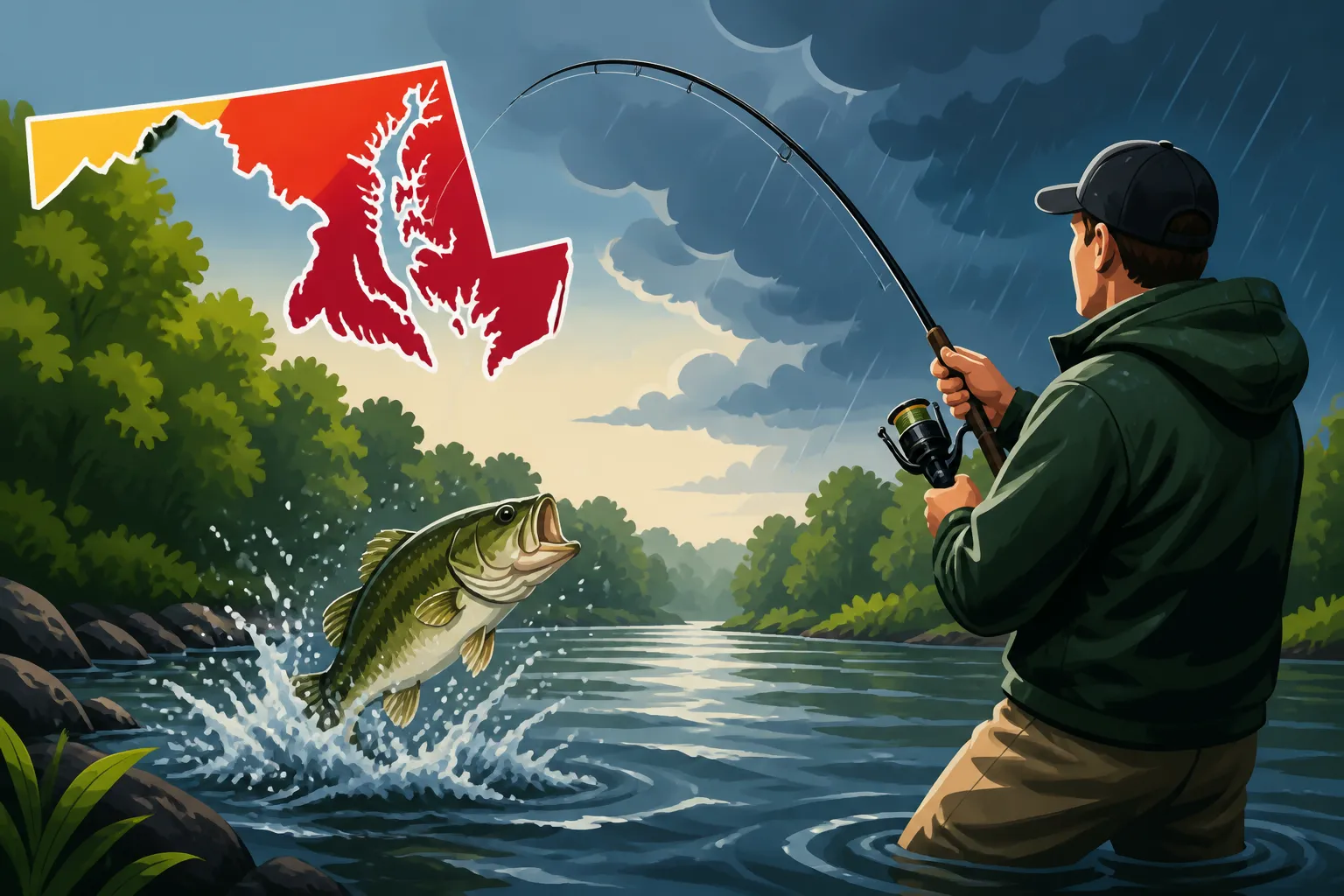
There's nothing quite like the feeling of a good rainstorm, but if you're an angler, that sudden downpour can leave you wondering if your fishing plans are completely washed out. Muddy, swollen rivers might look daunting, making it seem impossible to catch anything. But don't pack away your gear just yet! Fishing Maryland's rivers after a rainstorm can actually be incredibly productive if you understand how water conditions change and how fish react. This guide will walk you through everything you need to know to turn a post-rain challenge into a triumphant fishing trip.
Understanding the Immediate Aftermath: How Rain Changes Maryland Rivers
When a significant rainstorm rolls through Maryland, especially after a dry spell, our rivers and streams undergo a dramatic transformation. It’s not just about the water getting higher; a cascade of environmental changes occurs that directly impacts fish behavior and, consequently, your fishing success. Understanding these shifts is the first step to unlocking post-rain angling opportunities.
Turbidity and Water Clarity: The Muddy Mess
The most obvious change after a rainstorm is the increased turbidity, or murkiness, of the water. Rainwater rushes over land, picking up sediment, dirt, leaves, and other debris, which then gets washed into the rivers. This influx turns clear streams into chocolate milk, significantly reducing visibility. For many anglers, this is a major turn-off, as it makes it harder to see fish and for fish to see your lures.
However, this lack of clarity isn't always a bad thing. Many species, particularly those that rely on scent and vibration more than sight, actually become more active in stained water. The reduced visibility can also make fish feel safer, encouraging them to move out from deeper cover and feed more aggressively. Think of it as a natural camouflage for both predator and prey.
Water Temperature Shifts and Oxygen Levels
Rainwater, especially during summer months, is often cooler than the existing river water. A heavy downpour can introduce a significant amount of cooler water, leading to a noticeable drop in river temperatures. While a slight drop can sometimes invigorate sluggish fish, a drastic or prolonged temperature change can put them off the bite. On the flip side, during colder months, rain can sometimes be warmer than the river, slightly warming the water and making fish more active.
Beyond temperature, rain can also affect oxygen levels. While heavy, fast-moving water often has higher dissolved oxygen, stagnant areas or pockets where runoff mixes with existing water can sometimes see a temporary dip in oxygen, especially if a lot of organic material is washed in and starts to decompose. Fish are constantly seeking optimal oxygen levels, so understanding these subtle changes can help you locate them.
Increased Flow and Current Dynamics
The sheer volume of water entering a river after a storm means increased flow and stronger currents. What was once a gentle riffle can become a raging torrent, and quiet eddies can turn into swirling washes. This increased current can dislodge baitfish, insects, and other food sources from the bottom and banks, sending them tumbling downstream. This creates a natural "conveyor belt" of food, often putting fish into an opportunistic feeding mode.
However, stronger currents also mean fish have to expend more energy to hold their position. They'll often seek out current breaks – areas where the water flow is significantly reduced, offering them a place to rest while still being close to the passing buffet. Understanding these current dynamics is absolutely crucial for positioning yourself and your bait effectively after a rain event.
Safety First: Navigating Post-Storm River Conditions
While fishing after a rainstorm can be rewarding, it’s absolutely paramount to prioritize safety. Swollen rivers and unpredictable currents can pose serious risks, and it’s easy to get caught off guard if you're not prepared. Never underestimate the power of moving water.
Monitoring Water Levels and River Forecasts
Before you even think about heading out, checking local river levels and forecasts is non-negotiable. The Maryland Department of Natural Resources (DNR) and NOAA websites often provide real-time stream gauges and flood warnings. Look for trends: Is the water still rising, or has it crested and started to fall? Falling water levels generally indicate safer, more stable conditions, although strong currents can persist for days. If flood warnings are in effect, it's best to stay home.
Understanding the typical behavior of your target river is also key. Some rivers, like the upper Potomac, can rise and fall dramatically and quickly, while others, particularly those with tidal influence further downstream, might respond differently, with clarity being the main issue rather than extreme height. Always err on the side of caution; a fish isn't worth risking your life.
Wading and Boating Hazards in Swollen Waters
Wading in high, fast-moving water is incredibly dangerous. The bottom can be scoured, creating unpredictable depths and unstable footing. Debris, from small branches to entire trees, can be swept downstream, posing a serious threat to anyone in the water. Always use a sturdy wading staff and, if possible, wade with a buddy. Consider wearing a personal flotation device (PFD), even if you're a strong swimmer. The powerful current can pull you under quickly.
For those planning to use a boat, the risks are equally high. Navigation can become treacherous with submerged obstacles, strong eddies, and increased debris. Launching and retrieving can be difficult and dangerous. Always wear a PFD, ensure your boat is in top condition, and inform someone of your float plan. If you're unsure, or if the river looks too intimidating, consider fishing from stable shorelines or piers instead. Remember to check local regulations for specific boating restrictions during high water events.
Essential Gear for Rainy Day and Post-Rain Adventures
Being properly equipped is crucial. Beyond your standard fishing gear, a good quality waterproof rain jacket and pants are essential, even if the rain has stopped, as residual moisture and spray from the river will be everywhere. Look for durable, breathable options from brands like Frogg Toggs or Simms, which can be found on platforms like Amazon. Sturdy, felt-soled or cleated wading boots will provide better traction if you absolutely must wade. A reliable PFD is a must, whether you're wading or boating.
Also, consider a headlamp if you plan to fish into dusk, as visibility might already be compromised. A dry bag for your electronics, keys, and wallet is also a smart investment. Think about carrying extra layers of clothing in a sealed bag in case you get wet. Having these items can make the difference between a miserable, dangerous outing and a comfortable, successful one.
Reading the Water: Signs of Opportunity in the Murk
The river may look like a chaotic mess after a storm, but beneath the surface, patterns emerge. Learning to "read the water" is an advanced skill that becomes even more critical in post-rain conditions. Fish are still there, and they're often feeding aggressively; you just need to know where to find them.
Finding Current Breaks and Seams
As mentioned earlier, fish will seek refuge from strong currents while remaining close to the food source. This means focusing on current breaks and seams. Look for areas where the faster water meets slower water – these are often visible as distinct lines or swirls on the surface. Prime spots include the downstream side of large rocks, fallen trees, bridge pilings, or points of land.
Fish will position themselves just out of the main current, conserving energy, waiting to ambush any dislodged baitfish or insects that drift by. Casting your lure or bait into the faster water upstream of these breaks and allowing it to drift naturally into the calmer water is a highly effective tactic. Even subtle changes in current speed can hold fish, so pay close attention to the water's surface.
Locating Structure and Cover in High Water
High water can completely change the appearance of a river, submerging familiar landmarks and creating new hiding spots. Structure – anything from rock piles and ledges to bridge abutments and old foundations – becomes even more important. Fish will instinctively move to these features for protection from the current and as ambush points. Overhanging trees or brush along the banks, now partially submerged, also create excellent cover.
Don't neglect feeder creeks or drainage ditches, especially if they're still pumping in muddy water. The mouth of these tributaries often creates a plume of stained water where the two currents meet, acting as a magnet for fish that are looking for food being washed in. Fish will stage at the edges of these plumes, enjoying the low visibility and easy meals. For those fishing larger rivers like the Fishing the Potomac River in Maryland, understanding where the deeper holes and submerged structures are beforehand can give you a significant advantage.
Identifying Prime Feeding Zones for Post-Rain Fish
With increased flow dislodging food, fish are often on the hunt. Prime feeding zones will be those current breaks and structures where food congregates. Look for eddies – swirling pockets of calmer water where debris and food items tend to collect. The edges of these eddies are particularly productive. Also, pay attention to the transition zones where muddy runoff meets cleaner river water. These "mud lines" are often teeming with baitfish and, consequently, predatory fish.
Even something as simple as a flooded field or bank can create temporary feeding opportunities. Worms, insects, and small critters are washed off the land, providing an easy meal for fish willing to venture into these newly accessible areas. This is often where you'll find species like catfish and snakehead taking full advantage of the buffet.
Adapting Your Approach: Lures, Baits, and Presentation
Fishing after a rainstorm demands a significant shift in your tackle and techniques. What worked in clear, calm water likely won't cut it in the murky, fast-moving conditions following a downpour. It’s all about maximizing visibility, scent, and getting your offering down to the fish.
Visibility and Scent: Choosing Effective Baits and Lures
In highly turbid water, visual cues are significantly diminished. This means you need to rely on other senses to attract fish. For lures, think loud and proud. Bright, fluorescent colors like chartreuse, orange, and hot pink stand out in stained water. Lures with strong vibrations, such as spinnerbaits, chatterbaits, and crankbaits with internal rattles, create sensory cues that fish can feel through their lateral lines. Consider larger profiles too; a bigger lure presents a more substantial target.
When it comes to bait, scent is king. Natural baits like nightcrawlers, cut bait, or shrimp are incredibly effective. For those targeting species like blue catfish, fresh cut bait (like pieces of gizzard shad or perch) can be irresistible. Brands like Berkley PowerBait also offer heavily scented artificial options that can be purchased easily on Amazon, designed specifically for low visibility conditions. The stronger the scent, the better your chances of fish locating your offering.
Adjusting Retrieve Speeds and Depths
With increased current, your lure or bait will drift faster. You'll often need to slow down your retrieve significantly to allow fish ample time to see and react to your presentation. Sometimes, simply letting your bait drift naturally with the current through a likely holding spot is the most effective approach. For lures, a slow, steady retrieve with occasional pauses can trigger strikes.
Getting your offering to the right depth is also critical. Fish in high water often hug the bottom to escape the current or hide in deeper pockets. You may need to use heavier weights or jig heads to get your bait down quickly and keep it there. Bottom bouncing rigs or Carolina rigs are excellent choices for presenting natural baits near the riverbed. Understanding the depth where fish are holding, perhaps with the help of a fish finder if you're on a boat, will drastically improve your hook-up ratio.
Utilizing Heavy Rigs and Anchor Points
Strong currents demand stronger gear. Lighter lines can easily break or get snagged, and light tackle might not have the power to handle fish in heavy flow. Consider stepping up to heavier monofilament or braided lines with stronger leaders. A medium-heavy to heavy action rod will give you the backbone needed to cast heavier weights and fight fish in tough conditions.
When shore fishing, identify natural anchor points for your cast—areas where your bait can settle and hold without being immediately swept away. This could be behind a submerged log or a large rock. If you're using live or cut bait, a slip sinker rig will allow the fish to pick up the bait without feeling the weight, while the heavy sinker keeps your offering in place. Remember that while fishing can be good after rain, patience is still a virtue; sometimes it takes a bit for conditions to stabilize.
| Condition Feature | Fish Behavior | Recommended Lure/Bait Type | Preferred Color/Scent | Presentation Strategy |
|---|---|---|---|---|
| High Turbidity | Reduced visibility, increased reliance on lateral line/scent. | Spinnerbaits, Chatterbaits, Scented Soft Plastics, Cut Bait | Chartreuse, Orange, Hot Pink, Strong Natural Scents | Slow retrieve, allow natural drift, bottom presentation. |
| Strong Current | Seek current breaks, hug bottom, ambush prey. | Heavy Jigs, Carolina Rigs, Slip Sinkers, Deep Diving Crankbaits | Darker profiles for contrast, but also bright colors. | Cast upstream, allow to drift into eddies/seams, hold bottom. |
| Cooler Water Temp | Can be more active (summer), slower (winter). | Natural Baits, Scented Worms, Slow-moving Lures | Depends on species; natural bait universally effective. | Slower retrieves, target deeper, more stable water. |
| Rising Water | Moving into new foraging areas, dislodged food. | Jigs, Plastic Worms, Live Bait (worms, minnows) | Natural or bright. | Target flooded banks, mouths of tributaries, structure. |
| Falling Water | Fish moving back to main channels/structure. | Crankbaits, Jigs, Spoons | Varied, match local forage. | Focus on edges of main channel, recovering current breaks. |
Targeting Specific Species: Who Loves the Rain?
Not all fish react to post-rain conditions in the same way. Some species absolutely thrive in the turbid, high-water environment, while others might become more challenging to catch. Knowing which fish to target can significantly boost your post-storm success.
Catfish and Snakehead: Champions of Murky Water
When the rivers turn brown, it's prime time for catfish, especially the invasive Maryland Invasive Fish Rules: Blue Catfish and Snakehead. These bottom dwellers rely heavily on their sense of smell and barbels to locate food, making them perfectly adapted to low-visibility conditions. The increased flow often washes natural food sources, like worms and dead baitfish, directly into their wheelhouse.
For blue catfish, focus on deeper holes, channel edges, and the mouths of tributaries where runoff brings in nutrients and food. Cut bait, like gizzard shad, herring, or even chicken liver, fished on a Best Bait for Blue Catfish in Maryland Rivers is incredibly effective. Snakeheads, another invasive species, also thrive in these conditions. They'll often move into flooded vegetation along the banks to ambush prey. Large topwater frogs, noisy spinnerbaits, or even live minnows are excellent choices for these aggressive predators. Consult Techniques for Catching Snakehead in Maryland for more detailed strategies.
Bass and Perch: Adapting to New Conditions
Largemouth and smallmouth bass can still be caught after a rainstorm, but you'll need to adjust your tactics. In murky water, they'll often move tighter to cover – submerged logs, rock piles, and flooded brush – waiting for unsuspecting prey. Vibrating lures, like spinnerbaits and chatterbaits in bright colors, work well, as do heavily scented soft plastics. Slow-rolling a spinnerbait or jigging a plastic worm along the bottom near structure can be highly effective.
White and yellow perch, common in many Maryland rivers, also adapt. They might move into calmer eddies or tighter to structure to avoid the main current. Small jigs tipped with a piece of bloodworm or a Gulp! Alive! grub can be productive. Look for them in areas where smaller baitfish are congregating, often at the edges of current breaks or in slightly cleaner water where runoff is less intense. These panfish can offer consistent action when other species are finicky.
Trout and Striped Bass: A More Nuanced Approach
Trout fishing in Maryland's freshwater streams, like the Fishing the Gunpowder River for Trout, can be a mixed bag after rain. A light, steady rain can sometimes improve fishing by increasing flow and washing in insects, but a heavy downpour that causes significant turbidity and flash flooding will often shut down the bite temporarily. Wild trout, especially, prefer clear, cold water. If the water is truly muddy, it's best to wait a day or two for it to clear. However, as the water begins to drop and clear, trout might become very active, feeding on dislodged nymphs and worms. Fly fishing with dark, heavy nymphs or even streamers can be effective during this period. Remember your Maryland Trout Stamp Requirements if you plan to target them.
For striped bass, or rockfish as we call them, in tidal rivers and the Chesapeake Bay, the impact of rain can vary greatly depending on the amount and location. A strong flush of freshwater into the Bay can sometimes push stripers out of specific areas, especially if it significantly drops salinity levels. However, in the upper reaches of tidal rivers, a good flush can stir up bait and sometimes trigger a bite, particularly along channel edges or near prominent points. Heavy jigs, large paddle tails, or even live lining bait can be effective. Always keep an eye on the Maryland Striped Bass Season and Rockfish Rules and Maryland Daily Bag Limits by Species when targeting these prized fish.
Best Maryland Rivers for Post-Rain Fishing
Maryland boasts a diverse array of rivers, and their response to rainfall varies significantly. Knowing which rivers typically offer good opportunities after a storm can save you time and increase your chances of success.
The Potomac River: A Catfish Haven
The Potomac River, particularly its lower tidal sections, is arguably one of the best places to target after a heavy rain. Its vastness and inherent turbidity mean that fish like blue catfish are always ready to feed, regardless of water clarity. The additional runoff often brings in a bounty of food, making them even more aggressive. Fishing the deeper channels, the mouths of its many tributaries (like the Monocacy or Seneca Creek), or along pronounced bends can yield excellent results.
Further upstream, the nontidal Potomac can also be good for smallmouth bass as the water drops and clears, especially if you focus on current seams and rocky structure. However, the upper Potomac can become dangerously swift after major rainfall, so exercise extreme caution or opt for shore fishing from established access points. For a detailed guide on the river, check out Fishing the Potomac River in Maryland.
Eastern Shore Rivers: Tidal Influence and Runoff
The rivers of Maryland's Eastern Shore, such as the Choptank, Nanticoke, and Chester Rivers, present unique opportunities after rain due to their strong tidal influence. While initial runoff can muddy the water, the tides play a significant role in flushing and circulating water, often leading to quicker recovery of clarity compared to purely nontidal rivers. Fish here, including striped bass, white perch, and various catfish species, are accustomed to fluctuating conditions.
Focus your efforts on areas where fresh runoff mixes with tidal flow, such as creek mouths and river bends. The change in water color can create visible "mud lines" that often hold baitfish and, consequently, their predators. Fishing during the incoming or outgoing tide can also be crucial, as the moving water concentrates bait and brings it past waiting fish. Understanding How Tides Affect Fishing in Maryland's Chesapeake Bay is particularly relevant here.
Western Maryland's Trout Streams: Flash Flood Recovery
In Western Maryland, streams like the Savage River or parts of the Gunpowder River are renowned for their trout populations. While these can be susceptible to flash flooding and severe murkiness after heavy rains, they also have a tendency to clear more quickly than larger, slower-moving rivers. For wild trout, it's generally best to wait until the water drops and begins to clear, perhaps a day or two after the rain stops. When it does, trout can be highly active, feeding on insects and worms washed into the stream.
However, in designated "Put-and-Take" or "Delayed Harvest" sections, recently stocked trout can sometimes be less sensitive to minor turbidity and might bite well even shortly after a rain event, especially if the water is slightly stained but not completely muddy. For those fishing these areas, darker-colored natural baits like worms or PowerBait, fished on the bottom, can be very effective. Remember, always check local conditions and regulations, as some areas may have specific rules regarding high water. You might find some helpful insights from Cold-Weather Fishing Tips for Maryland's Chesapeake Bay as the principles of adapting to changing water conditions often overlap. Also, consider the Best Time of Year to Fish in Maryland in relation to typical rain patterns for each season.
Disclaimer
The information provided in this guide is for general informational purposes only. Fishing conditions and regulations in Maryland can change frequently. Always consult the official Maryland Department of Natural Resources (DNR) website and local advisories for the most current rules, regulations, safety alerts, and license requirements before embarking on any fishing trip. Fishing involves inherent risks, and personal safety should always be your top priority.