Fishing Broad Creek on the Eastern Shore
Many anglers hitting Maryland's Eastern Shore often find themselves battling the crowds in more popular spots or feeling overwhelmed by the vastness of the Chesapeake Bay itself. But what if there was a serene, incredibly productive tidal creek that offered fantastic fishing without all the hustle and bustle? This guide is going to pull back the curtain on fishing Broad Creek, a true hidden gem, providing you with all the detailed knowledge you need to confidently target a variety of species and make your next angling adventure a memorable one.
Unveiling Broad Creek: An Eastern Shore Angler's Sanctuary
Broad Creek, a prominent tributary of the majestic Choptank River, offers a truly unique angling experience on Maryland’s Eastern Shore. It's not just another waterway; it's a diverse ecosystem that transitions from brackish, tidally influenced waters near its mouth to more freshwater conditions further upstream, providing a home for an incredible array of fish species. This beautiful waterway, nestled in Talbot County, is a haven for both seasoned anglers and those just starting out, offering peaceful surroundings and abundant opportunities.
Location and Unique Character
Broad Creek is situated near the charming town of St. Michaels, a spot famous for its maritime history and picturesque waterfront. This geographical location places it firmly within the tidal influence of the Chesapeake Bay, yet its relatively protected nature provides a different environment than the open Bay or even the wider Choptank River. The creek winds and branches, creating numerous coves, guts, and shallow flats alongside deeper channels. This varied topography is precisely what makes it so attractive to fish and, by extension, to anglers.
The character of Broad Creek shifts as you move away from its confluence with the Choptank. Near the mouth, you'll encounter a more pronounced tidal flow and salinity, making it prime habitat for species that thrive in brackish conditions. As you venture further upstream, the water gradually becomes fresher, and the banks often become steeper, lined with dense marsh grass, fallen trees, and docks. This intricate mix of environments means that an angler fishing Broad Creek might encounter a completely different fishery within just a few miles, demanding adaptability but richly rewarding those who understand its nuances. The calm, protected waters also make it an ideal spot for smaller boats, kayaks, and even canoes, allowing for intimate exploration of its hidden pockets.
The Rich Ecosystem and Target Species
Broad Creek's diverse habitats support a thriving ecosystem, making it a hotspot for several sought-after species. Anglers here can expect to tangle with a mix of anadromous, resident, and even invasive fish, offering something for every preference.
For many, the perennial favorites are the White Perch and Yellow Perch. These panfish are abundant throughout the creek, especially during their spring and fall runs, and provide consistent action. They are fantastic table fare and can be caught using a variety of simple techniques, making them perfect targets for family outings or beginners. You can read more about the specific requirements for these species in our guides on Maryland White Perch Daily Limit and Maryland Yellow Perch Season and Limit.
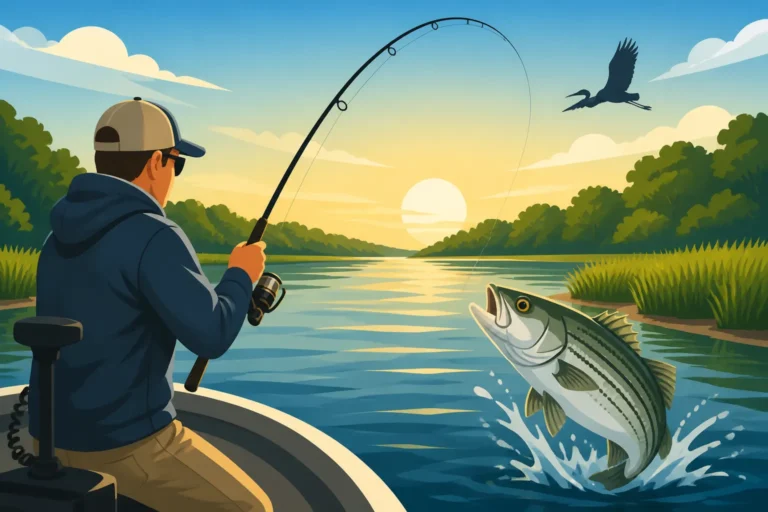
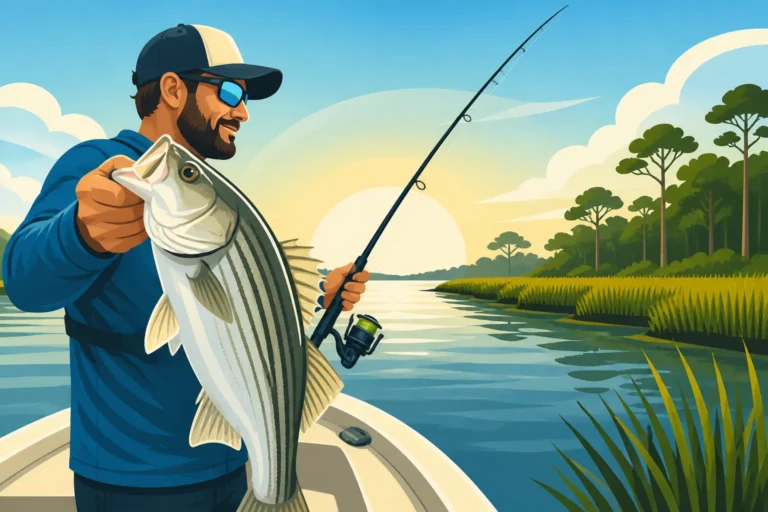
Then, of course, there's the legendary Striped Bass, affectionately known as Rockfish in Maryland. While Broad Creek doesn't typically see the massive trophy fish found in the main Bay, it serves as crucial nursery habitat and offers excellent opportunities for schooling fish, especially during spring and fall migrations. Smaller "schoolie" rockfish provide spirited fights, and occasionally, a larger fish will venture into the creek seeking bait. Keeping up with the ever-changing rules for these prized fish is key, so be sure to check our detailed article on Maryland Striped Bass Season and Rockfish Rules.
Moving into the fresher sections and slightly shallower coves, Largemouth Bass become a prime target. The abundance of submerged structure, lily pads, and fallen timber creates ideal ambush points for these aggressive predators. Fishing for Largemouth Bass here can be incredibly rewarding, especially during the warmer months when they are actively feeding. Understanding the local regulations, like the Maryland Largemouth Bass Size Limit by Water, will ensure you're fishing responsibly.
Finally, like many of Maryland's tidal tributaries, Broad Creek is home to two prominent invasive species: the Blue Catfish and the Northern Snakehead. While their presence poses challenges to native ecosystems, they offer incredible angling opportunities. Blue catfish can grow to enormous sizes and are powerful fighters, often found in the deeper channels. Snakeheads are a truly unique and aggressive predator, offering explosive topwater action. Maryland actively encourages their harvest, so if you catch one, keep it! To learn more about how to handle these species and why they are so important to target, check out Maryland Invasive Fish Rules: Blue Catfish and Snakehead and Maryland Blue Catfish Possession Rules.
Timing Your Trip: Best Seasons and What to Expect
The beauty of Broad Creek is that it offers productive fishing year-round, but each season brings its own unique set of opportunities and challenges. Knowing what to expect can significantly increase your chances of success.
Spring's Bounty: Perch Runs and Early Bass
Spring is arguably one of the most exciting times to fish Broad Creek. As water temperatures begin to rise, usually in March and April, the creek comes alive. This is prime time for the Yellow Perch and White Perch spawning runs. These fish move into shallower waters and up smaller feeder creeks within Broad Creek, creating concentrated fishing action that can be fast and furious. Light tackle with small jigs, spinnerbaits, or bait like grass shrimp and bloodworms will almost guarantee success. It's a fantastic time for sheer numbers of fish and often some of the largest perch of the year.
Simultaneously, as the water continues to warm into late April and May, Largemouth Bass start to become highly active after their winter sluggishness. They'll be feeding aggressively in preparation for spawning, making them susceptible to spinnerbaits, crankbaits, and soft plastics fished around structure. Striped Bass, or rockfish, also begin to move through the Choptank system, and smaller schoolies will often venture into Broad Creek in search of baitfish. Early spring can be a bit hit-or-miss for rockfish in the creek, but when they're in, they can offer some fantastic light tackle action. Remember, understanding How to Fish Maryland's Chesapeake Bay by Season will give you a broader perspective on the seasonal movements affecting Broad Creek.
Summer's Heat: Varied Action and Invasive Species
Summer fishing in Broad Creek can be fantastic, though it often requires a change in tactics due to warmer water temperatures and increased boat traffic. The perch action, particularly for white perch, remains strong, especially in the mornings and evenings or by targeting deeper holes and shaded areas during midday. Bottom fishing with bloodworms or grass shrimp will often produce excellent results.
This is also peak season for Largemouth Bass in the creek. They'll be holding tight to cover – docks, fallen trees, lily pads, and submerged grass beds. Topwater lures fished at dawn or dusk can provide thrilling strikes, while soft plastics and jigs pitched into heavy cover are effective during the brighter parts of the day.
Crucially, summer is prime time for targeting the invasive Blue Catfish and Northern Snakehead. Blue cats thrive in the warmer waters and can be found in the deeper channels throughout the creek. Cut bait, like pieces of fresh alewife or gizzard shad, fished on the bottom, is incredibly effective. For snakeheads, the shallower, vegetated areas are their preferred hunting grounds. Topwater frogs, chatterbaits, and weedless soft plastics are excellent choices for coaxing these aggressive fish out of cover. Many anglers even find guides through platforms like FishingBooker specifically for targeting these unique species in tributaries like Broad Creek.
Fall's Frenzy: Rockfish and Resurgent Perch
As the cooler air of autumn returns and water temperatures begin to drop, Broad Creek once again becomes an angling paradise. The fall migration of Striped Bass into the Choptank River means significantly more rockfish activity in the creek. These fish will be aggressively feeding on baitfish, often herding them against the banks or into coves. Jigging with soft plastics, casting small crankbaits, or even live-lining small baitfish can be incredibly productive. This is often the best time to catch larger schoolie rockfish within the creek itself.
The White Perch also make a strong resurgence in the fall, often schooling up in large numbers in deeper sections of the creek as they prepare for winter. Fishing classic bottom rigs with bloodworms or even small metal jigs can result in non-stop action. Fall offers some of the most comfortable fishing weather and some of the most consistent action across multiple species. For a general overview, consider reviewing the Best Time of Year to Fish in Maryland for more context.
Here's a quick seasonal overview for Broad Creek:
| Season | Primary Target Species | Secondary Targets | Recommended Baits/Lures | Key Considerations |
|---|---|---|---|---|
| Spring | Yellow Perch, White Perch | Largemouth Bass, Striped Bass | Small jigs, spinnerbaits, grass shrimp, bloodworms | Spawning runs, rising water temps, light tackle fun |
| Summer | Largemouth Bass, White Perch | Blue Catfish, Northern Snakehead | Topwater lures, soft plastics, cut bait, frogs | Early morning/late evening, target cover for bass, invasives are active |
| Fall | Striped Bass, White Perch | Largemouth Bass, Yellow Perch | Soft plastics, crankbaits, live bait, metal jigs | Fall migration, aggressive feeding, comfortable weather |
| Winter | Yellow Perch, Blue Catfish | White Perch | Jigging spoons, minnows, cut bait | Slower bite, target deeper holes, ice fishing (rarely) |
Strategic Approaches: Baits, Lures, and Techniques for Broad Creek
Fishing Broad Creek effectively means understanding the nuances of its tidal and freshwater environments and adapting your techniques accordingly. A one-size-fits-all approach won't cut it here, but with a bit of versatility, you'll be well-prepared for whatever the creek throws at you.
Tackling Tidal Waters: Perch and Striped Bass Tactics
For the brackish, tidal sections of Broad Creek, particularly closer to its mouth and in the main channel, White Perch and Striped Bass are your primary targets.
- White Perch: These aggressive little fighters are often found schooling around docks, bridge pilings, oyster beds, and channel edges. A simple bottom rig with a small hook tipped with a bloodworm or grass shrimp is deadly. For more active fishing, small artificial lures like 1/16 to 1/8 ounce shad darts, small spinnerbaits (like a Mr. Twister or Mepps Comet), or tiny soft plastic grubs on light jig heads work wonders. Fan-cast around structures, letting your lure sink and retrieving with a slow, steady motion or small twitches. The tide often concentrates perch, making the hour around high or low slack tide particularly productive.
- Striped Bass (Rockfish): Schoolie rockfish in Broad Creek are typically chasing baitfish like silversides, peanut bunker, or small menhaden. Mimicking these baitfish is key. Soft plastic paddletails (3-5 inches) on 1/4 to 3/8 ounce jig heads are incredibly versatile. Cast them out, let them sink to the desired depth (often just a few feet), and retrieve with a jigging motion or steady retrieve. Small topwater poppers or walk-the-dog baits can be incredibly exciting during low-light conditions when rockfish are actively busting on the surface. For deeper channels or around known bait concentrations, trolling small bucktails or swimming plugs can also be effective. Don't forget, these are tidally influenced waters, so knowing how the currents affect fish behavior is crucial.
Hunting Freshwater Challengers: Bass, Catfish, and Snakehead Strategies
As you move further up Broad Creek, the water becomes fresher, and the habitat changes, bringing Largemouth Bass, Blue Catfish, and Northern Snakehead into play.
- Largemouth Bass: Broad Creek offers classic largemouth fishing. Look for heavy cover: fallen trees, dense lily pads, docks, brush piles, and submerged grass. In the spring and fall, crankbaits, spinnerbaits, and chatterbaits fished along the edges of cover can be very effective. During summer, punching jigs or Texas-rigged soft plastics (like worms or creature baits) into thick vegetation will often draw strikes. Topwater frogs or buzzbaits are incredibly fun to use over lily pads and matted grass, especially during early mornings or late evenings. For those truly dedicated, hiring a guide via services like FishingBooker can help pinpoint the best bass spots and techniques for the local conditions.
- Blue Catfish: These robust invaders prefer deeper holes and channels, often congregating near bends in the creek or where smaller creeks feed in. The best method is typically bottom fishing with substantial cut bait. Pieces of fresh oily fish like menhaden, carp, or even chicken liver, fished on a stout circle hook with a heavy sinker, will entice them. Use a heavy-duty rod and reel, as these fish can grow to impressive sizes and pull hard. They are active year-round but particularly so in warmer months. Remember, for blue catfish, there is no possession limit in Maryland, and anglers are encouraged to keep what they catch.
- Northern Snakehead: Targeting snakeheads is an adventure! They love shallow, heavily vegetated areas and often hold tight to cover. Topwater frogs are arguably the most popular and exciting method. Cast the frog onto lily pads or into thick grass and retrieve it with a stop-and-go twitching motion, mimicking a frog hoping across the surface. When a snakehead explodes on it, wait a second before setting the hook to ensure it has the lure. Spinnerbaits, chatterbaits, and weedless soft plastic swimbaits retrieved through sparse vegetation or along grass edges are also very effective. They are incredibly aggressive and provide a truly unique fight. Given their invasive nature, understanding Maryland Invasive Fish Rules: Blue Catfish and Snakehead is paramount.
When planning your trip, consider what kind of fishing license you'll need. Broad Creek is part of the tidal Chesapeake Bay system, but its upper reaches are more freshwater. Our article on Maryland Nontidal vs Tidal Fishing License, Explained can help clear up any confusion. If you're coming from out of state, be sure to know How to Buy a Maryland Fishing License.
Accessing Broad Creek: Ramps, Piers, and Local Know-How
While Broad Creek offers fantastic fishing, getting on the water efficiently is key. This creek is primarily accessed by boat, but there are some limited shoreline options.
Boat and Kayak Launch Points
For those with a boat or kayak, several public and private options exist in the vicinity of Broad Creek. Since Broad Creek is a tributary of the Choptank River, many anglers will launch from nearby ramps on the Choptank itself and then motor into the creek.
- San Domingo Creek Public Landing (St. Michaels): While not directly on Broad Creek, this public landing provides excellent access to San Domingo Creek, which then flows into the main Choptank River. From there, it's a short run to the mouth of Broad Creek. This ramp is well-maintained and suitable for trailered boats. It's a great starting point for exploring the entire St. Michaels area waterways.
- St. Michaels Area Marinas: Several private marinas in St. Michaels, such as the St. Michaels Harbor Inn, Marina & Spa or the Broad Creek Boatyard & Marina, often offer transient slips or launch services for a fee. If you're staying in the area, this can be a convenient option. Always call ahead to confirm availability and pricing.
- Kayak and Canoe Launches: Broad Creek's relatively calm waters make it ideal for paddle craft. Many smaller, unofficial access points might be found along rural roads, though these often lack amenities. The best bet for kayakers is to use one of the public boat ramps mentioned above, as they provide ample parking and a safe launching environment. The shallow, protected coves of Broad Creek are perfect for kayak fishing, allowing anglers to quietly navigate into areas larger boats can't reach.
Shoreline Fishing Opportunities and Limitations
Shoreline fishing on Broad Creek is more limited compared to boat access. Much of the shoreline is privately owned, marshy, or undeveloped, making direct access challenging.
- St. Michaels Town Docks/Parks: The town of St. Michaels itself has some public docks and park areas along its waterfront. While these are primarily for public access and viewing, it's often possible to cast a line from them, especially for white perch. Be mindful of boat traffic and other pedestrians. Always look for signage regarding fishing regulations in these areas.
- Bridges and Roadside Access: There are a few small bridges crossing Broad Creek and its smaller branches. Sometimes, these offer limited space for shore angling. Exercise extreme caution when fishing from bridges due to traffic and always check for "no fishing" signs.
- Piers: Unlike some other larger bodies of water, Broad Creek doesn't have dedicated public fishing piers that extend far into the main channel. Most piers are private. If you're looking for more robust pier fishing opportunities, you might need to venture to larger state parks or dedicated fishing piers in other parts of Maryland. Our article on Do You Need a License to Fish From a Maryland Pier? offers more insight into general pier fishing rules.
Local Amenities and Charter Options
The town of St. Michaels, being a popular tourist destination, offers a wealth of amenities. You'll find bait and tackle shops, restaurants, lodging, and supplies. Always check with local tackle shops for the most current fishing reports, bait availability, and local hot spots – they are an invaluable resource!
For those who prefer a guided experience, hiring a local fishing guide or charter captain can be a fantastic way to explore Broad Creek. A knowledgeable guide can provide the boat, gear, and expertise to put you on fish quickly, especially if you're targeting specific species like snakeheads or larger striped bass. Many experienced captains who fish the Choptank River also know Broad Creek intimately. Websites like FishingBooker can connect you with local guides operating in the St. Michaels and Choptank River area, making it easy to find a professional who specializes in these waters. They can also advise on the best times to fish and the most effective techniques for the current conditions. Whether you're interested in Fishing the Choptank River more broadly or specifically looking for Best Fishing Spots on the Choptank River for Striped Bass, a local guide can be a game-changer.
Ultimately, Broad Creek on the Eastern Shore is a fantastic fishery that rewards those who take the time to understand its unique character. Its protected waters, diverse habitats, and abundance of fish make it a go-to spot for many Maryland anglers seeking a peaceful and productive day on the water.
Disclaimer
Please be aware that fishing regulations in Maryland, including size and catch limits, seasons, and licensing requirements, are subject to change. Always consult the latest Maryland Department of Natural Resources (DNR) fishing guide or website before heading out on the water. This information is provided for general guidance and informational purposes only.