Maryland Largemouth Bass Size Limit by Water
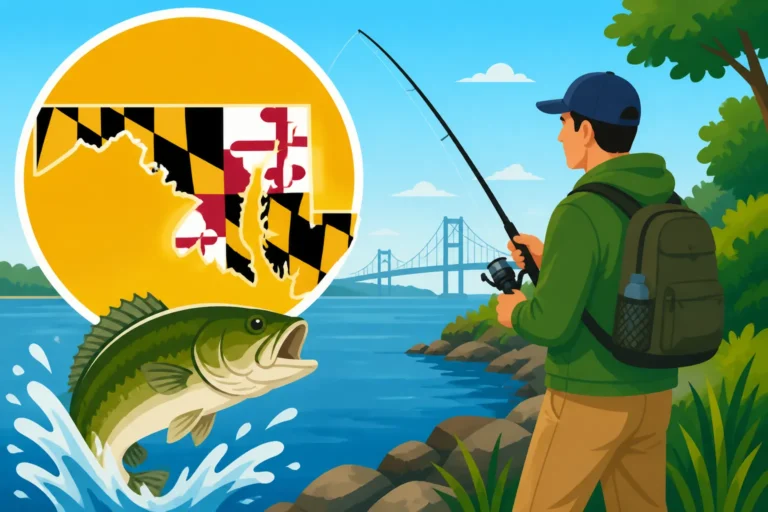
It can be incredibly confusing to figure out exactly what the rules are when you're targeting largemouth bass in Maryland. One minute you're fishing a local pond, thinking you know the drill, and the next you're heading to a big reservoir or tidal river, only to realize the size limits might be completely different. This guide is here to untangle that web of regulations, giving you a clear picture of Maryland's largemouth bass size limits across various waterbodies, so you can fish with confidence and stay on the right side of the law.
Understanding Maryland's General Largemouth Bass Regulations
Before we dive into the nitty-gritty of specific waterbodies, it’s really helpful to get a grasp of the statewide baseline regulations for largemouth bass in Maryland. These are the default rules that apply unless a particular lake, pond, or river has specific exceptions. Maryland is a state with diverse waterways, from freshwater impoundments to tidal rivers flowing into the Chesapeake Bay, and these differences directly impact the regulations.
Statewide General Limits
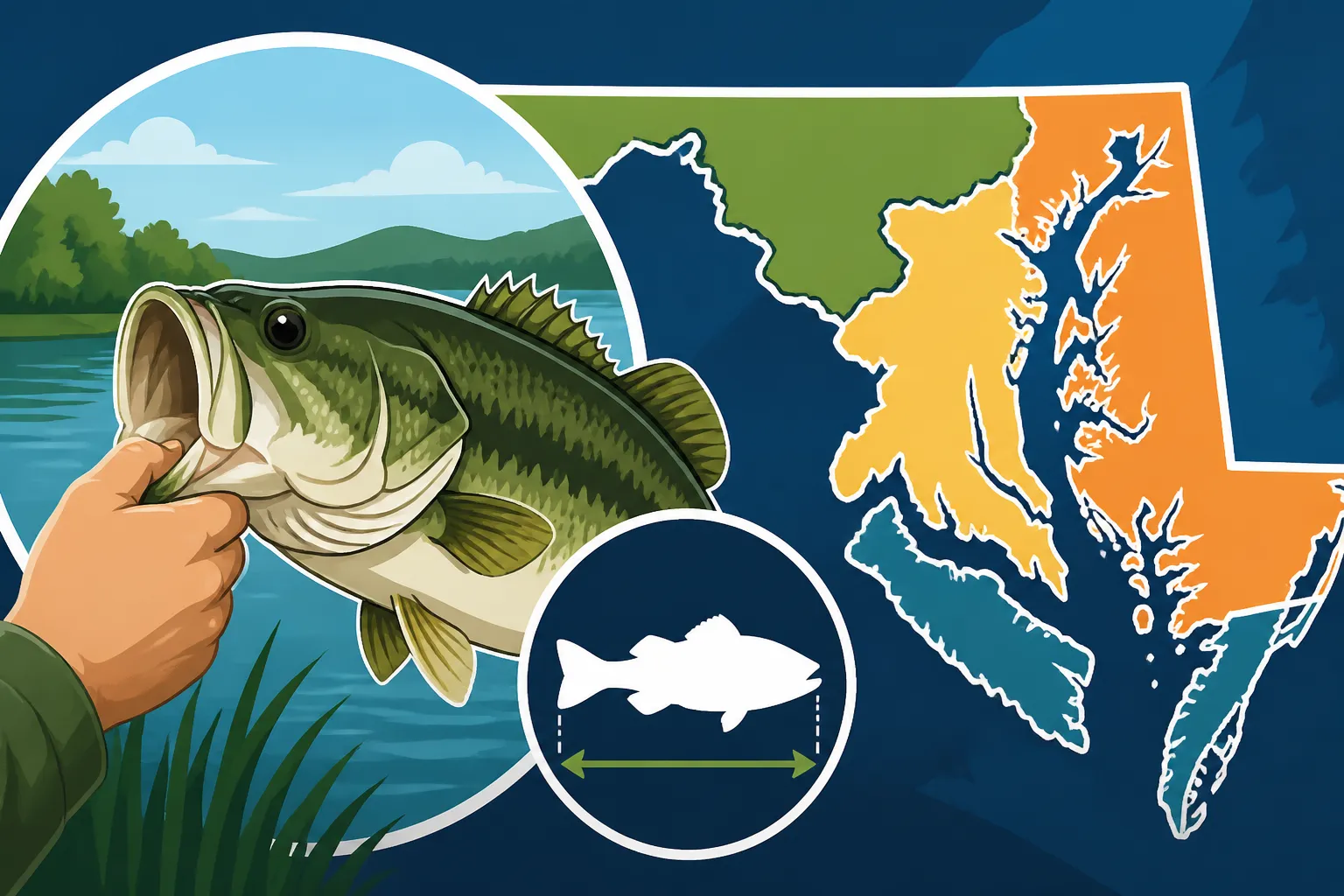
Generally speaking, Maryland divides its fishing regulations into two main categories: nontidal (freshwater lakes, ponds, and rivers above the tidal influence) and tidal (rivers, creeks, and the Chesapeake Bay that are influenced by tides). For largemouth bass, these distinctions are critical.
In nontidal waters, the standard statewide regulation for largemouth bass is typically a minimum size limit of 12 inches, with a creel (or daily bag) limit of 5 fish per person. This means any largemouth bass you catch that measures less than 12 inches from the tip of its snout to the tip of its tail must be immediately released back into the water. This 12-inch minimum is designed to allow younger fish to grow and contribute to the spawning population before being harvested.
For tidal waters, which include all the vast tributaries of the Chesapeake Bay, the standard regulation often shifts to a slightly higher minimum size limit of 15 inches, while maintaining a creel limit of 5 fish per person. This higher minimum in tidal areas often reflects the different growth rates and ecological pressures faced by bass in these environments. It's a key distinction to remember, especially if you're transitioning between a small freshwater lake and a larger tidal river in the same day. You can learn more about these different environments in our guide to Maryland Nontidal vs Tidal Fishing License, Explained.
It's also worth noting that these regulations are subject to change. The Maryland Department of Natural Resources (DNR) constantly monitors fish populations and adjusts rules to ensure sustainable fishing for future generations. That's why it's always, always a good idea to consult the most current Maryland's DNR Fishing and Boating Guide, Explained before heading out.
Catch and Release Considerations
Even when there's a size limit, many anglers practice catch and release, particularly for larger "trophy" bass or when they've already met their creel limit. In Maryland, even if you are planning to release your catch, the size limits still apply to the fish you could potentially keep. For instance, if a waterbody has a 15-inch minimum, and you catch a 14-inch bass, you must release it, even if your intention was always to release all your fish. The regulation governs what can be possessed, not just what is kept for consumption.
Catch and release is a fantastic practice for conservation, especially for a prized species like largemouth bass. However, it's crucial to handle fish properly to maximize their survival chances. Using barbless hooks, minimizing air exposure, and handling fish with wet hands are all excellent practices. Speaking of licenses, make sure you have yours in order. Our comprehensive Maryland Fishing License Guide for 2026 can help you sort that out before your next trip.
Specific Waterbody Regulations for Largemouth Bass
This is where things get really specific, and often, a little tricky. Maryland’s DNR implements special regulations on numerous water bodies to achieve specific management goals, whether it’s to foster trophy fisheries, address unique ecological concerns, or simply account for different fish growth patterns. Always double-check the latest guide for the specific body of water you plan to fish.
Reservoirs and Impoundments
Many of Maryland's larger reservoirs, which are incredibly popular for bass fishing, often have regulations that differ from the statewide standard. These impoundments are managed intensively to provide quality angling experiences.
-
Loch Raven Reservoir, Liberty Reservoir, and Prettyboy Reservoir (Baltimore Metropolitan Area): These three key reservoirs, which supply drinking water to Baltimore, are well-known for their excellent bass fishing and their more restrictive regulations. Typically, for largemouth bass in these reservoirs, there is a 15-inch minimum size limit, with a creel limit of 5 fish per day. This higher minimum size is designed to protect bass until they've had a chance to grow larger, helping to cultivate a population of bigger, healthier fish. Anglers often flock to these waters in hopes of landing a true lunker. For tips on other species, you might be interested in Techniques for Crappie in Maryland Reservoirs.
-
Triadelphia and Rocky Gorge Reservoirs (Montgomery/Howard Counties): Similarly, these reservoirs, managed by the Washington Suburban Sanitary Commission (WSSC), generally follow a 15-inch minimum size limit for largemouth bass, also with a creel limit of 5 fish per day. The management goals here are very much aligned with the Baltimore reservoirs: promoting the growth of larger bass and ensuring a sustainable fishery for the many anglers who enjoy these beautiful waters.
-
Deep Creek Lake (Garrett County): Maryland’s largest freshwater lake in Western Maryland, Deep Creek Lake, is another example where specific regulations are often in place. While the general nontidal rules might apply here, it's always wise to check the current DNR guide. Currently, Deep Creek Lake adheres to the statewide 12-inch minimum size limit and 5 fish creel limit for largemouth bass, alongside northern pike and walleye. However, conditions and management strategies can change, so always verify.
These higher minimums are a testament to the DNR's efforts to create exceptional bass fisheries. It encourages anglers to release the medium-sized fish, allowing them to grow into the next generation of trophy bass. If you're looking for where to catch some real giants, you'll want to check out our guide on the Best Lakes in Maryland for Trophy Largemouth Bass.
Ponds and Smaller Lakes
For many of Maryland's smaller, publicly accessible ponds, state park lakes, and community ponds, the statewide nontidal regulations usually apply. This means a 12-inch minimum size limit and a 5 fish creel limit for largemouth bass. These smaller bodies of water are often heavily fished, and the 12-inch minimum helps to protect the younger bass from being harvested too quickly.
However, some specific ponds, especially those managed by local parks and recreation departments or those designated for specific youth or educational programs, might have "no size limit" or "catch and release only" rules. These are usually clearly posted at the access points. It's less common for these to deviate significantly, but a quick check of local signage or the DNR regulations for that specific body of water is always a smart move.
Tidal Rivers and the Chesapeake Bay Tributaries
As mentioned earlier, the default for largemouth bass in Maryland’s tidal waters is a 15-inch minimum size limit and a 5 fish creel limit. This applies to the vast network of rivers and creeks that flow into the Chesapeake Bay, from the mighty Potomac and Susquehanna to smaller tributaries like the Patuxent, Choptank, and Chester Rivers.
While many associate tidal waters with saltwater species, the upper reaches and many segments of these rivers provide fantastic largemouth bass habitat, especially in areas with good submerged aquatic vegetation (SAV) and structure. It's in these areas that anglers must be diligent about the 15-inch minimum. The larger size limit here often reflects the unique challenges of managing a fishery that exists at the interface of freshwater and brackish environments, and where bass might compete with or be preyed upon by other species, even some of the Maryland's Most Popular Saltwater Gamefish.
Here's a quick reference table for some of Maryland's popular largemouth bass fishing locations and their general regulations. Please remember these are general guidelines and current regulations should always be verified with the official Maryland DNR Fishing & Boating Guide.
| Waterbody Type / Specific Location | Largemouth Bass Minimum Size Limit | Daily Creel Limit | General Water Type |
|---|---|---|---|
| Nontidal Waters (General) | 12 inches | 5 fish | Freshwater |
| Tidal Waters (General) | 15 inches | 5 fish | Tidal Fresh/Brackish |
| Loch Raven Reservoir | 15 inches | 5 fish | Freshwater |
| Liberty Reservoir | 15 inches | 5 fish | Freshwater |
| Prettyboy Reservoir | 15 inches | 5 fish | Freshwater |
| Triadelphia Reservoir | 15 inches | 5 fish | Freshwater |
| Rocky Gorge Reservoir | 15 inches | 5 fish | Freshwater |
| Deep Creek Lake | 12 inches | 5 fish | Freshwater |
| Maryland State Park Ponds | 12 inches (unless posted otherwise) | 5 fish | Freshwater |
Understanding the "Why" Behind the Regulations and Enforcement
It's easy to look at a list of rules and feel overwhelmed or even a little annoyed by them. But understanding why these specific size limits are in place can really help put things into perspective. These aren't arbitrary rules; they're carefully crafted by fisheries biologists to ensure healthy, vibrant fish populations for everyone, now and in the future.
Conservation Goals and Fishery Management
The primary goal of any size and creel limit is conservation and sustainable management. For largemouth bass, particularly, size limits are crucial for several reasons:
- Protecting Spawning Stock: By setting a minimum size, especially for larger fish, regulations allow bass to reach sexual maturity and spawn at least once, if not multiple times. This ensures that new generations of bass are produced, replenishing the population. Bass typically spawn when water temperatures hit certain thresholds, which you can read more about in What Water Temperature Do Bass Spawn at in Maryland?.
- Improving Growth Rates and Quality: In many reservoirs, the 15-inch minimum isn't just about protecting spawners; it's about encouraging faster growth among the smaller fish. By removing pressure on the 12-14 inch fish, they have a better chance to grow into larger, more desirable "trophy" sizes. This strategy is part of a broader effort to create a quality fishery that anglers enjoy.
- Balancing Predator/Prey Dynamics: Bass are apex predators in many freshwater ecosystems. Regulations help manage their population in relation to their food sources and other fish species. Too many small bass could lead to stunted growth if food is scarce, while too few could disrupt the ecosystem.
- Angler Satisfaction: Ultimately, these rules aim to enhance the fishing experience. A well-managed fishery with a good population of healthy, robust bass is what keeps anglers coming back, enjoying Maryland's fantastic fishing opportunities. Our specific guide on Largemouth Bass Fishing in Maryland dives deeper into how these efforts pay off.
The DNR uses scientific data, angler surveys, and population assessments to inform these decisions. They look at factors like growth rates, natural mortality, harvest rates, and the overall health of the ecosystem when determining what limits are appropriate for a given body of water.
Enforcement and Penalties
Ignoring fishing regulations, even inadvertently, can lead to some pretty significant consequences. Maryland DNR Natural Resources Police (NRP) officers regularly patrol all waters, from the smallest ponds to the vast Chesapeake Bay, ensuring compliance with fishing laws.
If you're caught with undersized largemouth bass or more fish than the daily creel limit allows, you could face fines, citations, and even the confiscation of your gear and catch. The penalties can vary depending on the severity of the violation, but they are designed to be a deterrent and reflect the importance of conservation. For a full breakdown of the potential repercussions, you might want to review Maryland Fishing License Penalties for Violations.
It's not just about what you keep; it's also about proper licensing. Make sure your Maryland Fishing License Guide for 2026 is current and appropriate for the waters you're fishing. Having an expired license or the wrong type of license (e.g., only a nontidal license in tidal waters) can also lead to citations. DNR officers are generally approachable and willing to answer questions, but ignorance of the law is never an excuse. Always verify before you cast a line!
Best Practices for Catching and Releasing Largemouth Bass
Adhering to size limits is just one part of being a responsible angler. How you handle the fish you catch, especially those you intend to release, makes a huge difference in their survival and the overall health of the fishery. Practicing proper catch-and-release techniques is vital, whether you’re targeting a trophy or just enjoying a casual day on the water.
Gear and Handling Tips for Healthier Bass
When it comes to catch and release, the right gear and careful handling are paramount. The goal is to minimize stress and physical injury to the fish.
-
Use Appropriate Tackle: Using tackle that is too light can prolong the fight, exhausting the fish and making it more susceptible to stress and injury upon release. Conversely, gear that is too heavy might not be necessary, but ensure it's balanced for the size of bass you expect to encounter. If you're using something like a chatterbait, as discussed in How to Fish a Chatterbait for Maryland Largemouth Bass, make sure your rod and reel can handle a strong fight.
-
Barbless Hooks or Crimped Barbs: This is perhaps the easiest and most impactful change you can make. Barbless hooks greatly reduce tissue damage and make hook removal much quicker and less traumatic. If your hooks have barbs, you can easily crimp them down with a pair of pliers. Many experienced anglers exclusively use barbless hooks, especially when fishing for species like bass that are frequently released. You can find specialized tools for this on Amazon, or at most local tackle shops.
-
Minimize Air Exposure: A fish out of water is like a human holding their breath. Even a few seconds can be stressful. Try to unhook fish while they are still in the water, or lift them gently for a quick photo and return them immediately. If a fish is thrashing, keep it submerged or support its body to prevent injury.
-
Wet Hands and Proper Support: Always wet your hands before touching a fish. Dry hands can remove the fish's protective slime coat, leaving it vulnerable to infection. When holding a bass, support its body horizontally, especially for larger fish. Avoid holding a large bass vertically by just its jaw for extended periods, as this can damage its jaw and internal organs.
-
Use a Net with a Rubberized Mesh: A knotless, rubberized landing net is far gentler on a fish's fins and slime coat than traditional nylon nets. They also prevent hooks from getting tangled, making hook removal easier.
-
Dehooking Tools: Keep a pair of long-nosed pliers or a dehooking tool readily accessible. These make removing deeply set hooks much safer and quicker for both you and the fish. Again, Amazon and your local tackle shop will have plenty of options.
Documenting Your Catch Responsibly
We all love a good fish picture! But it's important to prioritize the fish's health when snapping those photos.
- Be Quick: Have your camera ready, and take the picture as quickly as possible. The longer the fish is out of water, the more stress it endures.
- Submerge Between Shots: If you want multiple angles or the fish is particularly feisty, briefly submerge it in the water between shots to allow it to recover.
- Proper Lighting: Avoid harsh direct sunlight if possible, which can also add stress.
- Measure Gently: When measuring a fish against a bump board or ruler, do it quickly and gently. Lay the fish flat and wet on the measuring device, ensuring its mouth is closed against the bump and its tail is compressed. You'll often find official measuring devices, some even floatable, on Amazon or at specialty fishing stores. This ensures accuracy for adherence to Maryland Fishing Size and Catch Limits by Species.
By integrating these best practices into your fishing routine, you'll not only contribute to a healthier fishery but also enhance your own enjoyment of the sport. Every fish you release properly increases the chances of another angler, or even yourself, catching that same fish when it's bigger and stronger. This philosophy is fundamental to sustaining the fantastic Largemouth Bass Fishing in Maryland we all cherish.
Disclaimer
Please note that fishing regulations, including size and creel limits, are subject to change. While this guide provides general information based on current public knowledge, it is the angler's responsibility to consult the most recent official Maryland Department of Natural Resources (DNR) Fishing & Boating Guide before fishing. Always verify specific rules for the waterbody you plan to fish to ensure compliance.