Fishing Deep Creek Lake for Trout
Deep Creek Lake, with its sprawling waters and impressive depths, holds a special allure for anglers dreaming of catching trout. However, actually finding and landing these elusive cold-water dwellers in such a large, diverse fishery can feel like searching for a needle in a haystack. This guide is dedicated to breaking down the mystique of trout fishing in Deep Creek Lake, offering practical strategies, gear recommendations, and seasonal insights to help you successfully target and catch beautiful trout in Maryland's largest freshwater lake.
Understanding Deep Creek Lake's Trout Fishery
Deep Creek Lake isn't your typical trout stream; it's a vast impoundment with a unique ecosystem that supports various trout species. Knowing what you're up against and where these fish prefer to hang out is the first step toward a successful outing.
Species of Trout in Deep Creek
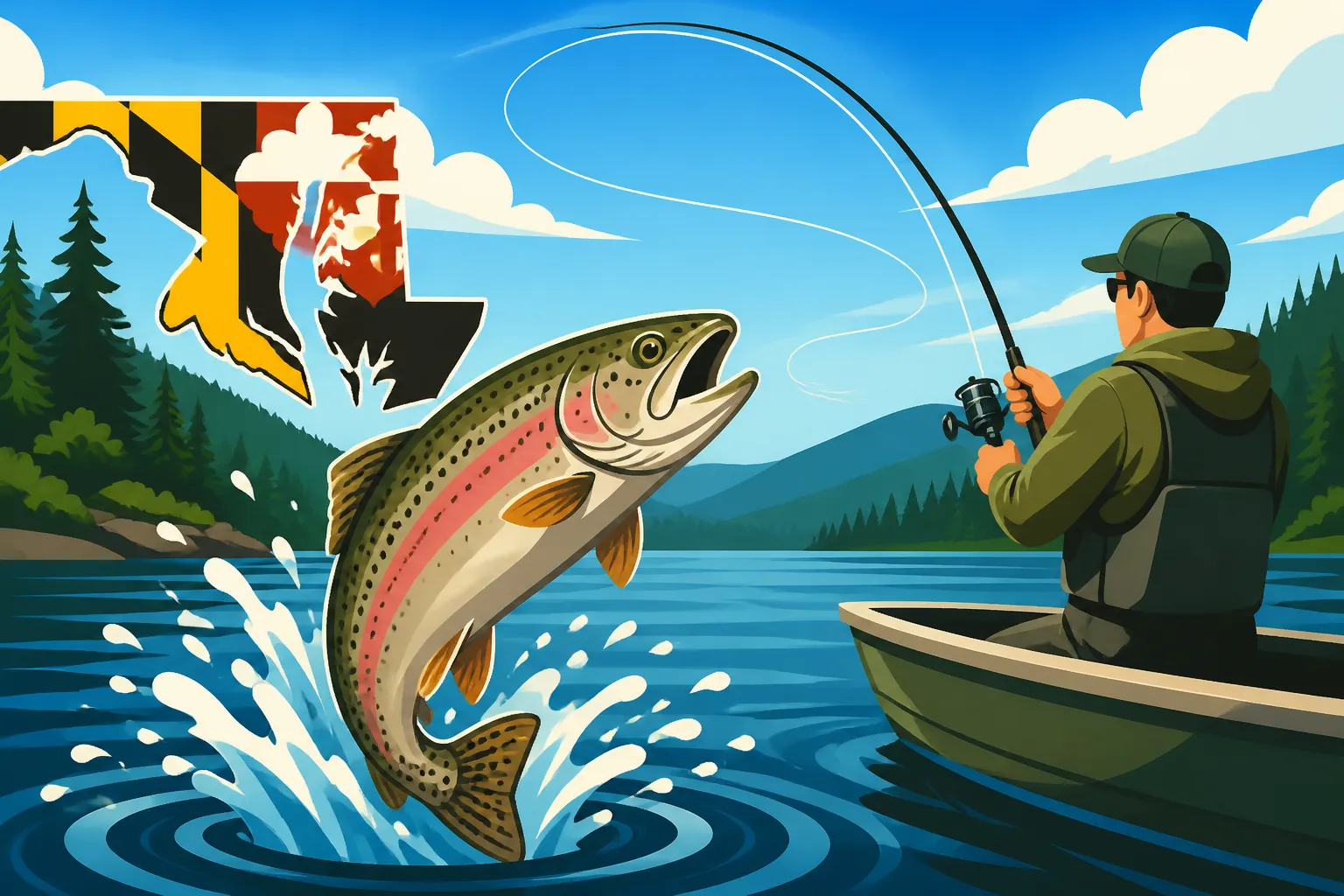
While Deep Creek Lake is best known for its excellent bass and walleye fishing, it also hosts a population of trout that thrives in its deeper, colder sections. The primary species you'll encounter are rainbow trout and brown trout, with a lesser presence of brook trout, particularly in the feeder streams. The Maryland Department of Natural Resources (DNR) actively stocks rainbow trout, ensuring a healthy population for anglers. These stocked rainbows often grow quite large, especially with the abundant forage available in the lake. Brown trout, known for their wariness and often impressive size, can also be found, particularly in areas with good cover and cooler water temperatures, adding an exciting challenge for dedicated trout anglers. Understanding the differences between these species can also influence your approach; for instance, you might want to read our guide on Rainbow Trout vs Brown Trout in Maryland Streams to get a better sense of their habits.
Stocking Programs and Wild Trout
The vitality of Deep Creek Lake's trout fishery is largely maintained through diligent stocking efforts by the Maryland DNR. Each year, thousands of rainbow trout are released into the lake, often in spring and fall, to supplement the existing population and provide ample angling opportunities. These stocked fish are typically of a catchable size, but many survive to grow much larger, becoming impressive specimens that can test any angler's skill. While the lake primarily relies on stocking for its trout numbers, some natural reproduction occurs in its colder tributary streams, especially for brown and brook trout. These wilder fish are often smaller but offer a different kind of thrill, accustomed to more natural feeding patterns and less pressure. Anglers should always be aware of the specific stocking schedules and locations, as these can dramatically increase your chances of finding actively feeding trout shortly after release.
Where Trout Hold in Deep Creek's Diverse Depths
Deep Creek Lake is, well, deep – reaching depths of over 70 feet in some areas. This depth is crucial for trout, as they are cold-water species that seek out consistent temperatures, typically in the 50-65 degree Fahrenheit range. During the warmer months, trout will retreat to the thermocline – the layer of water where the temperature changes most rapidly – often suspending over deep channels or near submerged structures like humps, points, and old roadbeds. In spring and fall, when the entire water column is cooler, they might be found shallower, cruising along shorelines, near feeder stream mouths, or around docks and pilings. Winter, especially under ice, sees them spread out, but still preferring areas of consistent depth, often near transitions or deeper flats. Understanding the lake's contours and temperature gradients is paramount; investing in good sonar can literally make or break your trout day on Deep Creek.
Essential Gear for Deep Creek Lake Trout
Equipping yourself properly for trout fishing on Deep Creek Lake is vital. Given the lake's size and the trout's tendency to inhabit different depths and areas depending on the season, you'll need versatile gear to maximize your chances.
Rods, Reels, and Line for Lake Trout
For Deep Creek Lake trout, versatility is key. A medium-light to medium action spinning rod, around 6'6" to 7'6" in length, is a great all-around choice. This setup provides enough sensitivity for subtle bites and enough backbone to handle larger trout and cast a variety of lures. Pair this with a 2500 or 3000 size spinning reel spooled with 6-10 lb test monofilament or fluorocarbon line. Monofilament offers a bit of stretch for forgiveness, while fluorocarbon is nearly invisible underwater and has excellent abrasion resistance, which can be critical when fishing around rocks or submerged timber. If you plan on doing a lot of trolling, especially with downriggers or lead core line, a dedicated trolling rod (often shorter and stiffer) and a baitcasting reel with a line counter can be incredibly helpful for maintaining precise depths. Don't underestimate the importance of your leader material either; a 4-6 lb fluorocarbon leader will increase your hook-up ratio significantly, especially with wary brown trout.
Best Baits and Lures for Deep Creek Trout
Trout in Deep Creek Lake respond to a variety of presentations, so it's wise to carry a diverse tackle box. For natural bait, live minnows, shiners, or nightcrawlers fished under a bobber or on a bottom rig are highly effective, especially for freshly stocked trout. PowerBait, in various colors and forms, is another go-to for many anglers, particularly when fishing from shore or a dock. As for artificials, spoons are perennial favorites; try Kastmasters, Little Cleos, or Mepps Syclops in silver, gold, or brass. These lures mimic baitfish and have an irresistible wobble. Small crankbaits and jerkbaits that dive to various depths can also be deadly, especially those with natural baitfish patterns. For a different presentation, consider small inline spinners (like Mepps Aglias or Panther Martins) or soft plastics rigged on a light jig head, which can be deadly when jigging vertically or retrieving slowly along the bottom. You might find our guide on Best Ice Fishing Lures for Maryland Lakes helpful if you plan to venture out in winter.
Electronics and Kayak/Boat Setup for Targeting Trout
Deep Creek Lake is a large body of water, and having the right electronics can be a game-changer for finding trout. A good quality fish finder with sonar and GPS capabilities is essential. The sonar will help you identify the thermocline, locate baitfish schools (which trout often follow), and spot individual fish or underwater structures where trout might be holding. The GPS is invaluable for marking productive spots, navigating the lake, and returning to specific areas later. When fishing from a boat or kayak, consider how you'll present your baits at various depths. Downriggers are excellent for precision trolling at specific depths, especially in summer. Planer boards can help spread out your lines, covering a wider swath of water. For kayak anglers, a stable fishing kayak equipped with a small fish finder and anchor system is ideal. Given the lake's size and potential for boat traffic, especially on weekends, safety gear like a PFD, whistle, and navigation lights are non-negotiable. If you're considering a boat rental, our article on Deep Creek Lake Boat Rental Options for Fishing can help you prepare.
Effective Techniques for Catching Deep Creek Lake Trout
Catching trout in a lake as expansive as Deep Creek requires more than just good gear; it demands an understanding of specialized techniques tailored to the environment and the fish's behavior.
Trolling Strategies for Deeper Waters
Trolling is arguably the most effective method for covering water and finding trout in Deep Creek Lake, especially during warmer months when they retreat to deeper, cooler zones. The goal is to present your lure at the exact depth where trout are feeding. This often means using downriggers, Dipsy Divers, or lead core line to get your baits down to the thermocline, which could be anywhere from 20 to 40 feet deep or more. Experiment with different trolling speeds, typically between 1.5 to 3 miles per hour, as trout can be finicky. Lure choice is critical; spoons like Silver Streak, Michigan Stinger, or various Rapala stickbaits in natural or bright colors can be very productive. Pay close attention to your fish finder to identify bait schools or structure, and make sure your lures are running just above or through these areas. Zig-zag patterns or subtle turns can often trigger a strike by changing the lure's action. For more in-depth advice, check out our guide on Trolling Techniques for Deep Creek Lake Trout.
Shore and Dock Fishing Approaches
While trolling is effective, not everyone has access to a boat or prefers to fish from shore or a dock. Deep Creek Lake offers ample opportunities for bank and dock fishing, particularly in the spring and fall when trout are shallower, or immediately after stocking. When fishing from shore, target areas near feeder streams, public access points, or docks where trout might congregate. A simple slip bobber rig with a live minnow, nightcrawler, or PowerBait can be incredibly effective. Cast out, let it settle, and be patient. Another approach is to cast and retrieve small spoons, inline spinners, or soft plastics. Focus on varying your retrieve speed and adding pauses to entice a strike. Many state parks and public access points around Deep Creek Lake offer excellent shoreline fishing. Don't forget your Maryland Fishing License Guide for 2026 and ensure you have the necessary Maryland Trout Stamp Requirements before heading out. Our guide Can You Fish From Shore at Deep Creek Lake? also offers valuable insights into specific shore access points.
Ice Fishing for Trout at Deep Creek
When Deep Creek Lake freezes over, usually from January through early March, it transforms into an ice fishing paradise, and trout become a primary target. Ice fishing for trout requires specialized gear and techniques, but it can be incredibly rewarding. Look for trout in areas of deeper water, often near drop-offs, humps, or main lake points. A portable fish finder (flasher) is invaluable for locating fish and understanding their depth. Small jigging spoons (like Swedish Pimples or Crippled Herrings) tipped with a piece of minnow or waxworm, or small soft plastics, are highly effective. Drill multiple holes and move frequently until you locate an active school. Keep your presentations subtle; trout under the ice can be very sensitive to heavy lines or unnatural movements. Always prioritize safety on the ice, checking ice thickness regularly and fishing with a buddy. You can learn more about this winter pursuit in our comprehensive guide to Ice Fishing in Maryland and specifically Ice Fishing at Deep Creek Lake, Maryland.
Prime Seasons and Times for Deep Creek Trout Fishing
Understanding the seasonal movements and feeding patterns of trout in Deep Creek Lake is crucial for consistent success. The lake's dynamics change dramatically throughout the year, directly influencing where and how you should fish.
Spring and Fall Opportunities
Spring and fall are arguably the best times to target trout in Deep Creek Lake. In spring, as ice melts and water temperatures begin to rise but remain cool, trout become very active and are often found in shallower waters. This is especially true after the DNR's stocking efforts, as freshly stocked fish tend to stay near the release points or cruise the shorelines. Look for them in coves, near stream mouths, and around docks. Small spinners, spoons, PowerBait, and live minnows are highly effective during this period. As the water warms towards summer, trout will gradually move deeper.
Fall presents another fantastic window. As air and water temperatures cool down, trout move back up into shallower depths, actively feeding to prepare for winter. They can be found in similar locations to spring, but often with less pressure. The cooler water also means they're more aggressive. Focus on transitions, submerged structure, and areas where baitfish are congregating. Both live bait and artificial lures will produce, with trolling in shallower depths being a great way to cover ground. To better align your trips with trout activity, consult our Maryland Trout Season, Month by Month guide.
Summer Deep Water Tactics
Summer in Deep Creek Lake sees surface water temperatures rise significantly, pushing trout into the deeper, cooler sections of the lake. This is when your electronics and deep-water trolling techniques truly shine. You'll need to locate the thermocline and target fish suspended within or just below it. This might mean fishing 20, 30, or even 40 feet down over much deeper water. Downriggers are almost essential for keeping your lures at precise depths. Focus on main lake basins, deep channels, and offshore humps. Early mornings and late evenings can sometimes bring trout slightly shallower, but generally, summer trout fishing is a deep-water game. Think small spoons, slender stickbaits, or even vertical jigging presentations directly over schools of baitfish you mark on your sonar.
Winter Ice Fishing Success
Once Deep Creek Lake freezes solid enough for safe ice fishing, usually from late December or early January through February, trout can be a primary target. The stillness and isolation under the ice make for a unique and often rewarding experience. Trout tend to cruise more slowly under the ice, often following schools of baitfish or congregating around submerged structure or transitions. Use your ice fishing flasher or sonar to locate fish and monitor their reactions to your lure. Small jigging spoons, often tipped with a minnow head or waxworm, are incredibly effective. Light line (4-6 lb test) is crucial for a natural presentation. Drill a grid of holes and move frequently, working each hole for 10-15 minutes before moving on if you don't get a bite. Pay attention to prime times like dawn and dusk when trout can be most active. Remember, safety first on the ice! Always verify ice thickness and be aware of changing conditions.
| Season | Typical Water Depth for Trout | Recommended Techniques | Best Baits/Lures | Key Considerations |
|---|---|---|---|---|
| Spring | Shallow to Mid-Depth (5-20 ft) | Shore casting, Trolling, Still fishing | PowerBait, Worms, Minnows, Small Spinners, Spoons | Post-stocking activity, increasing water temps |
| Summer | Deep (20-50+ ft) | Downrigger trolling, Deep vertical jigging | Spoons, Stickbaits, Soft Plastics (jigged) | Locate thermocline, early/late fishing best |
| Fall | Mid-Depth to Shallow (5-25 ft) | Trolling, Shore casting, Still fishing | Minnows, Spoons, Crankbaits, Inline Spinners | Cooling water, active feeding, less pressure |
| Winter | Deep to Mid-Depth (15-40 ft) | Ice fishing (jigging) | Small jigging spoons, Minnows, Waxworms, Soft Plastics | Ice safety, precise depth with electronics |
Regulations and Conservation for Deep Creek Trout
Responsible angling is paramount in Deep Creek Lake, particularly concerning trout, which are a valuable and often managed resource. Understanding and adhering to Maryland's fishing regulations helps ensure a healthy fishery for generations to come.
Size and Creel Limits Specific to Deep Creek
Maryland's fishing regulations, particularly for trout, can vary by water body and species, and Deep Creek Lake is no exception. It's absolutely critical to check the most current Maryland DNR fishing guide before each trip. Generally, for Deep Creek Lake, there are specific size and creel (daily possession) limits for trout, especially for rainbow and brown trout. These limits are put in place to manage the fishery, allowing enough fish to grow to maturity or to sustain the stocked populations. For instance, there might be a minimum size limit (e.g., 12 inches) for keeping certain trout, and a daily creel limit (e.g., 5 trout per day). Violating these rules can result in significant fines and penalties. Always double-check the latest regulations, as they can change seasonally or annually based on fishery assessments.
Catch and Release Best Practices
Even if you plan to keep some fish for dinner, practicing proper catch and release for the rest of your catches is a vital part of conservation, particularly for larger, wilder trout or if you reach your creel limit. Trout are sensitive fish, especially when handled in warmer water. To maximize survival rates:
- Minimize handling: Try to keep the fish in the water as much as possible.
- Wet hands: Always wet your hands before touching a trout to protect its slime coat, which is vital for its immune system.
- De-hook quickly: Use a de-hooking tool or needle-nose pliers to remove hooks gently. If a fish is deeply hooked, it's often better to cut the line as close to the hook as possible rather than tearing the fish's insides.
- Avoid holding by gills: Never grab a trout by the gills. Support its belly and tail if you must lift it for a quick photo.
- Revive gently: If a fish seems sluggish, hold it gently in the water, facing into the current (if any), until it regains strength and swims away on its own.
By following these practices, we ensure that the trout we release have the best chance of survival, contributing to a thriving fishery.
Invasive Species Awareness Around Deep Creek
Deep Creek Lake, like many other water bodies, faces the constant threat of invasive species. Anglers have a crucial role to play in preventing their spread. Northern snakeheads and blue catfish are two high-profile invasive species in Maryland, but there are also smaller threats like zebra mussels, hydrilla, and various aquatic diseases.
It is illegal to transport live northern snakeheads or blue catfish in Maryland, and anglers are encouraged to harvest them. Beyond fish, however, preventing the spread of other aquatic invasives is paramount. The "Clean, Drain, Dry" principle is your best defense:
- Clean: Remove all visible mud, plants, fish, or animals from your boat, trailer, waders, and fishing gear before leaving the launch area.
- Drain: Drain all water from your boat, livewell, and bilge before leaving the launch.
- Dry: Allow all equipment to dry completely before using it in another body of water.
This simple routine can make a huge difference. By being vigilant and responsible, we help protect Deep Creek Lake's delicate ecosystem and ensure that the trout and other native species can continue to thrive. If you're using a guide, many excellent ones found on FishingBooker are well-versed in these local regulations and conservation efforts, providing a great resource for learning more firsthand.
Planning Your Deep Creek Lake Trout Adventure
A successful trout trip to Deep Creek Lake involves more than just showing up; it requires thoughtful planning, from checking forecasts to considering a local expert's insights.
Weather and Water Conditions
Before you even load up your gear, always check the weather forecast and current water conditions for Deep Creek Lake. Wind can be a major factor on such a large body of water, making it difficult to control your boat or cast from shore. Strong winds can also create choppy conditions, making fishing uncomfortable and potentially unsafe. Water temperature is, of course, paramount for trout fishing; knowing if it's warm enough to push trout deep or cool enough for them to be shallow will dictate your approach. Precipitation can affect water clarity and flow in feeder streams, which in turn influences trout behavior. Websites like the Maryland DNR or local weather stations provide up-to-date information. If you're traveling a distance, consider booking a guide through a service like FishingBooker, as they often provide real-time updates and will know the best spots given current conditions.
Hiring a Local Deep Creek Lake Fishing Guide
For many anglers, especially those new to Deep Creek Lake or trout fishing in general, hiring a local fishing guide can be an invaluable investment. A good guide knows the lake intimately – where the trout are holding, what they're biting on, and the most effective techniques for the current conditions. They can save you hours, even days, of trial and error. Guides provide all the necessary specialized gear, often including downriggers and top-tier electronics, and can teach you advanced tactics. They also understand all the nuances of Maryland Fishing Size and Catch Limits by Species and local specificities. When selecting a guide, look for one who specializes in trout fishing on Deep Creek Lake. You can often find reputable guides through online platforms like FishingBooker, where you can read reviews and compare services. A guided trip isn't just about catching fish; it's a fantastic learning experience that can dramatically shorten your learning curve and make your overall trip more enjoyable and productive.
Respecting the Environment and Other Anglers
Deep Creek Lake is a popular destination for various outdoor activities, not just fishing. Boaters, swimmers, kayakers, and other anglers all share the waters. It’s important to always practice good etiquette and respect the environment. This means keeping a safe distance from other boats and shorelines, especially when trolling or casting. Avoid loud noises that might disturb wildlife or other lake users. Always pack out everything you pack in, leaving no trash behind. This applies to fishing line, bait containers, and any other litter. Additionally, be mindful of wildlife, giving animals their space and never disturbing nesting areas. Our beautiful natural resources are a shared treasure, and by being respectful and considerate, we ensure that Deep Creek Lake remains a pristine and enjoyable place for everyone, including the fish.
Disclaimer
The information provided in this guide is for general informational purposes only and is subject to change. Fishing regulations, seasons, and limits are set by the Maryland Department of Natural Resources (DNR) and can be updated at any time. It is the responsibility of the angler to check and comply with all current Maryland fishing laws and regulations before engaging in any fishing activities. Always prioritize safety on the water and ice.