Ocean City Maryland Fishing Guide
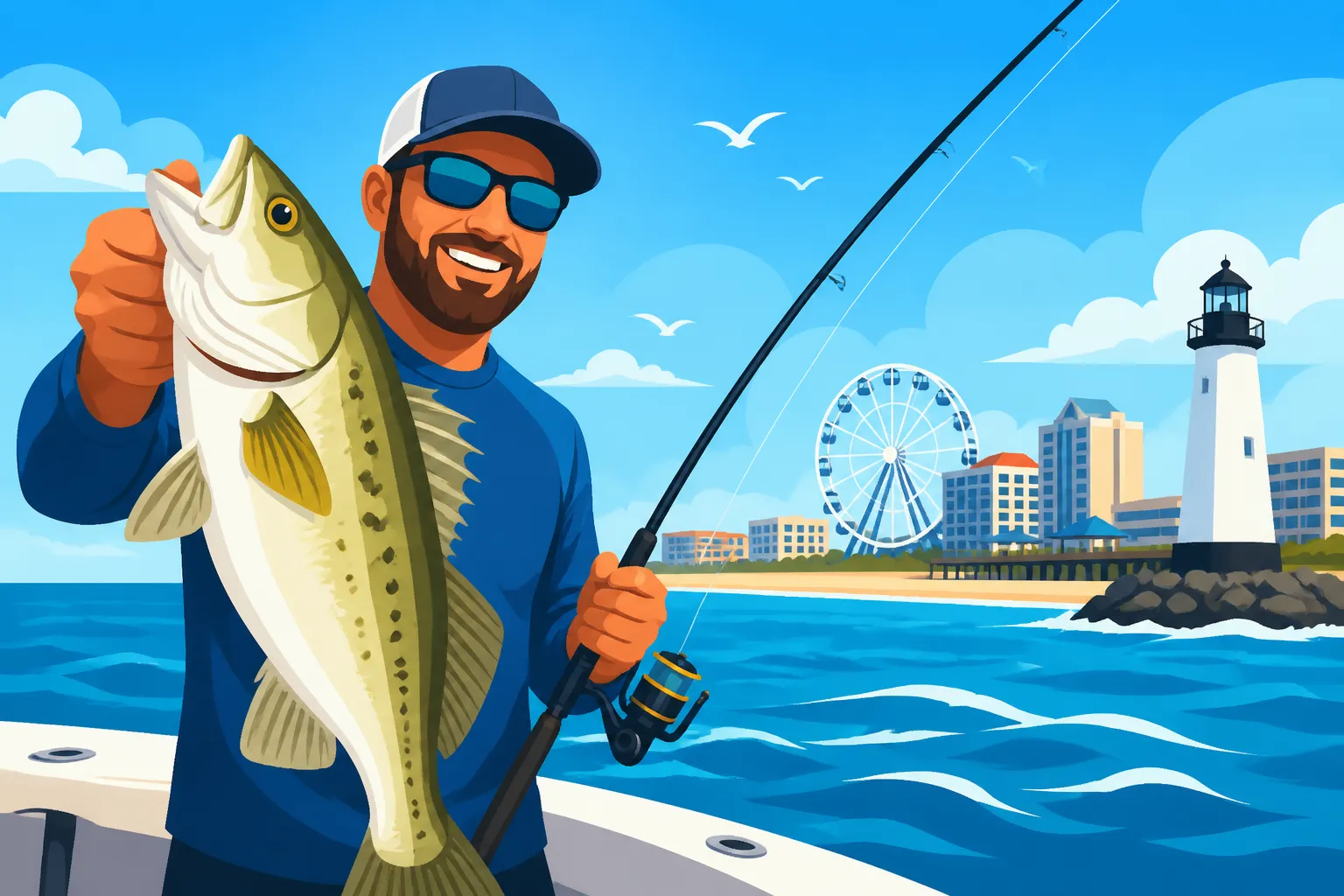
Ocean City, Maryland, with its vibrant boardwalks and endless beaches, is a fishing paradise that can feel a little daunting to navigate for newcomers or even seasoned anglers seeking a new challenge. Deciding where to cast your line, what species to target, and understanding the nuances of its diverse waters – from the quiet back bays to the churning Atlantic – can quickly become overwhelming. This comprehensive guide is designed to cut through the confusion, offering a deep dive into everything you need to know to make your Ocean City fishing trip a resounding success, no matter your experience level.
Understanding Ocean City's Diverse Fishing Landscape
Ocean City truly offers a buffet of fishing opportunities, from the tranquil shallow waters of the back bays to the deep-sea adventures far offshore. Each distinct area presents its own challenges, target species, and required techniques, making it crucial to understand the lay of the land—or, in this case, the water—before you even pack your tackle box. Many anglers get frustrated trying to apply techniques meant for the bay to the surf, or vice-versa, leading to disappointing trips. This section breaks down these distinct environments so you can choose your adventure wisely.
The Dynamic Ocean City Inlet
The Ocean City Inlet is a bustling, highly productive fishing spot, a true gateway between the Atlantic Ocean and the extensive network of back bays. This narrow, fast-moving channel acts like a funnel, concentrating baitfish and, consequently, hungry predators. It’s a favorite among local anglers because of its consistent action, but the strong currents and heavy boat traffic require a certain level of skill and awareness. From the jetties lining the inlet, anglers can experience some truly exciting fishing, often without needing a boat.
For those fishing from the shore, the jetties, particularly on the south end of Ocean City, are prime real estate. Here, you'll find anglers targeting species like striped bass (rockfish), tautog, flounder, and bluefish. The rocky structure provides excellent habitat for baitfish and crustaceans, which in turn attract larger game fish. The currents can be incredibly strong, making heavier sinkers a necessity to hold bottom. Many a rig has been lost to the unforgiving rocks, so come prepared with plenty of tackle. It's not uncommon to see anglers battling significant fish right alongside boaters passing through the channel.
Back Bay and Coastal Bay Fishing
Behind the bustling oceanfront, Ocean City is embraced by a vast system of shallow coastal bays, including the Isle of Wight Bay and Assawoman Bay, which offer a completely different fishing experience. These calmer, shallower waters are a haven for a variety of species, making them ideal for smaller boats, kayaks, or shore anglers looking for a more relaxed outing away from the ocean swells. However, their shallow nature means they are heavily influenced by tides and can warm up quickly in summer, affecting fish behavior.
The back bays are particularly renowned for flounder, especially during the warmer months. Drifting with a Gulp! or live minnow on a flounder rig is a classic and highly effective technique. White perch, croaker, and spot are also abundant, providing steady action for anglers of all ages. You might even stumble upon speckled trout or red drum, particularly in the quieter marshes and feeder creeks that branch off the main bays. For kayak anglers, these serene waters offer unparalleled access to hidden coves and grass flats where larger predators might ambush bait. Understanding the tide is paramount here; incoming or outgoing tides often concentrate bait and feeding fish along channel edges or marsh banks.
Surf Fishing the Atlantic Coast
The long, sandy stretch of Ocean City's beach offers miles of prime surf fishing territory, where anglers cast directly into the waves of the Atlantic Ocean. This is a wonderfully accessible form of fishing, requiring minimal gear compared to offshore trips, but it demands patience and an understanding of the subtle movements of the ocean. Many visitors are surprised by the variety of fish that can be caught just beyond the breaking waves, often dismissing surf fishing as only for the most dedicated.
Common catches from the surf include kingfish (whiting), spot, croaker, bluefish, and drum species (red drum and black drum). During migration periods, especially in spring and fall, striped bass can also be targeted from the beach. The key to successful surf fishing lies in reading the beach: identifying sloughs, cuts, and sandbars where fish might hold or travel. Pompano and even small sharks can also make an appearance, adding to the excitement. While many enjoy the simplicity of a basic surf rig with bloodworms or Fishbites, some serious surf casters employ heavier gear to reach deeper troughs where larger fish lurk. For more detailed information, consider checking out our guide on Surf Fishing Techniques for the Maryland Coast.
Deep Sea and Offshore Adventures
For those seeking truly large game fish and an unforgettable battle, Ocean City is a premier hub for deep-sea and offshore fishing. The continental shelf, with its dramatic canyons and rich feeding grounds, is just a boat ride away, attracting pelagic species that grow to impressive sizes. This type of fishing is typically done aboard specialized charter boats equipped for serious big-game pursuits, making it a bucket-list experience for many anglers. The sheer power of some of these fish can be exhilarating, but also incredibly demanding.
Out in the deep blue, anglers target a thrilling array of species, including tuna (yellowfin, bluefin, bigeye), mahi-mahi (dolphin), wahoo, and white or blue marlin. Billfishing in particular has earned Ocean City the nickname "White Marlin Capital of the World." The methods vary from trolling large lures or rigged baits for tuna and marlin to chunking (chumming with cut bait) for sharks and tuna. The offshore experience is not just about the catch; it’s about the journey, the camaraderie on the boat, and the sheer majesty of the open ocean. These trips are often full-day excursions, sometimes even overnight, and require a significant investment in time and money, but the rewards can be monumental. To learn more about charter options, you might look into Ocean City Maryland Offshore Charter Fishing.
Top Fishing Spots in Ocean City and the Surrounding Area
Ocean City offers a wealth of fishing locations, each with its own charm and target species. Knowing the local hotspots can significantly improve your chances of a successful day on the water. It’s about more than just casting a line; it’s about understanding the specific dynamics of each location. From popular public piers to secluded marshlands, every spot has its secrets waiting to be uncovered.
The Ocean City Fishing Pier and Nearby Jetties
The Ocean City Fishing Pier, stretching out into the Atlantic from the boardwalk, is a truly iconic spot. It's accessible to everyone, often bustling with anglers and onlookers, creating a lively atmosphere. You don't need a boat, just your rod and reel, and a basic understanding of pier etiquette. Many people find the ease of access appealing, especially those with families or without access to a boat. However, this popularity also means it can get quite crowded, particularly during peak season.
Anglers on the pier regularly catch a diverse range of fish, including kingfish, croaker, spot, bluefish, flounder, and even small sharks. During migratory runs, striped bass can also be a possibility. The pier provides access to deeper water than surf casting, allowing you to target different species. For bait, bloodworms, squid, and cut fish are common choices. Beyond the pier, the inlet jetties (concrete and rock structures) are legendary spots for serious anglers. They offer access to deeper, faster-moving water and target species like tautog (known for their strong fight and delicious meat), large striped bass, and flounder. Fishing the jetties requires sturdy footwear, a willingness to navigate rocky terrain, and careful attention to the powerful currents. It’s definitely a more physically demanding option than the pier but can yield trophy catches. For those looking for more pier options, check out our guide on Best Piers for Fishing in Ocean City Maryland.
The Ocean City Inlet and Bulkhead
The area immediately surrounding the Ocean City Inlet, including the bayside bulkhead, is a hotspot that consistently produces fish. The strong tidal currents funnel baitfish in and out of the bays, making it a prime feeding ground for predators. This location is easily accessible for shore anglers, and the constant flow of water means there's almost always something biting, making it a very popular spot. However, the currents can be quite challenging, requiring heavier tackle and careful consideration of presentation.
From the bulkhead along the bay side of the Inlet, anglers often target flounder, bluefish, and striped bass. Drifting Gulp! baits or live minnows near the bottom for flounder is a popular tactic. For bluefish and striped bass, casting metal jigs, bucktails, or soft plastics can be highly effective, especially around dawn and dusk. The rocky bottom closer to the inlet channel provides excellent cover for fish, but also a high chance of snags, so be prepared to lose some tackle. The sheer volume of boats entering and exiting the inlet means anglers need to be mindful of their casts and surroundings. It's a dynamic environment that rewards vigilance and adaptability.
Northside Park Pier
For a more family-friendly and relaxed bayside fishing experience, the pier at Northside Park is an excellent choice. Located further north in Ocean City (125th Street), it offers a calmer alternative to the bustling inlet and oceanfront. This pier is particularly well-suited for beginners and children, as the waters are generally shallower and the currents less intense. It's a fantastic spot to introduce kids to the joys of fishing without the pressure of heavy crowds or strong waves.
The primary targets here are white perch, croaker, spot, and small flounder. These panfish provide consistent action and are perfect for teaching casting and reeling techniques. Bloodworms, grass shrimp, and small pieces of squid are highly effective baits. Light tackle, such as spinning rods with 6-10 lb test line, is all you need. The park itself offers amenities like restrooms, a playground, and open spaces, making it a great destination for a full family outing. While you might not land a trophy marlin here, the consistent bites and peaceful atmosphere make it a truly enjoyable fishing spot, especially for creating lasting memories with loved ones.
Route 50 Bridge and Causeway
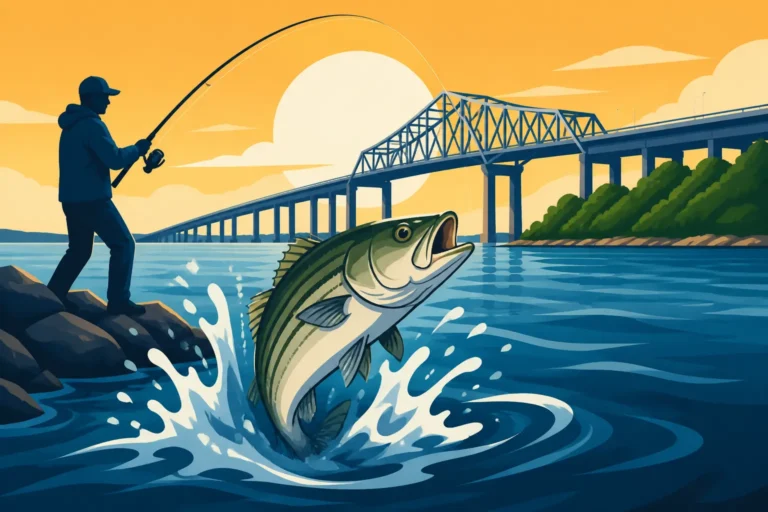
The Route 50 Bridge, spanning the Assawoman Bay and connecting Ocean City to the mainland, is another exceptional fishing location, particularly for those with small boats, kayaks, or those who can find access points along the causeway. The bridge pilings and the associated structure create excellent habitat and current breaks that attract a variety of game fish. Fishing here can be incredibly productive, but also tricky due to boat traffic and the need for precise casting. The tides here play a significant role in how and where fish will be holding.
Under and around the bridge, anglers can expect to encounter striped bass, flounder, bluefish, and tautog. Live lining spot or eels around the pilings is a deadly method for larger striped bass. Jigging with bucktails or soft plastics can also produce good results, especially when fish are feeding actively on bait schools. For flounder, drifting Gulp! or live minnows through the channels and around the bridge structure is key. Fishing around bridge pilings often means dealing with strong currents, so heavier jigs and sinkers are often required. Safety is paramount here due to the proximity of boat traffic and potentially slippery surfaces if fishing from land near the bridge.
Offshore Canyons and Reefs
Venturing beyond the immediate coastal waters, Ocean City's offshore canyons and artificial reefs represent the pinnacle of big-game fishing. These structures, deep underwater, create complex ecosystems that attract a wide array of pelagic and demersal species. This is where serious anglers chase their dreams of landing truly massive fish, often requiring specialized gear and expert guidance from a seasoned charter captain. The sheer scale of these environments and the fish they hold is awe-inspiring.
The numerous canyons, such as Poorman's Canyon, Washington Canyon, and Baltimore Canyon, are renowned for their incredible tuna fishing (yellowfin, bluefin, bigeye), mahi-mahi, wahoo, and billfish (white and blue marlin). Trolling with high-speed lures or rigged ballyhoo is the most common method. The artificial reefs, constructed from materials like old subway cars and military vehicles, create habitat closer to shore for species such as black sea bass, tautog, and flounder. Bottom fishing with bait or jigs over these reefs can be incredibly productive. Booking a trip with a reputable charter boat, perhaps through a platform like FishingBooker, is almost a necessity for these excursions, as they provide the specialized vessels, gear, and expertise needed to safely and successfully navigate these waters and target these powerful fish. Our Ocean City Maryland Offshore Tuna and Marlin Charters article dives deeper into this exciting world.
Target Species and Best Times to Fish
Knowing what you're likely to catch and when to catch it can dramatically increase your success rate in Ocean City. The local fishery is highly seasonal, with different species making appearances throughout the year based on water temperatures, spawning migrations, and bait availability. Many anglers arrive hoping for a specific fish only to find it's not the right season, leading to disappointment. This section will help you align your expectations with the realities of the water.
Striped Bass Rockfish
Striped bass, affectionately known as rockfish in Maryland, are arguably the most sought-after game fish in Ocean City. They offer a powerful fight and are a true challenge for any angler. Their presence is highly seasonal, dictated by their migratory patterns along the Atlantic coast. Understanding these movements is key to intercepting them.
Spring Run (Late April – Early June): The spring sees larger migratory striped bass moving north along the coast after spawning. During this time, anglers target them from the surf, the inlet, and from boats just offshore. Trolling large Mojos or parachutes can be effective from boats, while surf anglers often use large plugs, poppers, or bait like fresh bunker. This is often referred to as the "trophy season," where anglers hope to land truly massive fish before they enter the Chesapeake Bay to spawn. However, specific regulations, such as slot limits and season dates, vary and are crucial to follow. Make sure to consult the current Maryland Striped Bass Season and Rockfish Rules before heading out.
Fall Run (September – December): The fall migration is another prime time for striped bass, as they move south along the coast, feeding heavily before winter. This can be an incredibly productive period, with fish often schooling up and actively chasing bait. The inlet, jetties, and nearshore ocean are all excellent spots. Casting topwater lures or soft plastics can lead to explosive strikes when fish are busting bait on the surface. Chunking with fresh bunker is also a highly effective method from boats or stable piers. The action can be fast and furious, providing some of the most exciting fishing of the year.
Flounder
Flounder are a consistent and popular target in Ocean City, particularly for those fishing the back bays and the inlet. They are delicious to eat and offer a satisfying fight, making them a favorite among family anglers and seasoned veterans alike. Their flat, camouflaged bodies allow them to ambush prey from the bottom, so presentation is key.
Summer (May – September): Summer is prime flounder season. The warmer waters of the back bays, like the Isle of Wight Bay and Assawoman Bay, become teeming with these tasty flatfish. Drifting with minnows, strips of squid, or artificial baits like Gulp! on a bottom rig is the go-to technique. Look for them in channels, around docks, bridge pilings (like the Route 50 bridge), and over grass beds. Incoming and outgoing tides are usually the most productive, as the moving water concentrates bait. Many anglers find that the earlier morning or later evening hours offer the best bites when boat traffic is lower.
Fall (September – October): As water temperatures begin to drop in the fall, flounder start to migrate out of the back bays and towards the ocean. This can be an excellent time to target larger "doormat" flounder in the deeper channels of the inlet and nearshore ocean. The bite can be aggressive as they feed heavily before their offshore wintering grounds. You might find them concentrated in specific areas, so moving around and covering water can be beneficial. Always be aware of the Maryland Flounder Size Limit, as regulations are frequently updated to protect the fishery.
Bluefish
Bluefish are known for their aggressive nature, sharp teeth, and powerful runs, making them an exciting catch. They are often found in large schools, creating exhilarating "blitzes" where they relentlessly chase baitfish on the surface. Their presence in Ocean City can be highly unpredictable but always thrilling.
Summer and Fall (June – October): Bluefish are abundant in Ocean City's waters throughout the warmer months, often moving into the back bays, the inlet, and along the surf line. They are opportunistic feeders and will strike a wide variety of lures and baits. Casting metal jigs, poppers, and Gotcha Plugs from piers, the surf, or the inlet jetties can be incredibly effective, especially when you see birds diving, indicating a feeding frenzy. Cut bait, particularly bunker or mullet, also works well. Be sure to use a wire leader or heavy monofilament leader, as their razor-sharp teeth can easily cut through lighter lines. They are not as popular for eating as flounder or rockfish, but their fighting spirit is undeniable.
Black Sea Bass
Black sea bass are a staple for bottom fishermen off Ocean City's coast. They are known for their excellent table fare and provide consistent action, particularly for those venturing out on head boats or private charters to deeper waters. Their distinct dark coloring and small, spiny dorsal fins make them easily identifiable.
Summer and Fall (May – December): Black sea bass are primarily found over artificial reefs, wrecks, and rocky bottoms in the ocean. While they can be caught year-round, the warmer months generally offer the most consistent fishing. Anglers often target them using bottom rigs baited with clam, squid, or cut fish. Jigging with small metal jigs or soft plastics can also be very effective. Many anglers participate in Ocean City Maryland Inshore Flounder Charters or head boat trips specifically designed to target these delicious fish. The key is to find structure, as sea bass are ambush predators that relate closely to cover. Electronics like fishfinders are invaluable for locating their preferred habitats.
Tuna (Yellowfin, Bluefin, Bigeye)
For the ultimate offshore challenge, tuna fishing out of Ocean City is a world-class experience. These powerful pelagic fish are migratory and require venturing far into the Atlantic, often to the edges of the continental shelf and beyond. This is not for the faint of heart, as tuna can put up an epic fight that tests both angler and gear to their limits.
Summer and Fall (June – October): The primary tuna season in Ocean City runs through the warmer months, with yellowfin, bluefin, and bigeye tuna being the main targets. Yellowfin are perhaps the most common, offering blistering runs and sustained battles. Bluefin are known for their immense power and size, while bigeye are highly prized for their exceptional meat quality. Anglers typically troll various lures, natural baits (like ballyhoo), or chunk with butterfish and sardine. The "canyons" – Poorman's, Baltimore, Washington – are legendary spots for these species. These trips are almost exclusively done on specialized offshore charter boats, and booking well in advance is highly recommended. Platforms like FishingBooker can help you find reputable charters that specialize in tuna fishing, ensuring you have the right boat and crew for this demanding pursuit. For more on this, check out Ocean City Maryland Offshore Tuna and Marlin Charters.
Essential Gear and Techniques for Ocean City Fishing
Having the right gear and knowing the most effective techniques are paramount to a successful fishing trip in Ocean City. The varied environments demand adaptability, and what works wonders in the calm back bays might be completely useless in the roaring surf. Many beginners struggle by using inappropriate tackle, leading to lost fish and frustration. This section will guide you through the essentials, from basic setups to more specialized approaches.
General Pier and Shore Fishing Setup
For general pier and shore fishing, a versatile setup will serve you well. You don't need highly specialized equipment to enjoy the action, but a balanced approach will yield the best results. The biggest frustration here is often casting distance and dealing with snags.
A medium-heavy spinning rod, around 7 to 9 feet in length, paired with a reliable spinning reel (size 4000-6000) spooled with 20-30 lb braided line, is an excellent all-around choice. Braid offers superior casting distance and sensitivity, which is crucial when fishing from a pier or the beach. Tie a 20-30 lb fluorocarbon or monofilament leader (2-3 feet) to your main line with a strong knot like an FG knot or an Albright knot.
For bottom fishing from a pier, a classic high-low rig or a simple bottom rig with a pyramid or Sputnik sinker (2-4 oz, depending on current) and two snelled hooks (size 1/0 to 3/0) is highly effective for catching spot, croaker, kingfish, and even flounder. Bait with bloodworms, squid, or Fishbites. For casting lures, a variety of metal jigs (like Kastmasters), Gotcha Plugs, or soft plastics on jig heads will entice bluefish and striped bass. Remember to bring pliers, a knife, a tape measure, and a cooler for your catch.
Surf Fishing Specifics
Surf fishing presents its own unique set of challenges and requires a more robust setup to handle the elements and casting distance needed to reach feeding fish beyond the breakers. The constant salt spray and sand can be brutal on gear, so durable, corrosion-resistant equipment is a must.
A longer, heavy-action surf rod, typically 10 to 12 feet, is ideal for casting heavy weights and baits into the ocean. Pair this with a large, sealed spinning reel (size 8000-12000) spooled with 30-50 lb braided line. A shock leader of 50-80 lb monofilament (twice the length of your rod) is essential to absorb the casting shock from heavy weights and prevent snap-offs.
Pyramid or Sputnik sinkers (3-6 oz) are key to holding your bait in place against the waves and current. Popular rigs include a Pompano rig, a standard two-hook dropper rig, or a fish-finder rig with a single hook. Baits such as sand fleas, bloodworms, Fishbites, fresh bunker, or mullet chunks are effective for different species. Don't forget a sand spike to hold your rod, a surf bag for tackle, and waders if you plan to get into the water to cast further. Understanding how to read the beach for sloughs and sandbars will greatly improve your success. Dive deeper into this topic with our Surf Fishing Techniques for the Maryland Coast guide.
Back Bay and Flounder Fishing Tactics
Fishing the shallower back bays and targeting flounder requires a lighter, more finesse-oriented approach compared to the heavy gear used for surf or offshore fishing. Precision and presentation often outweigh brute force in these calmer waters. Overpowering tackle can actually deter bites in clear, shallow conditions.
A medium-light to medium-action spinning rod, 6 to 7 feet long, paired with a 2500-3000 size spinning reel spooled with 10-15 lb braided line, is perfect for back bay fishing. A 15-20 lb fluorocarbon leader is recommended for its invisibility underwater.
For flounder, the most common and effective technique is drifting with a bucktail jig tipped with a Gulp! shrimp or minnow, or a traditional flounder rig with a live minnow or strip of squid. Keep your bait on or very near the bottom, slowly bouncing or dragging it along. Target channel edges, grass flats, and around docks and bridge pilings (like those under the Route 90 bridge). The key is to cover ground and present your bait naturally. Many anglers use kayaks or small boats to access prime flounder grounds in areas like the Isle of Wight Bay.
Offshore Charter Fishing Preparations
If you're heading out on an offshore charter, much of the specialized gear will be provided by the boat, but understanding what to bring and how to prepare will make your trip much more enjoyable and successful. It’s an investment, so maximizing your comfort and readiness is key.
What the Charter Provides: Reputable charters, which you can easily find on platforms like FishingBooker, will supply high-quality rods, reels, tackle, and often bait suitable for the target species (tuna, marlin, mahi-mahi). They also have experienced crews who will rig your lines, assist with fighting fish, and gaff/net your catch. They handle the complex navigation and locating of fish.
What You Should Bring:
- Sun Protection: Sunscreen (reef-safe if possible), wide-brimmed hat, polarized sunglasses, long-sleeved UPF clothing. The sun's reflection off the water can be intense.
- Rain Gear: Even on sunny forecasts, pop-up showers can occur offshore. A lightweight, waterproof jacket and pants are invaluable.
- Cooler: Bring a cooler with plenty of ice for your drinks and snacks. If you catch fish you plan to keep, bring an additional cooler (empty) for your fillets. Confirm with your captain if they offer fish cleaning services.
- Food and Drinks: Pack more than you think you'll need, especially on full-day trips. Hydration is crucial.
- Medication: If prone to seasickness, take preventative medication well before the trip as directed.
- Camera: To capture those epic catches!
- Soft-soled Shoes: Non-marking, comfortable shoes with good grip are essential for safety on a wet, moving boat deck.
- Gratuity: It is customary to tip the mate and captain, usually 15-20% of the trip cost. This can be a significant amount for offshore trips, so plan accordingly. Refer to How Much to Tip a Maryland Fishing Charter Mate for more specifics.
Techniques on a Charter: Listen to your captain and mate! They are experts in their field and will guide you on how to properly set lines, detect bites, and fight large fish. Whether trolling, chunking, or bottom fishing, they will provide real-time instruction tailored to the conditions and target species.
Regulations and Licensing in Ocean City
Navigating fishing regulations in Maryland, particularly in a diverse area like Ocean City that spans both tidal bays and the Atlantic Ocean, can be complex. Ignorance of the rules is never an excuse, and violating them can lead to significant fines and penalties. Many anglers assume a general license covers everything or that rules are consistent across all species and locations, which is a common misconception that can land you in trouble. It’s absolutely critical to stay informed, as regulations for species like striped bass, flounder, and sea bass are frequently updated by the Maryland Department of Natural Resources (DNR).
Maryland Fishing License Requirements
Before you even think about casting a line in Ocean City, you need to ensure you have the appropriate Maryland fishing license. This applies to most anglers over a certain age, whether you're fishing from a pier, the surf, a boat in the back bays, or even a charter (though charter boats have specific rules that often cover passengers).
Tidal vs. Nontidal: Ocean City is predominantly tidal water, encompassing the back bays, the inlet, and the Atlantic Ocean. For these waters, you will need a Maryland Bay & Coastal Sport Fishing License. If your trip extends into any freshwater or nontidal sections of rivers or lakes further inland, you would need a Nontidal Fishing License, or a Consolidated Sport Fishing License that covers both. However, for most typical Ocean City fishing, the Bay & Coastal license is what you'll need.
Age Exemptions: Generally, children under the age of 16 do not need a fishing license in Maryland. This is a great perk for families wanting to introduce kids to fishing without extra cost. Seniors also have specific licensing options. You can find more details on Do Kids Need a Fishing License in Maryland?.
How to Purchase: Licenses can be purchased online through the Maryland DNR COMPASS portal, at various tackle shops and sporting goods stores in Ocean City, or by mail. Buying it online is often the most convenient option, allowing you to print a temporary license immediately. It's always a good idea to carry a physical or digital copy of your license while fishing. Our guide on How to Buy a Maryland Fishing License provides a step-by-step process.
Understanding Catch and Size Limits
Beyond just having a license, adhering to catch and size limits is paramount. These regulations are put in place to manage fish populations sustainably and ensure healthy fisheries for future generations. Ignoring these rules can lead to overfishing and harm the very resource we all enjoy.
Species-Specific Rules: Almost every popular target species in Ocean City has specific regulations.
- Striped Bass (Rockfish): These rules are among the most frequently updated and complex. They often involve slot limits (e.g., you can only keep fish within a certain size range, like 19-24 inches), daily bag limits (how many fish you can keep per day), and specific open/closed seasons, which can vary by water body (e.g., ocean vs. bay). For example, there might be Maryland Rockfish Slot Limit Explained which is critical to understand.
- Flounder: Flounder typically have a minimum size limit and a daily creel limit. This often changes based on regional stock assessments.
- Black Sea Bass: Similar to flounder, sea bass usually have minimum size and daily bag limits, and sometimes specific seasons when they can be harvested.
- Bluefish: While bluefish limits are generally more generous, they still exist.
- Invasive Species: Maryland has specific rules for invasive species like blue catfish and snakehead. For instance, there's often no size or creel limit on blue catfish, and anglers are strongly encouraged to harvest them. Similarly, Maryland Snakehead Fishing Rules usually mandate that you do not release a live snakehead.
Consult the Maryland DNR: The most reliable and up-to-date source for all regulations is the official Maryland DNR website or their annual fishing guide. Regulations can change mid-season, so always double-check before heading out. Don't rely on old information or hearsay. Many local tackle shops will also have current regulations posted and can answer questions.
Recreational Crab Pot and Other Gear Rules
While this guide focuses on fishing, it's worth noting that many anglers combine fishing with crabbing in Ocean City's back bays. If you plan to deploy recreational crab pots, trotlines, or other crabbing gear, specific licenses and regulations apply.
Crabbing Licenses: Recreational crabbing usually requires a separate crabbing license or a combination fishing/crabbing license. There are also specific rules about the number of crab pots you can use, float colors, and how to mark your gear. For instance, there are often Maryland Recreational Crab Pot Limit Per License regulations to prevent overharvesting.
Hook Regulations: Certain areas or species might have specific hook regulations. For example, some trout streams require barbless hooks. While less common in tidal saltwater, it's always good to be aware that such specific rules can exist. Always check if there are any special terminal tackle requirements for the species you are targeting.
Booking Charters and Guides in Ocean City
For many, the best way to experience the incredible fishing opportunities in Ocean City is by booking a charter or hiring a guide. This is especially true for offshore trips or if you're unfamiliar with the local waters. However, choosing the right charter and understanding what's included can be a source of anxiety for first-timers. This section aims to demystify the process and help you select the perfect fishing adventure.
Why Choose a Charter or Guide?
Hiring a professional charter captain or fishing guide offers numerous advantages, particularly in a diverse and sometimes challenging environment like Ocean City. While it costs more than fishing from shore, the investment often pays off in knowledge, safety, and success. Many anglers feel overwhelmed by the sheer size of the bay or ocean, or the complexities of targeting specific species.
Expertise and Local Knowledge: Local captains and guides possess invaluable knowledge of the local waters, including hot spots, current conditions, migratory patterns, and the most effective techniques. They spend countless hours on the water, tracking fish movements and adapting to changing conditions. This expertise significantly increases your chances of a successful and productive trip. They know where the fish are hiding, even when conditions are tough.
Specialized Equipment: Charter boats are typically equipped with top-of-the-line rods, reels, tackle, and advanced electronics (fish finders, GPS, radar). They also carry all the necessary safety gear. This means you don't need to invest in expensive equipment yourself, especially for offshore big-game fishing.
Safety: Professional captains are licensed by the U.S. Coast Guard and are trained in first aid and safety procedures. They operate seaworthy vessels and prioritize the safety of their passengers above all else, which is crucial when venturing into the open ocean.
Convenience: All you typically need to do is show up with your personal items (food, drinks, sunscreen). The captain and crew handle the bait, rigging, navigation, and fish cleaning. This allows you to focus solely on the fishing experience.
Types of Charters Available
Ocean City offers a range of charter options to suit different budgets, group sizes, and fishing preferences. Understanding the distinctions will help you pick the best fit for your trip.
Private Charters: These involve booking the entire boat for your private group (typically 1-6 passengers, though larger boats can accommodate more). Private charters offer the most personalized experience, allowing you to choose the target species, fishing style, and schedule (within reason). They are ideal for families, groups of friends, or corporate outings. Prices vary significantly based on boat size, duration (half-day vs. full-day), and target species. For a small group, the cost per person can be very reasonable. You can research various options and book directly with captains through platforms like FishingBooker, which provides detailed listings and reviews. Our guide on Maryland Chesapeake Bay Fishing Charters, What to Expect offers a broader look at charter fishing.
Head Boats or Party Boats: These are larger vessels that take individual anglers or small groups, sharing the cost with many other passengers. They typically offer a more budget-friendly option and are excellent for beginners or solo anglers. Head boats usually target bottom fish (like black sea bass, flounder, or croaker) on nearshore wrecks and reefs. While you share the boat, they often provide a lively, social atmosphere. They depart at set times and have a predetermined fishing plan.
Specialized Guides: Beyond traditional charters, you can find guides specializing in particular types of fishing, such as light tackle bay fishing for striped bass and bluefish, or even kayak fishing guides for the back bays. These guides often focus on specific techniques or harder-to-reach areas, offering a more intimate and educational experience.
What to Expect and How to Book
Booking a charter is generally a straightforward process, but a few considerations can help ensure a smooth experience.
Research and Reviews: Start by researching reputable charter companies or independent captains. Online platforms like FishingBooker are excellent resources, providing photos, descriptions, pricing, availability, and crucial customer reviews. Pay attention to what past clients say about the captain's demeanor, the crew's helpfulness, the condition of the boat, and their fishing success.
Contact and Inquire: Once you've narrowed down your choices, contact the captain or booking agent. Discuss your preferences: target species, group size, experience level, and desired trip duration. Be clear about your expectations. Ask about what's included (bait, tackle, fish cleaning) and what you need to bring. Inquire about their cancellation policy, especially for weather-related issues. You might find answers to questions like What Happens If a Charter Is Canceled Due to Weather?.
Deposit and Confirmation: Most charters require a deposit to secure your booking. Make sure you receive a confirmation that details the date, time, cost, and meeting location.
Day of the Trip: Arrive at the dock on time, ready for your adventure. Listen carefully to the captain's safety briefing and the mate's instructions. Be respectful of the crew and other passengers. And most importantly, have fun! Remember, while captains work hard to find fish, fishing is never a guarantee. Enjoy the experience, the scenery, and the company.
| Fishing Location | Primary Target Species | Pros | Cons | Best For |
|---|---|---|---|---|
| Ocean City Inlet | Striped Bass, Flounder, Tautog, Bluefish | Consistent action, diverse species, shore access | Strong currents, heavy boat traffic, crowded | Experienced shore anglers, boaters |
| Back Bays (e.g., Isle of Wight) | Flounder, White Perch, Croaker, Spot, Speckled Trout | Calm waters, family-friendly, kayak access | Shallower, tide-dependent, can get crowded | Families, kayak anglers, light tackle |
| Ocean City Fishing Pier | Kingfish, Croaker, Spot, Bluefish, Flounder, Small Sharks | Very accessible, no boat needed, social atmosphere | Can be crowded, some specific rules, limited range | Beginners, families, casual anglers |
| Atlantic Surf | Kingfish, Bluefish, Drum, Striped Bass, Spot | Accessible, serene, can yield large fish | Requires patience, specialized gear for distance, elements | Dedicated surf casters, solitude seekers |
| Offshore Canyons/Reefs | Tuna, Marlin, Mahi-Mahi, Wahoo, Black Sea Bass | Trophy fish, exciting battles, unique experience | Expensive, long trips, requires charter, weather dependent | Serious big-game anglers, bucket-list trips |
Final Thoughts and Responsible Angling
Ocean City truly is a gem for anglers, offering a spectrum of experiences from peaceful pier fishing to exhilarating offshore battles. It's a place where memories are made, whether you're teaching a child to cast their first line or landing the fish of a lifetime. However, with such a popular and productive fishery comes the responsibility to ensure its health and sustainability for future generations.
Practicing responsible angling means more than just following the rules; it means being a good steward of the environment. Always dispose of trash properly, minimize your impact on fragile ecosystems like marsh grass, and release fish carefully if you're not keeping them (especially if they are undersized or out of season). Understanding Maryland Catch and Release Rules During Closed Seasons is essential for responsible practice. Consider using circle hooks when bait fishing to reduce gut hooking, and always respect private property and fellow anglers.
By understanding the diverse environments, target species, necessary gear, and critical regulations, you're well on your way to a fantastic fishing adventure in Ocean City. So pack your bags, grab your rods, and get ready to experience some of the best fishing the Mid-Atlantic has to offer. Tight lines!
Disclaimer
Please note that fishing regulations, including licensing requirements, size limits, and creel limits, are subject to change by the Maryland Department of Natural Resources (DNR). While we strive to provide the most accurate and up-to-date information, it is always the angler's responsibility to verify current regulations before engaging in any fishing activity. Consult the official Maryland DNR website or their latest fishing guide for the most current rules and updates. This article is for informational purposes only and does not constitute legal advice.