Ocean City Maryland Offshore Charter Fishing
There's nothing quite like the dream of heading out past the sight of land, far into the deep blue Atlantic, chasing after those truly magnificent offshore species that Ocean City, Maryland, is famous for. But for many, especially those who haven't experienced it before, the world of offshore charter fishing can feel a little daunting, confusing, and maybe even a bit overwhelming to navigate. You're probably wondering what it's really like, what you'll catch, how much it costs, and how on earth you pick the right boat from all the options. Well, breathe easy! This comprehensive guide is here to unravel all the mysteries and help you plan your unforgettable offshore fishing adventure out of Ocean City.
The Allure of Ocean City Offshore Charter Fishing
Ocean City, Maryland, isn't just a bustling boardwalk and sandy beaches; it's a legitimate powerhouse in the world of East Coast offshore fishing. Anglers from all over flock here for a shot at some truly epic catches, far from the calmer, shallower waters of the bays and nearshore wrecks. The allure is undeniable – the thrill of the chase, the sheer power of a big tuna or marlin on the line, and the vast, open ocean stretching before you. It's an experience that’s a world apart from your typical pier or bay fishing trip.
What Makes Ocean City a Prime Offshore Destination?
Ocean City's unique geographical location is a huge part of its charm as an offshore fishing haven. We're situated quite close to the continental shelf, where the ocean floor drops dramatically into much deeper waters. This abrupt change in depth creates upwellings and currents that bring nutrient-rich waters to the surface, forming a veritable buffet for baitfish. And where there's bait, you can bet the bigger, more sought-after game fish will follow.
Beyond the natural geography, Ocean City boasts a well-developed and experienced charter fleet. These captains and crews live and breathe offshore fishing, possessing generations of knowledge about the canyons, wrecks, and hotspots where various species congregate throughout the seasons. They've invested heavily in top-tier boats, tackle, and electronics, all designed to get you to the fish safely and efficiently. This combination of prime natural conditions and professional expertise makes Ocean City a fantastic jump-off point for deep-sea adventures.
Understanding Offshore vs. Inshore Fishing from OC
It’s crucial to understand the difference between offshore and inshore fishing, especially when booking a trip out of Ocean City. Inshore fishing generally refers to targeting species within the bay, near the inlet, or just a few miles off the beach in relatively shallow water. Think flounder, tautog, sea bass on wrecks, or even some smaller striped bass. These trips are typically shorter, less expensive, and involve calmer waters.
Offshore fishing, on the other hand, means heading way out, often 30 to 100 miles or more, into the deep blue beyond the continental shelf. This is where you chase the big pelagic species like tuna and marlin, or drop lines deep for tilefish and groupers. These trips are longer, more physically demanding, and involve navigating true ocean conditions. The boats are larger, specifically designed for rougher seas and extended runs. While an inshore trip might be a few hours, an offshore trip is typically a full-day commitment, or even an overnight canyon trip. Knowing this distinction helps you manage expectations and choose the right adventure for your group. Ocean City Maryland Inshore Flounder Charters are a completely different ballgame, offering a more relaxed experience closer to shore.
What You Can Expect to Catch Offshore from Ocean City
The variety of fish you can target offshore from Ocean City is truly astounding, ranging from hard-fighting game fish that will test your endurance to delicious bottom dwellers perfect for a family dinner. The target species often dictate the type of trip you book and the time of year you go.
Targeting Pelagic Powerhouses: Tuna, Marlin, and Dolphin
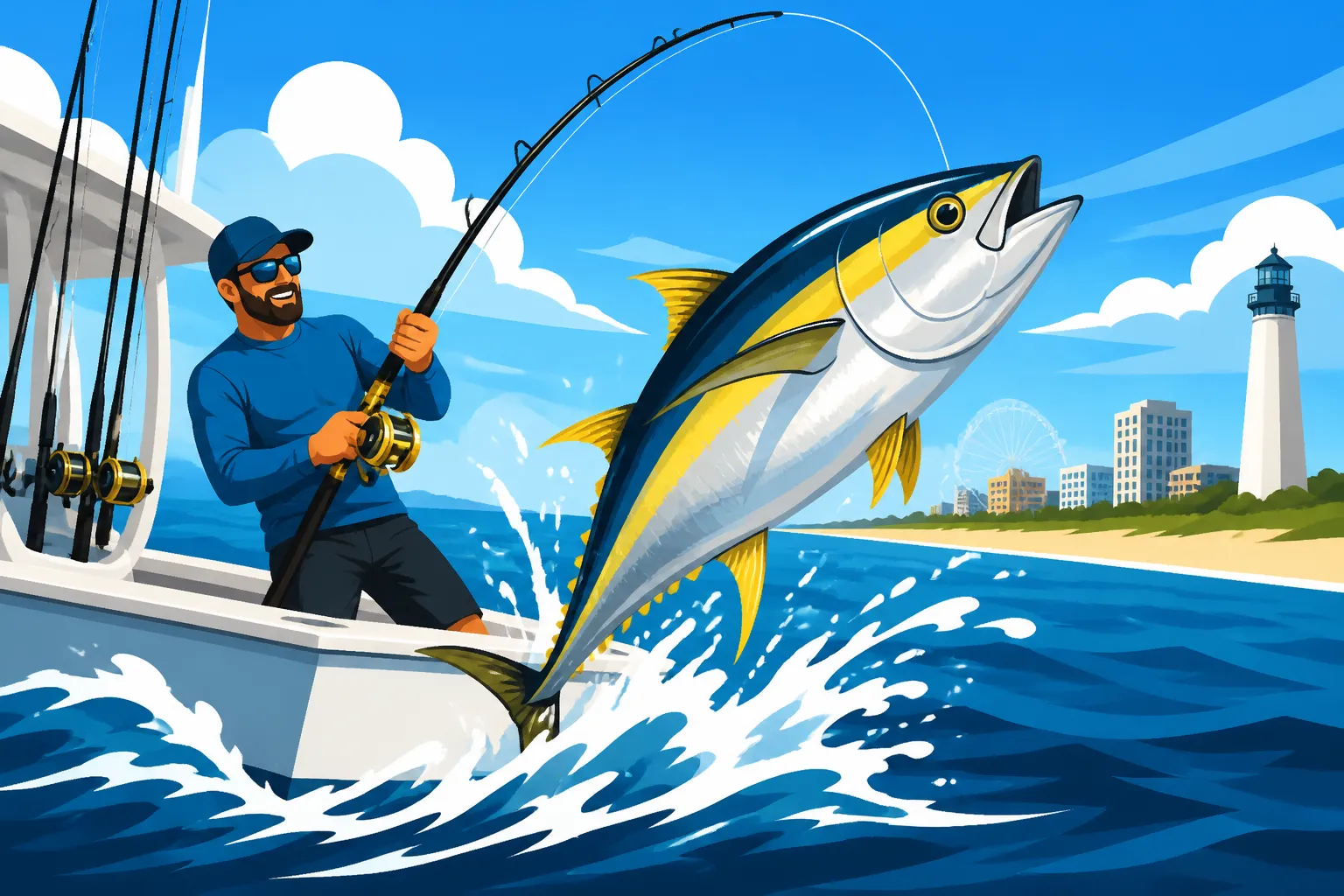
These are the superstars of the offshore world, the fish that draw anglers from far and wide. The canyons off Ocean City are world-renowned for their populations of various tuna species, including yellowfin, bigeye, and sometimes even bluefin. Hooking into a tuna is an epic battle of strength and will, with these fish making blistering runs and deep dives. Marlin, both white and blue, are also highly sought after, known for their incredible aerial displays when hooked. Catching a marlin is often considered the pinnacle of offshore sportfishing, a true trophy.
Then there's mahi-mahi, often called dolphin fish (not the mammal!). These colorful, acrobatic fish are not only a blast to catch on lighter tackle but are also absolutely delicious on the dinner plate. They're often found around floating debris or weed lines in warmer waters, making them a common and exciting bycatch during tuna and marlin trips. What Species Do Ocean City Offshore Charters Target? often focuses on these magnificent pelagic species, particularly during peak summer months.
Bottom Fishing for Deepwater Delights: Tilefish and Groupers
While many associate offshore with trolling for big game, there's also a fantastic deep-dropping fishery from Ocean City. If you're looking for a different kind of challenge and some truly unique table fare, targeting tilefish (golden and blueline) and various deepwater groupers can be incredibly rewarding. These fish inhabit the deep canyons and submarine structures, requiring specialized electric reels and heavy lead to reach their depths, often 600 to 1,000 feet or more!
The bite can be subtle at such depths, but when you hook into one, it's a unique fight bringing them up from the abyss. The reward is a cooler full of some of the finest eating fish the ocean has to offer. This type of trip is less about adrenaline-pumping runs and more about the satisfaction of precision fishing and harvesting delicious, exotic species. It's a great option for those who enjoy a steadier, more focused fishing experience.
Other Notable Offshore Species
Beyond the big three pelagics and deepwater bottom fish, you might encounter a variety of other exciting species on an offshore trip. Wahoo are incredibly fast, toothy predators that will shred tackle if you're not prepared, offering a thrilling fight and excellent eating quality. Swordfish, typically targeted at night in the deep canyons, are another apex predator, known for their powerful broadbill and relentless fighting spirit.
Sometimes, depending on how far out you are, you might even cross paths with larger sharks. While most charters don't specifically target them on traditional offshore trips, a Mako or Thresher shark can certainly surprise you. Sharks Found Near Assateague Island, Maryland are a good example of how diverse the marine life is even closer to shore, but the offshore environment brings even larger pelagic shark species into play. The ocean is full of surprises, and every trip can yield something unexpected, adding to the excitement.
| Species Targeted | Best Season | Typical Fishing Method | Average Size Range | Notes |
|---|---|---|---|---|
| Yellowfin Tuna | Late Spring – Fall | Trolling, Chunking, Jigging | 30-100 lbs | Excellent table fare, strong fighter |
| Bigeye Tuna | Summer – Fall | Trolling, Chunking, Jigging | 100-300+ lbs | Powerful, highly prized, often night bite |
| White Marlin | Summer – Early Fall | Trolling with ballyhoo | 50-100 lbs | Iconic sportfish, incredible acrobatics |
| Blue Marlin | Summer – Early Fall | Trolling large lures | 200-800+ lbs | Ultimate trophy, rare but spectacular |
| Mahi-Mahi (Dolphin) | Summer – Early Fall | Trolling, Casting | 5-30 lbs | Colorful, acrobatic, delicious |
| Wahoo | Late Summer – Fall | High-speed trolling | 30-80 lbs | Fast, toothy, great eating |
| Golden Tilefish | Year-round (weather permitting) | Deep dropping | 10-30 lbs | Deepwater bottom fish, gourmet |
| Blueline Tilefish | Year-round (weather permitting) | Deep dropping | 5-15 lbs | Smaller cousin, also delicious |
| Swordfish | Year-round (night trips) | Deep dropping | 50-300+ lbs | Highly prized, unique night fishery |
Planning Your Ocean City Offshore Charter Adventure
A successful offshore fishing trip isn't just about showing up at the dock; it requires thoughtful planning and realistic expectations. From picking the right season to understanding the nuances of different trip durations, a little homework goes a long way in ensuring an enjoyable and productive experience.
Deciphering the Best Time of Year for Offshore Species
The peak offshore fishing season in Ocean City generally runs from late spring through early fall. This is when the warmer waters push up the coast and into the canyons, bringing with them the migratory pelagic species.
- Late Spring (May-June): This is often when the first yellowfin tuna start showing up, and some bluefin can be found. It’s a great time before the summer crowds, though the weather can still be a bit unpredictable.
- Summer (July-August): This is prime time for white marlin, mahi-mahi, and yellowfin tuna. The canyons are alive, and the weather is generally more stable. However, it's also the busiest time, so booking well in advance is crucial. You'll often see charters running out to the canyons in pursuit of these species.
- Early Fall (September-October): Many consider this the absolute sweet spot. The weather starts to cool, but the water temperatures are still ideal for tuna, marlin, and wahoo, which often become more aggressive as they feed up for winter. The crowds thin out, and often, some of the biggest fish of the season are caught during this period.
- Winter (November-April): Offshore fishing is extremely limited in winter due to weather conditions. Some charters might target deepwater species like swordfish or tilefish on rare, calm days, but it's not a common recreational fishery during these colder months.
Understanding these seasonal patterns will help you align your trip with your target species. For instance, if a white marlin is on your bucket list, aiming for July through September gives you the best odds. Best Time of Year to Fish in Maryland provides a broader overview, but for offshore, these seasonal windows are key.
Half-Day vs. Full-Day vs. Canyon Trips: Choosing Your Expedition Length
Your choice of trip length will significantly impact what you can target and the overall experience.
- Half-Day Trips (4-6 hours): These are generally not an option for true offshore fishing in Ocean City. The run out to the canyons and back can take several hours alone, making half-day trips impractical for deep-sea species. Half-day options are almost exclusively for inshore or nearshore wrecks, targeting species like flounder or sea bass. Don't let a charter promise an "offshore half-day" unless you're explicitly clear on what "offshore" means to them – it might just be a few miles out, not the true deep sea.
- Full-Day Trips (10-14 hours): This is the bread and butter of Ocean City offshore fishing. A full day allows enough time to make the run to the canyons (typically 2-3 hours each way), troll for several hours, and then make the long journey back. This is your best bet for targeting tuna, mahi-mahi, and marlin. It's a long, exhilarating day, often starting before dawn and returning in the late afternoon or early evening. Expect to be on the water for a significant amount of time. How Long Is a Typical Ocean City Tuna Charter? is definitely a full-day commitment.
- Canyon or Overnight Trips (18-30+ hours): For the truly hardcore angler, overnight trips to the canyons offer an immersive experience. These trips maximize fishing time, allowing for both day and night fishing for species like swordfish and bigeye tuna, which often feed actively after dark. You’ll anchor up or drift in the canyons, enjoying the starry sky far from shore. These trips are the most expensive, most physically demanding, and generally best suited for experienced anglers who know they can handle extended periods at sea. They offer the highest potential for trophy catches and a truly unique adventure.
Consider your group's stamina, budget, and desired targets when making this critical decision. Don't underestimate the physical toll of a full day offshore.
Private Charters vs. Head Boats: Finding Your Fishing Style
When booking your trip, you'll generally have two main options: private charters or head boats (also known as party boats).
- Private Charters: This is what most people envision for offshore fishing. You book the entire boat for your group, usually 1 to 6 anglers, though some larger boats can accommodate more. This gives you exclusive use of the boat and crew, allowing you to customize the trip (within reason) to target specific species or areas. The captain and mate are dedicated to your group, offering personalized instruction and service. Private charters are more expensive per person but offer a more intimate and tailored experience. If you have a dedicated group and a specific target in mind, this is often the preferred choice. You can find many of these captains on platforms like FishingBooker, which helps with comparing availability and prices.
- Head Boats (Party Boats): These boats operate on a per-person fare. You buy a spot, and you fish alongside other anglers, often 20 to 50+ people, who also bought a spot. Head boats typically focus on bottom fishing for species like sea bass, tautog, or sometimes flounder, often on wrecks closer to shore. They rarely venture into the deep canyons for tuna and marlin due to the specialized gear, techniques, and extended travel time required. While much more affordable per person, you have less say in the fishing strategy, and the experience is less personalized. For deep offshore species, a head boat out of Ocean City is generally not the right choice. However, for a fun, affordable day of bottom fishing, Party Boat Fishing Out of Ocean City can be a fantastic option.
It’s important to clarify the type of boat and fishing style when booking to avoid disappointment, especially if you're set on catching big pelagics.
How to Choose the Right Offshore Charter in Ocean City
Selecting the perfect offshore charter boat can feel like finding a needle in a haystack, especially with so many excellent options available in Ocean City. It's a significant investment, so you want to ensure you're putting your trust in a reputable, experienced crew and a well-maintained vessel.
Researching Captains and Their Expertise
The captain is the most critical element of any offshore charter. You want someone with extensive experience specifically in the Ocean City canyons, not just general boating experience. Look for captains who have a proven track record targeting the species you're interested in, and who are known for their professionalism and customer service. A good captain is not only skilled at finding fish but also at safely navigating the unpredictable offshore environment and making sure everyone on board has a good time.
Don't be afraid to ask about their experience, how long they've been running charters in OC, and what their typical success rates are for certain species during the time of year you're planning to go. Many captains specialize, some being known as "marlin guys," others as "tuna hounds," and some excel at deep dropping. Matching their expertise to your fishing goals is key. Platforms like FishingBooker allow you to browse captain profiles, see their specialties, and read detailed reviews.
Understanding Boat Size, Amenities, and Equipment
Offshore boats come in various shapes and sizes, and what's right for one group might not be ideal for another.
- Size and Stability: Larger boats (typically 40+ feet) offer more stability in rougher seas, which can be a huge comfort factor on a long offshore run. They also provide more deck space, often meaning more room for fighting multiple fish at once without tripping over each other.
- Amenities: Consider amenities like a private head (bathroom), air conditioning (a huge plus on hot summer days), a comfortable salon for breaks, and adequate seating. For overnight trips, sleeping bunks are a must. Discuss these details beforehand, especially if you have children or individuals who might appreciate more comfort.
- Equipment: A top-notch offshore charter will have modern, well-maintained fishing equipment: high-quality rods and reels appropriate for heavy tackle, a range of lures and baits, and essential electronics like radar, GPS, and sonar. Don't hesitate to ask about their gear, especially if you're an experienced angler who appreciates specific brands or setups. You want to know they have the right tools for the job.
A well-equipped boat signifies a professional operation that takes safety and success seriously.
Reading Reviews and Seeking Recommendations
In today's connected world, reviews are an invaluable tool for selecting a charter. Websites like FishingBooker, Google Reviews, and dedicated fishing forums often host candid reviews from past clients. Look for recurring themes:
- Positive: "Captain was amazing with the kids," "Crew worked tirelessly," "Boat was spotless," "Caught our limit!"
- Negative: "Boat was dirty," "Crew seemed disengaged," "Captain was rude," "Equipment was old or broken."
Pay attention to how the captain or crew handled challenging situations, such as slow fishing days or adverse weather. A truly professional crew will still make an effort to provide a good experience even when the fish aren't biting. Also, don't underestimate word-of-mouth recommendations. If you know someone who had a fantastic experience, ask them for the charter's name and contact information. Local tackle shops in Ocean City are also excellent resources for honest recommendations, as they interact with captains and anglers daily.
What to Pack and Prepare for Your Offshore Trip
You’ve booked your trip, the date is set, and the excitement is building! Now, let’s talk about what you absolutely need to bring to make sure your offshore experience is as comfortable and enjoyable as possible. Being prepared can make all the difference, especially when you're many miles from shore.
Essential Gear for a Comfortable Day at Sea
Dress in layers, even if it's hot on land. The temperature offshore can be significantly cooler, especially during the early morning run out and the evening ride back. A light jacket or sweatshirt is almost always a good idea, even in summer.
- Sun Protection: This is non-negotiable for offshore trips. The sun's reflection off the water is intense. Bring a wide-brimmed hat, polarized sunglasses (they'll also help you see fish!), and plenty of high-SPF sunscreen. Don't forget lip balm with SPF. You'll be exposed for many hours, and a bad sunburn can ruin the rest of your vacation.
- Footwear: Wear comfortable, non-marking shoes with good grip. Think deck shoes, boat shoes, or even athletic sneakers. Avoid flip-flops or open-toed sandals, as the deck can get slippery, and you want protection for your feet if weights or tackle are dropped.
- Rain Gear: Even if the forecast is clear, a lightweight, packable rain jacket or full rain suit can be a lifesaver. Pop-up showers are common, and getting soaked on the ride out can make for a miserable day.
- Gloves: Fishing gloves can protect your hands from line burns, cuts, and blisters, especially if you're battling a large fish for an extended period. Many anglers swear by them for comfort and safety.
- Cooler (for your catch): While the boat might have a cooler for drinks, you'll need a separate large cooler with ice to transport your fresh catch home. Make sure it's clearly labeled. Don't expect the boat's main fish box to be yours for taking fish home; that's usually for the captain and crew to manage until cleaning.
- Camera: You'll want to capture those trophy shots! Make sure it's waterproof or in a protective case, as splashes are inevitable.
A detailed list of what to pack is always a good idea. What to Bring on a Maryland Fishing Charter can offer more general guidance, but for offshore, definitely prioritize sun and weather protection.
Food, Drinks, and Personal Items
Offshore trips are long, so you'll definitely need sustenance and personal necessities.
- Food: Pack plenty of snacks and a hearty lunch. Sandwiches, fruit, granola bars, and chips are all great options. You'll be expending a lot of energy, and being hungry can compound seasickness.
- Drinks: Hydration is key, especially in the sun. Bring plenty of water, sports drinks, or soda. Avoid excessive alcohol, especially if you're prone to seasickness, as it can dehydrate you and exacerbate symptoms. Some charters might have a small cooler for drinks, but it's always best to bring your own.
- Medications: If you take any prescription medications, bring them in their original containers. Also, pack any over-the-counter pain relievers, allergy meds, or personal items you might need.
- Small backpack/dry bag: A small, waterproof bag is ideal for keeping your personal items (phone, wallet, keys, medications, extra layers) dry and organized.
Remember, space is often at a premium on a fishing boat, so pack efficiently.
Managing Seasickness and Sun Exposure
These two factors can quickly turn a dream trip into a nightmare if not properly addressed.
- Seasickness: If you are at all prone to motion sickness, or even if you're not sure, take preventative measures. Over-the-counter medications like Dramamine or Bonine work best when taken before you get on the boat, ideally the night before and again in the morning. Patches like Transderm Scop, available by prescription, are also highly effective for some. Avoid strong odors, greasy foods, and too much alcohol. Stay on deck in the fresh air, look at the horizon, and avoid reading or looking down too much. Dehydration and lack of sleep can also contribute, so be well-rested and hydrated. It's far better to be safe than sorry; once seasickness sets in, it's very hard to shake.
- Sun Exposure: As mentioned, the sun offshore is brutal. Apply sunscreen generously and reapply frequently, especially after getting wet or sweating. Wear protective clothing like long-sleeved fishing shirts and pants made of UV-protective fabric. A neck gaiter can also protect your face and neck. Even on cloudy days, UV rays penetrate, so don't let a gray sky fool you into skipping sun protection. Many captains have had to turn back because of severe seasickness or sunstroke, so taking these precautions seriously benefits everyone on board.
Understanding Costs and What's Included in Your Charter
Offshore charter fishing is an investment, and understanding the costs involved and what you’re paying for is crucial. It’s not just about the upfront booking fee; there are other expenses to consider to avoid any surprises at the end of your trip.
Breaking Down Charter Fees
The core cost is the charter fee itself, which covers the boat, fuel, captain, mate, and all standard fishing gear (rods, reels, tackle, bait). For an Ocean City offshore full-day trip, these fees can vary significantly based on the boat's size, reputation, time of year, and trip duration (full day vs. overnight). You can expect to pay a substantial sum for a quality offshore experience.
Generally, you'll put down a deposit to secure your booking, with the remaining balance due on the day of the trip. Always clarify the payment structure and accepted methods of payment with the charter company in advance. Remember, this fee is typically for the entire boat, not per person, allowing you to split the cost among your group. If you're looking for different price points or want to compare How Much Does a Half-Day Fishing Charter Cost in Maryland?, you'll see a stark difference compared to offshore trips due to the factors mentioned earlier.
The Role of Gratuities for the Crew
This is often where confusion or awkwardness can arise for first-timers. Crew gratuity is standard and expected in the charter fishing industry, and it is almost never included in the upfront charter fee. The mate, in particular, works incredibly hard before, during, and after your trip. They bait hooks, untangle lines, assist with fighting fish, gaff or net your catch, clean the boat, and often help clean your fish. Their service is a huge part of your experience.
A typical gratuity for a good mate is 15-20% of the total charter fee, not just your share. For exceptional service, going above 20% is always appreciated. It's usually best to give the gratuity directly to the mate at the end of the trip, in cash, so they receive it immediately. Factor this into your budget when planning your trip. It's a way to acknowledge their hard work and expertise. How Much to Tip a Maryland Fishing Charter Mate delves deeper into this important aspect of charter fishing etiquette.
Licensing and Fish Cleaning Considerations
- Fishing Licenses: One fantastic aspect of booking a licensed charter boat in Maryland is that the boat's federal and state permits usually cover all passengers, so you typically do not need to purchase an individual Maryland fishing license for your offshore trip. The captain holds the necessary licenses for everyone on board to legally fish. However, always double-check this with your specific charter when booking, just to be absolutely sure. Does the Charter Captain's License Cover Passengers in Maryland? confirms this common practice.
- Fish Cleaning: Most offshore charters offer fish cleaning services for your catch at the end of the day. This is almost always an additional fee, usually paid directly to the mate or a separate fish cleaning service at the dock. The cost typically varies by the type and quantity of fish. Some boats might include basic cleaning, but full filleting is often an extra charge. Clarify this beforehand so you know what to expect. Having your fish expertly cleaned and bagged saves you a lot of time and mess at home, making it a worthwhile expense for most anglers.
Safety First: Prioritizing Your Well-being Offshore
The open ocean is a beautiful, awe-inspiring place, but it demands respect. When you're miles from shore, safety is paramount, and a reputable charter operation will always put the well-being of its passengers first. Don't hesitate to ask about safety protocols when booking your trip.
Captain's Experience and Vessel Safety Standards
A seasoned captain isn't just a good fisherman; they're an expert mariner. They hold a Coast Guard Master Captain's license, which means they've undergone rigorous training, testing, and sea-time requirements. This license signifies their competency in navigation, seamanship, first aid, and emergency procedures. They are also responsible for the safety of everyone on board.
The vessel itself must also meet strict Coast Guard safety standards. This includes having:
- Life rafts: Sufficient capacity for everyone on board.
- Life jackets: Readily accessible and properly fitted for all passengers, including children.
- EPIRB (Emergency Position Indicating Radio Beacon): A device that transmits an emergency signal and location to rescue authorities.
- VHF radios: For communication with other vessels and shore.
- First aid kit: Comprehensive and well-stocked.
- Fire extinguishers: Regularly inspected and easily accessible.
Before you even step on board, a good captain will typically give a brief safety orientation, pointing out emergency exits, life jackets, and the location of the head. Pay attention to this; it's for your safety. Checking a Charter Captain's Coast Guard License is a crucial step for peace of mind.
Communication and Emergency Protocols
On an offshore trip, effective communication is vital. The captain and crew will be in constant communication with each other and often with other boats in the fleet, sharing information about fish, weather, and any potential issues. They'll also be monitoring weather forecasts meticulously, as conditions can change rapidly offshore.
In the unlikely event of an emergency, the crew will have established protocols. This includes knowing how to handle medical emergencies, fire, man overboard situations, and vessel damage. While you hope to never encounter these, knowing that a professional crew is prepared provides immense peace of mind. As a passenger, your role is to listen to and follow the crew's instructions promptly and without question, especially in an emergency. They are the experts on the vessel.
Respecting the Ocean and Its Challenges
The ocean can be unforgiving. Understanding and respecting its power is key to a safe and enjoyable trip.
- Weather: Offshore weather can be dramatically different from inshore. Waves and swells can be much larger. If the captain decides to cancel or cut short a trip due to weather, respect that decision. It's always made with your safety in mind. No fish is worth risking lives.
- Marine Life: While rare, encounters with larger marine life (sharks, whales) can occur. Always follow the crew's instructions if such an encounter happens. Never attempt to interact with wild marine animals unless directed by the captain, and maintain a respectful distance.
- Physical Demands: Offshore fishing is physically demanding. Fighting a large tuna can take an hour or more, requiring strength and stamina. Be aware of your own physical limits and communicate any discomfort or fatigue to the crew. Stay hydrated and take breaks as needed.
Remember, the goal is to have a fantastic fishing experience and return safely to shore with great memories.
Making the Most of Your Ocean City Offshore Catch
You've battled the elements, fought hard, and landed some incredible fish. Now what? The journey doesn't end when the fish hits the deck. Proper handling, cleaning, and preparation ensure that your hard-earned catch tastes as good as the memory of catching it.
Handling and Storing Your Fish Onboard
The moment a fish is landed, its quality for the table begins to decline. Professional charters understand this and will immediately take steps to preserve your catch.
- Bleeding: Large game fish, especially tuna, are often bled immediately after being brought on board. This process involves cutting a gill arch to allow the blood to drain. Bleeding improves the flavor and texture of the meat by removing impurities.
- Icing: Once bled, fish are usually placed in large fish boxes filled with an ice slurry. Rapid chilling is crucial to inhibit bacterial growth and maintain the quality of the meat. A good ice bath will quickly bring the core temperature of the fish down, preserving its freshness for the trip back to the dock.
- Storage: Fish boxes on offshore charters are designed to keep your catch cold and secure, even on long runs. The crew is responsible for managing these boxes throughout the day, ensuring the fish are properly iced and protected.
Don't interfere with the crew's handling of the fish unless specifically asked. They have a system designed to keep your catch in peak condition.
Filleting and Preparing Your Bounty
Once back at the dock, it's time for the transformation. As mentioned, most charters will offer fish cleaning services for an additional fee. This is money well spent. Expert fish cleaners can fillet, skin, and de-bone your catch quickly and efficiently, maximizing your yield and minimizing waste. They know the best techniques for each species.
- Fresh vs. Frozen: Once you have your fillets, you'll need to decide how to handle them. The freshest fish is always the best, so plan to cook some of your catch that night or the next day. For the rest, proper freezing is key. Vacuum sealing is the best method, removing all air to prevent freezer burn. If you don't have a vacuum sealer, wrap fillets tightly in plastic wrap, then butcher paper or foil, before placing them in freezer bags, removing as much air as possible.
- Cooking: Offshore species like tuna, mahi-mahi, and wahoo are incredibly versatile. Tuna is fantastic grilled, seared, or even eaten raw as sashimi. Mahi-mahi is excellent baked, grilled, or pan-fried. Tilefish and groupers have delicate, flaky white meat that's perfect for baking, steaming, or frying. Don't be afraid to experiment with different recipes, and ask the crew for their favorite ways to prepare the day's catch!
Sharing the Experience and Preserving Memories
Beyond the delicious meals, offshore fishing creates lasting memories.
- Photos and Videos: Capture the moments! From the sunrise on the ride out to the epic fight with a fish, and the proud poses with your catch back at the dock. These photos will be cherished for years to come. Many charters even have professional photographers or GoPro setups, or the mate might offer to take photos for you.
- Sharing Stories: The stories you'll have from an offshore trip are unmatched. The thrill of the bite, the challenge of the fight, the camaraderie with your fellow anglers – these are the tales you'll recount for years. Sharing your experience not only brings joy but also helps inspire others to try this incredible sport.
- Conservation: As responsible anglers, it's important to be mindful of conservation. Many charter boats practice catch and release for certain species, especially marlin, to help preserve populations. Listen to your captain regarding catch limits and release practices for your chosen species. Enjoy your catch, but always respect the resource that provides these amazing experiences.
Disclaimer
This article is for general informational purposes only and does not constitute professional advice. Laws, prices and regulations vary by location and change over time. Consult a qualified professional for guidance on your specific situation.