Do You Need Two Licenses to Fish Both the Bay and Freshwater Lakes in Maryland?
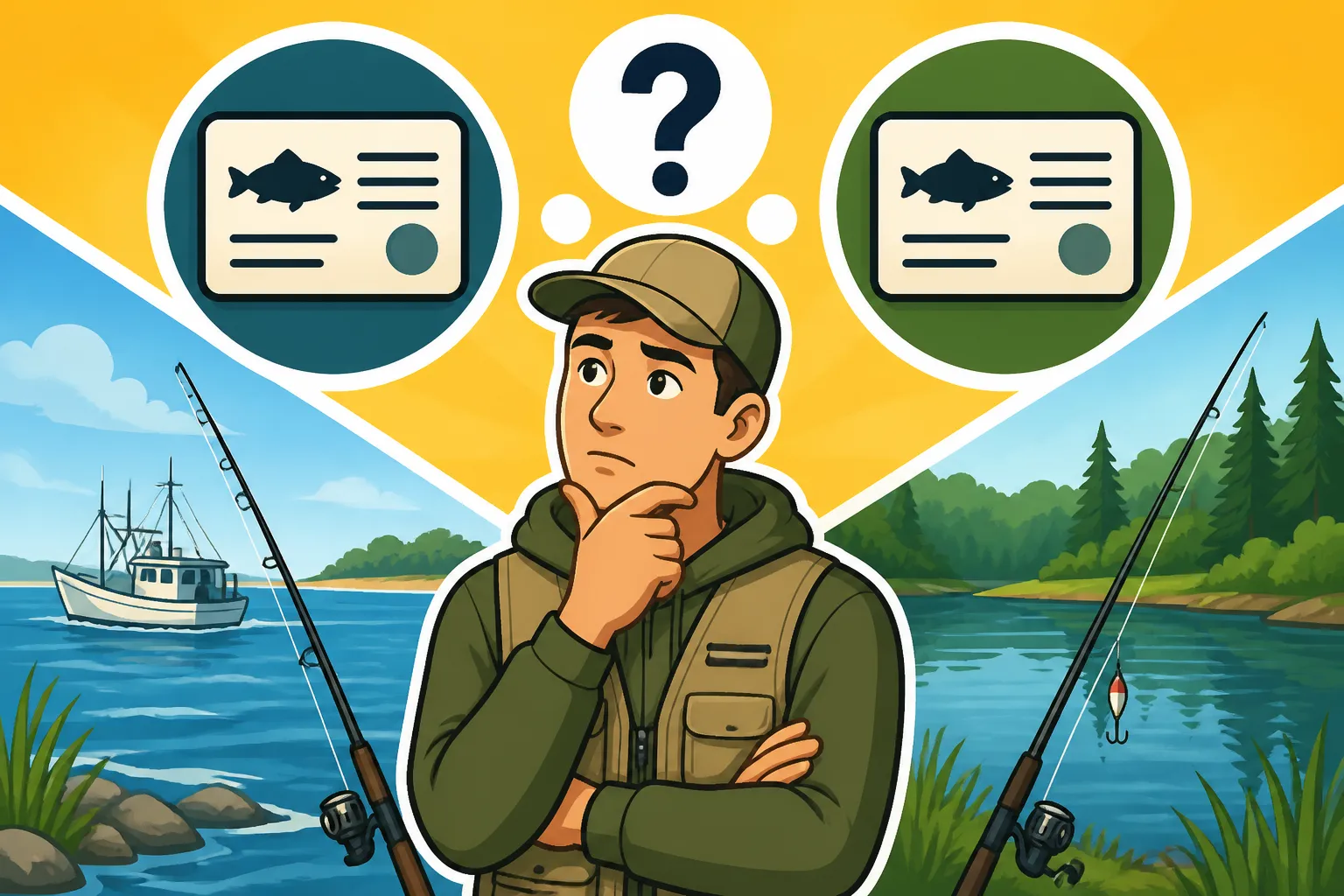
It’s a really common question, and honestly, the Maryland fishing license system can feel a bit like navigating a maze, especially when you’re just trying to figure out if you need one, two, or even three different permits to enjoy a day on the water. Many anglers get tripped up by the distinct requirements for fishing in the vast Chesapeake Bay compared to the serene freshwater lakes and rivers across the state. This guide is here to untangle that confusion, clearly outlining whether you need separate licenses for tidal and nontidal waters and helping you understand the best option for your angling adventures.
Understanding Maryland's Dual-System Licensing for Anglers
Maryland, with its incredible diversity of waterways ranging from the mighty Chesapeake Bay to countless inland lakes, reservoirs, and rivers, has developed a licensing system to manage these distinct ecosystems. This system often leads to head-scratching moments for both new and seasoned anglers who find themselves wondering if their license covers the spot they’re headed to today. The crux of the matter lies in understanding the fundamental difference between tidal and nontidal waters.
Tidal vs. Nontidal Waters The Core Distinction
At the heart of Maryland’s fishing regulations is the differentiation between tidal and nontidal waters. This isn't just a bureaucratic distinction; it reflects the unique ecological characteristics and fish populations that inhabit these areas.
Tidal waters are, quite simply, any waters where the tide ebbs and flows. This includes the entirety of the Chesapeake Bay and its numerous tributaries – major rivers like the Patuxent, Choptank, Potomac up to the fall line, and even smaller creeks and coves that feel the pulse of the ocean. In these areas, the water is often brackish (a mix of fresh and saltwater), and you’ll find species like striped bass (rockfish), white perch, bluefish, flounder, and various bottom feeders. The rules, seasons, and catch limits for these species are specifically tailored to the Bay's ecosystem and migratory patterns. If you're planning a trip to the Fishing Maryland's Chesapeake Bay, A Complete Guide, understanding these distinctions is paramount.
Nontidal waters, on the other hand, are freshwater bodies that are not influenced by the tides. Think of the beautiful mountain streams of Western Maryland, the popular reservoirs like Loch Raven and Deep Creek Lake, or the upper reaches of rivers above the "fall line" where saltwater intrusion ceases. Here, you'll encounter a completely different suite of fish, such as largemouth and smallmouth bass, trout, crappie, bluegill, and various catfish species. The management strategies, stocking programs, and regulations for these waters are designed to protect and enhance these specific freshwater fisheries. It's a completely different ballgame from tidal fishing, and the species targeted, like Largemouth Bass Fishing in Maryland, thrive in these distinct environments.
The Chesapeake Bay Sport Fishing License
If your angling dreams are filled with the thrill of catching striped bass, battling bluefish, or reeling in white perch from the vast expanse of the Chesapeake Bay or its tidal rivers, then the Chesapeake Bay Sport Fishing License is your primary requirement. This license specifically grants you the privilege to fish within all tidal waters of Maryland.
It's designed for recreational anglers pursuing finfish species found in these estuarine environments. This single license covers you whether you're casting from a pier, drifting in a boat, or surf fishing along a tidal shore. Keep in mind, this license is specifically for finfish. If you plan on crabbing using certain methods like crab pots or trotlines, you might need a separate Maryland Crabbing and Fishing Combination License or a dedicated crabbing permit, depending on your gear and whether it's recreational or commercial. The Chesapeake Bay Sport Fishing License is crucial for anyone looking to experience the iconic fishing that the Bay offers, especially if you're targeting the state fish, Striped Bass: Maryland's State Fish.
The Nontidal Fishing License
Conversely, if your passion lies in pursuing freshwater species in lakes, ponds, and rivers that don't experience tidal influence, then the Nontidal Fishing License is what you'll need. This license is your key to accessing the rich freshwater fisheries that Maryland boasts, from the trout streams of Appalachia to the bass-filled reservoirs near urban centers.
This license covers a wide array of activities, including traditional bait fishing, spin fishing, and fly fishing in all designated nontidal waters. Whether you're chasing after a trophy largemouth bass at Liberty Reservoir, trying your hand at Fly Fishing in Maryland on the Gunpowder River, or ice fishing at Ice Fishing at Deep Creek Lake, Maryland in the winter, this is the license that makes it legal. It's a separate entitlement from the tidal license because the resources, management, and conservation efforts are distinct. For example, specific regulations apply to Maryland Trout Stamp Requirements which is an additional endorsement you might need on top of your nontidal license if you're targeting trout in designated trout waters.
Navigating the Overlap: When One License Isn't Enough
The dilemma for many anglers, especially those who enjoy a variety of fishing experiences, is that they might not exclusively stick to just tidal or just nontidal waters. One weekend you might be chasing rockfish on the Bay, and the next, you're hiking a stream for trout. This is where the intricacies of Maryland's licensing system truly come into play, and understanding your options can save you both hassle and potential fines.
Fishing Both Water Types The Reality for Many Anglers
The reality for many passionate Maryland anglers is that their fishing pursuits often take them across both tidal and nontidal landscapes. Imagine you live near Annapolis and frequently fish the Severn River for white perch and rockfish (tidal). But then, you also love spending a serene Saturday morning fishing for bass in a local pond or driving out to Triadelphia Reservoir for some crappie (nontidal). In this common scenario, holding just one of the individual licenses (either the Chesapeake Bay Sport Fishing License or the Nontidal Fishing License) simply isn't enough to cover all your bases.
If you find yourself frequently switching between these distinct environments, having only one license could land you in hot water with a Maryland Natural Resources Police officer. For instance, if you have a nontidal license but decide to fish off a pier in the Chesapeake Bay, you'd be fishing illegally. The reverse is also true: a Bay license won't protect you if you're caught fishing in a freshwater lake without the proper nontidal endorsement. The desire to fish everywhere, from the Best Places to Fish in Maryland in the Bay to the Best Maryland Lakes for Freshwater Fishing, truly highlights the need for a comprehensive solution.
The Maryland Consolidated Sport Fishing License
Thankfully, Maryland's Department of Natural Resources (DNR) recognized this common need and offers a convenient solution for anglers who want the freedom to fish across both tidal and nontidal waters without purchasing two separate licenses. This solution is the Maryland Consolidated Sport Fishing License.
The Consolidated License is essentially a bundle that includes both the Chesapeake Bay Sport Fishing License and the Nontidal Fishing License rolled into one. It’s a fantastic option for the angler who doesn’t want to be limited by water type. Think of it as your all-access pass to nearly every public fishing spot in Maryland. It simplifies the process, requiring only one purchase and one piece of documentation to carry. This license is particularly cost-effective if you plan on fishing extensively in both tidal and nontidal environments throughout the year. For instance, comparing the individual costs to the consolidated one often reveals a significant saving for the versatile angler, making it the Cheapest Maryland Fishing License Option for a Family of Four looking to enjoy diverse fishing trips.
Additional Endorsements to Consider
Even with a Consolidated Sport Fishing License, there are still a few specialized endorsements you might need, depending on what you're targeting and where you're fishing. It’s important to remember that these are usually add-ons to your base license, not standalone permits.
- Trout Stamp: If you plan to fish for trout in designated trout management waters (like put-and-take streams, delayed harvest areas, or catch-and-release fly-fishing-only sections), you’ll need a Maryland Trout Stamp. This stamp is required in addition to your Nontidal or Consolidated license, regardless of whether you intend to keep or release the trout. This is a common requirement that many anglers overlook, so understanding Maryland Trout Stamp Requirements is vital if you're hitting up those coldwater streams. You can generally add a trout stamp after buying your main license if your plans change.
- Two-Rod Endorsement: While most recreational anglers use a single rod, if you want to fish with two rods or lines simultaneously in nontidal waters, you’ll need a Two-Rod Endorsement. This small fee allows you to maximize your fishing efforts, especially when bait fishing or bottom fishing.
- Potomac River Fisheries Commission (PRFC) License: For those who venture into the main stem of the Potomac River, particularly its tidal sections, a PRFC license might be required in addition to your Maryland license. This is due to the unique regulatory authority of the PRFC, which governs fishing on the main stem of the Potomac River between Maryland and Virginia. This can be confusing, so learning What Is the Potomac River Fisheries Commission License? can save you a headache.
Practical Considerations and Common Misconceptions
Navigating fishing licenses can be more than just understanding where to fish; it’s also about smart budgeting, knowing where to make your purchases, and understanding the ramifications of not having the right paperwork. Let’s clear up some common practical concerns.
Cost Implications of Multiple Licenses
When you're deciding between buying individual licenses or opting for the consolidated package, cost is often a significant factor. Let's break down the general scenario for resident annual licenses (costs are subject to change, so always check the latest Maryland DNR guide).
| License Type | Covers | Typical Resident Annual Cost (Approx.) |
|---|---|---|
| Nontidal Fishing License | All freshwater lakes, rivers, and reservoirs | $20.00 |
| Chesapeake Bay Sport Fishing | All tidal waters of the Bay & tributaries | $25.00 |
| Consolidated Sport Fishing | Both Nontidal & Tidal waters | $40.00 |
| Trout Stamp (add-on) | Designated trout waters (needs base license) | $10.00 |
| Two-Rod Endorsement (add-on) | Second rod in nontidal waters | $5.00 |
As you can see, purchasing both the Nontidal ($20) and Chesapeake Bay ($25) licenses separately would cost you $45. The Consolidated Sport Fishing License, typically around $40, offers a clear saving for anyone planning to fish both types of water. This makes the consolidated license a very attractive and economical choice for the angler who enjoys the full spectrum of Maryland's fishing opportunities. It's often the "best value" choice if you find yourself fishing in more than one distinct type of water body, and it's a popular choice for residents when considering their Maryland Resident Annual Fishing License Cost. For nonresidents, the savings on a consolidated option can be even more pronounced compared to buying two separate non-resident licenses.
Purchasing Your Licenses and Endorsements
Getting your Maryland fishing license is relatively straightforward these days, thanks to modern technology. You have several convenient options:
- Online: The easiest and quickest way for most people is to purchase their license directly through the Maryland DNR Compass website. You can buy your base license, trout stamp, and other endorsements from the comfort of your home. They’ll issue a digital license, and you can often print a physical copy or carry it on your phone. This method is incredibly convenient for Buying a Maryland Fishing License Online.
- In Person: Many bait and tackle shops, sporting goods stores, and some county clerk's offices are authorized license agents. This is a great option if you prefer a physical license immediately, or if you need to ask a local expert for advice on current conditions or hot spots. To find a location near you, search for "Where to Buy a Maryland Fishing License in Person".
- By Mail: While less common now, you can also apply for certain licenses by mail. This usually takes longer and is not recommended if you need your license quickly.
While you can't buy the official Maryland fishing license itself on Amazon, the popular online retailer is an excellent resource for stocking up on all the essential gear you'll need for your fishing trips. From high-quality rods and reels perfectly suited for tidal or nontidal waters, to a vast selection of lures, tackle boxes, and even specialized apparel, Amazon offers a convenient way to prepare for your adventures. You can easily find reviews and compare prices on everything from baitcasting reels to waders, ensuring you're well-equipped before you hit the water.
Avoiding Penalties and Staying Compliant
Fishing without the correct license in Maryland can lead to significant headaches and unwanted expenses. The Maryland Natural Resources Police actively patrol all state waters, and they do check for licenses. Ignorance of the law is generally not considered an excuse, so understanding the requirements is truly your responsibility.
- Fines: Fishing without a required license or endorsement can result in fines that often exceed the cost of the license itself. These fines can vary but are usually in the hundreds of dollars, plus court costs. This makes the thought of "What Happens If You Fish in Maryland Without a License?" a costly lesson no one wants to learn.
- Loss of Privileges: Repeat offenders might face more severe penalties, including the suspension of fishing privileges.
- Always Carry Your License: Whether it’s a physical copy or a digital version on your phone, always have proof of your license on you while fishing. This prevents unnecessary delays and complications if you’re approached by a Natural Resources Police officer.
- Check Regulations: Beyond just licenses, always check the latest Maryland fishing regulations for species-specific rules, size limits, and creel limits. These can change seasonally or even mid-year due to conservation efforts. You can often find this information on the DNR website or in their annual Maryland's DNR Fishing and Boating Guide, Explained.
By taking the time to understand the nuances of Maryland's tidal and nontidal licensing, and by always ensuring you have the appropriate permits, you can fully enjoy the incredible fishing opportunities this state has to offer, completely worry-free.
Disclaimer
Please remember that fishing regulations, license requirements, and costs can change. Always consult the official Maryland Department of Natural Resources (DNR) website or their most current fishing guide for the most up-to-date and accurate information before heading out on the water. This article is for informational purposes only and should not be considered legal advice.