Fishing Without a License Under Age 16 in Maryland
It's a common question that pops up for parents, grandparents, and guardians alike: trying to figure out if your young angler needs a fishing license in Maryland can feel like navigating a maze of regulations. You want to foster a love for the outdoors, but you definitely don't want to accidentally break any rules. This guide is here to clear up all the confusion, detailing exactly when and where children under 16 can enjoy fishing in Maryland without needing their own license.
The Golden Rule for Young Anglers: Age Exemption
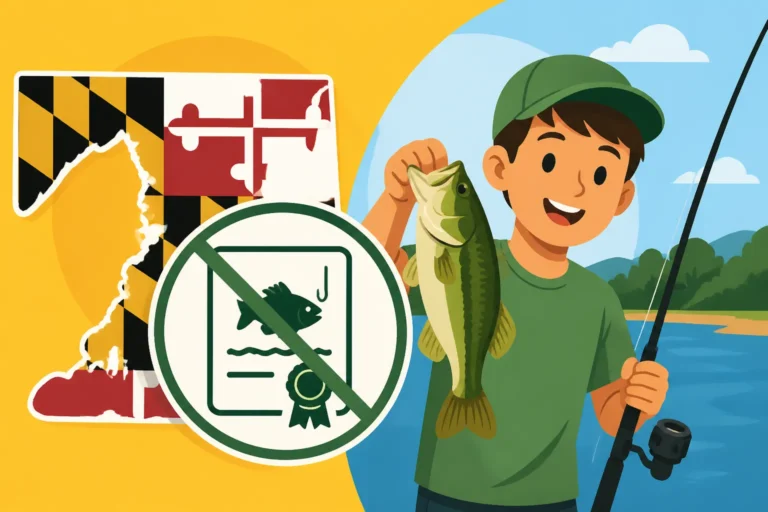
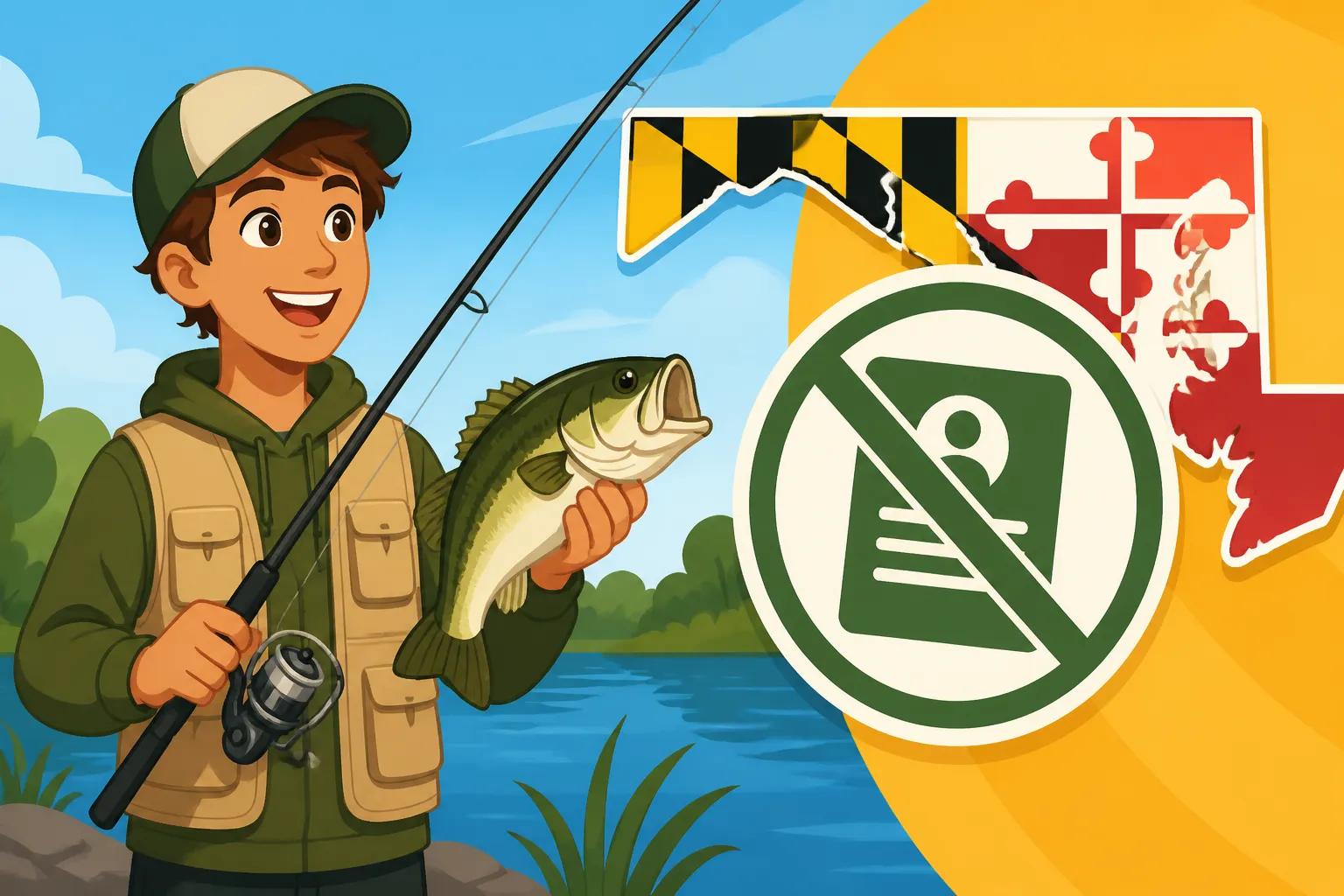
Let's get straight to the heart of the matter because this is often where the biggest relief comes for families. In Maryland, children and young people under the age of 16 are generally exempt from needing a fishing license to fish in the state's public waters. This is a fantastic policy designed to encourage youth participation in outdoor activities and make it easier for families to get out and enjoy Maryland's abundant fishing opportunities.
Understanding the Age Cut-off
The age of 16 is the magic number. Up until their 16th birthday, a young person can grab a rod and reel and cast a line without having to worry about purchasing a state fishing license. This applies whether they're fishing in freshwater streams, tidal rivers, or even the vast expanse of the Chesapeake Bay. It's a clear, straightforward rule that helps remove a barrier for budding anglers. Imagine a family trip to a local pond in Howard County, or perhaps a crabbing and fishing adventure on the Eastern Shore near Cambridge – your 12-year-old doesn't need a separate license. This exemption covers both resident and nonresident youth, making it equally welcoming for visiting families.
The Spirit Behind the Exemption
The Maryland Department of Natural Resources (DNR) implements this exemption with a clear vision: to cultivate the next generation of conservationists and outdoor enthusiasts. By removing the financial and logistical hurdle of purchasing a license, they hope to make fishing more accessible and appealing to kids. It's not just about catching fish; it's about connecting with nature, learning patience, and understanding the delicate ecosystems that make Maryland's waters so special. This policy acknowledges that early positive experiences can lead to lifelong appreciation and responsible stewardship of our natural resources. It’s a way of saying, "Come on out, kids, the water's fine!"
Why Maryland Waives Licenses for Minors
The decision to exempt minors from fishing license requirements isn't arbitrary; it's a well-thought-out strategy with several benefits for the state and its residents. It's about more than just convenience; it's an investment in the future of fishing and conservation.
Encouraging Youth Participation in the Outdoors
One of the primary reasons for the exemption is to actively promote youth engagement in outdoor recreational activities. In an increasingly digital world, getting kids outside can sometimes be a challenge. Fishing offers a tangible, hands-on experience that can be incredibly rewarding. By eliminating the license requirement, Maryland removes one less barrier for parents who might otherwise hesitate due to cost or administrative effort. This encourages families to head to the local pier, a quiet creek, or even try their hand at fishing from a kayak. These early experiences often spark a lasting passion for fishing, which can then translate into support for conservation efforts as they grow older. For more details on age requirements, you might want to check out our guide on Maryland Fishing License Age Requirements.
Fostering Future Conservationists
Today's young anglers are tomorrow's conservation leaders. The Maryland DNR understands that individuals who grow up enjoying natural resources are more likely to support their protection and sustainable management. By providing easy access to fishing, the state is essentially nurturing a future generation that will understand the importance of healthy waterways, fish populations, and responsible angling practices. When a child learns to fish, they also learn about catch limits, responsible release, and the impact of pollution, laying the groundwork for informed environmental stewardship. This exemption serves as an entry point, an invitation to connect with Maryland's rich aquatic environment.
Simplification for Families and Educators
Let's be honest, filling out paperwork and navigating regulations can be a deterrent for anyone, especially busy parents or youth group leaders. The "under 16 no license" rule drastically simplifies the process for families, summer camps, and school programs. Instead of needing to manage multiple individual licenses, adults can focus on teaching fishing techniques, identifying species, and simply enjoying quality time together. This also benefits organizations that run youth fishing clinics or events, as they don't have to worry about the license status of each child, making planning much smoother. It aligns with the general goal of making fishing accessible, as outlined in the broader Maryland Fishing License Guide for 2026.
What Can Kids Fish For Without a License?
This is where it gets exciting! The beauty of Maryland's youth fishing exemption is that it doesn't limit what species a young angler can target. From the smallest bluegill in a farm pond to a feisty striped bass in the Chesapeake Bay, if it's in season and within legal limits, they can fish for it.
Targeting Freshwater Species
Maryland's freshwater opportunities are vast, from the reservoirs around Baltimore like Loch Raven and Liberty, to the scenic streams of Western Maryland, and countless ponds and rivers in between. A child under 16 can freely pursue popular freshwater species such as largemouth bass, smallmouth bass, various panfish (like bluegill, crappie, and yellow perch), and catfish. If a parent has a valid Maryland Trout Stamp, the child can even fish for trout in designated put-and-take or delayed harvest streams. For those just starting out, a simple worm and bobber setup is often all it takes to find success with bluegill or sunfish in a local pond. A lightweight rod and reel combo, often found on platforms like Amazon, makes it easy for little hands to manage.
Here's a quick look at common species and their habitats where young anglers can cast lines:
| Species | Typical Habitat in Maryland | Beginner-Friendly? |
|---|---|---|
| Bluegill/Sunfish | Ponds, lakes, slow-moving creeks | Very High |
| Crappie | Reservoirs, lakes, tidal creeks (around structure) | High |
| Yellow Perch | Upper Chesapeake Bay tributaries, lakes, larger rivers | High |
| Largemouth Bass | Lakes, ponds, tidal creeks (weedy areas) | Medium |
| Channel Catfish | Rivers, lakes, ponds, tidal portions of Bay tributaries | High |
| Trout (Rainbow, Brown) | Stocked streams, mountain rivers (check regulations) | Medium |
| White Perch | Chesapeake Bay tributaries, tidal rivers, coastal bays | High |
Exploring Tidal and Saltwater Opportunities
The exemption extends to Maryland's tidal waters, including the magnificent Chesapeake Bay and its many tributaries, as well as the coastal bays and Atlantic Ocean. This means a child under 16 can fish for rockfish (striped bass), white perch, bluefish, flounder, spot, croaker, and even some invasive species like blue catfish and snakehead without their own license. It's important to remember that while the license isn't required for the child, all other regulations such as Maryland Fishing Size and Catch Limits by Species, seasons, and gear restrictions still apply to their catch. Parents or guardians should always be familiar with the latest rules. Whether it's jigging for white perch off a pier in Annapolis or trying some bottom fishing for spot in Ocean City's back bays, the opportunities are endless for young anglers.
When Supervision or Adult Licenses Come into Play
While the under-16 exemption is wonderfully broad, there are specific situations where an adult's license or active supervision becomes important. These nuances are crucial for ensuring a legal and enjoyable fishing experience for everyone.
The Role of an Accompanying Adult's License
It's common for a child to fish alongside an adult, be it a parent, grandparent, or friend. If that accompanying adult is 16 years or older and actively fishing, they do need to possess a valid Maryland fishing license. The child's exemption doesn't extend to the adult. For instance, if you're out with your 8-year-old on a fishing boat in the Chesapeake Bay and you're both dropping lines, you need a Maryland Chesapeake Bay Sport Fishing License Explained, but your child does not. This also applies to a Maryland Nontidal vs Tidal Fishing License, Explained depending on where you're fishing. The adult is responsible for knowing and adhering to all regulations for both their own catch and any fish the child keeps. Think of it as the adult providing the "umbrella" of legality for the whole group.
Fishing on a Charter Boat
Taking a child on a chartered fishing trip in Maryland is a fantastic experience, and here's more good news: passengers on a licensed charter boat typically do not need to purchase their own individual fishing licenses. The vessel itself, and specifically the captain, operates under a specific charter boat license that covers all passengers on board. This makes booking a charter one of the easiest ways to introduce kids to fishing, especially in the Chesapeake Bay or offshore from Ocean City. The captain and crew are experts, providing all the necessary gear, bait, and knowledge of the regulations. This is a common practice, and you can learn more about it in our article Does the Charter Captain's License Cover Passengers in Maryland?. It’s truly a worry-free way to fish with youngsters, as all the licensing is handled by the pros. Many charter companies, like those operating out of Deale or Solomons Island, specialize in family-friendly trips, ensuring a safe and exciting adventure for everyone.
Specific Exemptions and Situations
While the under-16 rule is generally universal, there are a few other specific exemptions that can sometimes apply to fishing in Maryland that are good for adults to know, though they don't directly override the youth exemption. For example, there are designated Maryland Free Fishing Days each year when everyone, regardless of age, can fish without a license. This is another excellent opportunity to get kids hooked on fishing alongside their elders. Additionally, if you're fishing from a privately owned pier on private property, the rules can sometimes differ, but for most public access points like state parks or municipal piers, the under-16 rule applies. Always check local signage, especially at private ponds or community lakes, as some may have their own specific regulations or require a permit in addition to state licenses. However, these are typically rare exceptions for general public access.
Gearing Up Your Young Angler
Getting the right gear for a young angler doesn't have to be complicated or expensive. The key is to choose equipment that is easy to use, durable, and appropriate for their age and the type of fishing they'll be doing. The goal is to make fishing fun and accessible, not frustrating.
Essential Starter Gear for Kids
For most entry-level fishing, especially with younger children, a simple spincast rod and reel combo is ideal. These are incredibly user-friendly with a push-button casting mechanism that even very young children can master quickly. Look for combos that are brightly colored and sized appropriately for small hands. Many brands offer youth-specific kits that often come with a small tackle box filled with basic hooks, bobbers, and weights. These all-in-one solutions are fantastic for getting started without feeling overwhelmed. You can find a huge variety of these affordable starter kits on platforms like Amazon, which often bundle everything a kid needs for their first fishing adventure.
Beyond the rod and reel, consider these basics:
- Small Tackle Box: A compact box with a few compartments for hooks, sinkers, and bobbers.
- Live Bait: Worms are king for beginners! They're easy to manage and almost guarantee bites from panfish.
- Forceps or Pliers: Essential for safely removing hooks from fish (and maybe even a finger or two).
- Bucket: To hold bait, or for temporarily holding a catch if planning to keep it.
- Sun Protection: Hat, sunglasses, and sunscreen are non-negotiable for any time spent outdoors.
Safety First on the Water
Even without the responsibility of a license, safety remains paramount. Always ensure that children are supervised by a responsible adult when fishing. Here are a few key safety tips:
- Life Jackets: If fishing near or on water, especially from a boat or a pier, ensure children wear properly fitted life jackets. Many states, including Maryland, have regulations regarding life jacket use for children on boats.
- Hook Safety: Teach children how to handle hooks carefully, both when baiting and casting. Emphasize that hooks are sharp and to always look before they cast.
- Casting Space: Ensure there's ample space around a child when they are casting to avoid accidental hookings of other people or objects.
- Hydration and Snacks: Fishing can be engrossing, but it's important to take breaks for water and snacks, especially on warm days.
- "Reach, Don't Go": Teach kids not to enter the water to retrieve dropped items, but to "reach with a stick, don't go with your feet."
- First Aid Kit: Always have a basic first aid kit on hand for minor scrapes or punctures.
Introducing kids to fishing is a wonderful experience, and with Maryland's generous age exemption, it's easier than ever. Equip them safely, teach them patiently, and watch their love for the outdoors grow. When heading out, also consider checking out some of the Best Places to Fish in Maryland for family-friendly locations.
Essential Reminders for a Successful Youth Fishing Trip
While the license exemption simplifies things, there are still a few important considerations to keep in mind to ensure your fishing trip with youngsters is successful, safe, and entirely legal. Think of these as the finishing touches on your well-planned outing.
Always Know the Regulations for Adults and Fish
Even though your young angler doesn't need a license, you, as the accompanying adult (if you're fishing yourself), absolutely do. Furthermore, all other fishing regulations for the species you're targeting apply to everyone, regardless of age. This includes minimum and maximum size limits, daily creel (catch) limits, and specific season dates. It would be a real bummer for a kid to catch an amazing fish, only to find out it's out of season or too small to keep. The Maryland DNR website is your best friend here, or you can pick up a physical copy of the annual fishing guide at tackle shops or DNR offices. For example, knowing the current Maryland Striped Bass Season and Rockfish Rules or Maryland Flounder Size Limit is crucial if you're targeting those species. Staying informed prevents any unintentional violations and teaches good habits to the next generation.
Respecting Private Property and Access
Most of Maryland's waters are publicly accessible, but always be mindful of private property. Fishing from a public pier, state park, or designated fishing access point is generally fine. However, if you're thinking about fishing along a riverbank or pond that borders private land, make sure you have permission from the landowner. Trespassing is not only illegal but can also lead to unpleasant confrontations that spoil a fun family day. Teach your children to respect land ownership, just as they would respect the fish and their habitat. It's a vital part of responsible angling and ensures future access for everyone. You might also want to look into Do You Need a License to Fish From a Maryland Pier? which clarifies that even on piers, while kids are exempt, adults still need their state license.
Catch and Release Practices for Kids
For many young anglers, the thrill of the catch is paramount, not necessarily the keeping of the fish. Teaching proper catch and release techniques from a young age is incredibly valuable for conservation. Explain why it's important to handle fish gently, wet your hands before touching them, and release them quickly back into the water, especially if they are undersized or if you've already met your daily limit. This helps ensure fish populations remain healthy for future generations of anglers. It's a great opportunity to instill ethical fishing practices and a deep respect for marine life. Even if the child is exempt from needing a license, the conservation message is universal.
Creating Lasting Memories
Ultimately, fishing with kids isn't just about catching fish; it's about making memories. The license exemption in Maryland simply removes one hurdle, allowing you to focus on the joy of the experience. The quiet moments, the excitement of a bite, the lessons learned about nature, and the stories shared will be far more valuable than any fish in the cooler. So pack a lunch, grab your gear, and head out to enjoy the incredible fishing Maryland has to offer with your young, license-exempt angler.
Disclaimer
Please remember that fishing regulations can and do change. While every effort has been made to provide accurate and up-to-date information in this guide, it is your responsibility to verify the current regulations with the Maryland Department of Natural Resources (DNR) before heading out. Always consult the official Maryland fishing guide or the DNR website for the most current rules and updates.