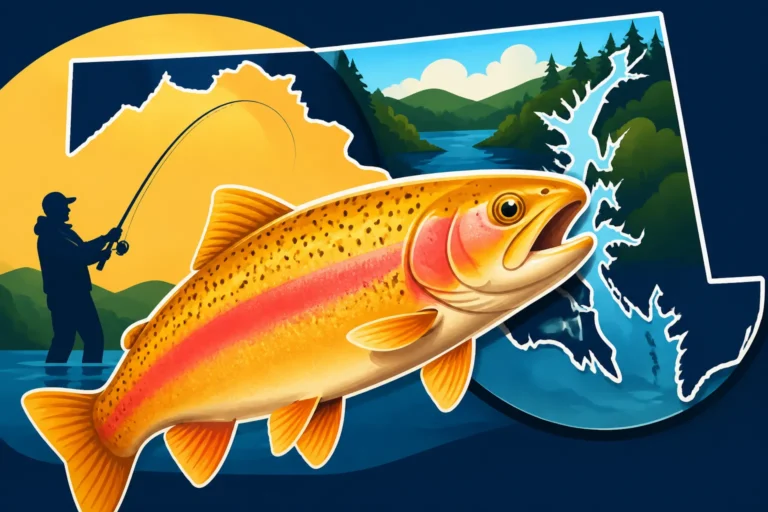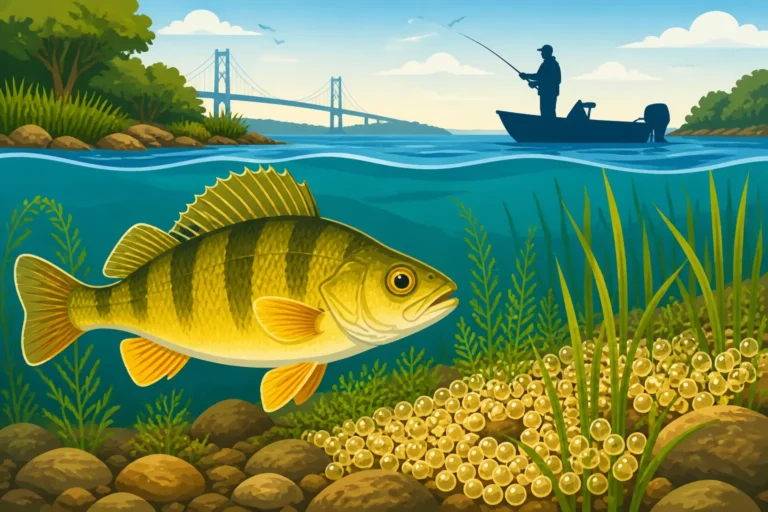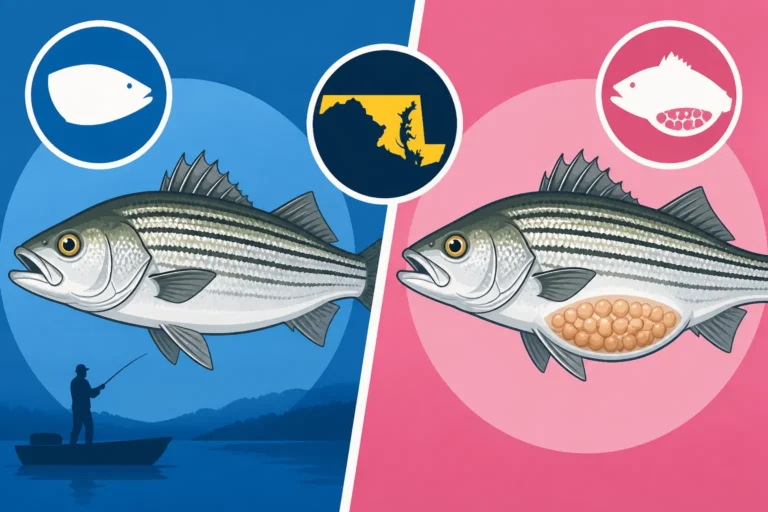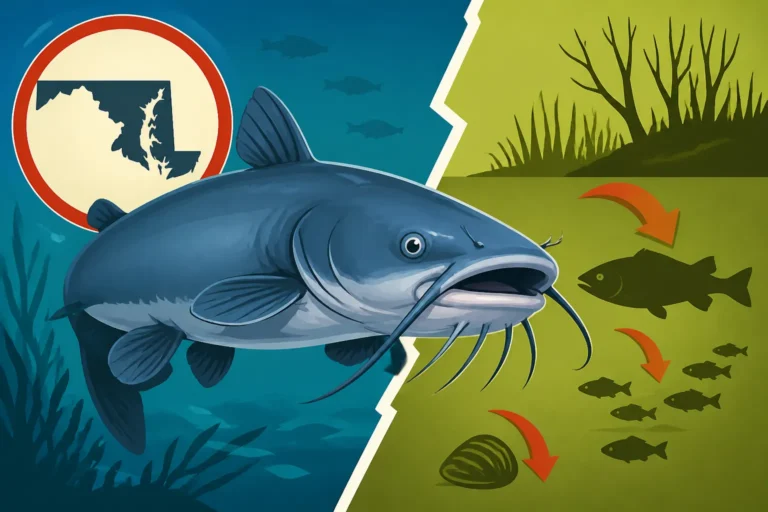
Why Is the Striped Bass Maryland’s State Fish?
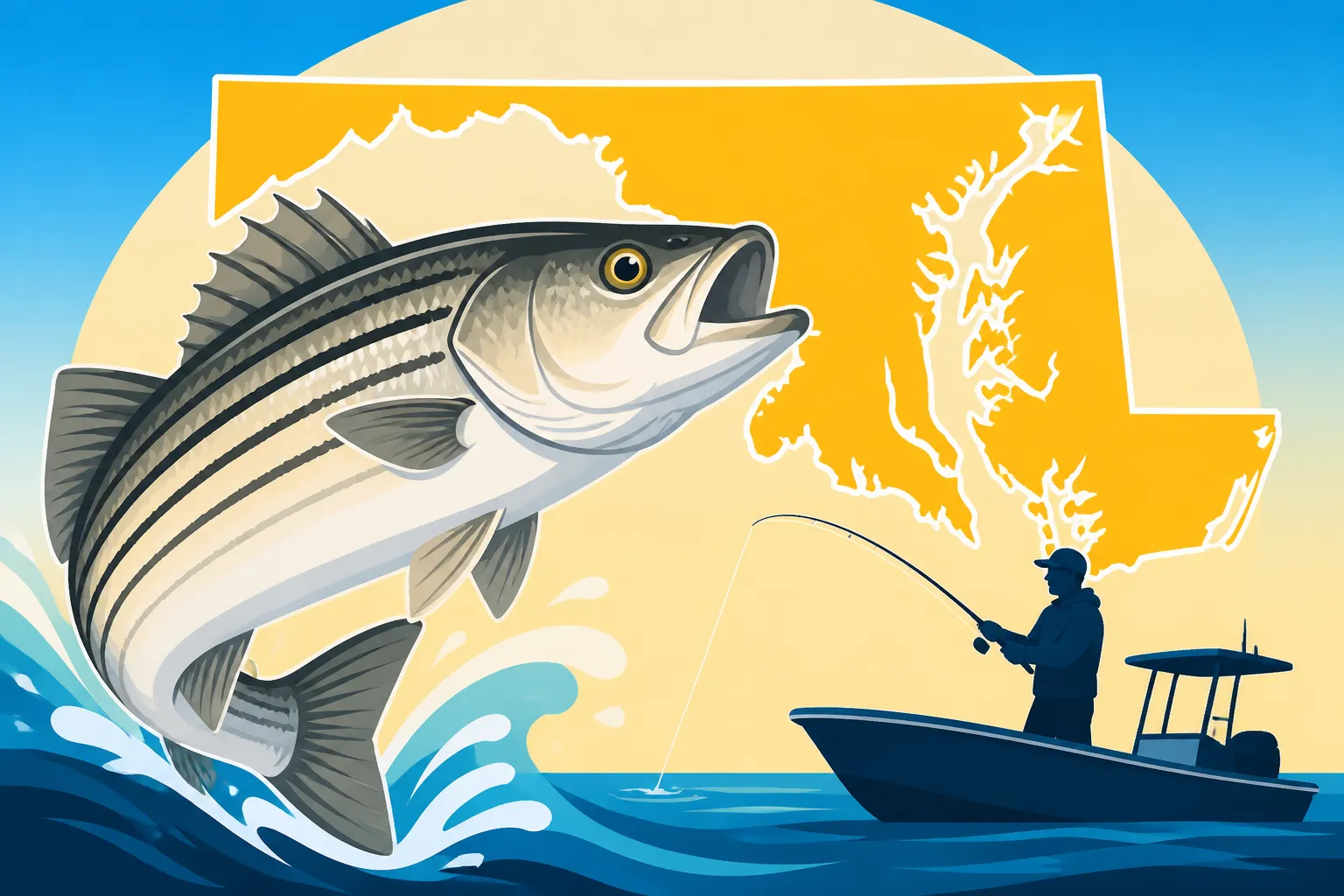
For anyone who’s spent a crisp morning out on the Chesapeake Bay, felt the distinctive tug of a fish on their line, and then pulled in a gleaming, hard-fighting beauty, there’s usually no question: the striped bass just feels like Maryland. But for folks new to our waters or those who simply haven't stopped to ponder it, the question often arises, "Why exactly is this particular fish, affectionately known as rockfish around here, our state fish?" This guide dives deep into the profound connection between Marylanders and the striped bass, exploring its historical, ecological, and cultural significance that cemented its place as our official state fish.
A Legacy Etched in Water: The Historical and Cultural Tapestry of Striped Bass
The relationship between Maryland and the striped bass isn't just about fishing; it's a story woven into the very fabric of our state's identity, stretching back centuries. Long before Maryland was even a state, Indigenous peoples relied on the abundant striped bass runs as a crucial food source, recognizing its importance to their survival and way of life. Imagine the ancient tribes gathering along the rivers as these powerful fish surged upstream, a natural bounty providing sustenance through the colder months. This deep, historical connection set the stage for what would become an enduring legacy.
As European settlers arrived, they too quickly discovered the immense value of the striped bass. Early colonial records are filled with accounts of the vast numbers of these fish, their sheer abundance helping to feed a burgeoning population. They weren't just a delicacy; they were a staple, a reliable source of protein that helped Maryland thrive. Fishing for striped bass became more than just a chore; it was a communal activity, a source of local pride, and a cornerstone of economic activity for countless families along the Bay and its tributaries. Even today, you'll hear tales passed down through generations about the glory days of rockfishing, stories that paint a vivid picture of bountiful catches and community spirit. It’s this deep, almost ancestral, tie to the fish that makes it so much more than just another species in the water.
This cultural resonance extends to everyday life. Visit any seafood restaurant from Ocean City to Cumberland, and you'll likely find rockfish proudly featured on the menu. Boat names, local businesses, and even art around the state pay homage to this iconic species. It's truly a part of the Maryland psyche, a symbol of our waterways and our way of life. The designation as state fish wasn't just a political act; it was a formal recognition of a relationship that had existed, unspoken but deeply felt, for hundreds of years. You'll understand this even more once you’ve experienced Maryland Striped Bass Fishing Techniques for yourself.
Ecological Bedrock: How Striped Bass Sustain the Chesapeake Bay
Beyond its cultural significance, the striped bass plays a critical, irreplaceable role in the health and balance of the Chesapeake Bay ecosystem. It's not an exaggeration to call it a keystone species, meaning its presence, or absence, profoundly impacts the entire food web. These formidable predators are an integral part of keeping other fish populations in check, ensuring a natural equilibrium that benefits countless other species. When you consider the complex dance of marine life in the Bay, the striped bass is one of the lead performers.
Striped bass are voracious eaters, preying on a variety of smaller fish like menhaden, herring, and spot, as well as crustaceans and squid. This predatory action helps prevent any single prey species from overpopulating, which could, in turn, deplete vital plankton or other resources. Think of it as nature's own quality control, where the striped bass helps maintain a healthy biodiversity. This ecological role is particularly important in a dynamic estuary like the Chesapeake Bay, which faces constant environmental pressures. A healthy striped bass population often indicates a relatively healthy Bay, as they require clean water and a robust food chain to thrive. Many anglers pay close attention to What Do Striped Bass Eat in the Chesapeake Bay? to better understand their habits.
The lifecycle of the striped bass itself is a testament to the Bay's ecological importance. These anadromous fish are born in the freshwater tributaries of the Bay, like the Choptank, Nanticoke, and Potomac rivers, spending their early lives in these nursery grounds before migrating to the Bay and eventually the Atlantic Ocean. The success of these spawning runs is a direct indicator of the health of these vital river systems. If conditions are poor, affecting the bass's ability to reproduce and survive as juveniles, it sends a ripple effect through the entire ecosystem. This cyclical journey underscores why efforts to protect and restore the Chesapeake Bay are so intrinsically linked to the fate of the striped bass. Understanding Where Striped Bass Spawn in Maryland is key to appreciating this delicate balance.
The Economic Engine: Driving Maryland's Fishing Industry and Tourism
If you've ever thought about the economic impact of a single fish, the striped bass provides a compelling case study for Maryland. This isn't just about commercial fishing boats bringing in their catch; it's about a sprawling network of businesses, jobs, and tourism dollars that all hinge on the allure of the rockfish. From bait shops to boat manufacturers, restaurants to hotels, the striped bass fishery is a powerful economic engine that supports countless livelihoods across our state.
The recreational fishing sector, in particular, owes a huge debt to the striped bass. Anglers from all over the country flock to Maryland each year, drawn by the challenge and excitement of catching a trophy rockfish. These visitors aren't just buying fishing licenses; they're booking Maryland Chesapeake Bay Fishing Charters, What to Expect, staying in hotels, dining in local establishments, and purchasing gear from tackle shops. Think about the bustling marinas in Annapolis, Deale, or Solomons Island during peak fishing seasons. Every boat leaving the dock represents a significant economic contribution to those communities. Even anglers who prefer shore fishing or kayaking need gear, and you can often find a wide array of options for rods, reels, and lures on Amazon, supporting this vibrant hobby.
| Economic Sector | Direct Impact | Indirect Impact |
|---|---|---|
| Recreational Fishing | Charter fees, tackle sales, license fees, bait sales | Hotel stays, restaurant meals, gas, local shopping, boat maintenance |
| Commercial Fishing | Dock sales, processing, transportation | Seafood markets, restaurant supply, employment in processing |
| Tourism & Hospitality | Guides, tours, lodging, attractions | Marketing, infrastructure, supporting local events |
| Manufacturing/Retail | Boat sales, engine repair, fishing apparel | Marine electronics, cooler sales (even specific brands like YETI or Igloo found on Amazon) |
This table only scratches the surface. Consider the ripple effect: a successful fishing season means more demand for ice, more sales at gas stations for boats, more revenue for mechanics repairing engines, and more work for local boatyards. The allure of the striped bass even influences real estate, with properties near prime fishing spots often commanding a premium. For example, knowing How Long a Maryland Fishing License Lasts and planning multiple trips throughout the year directly translates into sustained revenue for these businesses. The fish's economic footprint is truly massive, making its health and abundance a matter of statewide financial interest, not just an environmental one.
A Symbol of Resilience: The Challenges and Conservation of Our State Fish
While the striped bass holds a revered position in Maryland, its journey hasn't been without significant challenges. Over the decades, fluctuations in population due to overfishing, habitat degradation, and environmental changes have put immense pressure on this iconic species. There was a time when the future of the striped bass in the Chesapeake Bay seemed uncertain, a worrying prospect for anyone who cherishes our waterways and the traditions that come with them. This struggle and the ongoing efforts to protect it only deepen its symbolic value as our state fish.
Marylanders, in conjunction with state and federal agencies, have rallied repeatedly to implement critical conservation measures. From strict catch limits and seasons to widespread public awareness campaigns, the focus has always been on ensuring a sustainable future for the striped bass. Measures like specific slot limits, which dictate the size range of fish that can be kept, and seasonal closures, particularly during spawning periods, are crucial. For instance, understanding Maryland Striped Bass Season and Rockfish Rules or Maryland Spawning River Closures for Striped Bass is vital for any responsible angler. These regulations aren't always popular, and they require sacrifices from both recreational and commercial fishermen, but they are absolutely necessary to safeguard the species.
The striped bass has proven itself remarkably resilient, bouncing back from alarming lows thanks to these dedicated efforts. This comeback story makes it an even more potent symbol for Maryland – a testament to what can be achieved when communities work together for a common goal. It reminds us that our natural resources are precious and require constant vigilance and stewardship. Every angler who practices catch and release, every boat owner who follows the rules, and every citizen who supports conservation initiatives is playing a part in this ongoing success story. Whether you're looking for new fishing line or conservation-themed apparel, you can find a huge variety of relevant products on Amazon, often from brands that support these very conservation efforts. The striped bass isn't just a fish; it's a living, breathing symbol of our commitment to the Chesapeake Bay and the enduring spirit of Maryland.
Disclaimer
This article is for general informational purposes only and does not constitute professional advice. Laws, prices and regulations vary by location and change over time. Consult a qualified professional for guidance on your specific situation.