Maryland Nontidal vs Tidal Fishing License, Explained
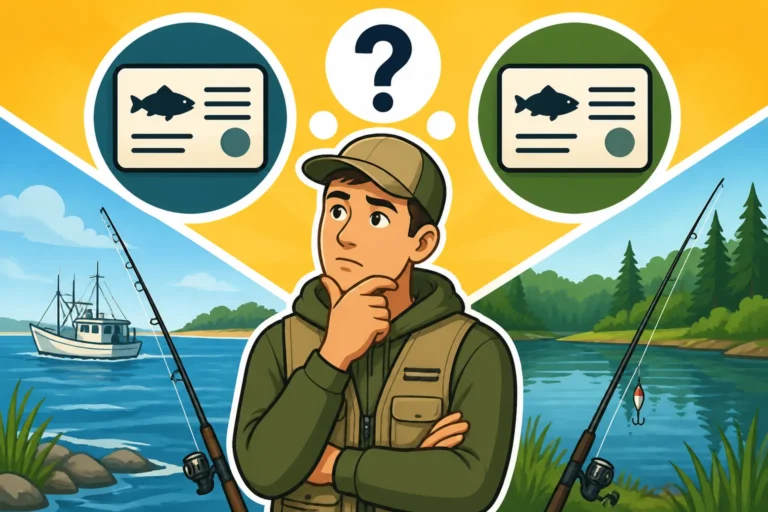
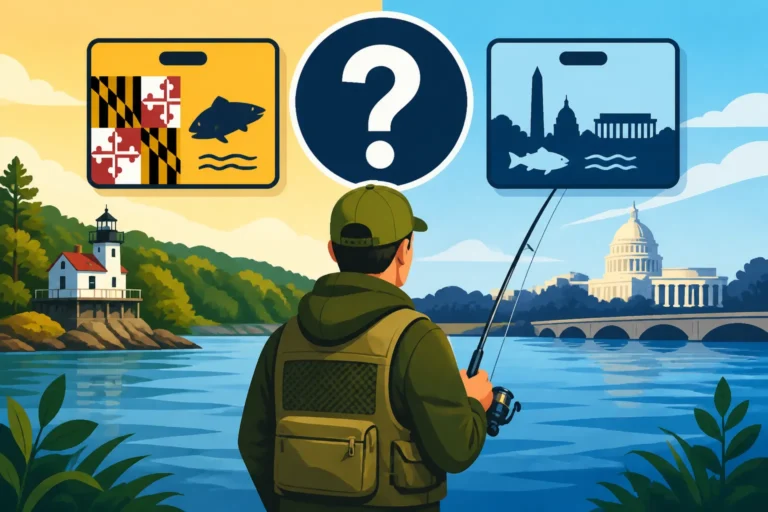
For anyone who loves casting a line in Maryland, figuring out the right fishing license can feel like trying to untangle a particularly stubborn knot. With our state's incredible variety of waterways—from the crashing ocean surf to tranquil mountain streams and the expansive Chesapeake Bay—it’s easy to get confused about whether you need a nontidal or a tidal fishing license. This comprehensive guide is here to clear up that confusion, breaking down the critical differences and helping you confidently choose the correct license for your next Maryland angling adventure.
Understanding Maryland's Diverse Waters
Maryland is a true angler's paradise, boasting an incredible array of aquatic environments that support a vast number of fish species. However, this diversity also means a more nuanced approach to licensing. Before you even think about what kind of fish you're targeting or what bait to use, understanding the basic classification of Maryland's waters – specifically, whether they are "tidal" or "nontidal" – is absolutely fundamental. Getting this wrong can lead to frustration, or worse, a citation from a Maryland Natural Resources Police officer.
The Importance of Water Classification
The distinction between tidal and nontidal waters isn't just bureaucratic jargon; it's the very foundation upon which Maryland's fishing regulations are built. Think of it like a roadmap for fish and their habitats. Different species thrive in different environments, and the regulations are designed to protect those specific populations and ensure sustainable fishing for everyone. When you purchase a license, you're not just getting permission to fish; you're contributing to the conservation efforts that keep these waters healthy. The Maryland Department of Natural Resources (DNR) uses these classifications to manage stocking programs, set catch limits, establish seasons, and, crucially, determine which license applies to which area. Without this clear division, managing such a complex fishery would be nearly impossible. It ensures that the funds generated from, say, a nontidal license go towards freshwater habitat restoration, while tidal license fees support the health of the Chesapeake Bay and its tributaries.
How Maryland Defines Tidal Waters
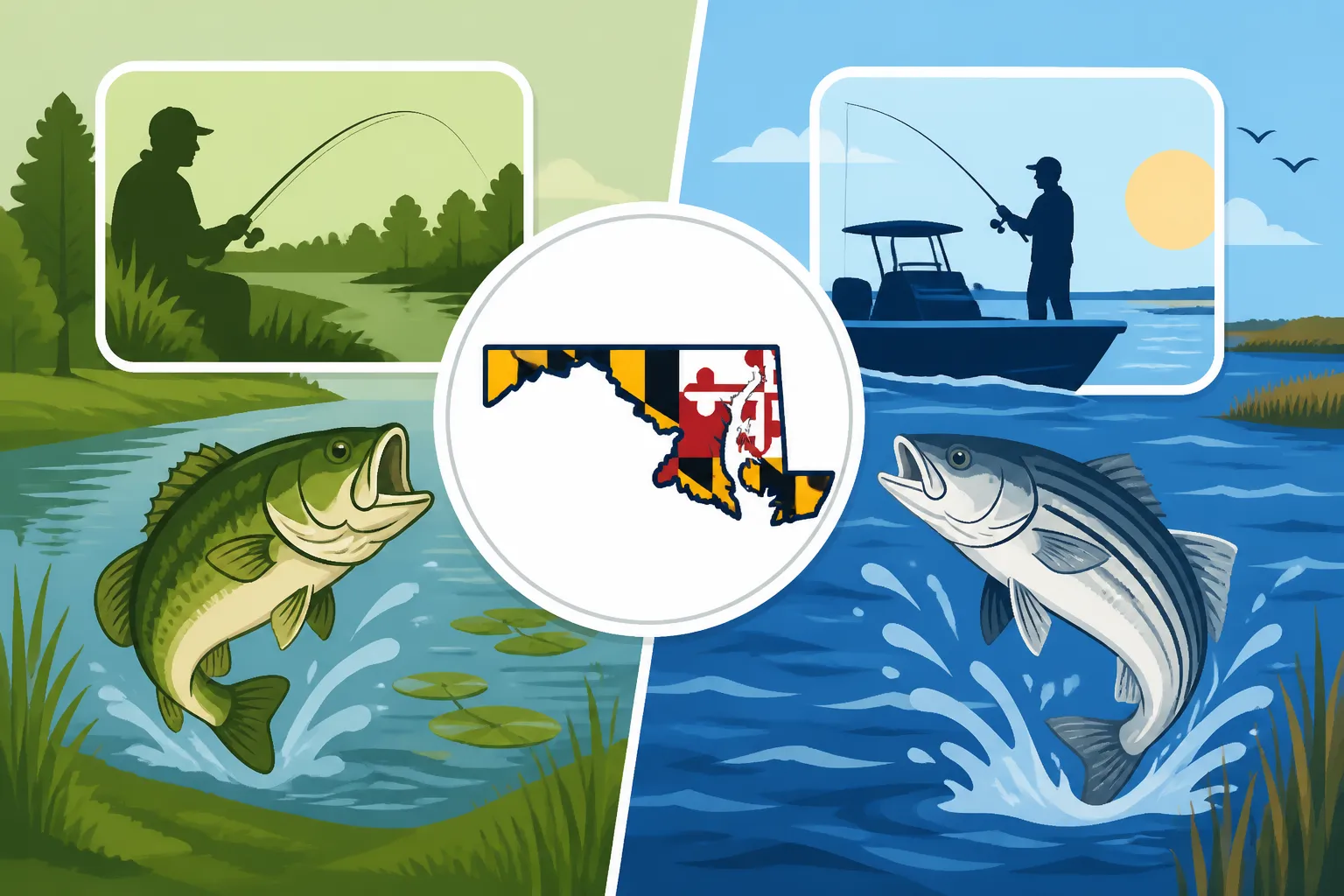
Maryland's tidal waters are primarily influenced by the ebb and flow of the ocean, even far inland. This means any body of water, including the mainstem Chesapeake Bay, its numerous rivers and creeks, and the coastal bays and ocean, where the water level visibly rises and falls with the tide. These waters are often brackish (a mix of fresh and saltwater) or full-strength saltwater. A good rule of thumb: if the water level changes significantly throughout the day due to lunar cycles, it's tidal. This includes everything from the vast expanse of the Bay itself to the lower reaches of major rivers like the Patuxent, Choptank, or Potomac, all the way out to the Atlantic Ocean off Ocean City. These areas are home to iconic species like striped bass (rockfish), bluefish, flounder, and croaker, which are adapted to, or thrive in, saline or brackish environments. Even some species, like white perch, utilize the tidal fresh portions of these rivers for spawning before returning to more brackish areas.
What Constitutes Nontidal Waters
On the flip side, nontidal waters are typically freshwater environments that are not subject to the daily tidal fluctuations. These include most of Maryland's beautiful lakes, ponds, reservoirs, and the upper, freshwater sections of rivers and streams that flow into the Chesapeake Bay or directly to the ocean. If you're fishing a mountain stream for trout in Western Maryland, or casting for largemouth bass in a reservoir like Loch Raven or Liberty Reservoir, you are almost certainly in nontidal waters. The water levels in these areas are influenced more by rainfall, dam operations, and natural stream flow rather than oceanic tides. These environments are home to classic freshwater game fish such as largemouth and smallmouth bass, trout (rainbow, brown, and brook), crappie, sunfish, catfish, and various panfish. Understanding this distinction is the first crucial step in making sure you're legally compliant and supporting the right conservation efforts.
The Maryland Nontidal Fishing License
If your fishing aspirations lean towards serene lakes, meandering rivers, or quiet ponds, then the Maryland Nontidal Fishing License is likely what you need. This license is specifically designed for anglers pursuing freshwater species in environments free from tidal influence. It's the bread and butter for those who prefer the tranquility of inland waters and the challenge of freshwater game.
Who Needs a Nontidal License
Generally speaking, any angler aged 16 or older who intends to fish in Maryland's nontidal waters needs a valid nontidal fishing license. There are, of course, a few exceptions that can make things a bit tricky. For instance, if you're fishing on a designated Free Fishing Day in Maryland, you might be exempt from needing a license entirely. However, these days are few and far between, so it's best not to rely on them for regular angling. Additionally, residents who are blind, recipients of certain public assistance, or those with specific disabilities might also qualify for exemptions or special licenses. But for the vast majority of adult anglers, if you're heading to a freshwater lake, pond, or the upper reaches of a river above the tide line, a nontidal license is a must. Remember, even if you’re just doing Catch and Release fishing in Maryland, a license is almost always required. It's always a good idea to check the specific rules outlined in the current Maryland's DNR Fishing and Boating Guide, which you can often find in print or download from the DNR website.
Common Fish Species in Nontidal Waters
Maryland's nontidal waters are teeming with a fantastic variety of freshwater fish that provide endless angling opportunities. You'll find prized game fish like Largemouth Bass, known for their aggressive strikes and powerful fights in reservoirs and ponds across the state. In the cooler, clearer streams of Western Maryland, you can pursue beautiful Trout, including stocked rainbow and brown trout, and even native brook trout in pristine headwaters. The upper Potomac River and its tributaries are famous for their Smallmouth Bass, offering fantastic river fishing experiences. Beyond these popular species, nontidal waters also hold healthy populations of Crappie and other Panfish like bluegill and pumpkinseed, perfect for a relaxing afternoon with the family. Catfish, including channel catfish and bullheads, are also prevalent and can offer excellent action, especially in slower-moving rivers and larger impoundments. If you're looking for an intense fight, you might even encounter Chain Pickerel in some of the weedy, shallow lakes and ponds. Each species presents its own unique challenge and reward, making nontidal fishing a diverse and engaging pursuit.
Examples of Nontidal Fishing Spots
Maryland offers an abundance of incredible nontidal fishing locations, each with its own character and target species. For big bass and panfish, reservoirs like Loch Raven, Liberty Reservoir, and Prettyboy Reservoir near Baltimore are perennial favorites, boasting extensive shorelines and boat access. In Western Maryland, Deep Creek Lake is a prime destination, not just for its stunning scenery, but for walleye, smallmouth bass, northern pike, and a variety of trout. Anglers seeking excellent trout fishing will flock to renowned streams like the Gunpowder River or the Savage River, especially during Maryland's Spring Trout Stocking Season and Fall Trout Stocking Season. The upper sections of rivers like the Patuxent, Patapsco, and Monocacy also offer fantastic opportunities for smallmouth bass and various panfish, often with scenic, wadeable access. Even smaller, local ponds in state parks and county parks often hold good populations of bass, bluegill, and catfish, making them perfect for a quick trip or for introducing kids to fishing. You can find more detailed information on many of these locations in guides like the Best Maryland Lakes for Freshwater Fishing. Always double-check local regulations for specific access points, boat restrictions, and species-specific rules for each location.
The Maryland Tidal Fishing License
If the salty air, the vast expanse of the Chesapeake Bay, or the crashing waves of the Atlantic call to you, then the Maryland Tidal Fishing License is your key to unlocking those waters. This license is essential for anyone fishing in the Bay, its tidal tributaries, or the coastal waters where the tides are king.
Who Needs a Tidal License
Much like the nontidal license, anyone aged 16 or older who plans to fish in Maryland's tidal waters typically needs a tidal fishing license. This includes the entire mainstem of the Chesapeake Bay, all its tidal rivers and creeks (even if they become freshwater in their upper reaches, as long as they're still tidal), the coastal bays behind Ocean City and Assateague Island, and the Atlantic Ocean. This is a crucial point of confusion for many: even if you're fishing for "freshwater" species like white perch or catfish in a tidal river, you still need a tidal license because the water itself is tidally influenced. The Maryland Chesapeake Bay Sport Fishing License is a common type of tidal license, covering a wide range of activities. There are also specific exemptions, such as fishing from a licensed charter boat where the vessel's license often covers its passengers. Additionally, if you're just dropping a line from a designated Free Fishing Pier in Maryland, you might be exempt, but these are exceptions, not the rule. It's always safest to assume you need a license unless you've confirmed an explicit exemption. For comprehensive details on who needs a license, consult the official Maryland Fishing License Guide for 2026.
Popular Fish Species in Tidal Waters
Maryland's tidal waters are world-renowned for their vibrant and diverse fisheries, attracting anglers from far and wide. The undisputed king of the Bay is the Striped Bass, affectionately known as "rockfish," Maryland's State Fish. These powerful predators are targeted throughout the Bay and its tributaries, offering thrilling fights. Anglers also flock to catch Bluefish, known for their aggressive nature and sharp teeth, especially during their seasonal runs. Flounder are another highly sought-after species, particularly in the coastal bays and ocean, prized for their delicious white meat. The Bay and its tributaries are also home to fantastic White Perch fishing, especially during their prolific spring spawning runs. Bottom fishermen will find plenty of Croaker and Spot, which are excellent for eating and provide consistent action. For those seeking a real challenge, the invasive Blue Catfish has exploded in population in the tidal rivers like the Potomac and Nanticoke, offering opportunities to catch massive fish with no possession limits. In the ocean, you can also target Black Sea Bass, Tautog, and even offshore species like tuna and marlin from Ocean City. Each species contributes to the rich tapestry of Maryland's tidal fishing scene.
Examples of Tidal Fishing Spots
The options for tidal fishing in Maryland are almost limitless, catering to every style of angler. The Chesapeake Bay itself is a massive fishery, with iconic spots like the Chesapeake Bay Bridge Pilings, often holding large striped bass. Further south, areas around Point Lookout State Park and Solomons Island are productive for a variety of Bay species. For river fishing, the Choptank River, Patuxent River, Chester River, and Nanticoke River are fantastic, offering diverse fishing for rockfish, perch, and invasive catfish. Ocean City and Assateague Island provide excellent coastal fishing opportunities, from surf fishing for striped bass and red drum to pier fishing for flounder and bluefish, and offshore charters for tuna and marlin. If you're looking for Where to Fish the Chesapeake Bay Without a Boat, locations like Sandy Point State Park offer great shore access. For those keen on targeting invasive species, the tidal Potomac River is a prime location for Blue Catfish and the elusive Northern Snakehead. Regardless of where you choose, remember that Maryland Striped Bass Season and Rockfish Rules and Maryland Fishing Size and Catch Limits by Species are strictly enforced in these abundant waters, so always consult the latest regulations.
Key Differences and Overlaps: Nontidal vs Tidal
Understanding the distinct requirements for nontidal and tidal licenses is crucial, but Maryland's waters also present fascinating overlaps and transition zones that can challenge even experienced anglers. Navigating these areas requires careful attention to the nuances of water classification and species-specific rules.
Jurisdictional Boundaries and Transition Zones
The biggest headache for anglers often comes at the point where tidal waters meet nontidal waters. While the concept seems simple – tidal waters ebb and flow, nontidal waters don't – in practice, the exact boundary can be ambiguous or even change depending on rainfall and severe weather events. Maryland DNR generally defines the "fall line" or the "head of tide" for major rivers, marking the official demarcation. For example, on the Susquehanna River, the Conowingo Dam marks a clear boundary, with everything below it being tidal (though heavily influenced by dam releases), and everything above being nontidal. On other rivers, it's often a specific bridge or a series of rapids.
Fishing in these transition zones means you need to be acutely aware of which type of water you're in. If you launch a boat in a tidal river and motor upstream past the head of tide into genuinely nontidal waters, you would technically need both licenses to be fully compliant. Conversely, if you're fishing a nontidal stream that empties into a tidal river, you would need a tidal license once your line is in the tidally influenced section. This can be particularly confusing in smaller creeks where the tidal influence might not be immediately obvious. When in doubt, it's often best to carry both a tidal and a nontidal license if you plan to explore an area near a known transition zone.
Species-Specific Regulations and Why They Differ
Beyond the water type, the regulations for specific fish species vary drastically between tidal and nontidal environments. This is largely due to the distinct ecological roles, life cycles, and population statuses of fish in different habitats. For instance, the regulations for Largemouth Bass in a nontidal reservoir will differ significantly from those for Striped Bass in the Chesapeake Bay.
Nontidal Regulations Focus:
- Often geared towards managing local, self-sustaining populations in discrete water bodies.
- Trout regulations, in particular, are highly specific, with designated "put-and-take," "delayed harvest," and "catch-and-release" streams, each with unique rules, often requiring a Maryland Trout Stamp Requirements in addition to the nontidal license.
- Bass limits in reservoirs might aim to produce trophy fish or balance populations for recreational angling.
Tidal Regulations Focus:
- Heavily influenced by regional stock assessments and interstate/federal management plans (especially for migratory species like striped bass and bluefish).
- Regulations often change seasonally, for example, Maryland's 2026 Striped Bass Season Dates and Maryland Rockfish Slot Limit Explained, to protect spawning fish or reduce harvest during periods of high vulnerability.
- Efforts to control invasive species like Maryland Invasive Fish Rules: Blue Catfish and Snakehead are paramount, often imposing no limits to encourage their removal from the ecosystem.
These differences reflect a careful scientific approach to managing fish stocks. Tidal waters, especially the Bay, are vast and interconnected, impacting multiple states, so management often involves broader, collaborative efforts. Nontidal waters, being more isolated, can have regulations tailored to the specific needs of that particular lake or stream.
Gear and Technique Considerations
The type of water you're fishing also significantly influences the gear and techniques you'll employ, which in turn can sometimes have regulatory implications, though less directly linked to the license type itself.
Nontidal Gear and Techniques:
- Often involves lighter tackle, finesse presentations, and a focus on casting accuracy for species like bass and trout.
- Fly fishing is popular in many trout streams, sometimes with specific Barbless Hook Rules on Maryland Trout Streams.
- Shore fishing, wading, and small boats (kayaks, canoes, electric motors) are common.
- Bait choices often include worms, minnows, and various artificial lures bought at your local tackle shop or online retailers like Amazon.
Tidal Gear and Techniques:
- Typically requires heavier rods and reels to handle stronger currents, larger fish, and tougher fighting species like striped bass.
- Trolling, chumming, and live-lining are prevalent methods in the Bay, often requiring specialized equipment.
- Bottom fishing rigs for croaker, spot, and flounder are standard.
- Larger boats, including charter boats, are frequently used, though shore and pier fishing remain popular. Remember that Does the Charter Captain's License Cover Passengers in Maryland? is an important consideration.
- Bait options can include bloodworms, peeler crabs, bunker, and a wide array of specialized jigs and plugs.
While your license itself doesn't dictate your gear, understanding the distinct environments and their associated techniques often reinforces why separate licensing structures are necessary. It's about being prepared and compliant, no matter if you're chasing trout in a mountain creek or battling rockfish on the Bay.
| Feature / Category | Maryland Nontidal Fishing License | Maryland Tidal Fishing License |
|---|---|---|
| Water Type | Freshwater: lakes, ponds, reservoirs, upper rivers/streams above tide | Saltwater & Brackish: Chesapeake Bay, tidal rivers/creeks, coastal bays, Atlantic Ocean |
| Tidal Influence | None | Significant daily ebb and flow |
| Primary Species | Largemouth Bass, Smallmouth Bass, Trout, Crappie, Panfish, Catfish | Striped Bass (Rockfish), Bluefish, Flounder, Croaker, White Perch, Invasive Catfish |
| Typical Habitats | Inland impoundments, mountain streams, slow-moving rivers | Large estuaries, tidal tributaries, ocean surf, jetties |
| Example Locations | Deep Creek Lake, Loch Raven Reservoir, Gunpowder River (upper) | Chesapeake Bay (mainstem), Potomac River (tidal), Ocean City Inlet |
| Additional Stamps | Trout Stamp (for designated trout waters) | None directly linked to tidal, but federal saltwater registry might apply depending on fishing location (e.g., ocean) |
| Resident Cost (Annual) | Generally lower (e.g., Maryland Resident Nontidal Fishing License Cost) | Generally higher (e.g., Maryland Resident Chesapeake Bay Sport Fishing License Cost) |
| Nonresident Cost (Annual) | Varies, typically higher than resident rates (e.g., Maryland Nonresident Annual Nontidal License Cost) | Varies, typically higher than resident rates (e.g., Maryland Chesapeake Bay License Cost for Nonresidents) |
Navigating Combination Licenses and Exemptions
Maryland's licensing system, while seemingly complex at first glance, does offer some practical solutions and important exemptions designed to make things easier for certain groups of anglers or those who fish in multiple environments. Knowing these options can save you money and ensure you're always legally covered.
When a Consolidated License Makes Sense
For many dedicated Maryland anglers, especially those who enjoy the best of both worlds – chasing largemouth in a reservoir one weekend and targeting rockfish in the Bay the next – a Consolidated Sport Fishing License is often the most practical and cost-effective solution. This single license covers both nontidal and tidal fishing privileges, eliminating the need to purchase two separate licenses. It's a fantastic option if you regularly fish in diverse habitats across the state. Instead of remembering two different expiration dates and juggling multiple paper or digital documents, you have one comprehensive license. This is particularly appealing for residents who want full flexibility to explore all of Maryland's fantastic fishing opportunities without having to stop and check if they're crossing an invisible line into different jurisdictional waters. While the initial cost might be higher than a single nontidal or tidal license, it usually works out cheaper than buying both separately, especially if you also need to add endorsements like a Maryland Trout Stamp Cost for Residents.
Specific Exemptions for Certain Anglers
Maryland, like many states, provides specific exemptions from fishing license requirements for certain demographics or situations, acknowledging their contributions or specific needs. It's crucial to understand these, as they can save you time and money.
- Age-Based Exemptions: One of the most common exemptions is for youth. Generally, children under the age of 16 are not required to possess a fishing license in Maryland. This is fantastic for encouraging young anglers and making family outings more accessible. However, it’s still important for accompanying adults to be properly licensed. You can find more details on Maryland Fishing License Age Requirements or Do Kids Need a Fishing License in Maryland?.
- Senior Anglers: Maryland also offers a special Maryland Senior Consolidated Sport Fishing License for qualifying resident seniors, often at a reduced rate or for a lifetime fee. This is a great benefit for those who have spent a lifetime enjoying the state's waters.
- Disabled and Public Assistance: Residents who are legally blind or meet specific criteria for certain public assistance programs may also be eligible for special complimentary licenses or exemptions. These programs are designed to ensure that everyone has the opportunity to enjoy Maryland's natural resources.
- Charter Boat Passengers: As mentioned earlier, if you are fishing aboard a properly licensed charter boat, the captain's commercial license often covers all passengers, meaning you do not need an individual recreational fishing license. This is a huge convenience for those booking guided trips.
- Designated Free Fishing Piers: Some publicly managed piers might be designated as "free fishing piers," where a state fishing license is not required. While these are convenient, they are limited in number and scope. Always check specific signage at the pier before assuming you are exempt. For more on this, check Do You Need a License to Fish From a Maryland Pier?.
- Free Fishing Days: Maryland holds a few designated Maryland Free Fishing Days each year, typically in June and July. On these specific days, all anglers can fish in Maryland's waters without a license. It's a perfect opportunity to try fishing or introduce a friend, but remember it's only for those specific dates.
It's vital to remember that even with an exemption, all other fishing regulations, such as size limits, creel limits, and season dates, still apply. Always carry proper identification, especially if your exemption is age or residency-based, to present to a Natural Resources Police officer if requested.
Avoiding Common Licensing Pitfalls
Navigating the nuances of Maryland's fishing licenses can be tricky, and even experienced anglers can fall into common traps. Being aware of these pitfalls can save you from unnecessary stress or even a fine.
- Assuming One License Covers All: The most frequent mistake is assuming that a nontidal license automatically covers tidal waters, or vice-versa. As we've extensively discussed, these are distinct licenses for distinct environments. If you're fishing a tidal creek for white perch, your nontidal license for the local lake won't cover you. Always verify the water type you're fishing.
- Ignoring Endorsements and Stamps: Thinking your base license is all you need can be another pitfall. If you plan to fish for trout in designated trout waters, you'll need a Maryland Trout Stamp Requirements in addition to your nontidal license. Similarly, if you plan to use multiple rods, you might need a What Is Maryland's Two-Pole Endorsement?. These additions are critical for full compliance.
- Out-of-State Anglers: Nonresidents often face steeper costs and different options, such as short-term licenses like the Maryland Nonresident 3-Day Fishing License Cost. Assuming your home state's license is valid in Maryland (unless explicitly stated through a reciprocal agreement, which is rare) is a big mistake.
- Forgetting Renewals: Licenses expire! Most Maryland licenses are annual, expiring on December 31st or on the anniversary of the purchase, depending on the specific license. Mark your calendar or sign up for renewal reminders from the DNR. Fishing with an expired license is the same as fishing without one. Details on How Long a Maryland Fishing License Lasts are important here.
- Not Carrying Proof: Always have your license with you when fishing, whether it's a physical copy, a digital version on your phone, or your DNR ID number. A Natural Resources Police officer can ask to see it at any time. Don't rely on them "looking you up" in the field.
- Buying from Unofficial Sources: While buying online is convenient, always ensure you're purchasing your license directly from the Maryland DNR website or an authorized vendor. Unofficial sites might charge exorbitant fees or provide invalid licenses.
To avoid these headaches, take a few minutes before each fishing trip to confirm your target species, the water body's classification, and the validity of your current licenses and endorsements. When in doubt, it’s better to err on the side of caution and double-check with the Maryland DNR.
How to Determine Which License You Need
With all this talk about tidal and nontidal, you might be thinking, "Okay, but how do I actually know for sure which one applies to where I want to fish?" It's a fair question, and thankfully, the Maryland DNR has made resources available to help you make an informed decision. The key is a little bit of proactive research.
Researching Your Target Fishing Area
Before you even think about purchasing a license, your first step should always be to identify exactly where you plan to cast your line. This sounds obvious, but many anglers get caught off guard by the subtleties of Maryland's waterways.
- Online Maps and Charts: The easiest way to start is by looking at detailed maps. Google Maps, nautical charts (for tidal areas), or even specialized fishing apps can provide clues. Look for indications of elevation changes, rapids, or dams that might signify the transition from tidal to nontidal. For tidal areas, notice the presence of tide charts or markers for mean low water.
- DNR Waterbody Listings: The Maryland DNR website is an invaluable resource. They often have specific listings for various water bodies, explicitly stating whether they are classified as tidal or nontidal. For instance, a search for "Patuxent River fishing" might lead you to a page that details the tidal reach of the river versus its nontidal upper sections.
- Local Knowledge: Don't underestimate the power of talking to locals! Bait and tackle shops are goldmines of information. The folks working there often live and breathe local fishing and can tell you exactly which license you need for a specific pier, creek, or stretch of river. Many local shops even sell licenses, making it a convenient one-stop-shop.
- Signs at Fishing Spots: At many public fishing access points, piers, or boat ramps, the DNR or local authorities will have signage indicating the type of water and sometimes even the specific licensing requirements. Always take a moment to read these signs, as they often contain critical information.
- Target Species Clues: The fish you intend to catch can also be a good indicator. If you're specifically targeting saltwater species like flounder or striped bass, you'll almost certainly need a tidal license. If it's a cold-water trout stream, a nontidal license (plus a trout stamp) is the way to go. However, be mindful of species like white perch or catfish, which inhabit both tidal and nontidal freshwater, requiring you to consider the water type over the fish type.
By taking a few minutes to research your intended fishing destination, you can confidently narrow down your license requirements.
Consulting Maryland DNR Resources
The Maryland Department of Natural Resources (DNR) is your official source for all fishing regulations and licensing information. Their resources are designed to be comprehensive and accessible, ensuring anglers can stay compliant.
- Official Website: The DNR website is the central hub. It contains detailed sections on fishing licenses, including descriptions of each type, eligibility requirements, and current fees. You can usually find an interactive map or a list of specific water bodies and their classifications.
- Fishing and Boating Guide: Each year, the DNR publishes a comprehensive Maryland's DNR Fishing and Boating Guide, Explained that covers all regulations, season dates, size limits, and licensing requirements. This guide is indispensable. You can pick up a physical copy at tackle shops or DNR offices, or download a digital version from their website. It's often organized by water type (tidal vs. nontidal) and species, making it easy to find what you need.
- Contacting the DNR: If, after all your research, you're still unsure, don't hesitate to contact the DNR directly. Their fisheries service or licensing division can answer specific questions. It's always better to ask and be sure than to guess and face potential penalties. You can often find contact numbers or email addresses on their website.
- Social Media/Apps: The DNR might also share updates or clarifications on their social media channels or through dedicated fishing apps. Staying connected this way can keep you informed of any emergency closures or mid-season rule changes that can impact your trip.
Utilizing these official resources ensures you're getting accurate, up-to-date information directly from the source. This is especially important as regulations can sometimes change between seasons or even mid-year.
Purchasing the Correct License
Once you've done your homework and determined which license or combination of licenses you need, the purchasing process is straightforward and convenient.
- Online Purchase: The most common and easiest way to buy a Maryland fishing license is through the official Maryland DNR online licensing system. This allows you to purchase your license from anywhere, at any time, using a credit card. You can print your license immediately or save a digital copy on your phone. This method also often allows for easy renewals when your license is about to expire, such as a Maryland Fishing License Renewal.
- Authorized Vendors: Many local bait and tackle shops, sporting goods stores, and even some Wal-Mart or K-Mart locations are authorized license vendors. This is a great option if you prefer to buy in person, pay with cash, or want to combine your license purchase with buying bait and tackle. The staff at these locations are often knowledgeable about local regulations, too. You can find a list of authorized vendors on the DNR website.
- DNR Service Centers: You can also purchase licenses directly from DNR Service Centers located throughout the state. While less numerous than private vendors, these centers offer full DNR services and knowledgeable staff.
- What You Need to Buy: When purchasing a license, you'll typically need to provide some basic personal information, including your name, address, date of birth, and driver's license number (or other form of ID). If you're a Maryland resident, they may verify your residency. For nonresidents, make sure you select the correct nonresident license option. Many of these purchases are quick and easy, allowing you to get back to planning your fishing trip quickly.
Remember, a fishing license isn't just a permit; it's an investment in the health and future of Maryland's aquatic ecosystems. By purchasing the correct license, you're directly contributing to conservation, habitat restoration, and fisheries management programs that ensure there are fish for generations to come.
Consequences of Fishing Without the Right License
It can be tempting, especially for occasional anglers, to think "what's the harm?" when it comes to buying a fishing license. Perhaps you're just dipping your toe in, or you genuinely forgot your license at home. However, fishing without the proper license in Maryland isn't just a minor oversight; it carries real legal and ethical consequences that can quickly turn a relaxing day into a costly headache.
Penalties for Violations
Fishing without the correct Maryland fishing license is a violation of state law, and the Maryland Natural Resources Police (NRP) take these infractions seriously. They patrol both tidal and nontidal waters, and if you're caught, you can expect more than just a stern warning.
- Fines: The most immediate consequence is a fine. Maryland fishing license penalties vary depending on the severity of the offense, but a first-time violation for fishing without a license can result in a significant fine. This fine often far exceeds the cost of an annual license, making it a very expensive lesson. The exact amount can depend on local jurisdiction and the discretion of the officer or court.
- Court Appearances: In some cases, particularly for repeat offenders or more egregious violations (e.g., combining no license with exceeding catch limits or fishing out of season), you might be required to appear in court. This means not only the fine but also court costs, lost time from work, and the general hassle of a legal proceeding.
- Confiscation of Gear: While not always the case, Natural Resources Police officers have the authority to confiscate fishing gear used in the commission of a violation. Imagine losing your favorite rod and reel, or even your boat, because you decided to skip buying a $20 license.
- Loss of Privileges: For serious or repeated offenses, you could face the suspension or revocation of your fishing privileges in Maryland for a period of time. This means you wouldn't be able to legally fish in the state, even if you eventually purchased a license. This can be a devastating consequence for passionate anglers.
It's clear that the financial and legal repercussions far outweigh the small cost and effort required to purchase the proper license. It's a risk simply not worth taking.
Impact on Conservation Efforts
Beyond the personal penalties, fishing without a license has a broader, more detrimental impact on Maryland's precious natural resources and the collective efforts to protect them.
- Funding Shortfalls: The revenue generated from the sale of fishing licenses is the primary funding source for the Maryland DNR's fisheries management and conservation programs. These funds directly support:
- Fish Stocking: Rearing and stocking fish like trout and certain species of bass to enhance fishing opportunities.
- Habitat Restoration: Projects to improve water quality, restore critical spawning grounds, and maintain healthy aquatic environments in both tidal and nontidal areas.
- Research and Monitoring: Scientific studies to assess fish populations, track migratory patterns, and understand the health of various ecosystems. This data is crucial for setting sustainable catch limits and seasons.
- Enforcement: Funding for the Natural Resources Police to ensure fair play and compliance, protecting the resource from poachers and irresponsible anglers.
- Access Programs: Developing and maintaining public access points, boat ramps, and piers.
- Undermining Sustainability: When anglers fish without licenses, they are essentially taking from the resource without contributing to its upkeep. This undermines the principle of sustainable use, where current generations enjoy the resource while ensuring it remains healthy for future generations.
- Disruption of Data: License sales data helps the DNR estimate angler participation, which is a key factor in assessing fishing pressure and the impact on fish populations. Unlicensed fishing skews this data, making it harder for biologists to accurately manage the resource.
Every license purchased is a direct investment in the future of Maryland fishing. When people opt out, the entire system suffers, potentially leading to fewer fish, poorer habitats, and reduced fishing opportunities for everyone.
The Importance of Compliance
Ultimately, adherence to fishing license requirements boils down to being a responsible and ethical angler. Compliance isn't just about avoiding a ticket; it's about being a steward of the environment and contributing to a healthy, vibrant fishing culture in Maryland.
- Fairness to Other Anglers: When you fish legally, you're doing your part, just like thousands of other anglers who have paid their dues. Fishing without a license is, in essence, taking advantage of the system and those who comply.
- Respect for the Resource: A fishing license signifies a commitment to respecting the fish, their habitats, and the rules put in place to protect them. It's a recognition that these natural resources are a shared public trust, not an unlimited, unregulated commodity.
- Setting an Example: For those fishing with children or newer anglers, complying with licensing rules sets a positive example. It teaches them the importance of responsible outdoor recreation and respect for regulations, which are valuable lessons for life.
- Peace of Mind: Knowing you're properly licensed allows you to fish with peace of mind, fully enjoying the experience without the constant worry of being approached by law enforcement. It allows you to focus on the fish, the scenery, and the joy of being outdoors.
In summary, choosing to fish without the correct Maryland fishing license is a short-sighted decision with potentially severe personal and environmental repercussions. The minimal cost of a license is a small price to pay for legal compliance, peace of mind, and the vital contribution it makes to sustaining Maryland's incredible fisheries for years to come.
Beyond the Basic License: Additional Endorsements and Stamps
While understanding the core difference between tidal and nontidal licenses is paramount, Maryland's licensing structure also includes a few additional endorsements and stamps that can be necessary for specific types of fishing or certain federal requirements. These aren't always needed, but if they apply to your angling plans, they are just as crucial as your base license.
The Maryland Trout Stamp Requirement
If you're a fan of chasing beautiful trout in Maryland's colder, clearer streams and impoundments, then the Maryland Trout Stamp is an absolute must-have. This stamp is an additional requirement on top of your regular nontidal fishing license if you plan to fish in designated trout waters, particularly those that are stocked by the DNR.
- Why it Exists: The revenue generated from trout stamp sales is directly earmarked for the state's comprehensive trout program. This includes the operation of hatcheries, the purchase of trout for stocking, stream habitat improvement projects, and research into wild trout populations. It's a direct way for trout anglers to support the resource they enjoy.
- When You Need It: You need a trout stamp if you are 16 years of age or older and fishing in any "special trout management area" or if you are keeping trout from waters stocked by the state. Even if you're practicing catch and release in a delayed harvest trout stream, you typically still need the stamp to fish there during the designated seasons.
- How to Get It: The trout stamp can be purchased simultaneously with your nontidal license through the DNR's online licensing system or from any authorized license vendor. It's usually offered as an add-on during the purchase process. You can find out more about the Maryland Trout Stamp Cost for Residents and Nonresidents.
- Exemptions: Similar to the base license, some exemptions exist. For instance, children under 16 generally don't need a trout stamp. Also, if you possess a Maryland Lifetime Consolidated Sport Fishing License, it typically includes the trout stamp privilege.
Ignoring the trout stamp can lead to the same penalties as fishing without a base license, so if trout are your target, ensure this small but important addition is part of your license package.
Specific Federal Registrations
While most of your licensing needs will be handled by the state of Maryland, certain types of saltwater fishing might also trigger federal requirements, primarily the National Saltwater Angler Registry. This isn't a license you purchase, but rather a free registration you may need.
- National Saltwater Angler Registry: This federal registry, managed by the National Oceanic and Atmospheric Administration (NOAA) Fisheries, is designed to collect data on saltwater recreational fishing activity. This data is critical for assessing fish stocks and developing federal management plans, especially for migratory species that cross state lines.
- Who Needs to Register: Most recreational anglers fishing in federal ocean waters (beyond 3 miles from shore) or for certain species of fish are required to register. However, if you already possess a valid Maryland Tidal Fishing License, you are generally exempt from the federal registration if you are fishing solely within Maryland's state waters (up to 3 miles offshore in the ocean, and throughout the Chesapeake Bay). The Maryland DNR shares its angler data with NOAA, fulfilling the federal requirement for Maryland licensed anglers.
- When You Might Need It: If you plan on fishing beyond Maryland's state waters into federal waters (e.g., offshore trips out of Ocean City, especially targeting species like tuna, marlin, or shark) and you don't possess a state saltwater license from a state that participates in the registry data collection (like Maryland), you would need to register. It's best to check NOAA Fisheries' website or the Maryland Saltwater Angler Registration Requirements page on the DNR site if you're planning any extensive offshore trips.
- Charter Boat Coverage: Typically, if you're on a federally permitted charter or headboat, the vessel's permit covers the federal registration requirement for all passengers, similar to how the state charter license covers state licensing.
This federal registration is less about a direct cost to you and more about ensuring comprehensive data collection for sustainable fisheries management at a national level. For most Bay and nearshore ocean fishing with a valid Maryland tidal license, you won't need to do anything extra.
The Two-Pole Endorsement
For anglers who love to maximize their chances or simply enjoy having multiple lines in the water, Maryland offers a "Two-Pole Endorsement." This endorsement allows you to legally fish with two fishing rods or lines simultaneously in nontidal waters.
- Purpose: In most Maryland nontidal waters, the default rule is that an angler may only fish with one rod and reel (or one handline, or one set of trotlines, etc.) at a time. The two-pole endorsement is an exception to this rule, granting permission for a second line.
- Where it Applies: This endorsement is specifically for nontidal waters. It does not apply to tidal waters, where regulations often differ regarding the number of lines or gear allowed, particularly for certain species or methods like trotlines for crabbing.
- Cost and Purchase: The two-pole endorsement is an inexpensive add-on that can be purchased along with your nontidal fishing license (or your consolidated license) through the DNR's online system or authorized vendors. It's a minor cost for double the fun if you like to multi-task while fishing.
- Common Use Cases: Many anglers use the two-pole endorsement when still fishing for catfish or panfish, allowing them to try different baits or depths simultaneously. It's also popular for bass anglers who might want to cast a jig while also soaking a live bait, for example.
While not a universal requirement, the two-pole endorsement is a valuable option for many freshwater anglers. It's one more way Maryland customizes its licensing to accommodate different fishing styles and preferences, further emphasizing the distinction between tidal and nontidal regulations.
Disclaimer
The information provided in this guide is intended for general informational purposes only and is subject to change. While we strive to offer accurate and up-to-date content, fishing regulations, license requirements, and fees are determined by the Maryland Department of Natural Resources (DNR) and can be modified at any time. It is the angler's sole responsibility to consult the official Maryland DNR website, the current Maryland Fishing and Boating Guide, or contact the DNR directly for the most current and specific regulations before engaging in any fishing activity. Failure to comply with all applicable laws and regulations may result in penalties.