Maryland Nonresident 3-Day Fishing License Cost
Planning a fishing trip to a new state can sometimes feel like navigating a maze of regulations, especially when it comes to licenses. You’re excited to hit the water, but then you’re hit with questions like, "Do I need a different license for freshwater and saltwater?" or "Is there a short-term option, or do I have to buy an annual pass for just a few days of fun?" If you're an out-of-state angler eyeing Maryland's bountiful waters, you're likely wondering about the Maryland nonresident 3-day fishing license cost. This guide is here to untangle all those knots, lay out the current prices, and help you get on the water legally and without a headache.
Understanding Maryland's Nonresident Fishing License Landscape
Maryland, with its incredible diversity of fishing environments, from the vast Chesapeake Bay to serene mountain lakes and winding rivers, naturally has a system in place to manage its natural resources. For visitors, this means a few extra steps, but thankfully, the state offers convenient options like the 3-day license to make your short trips easy and affordable.
Why Nonresidents Need a Special License
It’s a common practice across the country: states differentiate between resident and nonresident fishing licenses. The primary reason for this distinction boils down to funding and resource management. Residents contribute to the state's economy and conservation efforts through taxes, which in turn support the Maryland Department of Natural Resources (DNR) programs. These programs include fish stocking, habitat restoration, law enforcement, and public access maintenance.
As a nonresident, while you’re certainly welcome and encouraged to enjoy Maryland’s fishing opportunities, your primary financial contributions aren’t typically going directly into Maryland’s state coffers on an ongoing basis. Therefore, nonresident license fees help balance that out, ensuring that everyone who benefits from the state's fishing resources contributes to their sustainability. It might feel like an extra hurdle, but it’s all part of the bigger picture of keeping our waterways healthy and vibrant for generations of anglers. For a more complete overview, you can check out our comprehensive guide on Resident vs Nonresident Fishing Licenses in Maryland.
Types of Nonresident Licenses Available
Maryland offers a range of fishing licenses tailored to different needs, which can sometimes be a bit confusing. For nonresidents, the main categories generally include annual licenses, which are valid for a full calendar year, and shorter-term options designed for those visiting for a weekend or a vacation.
Annual nonresident licenses are great for those who plan multiple trips throughout the year or have an extended stay. However, if you're just popping in for a quick getaway, shelling out for a full year might seem excessive. That's where the short-term licenses, including the increasingly popular 3-day option, really shine. Other short-term choices might include a Maryland 7-Day Fishing License Options, which can be beneficial if your trip is just a little longer.
The Benefit of a 3-Day Option
The 3-day nonresident fishing license is truly a game-changer for many visiting anglers. Imagine you’ve planned a long weekend trip to the Eastern Shore, or you’re passing through Western Maryland and want to try your luck in a trout stream. An annual license would be overkill. The 3-day license provides the perfect balance of convenience and cost-effectiveness.
It means you don't overspend for fishing days you won't use, and it removes the temptation to "just fish for a day" without a license, which can lead to significant penalties if caught. This short-term permit ensures you're fully compliant with Maryland's fishing laws while enjoying maximum flexibility for your trip. It's especially popular for those quick getaways or when you're combining a fishing trip with other vacation activities.
The Nitty-Gritty: Maryland Nonresident 3-Day Fishing License Cost
Now, let's get down to brass tacks: what will this convenient 3-day license actually set you back? The cost is relatively modest, especially when you consider the quality of fishing Maryland offers. However, it's crucial to understand that Maryland differentiates between tidal and nontidal waters, and this distinction often carries over to license types and their associated costs.
Base Cost and Additional Fees
For nonresidents, the 3-day fishing license is typically broken down by water type. As of my last check, here are the approximate costs:
- Nonresident 3-Day Nontidal Fishing License: This covers freshwater fishing in lakes, rivers, and ponds that are not influenced by the tide. Expect to pay around $12.50. This is your go-to if you’re heading to Deep Creek Lake, Loch Raven Reservoir, or the upper sections of rivers like the Potomac or Gunpowder.
- Nonresident 3-Day Bay & Coastal Sport Fishing License: This license covers fishing in tidal waters, including the vast Chesapeake Bay, its tributaries, and the Atlantic Ocean coastal waters. This one generally runs about $22.50. This is essential if you're targeting striped bass, flounder, bluefish, or other saltwater species.
It's important to remember that these are base costs. When you purchase online or through a vendor, you might encounter a small administrative or processing fee, usually just a dollar or two. These fees are standard and help cover the cost of managing the licensing system. While the costs are subject to change, the Maryland DNR usually provides very clear and up-to-date information on their official Compass website, which is the primary portal for purchasing licenses.
Tidal vs. Nontidal Waters: Does It Affect the 3-Day Cost?
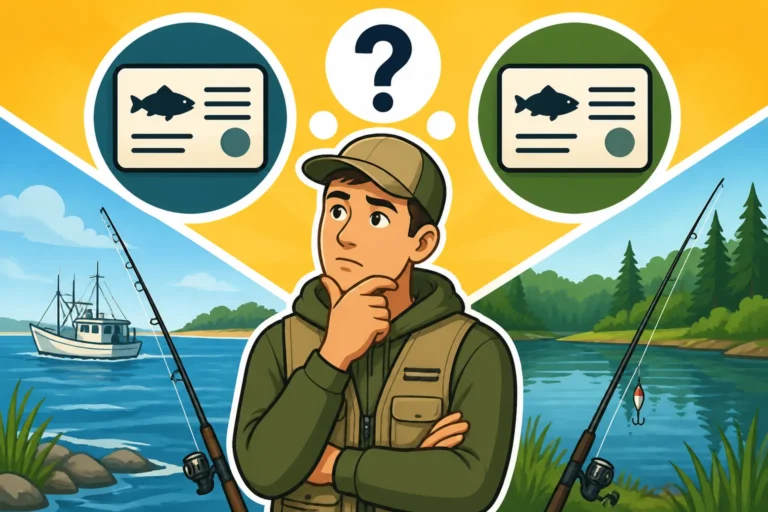
Yes, absolutely, the distinction between tidal and nontidal waters significantly affects the 3-day nonresident license cost, and it's one of the most common sources of confusion for anglers. Maryland's geographical layout means you have distinct freshwater (nontidal) and saltwater/brackish (tidal) environments, and each has its own set of management rules and associated licenses.
- Nontidal Waters are typically inland bodies of water such as reservoirs (like Deep Creek Lake or Liberty Reservoir), small ponds, and rivers above the tidal influence. Think of places where the water level doesn't visibly rise and fall with the ocean's tides.
- Tidal Waters encompass the entire Chesapeake Bay, its numerous tributaries (like the Patuxent, Choptank, or Severn Rivers up to a certain point), and the Atlantic Ocean coastline near Ocean City. Here, the water level noticeably fluctuates with the tides.
If your fishing plans include both tidal and nontidal waters within your three-day window, you would need to purchase both a Nonresident 3-Day Nontidal license and a Nonresident 3-Day Bay & Coastal Sport Fishing license. There isn't a single combined 3-day option for nonresidents that covers both seamlessly, unlike some of the annual resident consolidated licenses. This is a critical point to understand to avoid accidentally fishing illegally in one water type while licensed for another. To dive deeper into these distinctions, you might find our article on Maryland Nontidal vs Tidal Fishing License, Explained particularly helpful.
Here’s a quick overview of the 3-day nonresident license options and their typical costs:
| License Type | Covered Waters | Typical Cost (approx.) |
|---|---|---|
| Nonresident 3-Day Nontidal Fishing License | Inland lakes, ponds, and nontidal rivers | $12.50 |
| Nonresident 3-Day Bay & Coastal Sport Fishing | Chesapeake Bay, its tidal tributaries, Atlantic Coast | $22.50 |
Note: Costs are approximate and subject to change. Always verify current prices on the Maryland DNR website.
Optional Stamps and Endorsements
Beyond the base license, Maryland also has specific stamps and endorsements that might be required or desired, depending on what and how you plan to fish. For a nonresident on a 3-day trip, the most common addition would be the Trout Stamp.
- Trout Stamp: If you plan on fishing any designated trout management waters, even for catch-and-release, a Maryland Trout Stamp is mandatory. This is true whether you’re a resident or nonresident. The cost for a nonresident trout stamp is typically around $10.00 for an annual stamp. Since there isn't a 3-day specific trout stamp, you'd purchase the annual one, which can add to your total cost but is essential for targeting those beautiful brook, brown, and rainbow trout. Understanding Maryland Trout Stamp Requirements is crucial if you plan to hit the state's colder waters.
- Two-Pole Endorsement: Maryland generally allows anglers to use one fishing rod. If you want to use a second rod or line simultaneously, you'll need a Two-Pole Endorsement. For nonresidents, this usually costs around $5.00 for an annual endorsement. While not always necessary for a short trip, it can be a nice add-on if you like to fish with multiple setups, perhaps one for bottom fishing and another for casting.
It’s crucial to assess your fishing intentions for those three days. If trout fishing is on your agenda, factor in that stamp. If you're a multi-rod angler, consider the two-pole endorsement. These additions ensure you're fully legal and can enjoy your fishing without worry.
Where and How to Purchase Your 3-Day License
Getting your Maryland nonresident 3-day fishing license is quite straightforward, thanks to modern technology and a network of local vendors. You have a few convenient options, allowing you to secure your license before you even leave home or pick one up right when you arrive. For general instructions, you can refer to our article on How to Buy a Maryland Fishing License.
Online Purchase Process
This is, by far, the easiest and most recommended method, especially for nonresidents. Maryland’s Department of Natural Resources (DNR) uses a system called "Compass" for all its licensing needs.
- Visit the Maryland DNR Compass Website: Go directly to the official Maryland DNR website and look for the Compass portal. This is where you'll create an account or log in if you've purchased licenses in Maryland before.
- Create an Account: If you’re a new user, you’ll need to set up a profile. This usually involves providing your personal details, including your full name, date of birth, address (which will establish your nonresident status), and sometimes your driver's license number or another form of ID.
- Select Your Licenses: Once logged in, you can browse the available licenses. Carefully select the "Nonresident 3-Day Nontidal Fishing License" or "Nonresident 3-Day Bay & Coastal Sport Fishing License" based on where you plan to fish. Remember, you might need both if you're covering different water types. Don't forget any necessary stamps like the Trout Stamp if applicable.
- Confirm and Pay: Review your selections and proceed to checkout. You'll use a credit or debit card for payment.
- Print or Save: After a successful purchase, you'll receive a confirmation and often a printable version of your license. You can print it out and keep it with you, or save a digital copy on your phone. Having it readily accessible is key, as you'll need to present it if requested by a natural resources police officer.
The convenience of Buying a Maryland Fishing License Online cannot be overstated. It ensures you’re legal before you even cast a line.
In-Person Retailers
If you prefer a more traditional approach or find yourself needing a license spur-of-the-moment, you can purchase one in person. Maryland has a wide network of authorized license agents.
- Tackle Shops and Bait Stores: Many local fishing shops are authorized DNR license agents. These are often excellent places to get your license because the staff can also provide invaluable local fishing advice, tell you what's biting, and recommend the best bait or lures.
- Sporting Goods Stores: Larger sporting goods chains and independent stores across the state often sell fishing licenses. Brands like Bass Pro Shops or even general retailers like Walmart (in their sporting goods section) are common places to find them.
- DNR Service Centers: While less convenient for many, the official Maryland DNR service centers also sell licenses.
When buying in person, you'll fill out a form with your information, present identification, and pay on the spot. You'll receive a physical license, usually a paper copy, which you should keep on your person while fishing.
What You'll Need to Buy One
Whether purchasing online or in person, you’ll generally need the following:
- Valid Photo Identification: A driver's license, state ID card, or passport. This is crucial for verifying your identity and, more importantly, your nonresident status.
- Proof of Nonresidency: Your ID will usually suffice for this, as it shows your out-of-state address.
- Basic Personal Information: Full name, date of birth, address, and sometimes height, weight, and eye color.
- Payment Method: A credit/debit card for online purchases, or cash/card for in-person purchases.
Ensuring you have these items ready will make the purchase process quick and seamless.
Maximizing Your 3-Day Fishing Adventure
A 3-day license offers a fantastic opportunity to explore Maryland's diverse waters, but making the most of those 72 hours requires a bit of planning and awareness.
Planning Your Trip Around the License
Since your license is only valid for a specific three-day period, strategic planning is key.
- Coordinate with Prime Fishing Times: Research the best times for the species you want to target. For instance, if you're chasing striped bass, understanding the bite during tidal movements or dawn/dusk can be crucial. If you're after trout, knowing when the streams are stocked is invaluable. You can read up on the Best Time of Year to Fish in Maryland to align your trip perfectly.
- Check Weather Forecasts: A sudden storm or extreme weather can cut into your limited fishing time. Keep an eye on the forecast and try to pick days with favorable conditions.
- Focus Your Efforts: Instead of trying to cover too many different areas or species, pick one or two primary targets. For example, dedicate your time to Fishing Maryland's Chesapeake Bay, A Complete Guide, or focus solely on a particular lake. This maximizes your chances of success.
- Gear Prep: Have all your gear ready to go. Consider ordering any specific lures or tackle you might need ahead of time on Amazon, ensuring they arrive before your trip. Being prepared means more time fishing and less time scrambling.
Avoiding Common Pitfalls and Fines
Fishing without the proper license or violating regulations can quickly turn a fun trip into a costly headache. Maryland Natural Resources Police (NRP) regularly patrol waterways, and they don't take kindly to violations.
- Always Carry Your License: This might sound obvious, but it's easy to forget. Keep your printed license or digital copy on your phone with you at all times while fishing. This is your proof of compliance.
- Understand Regulations: A license isn't a carte blanche to catch anything. You must also adhere to Maryland fishing size and catch limits by species, seasons, and any gear restrictions. Ignorance of the law is not an excuse. Familiarize yourself with the Maryland DNR Fishing and Boating Guide before you cast a line.
- Know Your Water Type: Reiterate the tidal vs. nontidal distinction. If you have a nontidal license, don't accidentally fish in a tidal creek without the correct permit. The consequences can be severe, including significant Maryland Fishing License Penalties for Violations.
- Specific Rules: Be aware of rules for specific species, especially invasive ones. For example, there are strict Maryland Invasive Fish Rules: Blue Catfish and Snakehead that anglers must follow.
Considering Longer-Term Options for Future Trips
Once you've experienced the fantastic fishing Maryland has to offer, you might find yourself itching to come back for more. If you foresee multiple trips in a calendar year, it might be more economical to consider an annual nonresident fishing license. While the 3-day option is perfect for short visits, an annual license often pays for itself if you plan three or more trips.
For dedicated anglers, purchasing the Maryland Fishing License Guide for 2026 early in the year might be a smart move, giving you access to all waters for a full 12 months. This allows for greater spontaneity and flexibility, letting you hit the water whenever the urge strikes without needing to worry about purchasing a new short-term license each time.
Disclaimer
The information provided in this guide is intended for general informational purposes only and is subject to change. While we strive to offer the most current and accurate details, fishing regulations, license costs, and requirements can be updated by the Maryland Department of Natural Resources (DNR) at any time. It is always the angler's responsibility to verify the latest regulations and license information directly with the Maryland DNR before engaging in any fishing activities. We are not responsible for any omissions or inaccuracies.