Tautog Fishing Around Maryland’s Bay Bridge
There’s a unique kind of angler in Maryland who thrives on a challenge, someone who isn't satisfied with simply casting a line and waiting. They seek out the structure, the unforgiving currents, and the fish that truly test their mettle. If you’ve ever found yourself staring at the concrete labyrinth of the Chesapeake Bay Bridge, wondering how to tackle the notoriously tricky tautog that call it home, you know exactly what I'm talking about. This guide is for you – the angler ready to decode the secrets of this formidable species and conquer the pilings.
Understanding Tautog: The Bay Bridge Brawler
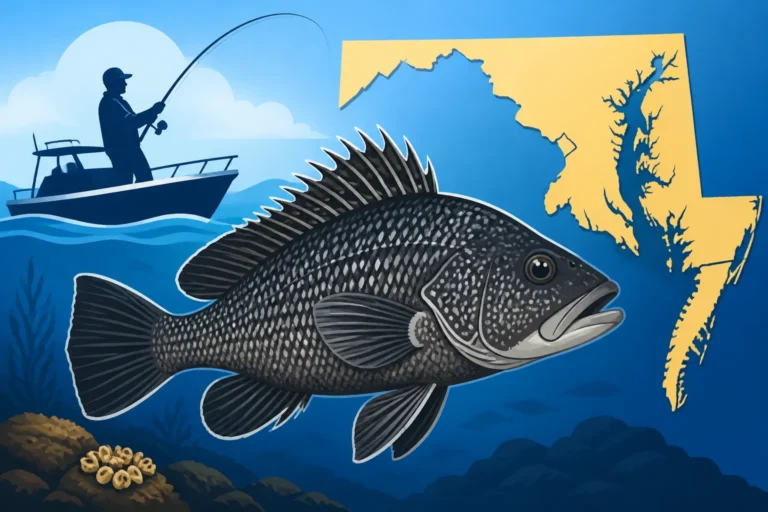
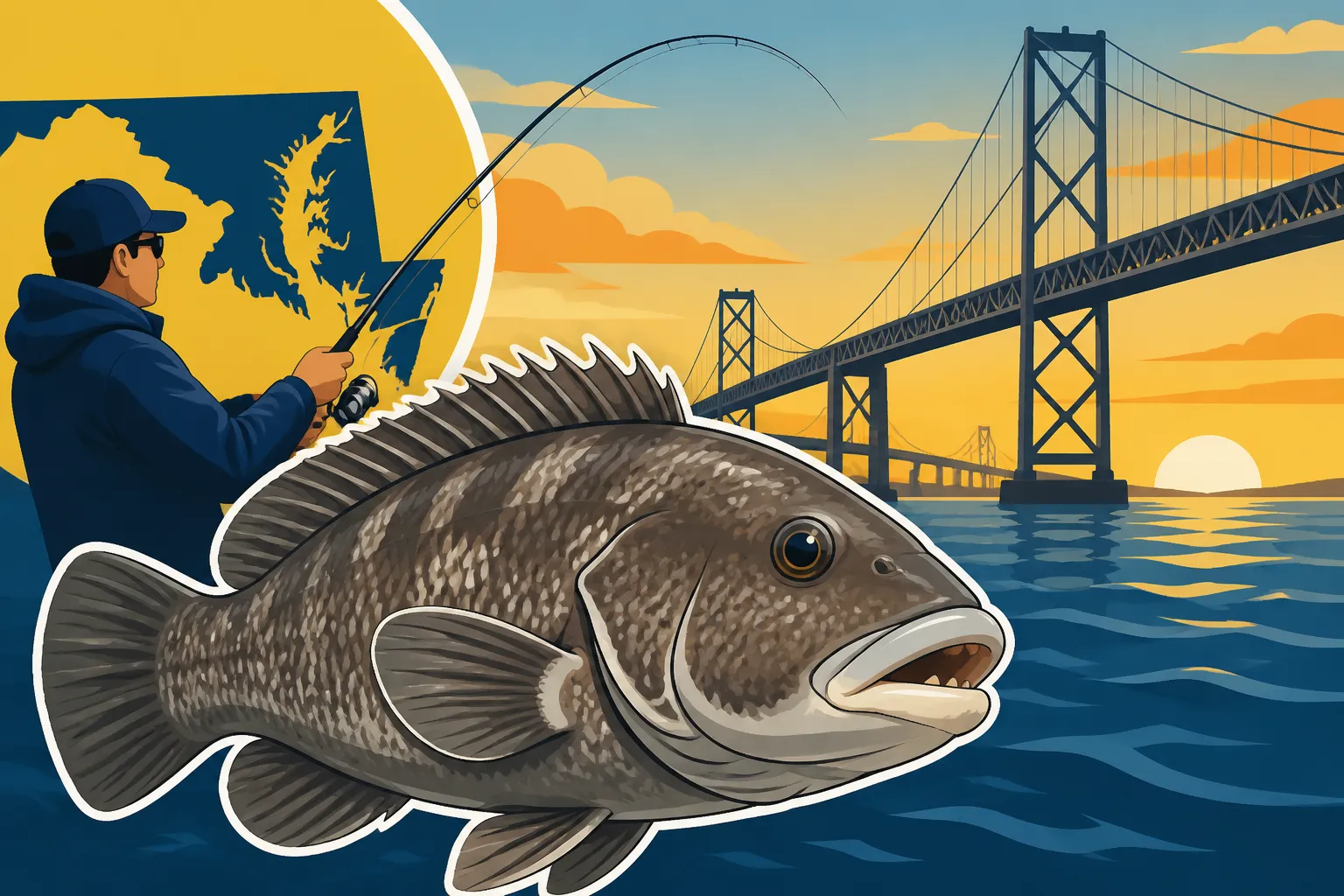
Maryland's Bay Bridge isn't just a marvel of engineering; it's a thriving ecosystem, a complex network of pilings and rubble that attracts an incredible array of marine life. Among them, the tautog stands out as one of the most sought-after, and often most frustrating, targets for serious anglers. They are structure-oriented fish, meaning they cling tightly to rocks, wrecks, and, you guessed it, bridge pilings, making them a true brawler once hooked.
Tautog: A Unique Challenge for Maryland Anglers
Catching a tautog, affectionately known as "whiteleggers" or simply "tog" by many, is an art form that demands patience, precision, and a bit of grit. These fish aren't like your typical bottom feeders that just inhale anything that comes along. They're picky eaters with a powerful set of teeth designed for crushing shellfish, and their bite can be incredibly subtle, often feeling like nothing more than a slight tap, tap, tap before they commit. Many anglers spend hours fishing what they think are prime spots only to come up empty-handed, leaving them scratching their heads. It's a common frustration, and one that only deepens the satisfaction when you finally bring one of these powerful fish to the boat.
Their uncanny ability to dive straight back into the sharpest, snaggiest parts of the bridge structure the moment they feel a hook is legendary. This isn't a fish you can gently coax away from cover; it's a tug-of-war where every inch matters. The challenge of not only finding them, but enticing them to bite, and then successfully pulling them away from their snag-infested homes is what makes tautog fishing around the Bay Bridge such an addictive pursuit. It truly sets apart the casual angler from those dedicated to mastering the craft.
Tautog Biology and Behavior Near the Bridge
The Chesapeake Bay Bridge provides the perfect habitat for tautog. Its myriad concrete pilings, rock jetties, and submerged rubble fields offer both abundant food sources and crucial protection from predators and strong currents. Tautog are masters of camouflage, blending seamlessly into the barnacle-covered rocks and concrete. This means they don't have to chase their food far; they simply wait for a crab or shellfish to drift by their hiding spot. This sedentary lifestyle, combined with their diet, contributes to their incredibly strong jaws and powerful, bulldog-like fight.
Their behavior is highly influenced by water temperature. As the seasons change, so do the tog. During the colder months, from late fall through early spring, they become more concentrated around deeper, warmer thermal pockets within the bridge's structure, offering anglers a prime opportunity to target them. Conversely, as the Bay waters warm up in the summer, they tend to spread out more and can be harder to locate in large numbers. Knowing these patterns is crucial for consistent success. You might be curious, How Big Do Tautog Get Around the Bay Bridge?, and the answer is substantial enough to put a serious bend in your rod, often reaching impressive sizes that provide both a challenging fight and a rewarding meal. Speaking of meals, many anglers agree that Are Tautog Good to Eat?, confirming their reputation as excellent table fare.
Key Locations and Structure at the Bay Bridge
The Chesapeake Bay Bridge is a massive structure, stretching for miles across the Bay. It's not just one uniform spot for tautog; rather, it's a collection of distinct features, each with its own nuances for finding these elusive fish. Understanding the precise types of structure and how they interact with currents is fundamental to consistent success.
Decoding the Bay Bridge Pilings and Rockpiles
The most obvious and productive tautog habitat at the Bay Bridge is, of course, the pilings themselves. These massive concrete columns extend deep into the Bay, creating vertical habitat covered in barnacles, mussels, and other marine growth that tautog love to pick at. But it's not just the pilings; beneath the surface, there's often a treasure trove of fallen concrete, rip-rap, and debris from the bridge's construction and maintenance over the years. These rockpiles and rubble fields are prime ambush points and hiding spots for tautog, offering even more intricate nooks and crannies for them to inhabit.
Anglers need to think about current breaks. Imagine the strong tidal currents ripping past a bridge piling. On the upstream side, the current hits the piling directly, while on the downstream side, a quieter "eddy" or current break forms. Tautog often position themselves in these calmer zones, conserving energy while waiting for food to be swept past them. Fishing these specific current breaks, rather than just blindly dropping a line anywhere near a piling, can dramatically increase your chances. It requires careful boat positioning and observation to truly dial in on where the fish are holding.
Navigating the Complexities of Bridge Fishing
While the bridge offers incredible fishing opportunities, it also presents significant challenges. First and foremost is safety. The Chesapeake Bay Bridge is a major thoroughfare for both large commercial vessels and countless recreational boats. You need to be acutely aware of boat traffic, especially when maneuvering and anchoring. The currents themselves can be incredibly strong, making boat control tricky and requiring heavy anchor setups to hold your position. Losing your anchor or drifting into an unsafe position are real concerns that need to be planned for.
Beyond safety, the sheer complexity of the underwater structure creates an inherent challenge: snags. Tautog live right in the middle of a rocky, jagged obstacle course. It's almost guaranteed you'll get snagged. A lot. This can be incredibly frustrating, costing you valuable fishing time, tackle, and sometimes even a prized fish. Learning to feel the difference between a bite and a snag, and understanding how to minimize snags through your rigging and presentation, comes with experience. Having a good fishfinder and GPS is invaluable for identifying submerged structure and marking productive spots, allowing you to return to them precisely on future trips.
Essential Gear and Tackle for Bay Bridge Tautog
Tautog fishing is not for the faint of heart, and neither is the tackle you’ll need to do it effectively around the Bay Bridge. This isn't about ultra-light finesse; it's about brute strength, abrasion resistance, and enough power to yank a fish out of a concrete jungle before it can escape. Investing in the right gear can make all the difference between a day of endless frustration and a successful outing.
Rods, Reels, and Line for Tautog
For tautog, you're going to want a stout, heavy-action rod – something with a stiff backbone but enough sensitivity in the tip to detect those notoriously subtle bites. Many anglers prefer rods in the 6.5 to 7.5-foot range, capable of handling heavy sinkers and powerful fish. A fast action tip is key here for feeling those subtle taps. Pair this with a robust conventional reel, often a lever-drag or star-drag model, that can hold a significant amount of line and has a powerful drag system. You'll be putting a lot of pressure on these fish, so your reel needs to be up to the task.
Line choice is critical. Most serious tog anglers opt for braided line as their main line, typically in the 50 to 65-pound test range. Braid offers superior sensitivity, allowing you to feel every little nudge, and has virtually no stretch, which is vital for quick, powerful hooksets. However, braid is visible and has poor abrasion resistance against sharp rocks and barnacles. Therefore, it's essential to use a heavy fluorocarbon leader, usually 30 to 50-pound test, tied to your braid with a strong knot like an FG or Albright. This leader provides the necessary invisibility and, more importantly, abrasion resistance against the unforgiving bridge structure. You can find a good selection of these lines and reels on platforms like Amazon, ensuring you're ready for the fight.
Hooks, Weights, and Terminal Tackle Setup
When it comes to hooks, strength and sharpness are paramount. Tautog have incredibly tough mouths, and a weak or dull hook simply won't penetrate. Popular choices include strong, heavy-gauge octopus hooks or J-hooks, typically in sizes ranging from 2/0 to 5/0, depending on the bait size and the expected size of the fish. Offset hooks can sometimes help with hook-up ratios. It's not uncommon to bend or break hooks when a big tog decides to take refuge deep within the pilings, so always have plenty of replacements on hand.
Weights are another area where "heavy" is the operative word. Given the strong currents around the Bay Bridge, you'll often need heavy sinkers to hold your bait on the bottom and prevent it from being swept away. Bank sinkers or egg sinkers are common choices, ranging from 3 ounces up to 8 ounces or even more on exceptionally strong current days. The goal is to use the lightest weight possible that still effectively holds bottom. For your terminal tackle, a simple two-hook dropper rig (high-low rig) is a popular and effective setup, using snelled hooks tied to fluorocarbon leaders off a main leader line. This allows you to present two baits at once and keeps your hooks away from the main line, reducing tangles. This setup is similar to Bottom Fishing Techniques for Maryland Catfish, where keeping your bait anchored and accessible to bottom-dwellers is key.
Mastering Tautog Baits and Rigging
You can have the best rod, reel, and line in the world, but if you don't have the right bait presented correctly, you're simply not going to catch tautog. These fish are finicky, discerning eaters, and their diet consists almost exclusively of crabs and other shellfish. Understanding their preferred menu and how to prepare it is a huge step toward success.
The Irresistible Charm of Crabs
Without a doubt, crabs are the undisputed king of tautog baits. Specifically, green crabs are arguably the most popular and effective choice. Their hard shells and meaty interior are exactly what a tog is looking for. Fiddler crabs, with their single large claw, are another fantastic option, especially for smaller tog or when trying to tempt a wary fish. Many local bait shops around the Chesapeake Bay will carry green crabs, but they often sell out quickly, so it's wise to call ahead or even collect your own if you have the means. Less common but still effective are "whiteleggers" or sheep crabs, which are small, meaty, and highly attractive to tautog when you can get your hands on them.
The key to success with crabs isn't just having them; it's keeping them alive and fresh. A simple cooler with some damp newspaper or seaweed will usually suffice for green crabs, while fiddler crabs need a bit more care to stay lively. Many anglers even order specific crab pots or nets from retailers like Amazon to ensure they always have fresh bait on hand, as live bait is almost always superior to dead bait for tautog. The fresher and livelier your crabs, the more enticing they will be to these discerning bottom dwellers. This really highlights why Best Bait for Tautog Fishing in Maryland so often revolves around these crustacean delights.
Effective Bait Presentation and Hooking
Presenting your crab bait naturally and effectively is crucial. For green crabs, it's often best to quarter them or cut them in half, depending on their size, exposing some of the juicy innards. The goal is to create a scent trail while still leaving enough meat for the tog to grab onto. For fiddler crabs, they are typically fished whole. When hooking, thread the hook through the leg socket or side of the crab, making sure the hook point is fully exposed. A common mistake is burying the hook too deeply, preventing a solid hookset when the fish bites.
The bite itself is notoriously subtle. Tautog are not aggressive predators in the same way a striped bass might be. They'll often "tap, tap, tap" at the bait, crushing parts of the shell before fully taking it into their mouth. This is where your rod sensitivity comes into play. You need to distinguish these tentative nibbles from a full commitment. The trick is patience: wait for a solid "thump" or sustained pressure before setting the hook. When you do set the hook, make it a powerful, straight-up motion to drive that hook home into their tough jaws and immediately start reeling to pull them away from the structure.
Tautog Fishing Techniques for the Bay Bridge
Successfully targeting tautog at the Bay Bridge is less about luck and more about a meticulous approach. It combines careful boat handling, a nuanced understanding of their bite, and the ability to react instantly. This isn't a passive fishing experience; it's active and engaging, demanding your full attention.
Precision Anchoring and Boat Positioning
One of the most critical aspects of Bay Bridge tautog fishing is precision anchoring. You can't just drop anchor anywhere; you need to position your boat so your baits drift naturally into the strike zone around a piling or rockpile. This usually means anchoring slightly upstream of your intended target, allowing the current to carry your lines back to the sweet spot. Factors like current strength, wind direction, and the depth of the water all play a role in determining your exact anchor drop point. It’s an art form that takes practice.
Using a good GPS with detailed mapping is incredibly helpful here. You can mark specific pilings or submerged rock formations that have been productive in the past and then use your GPS to guide your approach. Once anchored, observe how your lines are drifting. If they're swinging too far or not reaching the structure effectively, you may need to adjust your anchor. Remember, these fish live in the structure, so you need to get your bait right to them. Minimizing snags, while inevitable, can also be aided by precise positioning, preventing your lines from dragging over unnecessary obstacles. For those considering smaller craft, Kayak Fishing Techniques for Maryland Waters can offer insights into managing current and positioning in tight spots, albeit with different safety considerations.
The Art of the Tautog Bite and Hookset
As mentioned, the tautog bite is famously subtle. It's often described as a series of light taps or a gentle weight on your line. Many novice anglers mistake these taps for small baitfish or even a snag and miss the opportunity. The key is to resist the urge to set the hook immediately. Let the fish "chew" on the bait for a moment. You're waiting for that definitive "thump" or a steady pull that signals the fish has fully committed and taken the bait into its mouth. It requires a zen-like patience combined with hair-trigger reflexes.
Once you feel that solid bite, it's time for a powerful and immediate hookset. This isn't a gentle sweep; it's a firm, upward yank to drive the hook through their tough, bony jaws. The moment the hook is set, you need to reel hard and fast, putting maximum pressure on the fish to pull it away from the structure. If you give a tautog even a second of slack or hesitation, it will use its incredible strength and knowledge of its surroundings to dive back into the pilings, often breaking your line or burying itself so deep it’s impossible to retrieve. This aggressive, unyielding fight is what makes them such a prized catch, much like the powerful initial run you might experience when using Jigging Techniques for Maryland's Chesapeake Bay Striped Bass, though with a different kind of structure to contend with.
Timing Your Tautog Trip: Seasons and Tides
Like most fish, tautog activity is heavily influenced by environmental factors, particularly water temperature and tidal currents. Understanding the best times to target them can dramatically improve your chances of success and help you plan your trips to the Bay Bridge for optimal results.
Prime Tautog Seasons Around the Bay Bridge
Tautog are primarily cold-water fish, and their activity levels are directly tied to the Bay's water temperature. The prime seasons for tautog fishing around the Bay Bridge are generally late fall, throughout winter (weather permitting, of course), and early spring. During these cooler months, tautog tend to congregate in deeper, more stable temperature zones around the bridge's structure, making them more predictable and concentrated targets. They feed actively to bulk up for the winter or after the spawning season. Trying to catch them in the heat of summer can be a much tougher proposition as they become more dispersed and less inclined to bite.
Anglers often look forward to these cooler periods when the tautog bite heats up. While the exact timing can vary slightly year to year based on weather patterns, typically October through April sees the best action. However, it's crucial to stay updated on Tautog Season Dates as regulations can change, and you always want to be fishing legally. Furthermore, considering Best Time of Year to Fish in Maryland in general will highlight these cooler months as prime for many bottom-dwelling species. Don't let the chilly weather deter you; some of the most productive tog days happen when there's a crisp bite in the air, requiring some Cold-Weather Fishing Tips for Maryland's Chesapeake Bay to stay comfortable and effective on the water.
Understanding Tides and Currents for Success
If there's one environmental factor that dictates success or failure for tautog fishing at the Bay Bridge, it's the tide and associated currents. Tautog use the currents to their advantage, positioning themselves in ambush points where food is delivered directly to them. Generally, a moving tide is preferred over slack tide, as the current stirs up bait and gets the fish actively feeding. However, too strong a current can make it incredibly difficult to hold bottom with your bait, and present your offering naturally.
Many experienced tautog anglers will focus their efforts around the periods of moderate current, often an hour or two on either side of a slack tide, both incoming and outgoing. This "sweet spot" provides enough current to get the fish moving but isn't so strong that you need excessively heavy weights, which can hinder bite detection. Observing How Tides Affect Fishing in Maryland's Chesapeake Bay is a skill honed over many trips, but for tautog, it's absolutely paramount. Keeping a close eye on tidal charts and planning your trip to coincide with these optimal current windows can make the difference between a few nibbles and a limit catch. Always check Maryland Fishing Size and Catch Limits by Species before you head out, as these are critical regulations to follow.
Maryland Tautog Bait Comparison
When it comes to tautog, bait is everything. Here's a quick look at the most effective crab baits you can use at the Bay Bridge:
| Bait Type | Description | Pros | Cons | Best Uses |
|---|---|---|---|---|
| Green Crab | Hard-shelled, meaty, common in local bait shops | Excellent scent, tough shell holds up to pickers, readily available | Can be expensive, requires cutting/quartering for best presentation | All-around best bait for consistent action, good for larger tog |
| Fiddler Crab | Small, distinctive large claw, very lively | Highly attractive, very active on the hook, effective for finicky fish | Small size means easier for tog to steal, harder to keep alive | Great for tempting wary fish, effective for smaller to mid-size tog |
| Whitelegger (Asian Shore Crab) | Small, often found on rocky shorelines, very tough | Extremely tough, stays on hook well, very natural forage | Difficult to find/collect in large quantities, smaller bait size | When green crabs are unavailable, or for very tough conditions |
Disclaimer
This article is for general informational purposes only and does not constitute professional advice. Laws, prices and regulations vary by location and change over time. Consult a qualified professional for guidance on your specific situation.